Clipper Guard Sizes & Fade Types Chart
| Guard | Inches | mm | Looks like | Typical uses |
|---|---|---|---|---|
| #0 (no guard) | 1/16" lever open; ~1/50" closed | 1.5 mm open; ~0.5 mm closed | Scalp clearly shows; heavy stubble | Bottom of fades, outlines, neckline |
| #0.5 | 1/16" | 1.5 mm | Shadow, scalp visible | First blend above skin or #0 |
| #1 | 1/8" | 3 mm | Very short, scalp shows through | Low/mid fade base, buzz cuts |
| #1.5 | 3/16" | 4.5 mm | Short shadow with a bit more cover | Blending #1 into #2 |
| #2 | 1/4" | 6 mm | Short, even, scalp shows in light | Sides of classic short cuts, fade mid-zone |
| #3 | 3/8" | 10 mm | Short but covers the scalp | Sides of tapers, short buzz all over |
| #4 | 1/2" | 13 mm | Short crew length, soft texture | Taper sides, crew cut tops |
| #5 | 5/8" | 16 mm | Noticeable length, still neat | Longer sides, blending into scissor work |
| #6 | 3/4" | 19 mm | Medium-short, hair starts to lie down | Grown-out sides, short tops |
| #7 | 7/8" | 22 mm | Medium-short with movement | Blending sides into longer top |
| #8 | 1" | 25 mm | Longest standard guard, full coverage | Short-all-over trims, tops of crew cuts |
Numbers are the common Wahl-style standard (each step adds 1/8 inch). Wahl, Andis and Oster guards can differ by about a millimeter, some brands number half sizes differently, and a #0 depends on the blade and lever position. Always check the length printed on the guard itself.
Seven fade types · guard progressions from bottom to top
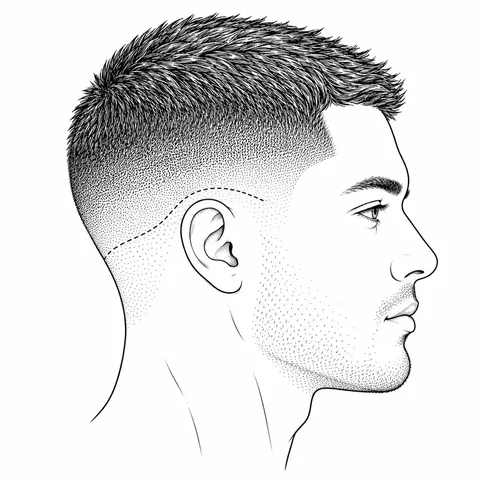
Low fade
Starts ~1/2" above the ear, follows the hairline to the nape.
- #0 open
- #1
- #2
- #3 (blend into top)
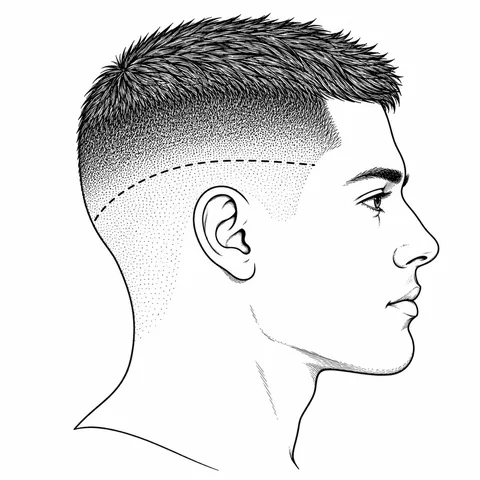
Mid fade
Starts at the temple, halfway up the side.
- #0 open
- #1
- #2
- #3
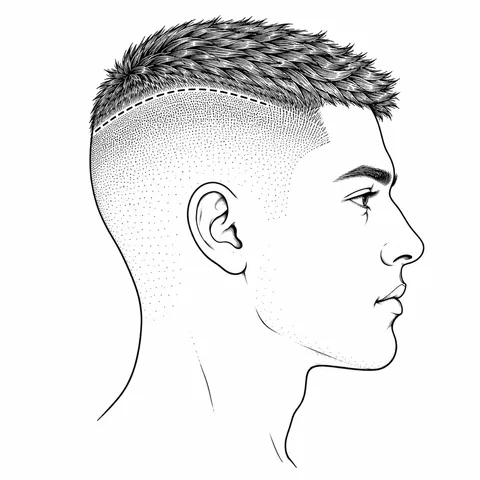
High fade
Starts at the parietal ridge (where side meets top).
- #0 open
- #1
- #2, top left longer
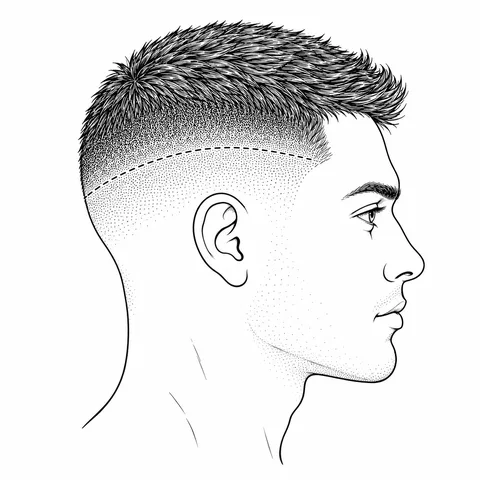
Skin / bald fade
Bottom band shaved to skin.
- Foil shaver or zero-gapped trimmer
- #0 closed
- #0.5
- #1
- #1.5
- #2
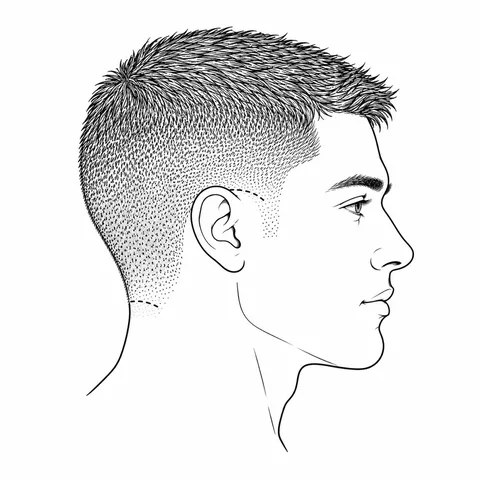
Taper
Only sideburns and neckline graduate; sides stay longer.
- #1 at the edges
- #2
- #3
- #4 on the sides (or scissor-over-comb)
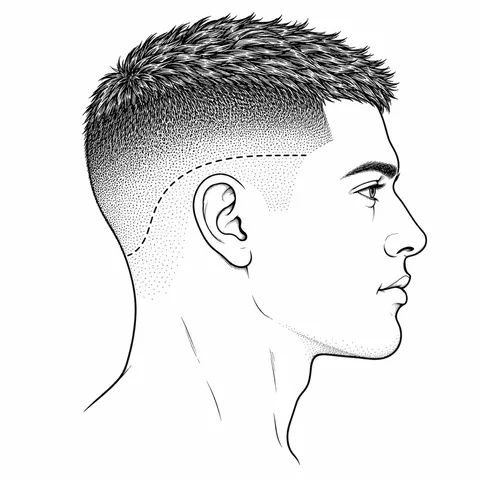
Drop fade
Starts at temple height, curves down behind the ear to the nape.
- #0 open
- #1
- #2
- #3, following the arc
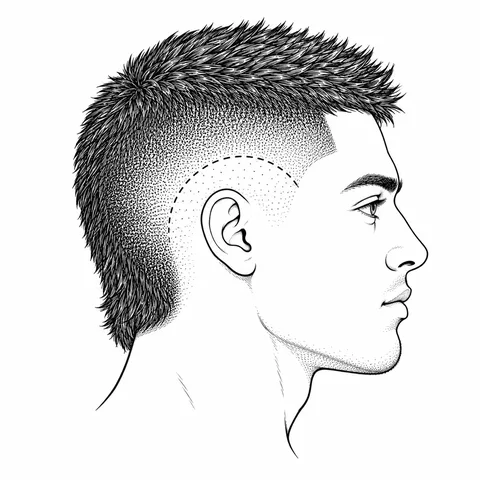
Burst fade
Semicircle around the ear only; nape stays long (mohawk/mullet).
- Skin or #0
- #1
- #2 around the ear