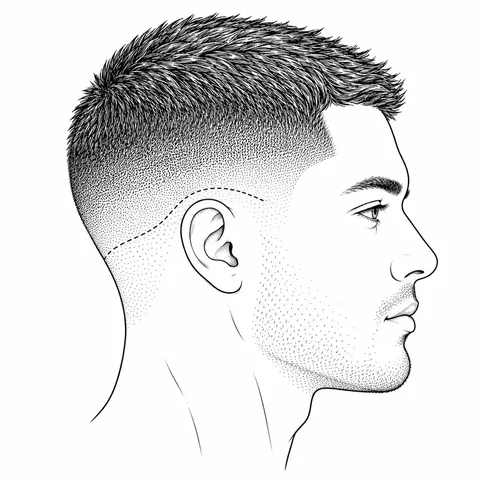
Low fade
Starts ~1/2" above the ear, follows the hairline to the nape.
Guard progression · bottom to top
- #0 open
- #1
- #2
- #3 (blend into top)
Free classroom resource
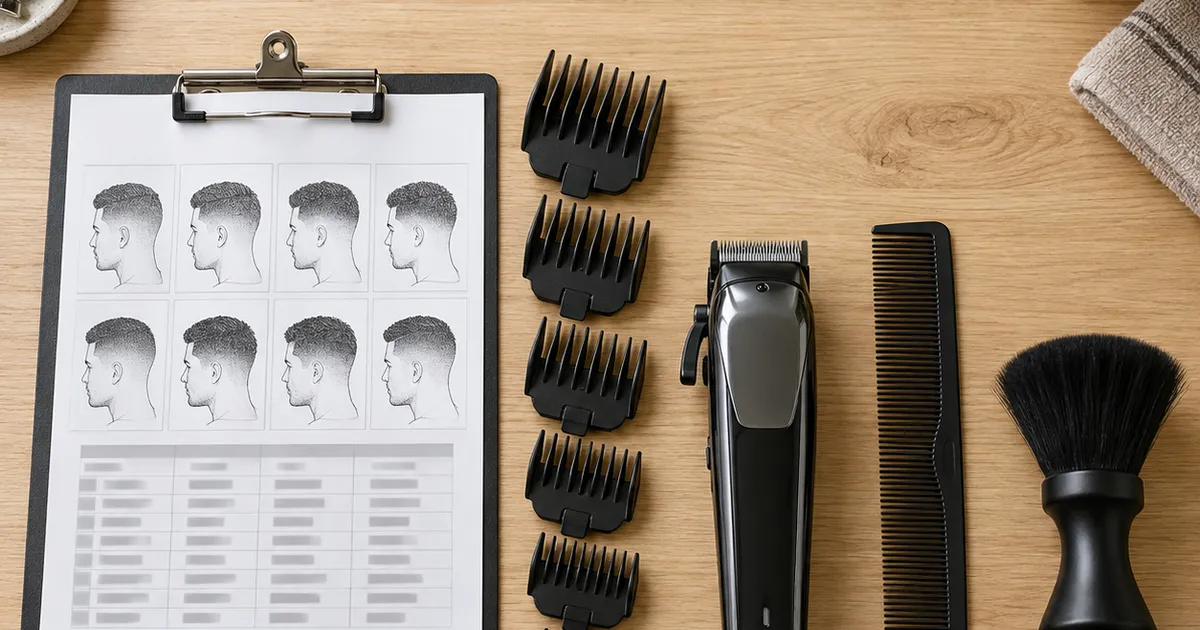
Know the length before you cut. Compare 11 guard sizes, see where seven fades start, and follow each guard progression from bottom to top.
Free · No signup · One US Letter page · Also fits A4
| Guard | Inches | mm | Looks like | Typical uses |
|---|---|---|---|---|
| #0 (no guard) | 1/16" lever open; ~1/50" closed | 1.5 mm open; ~0.5 mm closed | Scalp clearly shows; heavy stubble | Bottom of fades, outlines, neckline |
| #0.5 | 1/16" | 1.5 mm | Shadow, scalp visible | First blend above skin or #0 |
| #1 | 1/8" | 3 mm | Very short, scalp shows through | Low/mid fade base, buzz cuts |
| #1.5 | 3/16" | 4.5 mm | Short shadow with a bit more cover | Blending #1 into #2 |
| #2 | 1/4" | 6 mm | Short, even, scalp shows in light | Sides of classic short cuts, fade mid-zone |
| #3 | 3/8" | 10 mm | Short but covers the scalp | Sides of tapers, short buzz all over |
| #4 | 1/2" | 13 mm | Short crew length, soft texture | Taper sides, crew cut tops |
| #5 | 5/8" | 16 mm | Noticeable length, still neat | Longer sides, blending into scissor work |
| #6 | 3/4" | 19 mm | Medium-short, hair starts to lie down | Grown-out sides, short tops |
| #7 | 7/8" | 22 mm | Medium-short with movement | Blending sides into longer top |
| #8 | 1" | 25 mm | Longest standard guard, full coverage | Short-all-over trims, tops of crew cuts |
Numbers are the common Wahl-style standard (each step adds 1/8 inch). Wahl, Andis and Oster guards can differ by about a millimeter, some brands number half sizes differently, and a #0 depends on the blade and lever position. Always check the length printed on the guard itself.
The starting height and shape change the look. Read each progression in order, from the shortest band upward.
Starts ~1/2" above the ear, follows the hairline to the nape.
Guard progression · bottom to top
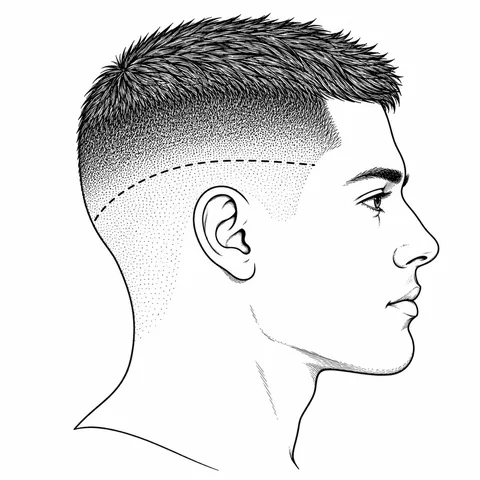
Starts at the temple, halfway up the side.
Guard progression · bottom to top
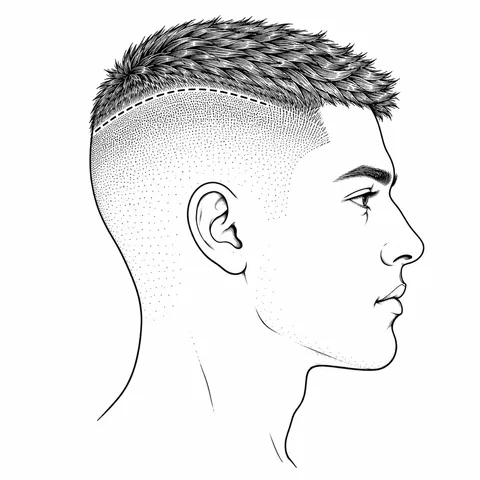
Starts at the parietal ridge (where side meets top).
Guard progression · bottom to top
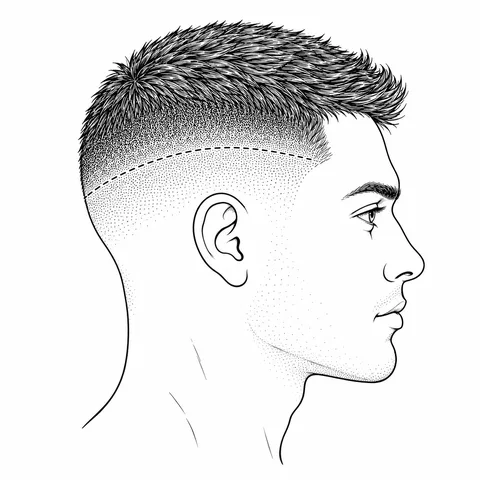
Bottom band shaved to skin.
Guard progression · bottom to top
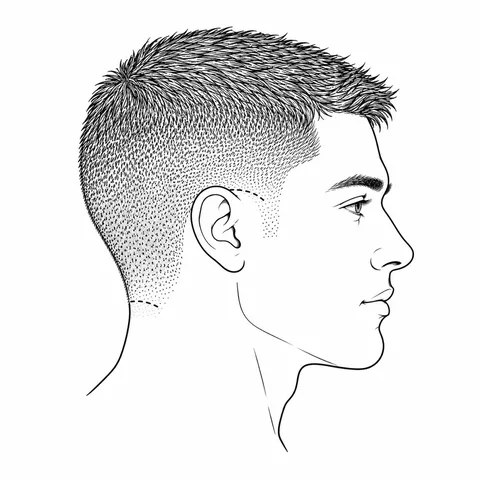
Only sideburns and neckline graduate; sides stay longer.
Guard progression · bottom to top
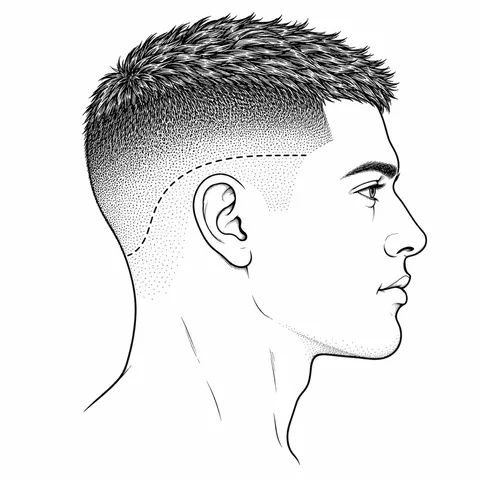
Starts at temple height, curves down behind the ear to the nape.
Guard progression · bottom to top
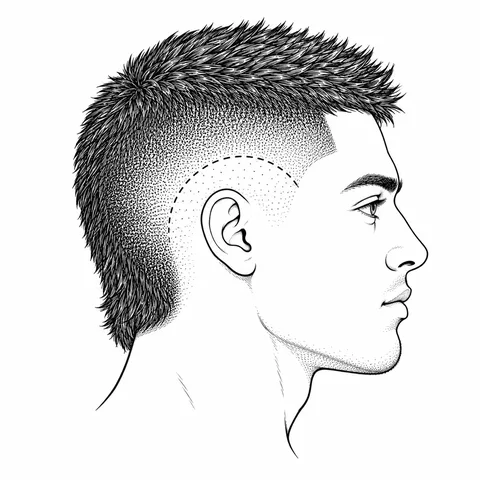
Semicircle around the ear only; nape stays long (mohawk/mullet).
Guard progression · bottom to top
Use the face shape detector and What haircut suits me? to explore your options. Preview the look with the fade haircut simulator, then take the chart to your barber to discuss length and blending.
Free for classroom use; please link back.
Copy this HTML attribution link for a classroom page or school library guide:
<a href="https://hairstyleatlas.com/resources/clipper-guard-chart">Free Clipper Guard Sizes & Fade Types Chart — HairstyleAtlas</a>