Balayage vs Highlights: Which Grows Out Better?
Oleh Onysko 15 August 2026 6 min read
In this article
Balayage and highlights both lighten your hair. The difference is where the colour sits, and what that means in week eight when your roots have opinions. Most people choose between them on day-one photos. The smarter comparison is grow-out, upkeep and cost over a year, because that is the part you actually live with.
The difference in one minute
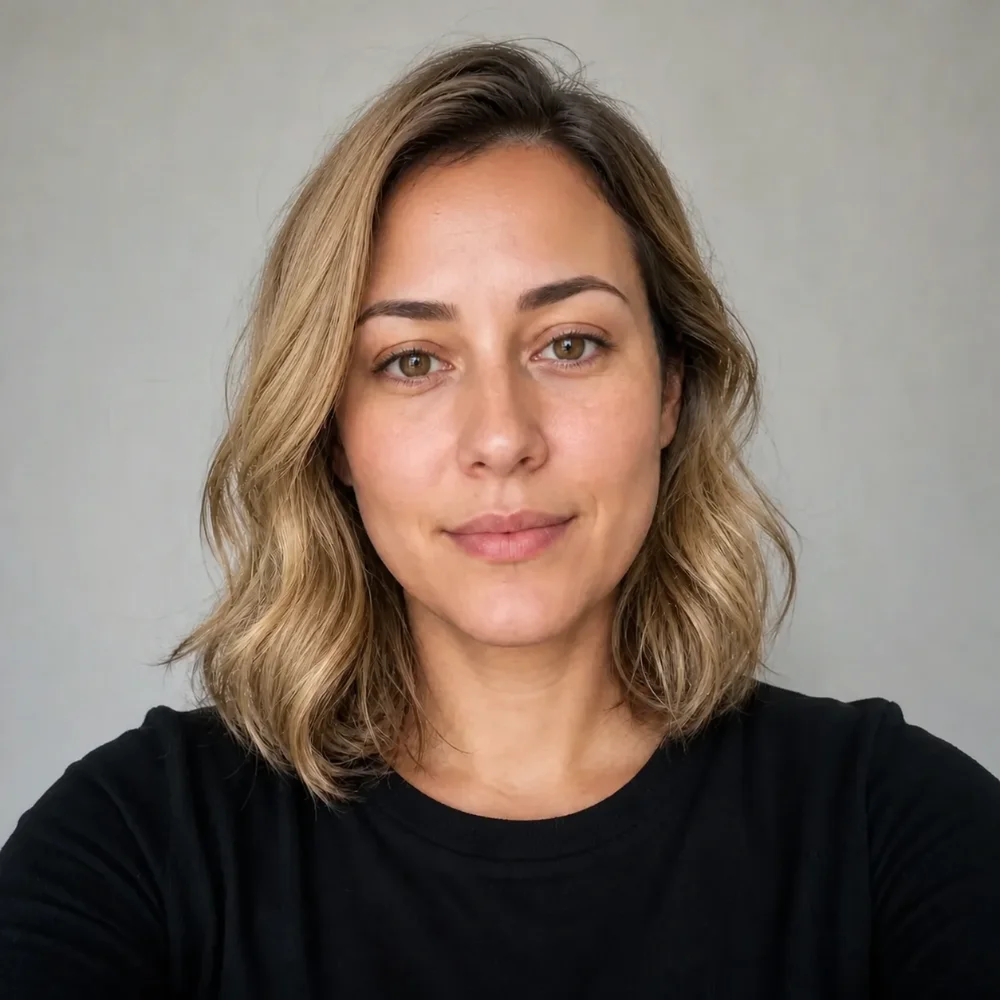
Highlights are applied in foils, in fairly uniform sections, usually from close to the root down to the tip. The result is an even, all-over brightness with a defined starting line near the scalp.
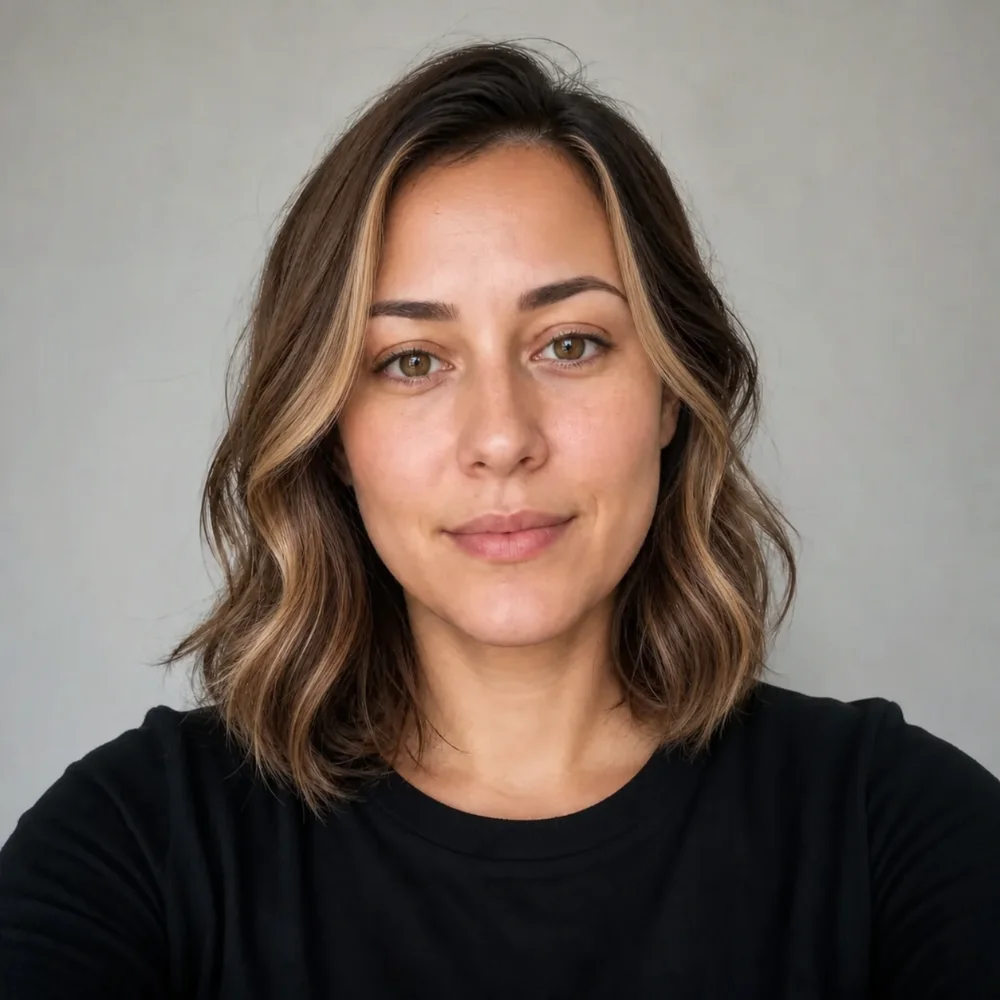
Balayage is hand-painted onto the surface of the hair, concentrated from the mid-lengths down, with a soft and deliberately irregular transition at the top. The result is a graduated, sun-faded effect: deeper at the root, lightest at the ends.
Same lightener, different geometry. And the geometry is what decides everything that follows.


How each one grows out
Highlights grow out with a line. Because the colour starts near the scalp, every week of regrowth pushes a visible band of natural colour between your roots and the lightened lengths. By week six to eight the line is obvious, and the clock effectively forces you back to the salon.
Balayage grows out without one. The colour never started at the root, so regrowth just extends the darker section that was already part of the design. Most people can go four to six months before a refresh, and some go longer, topping up with an occasional toner rather than a full appointment.
On grow-out alone, balayage wins comfortably. That is most of why it exists. One caveat on the timings: how fast a line appears depends on the contrast between your natural colour and the lightened result. Dark hair lifted very blonde shows regrowth within a fortnight; a subtle lift on a mid-brown base hides it for months. The technique sets the pattern, but the contrast sets the clock.
| Highlights | Balayage | |
|---|---|---|
| Where colour starts | Close to the root, in foils | Mid-lengths, hand-painted |
| Regrowth reads as | A visible band by week 6-8 | An extension of the existing depth |
| Refresh cadence | Every 6-10 weeks | Every 4-6 months |
| Sessions per year | 5-8 | 2-3, plus toners |
| Damage concentrates | The root area, on new growth | Overlapped mid-lengths on refresh |
| Exit cost if you stop | A hard line to grow out or cut | Grows out as intended |
Cost and salon hours over a year
Prices vary wildly by city and salon, so treat this as arithmetic rather than a quote. A balayage session usually costs more than a highlight session, because hand-painting takes longer. But highlights typically need a touch-up every six to ten weeks, while balayage stretches to a small number of sessions per year.
Run your own numbers: sessions per year multiplied by your salon's price, plus toner visits. For many people the more expensive technique is cheaper across twelve months, and the hours saved in the chair are not nothing either. If budget is the deciding factor, do this sum before the consultation, not after.
Damage, toning and the brass question
Both techniques use lightener, so neither is damage-free; the AAD\'s hair care guidance is a reasonable baseline for what lightened hair needs afterwards. Highlights revisit the root area every touch-up, but a careful colourist is only lightening new growth each time. Balayage leaves the roots alone, but refreshes risk overlapping previously lightened mid-lengths, which is where balayage damage tends to accumulate.
Brassiness is a shared problem and a toner problem, not a technique problem. Lightened hair drifts warm as toner washes out, whichever way the lightener went on. Budget for toner top-ups and a purple shampoo either way, and judge week-ten photos, not day-one photos, when you are comparing the two on other people.
Which one fits your situation
- You want the brightest, most uniform blonde possible: highlights, and accept the upkeep. Preview how far you want to push it with a blonde hair filter first.
- You want lightness with minimal salon time: balayage, no contest.
- You have a dark base and want a subtle lift: balayage keeps the root natural and the grow-out invisible.
- You have fine hair that needs brightness right at the parting: highlights, or a hybrid with fine face-framing foils.
- You change your mind often: balayage, because it exits gracefully and cheaply.
Plenty of colourists blend both in one head. The point is knowing which trade-offs you are signing up for.
Questions to ask at the consultation
Before anyone mixes lightener, get answers to four things:
- How many sessions a year will this need on my hair, at what price each?
- What will it look like at week ten, not just today?
- How will you handle the regrowth when I want a change or a break?
- What does the exit cost if I stop: growing it out, colouring back, or cutting?
A good colourist answers these happily, because they are the questions that prevent unhappy clients. If the consultation only covers the day-one photo, you are buying a photo. The grow-out is the product, so make sure it is the thing being sold.
See both on your own hair before you book
The photos you are comparing on other people come with their base colour, their skin tone and their lighting. Yours will not match. Before committing to a technique, run your own selfie through a balayage try-on and a virtual hair colour try-on and compare the results side by side.
It takes one photo and about twenty seconds per look, and the first one is free without a card. A colour correction appointment costs a great deal more than that, in every sense.
Frequently asked questions
Balayage, comfortably. The colour never started at the root, so regrowth simply extends the darker section that was already part of the design. Highlights start near the scalp, so a visible band of natural colour appears by week six to eight.
Four to six months for most people, and longer for some, topping up with an occasional toner instead of a full appointment. Highlights typically need a touch-up every six to ten weeks.
Not per session, because hand-painting takes longer. Across a year it often is, because you need far fewer sessions. Multiply sessions per year by your salon's price, add toner visits, and do the sum before the consultation rather than after.
Neither is damage-free, and the risk sits in different places. Highlight touch-ups revisit the root area, but a careful colourist only lightens new growth each time. Balayage leaves the roots alone, but refreshes risk overlapping already-lightened mid-lengths, which is where its damage tends to accumulate.
Brassiness is a toner problem rather than a technique problem. Lightened hair drifts warm as toner washes out, whichever way the lightener went on, so budget for toner top-ups and a purple shampoo either way.
Share article
About the author
Founder & Editor
Founded Hairstyle Atlas after one bad clipper decision too many. Writes and edits the guides here, and tests every haircut on his own photo before recommending it.
More articles

Hair Colour · 6 min
How to Transition to Grey Hair From Dyed Hair
Three honest routes from dyed hair to grey: cold turkey, blending, or the short cut. What each takes, how long it lasts, and how to see grey first.

Hair Colour · 5 min
How to Go Blonde Without Wrecking Your Hair
How many sessions it really takes from dark hair, what lightener actually does, and the questions that separate a good colourist from an expensive mistake.