Long Hair Filter
Two years of growing out, previewed in twenty seconds. Useful for deciding whether the grow-out is actually worth it.






Preview a new look
Your first look is free.
Free sample previews. Try every look on our sample faces here without registering. Your own photo needs a free account, no card: 15 credits once (a cut costs 10, a color on it 5). That covers one cut plus one color on it. No refill; further renders are paid. The optional Plus trial can be declined.
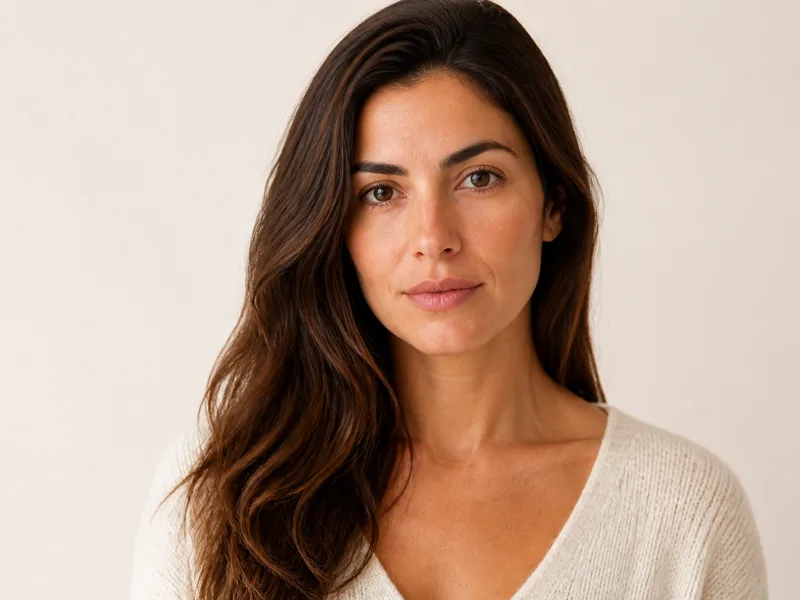


- 48,000+
- users worldwide
- 165,000+
- hairstyles tried
Try it yourself
Pick a look, drag the handle to compare. Then do it with your own selfie.
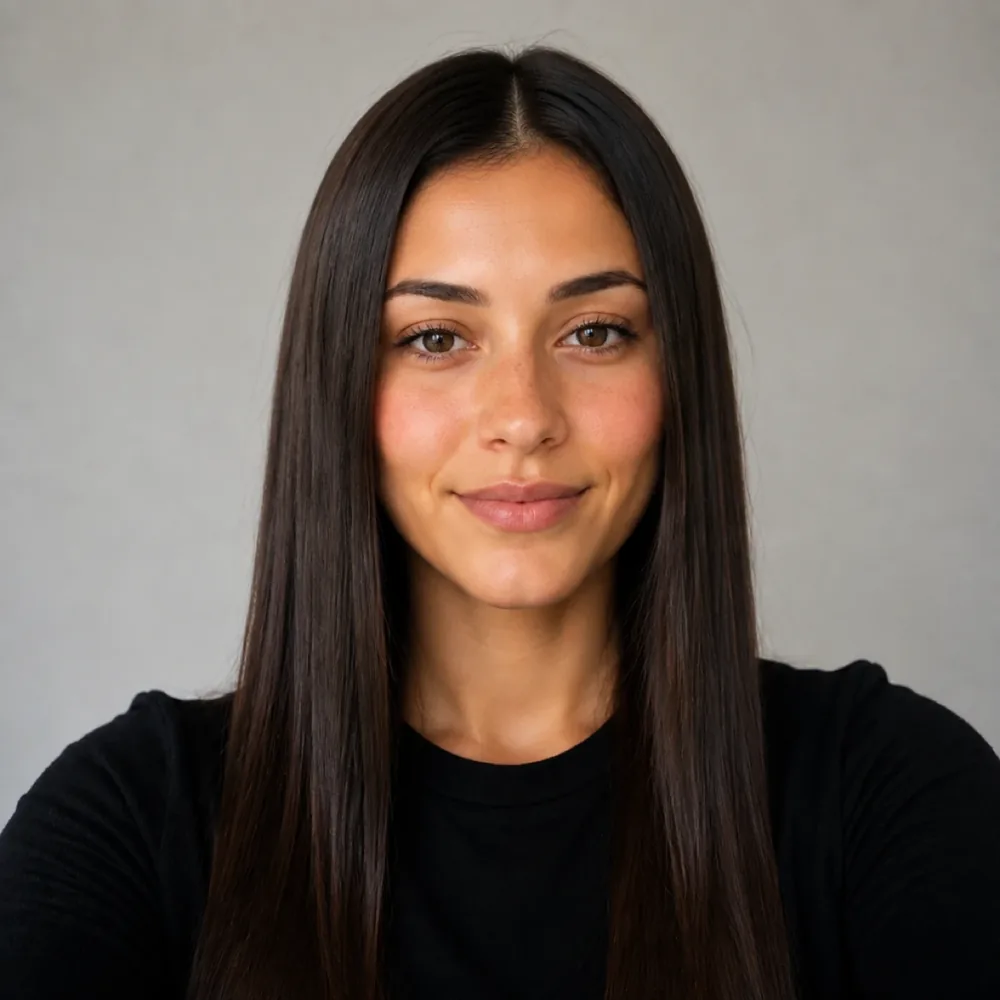

Keeping a curtain bangs
- Back in the chair every 4 to 5 weeks.
- Dry the bangs first, while the rest is still wet.
- Wash 2 to 3 times a week.
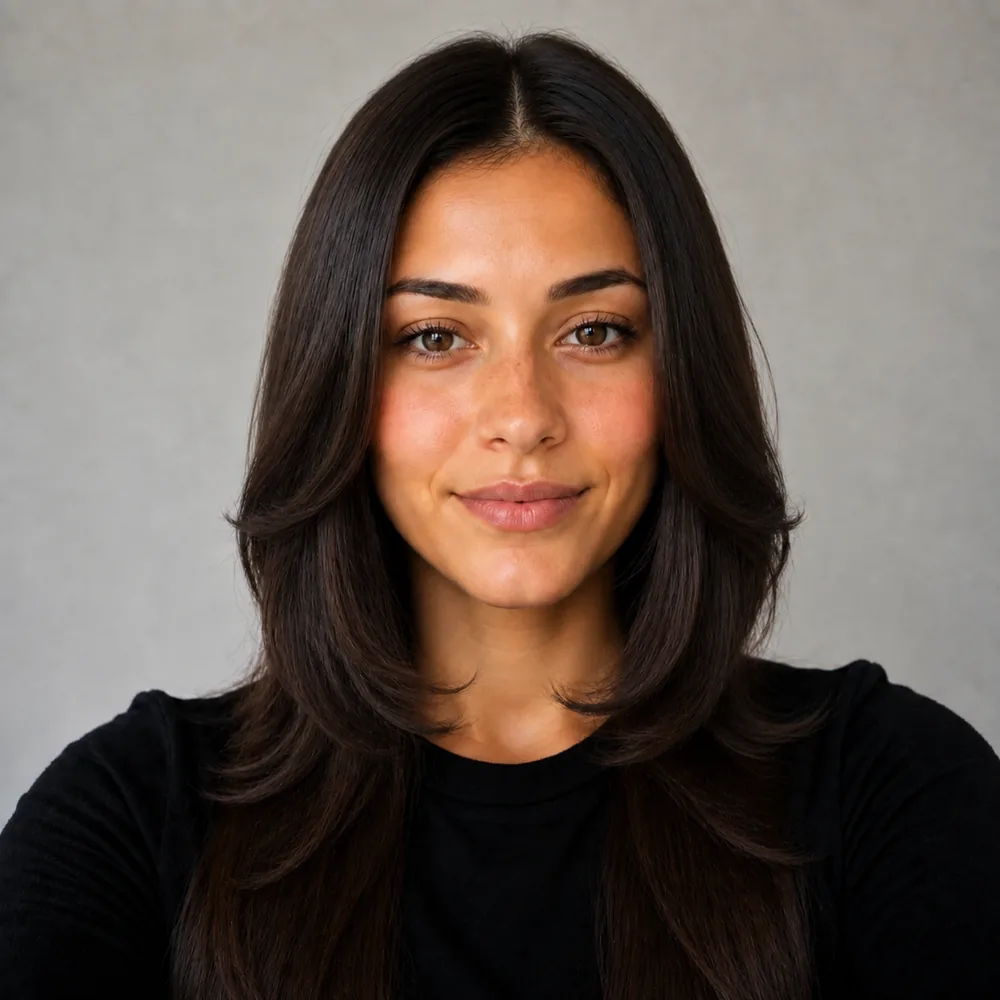
Keeping a butterfly
- Back in the chair every 8 to 10 weeks.
- Dry the short layers up and away from the face.
- Wash 2 to 3 times a week.

Keeping a wolf cut
- Back in the chair every 8 to 10 weeks.
- Mousse through soaking-wet hair.
- Wash 2 to 3 times a week.

Keeping a italian bob
- Back in the chair every 6 to 8 weeks.
- Rough-dry to eighty per cent first.
- Wash 2 to 3 times a week.
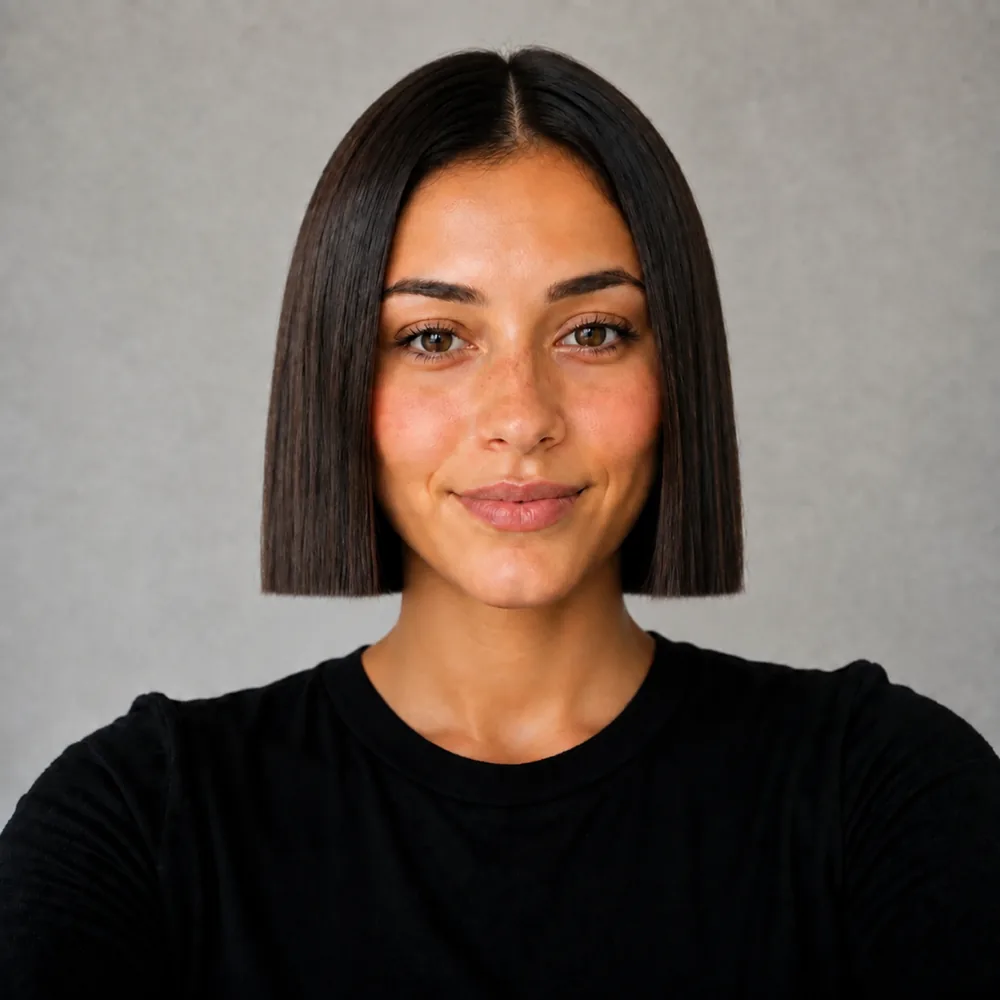
Keeping a blunt bob
- Back in the chair every 6 to 8 weeks.
- Heat protectant through damp hair, ends first.
- Wash 2 to 3 times a week.

Keeping a long layers
- Back in the chair every 10 to 12 weeks.
- Rough-dry with your head upside down for root lift.
- Wash 2 to 3 times a week.

Keeping a balayage
- Back in the chair every 12 to 16 weeks.
- Color-safe shampoo, cool water.
- Wash 2 to 3 times a week.
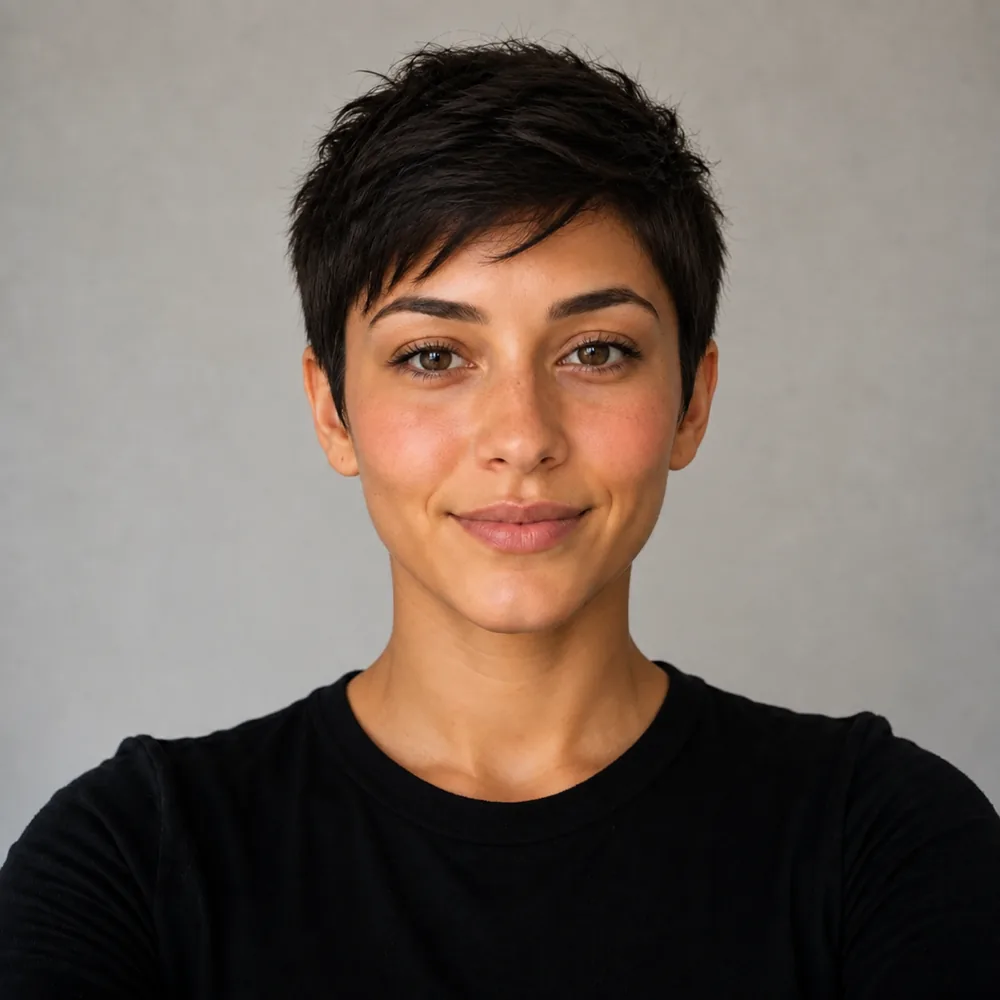
Keeping a pixie
- Back in the chair every 4 to 6 weeks.
- Rough-dry it in every direction at once.
- Wash 3 to 4 times a week.

Keeping a french bob
- Back in the chair every 8 to 10 weeks.
- Rough-dry it with your fingers, no brush.
- Wash 2 to 3 times a week.

Keeping a bixie
- Back in the chair every 5 to 6 weeks.
- Rough-dry upside down for lift at the crown.
- Wash 3 to 4 times a week.

Keeping a curtain lob
- Back in the chair every 6 to 8 weeks.
- Heat protectant, then blow-dry the fringe first, brushing it away from the centre.
- Wash 2 to 3 times a week.

Keeping a bottleneck bangs
- Back in the chair every 8 to 10 weeks.
- Blow-dry the fringe first, damp, over a small round brush.
- Wash 2 to 3 times a week.

Keeping a bouncy layers
- Back in the chair every 8 to 10 weeks.
- Mousse at the roots, then dry upside down.
- Wash 2 to 3 times a week.

Keeping a hollywood waves
- Back in the chair every 10 to 12 weeks.
- Wand every section in the same direction, away from the face.
- Wash 2 to 3 times a week.
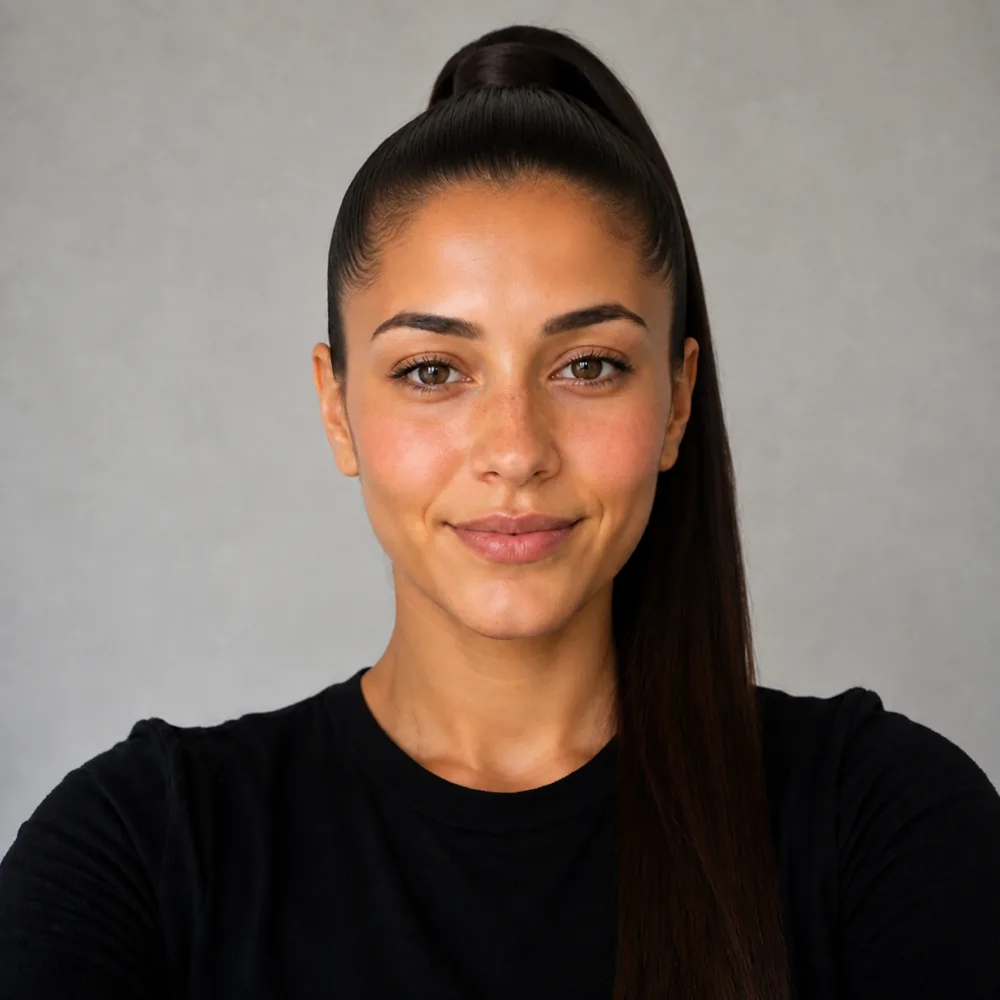
Keeping a high ponytail
- Back in the chair every 10 to 12 weeks.
- Brush back from the hairline with a paddle brush and a little gel.
- Wash 2 to 3 times a week.
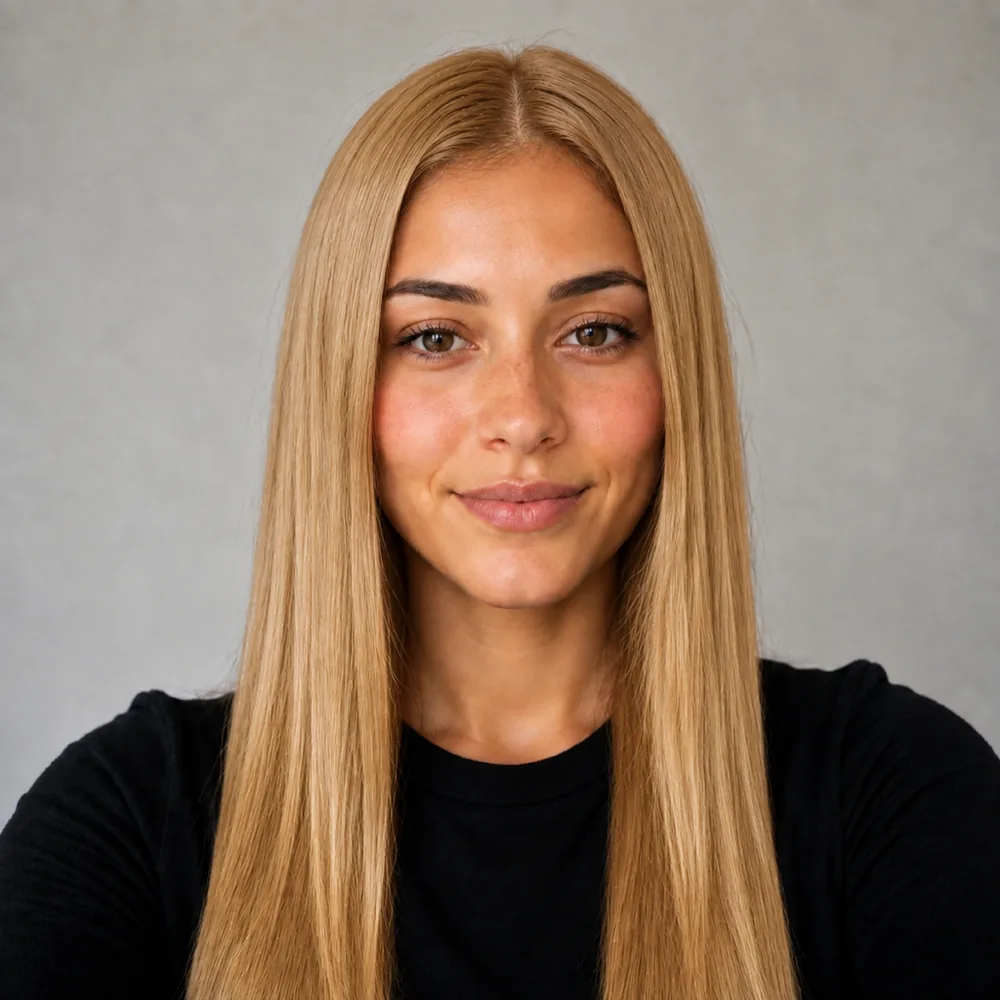
Keeping a blonde
- Back in the chair every 6 to 8 weeks.
- Purple shampoo weekly to hold the tone.
- Wash 2 to 3 times a week.
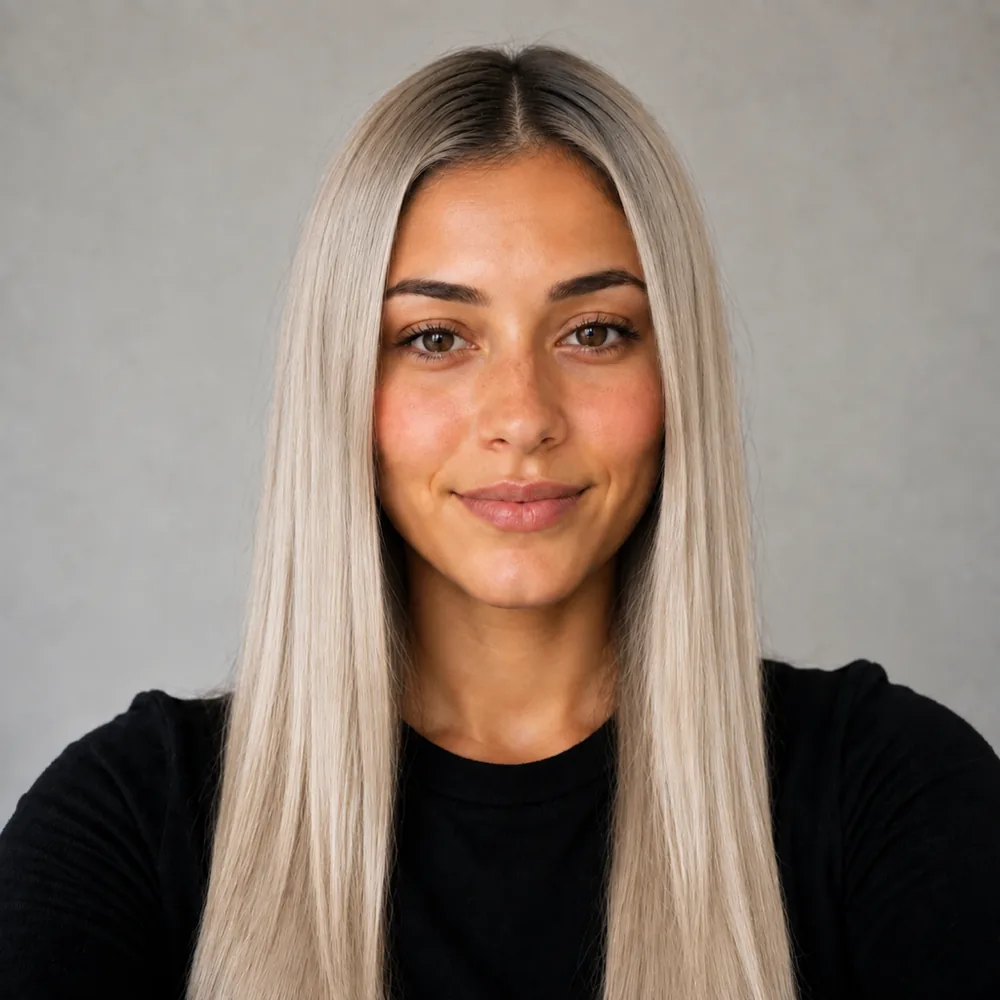
Keeping a scandi blonde
- Back in the chair every 8 to 10 weeks.
- Purple shampoo once a week, left for two minutes.
- Wash 2 times a week.
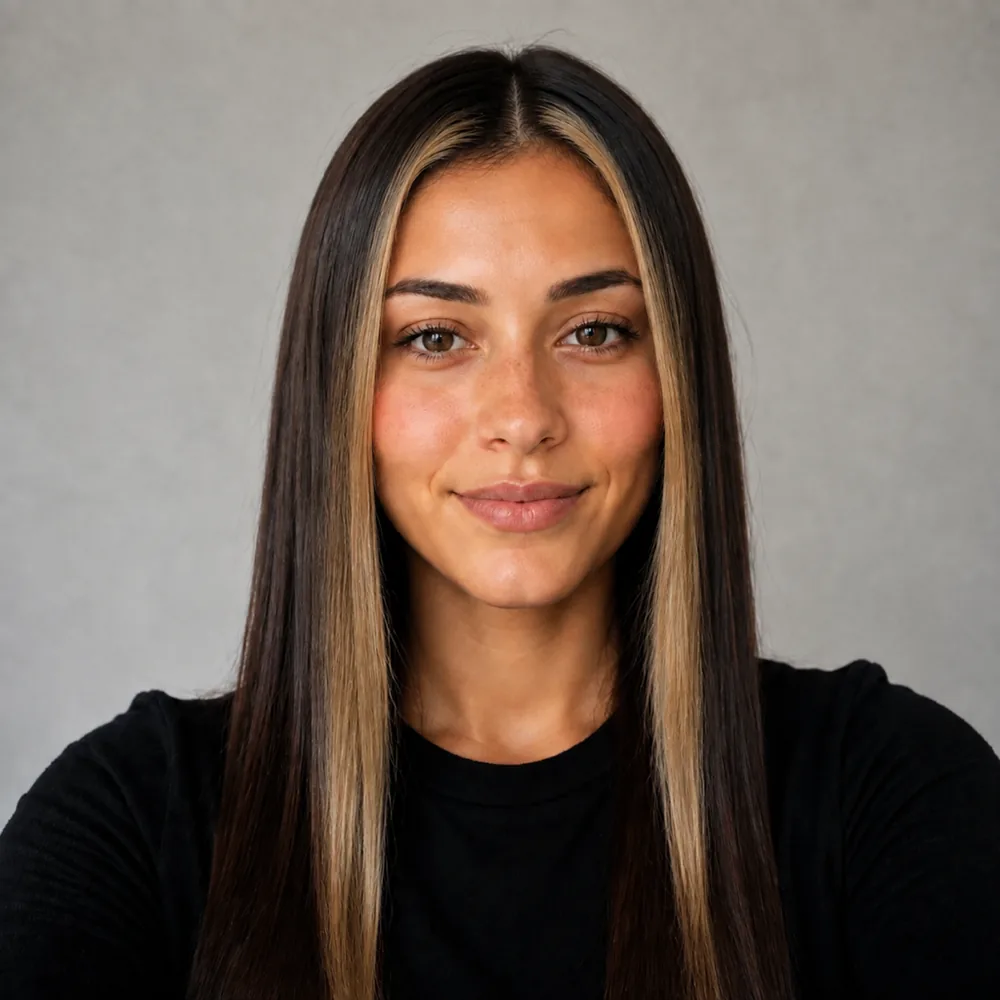
Keeping a money piece
- Back in the chair every 8 to 10 weeks.
- Purple shampoo on the front pieces only.
- Wash 2 to 3 times a week.
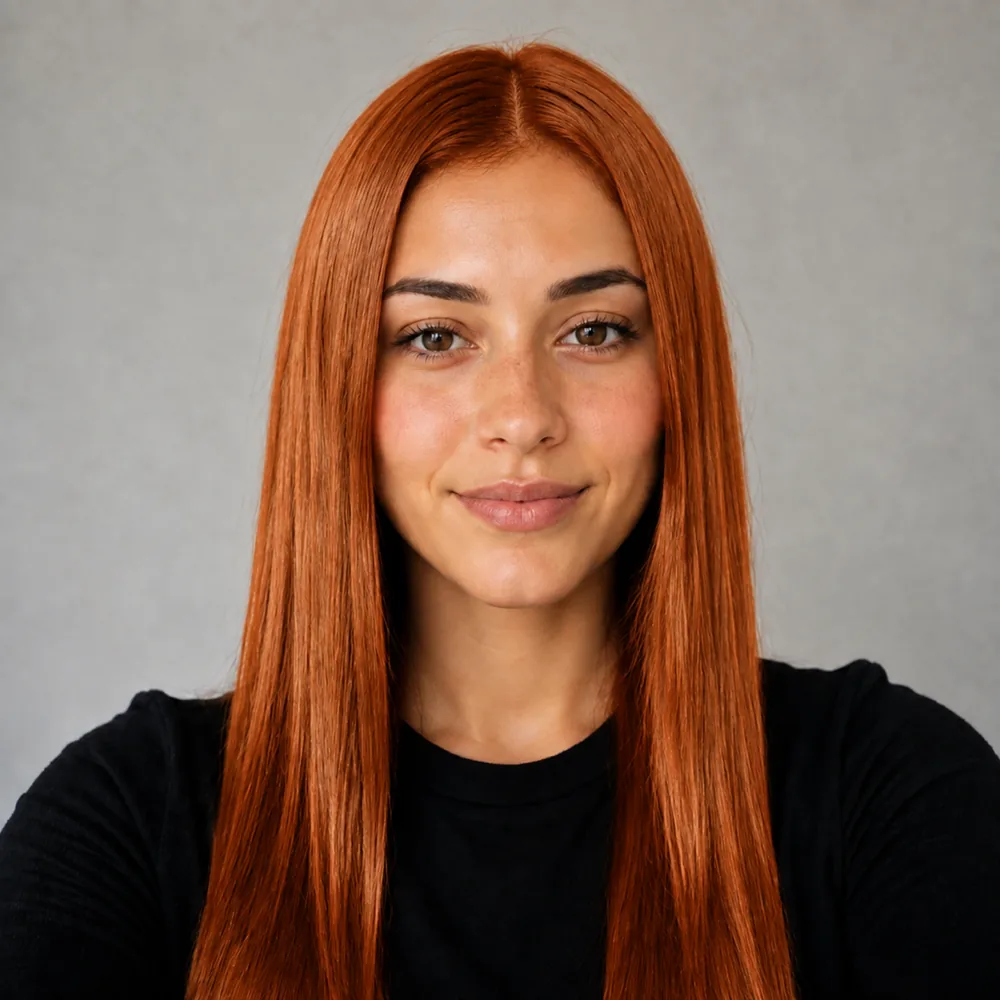
Keeping a copper
- Back in the chair every 4 to 6 weeks.
- Color-depositing conditioner every wash.
- Wash 1 to 2 times a week.
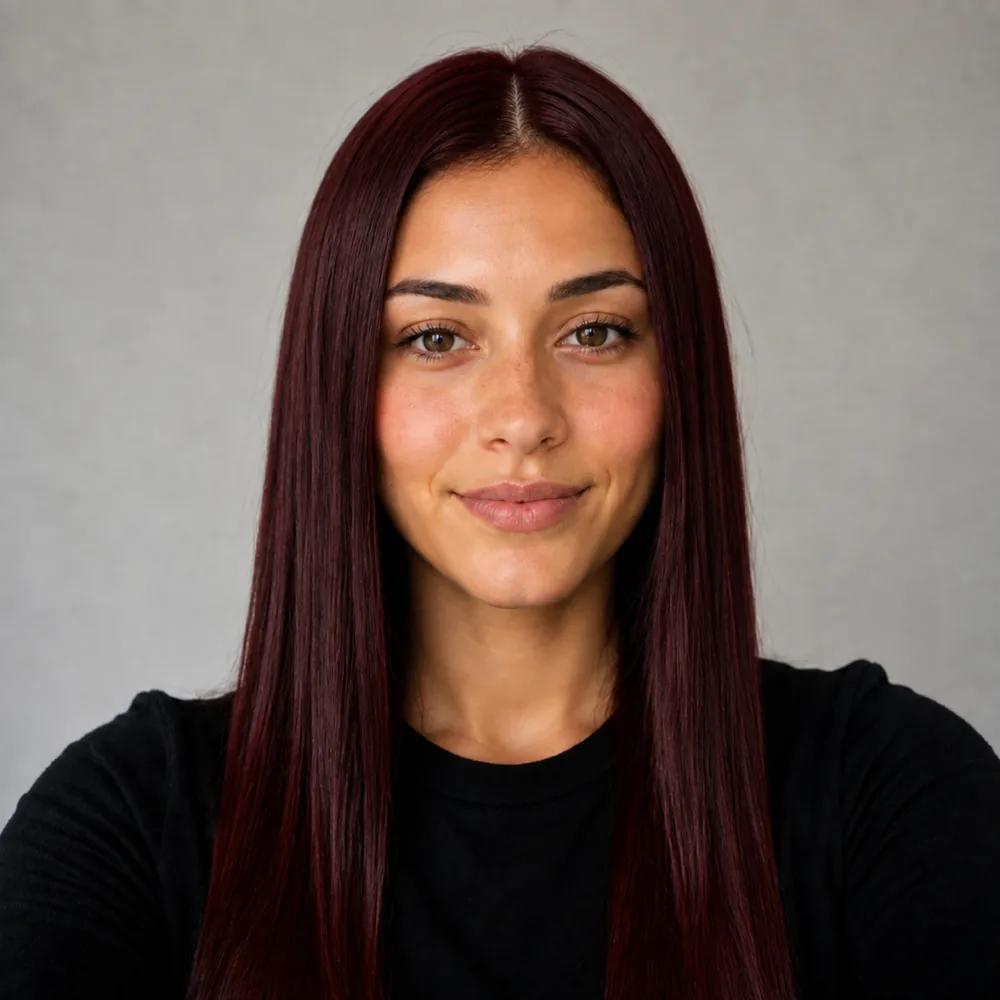
Keeping a cherry cola
- Back in the chair every 6 to 8 weeks.
- Colour-safe shampoo, cool rinse.
- Wash 2 times a week.

Keeping a baroque bob
- Back in the chair every 5 to 6 weeks.
- Mousse through damp roots, heat protectant through the lengths.
- Wash 2 to 3 times a week.

Keeping a kitty cut
- Back in the chair every 8 to 10 weeks.
- Rough-dry to nearly dry.
- Wash 2 to 3 times a week.

Keeping a old money blonde
- Back in the chair every 8 to 10 weeks.
- Colour-safe shampoo, cool rinse.
- Wash 2 to 3 times a week.
Every after is this tool's own render of a demo face, pre-generated for speed - nothing on this page renders live.
Preview a new look
Your first look is free.
Three steps
How it works
Two years of growing out, previewed in twenty seconds. Useful for deciding whether the grow-out is actually worth it.
- 01 Your selfie
Leave room for the new ends
Use a photograph that includes the shoulders and some space below them. The long-hair result needs a visible reference for where the added length lands.
- 02120+ looks
Compare perimeter and layers
Look at longer blunt ends beside face-framing or butterfly layers. Check which version keeps the fullness and front-piece length you want.
- 03 Your result
Choose the route to that length
Save the destination for your stylist or extensions consultation. Discuss growing sections, blending and maintenance separately from the simulated proportion.
Choose a long-hair destination by where the ends land
Long is not a single length. Hair finishing below the shoulders creates a different outline from hair reaching the middle of the back or the waist. A long-hair filter makes those destinations visible before you decide how far to grow, but the photograph needs enough space to show the proposed ends. A tightly cropped headshot cannot communicate the same length relationship as a frame that includes the shoulders.
Watch where the hair meets your upper body as well as how it frames the face. More length can make the lower silhouette feel heavier even when the face-framing pieces stay unchanged. Bringing the ends forward over both shoulders can exaggerate that effect compared with wearing most of the hair behind you. The pose in the preview is part of what you are judging.
Pick a destination you can name in concrete terms and save the image with that boundary visible. Then ask whether the density of your current ends supports the fullness shown there. A render can add a long, substantial perimeter without knowing how your own ends will look at that distance. The useful comparison is whether you want the proportion of that length, followed by a discussion about the shape and fullness you could realistically maintain as you approach it.
Long layers trade some perimeter weight for movement
A long haircut can keep its lowest point while changing much of the hair above it. Face-framing layers shorten the front around the cheeks or jaw, while butterfly-style layering creates a more visible difference between the upper movement and the longer base. A mostly blunt long shape leaves more weight together at the bottom. Those are different ways of wearing length, not just variations in styling.
Trace the edge through the preview instead of looking only at the longest strand. If the bottom appears full, ask how much of that fullness would remain after adding the shorter layers you like around the face. Fine ends may become more transparent when weight is redistributed, while dense lengths may need a different approach to avoid an overly heavy outline.
Think about your tie-back habits too. Short face-framing pieces can escape a ponytail even when the overall hair is very long. That may be the effect you want, or it may be inconvenient. Tell the stylist where you need the shortest front to reach and how much loose movement you want when the hair is down. The long-hair preview is best used to settle the relationship between front pieces, upper layers and the lower perimeter, rather than to request maximum movement and maximum thickness everywhere at once.
Growing length and buying length are different plans
A long-hair preview can serve either a grow-out decision or an extensions consultation. It shows a proposed destination in both cases, but it does not establish the route. Growing toward it means living through intermediate lengths and preserving the sections you want to keep. Adding length means discussing how the extra hair would connect, move and be maintained.
If you are growing from a shorter shape, identify the pieces that will take longest to join the perimeter. A short fringe or a strongly layered crown may remain separate after the back has reached your target. Ask for trims that support the intended shape instead of automatically returning every section to the old haircut. The preview can make that destination clear when you explain why some length should stay.
For extensions, bring the render as a proportion reference and ask the specialist to assess blending and the practical method independently. The image cannot show attachment suitability, added weight or how the join will behave when you put the hair up. Avoid treating simulated fullness as the amount of hair you should order. In either route, keep a nearer-length alternative beside the longest result. It can reveal that the shape you wanted is already available with less added length or a shorter wait than the most dramatic preview suggests.
Long hair, before you give it two years
Real lengths
Collarbone, bra-strap, mid-back, waist. Pick the length you are actually aiming at instead of saying long and hoping the mirror agrees in two years.
Layers or blunt
One length hangs heavy and blunt at the bottom. Long face-framing layers and butterfly layers move more, but they cost you thickness through the ends.
The awkward stage
The hard part of any grow-out is the shoulder-length middle. Look at that stage too, because it is where most people give up and cut it off.
Extensions or patience
Tape-ins and wefts buy the length in an afternoon at a price. Seeing it on your own face first tells you whether either route is worth it.
Questions about the Long Hair Filter
Straight answers, no hedging.
Include your shoulders and room below them where possible. A tight crop can hide the endpoint, leaving you to judge only the face framing when the real decision is how far down the new length should reach.
No. It may generate a fuller lower perimeter than your own hair develops at that length. Use it to choose a proportion, then ask your stylist how much fullness is realistic to preserve while growing.
They can leave the overall base long while shortening upper and face-framing sections. Inspect the shortest front pieces if you need them to stay in a ponytail, rather than relying on the longest ends.
It is a visual target for length and shape. A specialist still needs to assess blending, attachment and maintenance. The simulated volume does not tell you how much added hair to use or which method fits.
Show the intended destination and explain which sections are being preserved. An edge tidy can support the shape, while automatically shortening the crown or front to match the old cut can delay the transition.
Yes. A slightly shorter perimeter may provide the face framing and movement you wanted with a different overall weight. Seeing both can clarify whether extreme length itself is the goal or simply one way to imagine the shape.
Other tools to explore

Link to this tool
Free sample previews, free to link or embed. No permission needed.
https://hairstyleatlas.com/long-hair-filterExplore more try-on tools
Same selfie, a different change. Every tool below runs on the photo you already uploaded.



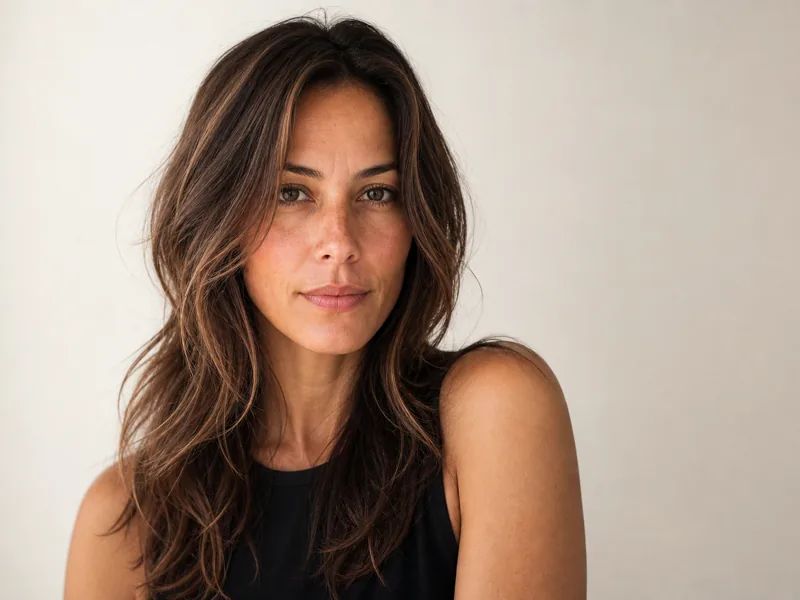
Find the length worth keeping.
See the destination first.
Compare the lower perimeter and long layers before choosing a grow-out plan or added length.