Wolf Cut Try-On
Heavy layers, wispy bangs, volume at the crown. It suits far fewer face shapes than the feed suggests, which is exactly why you should look first.






Preview a new look
Your first look is free.
Free sample previews. Try every look on our sample faces here without registering. Your own photo needs a free account, no card: 15 credits once (a cut costs 10, a color on it 5). That covers one cut plus one color on it. No refill; further renders are paid. The optional Plus trial can be declined.



- 48,000+
- users worldwide
- 165,000+
- hairstyles tried
Try it yourself
Pick a look, drag the handle to compare. Then do it with your own selfie.
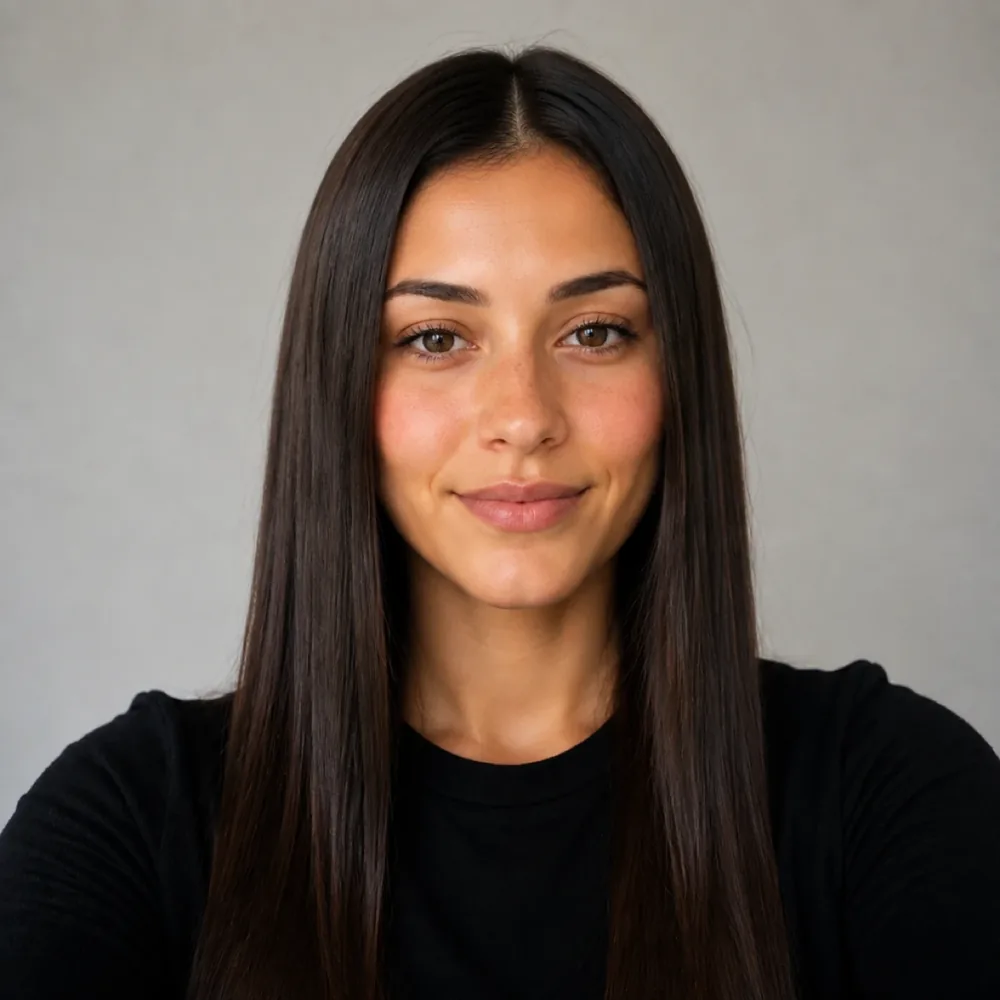

Keeping a curtain bangs
- Back in the chair every 4 to 5 weeks.
- Dry the bangs first, while the rest is still wet.
- Wash 2 to 3 times a week.

Keeping a butterfly
- Back in the chair every 8 to 10 weeks.
- Dry the short layers up and away from the face.
- Wash 2 to 3 times a week.

Keeping a wolf cut
- Back in the chair every 8 to 10 weeks.
- Mousse through soaking-wet hair.
- Wash 2 to 3 times a week.

Keeping a italian bob
- Back in the chair every 6 to 8 weeks.
- Rough-dry to eighty per cent first.
- Wash 2 to 3 times a week.
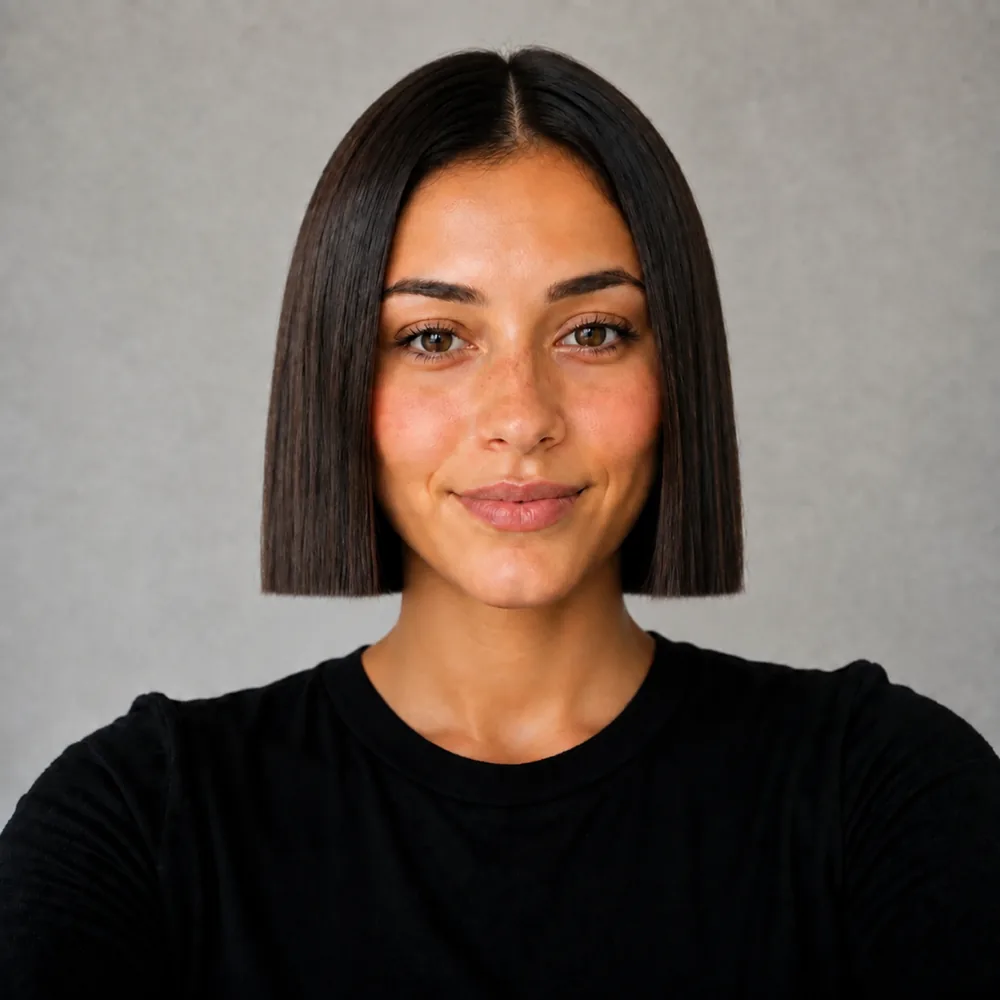
Keeping a blunt bob
- Back in the chair every 6 to 8 weeks.
- Heat protectant through damp hair, ends first.
- Wash 2 to 3 times a week.

Keeping a long layers
- Back in the chair every 10 to 12 weeks.
- Rough-dry with your head upside down for root lift.
- Wash 2 to 3 times a week.

Keeping a balayage
- Back in the chair every 12 to 16 weeks.
- Color-safe shampoo, cool water.
- Wash 2 to 3 times a week.

Keeping a pixie
- Back in the chair every 4 to 6 weeks.
- Rough-dry it in every direction at once.
- Wash 3 to 4 times a week.

Keeping a french bob
- Back in the chair every 8 to 10 weeks.
- Rough-dry it with your fingers, no brush.
- Wash 2 to 3 times a week.

Keeping a bixie
- Back in the chair every 5 to 6 weeks.
- Rough-dry upside down for lift at the crown.
- Wash 3 to 4 times a week.

Keeping a curtain lob
- Back in the chair every 6 to 8 weeks.
- Heat protectant, then blow-dry the fringe first, brushing it away from the centre.
- Wash 2 to 3 times a week.

Keeping a bottleneck bangs
- Back in the chair every 8 to 10 weeks.
- Blow-dry the fringe first, damp, over a small round brush.
- Wash 2 to 3 times a week.

Keeping a bouncy layers
- Back in the chair every 8 to 10 weeks.
- Mousse at the roots, then dry upside down.
- Wash 2 to 3 times a week.

Keeping a hollywood waves
- Back in the chair every 10 to 12 weeks.
- Wand every section in the same direction, away from the face.
- Wash 2 to 3 times a week.
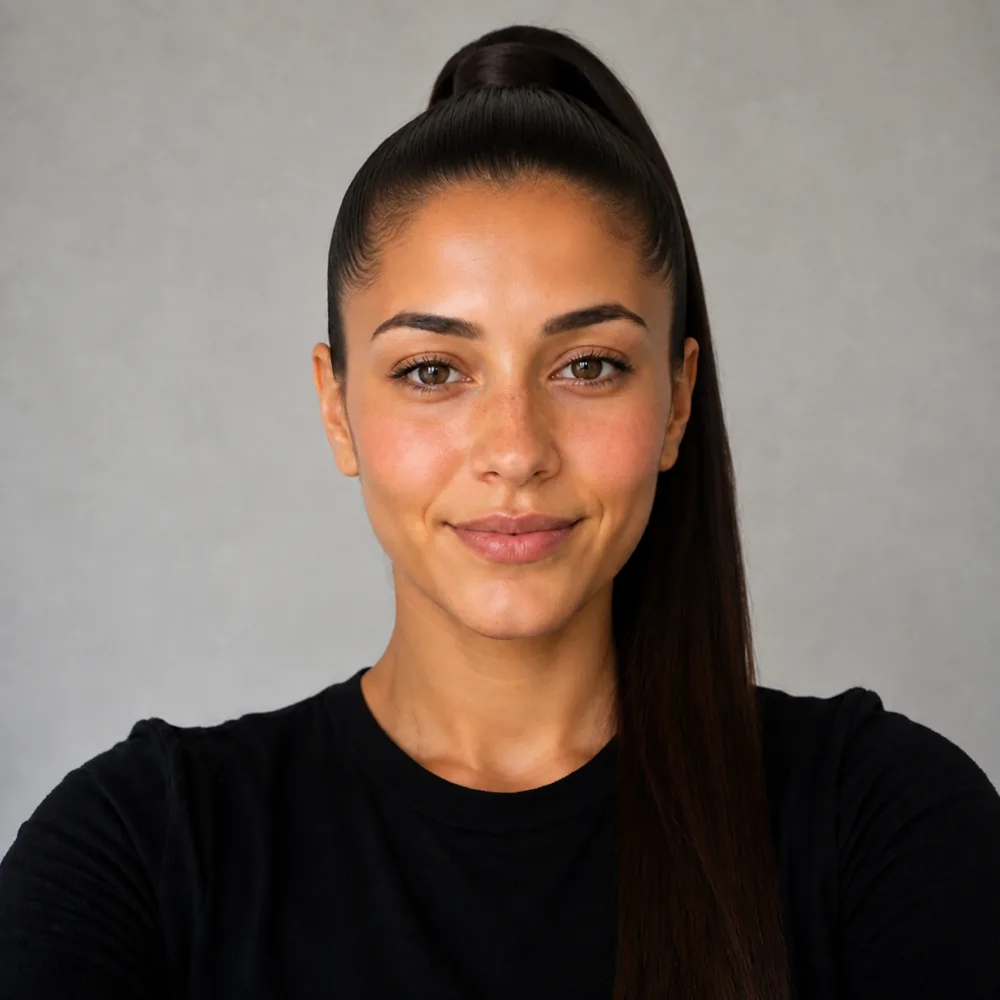
Keeping a high ponytail
- Back in the chair every 10 to 12 weeks.
- Brush back from the hairline with a paddle brush and a little gel.
- Wash 2 to 3 times a week.
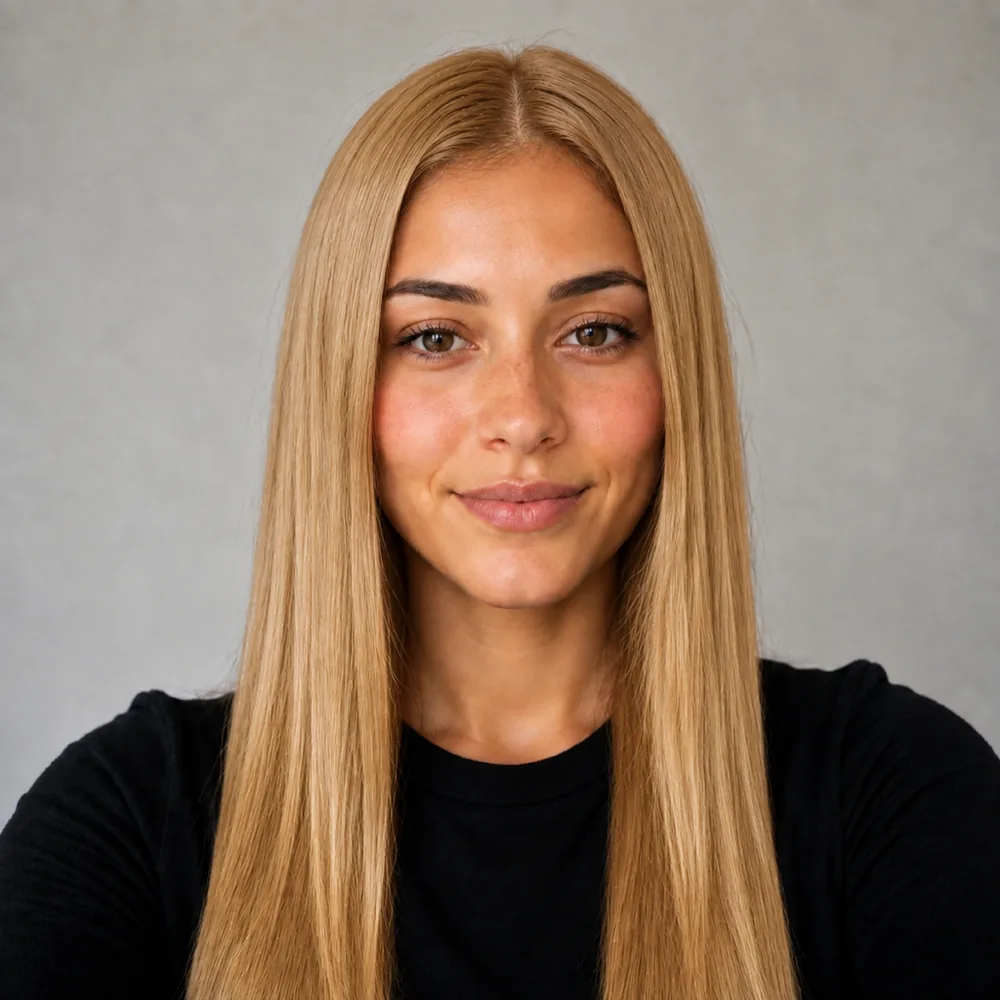
Keeping a blonde
- Back in the chair every 6 to 8 weeks.
- Purple shampoo weekly to hold the tone.
- Wash 2 to 3 times a week.
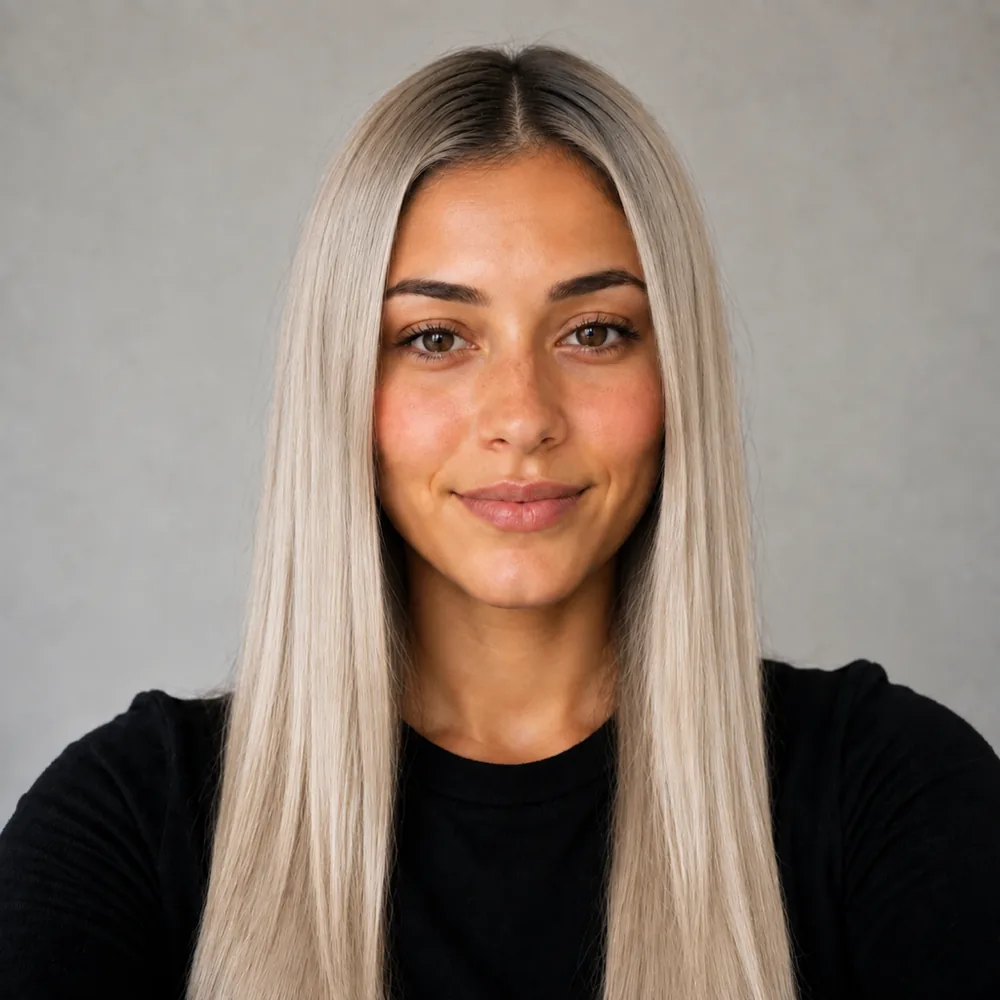
Keeping a scandi blonde
- Back in the chair every 8 to 10 weeks.
- Purple shampoo once a week, left for two minutes.
- Wash 2 times a week.
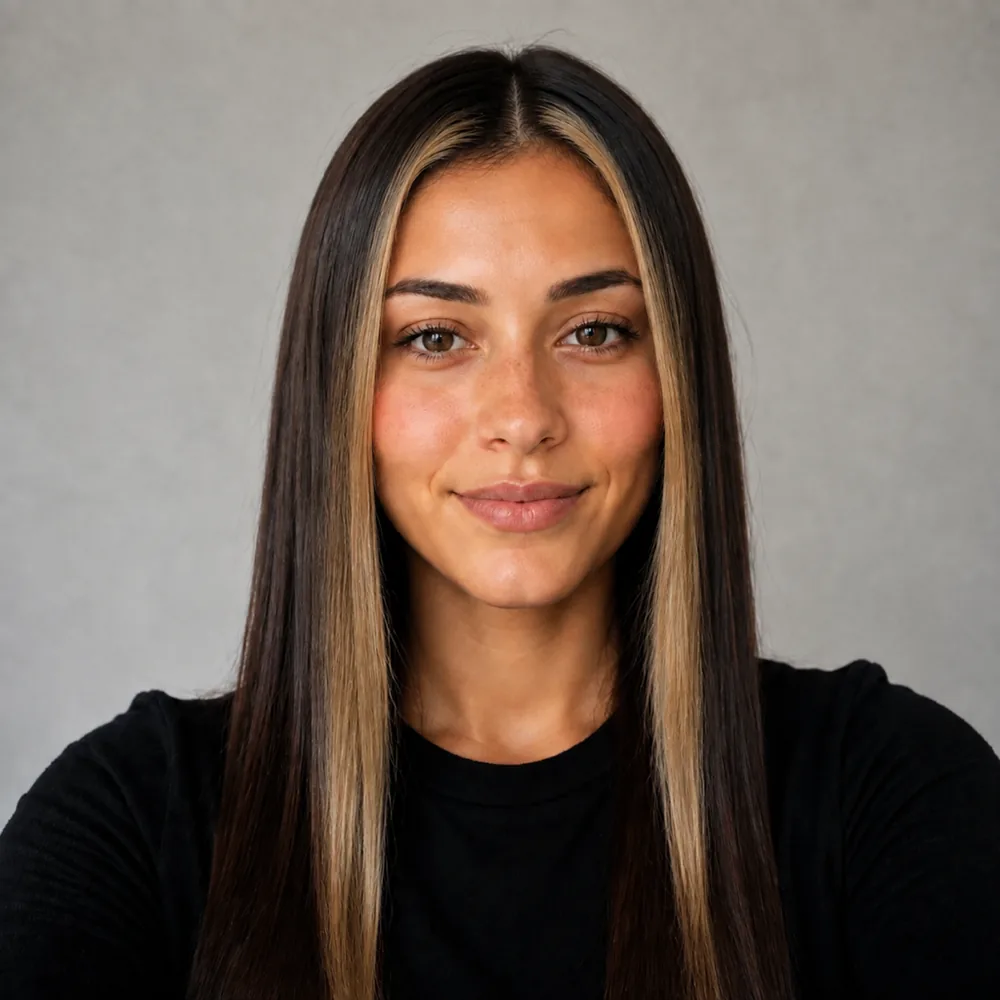
Keeping a money piece
- Back in the chair every 8 to 10 weeks.
- Purple shampoo on the front pieces only.
- Wash 2 to 3 times a week.
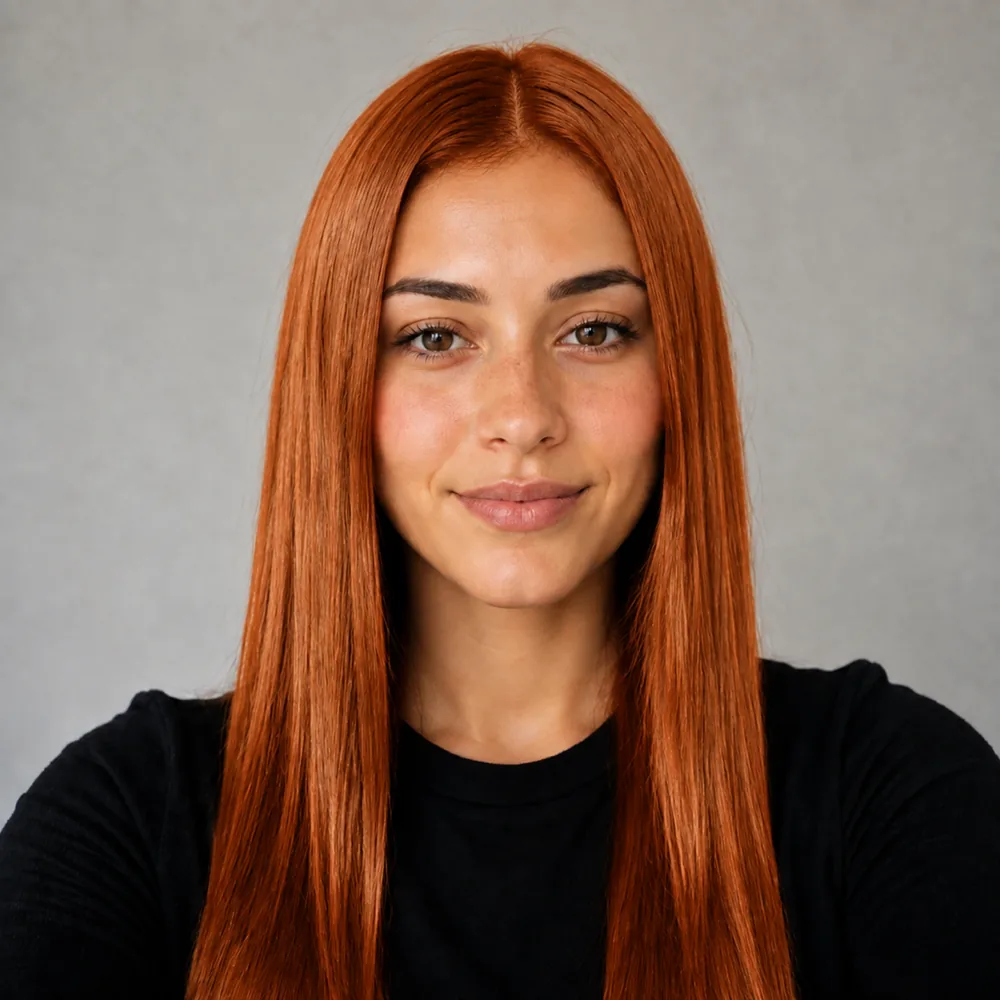
Keeping a copper
- Back in the chair every 4 to 6 weeks.
- Color-depositing conditioner every wash.
- Wash 1 to 2 times a week.
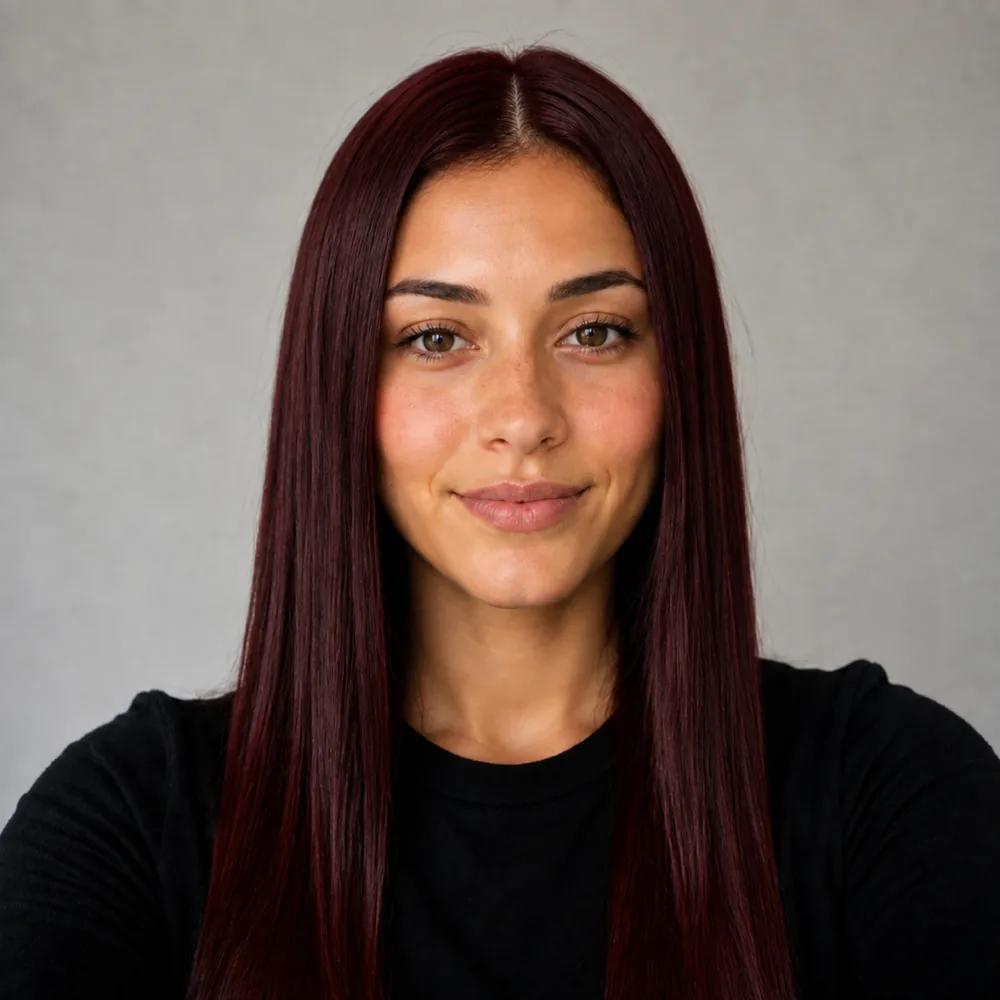
Keeping a cherry cola
- Back in the chair every 6 to 8 weeks.
- Colour-safe shampoo, cool rinse.
- Wash 2 times a week.

Keeping a baroque bob
- Back in the chair every 5 to 6 weeks.
- Mousse through damp roots, heat protectant through the lengths.
- Wash 2 to 3 times a week.

Keeping a kitty cut
- Back in the chair every 8 to 10 weeks.
- Rough-dry to nearly dry.
- Wash 2 to 3 times a week.

Keeping a old money blonde
- Back in the chair every 8 to 10 weeks.
- Colour-safe shampoo, cool rinse.
- Wash 2 to 3 times a week.
Every after is this tool's own render of a demo face, pre-generated for speed - nothing on this page renders live.
Preview a new look
Your first look is free.
Three steps
How it works
Heavy layers, wispy bangs, volume at the crown. It suits far fewer face shapes than the feed suggests, which is exactly why you should look first.
- 01 Your selfie
Keep crown and back length visible
Use a photo with enough room above the head and around the shoulders. The wolf comparison depends on the contrast between the short top and longer back.
- 02120+ looks
Compare the layer separation
Look at a strong wolf shape beside softer layering. Trace the crown, cheek pieces and lower tail instead of judging only the overall length.
- 03 Your result
Agree on the shortest crown layer
Save the wolf reference and ask your stylist what density will remain below it. Discuss the fringe connection and the routine needed to show that texture.
The crown is the commitment in a wolf cut
A wolf cut can leave the overall length looking familiar while taking a substantial amount from the crown. That contrast is its defining decision: shorter pieces create an upper shape while the back remains visibly longer. If you judge only the ends against your shoulders, you can miss the part that will take longest to reconnect with a smoother haircut.
Follow the shortest layer in the preview from the crown toward the sides of the face. Notice whether it ends high enough to create a distinct cap of volume or blends more gently into the lower length. A softer shag keeps those levels closer; a stronger wolf shape makes the difference more obvious. The names overlap in conversation, so pointing to the layer boundary is more useful than arguing over the label.
Density matters to that separation. A full render can show an abundant lower tail even after the top has been heavily layered, but your available hair has to supply both areas. Ask the stylist how much fullness would remain at the ends after creating the crown you like. If the lower outline is already fine, a gentler layered shape may better preserve it. The preview helps define how disconnected you want the silhouette to feel, while the chair conversation checks what can support it.
A wolf fringe should connect to the side pieces
The bangs in a wolf cut are part of the layered architecture, not simply an accessory placed across the forehead. Their outer pieces often connect to shorter sections near the cheeks, which then lead into the longer back. Changing the fringe width or center opening can alter that whole front outline even when the crown stays the same.
Study where the shortest side pieces land relative to your cheekbones and jaw. A narrow curtain opening leaves a different amount of face visible from a fuller fringe, and a wispy center can look lighter than the thicker edges around it. Decide which part you actually like: the open forehead, the cheek framing or the choppy texture. Then show the stylist that detail in the image.
Your natural part can complicate a perfectly balanced curtain. If the front insists on separating off-center, the symmetrical render may require more drying and direction than you want to give it. Likewise, curls can lift short face-framing pieces higher than a straight reference suggests. Tell the stylist how you normally wear the front before asking for the exact pictured length. The wolf shape works best as a connected brief about crown, fringe and sides, rather than three separately chosen effects that happen to appear in one photograph.
Living with the wolf cut when the styling drops
Many wolf-cut references show the hair arranged to emphasize separation: the crown lifted, the ends flicked and the fringe sitting in a deliberate opening. A still preview can reproduce that arrangement without showing how it was made. Before choosing it, imagine the same layers when they are flatter, slept on or left to dry without shaping.
On naturally moving hair, some of the outline may appear with little encouragement. On straighter hair, the separation between short crown and long back may need more deliberate styling to read as intended. The tool cannot establish which of those mornings you will have. Ask the stylist to describe a realistic routine using your texture, and say how much time you are prepared to spend on the front.
Growing away from the cut also means managing different lengths at once. Trimming the longest back pieces can make the whole shape look more connected, but the shortest crown still needs time to reach the lower sections. If your fallback is a blunt, heavy perimeter, ask how the transition would be handled before choosing the most dramatic layers. Compare a softer shag or butterfly arrangement alongside the wolf. That comparison can reveal whether you want the strong crown-to-back contrast or mainly want movement around the face.
Where a wolf cut lands on your face
Wolf or shag
A shag keeps the layers soft and the lengths close together. The wolf cut takes the crown properly short and leaves the back long. See both.
The bangs
Curtain bangs, wispy micro-bangs, or none at all. The bangs change the cut more than the layering does, so look at all three versions.
Your texture
Set straight, wavy, curly or coily during setup. A wolf cut on loose 2b waves sits nothing like the same cut on tight 3c curls.
Butterfly instead
Not ready to cut the crown short? Butterfly layers give similar movement with the length kept long. Put the two side by side before you decide.
Questions about the Wolf Cut Try-On
Straight answers, no hedging.
Yes. The back can remain long while the crown becomes much shorter. Judge the shortest upper pieces separately from the lower ends, because the unchanged perimeter can hide how much has been removed elsewhere.
Point out a smaller gap between crown layers and the back, and show how much fullness you want at the bottom. Saying softer without identifying those areas can leave the stylist guessing which part you want reduced.
No. The generated lower tail may be denser than your hair can support after layering. Ask the stylist to assess how much weight can be removed above while preserving the perimeter you want below.
Their longer outer pieces often lead into the cheek-framing layers. Compare the entire front outline, not just the center fringe, so the stylist understands how open or enclosed you want the face to look.
That depends on your texture and how the layers settle. The preview is an arranged appearance, not a demonstration of air-drying. Ask what routine would produce the separation you like on your own hair.
The crown and perimeter begin at different lengths. Shortening the longest pieces can reconnect the outline, but the crown still has to gain length. Discuss that transition if a blunt cut is your likely next style.
Other tools to explore

Link to this tool
Free sample previews, free to link or embed. No permission needed.
https://hairstyleatlas.com/wolf-cut-try-onExplore more try-on tools
Same selfie, a different change. Every tool below runs on the photo you already uploaded.


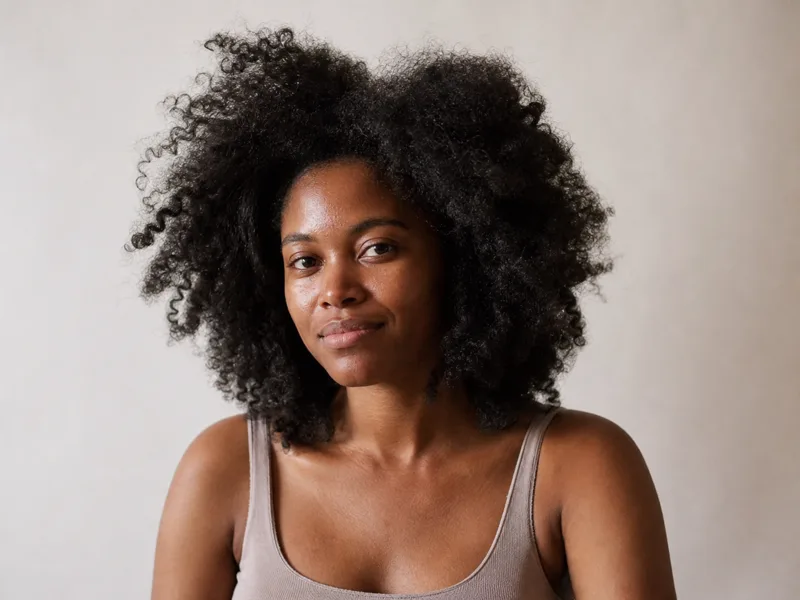

Check the short crown first.
Then choose the wolf.
See how the upper layers and longer back work together before taking length out of the top.