Bangs Filter
Bangs are the fastest decision to make and the slowest to undo. Curtain, blunt, wispy and side-swept - see all four on your own forehead first.






Preview a new look
Your first look is free.
Free sample previews. Try every look on our sample faces here without registering. Your own photo needs a free account, no card: 15 credits once (a cut costs 10, a color on it 5). That covers one cut plus one color on it. No refill; further renders are paid. The optional Plus trial can be declined.



- 48,000+
- users worldwide
- 165,000+
- hairstyles tried
Try it yourself
Pick a look, drag the handle to compare. Then do it with your own selfie.
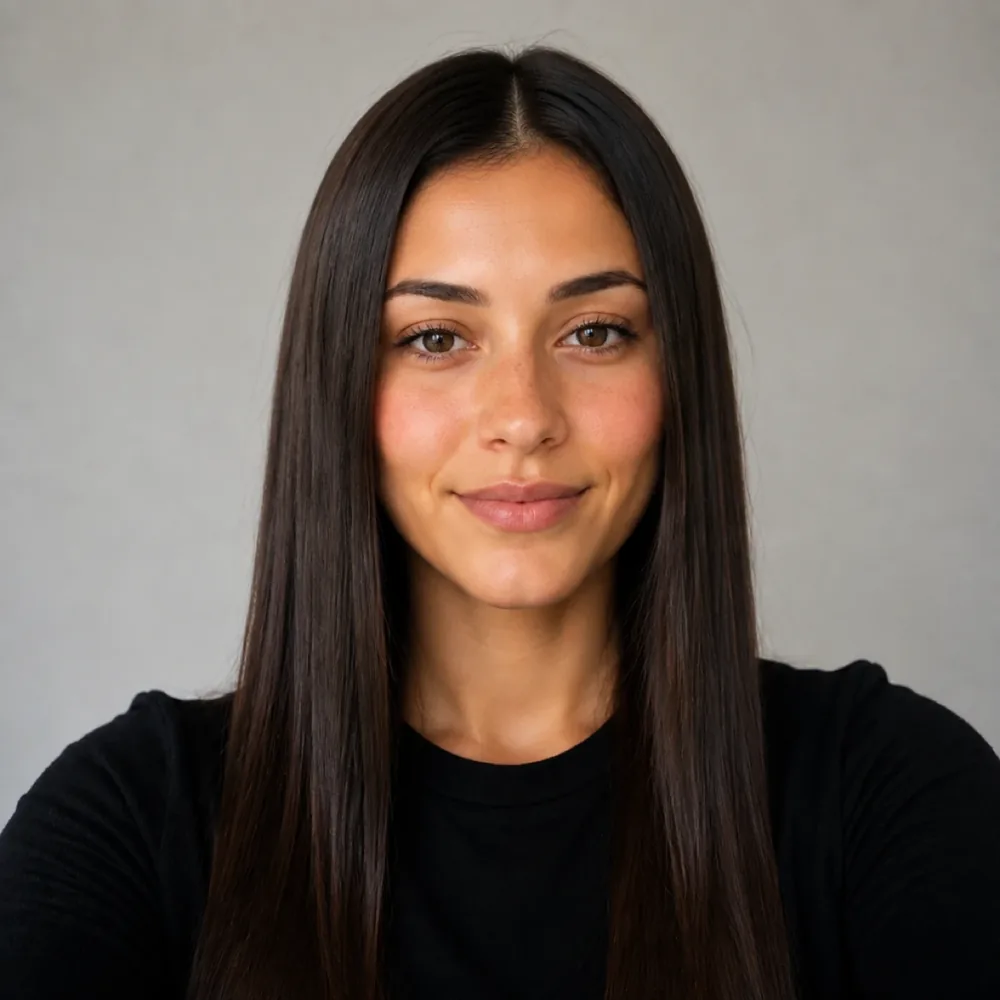

Keeping a curtain bangs
- Back in the chair every 4 to 5 weeks.
- Dry the bangs first, while the rest is still wet.
- Wash 2 to 3 times a week.

Keeping a butterfly
- Back in the chair every 8 to 10 weeks.
- Dry the short layers up and away from the face.
- Wash 2 to 3 times a week.

Keeping a wolf cut
- Back in the chair every 8 to 10 weeks.
- Mousse through soaking-wet hair.
- Wash 2 to 3 times a week.

Keeping a italian bob
- Back in the chair every 6 to 8 weeks.
- Rough-dry to eighty per cent first.
- Wash 2 to 3 times a week.
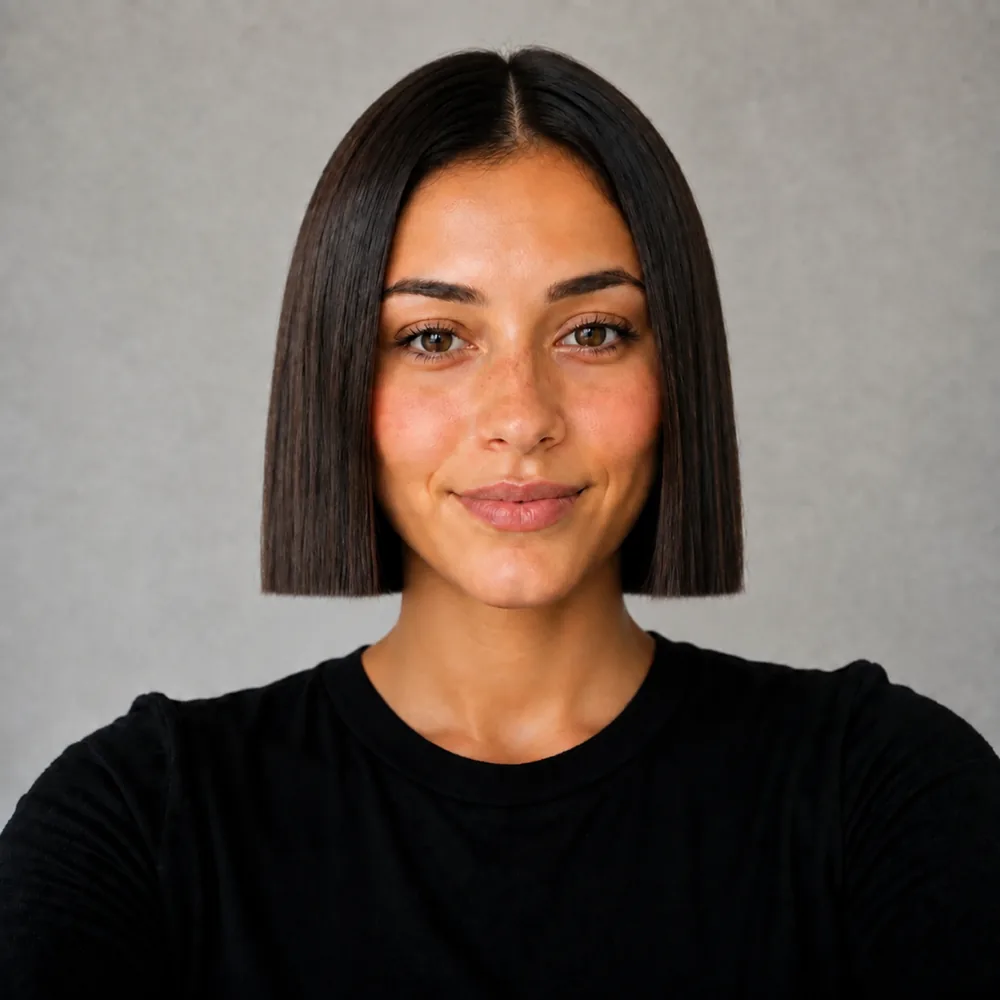
Keeping a blunt bob
- Back in the chair every 6 to 8 weeks.
- Heat protectant through damp hair, ends first.
- Wash 2 to 3 times a week.

Keeping a long layers
- Back in the chair every 10 to 12 weeks.
- Rough-dry with your head upside down for root lift.
- Wash 2 to 3 times a week.

Keeping a balayage
- Back in the chair every 12 to 16 weeks.
- Color-safe shampoo, cool water.
- Wash 2 to 3 times a week.

Keeping a pixie
- Back in the chair every 4 to 6 weeks.
- Rough-dry it in every direction at once.
- Wash 3 to 4 times a week.

Keeping a french bob
- Back in the chair every 8 to 10 weeks.
- Rough-dry it with your fingers, no brush.
- Wash 2 to 3 times a week.

Keeping a bixie
- Back in the chair every 5 to 6 weeks.
- Rough-dry upside down for lift at the crown.
- Wash 3 to 4 times a week.

Keeping a curtain lob
- Back in the chair every 6 to 8 weeks.
- Heat protectant, then blow-dry the fringe first, brushing it away from the centre.
- Wash 2 to 3 times a week.

Keeping a bottleneck bangs
- Back in the chair every 8 to 10 weeks.
- Blow-dry the fringe first, damp, over a small round brush.
- Wash 2 to 3 times a week.

Keeping a bouncy layers
- Back in the chair every 8 to 10 weeks.
- Mousse at the roots, then dry upside down.
- Wash 2 to 3 times a week.

Keeping a hollywood waves
- Back in the chair every 10 to 12 weeks.
- Wand every section in the same direction, away from the face.
- Wash 2 to 3 times a week.
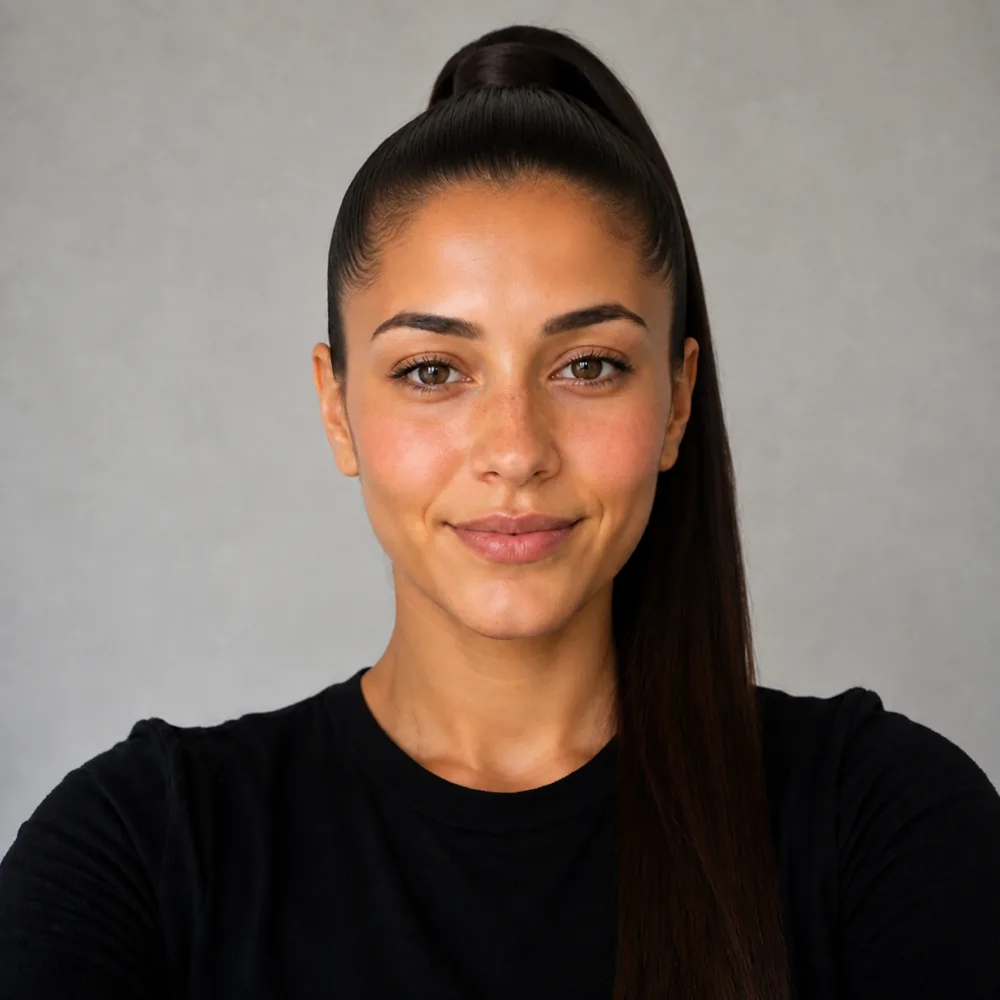
Keeping a high ponytail
- Back in the chair every 10 to 12 weeks.
- Brush back from the hairline with a paddle brush and a little gel.
- Wash 2 to 3 times a week.
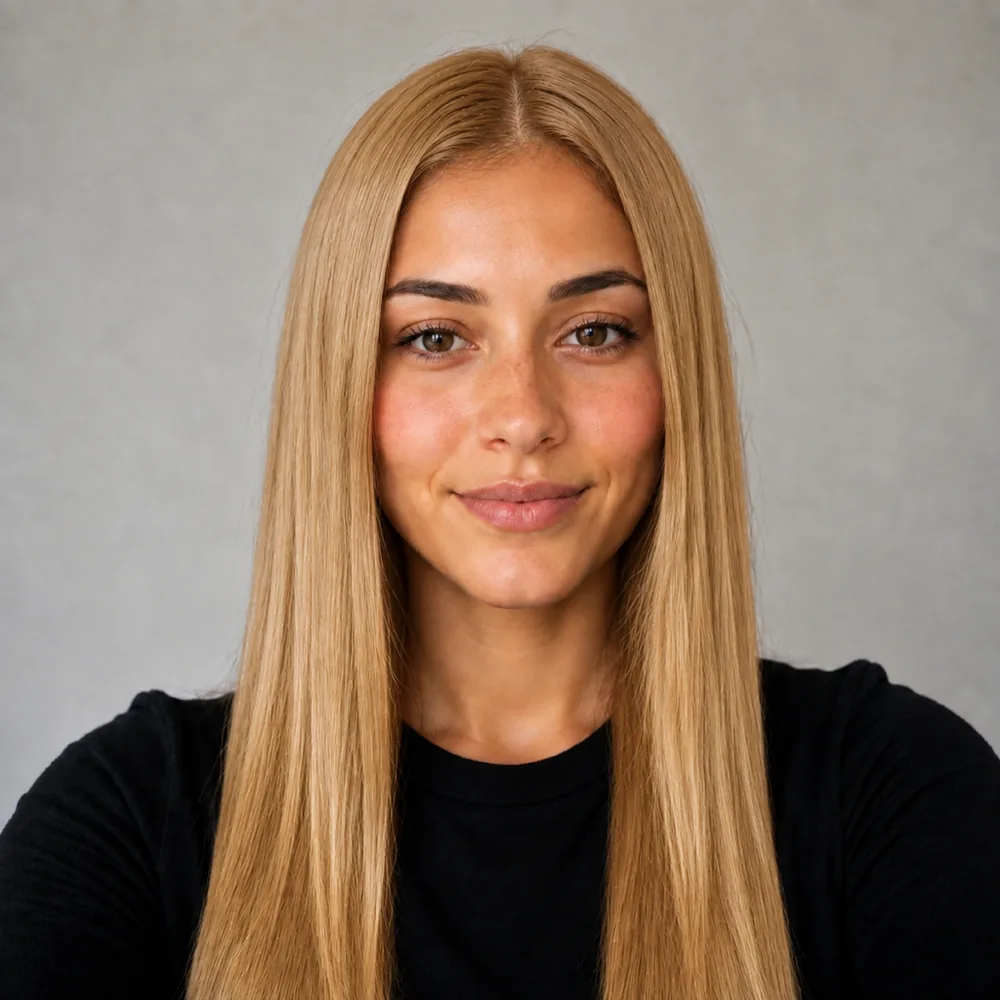
Keeping a blonde
- Back in the chair every 6 to 8 weeks.
- Purple shampoo weekly to hold the tone.
- Wash 2 to 3 times a week.
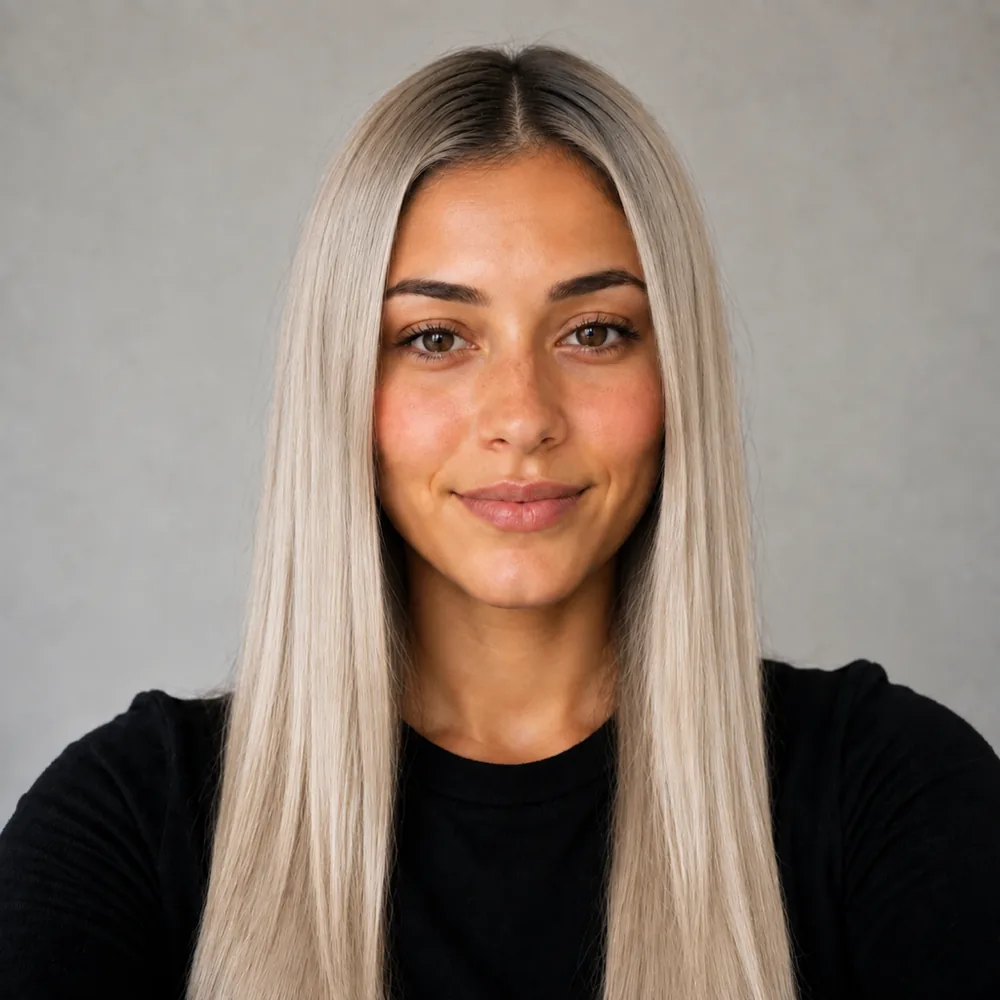
Keeping a scandi blonde
- Back in the chair every 8 to 10 weeks.
- Purple shampoo once a week, left for two minutes.
- Wash 2 times a week.
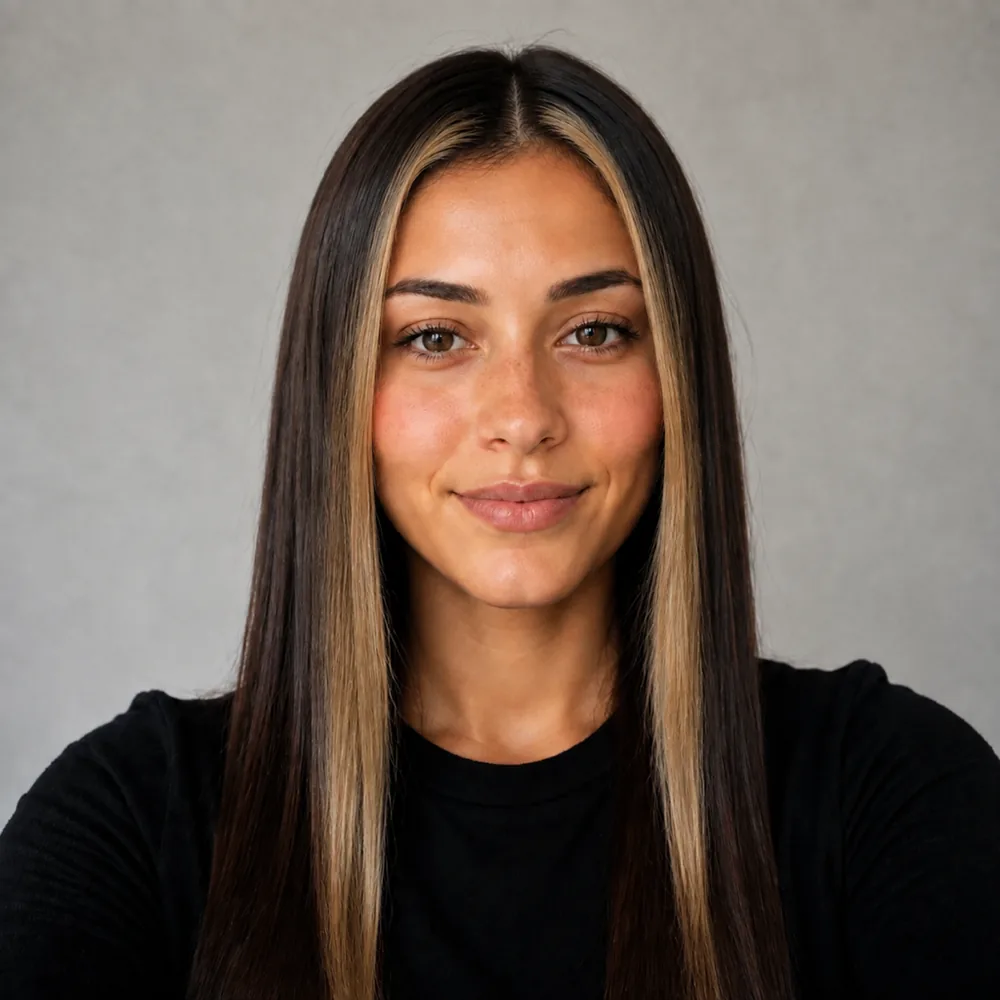
Keeping a money piece
- Back in the chair every 8 to 10 weeks.
- Purple shampoo on the front pieces only.
- Wash 2 to 3 times a week.
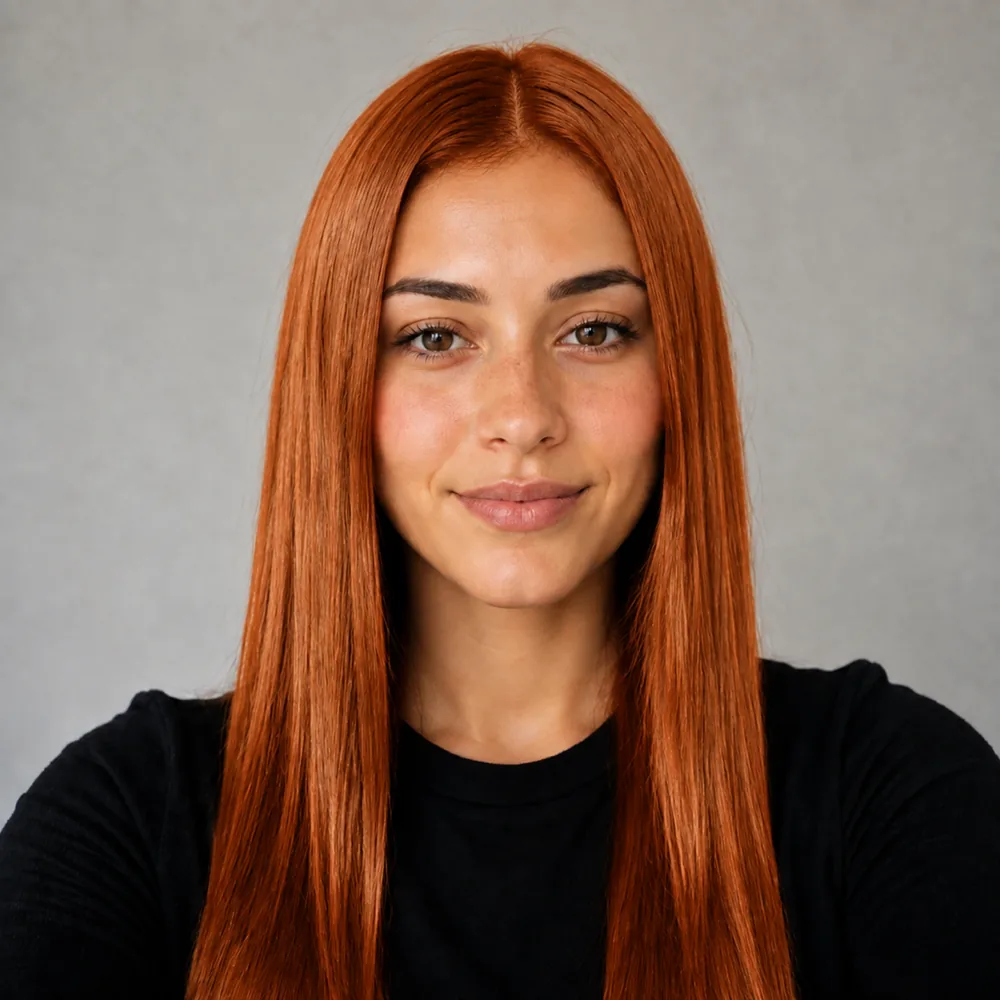
Keeping a copper
- Back in the chair every 4 to 6 weeks.
- Color-depositing conditioner every wash.
- Wash 1 to 2 times a week.
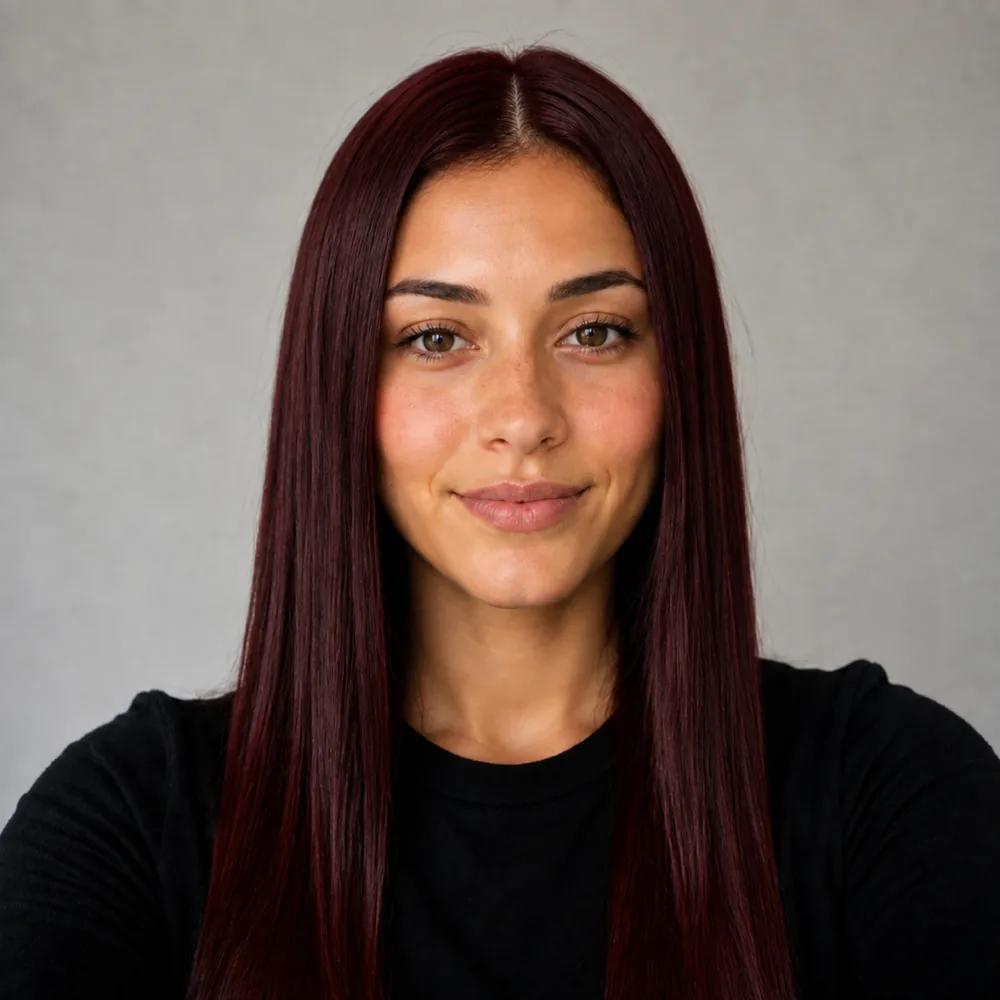
Keeping a cherry cola
- Back in the chair every 6 to 8 weeks.
- Colour-safe shampoo, cool rinse.
- Wash 2 times a week.

Keeping a baroque bob
- Back in the chair every 5 to 6 weeks.
- Mousse through damp roots, heat protectant through the lengths.
- Wash 2 to 3 times a week.

Keeping a kitty cut
- Back in the chair every 8 to 10 weeks.
- Rough-dry to nearly dry.
- Wash 2 to 3 times a week.

Keeping a old money blonde
- Back in the chair every 8 to 10 weeks.
- Colour-safe shampoo, cool rinse.
- Wash 2 to 3 times a week.
Every after is this tool's own render of a demo face, pre-generated for speed - nothing on this page renders live.
Preview a new look
Your first look is free.
Three steps
How it works
Bangs are the fastest decision to make and the slowest to undo. Curtain, blunt, wispy and side-swept - see all four on your own forehead first.
- 01 Your selfie
Uncover the brow and front roots
Move existing front pieces aside for a clear photograph. The bangs comparison needs to show forehead height and where the fringe would begin.
- 02120+ looks
Compare width, opening and edge
Try curtain, blunt, wispy or swept shapes while keeping the rest of the cut familiar. Notice the outer corners and the gap above your eyes.
- 03 Your result
Check the fringe with your stylist
Save the bangs you prefer and explain your natural part, glasses and daily routine. Agree on the dry resting length before taking the front shorter.
Bangs change width and openness as well as length
Bangs can cover the same forehead height while creating very different frames. A wide blunt fringe draws a strong horizontal edge across the front. A narrower wispy section leaves more of the forehead visible between pieces. Curtain bangs create an opening near the center and carry their longer edges toward the cheeks. Side-swept bangs put that opening elsewhere.
Look at the outer corners of the fringe in your preview. Their width decides how much of the temple area is included and where the front begins to connect to the rest of the haircut. A result can feel heavy because the section is broad, even when the individual ends look light. Asking only for shorter or longer bangs will not resolve that width decision.
Also study the gap between the lowest pieces and your eyebrows. You may like a fringe just touching the brow in a still but dislike hair moving near the eyes through the day. Tell your stylist where you want the comfortable lower limit, and point out the amount of forehead you want left open. The filter helps compare those visible boundaries. The final section size and length still need to account for your density and the direction the front hair naturally wants to take.
A fringe has to negotiate your front growth pattern
The hair at the front does not forget its direction because you cut it into bangs. A strong part can keep reopening, and a section that lifts at the root may not settle into the continuous edge shown in a preview. That does not automatically rule bangs out; it means the reference needs interpreting with the way your front actually behaves.
Show your stylist the part you get after washing, before you have persuaded it into place. If a curtain shape is your target, discuss whether its center opening is close to that natural division. If you prefer blunt bangs, ask how the section would be dried and whether the desired edge depends on daily shaping. Those are questions the filter cannot answer from the finished image.
Curls add another layer to the discussion because short front pieces can rest much higher than their stretched length suggests. Even straighter bangs can sit differently once the weight is removed. Avoid using the screen's eyebrow position as a literal cutting line. Instead, identify the dry position you want and let the stylist work toward it cautiously. The most useful bangs preview is a shared description of weight, opening and resting length, with enough room to adapt those details to the roots that will be holding them.
Plan how the bangs will meet the next haircut
Bangs keep changing after the appointment. A blunt edge that initially clears the eyes can soon feel too long, while curtain pieces may blend into the sides more gradually. The maintenance question is therefore different for each shape. Decide whether you want regular fringe tidies or whether you would rather choose a front that can drift into face-framing layers.
Look at the longest outer pieces in the curtain preview if grow-out matters to you. They provide a connection to the sides while the center catches up. With a compact blunt fringe, the whole front can pass through an awkward eye-level stage together. The render does not show that movement through time, but the shape you choose gives you a useful starting point for the conversation.
Ask the stylist how they would keep the front manageable as it lengthens, especially if you wear glasses or frequently tie the rest back. Clips and a changed part may help with presentation, but they do not change the length you cut away. Save an image of the next front shape you would accept alongside the initial bangs. That makes the choice less dependent on liking the first week alone. A fringe can be a small amount of hair with a large daily presence, so its exit route deserves as much thought as its arrival.
Four shapes of bangs, on your own forehead
Four shapes
Blunt bangs, wispy pieces, a soft side sweep and a center-parted curtain, all on one photo. The names sound interchangeable until they are on your brow.
Length in inches
Bang length is decided in fractions of an inch. Micro, brow-skimming and below the lash line read as three completely different faces on the same person.
Cowlicks count
A cowlick at the front decides whether blunt bangs lie flat or split down the middle. Check the render against how your hair falls dry.
Grow-out plan
Curtain bangs grow into face-framing layers. Blunt micro bangs grow into nine awkward months. Choose knowing which one you are signing up for.
Questions about the Bangs Filter
Straight answers, no hedging.
They can cover different amounts of forehead. A solid edge creates a stronger horizontal line, while separated lighter pieces leave gaps. Compare density and width as well as the lowest point above the eyes.
It cannot test root direction after washing. Show your stylist where the front naturally separates and ask how the proposed fringe would be maintained. A balanced curtain in the render does not prove it will settle there unaided.
Use it to describe the desired dry position, not as a literal cutting measurement. Spring, root lift and styling can change where the front rests once length and weight have been removed.
Point to the outer corners you like in the preview and discuss how they connect to the side hair. Width affects how enclosed the face feels, so it deserves a separate decision from length and thickness.
Longer curtain edges already connect toward the sides, which can offer a more gradual transition. The shortest central pieces still need to grow. Ask the stylist for a plan based on the actual fringe length you choose.
They can change where hair feels comfortable around the eyes and bridge. Tell the stylist how you wear them, and judge the lower fringe edge with that practical boundary in mind rather than from appearance alone.
Other tools to explore

Link to this tool
Free sample previews, free to link or embed. No permission needed.
https://hairstyleatlas.com/bangs-filterExplore more try-on tools
Same selfie, a different change. Every tool below runs on the photo you already uploaded.
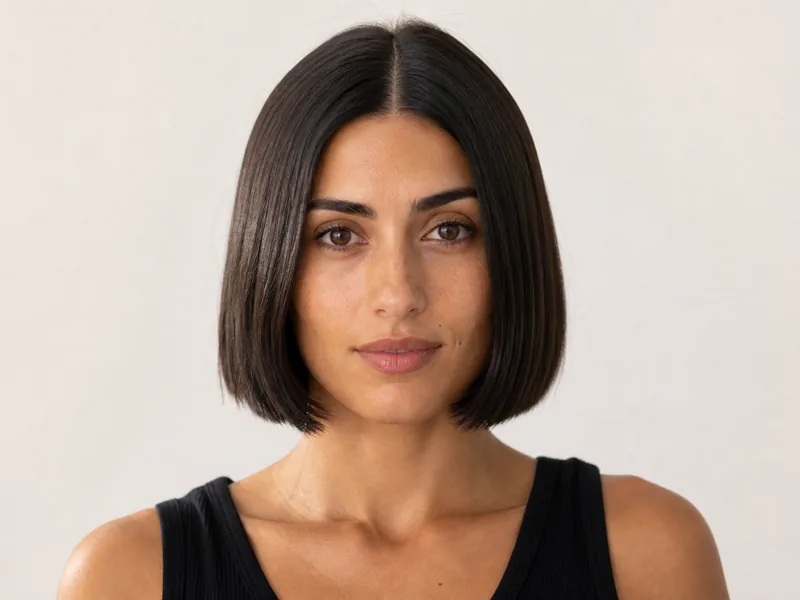


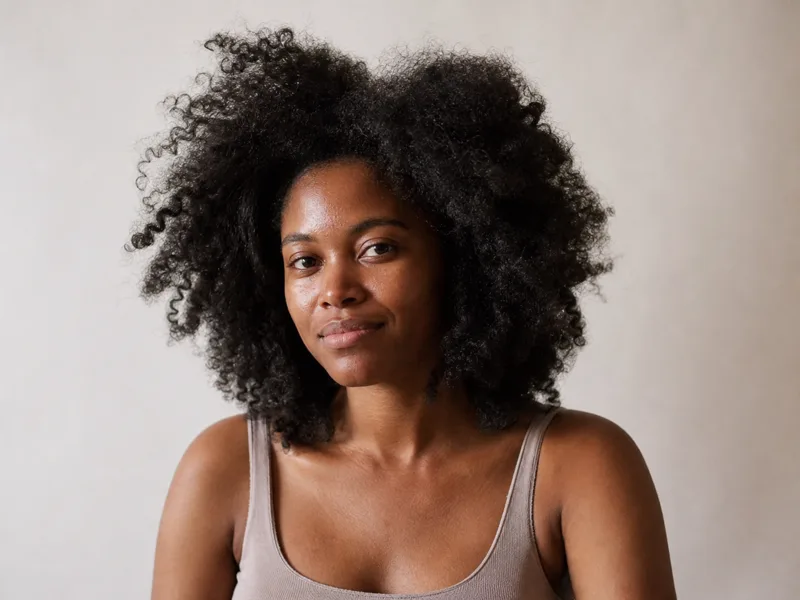
See the fringe across your brow.
Choose its boundaries.
Compare how much forehead each bangs shape covers before deciding where the scissors should stop.