
















Buzz Cut Filter

A buzz cut is six months of growing out if you get it wrong. See your own head shaved, at every grade, before anyone switches the clippers on.

American Crew Reuzel Wahl Uppercut Deluxe Baxter of California Bulldog Skincare

Preview a new look

Your first look is free.

Try a haircut free

Free sample previews. Try every look on our sample faces here without registering. Your own photo needs a free account, no card: 15 credits once (a cut costs 10, a color on it 5). That covers one cut plus one color on it. No refill; further renders are paid. The optional Plus trial can be declined.

Jason Statham with a clipper-short buzz cut and heavy stubble
48,000+
users worldwide
165,000+
hairstyles tried

Try it yourself

Pick a look, drag the handle to compare. Then do it with your own selfie.

Every after is this tool's own render of a demo face, pre-generated for speed - nothing on this page renders live.

Preview a new look

Your first look is free.

Try a haircut free

Three steps

How it works

A buzz cut is six months of growing out if you get it wrong. See your own head shaved, at every grade, before anyone switches the clippers on.

  1. 01
    Noah before, with short dark brown hair and groomed stubble Your selfie

    Show the current head outline

    Use a photo with the ears and crown in frame. The buzz preview needs space around the head to show the volume that disappears.

  2. 02
    120+ looks

    Compare scalp exposure by grade

    Look at a close shadow and a softer, longer buzz on the same face. Keep beard length steady while judging how much hair color remains.

  3. 03
    Noah with a textured crop and faded sides Your result

    Choose a first guard with your barber

    Save the buzz reference and discuss a longer starting grade if you are uncertain. Check the clipped shape before deciding whether to go closer.

A buzz grade changes more than the amount left

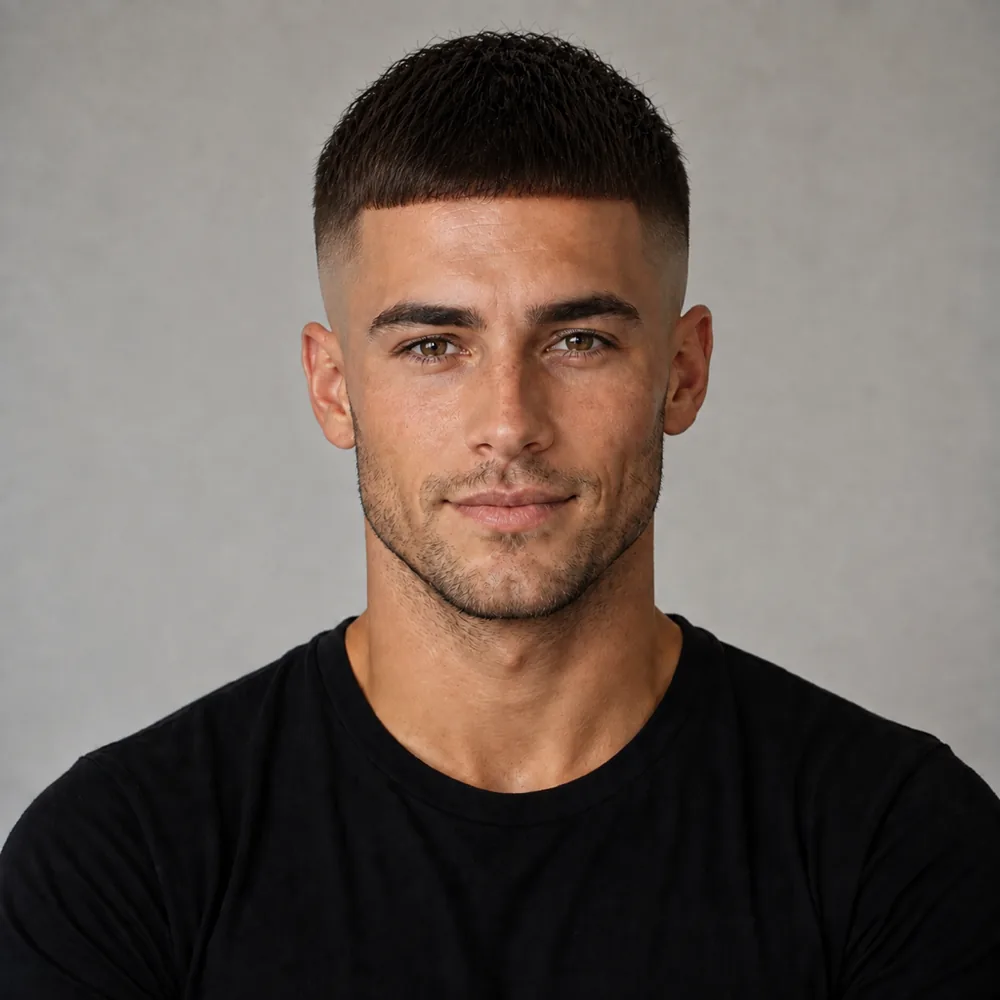
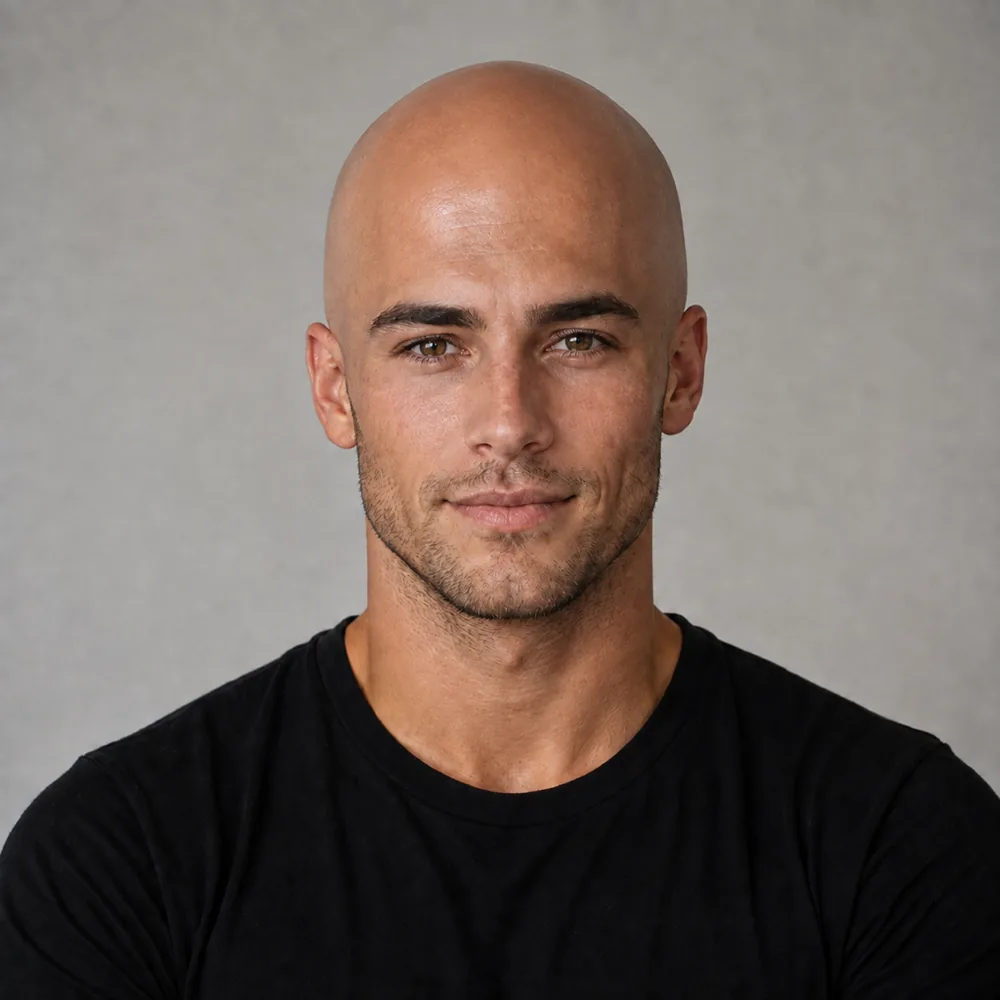
A buzz cut removes the height and direction that longer hair uses to frame your face. The remaining layer can still make a substantial difference. A very close grade reads mainly as scalp with a hair shadow, while a longer buzz keeps more of your natural color and a softer border around the head. Compare that border rather than assuming every short clipper cut makes the same statement.

The familiar guard numbers are shorthand, not a reliable measurement across every machine and attachment. Tell the barber which amount of visible scalp you liked in the preview and ask what length would approach it on your density. A dense dark buzz and a fine pale buzz can show very different contrast even when clipped to a similar length.

Also decide whether you mean one length everywhere. A uniform buzz follows the head evenly; shorter sides with a slightly longer top create a different balance. The latter can keep a hint of height without returning to a styled haircut. Try the two outlines with the same facial hair if you wear it. Otherwise a stronger jaw shadow may persuade you that you prefer the shorter grade when the beard, rather than the buzz, is doing the work in the comparison.

What a buzz preview cannot uncover beneath longer hair

The appeal of a buzz preview is seeing a close outline before cutting away the hair that hides it. That is also its main limit. A photograph cannot reveal the exact surface underneath a thick top. If the render draws a smooth crown, that does not establish that your crown has that shape. The tool fills an unseen area with a plausible interpretation.

Look instead at the relationships the photo can help you assess: how exposed the ears feel, how much the forehead stands out, and whether you prefer the face with less surrounding volume. Those are useful observations without treating the simulated scalp as a scan. A front result also says little about the back of the head, where the change may feel most unfamiliar in a mirror.

At the barber, ask to inspect a longer buzz before moving closer if you remain undecided. Removing more is possible during the appointment; putting the guard's extra length back is not. Bring attention to any area you already know looks sparse when short, rather than assuming the render has reproduced it. A buzz reference should help choose the degree of exposure you want while leaving the barber room to respond to what becomes visible as the length comes off.

The route out of an all-over buzz

Growing out a buzz is not just waiting for the same shape to enlarge. The sides and top can become bulky at different moments, and the front often needs more length before it will lie in a deliberate direction. That is why an all-over buzz may first become a soft brush before it becomes something you can part or sweep.

Choose a possible next cut before making the initial change. A short crew keeps the transition close to the buzz, while curtains require substantially more front length. If the longer destination matters, avoid automatically clipping the top every time the edges look untidy. Ask for maintenance that preserves the area you are growing rather than resetting the entire head to one guard.

Be cautious with exact timelines attached to a preview. Starting grade, the destination length and your own growth all change the wait. The useful question is whether you would tolerate the intermediate silhouette, including a stage that has more fluff than direction. Save a crew or textured crop beside the buzz as a practical alternative. If you dislike both the very short result and the likely middle stage, a longer first guard gives you a less abrupt experiment. The filter can clarify that preference before the clippers establish your starting point.

Your head shape decides whether a buzz works

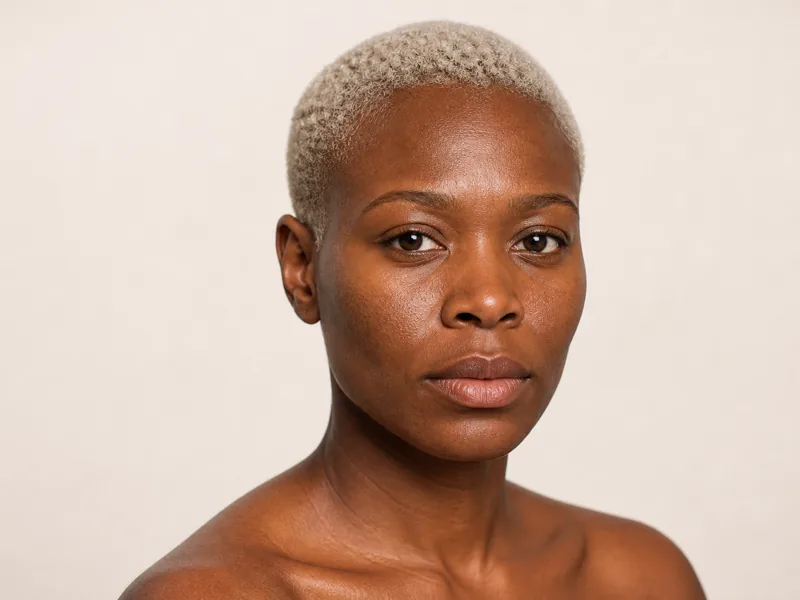
Clippers take four minutes and there is no undo: no toner, no pinning it back, no clever styling. The only fix is waiting. A buzz also removes the thing most people quietly rely on to soften their face, so the buzz cut filter is really a test of your skull, your ears and your jaw rather than of your hair. Upload one selfie and each clipper grade lands on your own head, from a grade-one shadow up to a grade four, with your face, your skin tone and the light you shot in left exactly as they came out of the camera. If the buzz cut filter makes you hesitate, that is worth knowing now. An even all-over grade and a buzz with closer sides are different outlines. Keep the beard constant as you compare them, and look at how much hair color remains around the forehead instead of treating every buzz as bare scalp.

Grade by grade

A grade one is scalp with a shadow on it. A grade four still holds color and softness. One number changes how severe the whole thing reads.

Skull and ears

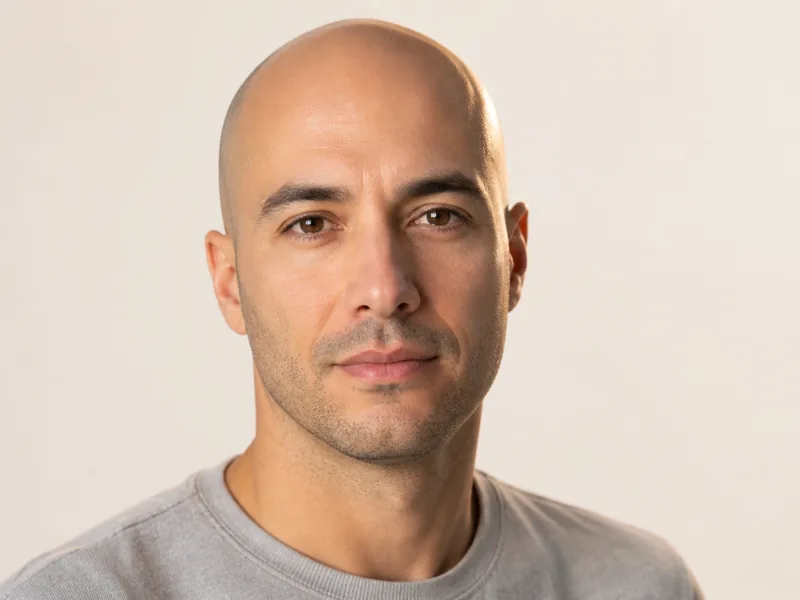
A buzz exposes more of the outline around your ears and crown. The preview estimates what longer hair hides; it cannot map every ridge underneath.

Or a fade

Not ready for all-over? Put a grade two next to a mid taper fade and a crew cut, both of which keep some length on top.

Growing it back

From a grade two it is about six weeks back to a crew cut and three months to anything with length on top. Render the halfway cuts too, so you know what the road out looks like.

Going short comes in degrees. All the way down is the bald filter, keeping length on top is low, mid and high fades, and everything else sits on men's hairstyle try-on. Upload a selfie first. The first look is free with a free account. If you are uncertain about the closest grade, agree on a longer first pass at the appointment. That creates a real checkpoint before you remove the last part of the hair shadow.

A buzz cut filter helps you compare the outline before you commit to clippers. Look at how closely cropped hair changes the apparent width of your forehead, the visibility of your temples and the balance between your head and beard. The preview is a conversation starter for your barber, not a measurement of scalp density or a promise about how your hair will grow. Compare it with your current photo at the same size, and keep the lighting consistent.

Start the try-on, choose your look and upload a clear front-facing selfie. Create a free account to generate and keep your first look; no card is required for that first render. This try-on uses the uploaded photo to make a generated preview. It is different from our free face-analysis tools, which process photos only in your browser. If you are deciding between a buzz and a crew cut, save both references and ask your barber which guard length leaves enough coverage for your natural growth pattern.

Questions about the Buzz Cut Filter

Straight answers, no hedging.

Does a buzz filter show my exact skull shape?

No. Hair can conceal contours that a selfie never records. The preview estimates those areas, so use it to judge a close silhouette and exposed ears rather than to discover the precise surface under your hair.

Can I compare an all-over buzz with shorter sides?

Yes, compare the outlines rather than treating both as one haircut. A uniform grade follows the head evenly; retaining a little more on top can preserve height while the sides stay close.

Why can a grade-two buzz show more scalp on one head?

Visible scalp depends on density and contrast as well as length. The same guard label cannot guarantee the same opacity. Ask your barber which length is likely to retain the amount of hair color you want.

Should I take the closest buzz result straight to the clippers?

If you are unsure, show that result as the possible endpoint and agree on a longer first pass. You can assess the actual clipped hair before choosing a shorter guard during the same appointment.

Will the buzz preview predict patches in my hair?

A generated image is not a density measurement. It may smooth or invent detail in very short areas. Discuss any patch you already notice with the barber instead of reading the render as evidence about your hair.

What haircut comes after a buzz during grow-out?

A crew or short textured crop can be an intermediate shape once the top has gained length. The route depends on your destination; keeping the edges tidy should not automatically mean shortening the growing top again.

Explore all tools

Other tools to explore

Link to this tool

Free sample previews, free to link or embed. No permission needed.

https://hairstyleatlas.com/buzz-cut-filter

How these compare to dye-brand try-ons

Free first look

Check the buzz before the clippers.
Choose how close.

Compare a visible hair shadow with a softer grade and decide what you want left around your head.

One selfie
120+ looks
Photo stays yours
Try a haircut free