Women's Hairstyle Try-On
Bobs, lobs, layers, shags, wolf cuts and bangs of every kind - plus any color on top of any cut.






Preview a new look
Your first look is free.
Free sample previews. Try every look on our sample faces here without registering. Your own photo needs a free account, no card: 15 credits once (a cut costs 10, a color on it 5). That covers one cut plus one color on it. No refill; further renders are paid. The optional Plus trial can be declined.



- 48,000+
- users worldwide
- 165,000+
- hairstyles tried
Try it yourself
Pick a look, drag the handle to compare. Then do it with your own selfie.
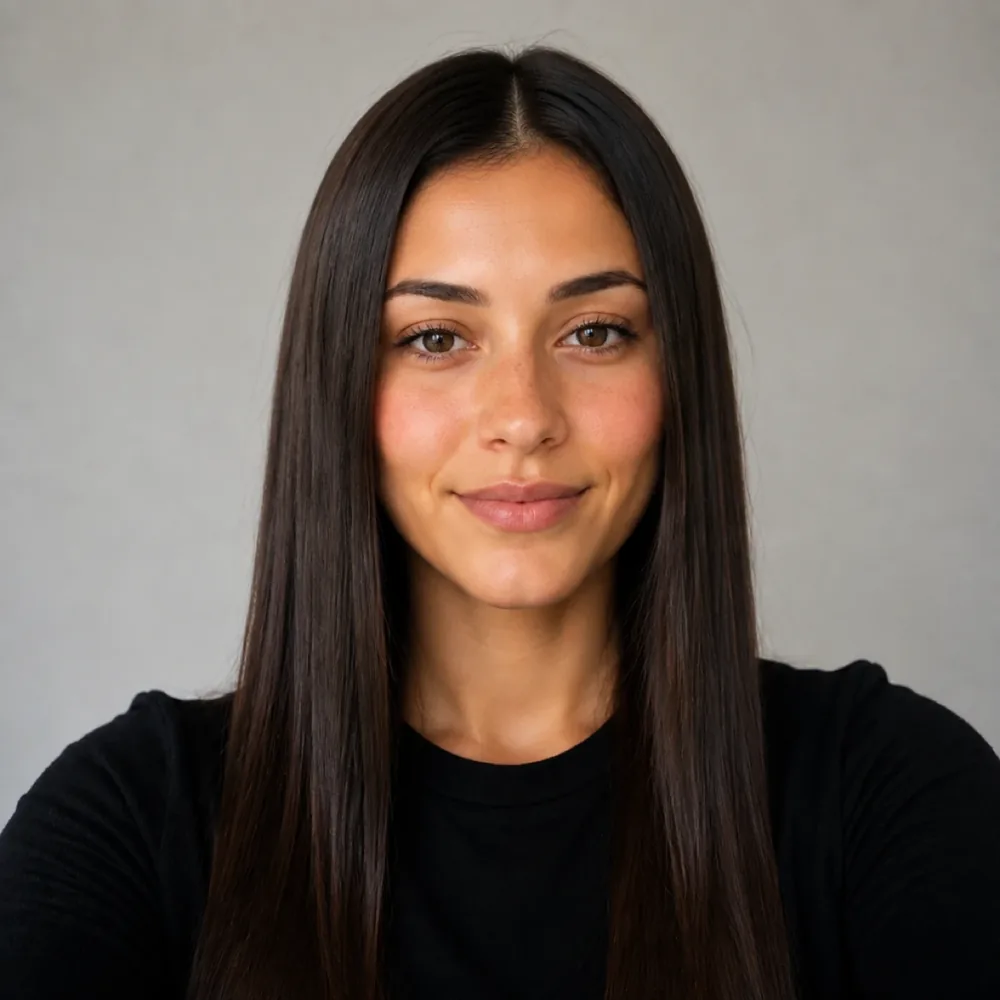

Keeping a curtain bangs
- Back in the chair every 4 to 5 weeks.
- Dry the bangs first, while the rest is still wet.
- Wash 2 to 3 times a week.

Keeping a butterfly
- Back in the chair every 8 to 10 weeks.
- Dry the short layers up and away from the face.
- Wash 2 to 3 times a week.

Keeping a wolf cut
- Back in the chair every 8 to 10 weeks.
- Mousse through soaking-wet hair.
- Wash 2 to 3 times a week.

Keeping a italian bob
- Back in the chair every 6 to 8 weeks.
- Rough-dry to eighty per cent first.
- Wash 2 to 3 times a week.
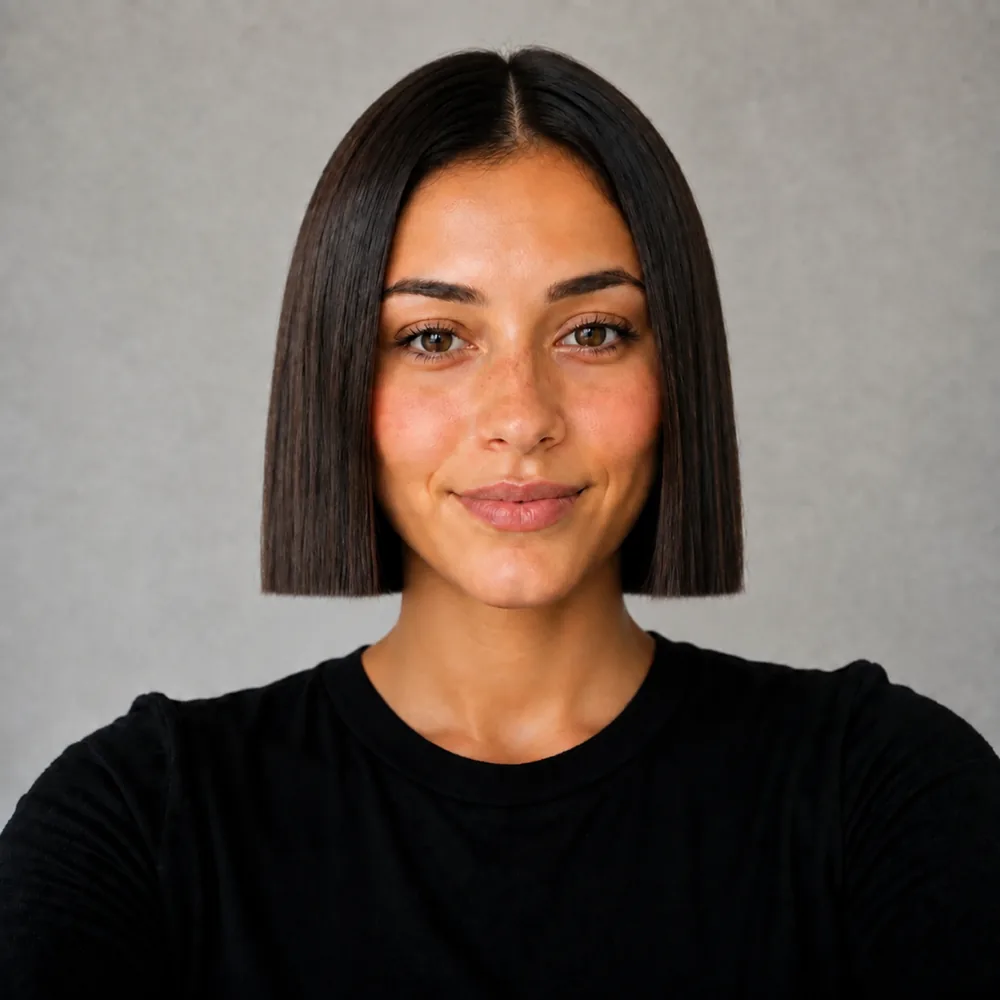
Keeping a blunt bob
- Back in the chair every 6 to 8 weeks.
- Heat protectant through damp hair, ends first.
- Wash 2 to 3 times a week.

Keeping a long layers
- Back in the chair every 10 to 12 weeks.
- Rough-dry with your head upside down for root lift.
- Wash 2 to 3 times a week.
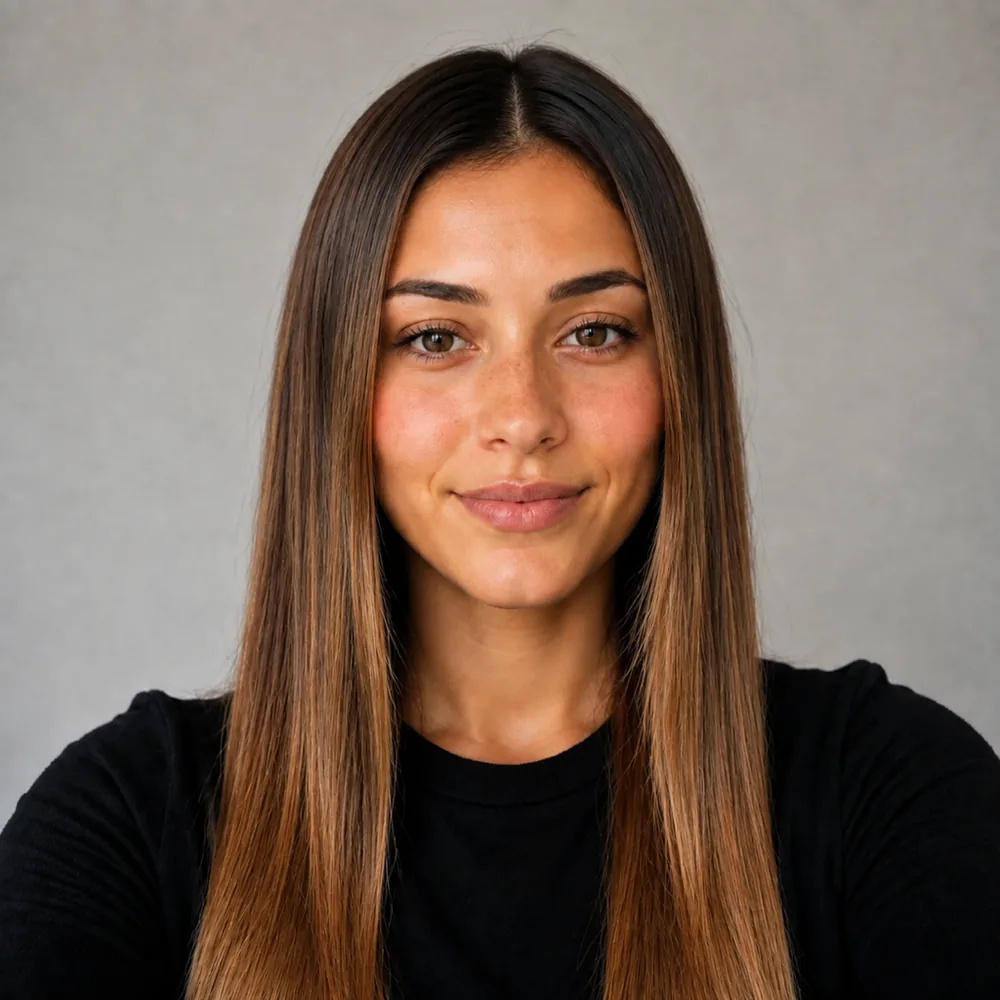
Keeping a balayage
- Back in the chair every 12 to 16 weeks.
- Color-safe shampoo, cool water.
- Wash 2 to 3 times a week.
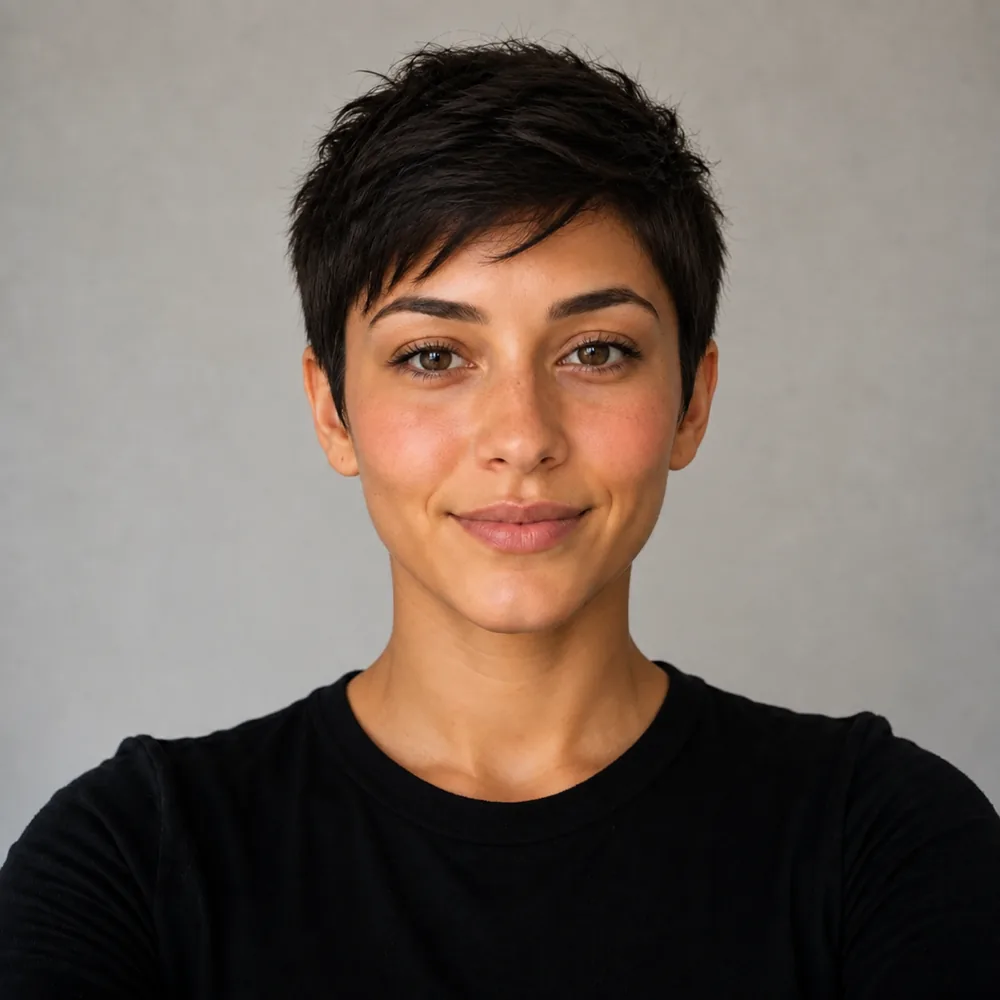
Keeping a pixie
- Back in the chair every 4 to 6 weeks.
- Rough-dry it in every direction at once.
- Wash 3 to 4 times a week.

Keeping a french bob
- Back in the chair every 8 to 10 weeks.
- Rough-dry it with your fingers, no brush.
- Wash 2 to 3 times a week.

Keeping a bixie
- Back in the chair every 5 to 6 weeks.
- Rough-dry upside down for lift at the crown.
- Wash 3 to 4 times a week.

Keeping a curtain lob
- Back in the chair every 6 to 8 weeks.
- Heat protectant, then blow-dry the fringe first, brushing it away from the centre.
- Wash 2 to 3 times a week.

Keeping a bottleneck bangs
- Back in the chair every 8 to 10 weeks.
- Blow-dry the fringe first, damp, over a small round brush.
- Wash 2 to 3 times a week.

Keeping a bouncy layers
- Back in the chair every 8 to 10 weeks.
- Mousse at the roots, then dry upside down.
- Wash 2 to 3 times a week.
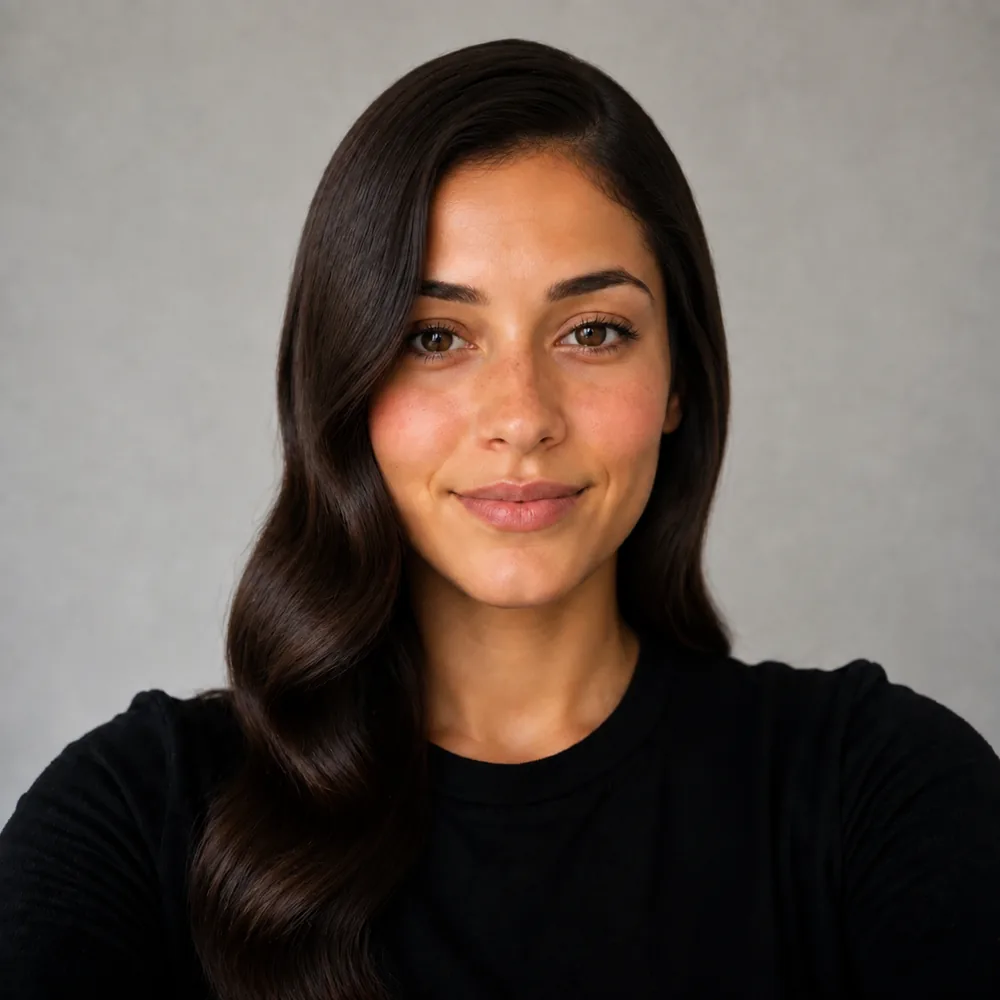
Keeping a hollywood waves
- Back in the chair every 10 to 12 weeks.
- Wand every section in the same direction, away from the face.
- Wash 2 to 3 times a week.
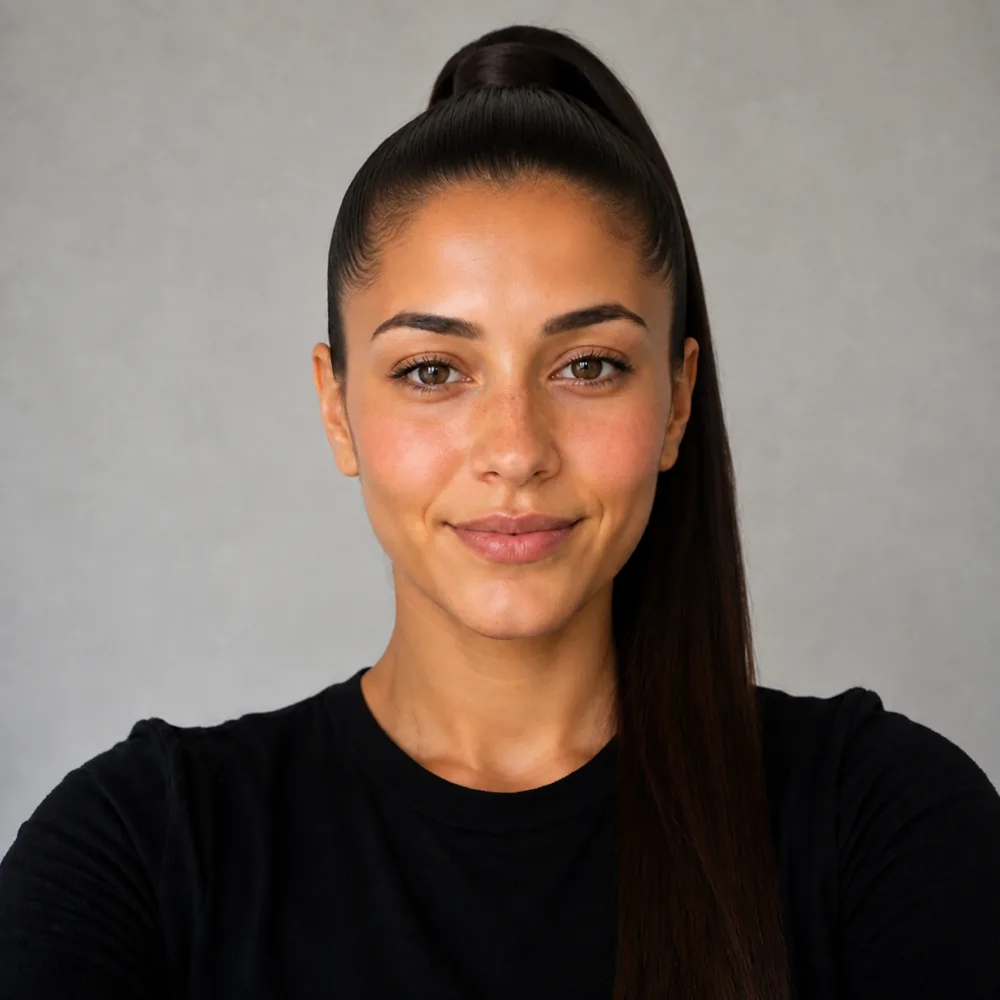
Keeping a high ponytail
- Back in the chair every 10 to 12 weeks.
- Brush back from the hairline with a paddle brush and a little gel.
- Wash 2 to 3 times a week.
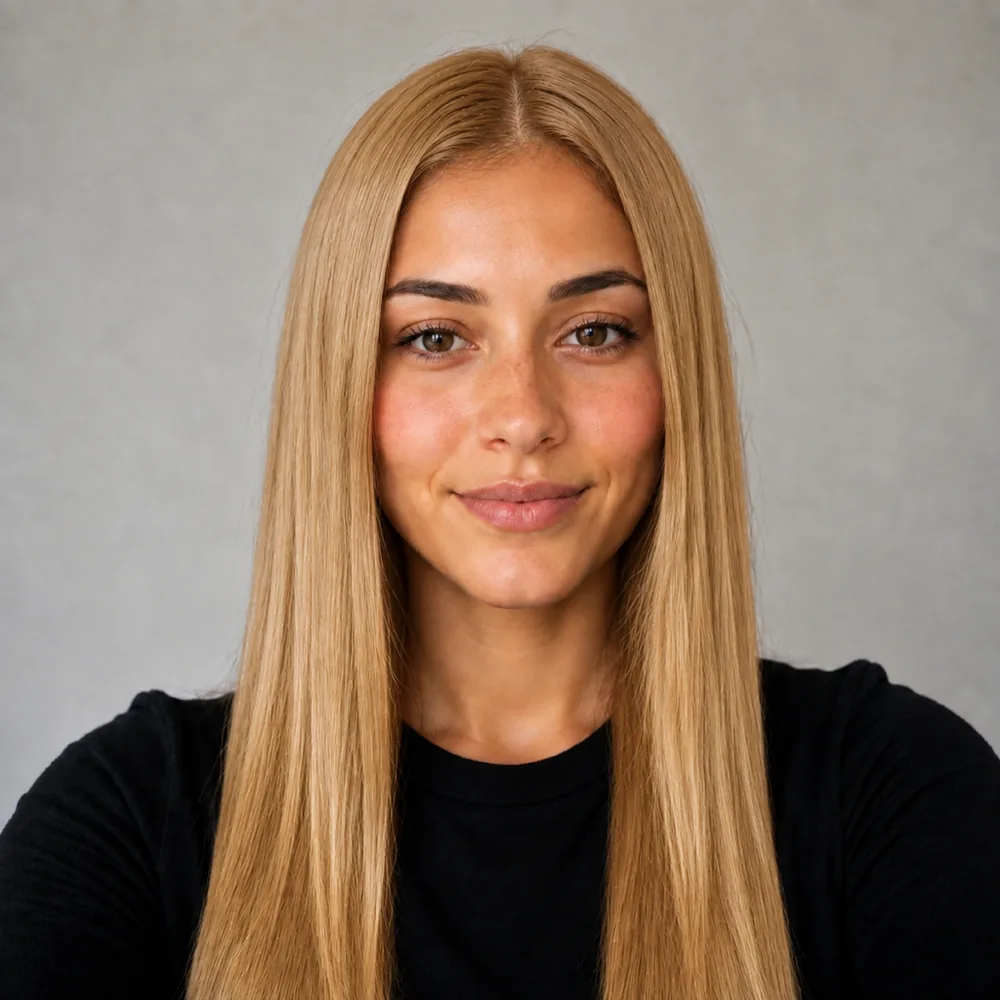
Keeping a blonde
- Back in the chair every 6 to 8 weeks.
- Purple shampoo weekly to hold the tone.
- Wash 2 to 3 times a week.
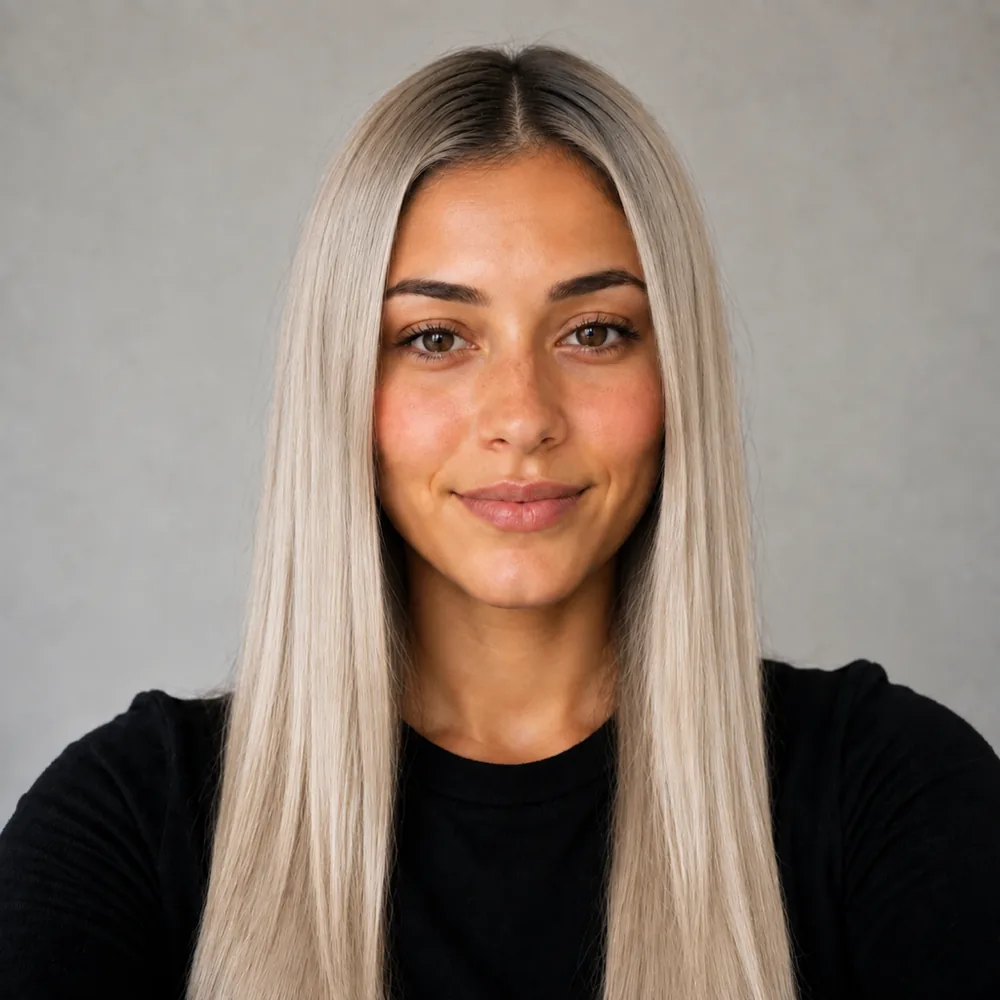
Keeping a scandi blonde
- Back in the chair every 8 to 10 weeks.
- Purple shampoo once a week, left for two minutes.
- Wash 2 times a week.
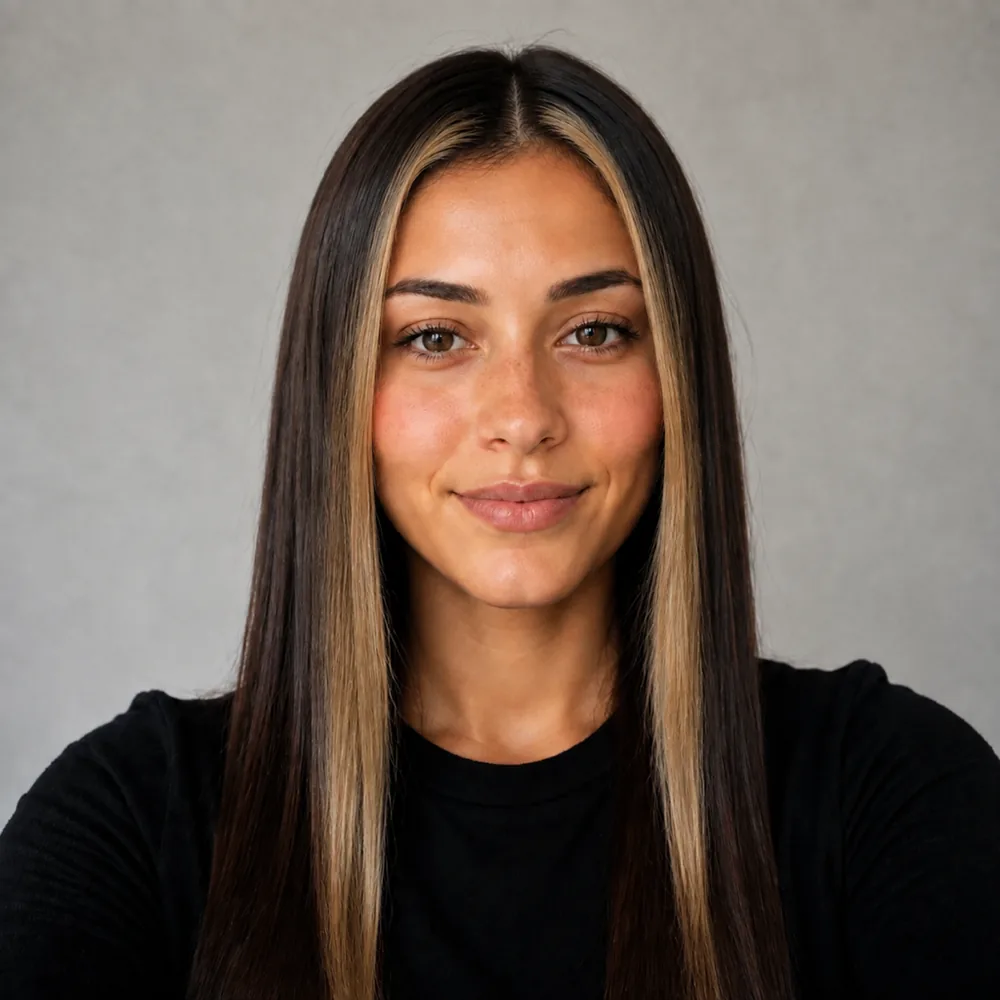
Keeping a money piece
- Back in the chair every 8 to 10 weeks.
- Purple shampoo on the front pieces only.
- Wash 2 to 3 times a week.
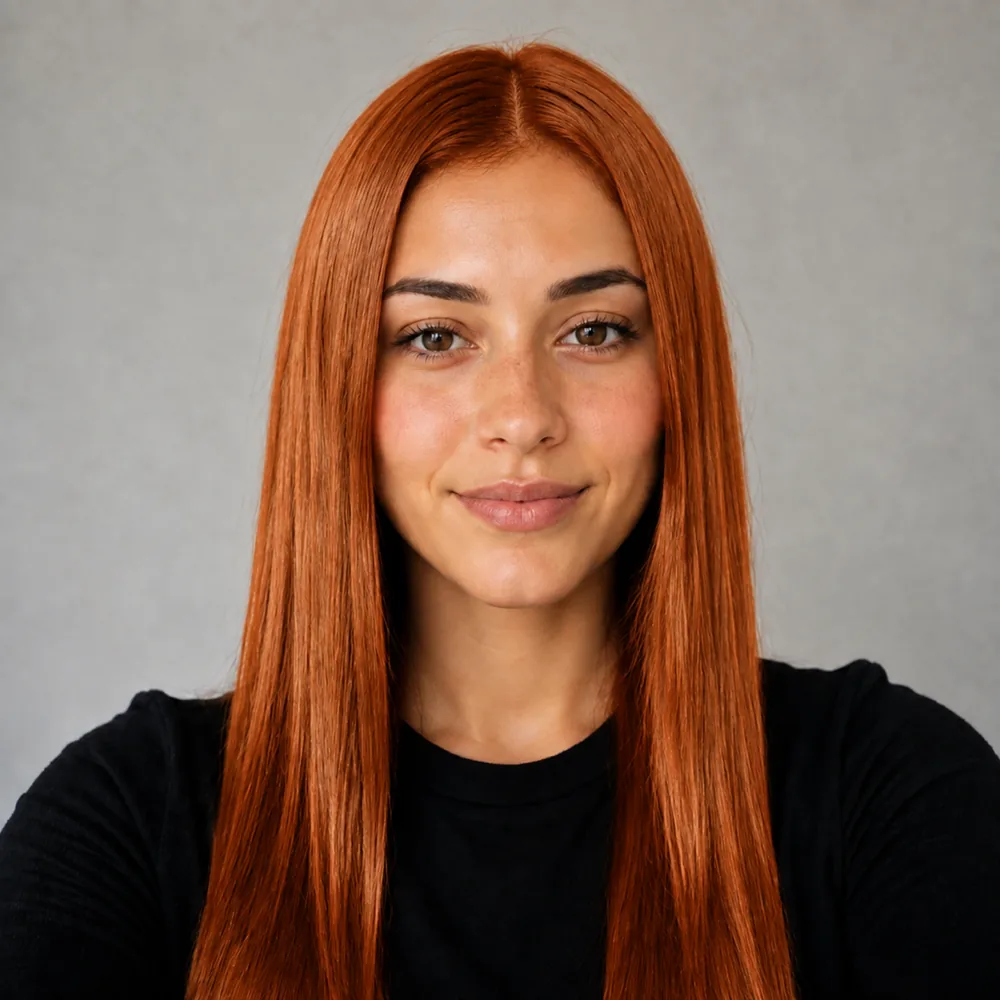
Keeping a copper
- Back in the chair every 4 to 6 weeks.
- Color-depositing conditioner every wash.
- Wash 1 to 2 times a week.
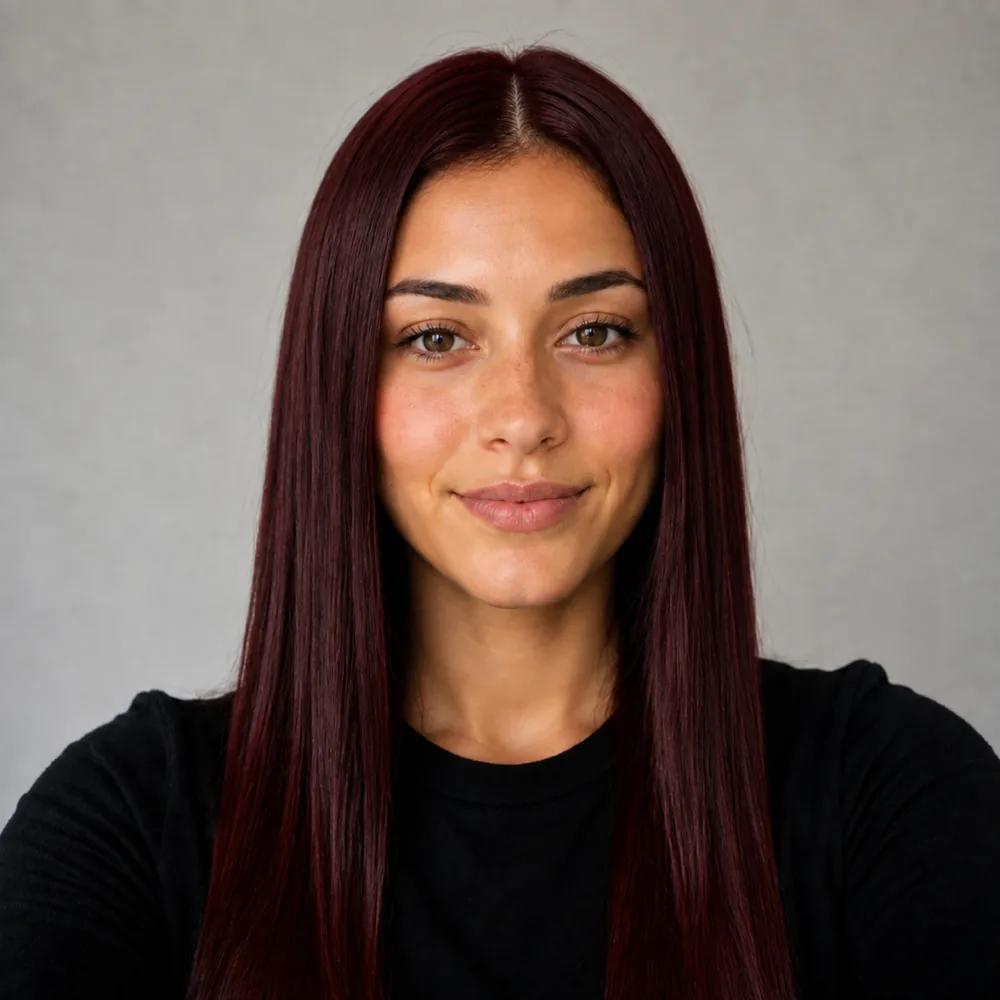
Keeping a cherry cola
- Back in the chair every 6 to 8 weeks.
- Colour-safe shampoo, cool rinse.
- Wash 2 times a week.

Keeping a baroque bob
- Back in the chair every 5 to 6 weeks.
- Mousse through damp roots, heat protectant through the lengths.
- Wash 2 to 3 times a week.

Keeping a kitty cut
- Back in the chair every 8 to 10 weeks.
- Rough-dry to nearly dry.
- Wash 2 to 3 times a week.

Keeping a old money blonde
- Back in the chair every 8 to 10 weeks.
- Colour-safe shampoo, cool rinse.
- Wash 2 to 3 times a week.
Every after is this tool's own render of a demo face, pre-generated for speed - nothing on this page renders live.
Preview a new look
Your first look is free.
Three steps
How it works
Bobs, lobs, layers, shags, wolf cuts and bangs of every kind - plus any color on top of any cut.
- 01 Your selfie
Show the length you are starting from
Photograph the hair down with its ends visible where possible. The women's cut comparison needs both the front framing and the current perimeter.
- 02120+ looks
Set a practical length limit
Compare bobs, lobs or layers around the length you can live with. Check the shortest face pieces as well as the longest ends.
- 03 Your result
Explain the everyday version
Take the preferred women's shape to your stylist with your tie-back and styling needs. Ask how the reference would look under your normal routine.
Start the women's shortlist with a length boundary
A broad women's hairstyle comparison becomes easier when you decide what length must remain. The boundary may be visual, such as wanting the ends below the jaw, or practical, such as needing enough hair for your usual tie-back. A bob, a lob and long layers can all appeal in photographs while meeting those requirements very differently.
Choose one non-negotiable before opening the wider set of shapes. If you need to tuck the front pieces, look closely at where the shortest layers end rather than judging only the back. If you want the neck exposed, compare shorter perimeters without automatically adding bangs or a new color. That keeps the first decision understandable.
A preview cannot verify the reach of every section when you tie or clip it. Tell your stylist exactly how you put the hair up and show where you want shorter pieces to fall when it is down. Then compare the remaining candidates by weight and movement. A clear length boundary does not make the choice dull; it removes options that would look right only when you wear them in a way you never do. The women's catalogue is broad enough to explore several shapes inside that boundary before deciding whether you want to move it.
Decide where the haircut should carry its fullness
Two women's cuts at the same overall length can distribute hair very differently. A blunt outline keeps weight near the ends, while layers move some of the visual activity upward. Face-framing pieces can soften the edge around the cheeks without requiring the entire perimeter to become lighter. A shag or a wolf shape makes the layer structure more prominent again.
In the try-on, look for the widest point rather than only the shortest point. Does fullness sit at the jaw, beside the cheekbones or below the shoulders? Then inspect the lower edge. If you like the image because the ends look dense, tell the stylist before asking for extra layers. The picture may combine more movement and more fullness than your own hair can provide at once.
Texture changes how that distribution appears. A straight blunt edge can read as a continuous line, while a curly version may gather into separate groups. Fine hair may show a more transparent lower edge after layering than the generated result suggests. Bring those observations into the consultation without reducing the choice to a rule about what women with your face shape should wear. The point is to choose a balance of outline and movement you like, then adapt it to the material your stylist actually has.
Match the women's makeover to an ordinary morning
A complete hairstyle change can include a new length, a fringe and a different color. The combined image may look resolved because every piece is arranged for the photograph. Daily wear is a different test. The fringe might need drying in one direction, the perimeter may need attention to stay smooth, and the color may introduce another appointment cycle.
Before booking all the changes together, decide which one is doing most of the work. If the new length feels right even in a familiar shade, that is useful evidence for the cut. If the color is the part you keep noticing, you may want to hold the length steady while discussing it. A women's hairstyle try-on gives you room to separate those choices before they become one salon booking.
Tell the stylist how you wear your hair on workdays, at exercise and when you have little time. Include whether you use heat, whether your part stays fixed and whether loose front pieces bother you. Those details can change the best interpretation of a reference without abandoning its overall direction. Keep a less elaborate candidate in the shortlist as well. Comparing the styled ideal with a simpler outline can reveal how much of the transformation you want to maintain once the appointment is over.
Women's hairstyles, tested before the first cut
Bob or lob
A chin-length blunt bob, a French bob, a collarbone lob. An inch separates them, and they land very differently on a round face than a long one.
Bangs check
Curtain, blunt, wispy or side-swept, drawn on your own forehead and brow line. Growing one back out past the cheekbone takes roughly a year of pinning it sideways.
Layers and shags
Long face-framing layers, butterfly layers, a shag, a wolf cut. Where the shortest layer lands decides how much volume ends up sitting at your jaw.
Color on top
Caramel balayage, a money piece, ash blonde, a silver blend. Put the shade on the new cut instead of guessing how the two will read together.
Questions about the Women's Hairstyle Try-On
Straight answers, no hedging.
Start with a length you need to keep or a feature you want to change. Then compare a few different shapes inside that boundary. It is easier to judge layers and movement once the practical perimeter is settled.
No. The shortest front and side pieces determine what escapes a tie, and the image does not test their reach. Tell your stylist how you put the hair up and which loose pieces would be inconvenient.
Only if the fringe is part of the decision you want to test. Otherwise keep the forehead framing similar first, because a new fringe can change your reaction more strongly than the difference between bob and lob.
Their weight may sit in different places. One can retain a dense lower edge while another adds shorter layers around the face. Compare the widest point and the ends instead of treating shoulder length as one shape.
Yes, if you identify the parts clearly. Explain which perimeter, face framing or layer movement you want, and ask whether they connect on your texture. A collection without those notes leaves the intended combination unclear.
Use it to identify the outline you like, then ask for an interpretation that fits your usual drying and tie-back habits. Keep a simpler candidate beside it so the discussion includes a realistic everyday alternative.
Other tools to explore

Link to this tool
Free sample previews, free to link or embed. No permission needed.
https://hairstyleatlas.com/womens-hairstyle-try-onExplore more try-on tools
Same selfie, a different change. Every tool below runs on the photo you already uploaded.
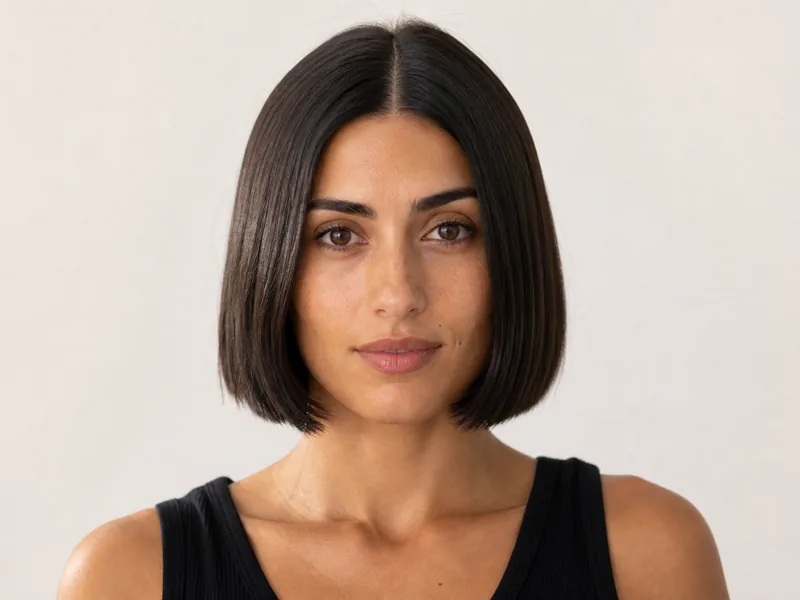


Choose a shape for your day.
Then make the change.
Compare the lengths and layers you can wear comfortably, with a clear brief for your next appointment.