Curly & Coily Hair Try-On
Most try-on tools paste straight hair over you. You pick your texture during setup and the result is cut for that texture - braids, locs, afros, silk presses and layered curls included.












Preview a new look
Your first look is free.
Free sample previews. Try every look on our sample faces here without registering. Your own photo needs a free account, no card: 15 credits once (a cut costs 10, a color on it 5). That covers one cut plus one color on it. No refill; further renders are paid. The optional Plus trial can be declined.


- 48,000+
- users worldwide
- 165,000+
- hairstyles tried
Try it yourself
Pick a look, drag the handle to compare. Then do it with your own selfie.
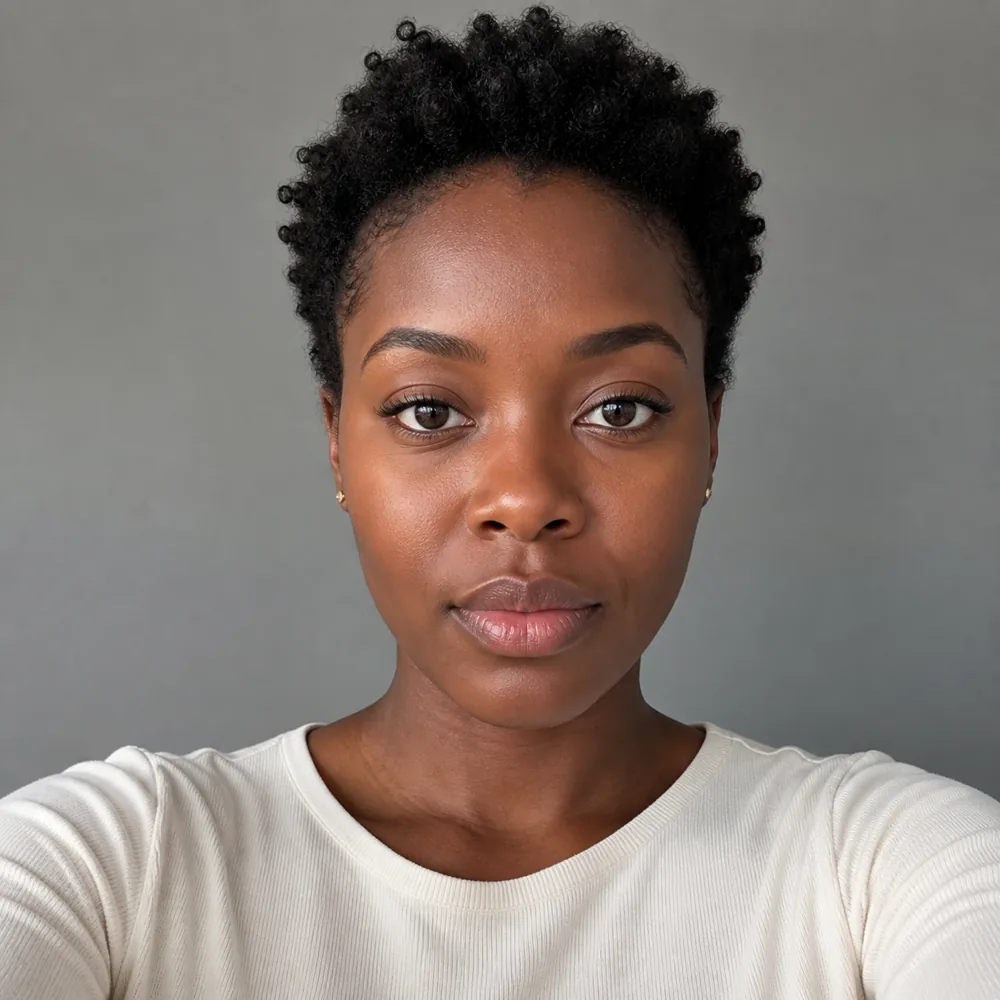
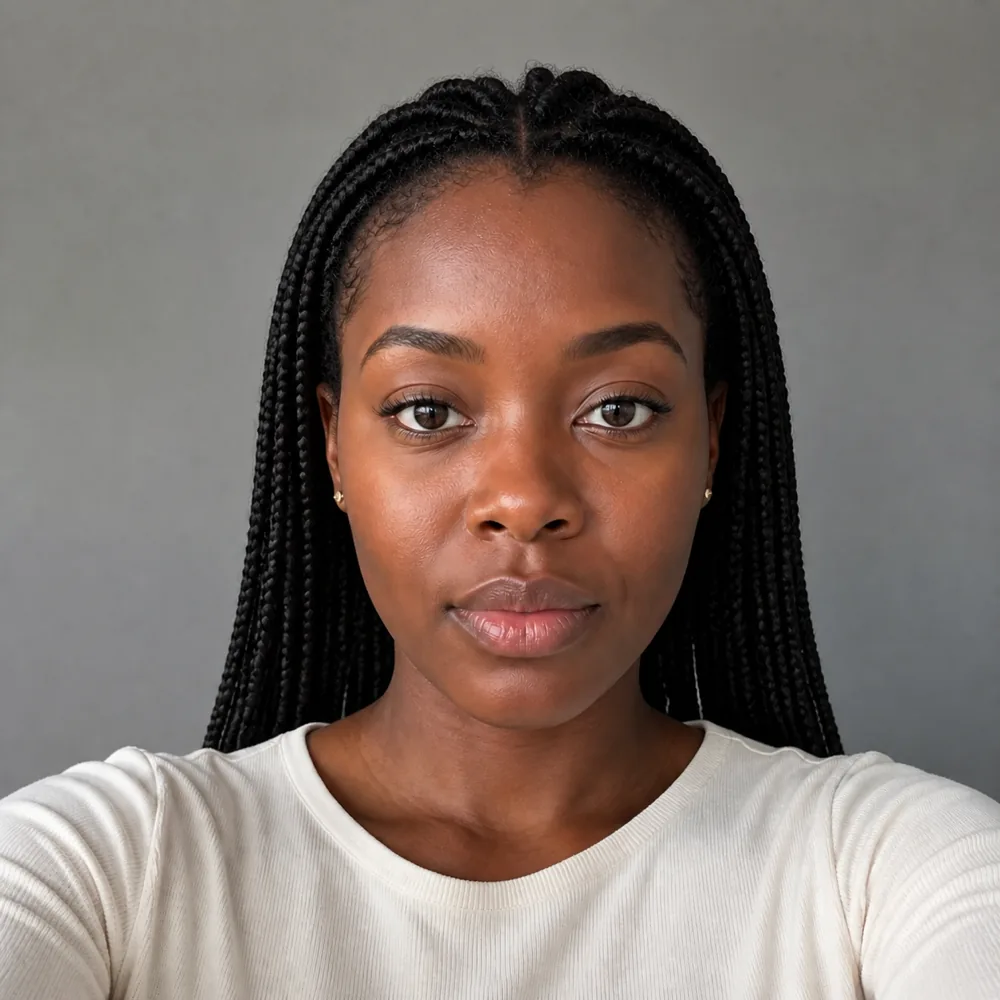
Keeping a box braids
- Back in the chair every 6 to 8 weeks.
- Oil the scalp twice a week, along the parts.
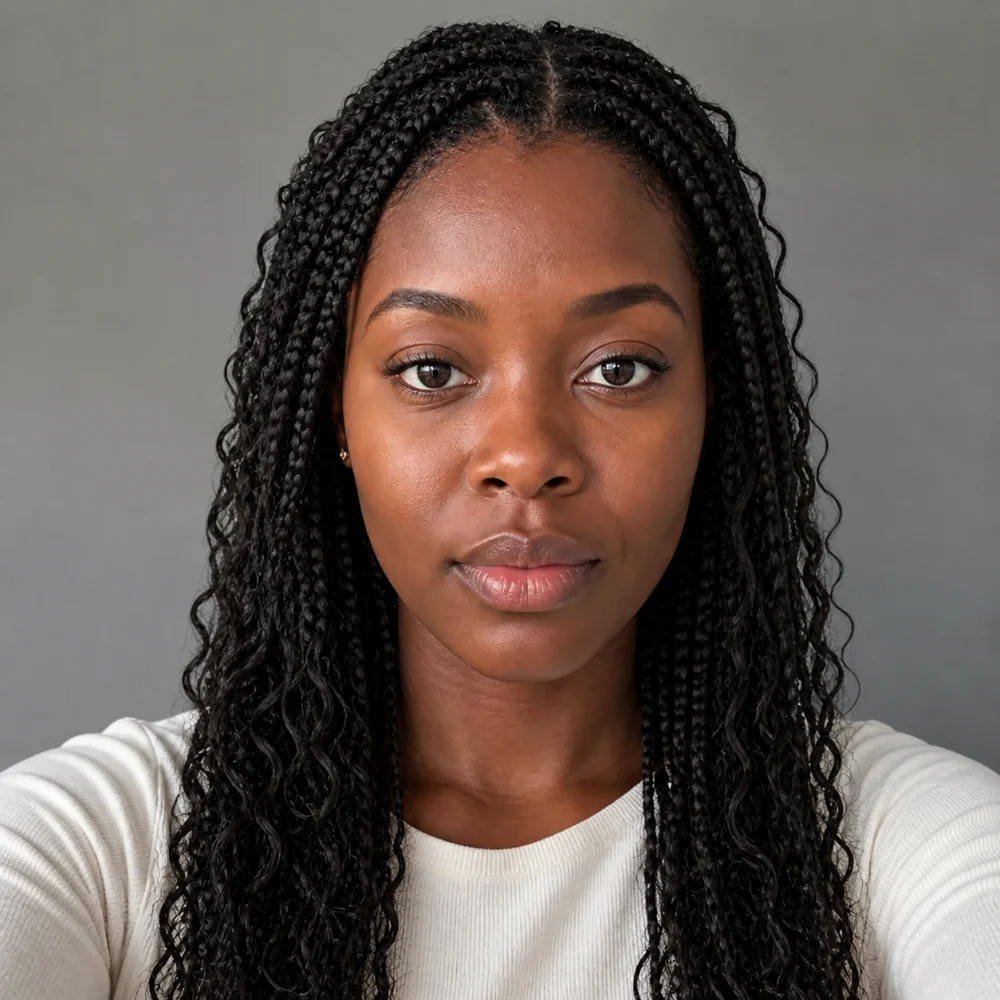
Keeping a boho knotless
- Back in the chair every 5 to 7 weeks.
- Oil the scalp, mist the loose curls.
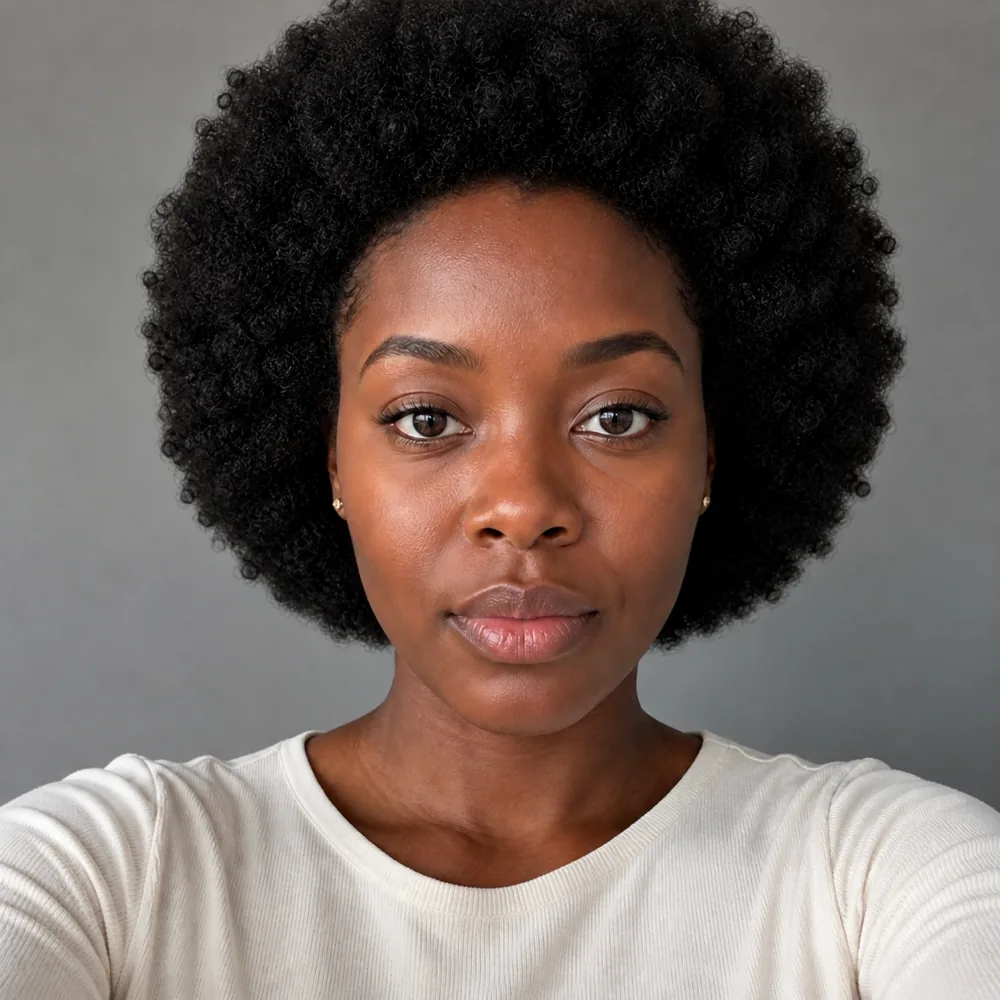
Keeping a afro
- Back in the chair every 6 to 8 weeks.
- Leave-in on soaking-wet hair, section by section.
- Wash 1 to 2 times a week.
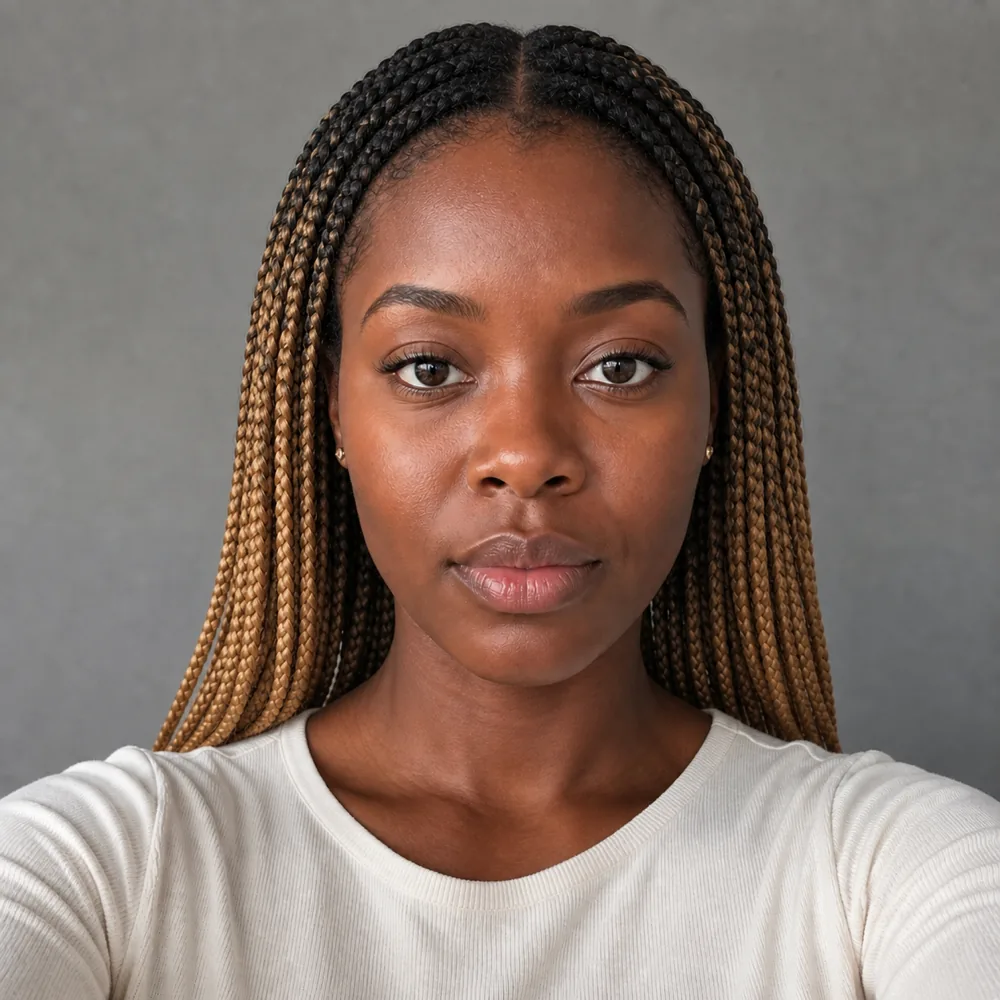

Keeping a copper
- Back in the chair every 4 to 6 weeks.
- Color-depositing conditioner every wash.
- Wash 1 to 2 times a week.

Keeping a blonde
- Back in the chair every 6 to 8 weeks.
- Purple shampoo weekly to hold the tone.
- Wash 2 to 3 times a week.
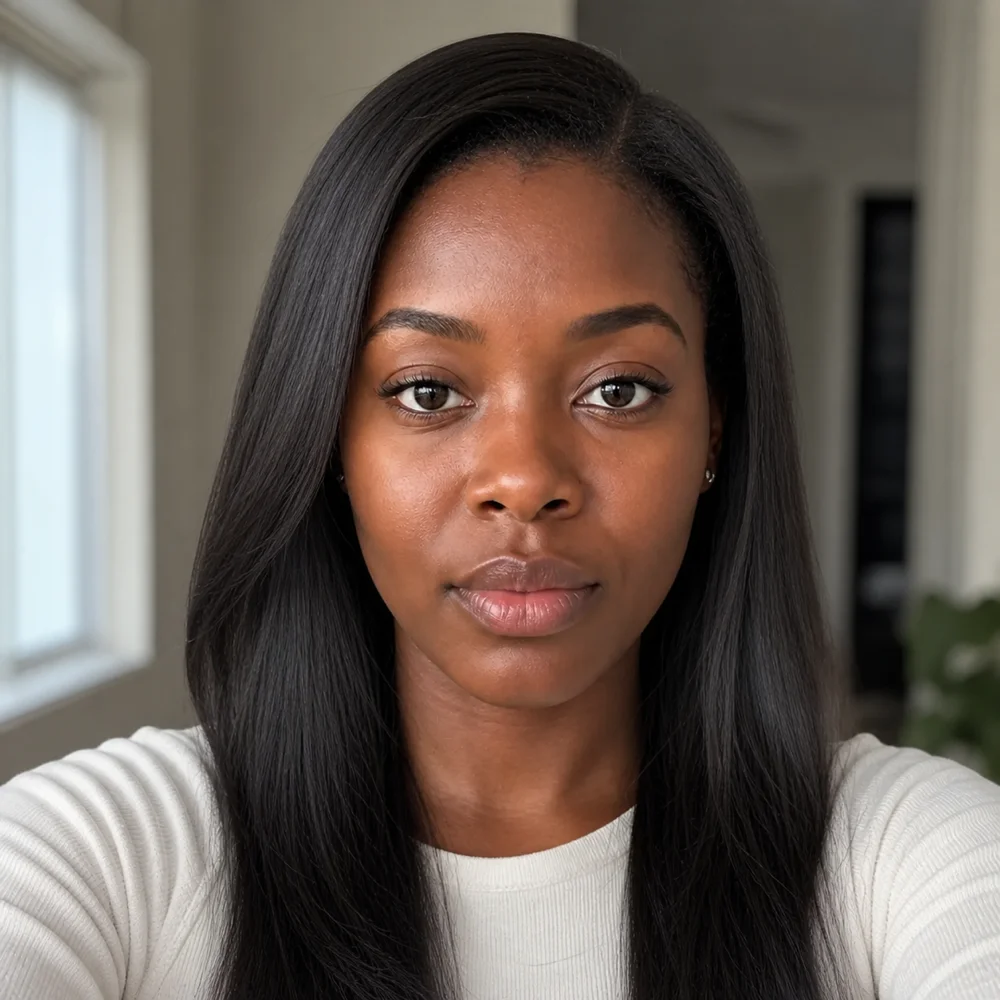
Keeping a silk press
- Back in the chair every 2 to 3 weeks.
- Wrap it in a silk scarf every single night.
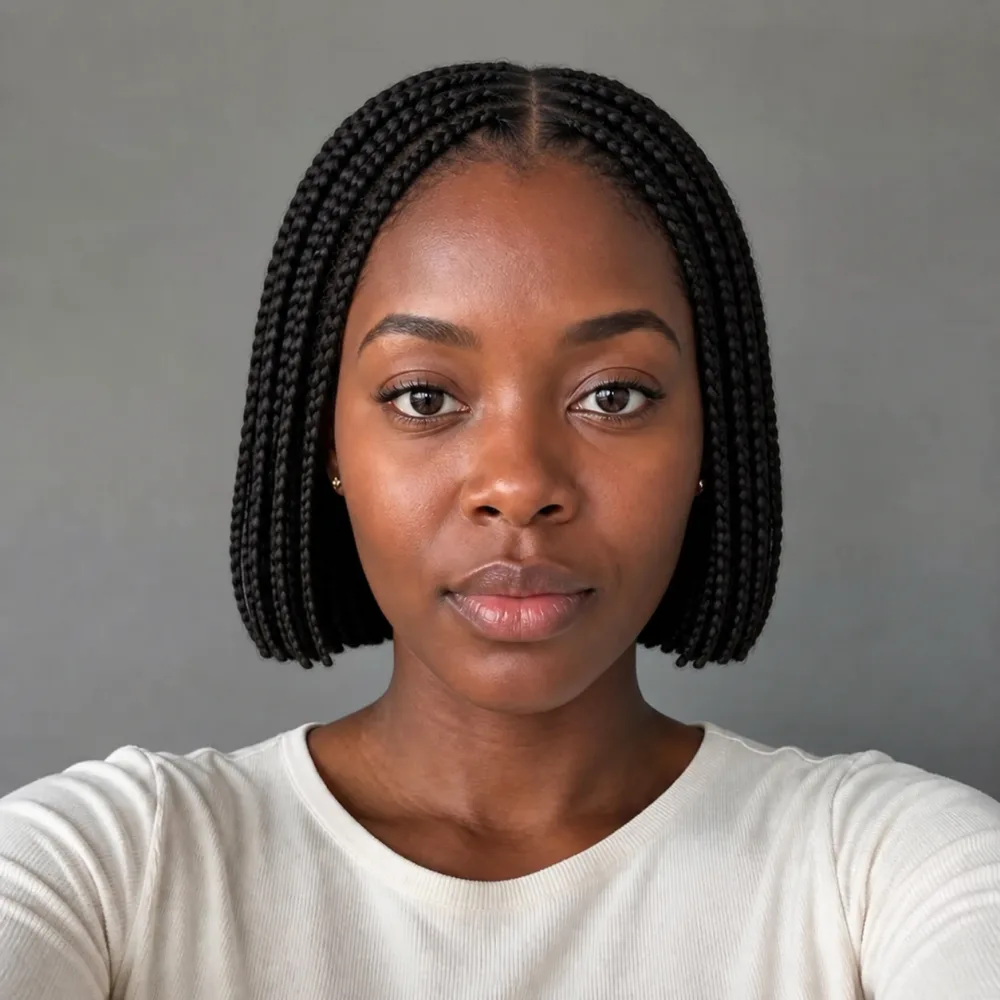
Keeping a braided bob
- Back in the chair every 5 to 7 weeks.
- Oil the scalp along the parts.

Keeping a bantu knots
- Back in the chair every 2 to 3 weeks.
- Part into clean sections on damp hair.
- Wash 1 times a week.
Every after is this tool's own render of a demo face, pre-generated for speed - nothing on this page renders live.
Preview a new look
Your first look is free.
Three steps
How it works
Most try-on tools paste straight hair over you. You pick your texture during setup and the result is cut for that texture - braids, locs, afros, silk presses and layered curls included.
- 01
 Your selfie
 Show your usual dry texture
Choose a photo that reflects the curls or coils you normally wear. Keep the outer shape in frame so the preview can compare volume as well as length.
- 02120+ looks

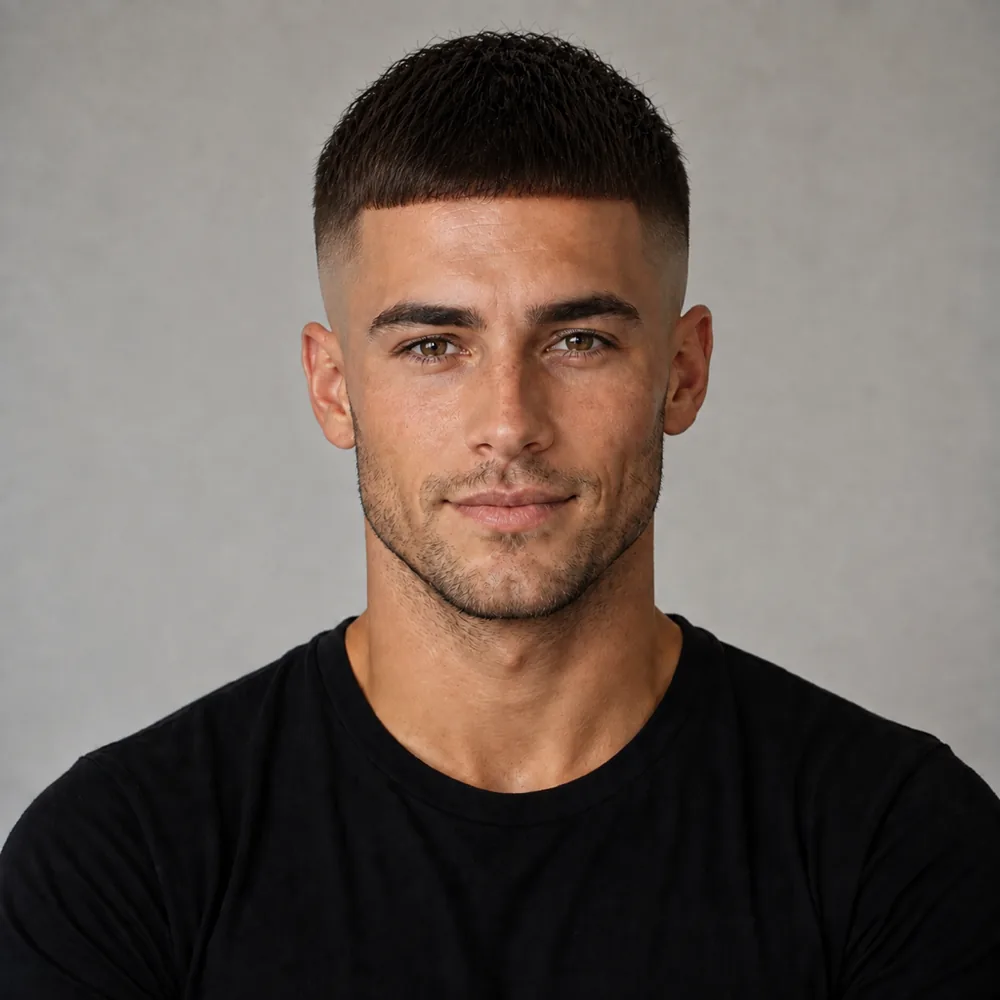






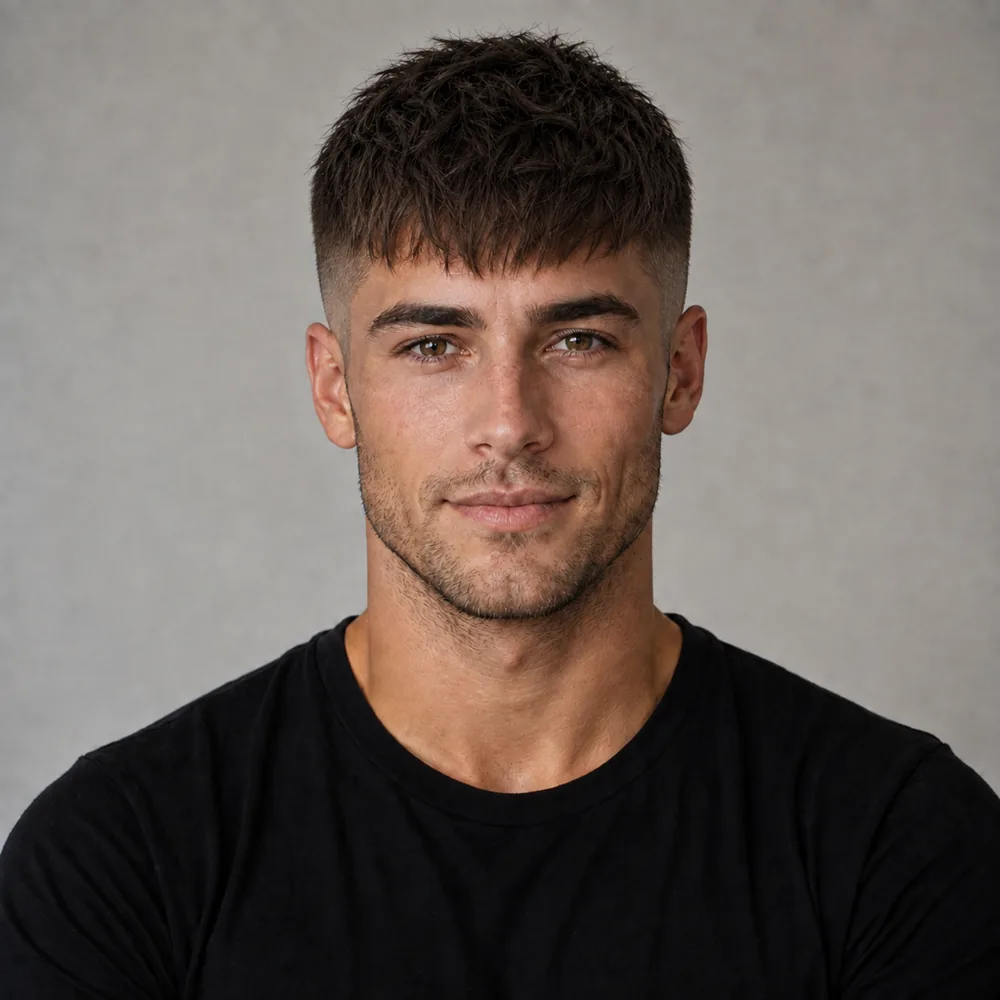
Pick a texture-aware outline
Compare a rounded shape, layered curls or a chosen arranged style. Watch crown height, cheek width and dry-looking ends instead of stretched strand length.
- 03 Your result
Bring the curl behavior into the brief
Save the shape and explain which sections spring up or hang differently. A curl specialist can translate that outline into lengths for your actual pattern.
Judge a curly shape at its dry outline
A curly haircut has a measured length and a visible length, and the two do not behave like straight hair. A strand can reach below the shoulder when stretched while its resting curl sits much higher. The try-on is useful for comparing that resting outline, especially where the sides widen and where the shortest curls frame the face. It cannot measure your individual shrinkage from one photograph.
Look at the balance between crown height and width beside the cheeks. A rounded afro, a layered curly bob and longer hanging curls can use similar amounts of hair to create very different silhouettes. Decide where you want the fullest part to sit before debating exactly how much should be cut. That gives a curl specialist a clearer starting point than a single length target.
Bring information about your normal styling state as well. A result that resembles carefully defined curls may not describe the shape you wear brushed out or several days after washing. Show the original alongside the preview and explain whether you want the reference approached with definition, volume or both. The right discussion is about how your curls occupy space in the state you actually wear, rather than whether every spiral in a generated image can be copied strand for strand.
Layers on curls need room for different patterns
Curls on one head do not have to repeat the same pattern everywhere. The fringe may spring more tightly than the sides, while the back hangs longer or forms larger groups. A uniform-looking set of generated curls can hide that variation. If the preview shows a neat rounded line, ask how a stylist would adapt it to the different behavior you already notice.
Short layers can release weight near the crown and change where volume gathers. Removing that weight does not guarantee the precise lift in a render, particularly where a section naturally lies flatter. At the other end, too much thinning through a curly perimeter can leave the lower outline looking less full than you wanted. Point out both the crown shape and the density of the ends when showing the reference.
The front deserves a separate check. Curly bangs may sit above the intended point once they dry, so a picture of brow-length spirals is not a cutting measurement. Tell the stylist how the front behaves after your usual wash and whether you wear it stretched at other times. A useful curly preview gives you a shape vocabulary - rounded, wider, longer at the sides, softer at the front - while the actual sectioning and lengths remain decisions made with your hair in the chair.
Braids, locs and a silk press answer different questions
The curly and coily catalogue includes looks that change arrangement as well as shape. Braids divide the hair into a visible parting pattern; locs create distinct lengths and groups; a silk press shows a straighter outline. Comparing them can help identify the appearance you want, but they are not interchangeable routes to the same result.
For a braided preview, study where the part sits, how much hair frames each side of the face and where the lengths end. The image cannot tell you how an installation will feel, what added hair would be needed, or whether a particular arrangement is appropriate for your hair. Discuss those practical questions with the person doing the style before using the render as a booking brief.
For locs, focus on the proposed overall size and fall rather than treating the generated texture as a prediction of how your own locs will develop. For a silk press, distinguish the temporary visual change from any assumption about heat response. The preview does not test your hair. Keep the natural-texture photograph beside these alternatives so the comparison remains anchored to your starting point. That makes the tool a way to explore presentation without quietly turning every curly or coily choice into a straight-hair target.
Curly and coily hair, rendered on your own texture
Your pattern
Choose 2c waves, 3b spirals or 4c coils at the start. The cut is then rendered for that pattern instead of a straightened version of your hair.
Braids and locs
Long box braids, honey-blonde knotless braids, locs and twists. See the length and the part before you commit six hours to a chair.
Shrinkage shown
A cut measuring shoulder-length wet can sit at the chin once it dries. The render shows the dry result, which is the one you live in.
Silk press
See your own length pressed straight without putting a flat iron near it. Useful when you are weighing a silk press against keeping the curl.
Questions about the Curly & Coily Hair Try-On
Straight answers, no hedging.
It visualizes a dry-looking outline rather than measuring how far each section springs. Use the result to discuss where the cut should appear to end, then let your stylist assess the actual wet and dry difference.
Yes, different sections can behave differently. Show the stylist which front pieces spring up most and point out their intended resting position in the preview. A uniform spiral pattern in the image is not a sectioning guide.
They place fullness in different parts of the silhouette. The comparison can show whether you prefer height near the crown, width around the cheeks or more visible downward length, before choosing a detailed cutting approach.
No. It can communicate parting and visible length, but not tension, comfort or suitability. Bring those questions to the stylist separately instead of assuming that an attractive simulated braid arrangement answers them.
The image cannot test your hair or assess its response to heat. It shows a possible straighter silhouette for comparison. Discuss the process with a stylist who can examine your hair before deciding whether to pursue it.
Choose the state you want the haircut to work in, and explain any difference at the consultation. A reference based on highly defined curls may emphasize a different outline from the fuller shape you usually wear.
Other tools to explore

Link to this tool
Free sample previews, free to link or embed. No permission needed.
https://hairstyleatlas.com/curly-hair-try-onExplore more try-on tools
Same selfie, a different change. Every tool below runs on the photo you already uploaded.
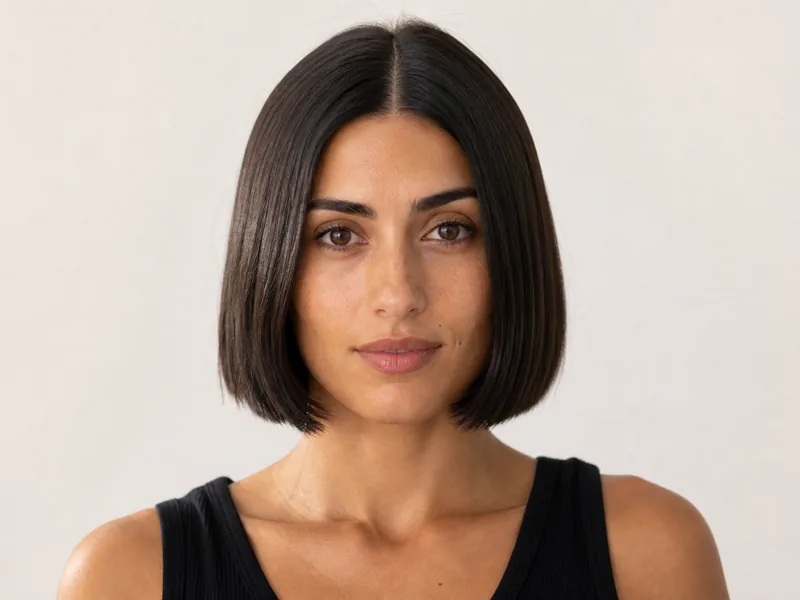



Choose where the curls sit.
Keep your texture in the decision.
Compare dry outlines, rounded volume and layered shapes before deciding what length to remove.