Low Taper Fade Try-On: See the Shape on You
See yourself with a low taper fade: upload a selfie to preview short edges around the ears and nape with length kept on top, using the low taper blowout look. Sample previews are free without signup, and a limited own-photo preview is available before signup in eligible regions. An account is needed to keep results; renders beyond the free allowance use paid Plus credits, with an optional trial for eligible first-time subscribers in some regions.






Preview a new look
Your first look is free.
Free sample previews. Try the available looks on sample faces without signup. In eligible regions, a limited preview on your own selfie is also available before signup, subject to service availability and device and network limits. An account is required to keep results in your library and use the studio. In eligible regions, start with a free account, no card: 15 credits once; a cut costs 10, a color on it 5. Keeping the onboarding preview uses the cut allowance; it is not an extra free cut. No refill; further renders are paid. Plus is a paid subscription for further renders; each generated image uses credits. An optional 3-day trial is offered to eligible first-time subscribers in some regions, requires a payment method and renews as a paid subscription unless canceled. Outside eligible regions, there is no free personal render, free account allowance or trial.



- 48,000+
- users worldwide
- 165,000+
- hairstyles tried
Try it yourself
Pick a look, drag the handle to compare. Then do it with your own selfie.


Keeping a textured fade
- Back in the chair every 3 to 4 weeks.
- Spritz salt spray through damp hair.
- Wash 3 to 4 times a week.

Keeping a edgar
- Back in the chair every 2 to 3 weeks.
- Dry the bangs forward while it is still damp.
- Wash 3 to 4 times a week.

Keeping a modern mullet
- Back in the chair every 6 to 8 weeks.
- Salt spray through the whole head while damp.
- Wash 2 to 3 times a week.

Keeping a perm
- Back in the chair every 8 to 10 weeks.
- Work curl cream through soaking-wet hair.
- Wash 2 to 3 times a week.


Keeping a curtains
- Back in the chair every 6 to 8 weeks.
- Spray salt spray through wet hair.
- Wash 3 to 4 times a week.

Keeping a crew cut
- Back in the chair every 4 to 5 weeks.
- Rub a small amount of clay through dry hair.
- Wash 3 to 4 times a week.

Keeping a ivy league
- Back in the chair every 4 to 5 weeks.
- Part it damp, on the side it already falls.
- Wash 3 to 4 times a week.

Keeping a disconnected crop
- Back in the chair every 3 to 4 weeks.
- Salt spray, then dry the top forward.
- Wash 3 to 4 times a week.
Keeping a low taper blowout
- Back in the chair every 2 to 3 weeks.
- Salt spray at the roots while wet.
- Wash 3 to 4 times a week.

Keeping a taper fade
- Back in the chair every 3 to 4 weeks.
- Towel-dry until damp, not dripping.
- Wash 3 to 4 times a week.

Keeping a quiff
- Back in the chair every 4 to 5 weeks.
- Blow-dry the front up and back over a round brush.
- Wash 3 to 4 times a week.

Keeping a restored
- Back in the chair every 4 to 5 weeks.
- Dry the front forward rather than back.
- Wash 3 to 4 times a week.

Keeping a shaved
- Back in the chair every 1 to 2 weeks.
- Shave with the grain, not against it.
- Wash 5 to 7 times a week.

Keeping a platinum
- Back in the chair every 4 to 6 weeks.
- Purple shampoo once a week, no more.
- Wash 1 to 2 times a week.

Keeping a jet black
- Back in the chair every 6 to 8 weeks.
- Color-safe shampoo, cold rinse.
- Wash 2 to 3 times a week.

Keeping a ash brown
- Back in the chair every 6 to 8 weeks.
- Color-safe shampoo, cool rinse.
- Wash 2 to 3 times a week.

Keeping a silver
- Back in the chair every 8 to 10 weeks.
- Purple shampoo weekly to stop it yellowing.
- Wash 2 to 3 times a week.

Keeping a low taper
- Back in the chair every 3 to 4 weeks.
- Towel-dry until damp.
- Wash 3 to 4 times a week.

Keeping a italian cut
- Back in the chair every 6 to 8 weeks.
- Salt spray on damp hair.
- Wash 2 to 3 times a week.

Keeping a comma fringe
- Back in the chair every 4 to 5 weeks.
- Blow-dry the top forward and full from damp.
- Wash 3 to 4 times a week.

Keeping a mop cut
- Back in the chair every 8 to 10 weeks.
- Salt spray through damp hair.
- Wash 2 to 3 times a week.
Every after is this tool's own render of a demo face, pre-generated for speed - nothing on this page renders live.
Preview a new look
Your first look is free.
Three steps
How it works
See yourself with a low taper fade: upload a selfie to preview short edges around the ears and nape with length kept on top, using the low taper blowout look. Sample previews are free without signup, and a limited own-photo preview is available before signup in eligible regions. An account is needed to keep results; renders beyond the free allowance use paid Plus credits, with an optional trial for eligible first-time subscribers in some regions.
- 01 Your selfie
Choose the low taper blowout
Start with the low taper family shown here: short perimeter, fuller sides and a lifted top.
- 02120+ looks
Upload a front-facing selfie
Keep both ears and the full top visible. Even lighting helps you compare where the short sides begin.
- 03 Your result
Compare and brief your barber
Show the before and after, discuss guard numbers and identify which top length and side weight you want kept.
A low taper fade keeps the short area near the edges
A low taper fade takes the hair short around the sideburns, ears and nape while keeping more weight through the sides and length on top. The low position describes where that transition sits. It does not specify the top haircut: a textured top, parted shape or fuller blowout can each sit above tapered edges. This page uses the live low taper blowout look, which pairs those edges with a fuller, lifted top.
Compare the narrow short area beside the ears with the hair above it. A mid or high fade carries its transition farther up the sides, exposing more of the head. A low taper keeps the clean-up concentrated near the perimeter. The distinction can disappear in a tightly cropped front photo, so make sure your selfie includes both ears and enough space above the hair to see its outline.
A taper means a gradual reduction in length; a fade usually describes a closer transition, sometimes down to skin. Barbers may use those terms differently, so a name alone is not a complete instruction. Show the boundary you want and explain how much side weight should remain. The preview helps you discuss that balance, while the barber decides how to blend it on your actual hair.
What to ask your barber for with a low taper
Ask for a low taper around the sideburns and nape, with the upper sides kept fuller and the top length agreed separately. Show the barber where you want the shortest area to stop. Then ask for the guard numbers they plan to use and explain whether you want skin showing at the very edge or prefer a little visible hair. Do not infer a guard number from the brightness of a generated picture.
For the blowout version shown here, point out the lift and texture on top as well as the tapered edges. If you like the low perimeter but want a flatter or shorter top, say that explicitly. The available look is a reference for the style family, not a promise that every low taper variation has its own preset. A barber can translate the separate choices into a cut suited to your density and growth direction.
Bring a note about the back of your head too. A front selfie cannot show the complete nape or how the crown lies. Ask the barber to check both before agreeing on the neckline and blend. Keep the preview beside your original photo and describe what should remain: the side weight, top length and natural hairline you want preserved.
Who a low taper suits and what needs upkeep
A low taper can suit someone who wants a tidier perimeter while keeping fullness above the ears. Whether you like it on yourself depends on the balance between that side weight, the height on top and your face. Compare the whole outline before concentrating on the shortest edge. A fuller blowout can add visible height, while a flatter top changes the same low taper into a quieter silhouette.
Hair texture and growth direction affect how the top holds that shape. Ask your barber to demonstrate the drying and product routine for the version you choose. If you usually let your hair air-dry, explain that before selecting a lifted finish from a polished reference. The simulator shows an appearance, not the time or technique required to recreate it every morning.
The close edges will lose their crispness as they grow, even while the top still feels the right length. Discuss an edge tidy-up separately from a full haircut so maintaining the taper does not keep shortening the top. Your preferred booking interval should reflect how sharp you want those boundaries to stay. Check the nape and sideburns between visits, and use your saved reference to explain which parts need refreshing and which parts you want to keep growing.
Your low taper reference starts with the edges
Low perimeter
Keep the shortest transition near the ears and nape.
Fuller top
This preset is a low taper blowout with visible lift and texture.
Guard numbers
Agree on the shortest guard with your barber instead of estimating from pixels.
Edge upkeep
Discuss a taper tidy-up separately from trimming the longer top.
Questions about the Low Taper Fade Try-On
Straight answers, no hedging.
Yes. Open HairstyleAtlas in your phone browser; no install is needed. Upload a selfie to try the low taper blowout, the available preset in this style family. Sample previews are free without signup, and a limited own-photo preview is available before signup in eligible regions. An account is needed to keep results; renders beyond the free allowance use paid Plus credits, with an optional trial for eligible first-time subscribers in some regions.
Start with the low taper blowout on the sample face. Try the available looks on sample faces without signup. In eligible regions, a limited preview on your own selfie is also available before signup, subject to service availability and device and network limits. An account is required to keep results in your library and use the studio. In eligible regions, start with a free account, no card: 15 credits once; a cut costs 10, a color on it 5. Keeping the onboarding preview uses the cut allowance; it is not an extra free cut. No refill; further renders are paid.
A low taper concentrates the short transition around the ears and nape. Mid and high fades carry the transition farther up the sides. Show your barber the boundary and side weight you want rather than relying on the name alone.
A taper gradually reduces length; a fade usually goes closer, sometimes to skin. Low describes the position of the transition. Barber terminology varies, so agree on the shortest length and where the blend should stop.
Ask your barber to name the shortest guard and the guards used to blend into your longer sides. Specify whether you want skin at the edge. The preview cannot identify a reliable clipper number or measure the finished length.
This page selects the low taper blowout, which keeps a fuller, lifted top. If you prefer less volume, show your barber the low edges you like and discuss a shorter top separately, or compare other cuts in the fade simulator.
Other tools to explore

Link to this tool
Free sample previews, free to link or embed. No permission needed.
https://hairstyleatlas.com/low-taper-fade-try-onExplore more try-on tools
Same selfie, a different change. Every tool below runs on the photo you already uploaded.


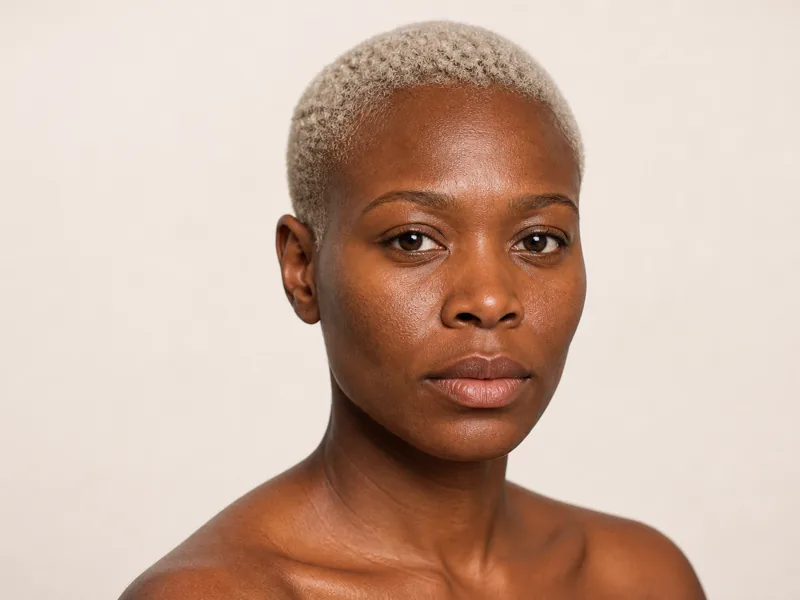

Keep the taper low.
Choose the top separately.
Preview the low taper blowout and discuss the edges and length with your barber.