Gray Hair Filter
Stopping the dye means eighteen months of transition. Look at where it ends up, and at the blended halfway point, before you start.












Preview a new look
Your first look is free.
Free sample previews. Try every look on our sample faces here without registering. Your own photo needs a free account, no card: 15 credits once (a cut costs 10, a color on it 5). That covers one cut plus one color on it. No refill; further renders are paid. The optional Plus trial can be declined.



- 48,000+
- users worldwide
- 165,000+
- hairstyles tried
Try a hair color on a sample face
Pick a look, drag the handle to compare. Then do it with your own selfie.


Keeping a balayage
- Back in the chair every 12 to 16 weeks.
- Color-safe shampoo, cool water.
- Wash 2 to 3 times a week.
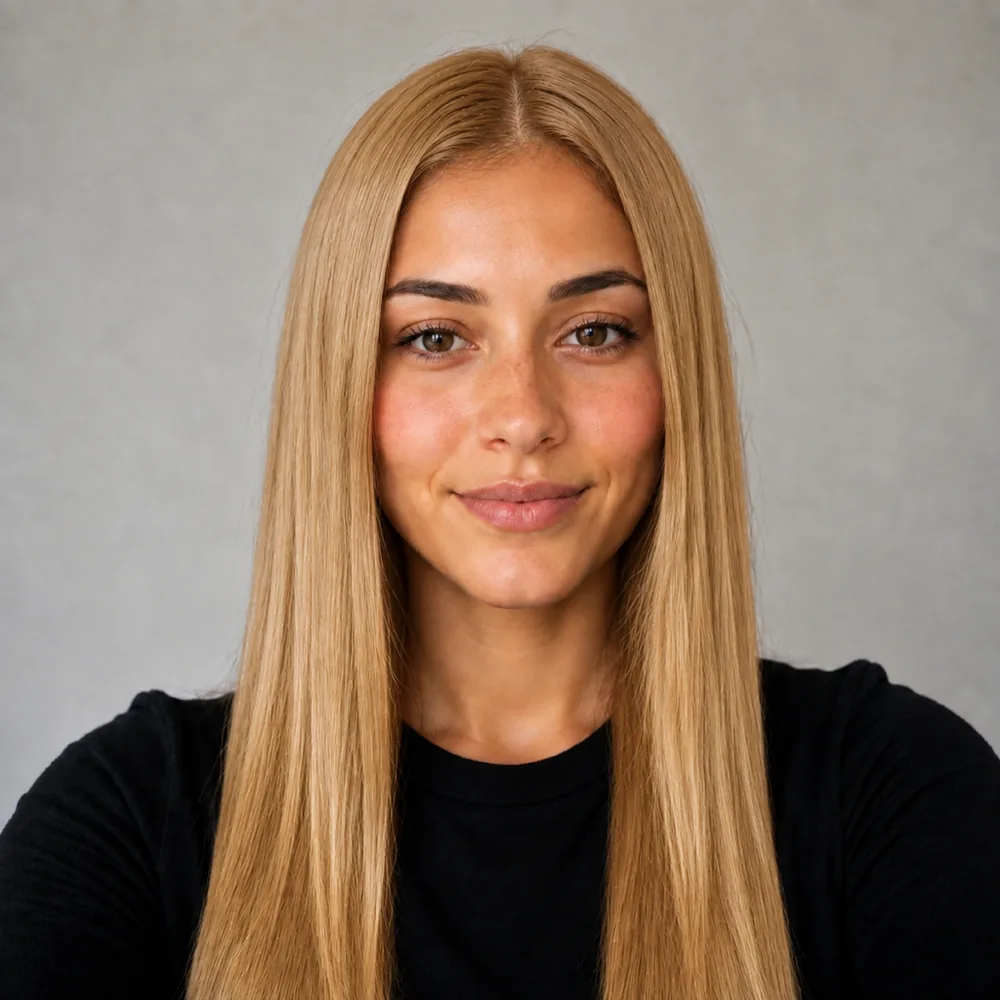
Keeping a blonde
- Back in the chair every 6 to 8 weeks.
- Purple shampoo weekly to hold the tone.
- Wash 2 to 3 times a week.
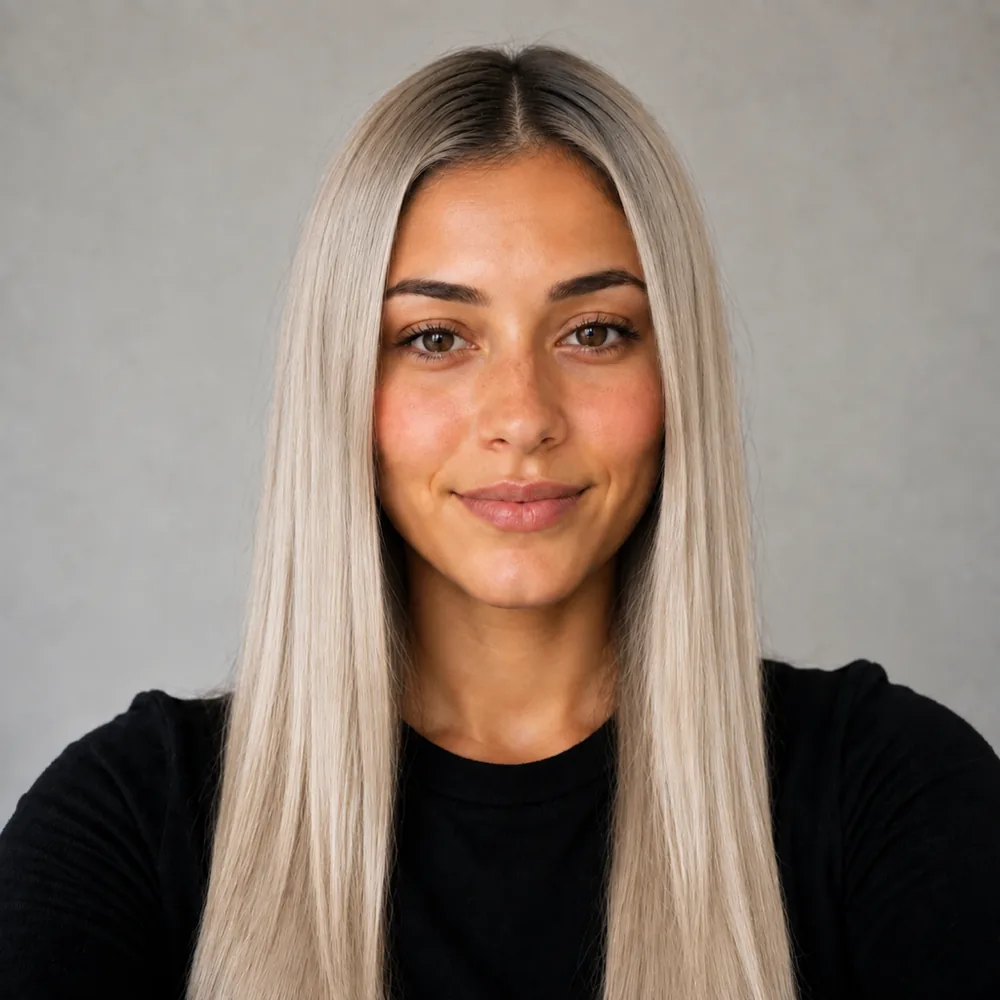
Keeping a scandi blonde
- Back in the chair every 8 to 10 weeks.
- Purple shampoo once a week, left for two minutes.
- Wash 2 times a week.

Keeping a money piece
- Back in the chair every 8 to 10 weeks.
- Purple shampoo on the front pieces only.
- Wash 2 to 3 times a week.
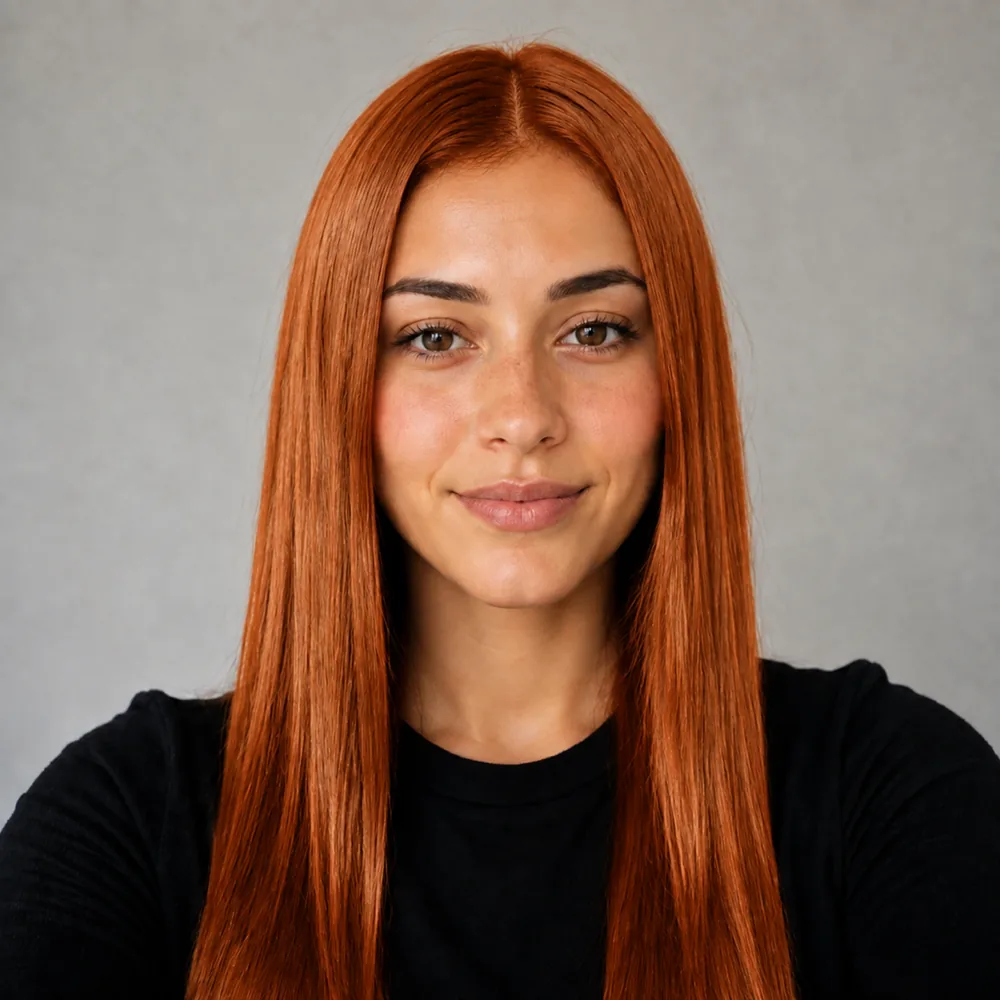
Keeping a copper
- Back in the chair every 4 to 6 weeks.
- Color-depositing conditioner every wash.
- Wash 1 to 2 times a week.
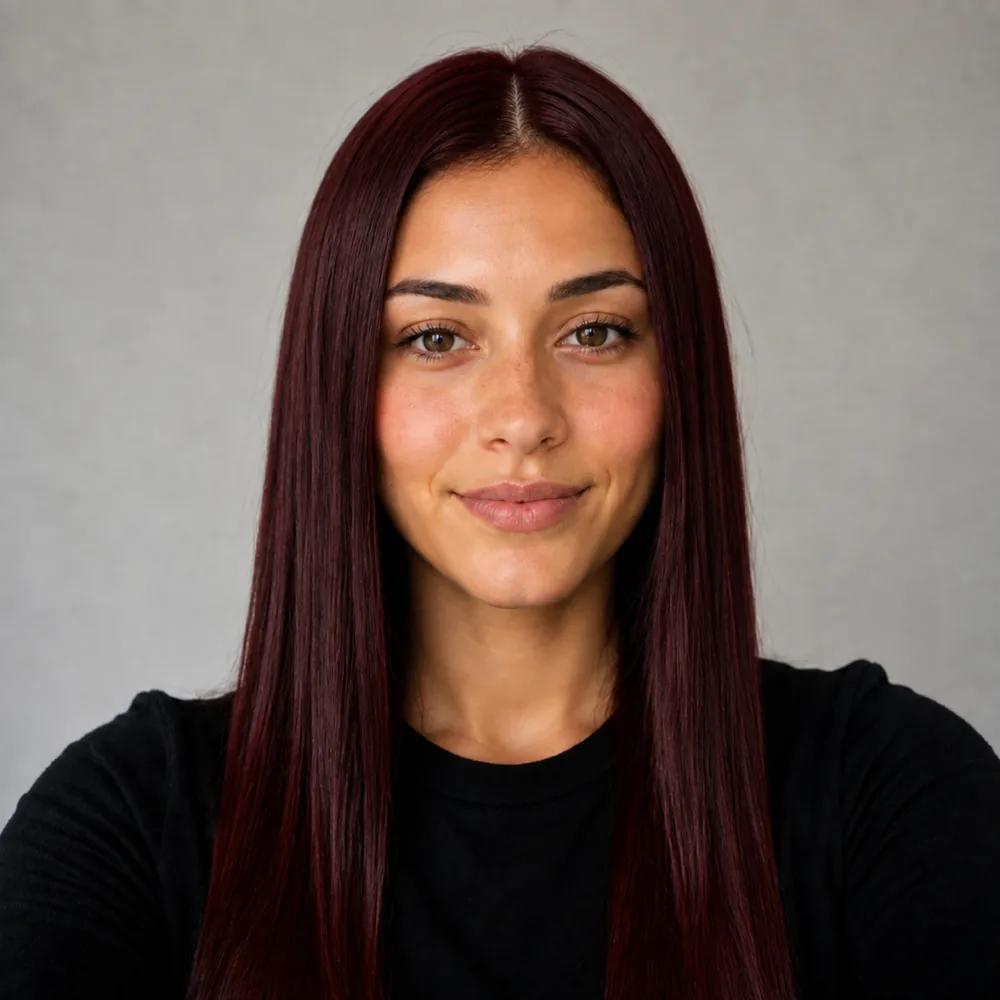
Keeping a cherry cola
- Back in the chair every 6 to 8 weeks.
- Colour-safe shampoo, cool rinse.
- Wash 2 times a week.

Keeping a old money blonde
- Back in the chair every 8 to 10 weeks.
- Colour-safe shampoo, cool rinse.
- Wash 2 to 3 times a week.
Every after is this tool's own render of a demo face, pre-generated for speed - nothing on this page renders live.
Preview a new look
Your first look is free.
Three steps
How it works
Stopping the dye means eighteen months of transition. Look at where it ends up, and at the blended halfway point, before you start.
- 01
 Your selfie
 Show the current gray pattern
Use a photo where the part and temples are readable. Existing silver and darker areas give the gray comparison a clearer starting distribution.
- 02120+ looks









Compare mixed and fuller silver
Look at salt-and-pepper depth beside a lighter overall result. Study the placement of contrast instead of treating gray as one uniform swatch.
- 03 Your result
Explain the gray transition you want
Save the reference and tell your colorist whether you want to stop coverage, blend the boundary or create a colored silver finish. Those need different discussions.
Gray is a distribution of light and dark, not one flat shade
Gray hair can appear as scattered silver strands, a strong streak near the front or a much lighter overall head. A uniform gray overlay misses those differences. When comparing the filter results, look at where darker hair remains and how the lighter areas are distributed around the face. The pattern may matter more to your preference than whether the silver looks slightly warmer or cooler.
A front streak can brighten the frame while leaving considerable depth behind it. A salt-and-pepper mixture creates a different texture of contrast, and a mostly silver result can make the whole outline feel lighter. None of those previews predicts the pattern your own hair will develop. They are ways to compare appearances, not forecasts of where pigment will change.
Use your current part as a reference if you already have visible gray. Moving it can expose or conceal a concentrated area, so a preview with a different part may overstate the color change. Point out the distribution you like to your stylist: more visible silver at the temples, darker depth underneath or a softer mixture through the lengths. That is a more useful gray-hair brief than asking to be made uniformly gray when the picture that appealed actually contains several levels of contrast.
A gray grow-out has a boundary worth planning
When you stop covering gray, new growth and previously colored lengths can form a visible boundary. Its contrast depends on the colors involved and on how you part and arrange the hair. A filter that shows an entirely silver head skips that middle stage, which may be the part you most want help imagining.
Look at your current root area first, then use the silver result as a possible destination rather than an immediate next photograph. Ask the colorist how they would approach the boundary if you want a gentler transition, or discuss a haircut that reduces the amount of old colored length. The right route depends on the history and condition of those lengths, which the preview does not test.
Shortening the perimeter and changing the color distribution are separate decisions. A shorter shape may reduce the distance between the roots and ends, but you still need to like the cut itself. Compare the gray appearance at a familiar length before deciding whether a bob belongs in the plan. That prevents the wish to finish a color transition from making the haircut choice for you. Bring both versions to the consultation and explain whether your priority is less visible contrast during grow-out, keeping length, or reaching a particular silver appearance eventually.
Separate natural gray from deliberately colored silver
Natural gray and a deliberately created silver shade can look similar in a photo while involving different choices. One comparison is about wearing the pigment pattern you already have or may increasingly show. The other is about asking a colorist to create a cooler, lighter appearance in existing lengths. A gray-hair filter can visualize either without knowing which path you intend.
Be explicit about that distinction when you save the result. If you want to stop routine coverage, say so; a pale silver reference should not silently become a request for an extensive new color service. If you want an intentionally colored silver finish, ask the colorist to assess the starting hair and explain how that finish would be maintained. The digital image does not establish the process.
Also consider how the silver sits beside your eyebrows and the darker sections you retain. You may prefer a mixed result because those contrasts remain familiar, or a lighter overall look because it changes the frame more strongly. Neither preference says anything about the age you ought to look. The useful outcome is a clear choice about visible contrast and your relationship to ongoing coloring. Judge the hair in the preview without treating its polished finish as a requirement for wearing your own gray.
Where your natural silver actually ends up
Silver blend
A grown-in root melting into charcoal and silver, with the dyed ends still there. This is the halfway stage, and it is where most of the transition is spent.
Full natural gray
Salt-and-pepper, steel, pewter or a bright white. Pick the one closest to the regrowth at your part so the render matches what is actually coming through.
Length matters
Silver sits differently at every length. See it on a chin-length bob, a textured pixie and shoulder-length layers before you book the transition cut.
Toner or not
Toner keeps white hair cool and stops it going yellow. Compare a toned ash silver against untoned natural gray so you know the upkeep you are signing up for.
Questions about the Gray Hair Filter
Straight answers, no hedging.
No. It generates a possible distribution of silver and darker hair. Use it to compare appearances around the face, not to forecast when or where your own pigment pattern will change.
They retain different amounts of dark framing. A mixed version can keep contrast through the outline, while a lighter overall version changes that frame more strongly. The difference is larger than the label gray suggests.
It does not calculate your real transition. A fully silver result may skip the visible boundary between roots and old color. Bring the current root photo to a colorist when discussing that intermediate stage.
Judge the shorter shape separately before combining the decisions. Removing colored length can change the route, but you still have to wear the haircut. Compare gray at your familiar length as well as at bob length.
No. Stopping coverage and creating a deliberately colored silver finish are different intentions. Tell the colorist which you mean so a destination image does not become a request for a service you did not want.
Point out where depth remains and where silver is most visible: temples, front streak, underside or lengths. That distribution gives the stylist a more concrete brief than asking for the exact flat shade displayed on your screen.
Other tools to explore

Link to this tool
Free sample previews, free to link or embed. No permission needed.
https://hairstyleatlas.com/gray-hair-filterExplore more try-on tools
Same selfie, a different change. Every tool below runs on the photo you already uploaded.

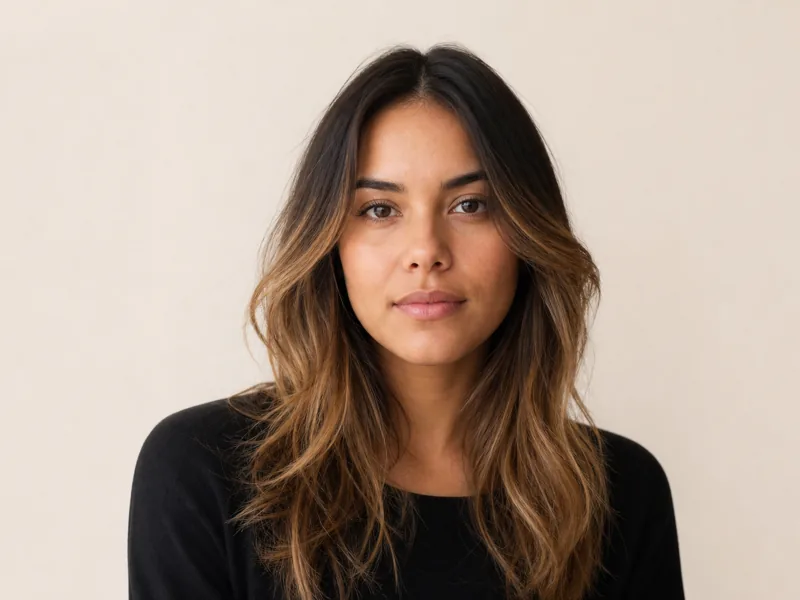
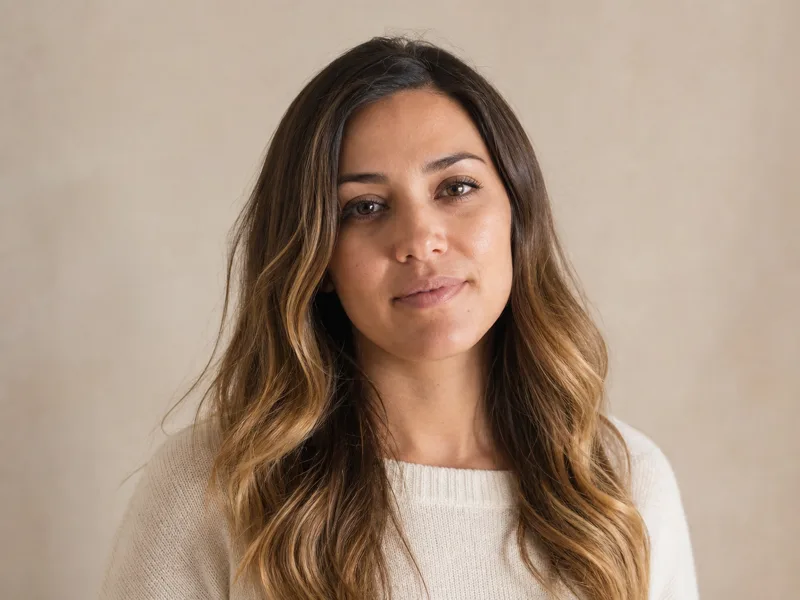
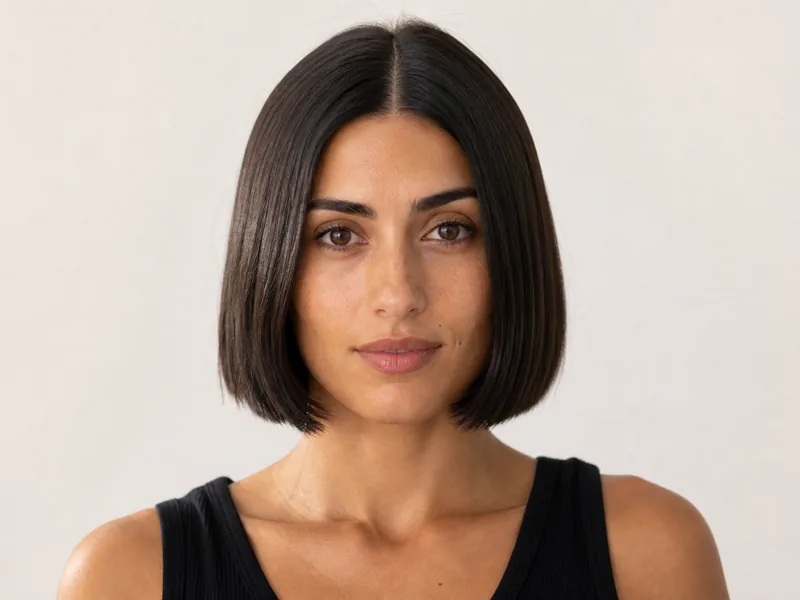
See the gray pattern you prefer.
Keep the transition clear.
Compare mixed depth and fuller silver before choosing how to approach the roots and colored lengths.