Curtain Bangs Try-On: See Them on Your Face
See yourself with curtain bangs: upload a selfie and preview middle-parted bangs swept to both sides while keeping your face. Sample previews are free without signup, and a limited own-photo preview is available before signup in eligible regions. An account is needed to keep results; renders beyond the free allowance use paid Plus credits, with an optional trial for eligible first-time subscribers in some regions.






Preview a new look
Your first look is free.
Free sample previews. Try the available looks on sample faces without signup. In eligible regions, a limited preview on your own selfie is also available before signup, subject to service availability and device and network limits. An account is required to keep results in your library and use the studio. In eligible regions, start with a free account, no card: 15 credits once; a cut costs 10, a color on it 5. Keeping the onboarding preview uses the cut allowance; it is not an extra free cut. No refill; further renders are paid. Plus is a paid subscription for further renders; each generated image uses credits. An optional 3-day trial is offered to eligible first-time subscribers in some regions, requires a payment method and renews as a paid subscription unless canceled. Outside eligible regions, there is no free personal render, free account allowance or trial.



- 48,000+
- users worldwide
- 165,000+
- hairstyles tried
Try it yourself
Pick a look, drag the handle to compare. Then do it with your own selfie.
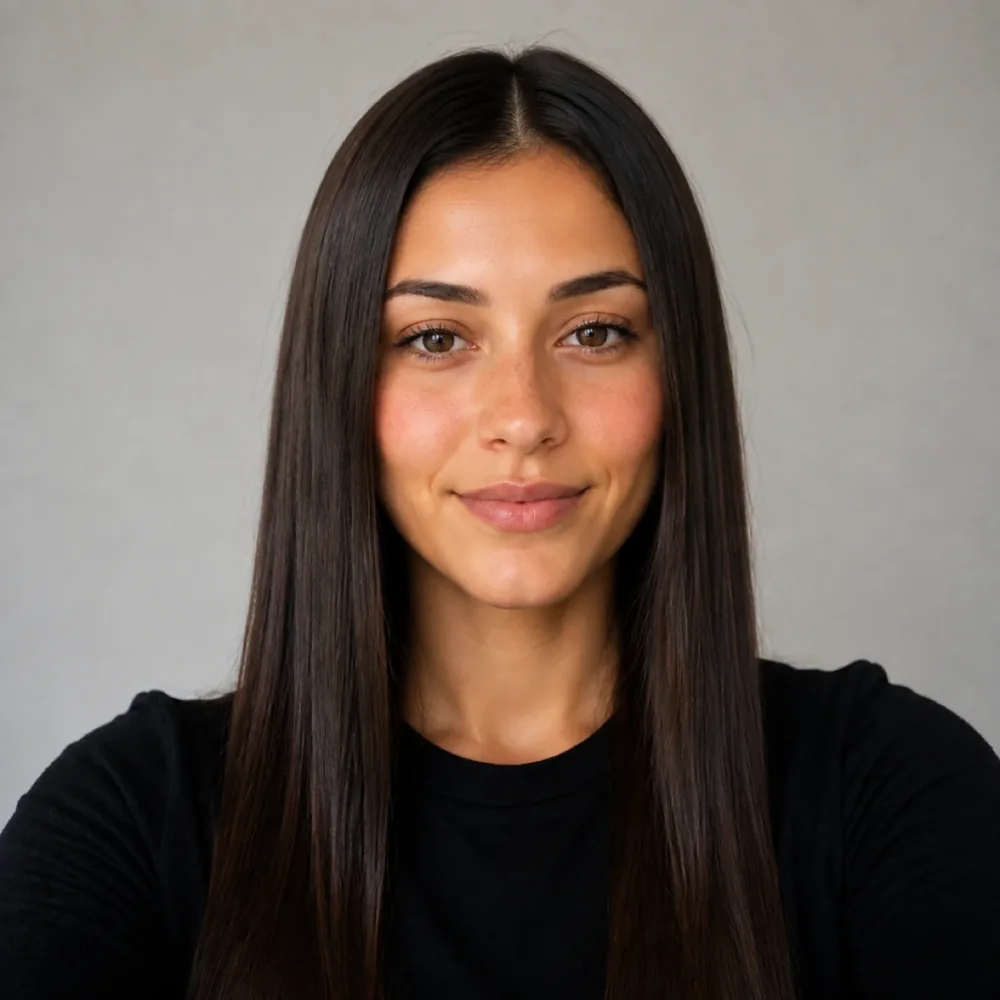
Keeping a curtain bangs
- Back in the chair every 4 to 5 weeks.
- Dry the bangs first, while the rest is still wet.
- Wash 2 to 3 times a week.

Keeping a butterfly
- Back in the chair every 8 to 10 weeks.
- Dry the short layers up and away from the face.
- Wash 2 to 3 times a week.

Keeping a wolf cut
- Back in the chair every 8 to 10 weeks.
- Mousse through soaking-wet hair.
- Wash 2 to 3 times a week.

Keeping a italian bob
- Back in the chair every 6 to 8 weeks.
- Rough-dry to eighty per cent first.
- Wash 2 to 3 times a week.
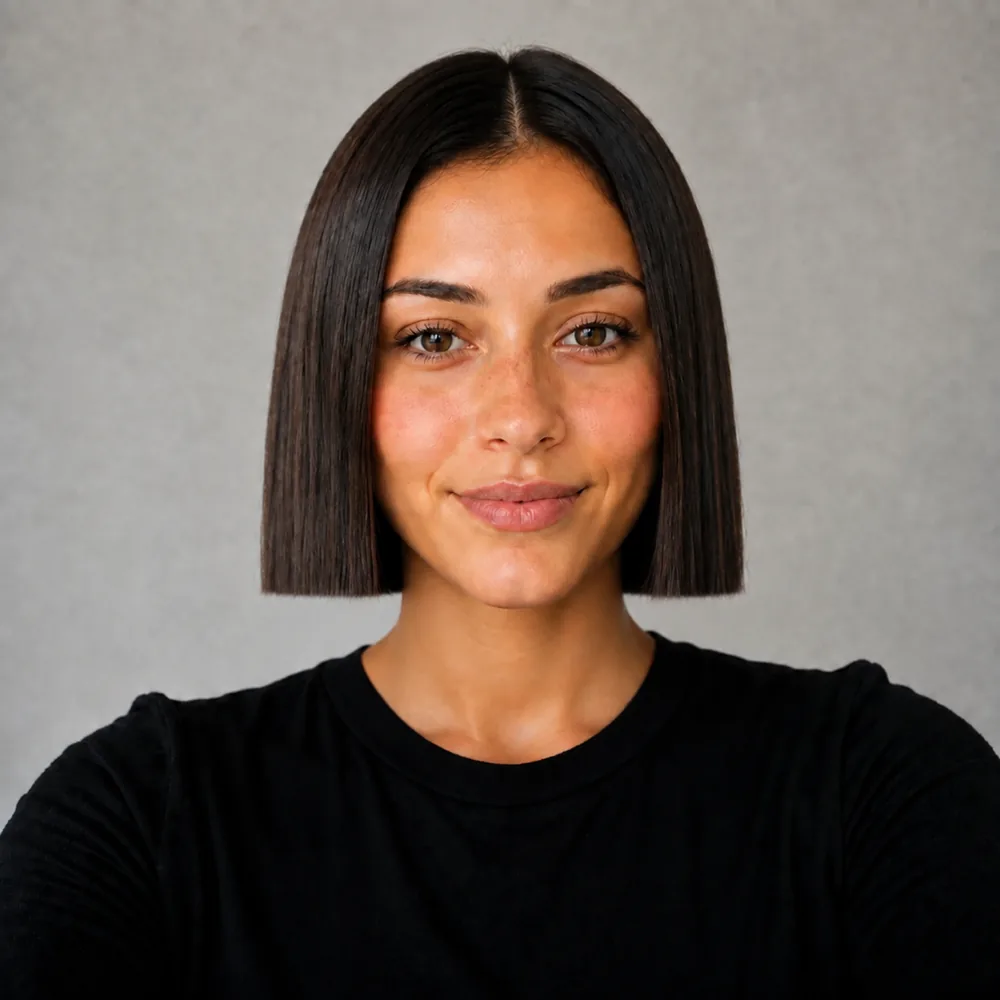
Keeping a blunt bob
- Back in the chair every 6 to 8 weeks.
- Heat protectant through damp hair, ends first.
- Wash 2 to 3 times a week.

Keeping a long layers
- Back in the chair every 10 to 12 weeks.
- Rough-dry with your head upside down for root lift.
- Wash 2 to 3 times a week.

Keeping a balayage
- Back in the chair every 12 to 16 weeks.
- Color-safe shampoo, cool water.
- Wash 2 to 3 times a week.

Keeping a pixie
- Back in the chair every 4 to 6 weeks.
- Rough-dry it in every direction at once.
- Wash 3 to 4 times a week.

Keeping a french bob
- Back in the chair every 8 to 10 weeks.
- Rough-dry it with your fingers, no brush.
- Wash 2 to 3 times a week.

Keeping a bixie
- Back in the chair every 5 to 6 weeks.
- Rough-dry upside down for lift at the crown.
- Wash 3 to 4 times a week.

Keeping a curtain lob
- Back in the chair every 6 to 8 weeks.
- Heat protectant, then blow-dry the fringe first, brushing it away from the centre.
- Wash 2 to 3 times a week.

Keeping a bottleneck bangs
- Back in the chair every 8 to 10 weeks.
- Blow-dry the fringe first, damp, over a small round brush.
- Wash 2 to 3 times a week.

Keeping a bouncy layers
- Back in the chair every 8 to 10 weeks.
- Mousse at the roots, then dry upside down.
- Wash 2 to 3 times a week.
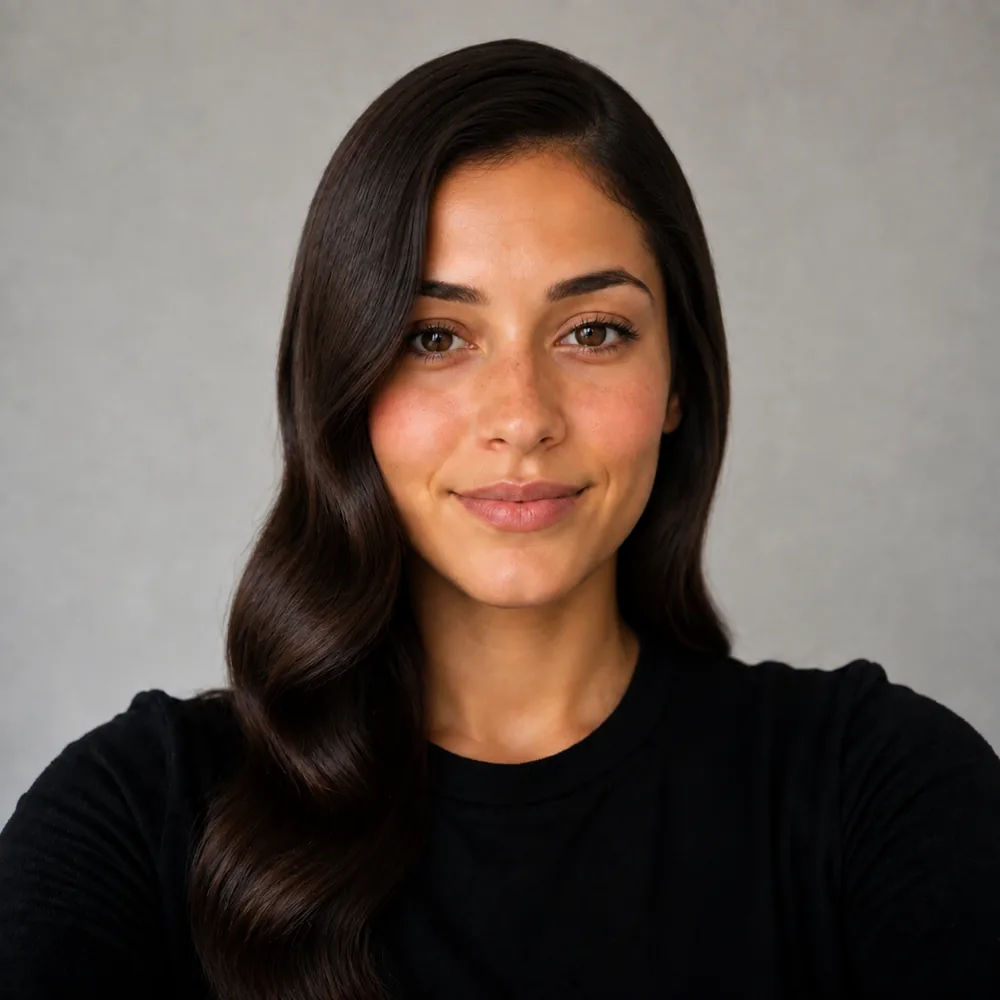
Keeping a hollywood waves
- Back in the chair every 10 to 12 weeks.
- Wand every section in the same direction, away from the face.
- Wash 2 to 3 times a week.
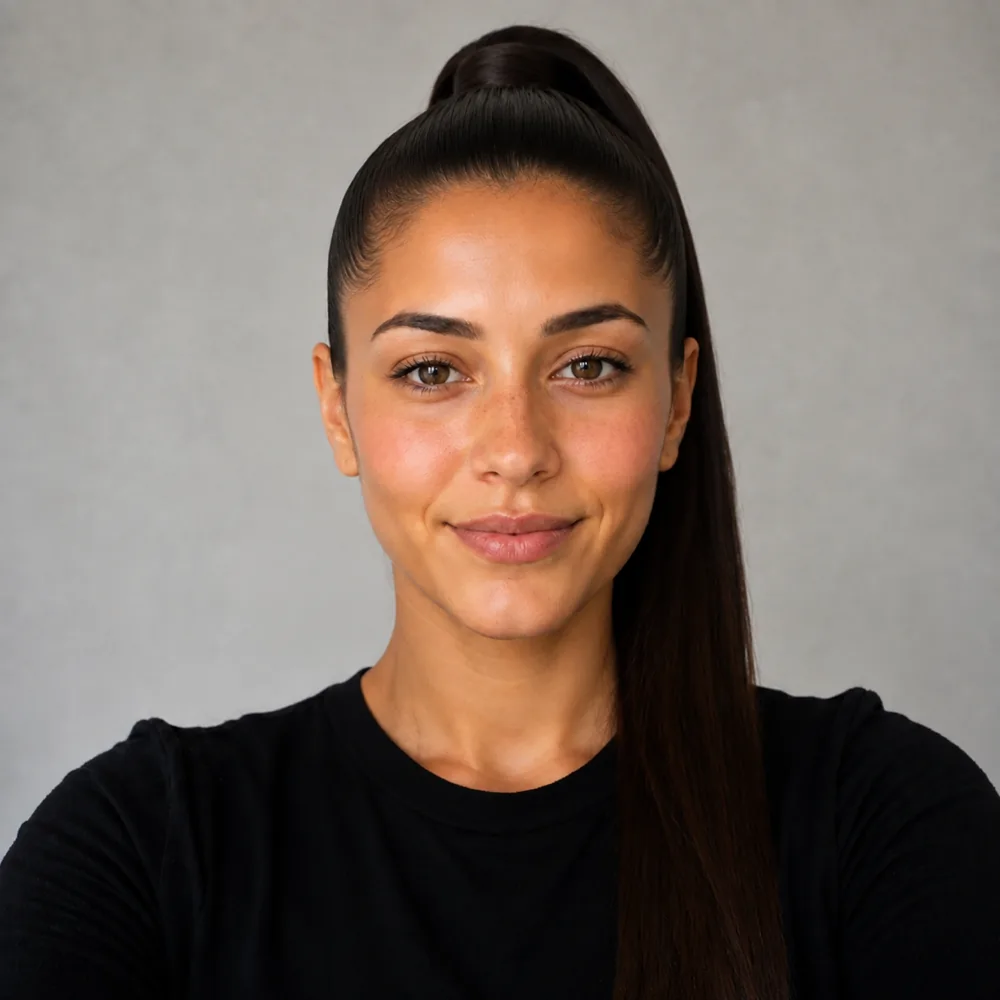
Keeping a high ponytail
- Back in the chair every 10 to 12 weeks.
- Brush back from the hairline with a paddle brush and a little gel.
- Wash 2 to 3 times a week.
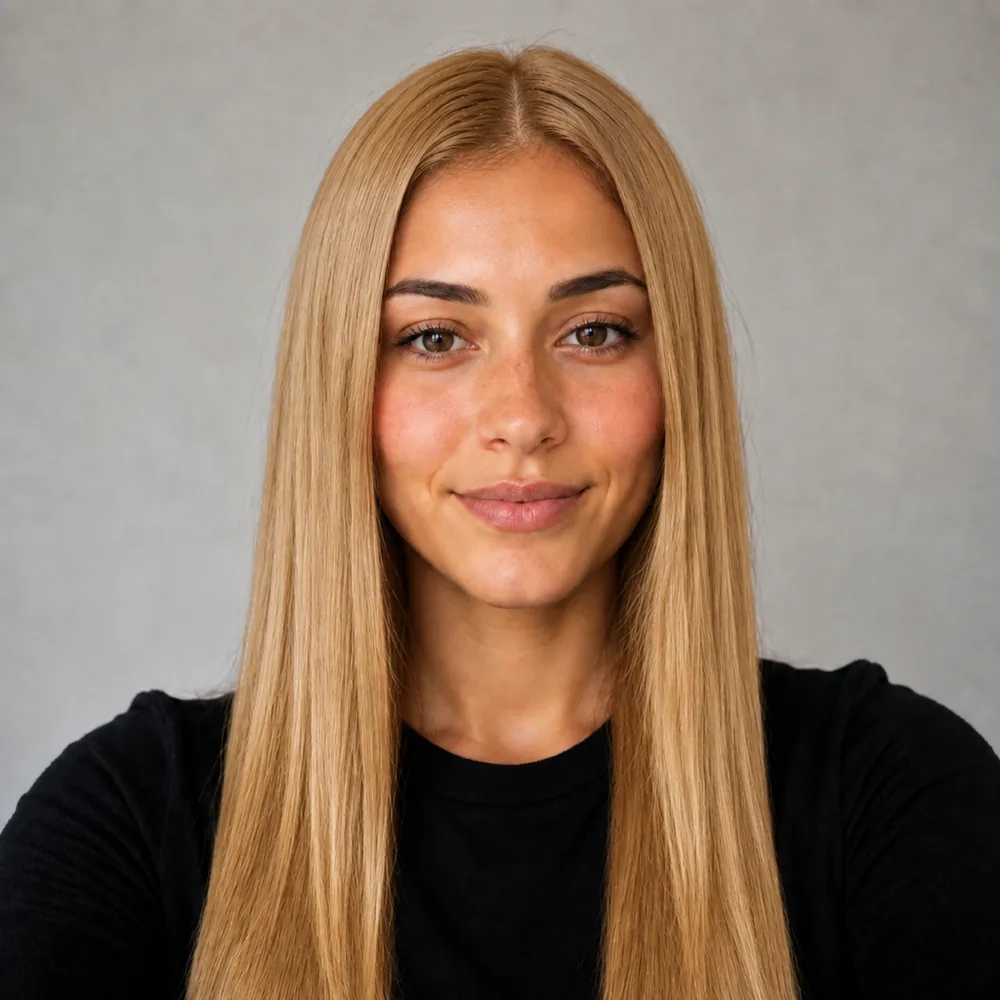
Keeping a blonde
- Back in the chair every 6 to 8 weeks.
- Purple shampoo weekly to hold the tone.
- Wash 2 to 3 times a week.
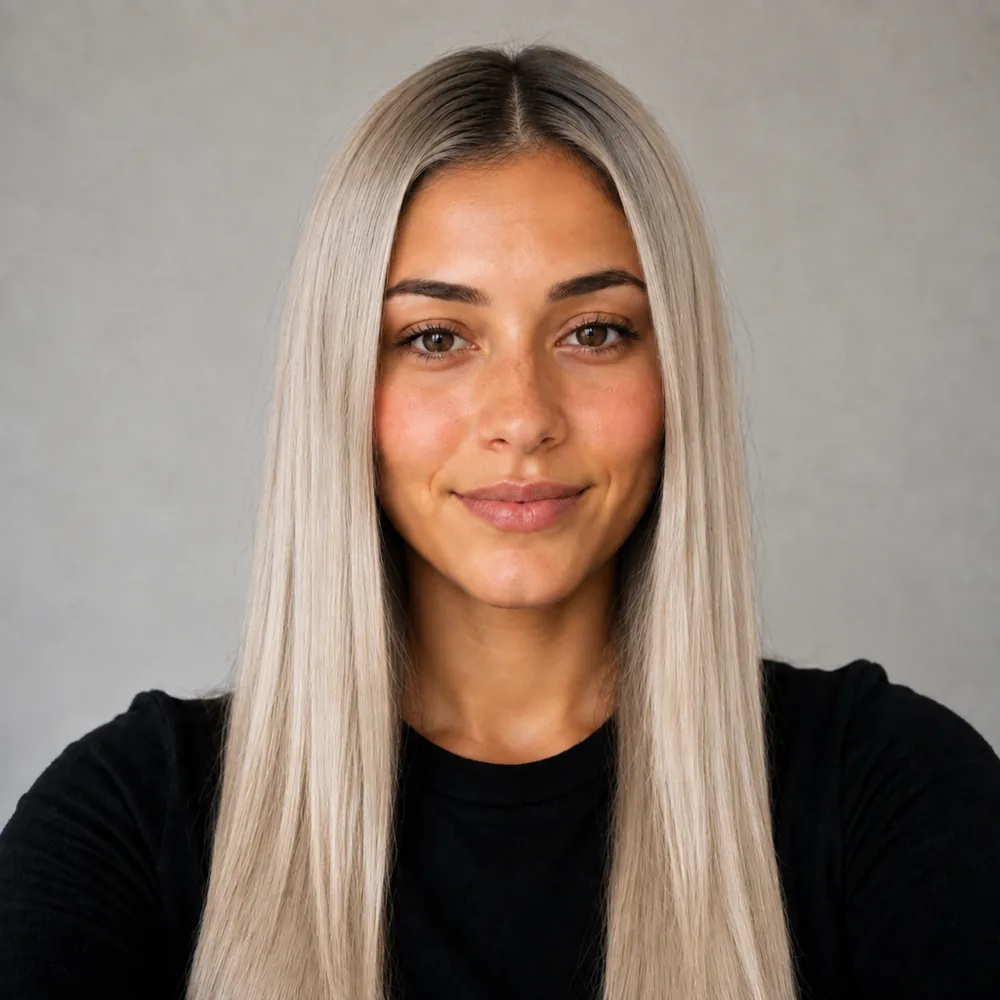
Keeping a scandi blonde
- Back in the chair every 8 to 10 weeks.
- Purple shampoo once a week, left for two minutes.
- Wash 2 times a week.
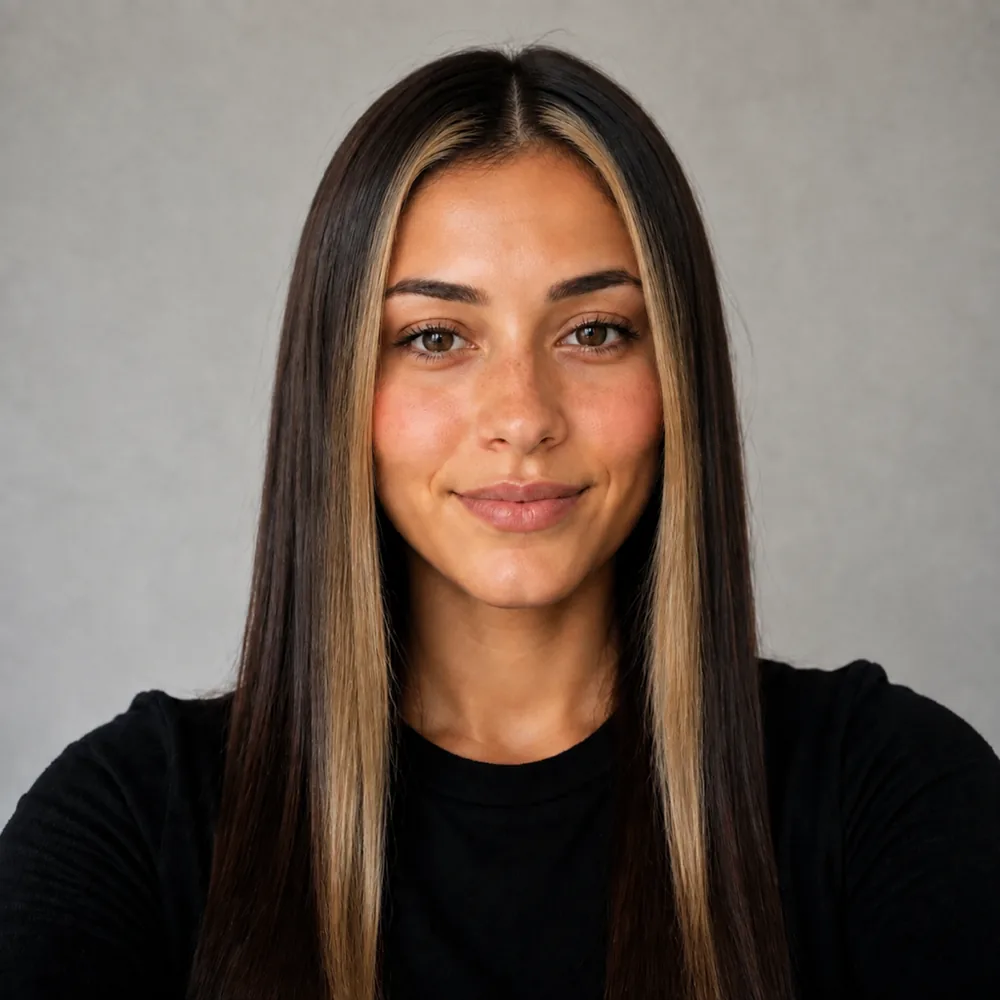
Keeping a money piece
- Back in the chair every 8 to 10 weeks.
- Purple shampoo on the front pieces only.
- Wash 2 to 3 times a week.
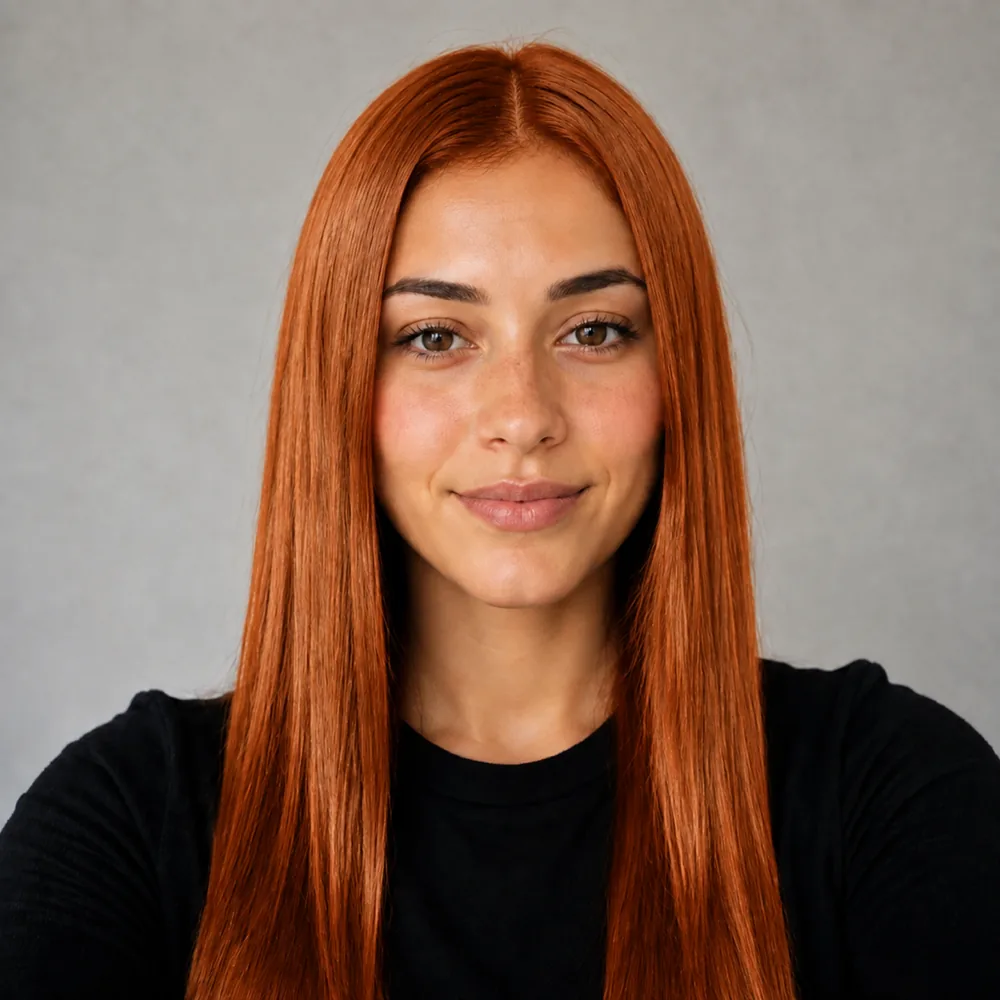
Keeping a copper
- Back in the chair every 4 to 6 weeks.
- Color-depositing conditioner every wash.
- Wash 1 to 2 times a week.
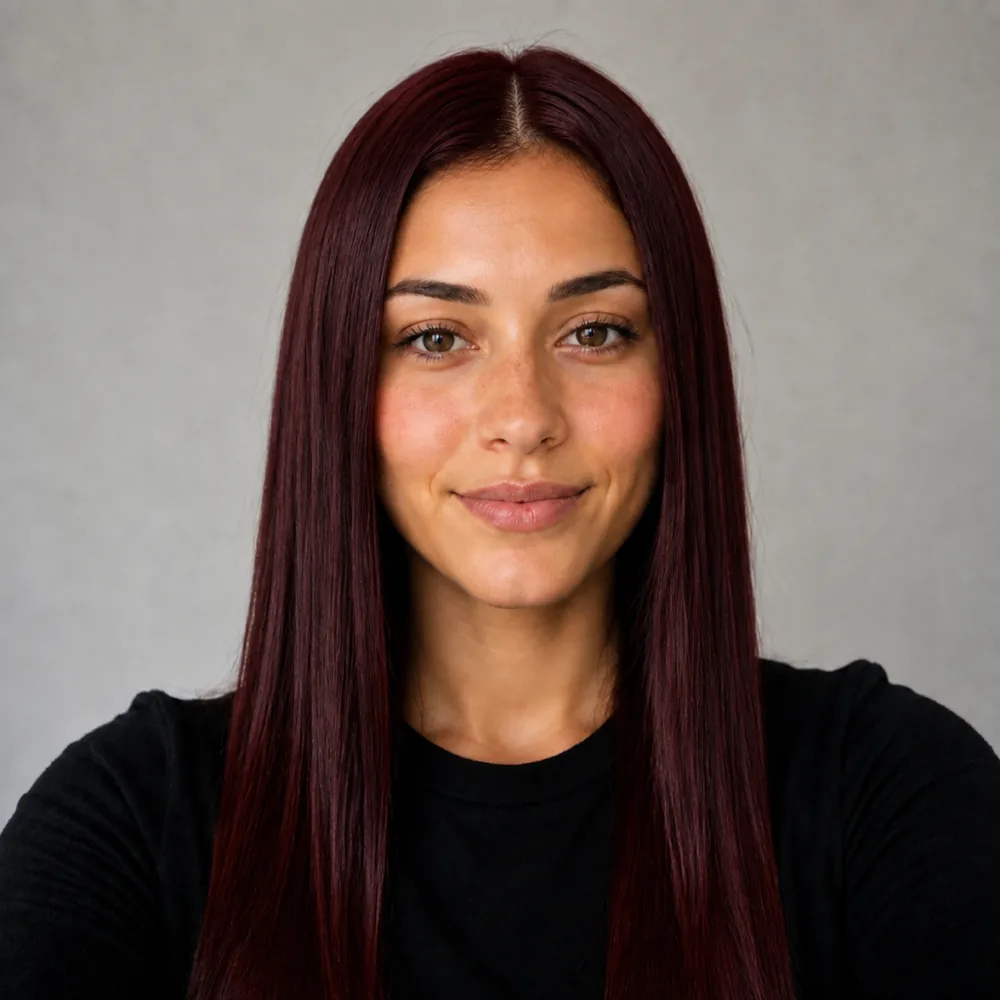
Keeping a cherry cola
- Back in the chair every 6 to 8 weeks.
- Colour-safe shampoo, cool rinse.
- Wash 2 times a week.

Keeping a baroque bob
- Back in the chair every 5 to 6 weeks.
- Mousse through damp roots, heat protectant through the lengths.
- Wash 2 to 3 times a week.

Keeping a kitty cut
- Back in the chair every 8 to 10 weeks.
- Rough-dry to nearly dry.
- Wash 2 to 3 times a week.

Keeping a old money blonde
- Back in the chair every 8 to 10 weeks.
- Colour-safe shampoo, cool rinse.
- Wash 2 to 3 times a week.
Every after is this tool's own render of a demo face, pre-generated for speed - nothing on this page renders live.
Preview a new look
Your first look is free.
Three steps
How it works
See yourself with curtain bangs: upload a selfie and preview middle-parted bangs swept to both sides while keeping your face. Sample previews are free without signup, and a limited own-photo preview is available before signup in eligible regions. An account is needed to keep results; renders beyond the free allowance use paid Plus credits, with an optional trial for eligible first-time subscribers in some regions.
- 01 Your selfie
Pick the curtain bangs look
Compare the middle opening and swept sides on the sample face. This page selects the curtain bangs look for onboarding.
- 02120+ looks
Upload one clear selfie
Show your forehead and both cheeks in even light. Keep the front roots visible so the face frame is easy to compare.
- 03 Your result
Compare and bring your reference
Check the before and after, then show your stylist the shortest point, sweep and connection to the longer layers.
What curtain bangs change around your face
Curtain bangs are middle-parted bangs that sweep away from the face on both sides. Longer versions land between the cheekbone and jaw, blending into the hair beside the face. The opening in the middle distinguishes them from a solid, straight-across edge. That opening, the shortest point and the sweep toward the temples are the details to inspect in a try-on.
Start with the sample face to see the shape, then compare it with your own selfie. Follow the diagonal line from the center opening toward each cheek. Notice whether the ends draw attention to your cheekbones or sit lower beside your jaw. The catalog preview is a style reference, so it does not measure exactly where a stylist should cut your hair or provide a slider for each possible length.
Face shape can suggest questions, but it does not decide whether you can wear curtain bangs. Hair density, the direction of the front roots and how much styling you want to do also matter. Compare the preview with your usual middle or side part. If you like the open forehead but want longer ends, save that observation for the consultation. The useful result is a clear preference about your own face frame, rather than a rule about who should wear bangs.
What to tell your stylist about curtain bangs
Ask for middle-parted curtain bangs that sweep to both sides and blend into your face-framing layers. Point to the shortest piece in your chosen reference and describe where you want it to rest when dry. Cheekbone and jaw are useful landmarks because the stylist can locate them on you without guessing a length from a cropped picture. Discuss the width of the bangs section as a separate choice.
Show your natural part before the stylist wets or brushes the front into place. Cowlicks matter: a strong growth pattern can lift one side, close the center opening or push the bangs apart. A generated preview cannot measure that behavior. Tell the stylist whether you are willing to blow-dry the front each morning or want a shape that follows how your roots already lie.
For curly hair, ask to have the bangs cut dry in their natural pattern so the resting length can be judged with shrinkage visible. Bring a reference with a texture you recognize, and explain whether you normally wear your curls stretched or natural. Do not use a smooth preview as a promise about how curls will settle. Agree on a cautious starting length and the connection to the longer layers before the first section is shortened.
Styling, upkeep and growing curtain bangs out
Curtain bangs need attention at the roots as well as at the ends. After washing, the front can dry into its usual direction before the longer hair is ready. Ask your stylist to demonstrate how to guide the opening and sweep on your hair, then try the movement yourself. A reference image shows the finish, but it cannot tell you whether your roots will hold it without drying or product.
Decide which part of the outline you want to maintain. If you prefer the shortest pieces beside the cheekbones, ask when to return for a bangs trim based on how your hair grows. If you like a looser frame near the jaw, you may be comfortable letting those pieces lengthen between appointments. There is no single trim schedule that fits every starting length and routine.
As curtain bangs grow, their angled edges can blend into longer face-framing layers. That makes the transition different from growing out a blunt line across the forehead, though the front may still need pinning back during awkward stages. Tell the stylist if growing out is part of your plan so a tidy-up does not reset the shortest point. Keep the preview as a reminder of the opening you liked, and update the brief as the lengths change.
A curtain bangs reference you can explain
Middle opening
Check how much forehead stays visible between the two sides.
Cheekbone to jaw
Name where you want the shortest pieces to rest when dry.
Natural roots
Show your stylist the part and any cowlick before choosing the sweep.
Growing into layers
Discuss how the angled ends will blend into the longer face frame.
Questions about the Curtain Bangs Try-On
Straight answers, no hedging.
Yes. HairstyleAtlas works in the browser on your phone with no install. Choose curtain bangs and upload a selfie to preview the face frame. Sample previews are free without signup, and a limited own-photo preview is available before signup in eligible regions. An account is needed to keep results; renders beyond the free allowance use paid Plus credits, with an optional trial for eligible first-time subscribers in some regions.
You can explore the curtain bangs sample before using your own selfie. Try the available looks on sample faces without signup. In eligible regions, a limited preview on your own selfie is also available before signup, subject to service availability and device and network limits. An account is required to keep results in your library and use the studio. In eligible regions, start with a free account, no card: 15 credits once; a cut costs 10, a color on it 5. Keeping the onboarding preview uses the cut allowance; it is not an extra free cut. No refill; further renders are paid.
Longer curtain bangs commonly frame the area from cheekbone to jaw. Point out your preferred shortest piece and ask your stylist to judge its dry resting length on your hair. The preview does not measure a cutting length.
Yes. Front growth patterns can lift one side or change the opening. Show your natural roots to the stylist and explain how much drying you will do; the image cannot predict how the roots behave.
Curly curtain bangs are possible, but their resting shape depends on the curl pattern. Ask your stylist to cut them dry and account for shrinkage. A smooth generated result does not establish how your curls will fall.
The angled sides lengthen into the surrounding face frame. Tell your stylist you want to grow them out so a trim does not keep shortening the center. You may still need to pin back pieces while they reach a useful length.
Other tools to explore

Link to this tool
Free sample previews, free to link or embed. No permission needed.
https://hairstyleatlas.com/curtain-bangs-try-onExplore more try-on tools
Same selfie, a different change. Every tool below runs on the photo you already uploaded.




See the face frame.
Then choose the length.
Preview curtain bangs and bring a clear reference to your stylist.