Oval face
A little longer than wide, with a softly rounded jaw.
Try: Keep balanced proportions; try a bob, layered length or a textured crop.
Avoid: Extra crown height if you want to keep your face from looking longer.
Take a short quiz about who the cut is for, your face shape, hair type and upkeep. Get a shortlist of haircuts and hairstyles that suit you, then see a favorite on your own photo.
Free sample previews. Try every look on our sample faces here without registering. Your own photo needs a free account, no card: 15 credits once (a cut costs 10, a color on it 5). That covers one cut plus one color on it. No refill; further renders are paid. The optional Plus trial can be declined.
Shape still open, hair type still open: start with versatile cuts that work with your natural texture and routine.
Try: Start with versatile cuts that work with your natural texture and routine. Avoid: Committing to a dramatic fringe or length change just to fit a shape label.
Pull your hair back and compare forehead, cheekbones, jaw and face length in a mirror for 30 seconds. Your matches use the hair type and upkeep you choose.
Choose your hair type above to help us find a match. If no cuts fit the current catalog, browse the face-shape ideas below for a starting point.
Starting points based on your answers and catalog guidance. A stylist can adapt the cut to your density, hairline and preferences.
Hairstyle Atlas 15 August 2026
Wondering “which haircut suits my face”? Start with the outline, then let your texture and routine narrow it down. These are options to try, not rules you have to follow.
A little longer than wide, with a softly rounded jaw.
Try: Keep balanced proportions; try a bob, layered length or a textured crop.
Avoid: Extra crown height if you want to keep your face from looking longer.
Similar width and length, full cheeks and a soft jaw.
Try: Add length and vertical lines with layers below the jaw or a little height on top.
Avoid: Chin-length bluntness and extra width at the cheeks if you want a longer outline.
Forehead and jaw are similar in width, with defined jaw corners.
Try: Try soft waves, a side part or layers that move past the jaw.
Avoid: A heavy straight line at jaw level if your goal is to soften the corners.
A wider forehead tapering to a narrower, sometimes pointed chin.
Try: Build movement around the jaw; try a side fringe or chin-to-shoulder layers.
Avoid: Heavy volume at the temples with very tight sides below it if you want balance.
Also called oblong: noticeably longer than wide, with fairly straight sides.
Try: Add width with waves or a fuller side shape, and break up length with a fringe.
Avoid: Tall quiffs or very long, flat sides if you want a shorter-looking outline.
Cheekbones are widest, with a narrower forehead and jaw.
Try: Use a soft fringe and fullness near the jaw to balance the cheekbones.
Avoid: Very tight temples with all the volume at cheekbone level if you want balance.
You choose the shape yourself. The matcher uses your answers, and your photo is only used later for the try-on. A haircut for my face shape should still feel like me.
Back to the matcherLength and vertical lines can balance a round outline; width and a fringe can balance a long one. Waves can soften a square jaw. Pick the effect you like, using the shape you chose yourself.
A shag sits differently on straight hair, waves and curls. The matcher checks catalog texture guidance before recommending a cut, so choose the texture you normally wear.
Fine hair can benefit from a fuller perimeter; thick hair may need weight removed. Your hairline changes how a fringe falls. Discuss these details with your stylist before committing.
Be honest about morning styling and salon visits. A wash-and-go routine needs a cut that works with your natural texture. A precise short shape may need frequent trims even when daily styling is quick.
A haircut is the shape and length your stylist leaves. A hairstyle is how you wear it each day: the part, texture, bangs placement or an updo. The same face shape logic applies, because moving volume or opening the forehead changes the frame even when the length stays fixed. Compare a different shape with the AI hairstyle changer before deciding what to cut and what to style.
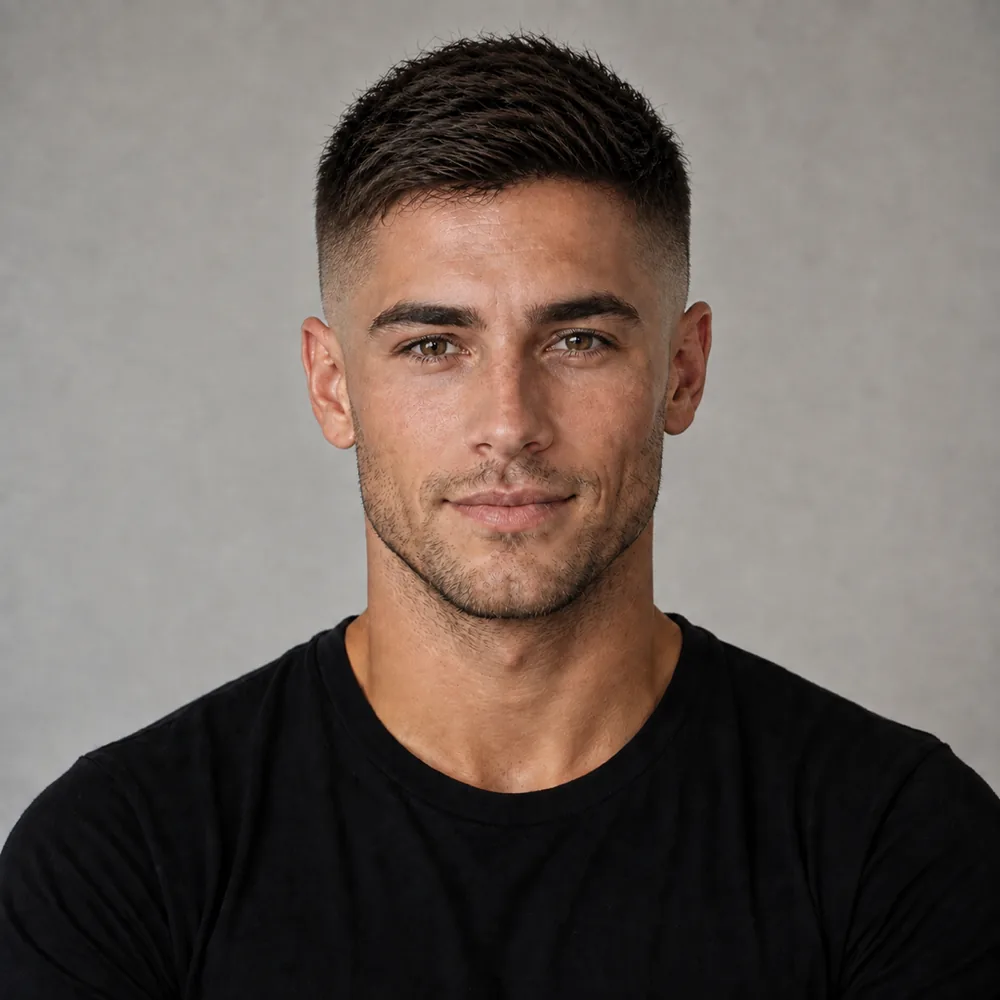
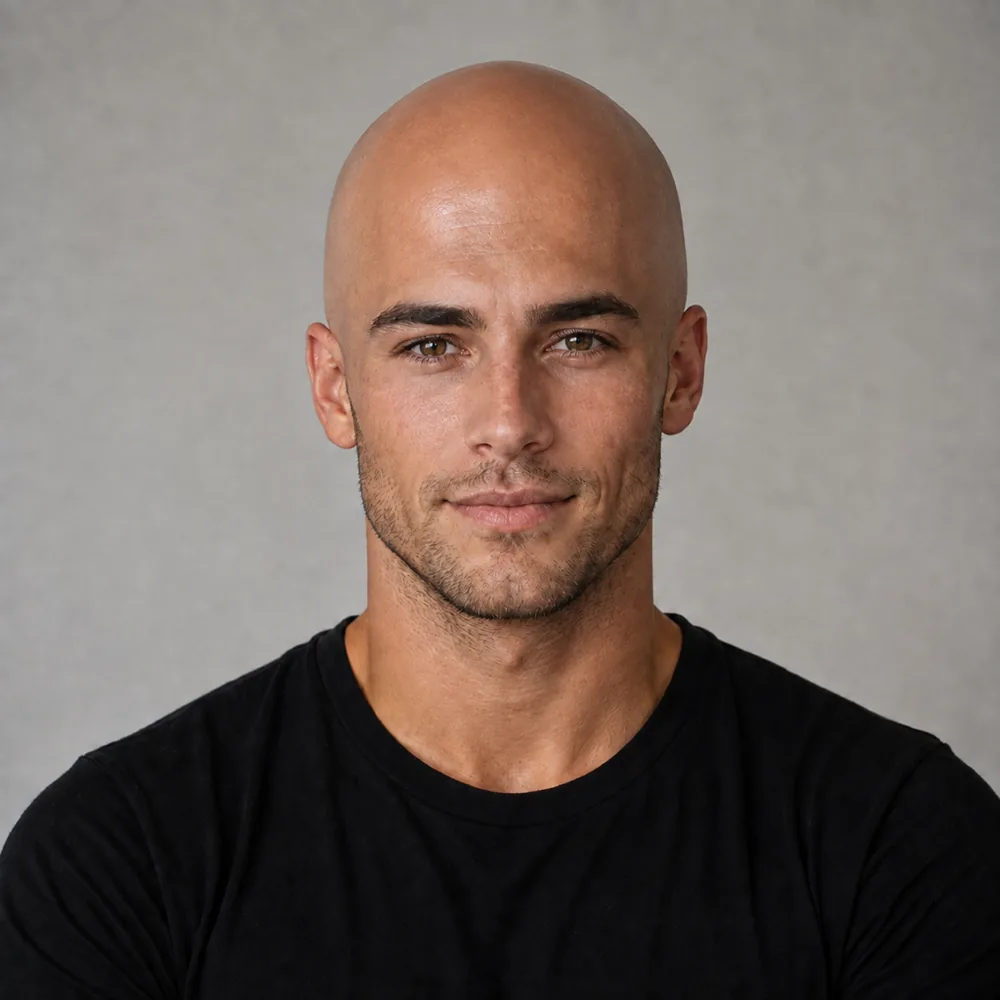
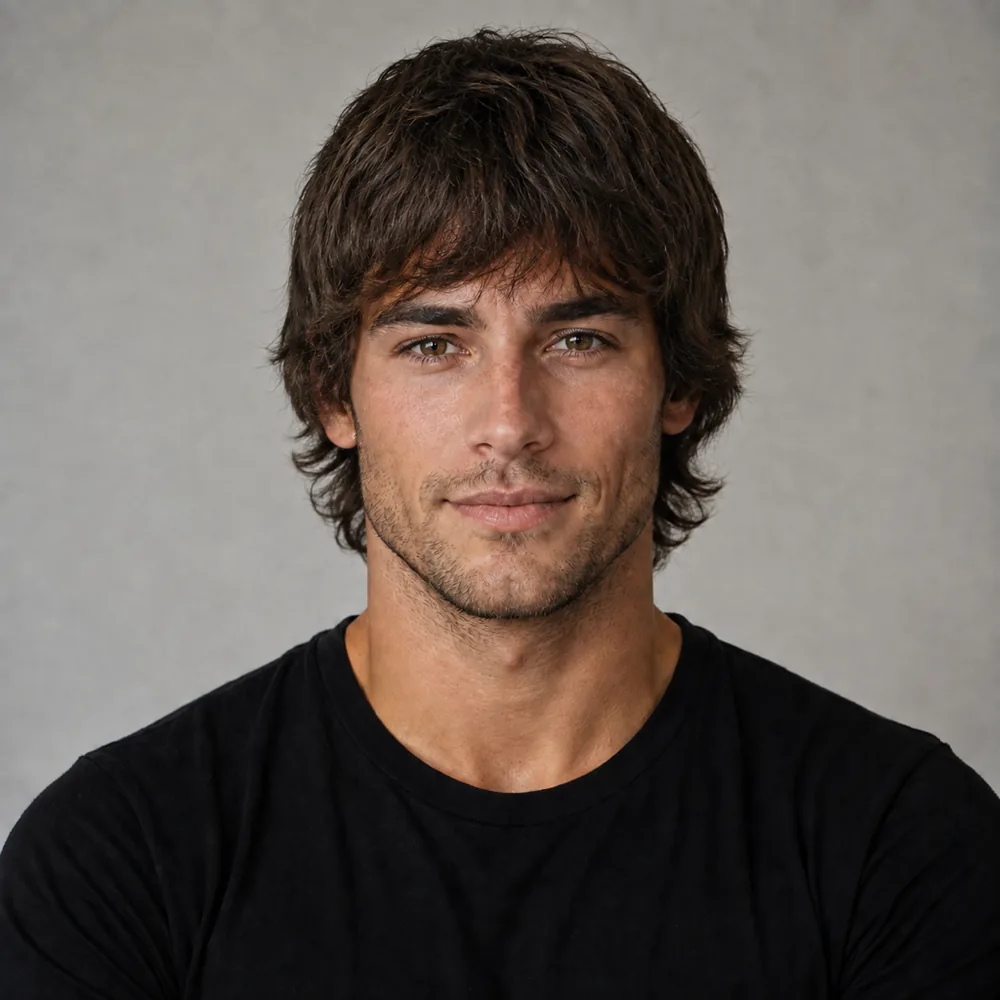
Pick a look, drag the handle to compare. Then do it with your own selfie.


Keeping a textured fade
Keeping a edgar
Keeping a modern mullet
Keeping a perm
Keeping a curtains
Keeping a crew cut
Keeping a ivy league
Keeping a disconnected crop
Keeping a low taper blowout
Keeping a taper fade
Keeping a quiff
Keeping a restored
Keeping a shaved
Keeping a platinum
Keeping a jet black
Keeping a ash brown
Keeping a silver
Keeping a low taper
Keeping a italian cut
Keeping a comma fringe
Keeping a mop cut
Every after is this tool's own render of a demo face, pre-generated for speed - nothing on this page renders live.
Preview a new look
Your first look is free.
Three steps
If you can take a selfie, you can do this.
Your selfie One front-facing selfie, hair visible. That's the whole setup.
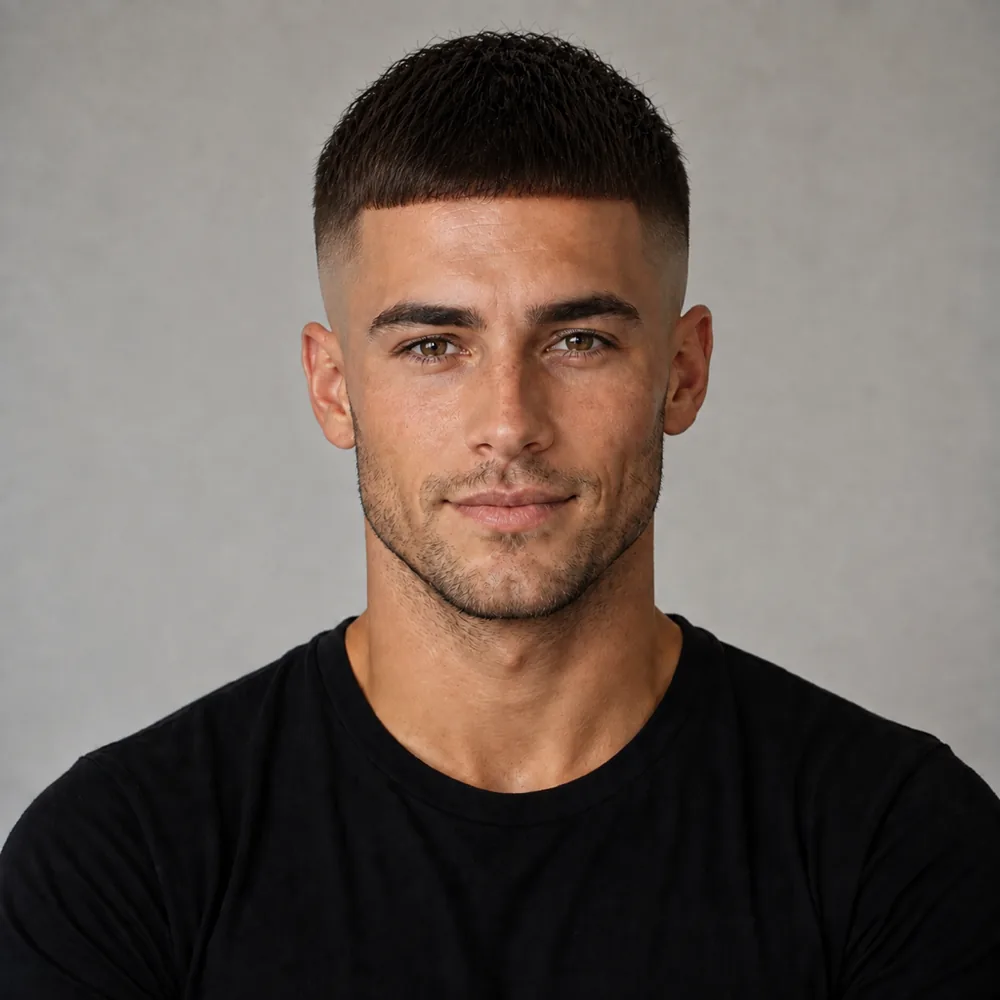
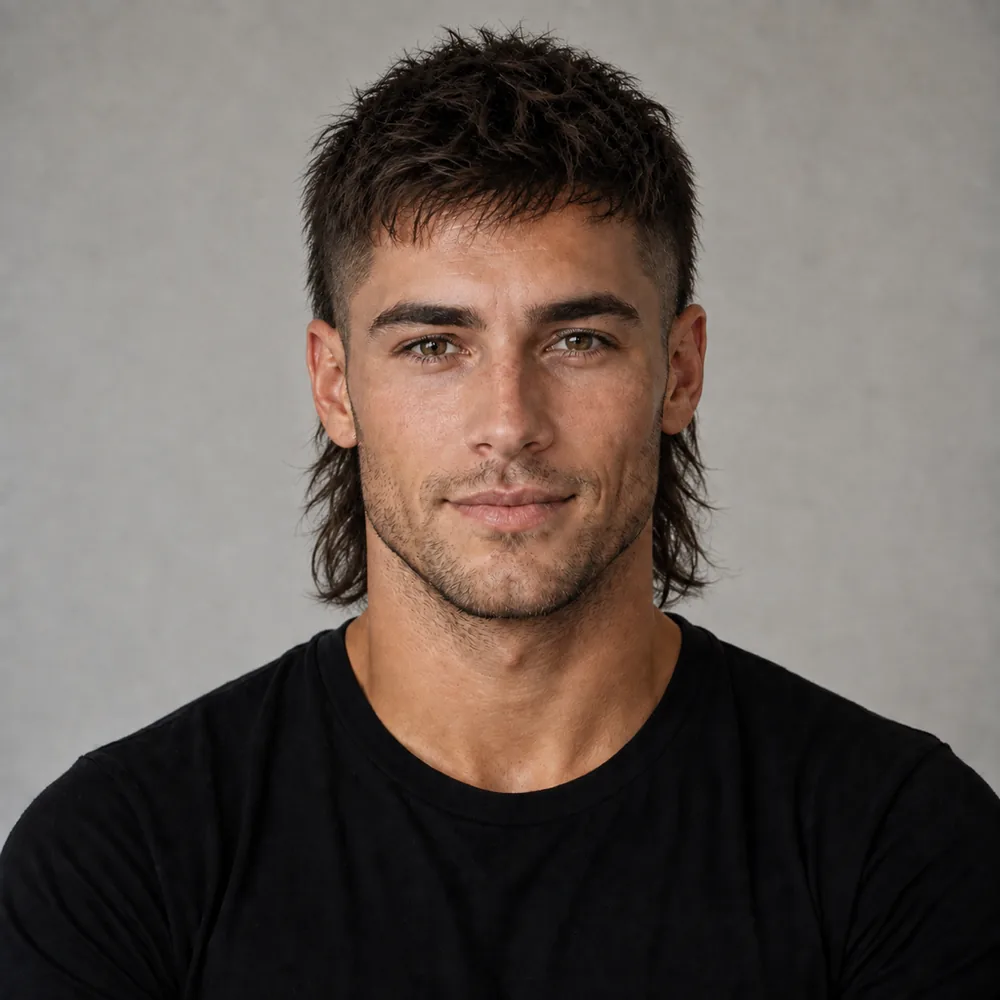






120+ cuts, colors and styles, all on that same photo.
Your result Save the result and show it, instead of describing a cut and hoping.
Free sample previews, free to link or embed. No permission needed.
https://hairstyleatlas.com/what-haircut-suits-meIf you already know roughly what you want, go straight to it.

Fades, crops, curtains, buzzes
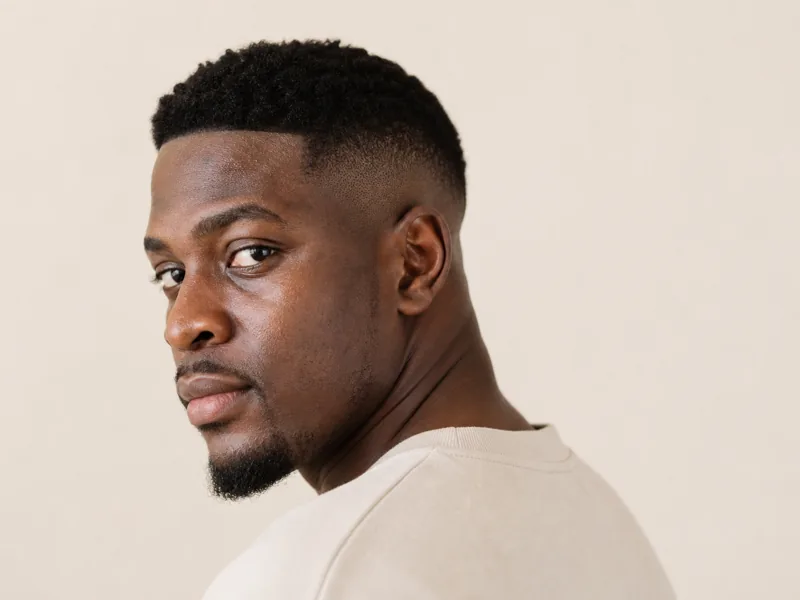
Low, mid and high fades
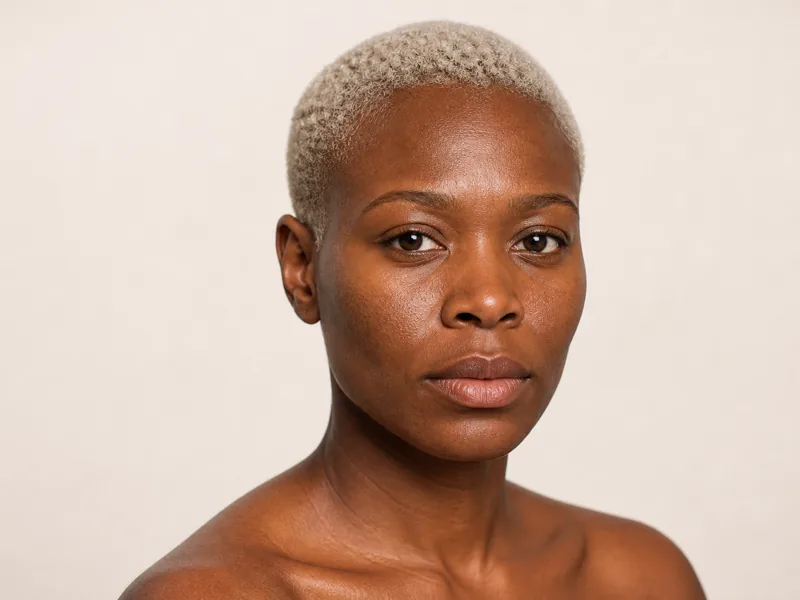
Find out if you can pull it off

Preview a fuller hairline on your face
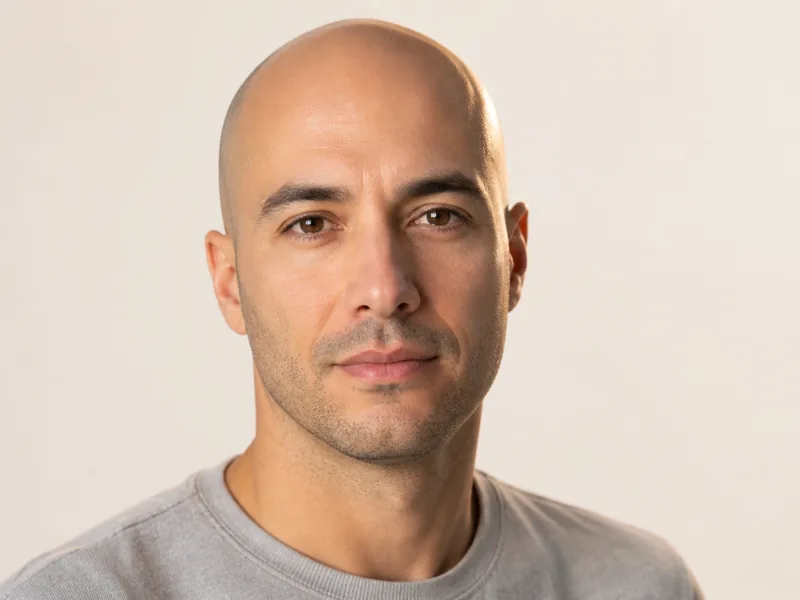
See yourself with no hair at all
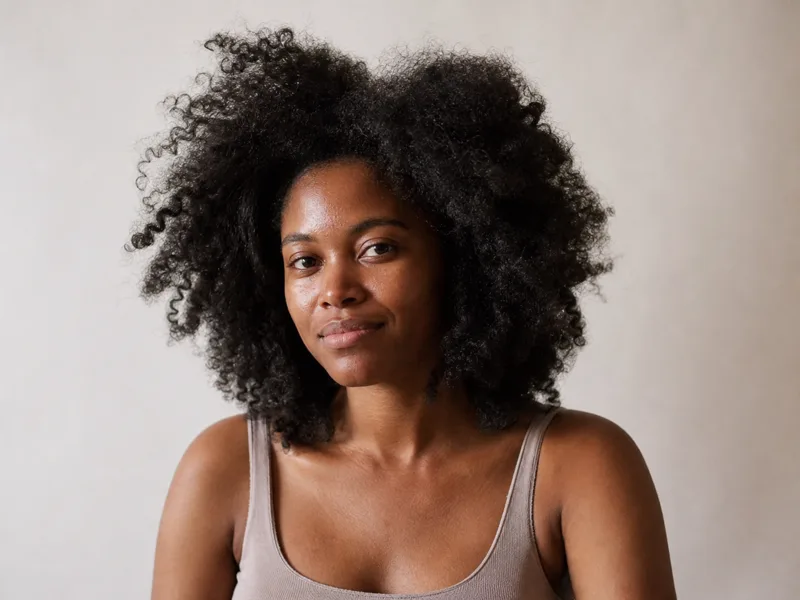
Cut for your actual curl pattern

The internet's cut, on you
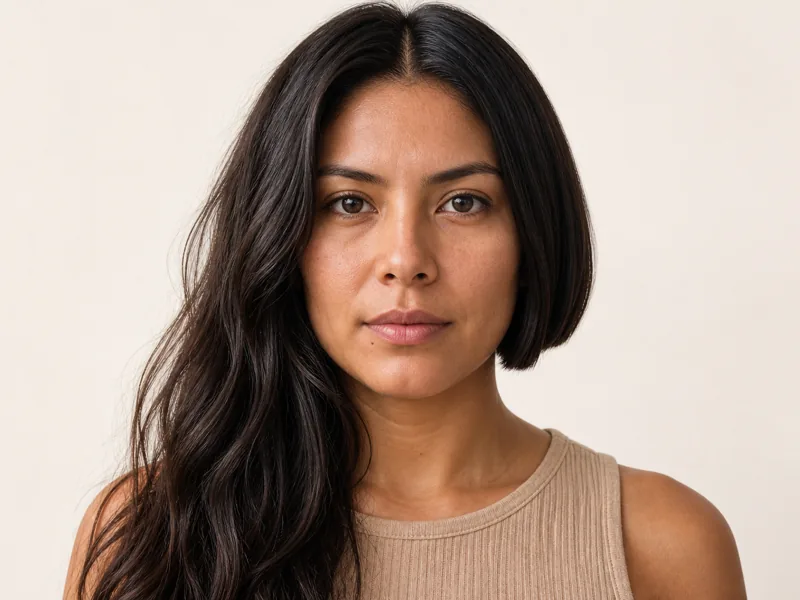
Change your hairstyle in a photo
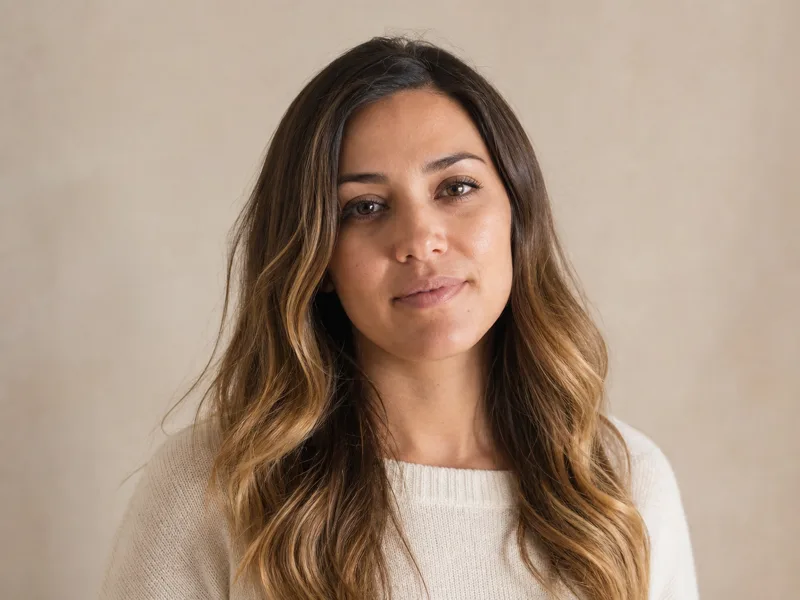
Test any shade on your own hair
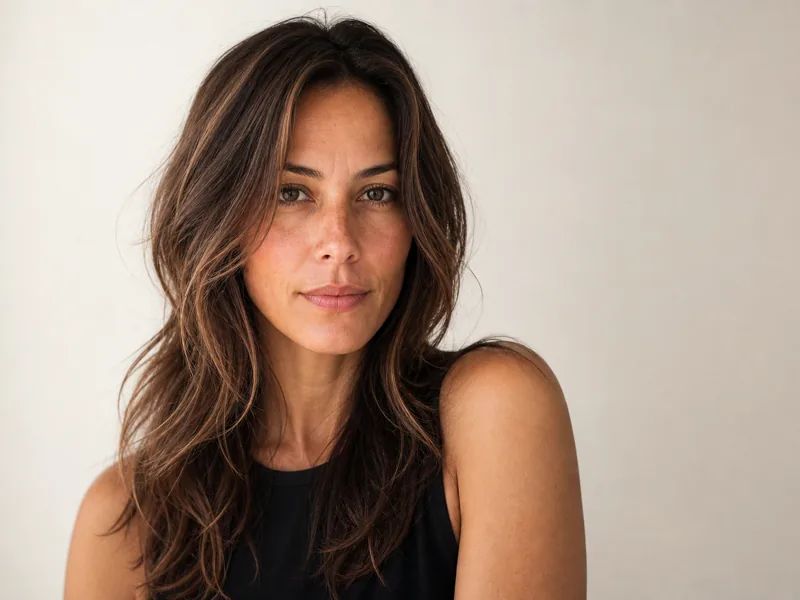
Bobs, bangs, layers and color

Bangs, before you regret it
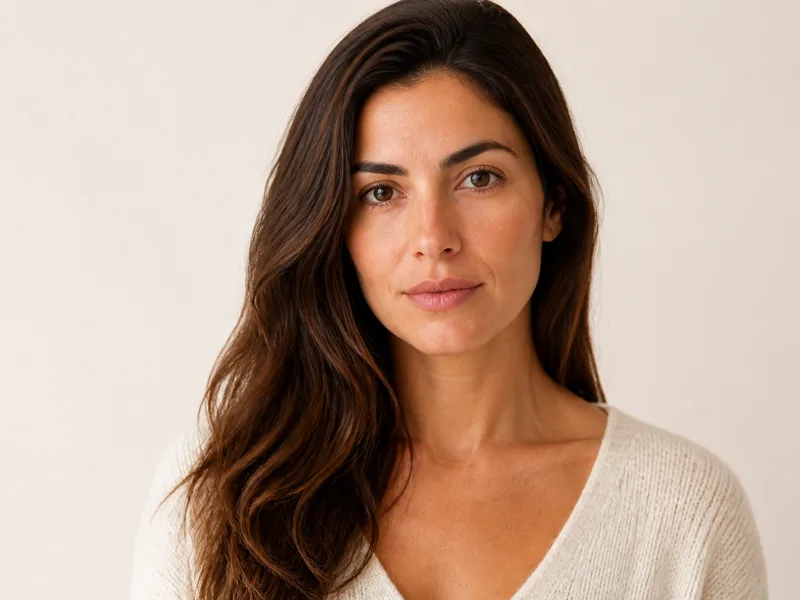
See it grown out, today
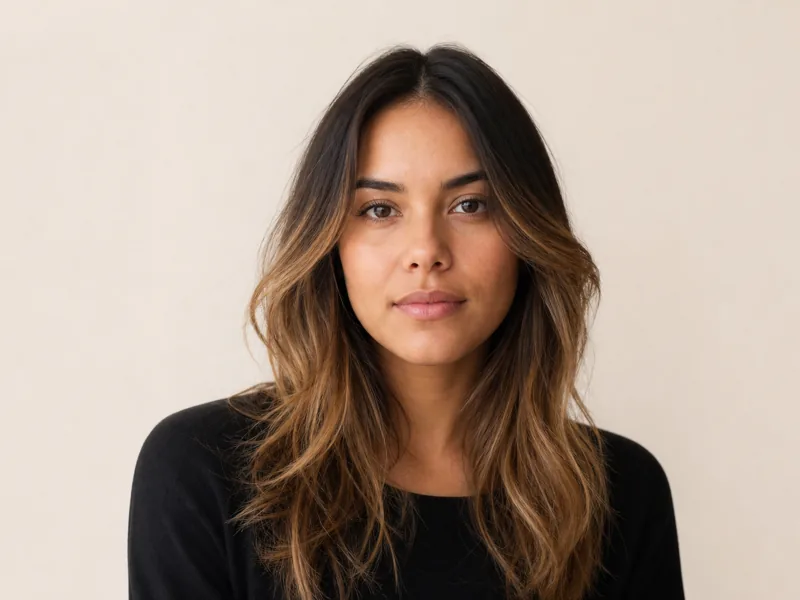
Balayage without the four hours
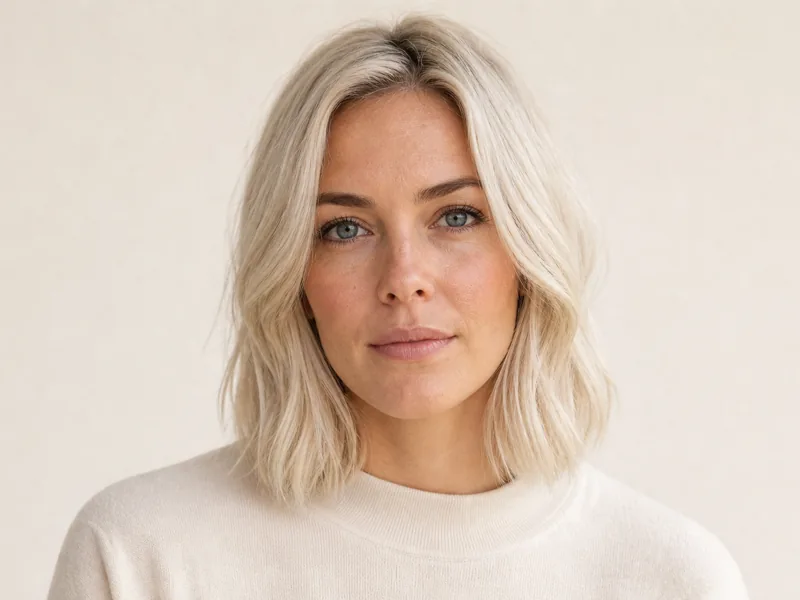
Blonde, before the bleach
See the grow-out before you commit
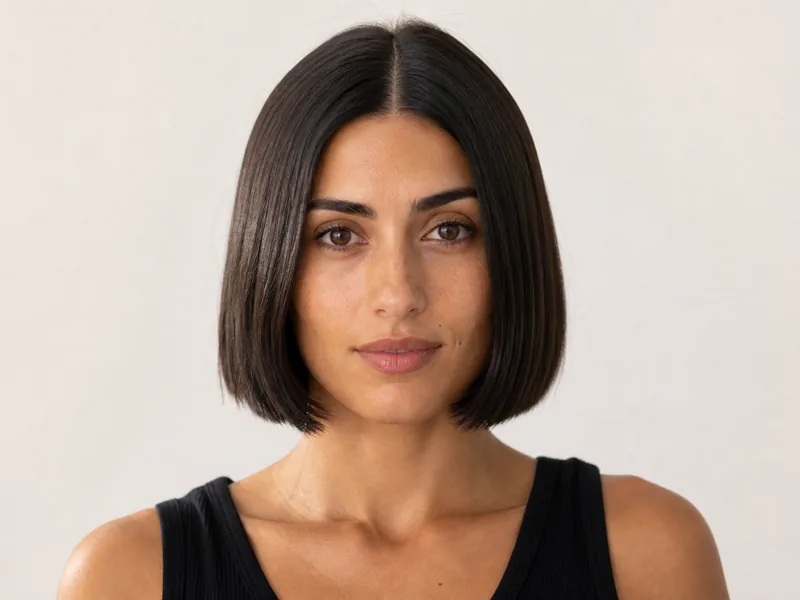
Blunt, long and French bobs
From choosing a shape to trying your shortlist.
Choose your shape in the matcher above. Round faces can try length and vertical lines; long faces can try width and a fringe. The shortlist combines the shape you choose with your hair type and upkeep, and explains why each cut was selected.
Start with your natural texture, the time you want to spend styling and the outline you want to create. Answer the four questions here for a shortlist, then compare a favorite on your own photo before discussing it with a stylist.
Pull your hair back and look straight ahead in a mirror. Compare your forehead, cheekbones and jaw, then face length against width. Use the six descriptions on this page, or choose Not sure. You supply the shape; the matcher uses your answers.
Yes. Choose Try this on my photo on a result card to open setup with that cut selected. Upload your photo there for a visual preview. It is a starting point for a conversation with your stylist, not a guarantee of how your hair will fall.
Try layers below the jaw, a longer bob or a textured top with some height if you want a longer outline. Avoid adding width right at the cheeks for that effect. Your natural texture and styling routine still matter more than following a rigid rule.
Yes. The shortlist and its reasons are free, with no account or photo needed. To try a cut on your own photo you create a free account; your first look is free, with no card required.
It is an informal rule of thumb shared online. People usually use it to mean balancing face proportions, but the wording varies and it is not a fixed haircut formula. Checking face shape together with hair type and upkeep gives you a more reliable starting point.
AI tools can estimate a face shape and simulate cuts on your photo, which can help you compare options. This quiz uses the answers you choose rather than analyzing your face. The final call belongs to you and your stylist, who can check your texture, density and routine.
Yes. Open the AI hairstyle changer at /ai-hairstyle-changer, choose a cut and upload a clear front-facing photo during setup. Create a free account for your first look, with no card required, then save the preview to discuss with your stylist.
A haircut is the shape and length your stylist cuts into the hair. A hairstyle is how you wear it each day, including the part, texture, bangs placement or an updo. One haircut can support several hairstyles.
Upload your photo to try hairstyles after choosing a cut.
Choose a cut, continue to setup and try it on your own photo.