Ammonia Free Hair Dye: Is It Better? 14 Shades and 9 Brands
Oleh Onysko 4 October 2026 12 min read
In this article
Ammonia-free hair dye colors your hair without the sharp smell, because it swaps ammonia for a gentler alkaline ingredient, usually ethanolamine (MEA). It is great for going darker, richer or covering early grays, but it lifts less, so it is the wrong pick if you want to go more than a shade or two lighter.
Here is the part the box does not say: ammonia-free changes the smell, not the chemistry. Every permanent dye needs something alkaline to open the hair cuticle. Take ammonia out and something else does that job. So the real question is not "is it safe" but "is my goal one that a softer formula can actually reach". This guide answers that for your hair.
What is ammonia-free hair dye?
Ammonia-free hair dye is any oxidative or deposit-only color made without ammonia. Permanent versions replace it with MEA (monoethanolamine) or a similar amine. Demi permanent versions often skip strong alkalis altogether and work at a lower pH with a weak developer.

Ammonia has one job in a dye: it raises the pH so the cuticle swells open and the color can get inside the strand. It also evaporates fast, which is the eye-watering smell you get from a classic box dye. MEA does the same job, only quietly. It barely smells, but it also does not evaporate, so it stays in the hair longer after you rinse.
That is why "ammonia-free" is a comfort upgrade first and a hair-health upgrade second, if at all. A study comparing the two, Comparison of damage to human hair fibers caused by monoethanolamine and ammonia based hair colorants, found that MEA treatments damaged keratin fibers too, and in some measures more than ammonia did.
Ammonia vs ammonia-free hair dye
| Classic permanent (ammonia) | Ammonia-free permanent (MEA) | Ammonia-free demi | |
|---|---|---|---|
| Smell | Strong, sharp fumes | Mild | Mild |
| How it opens the cuticle | Ammonia, evaporates | MEA, lingers | Low pH, weak developer |
| Lift on natural hair | The most of the three | Less, tends to land warm | None |
| Gray coverage | Full | Good to full, varies by brand | Blends, does not hide |
| Lasts | Until it grows out | Until it grows out | Fades over weeks |
| Contains PPD or a similar dye | Usually | Usually | Usually |
| Best for | Going lighter, stubborn grays | Darker, richer, early grays | Gloss, toning, deepening |
Read the second-to-last row twice. Most ammonia-free formulas still use PPD or a close relative such as toluene-2,5-diamine, and those are the ingredients behind most hair dye allergies. The FDA's guide to hair dyes names PPD as the ingredient most linked to allergic reactions and tells you to patch test every time. No ammonia does not mean no allergy.
14 shades ammonia-free dye can actually reach
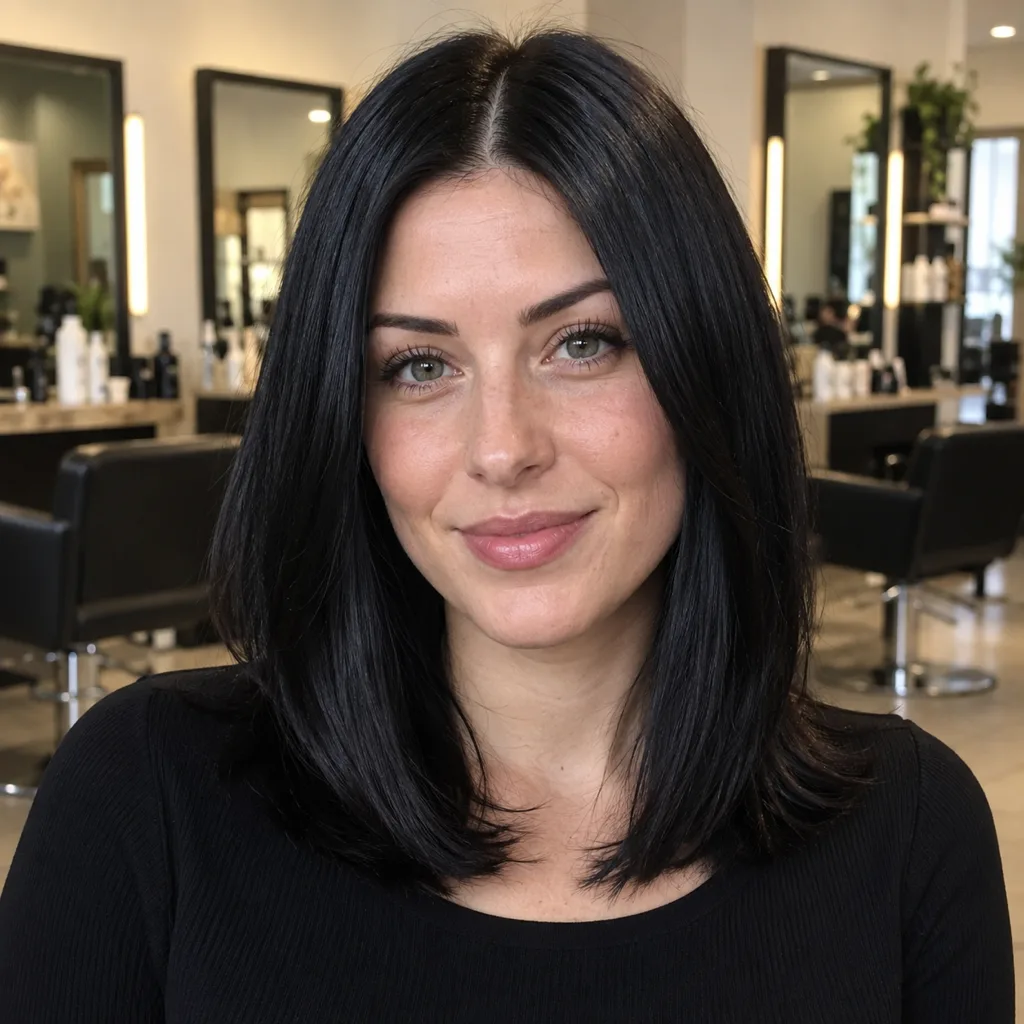
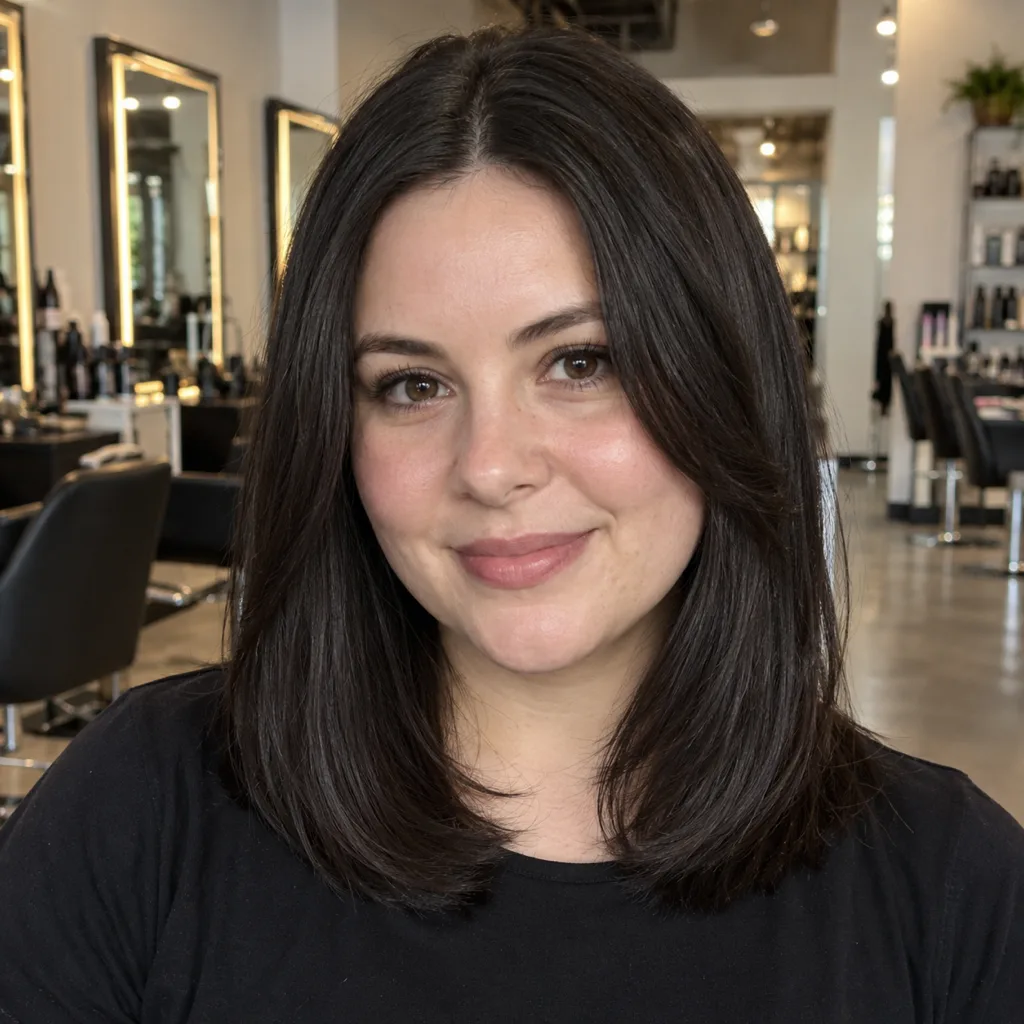
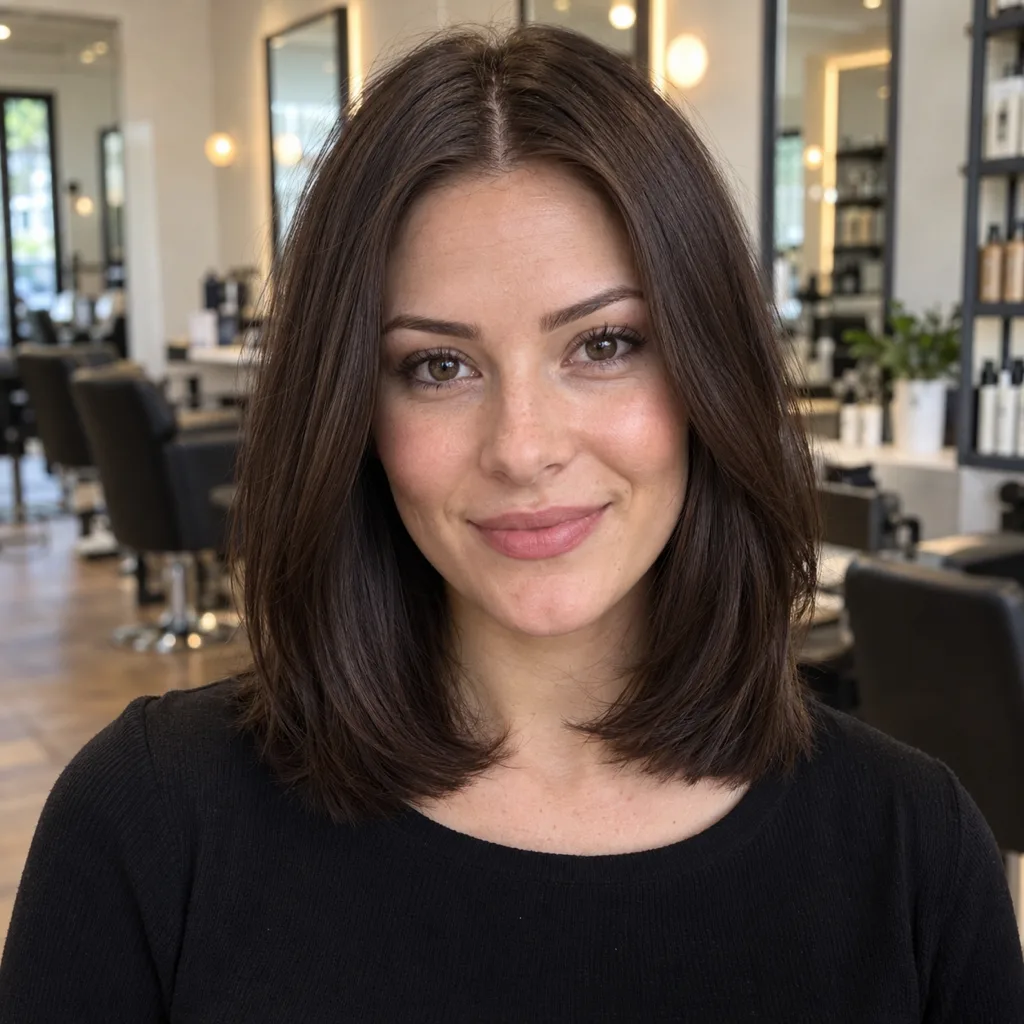
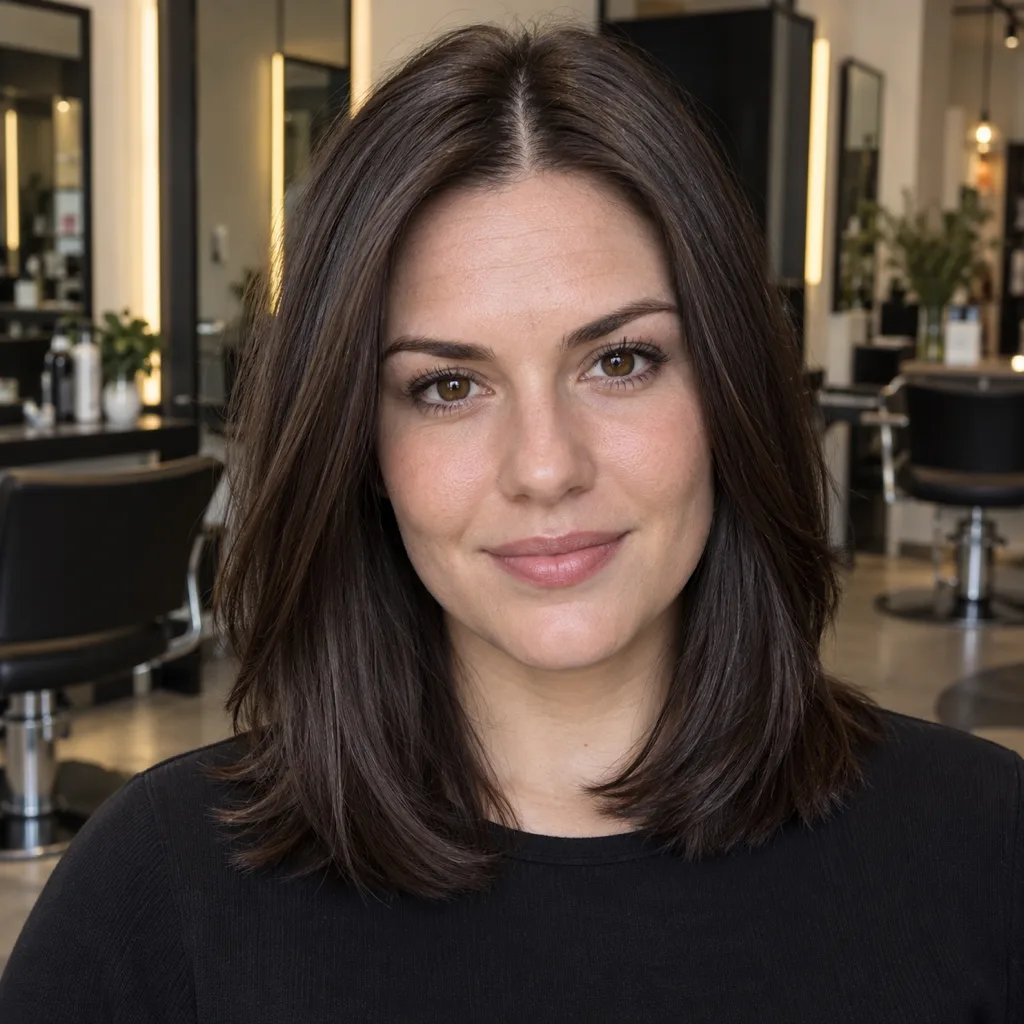
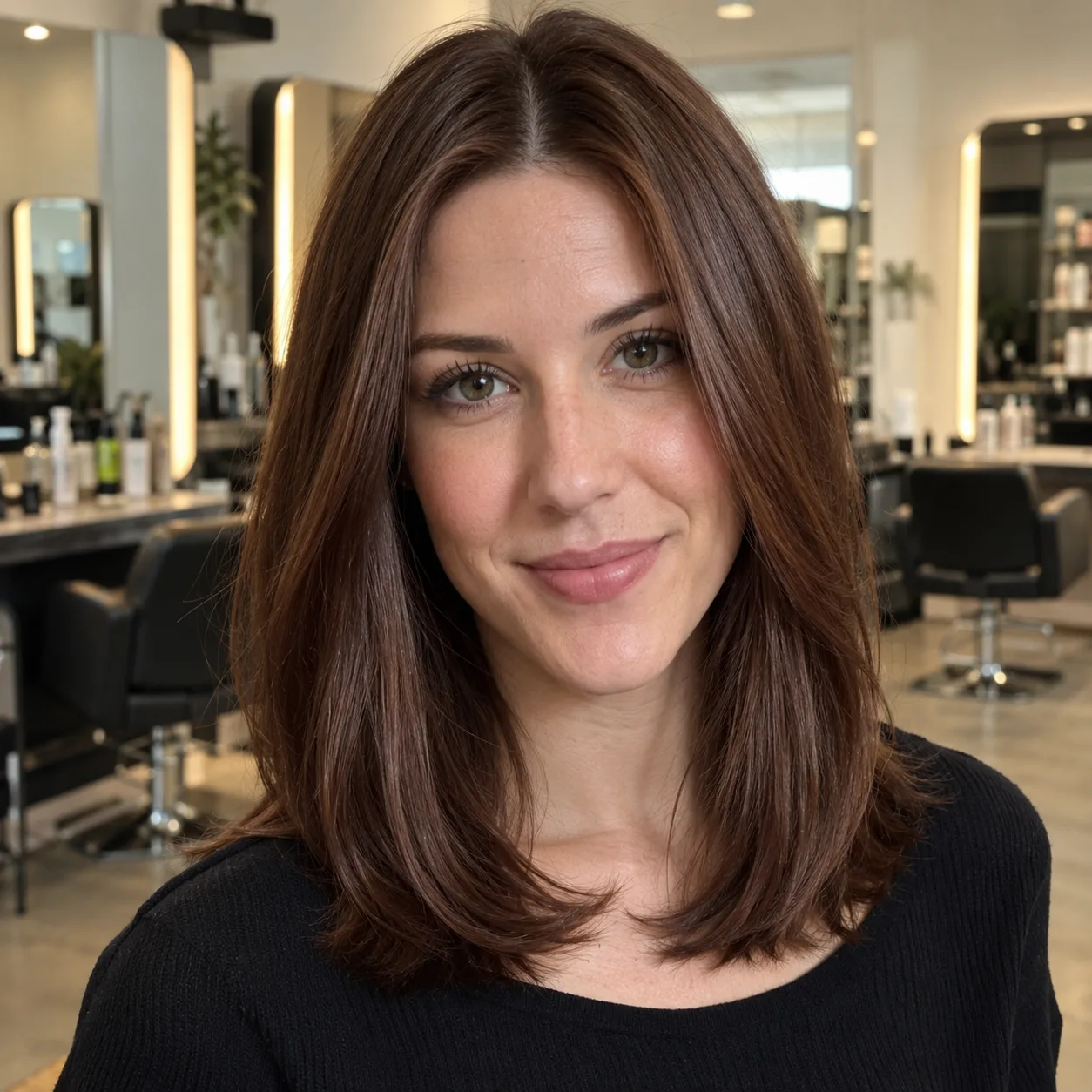
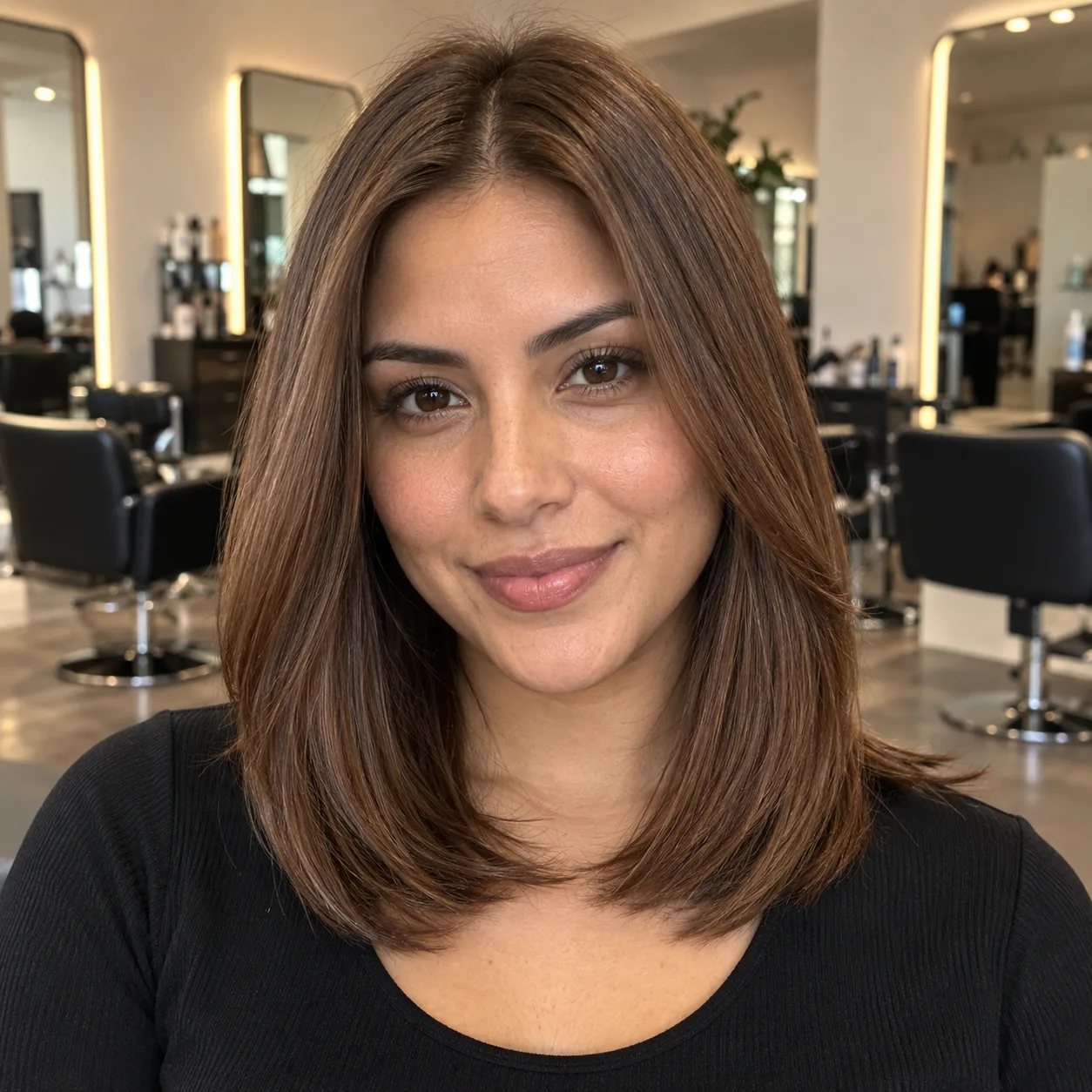
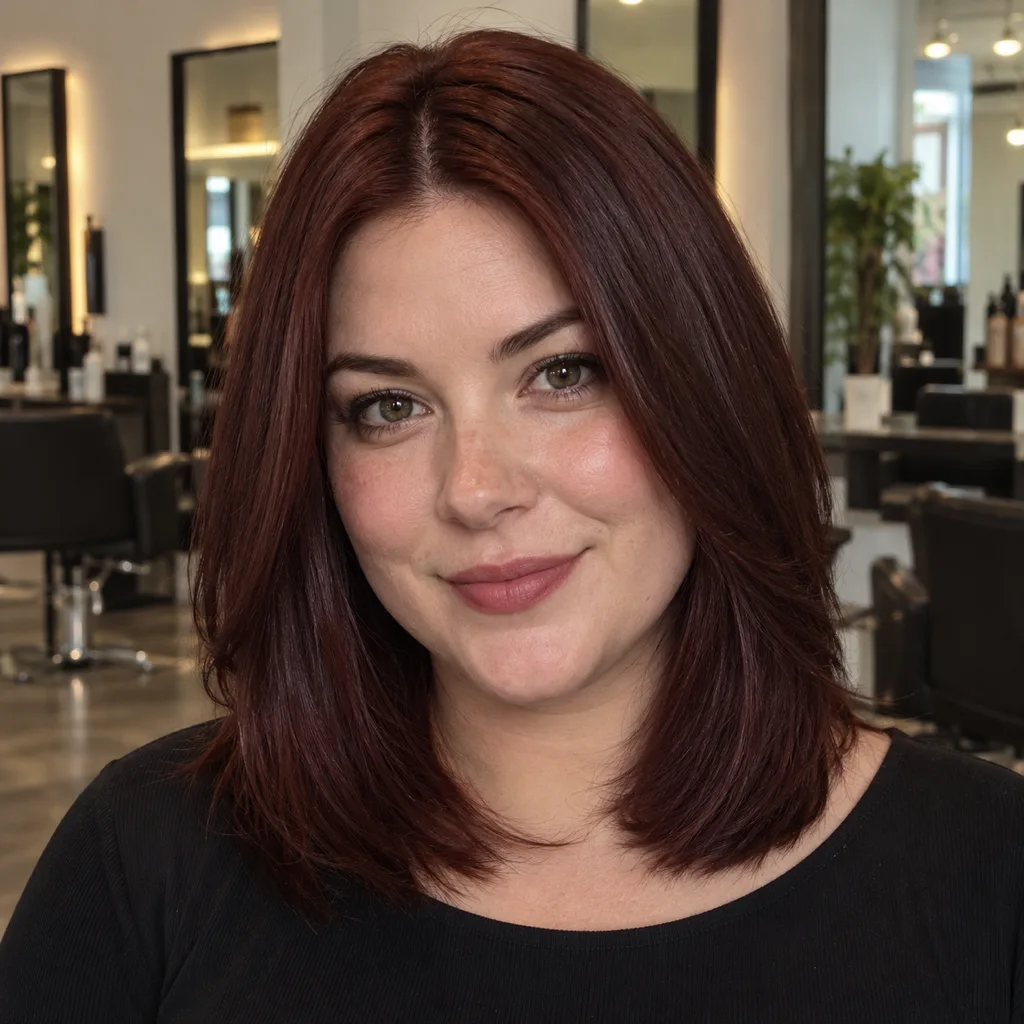
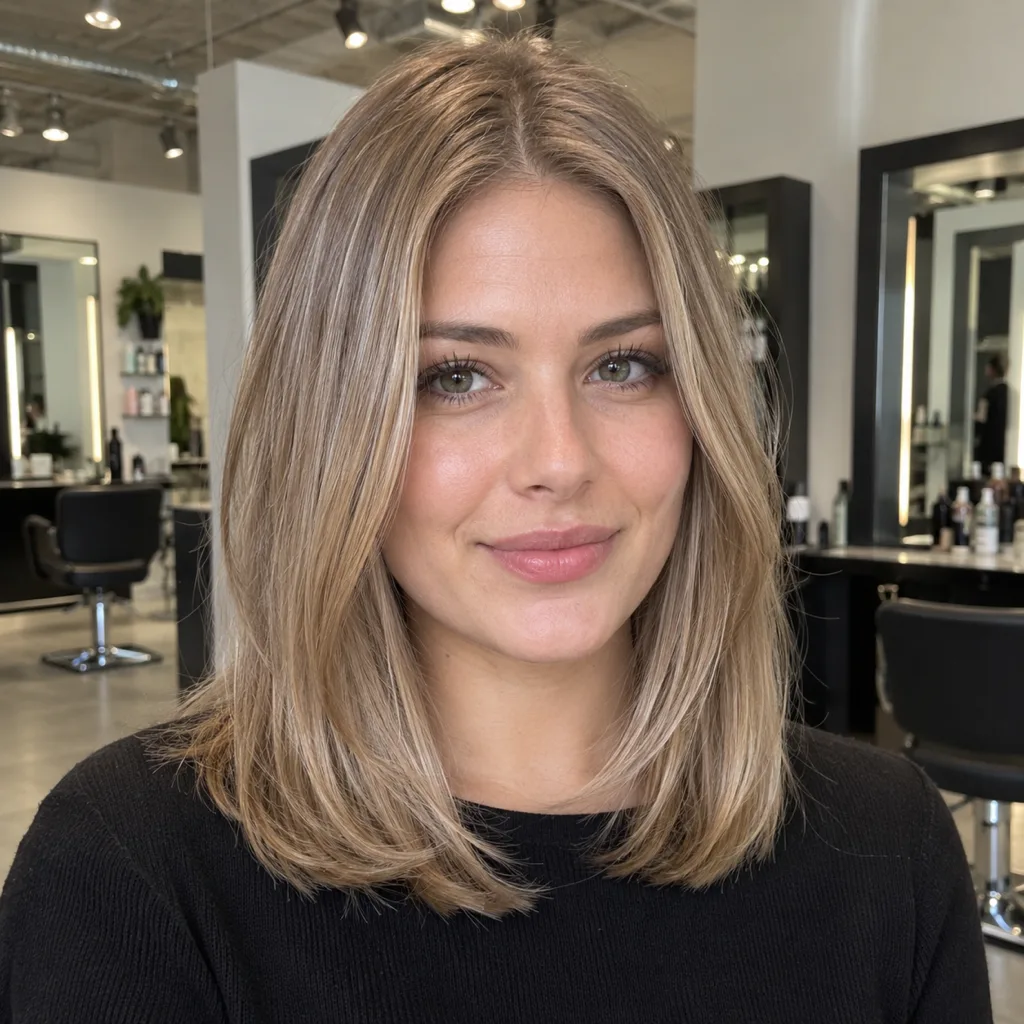
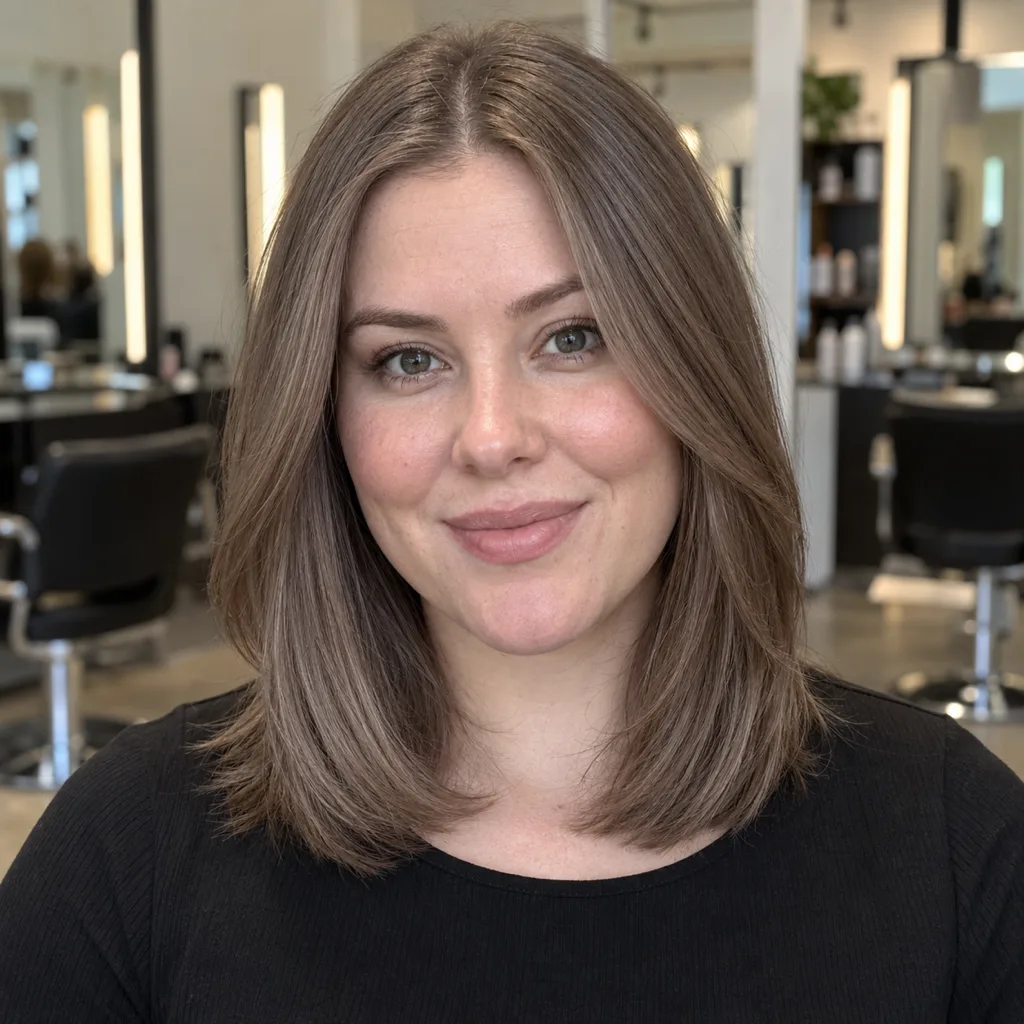
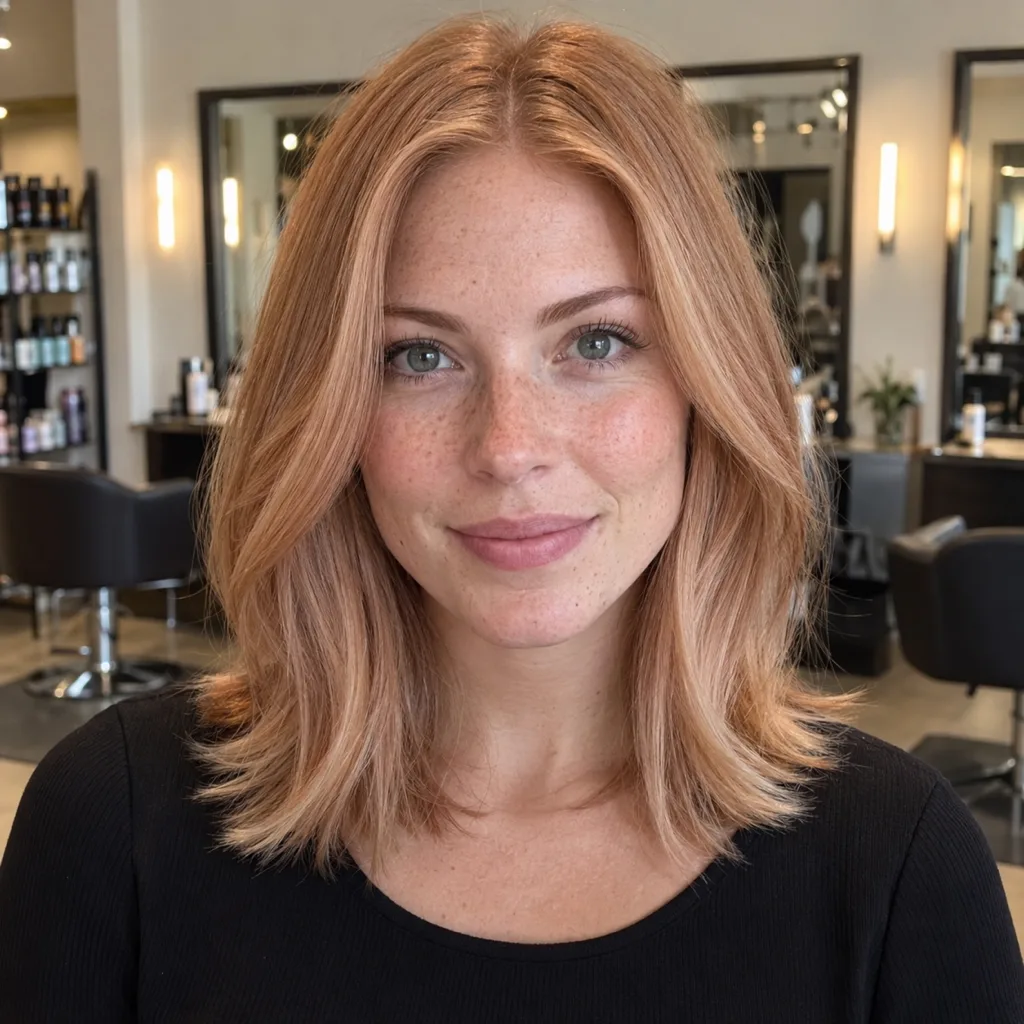
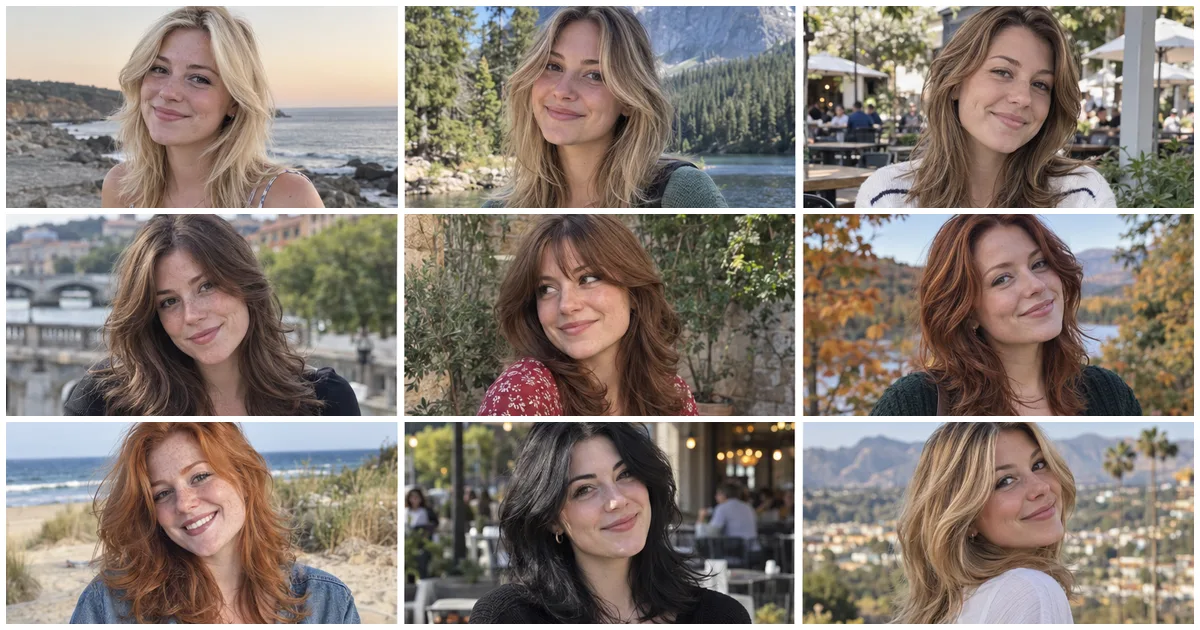
Every woman below has the same shoulder-grazing cut and the same glossy finish. Only the color changes. All fourteen are shades an ammonia-free formula can hit on a suitable starting color: deeper, richer and warmer tones land easily, while the lightest ones assume hair that is already light brown or blonde.
Gallery14 photos · tap to enlarge
 Try this on me
 Try this on me
 Try this on me
 Try this on me
 Try this on me
 Try this on me
 Try this on me
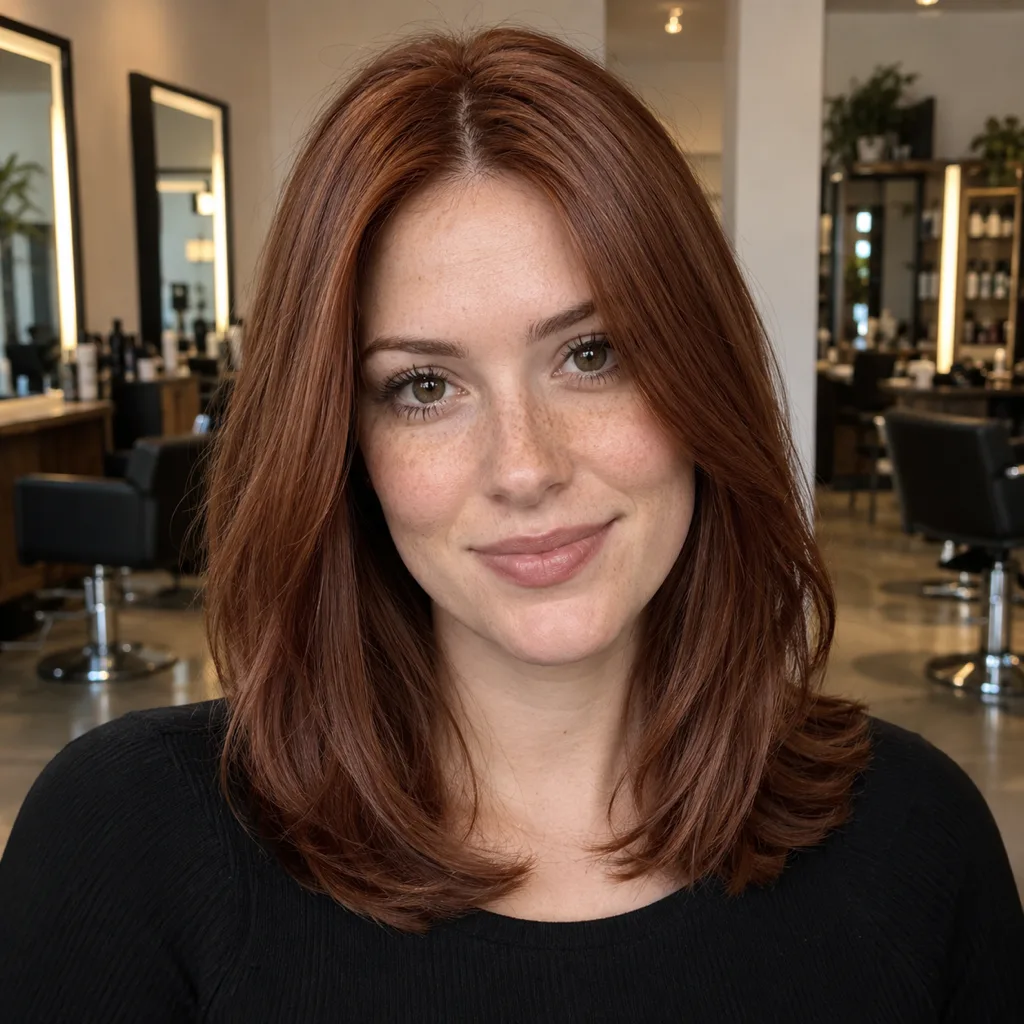 Try this on me
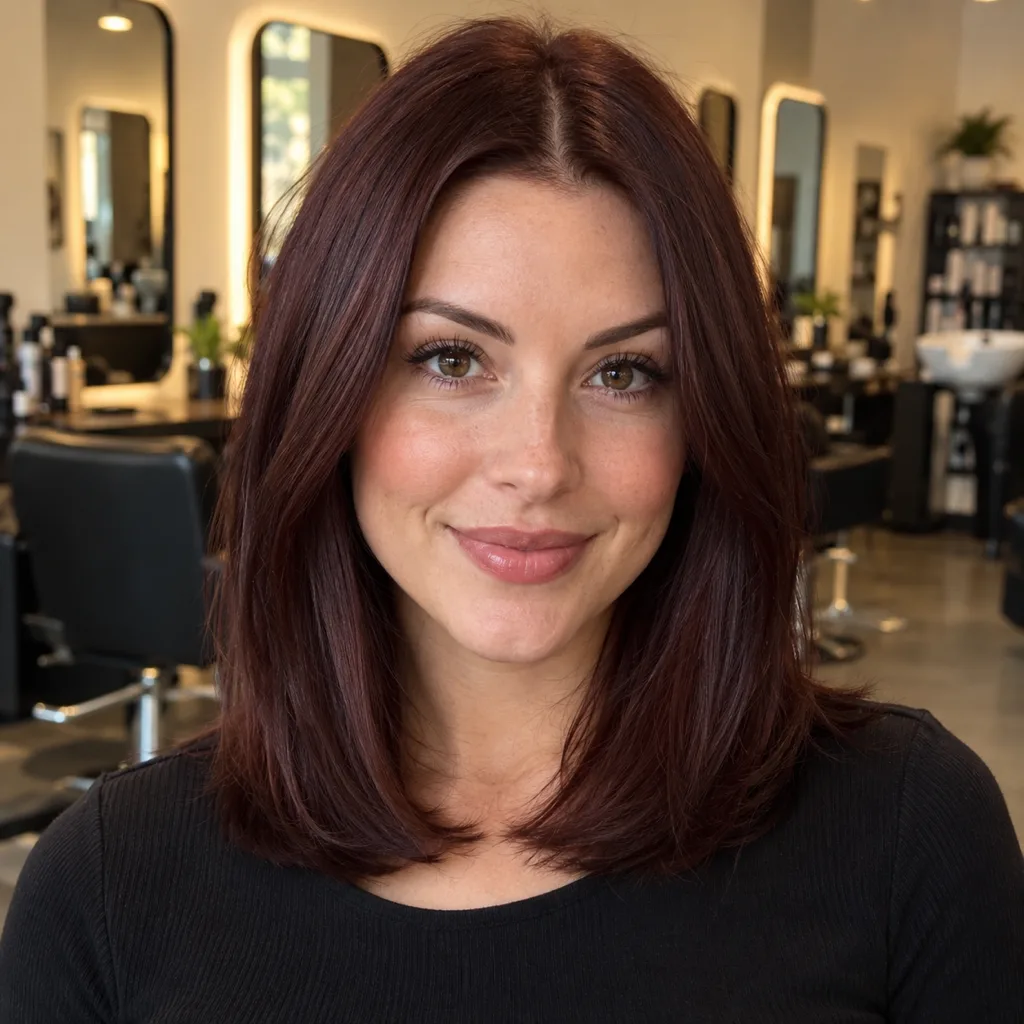 Try this on me
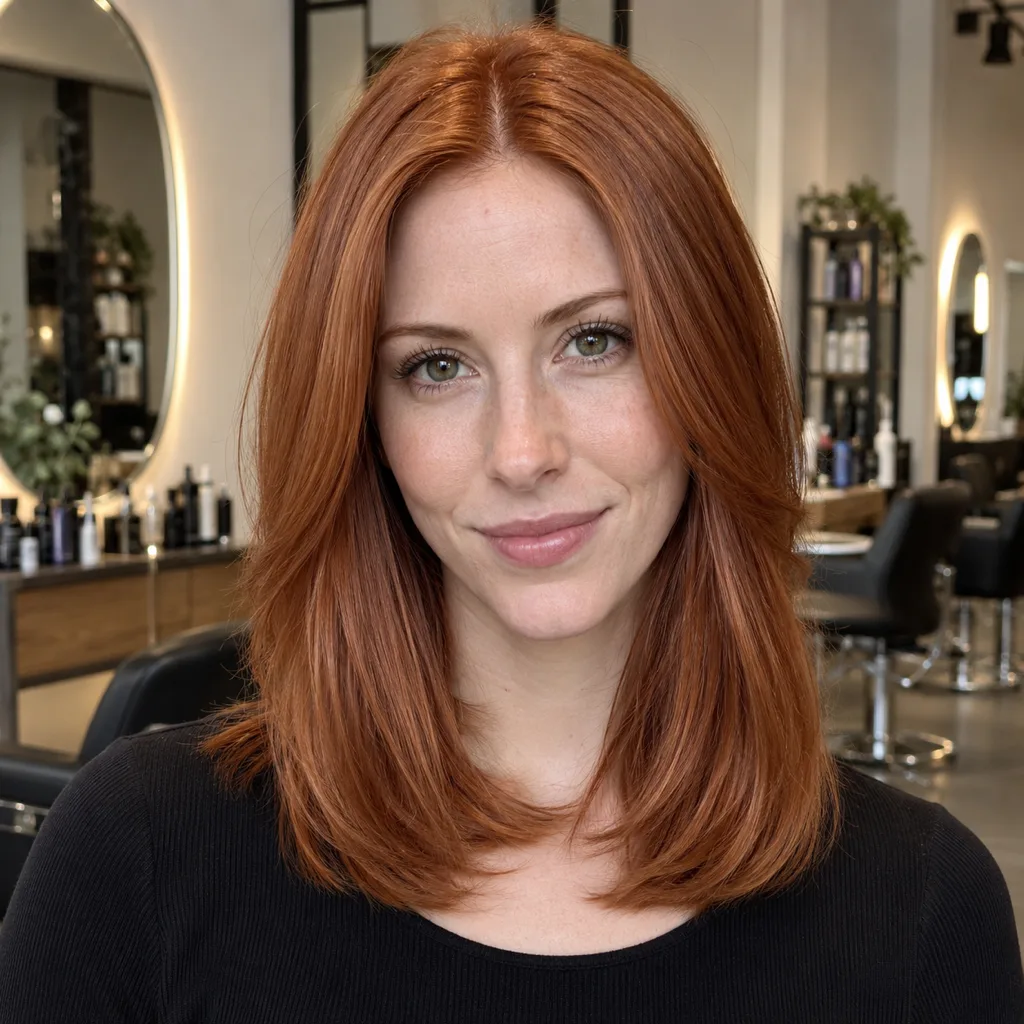 Try this on me
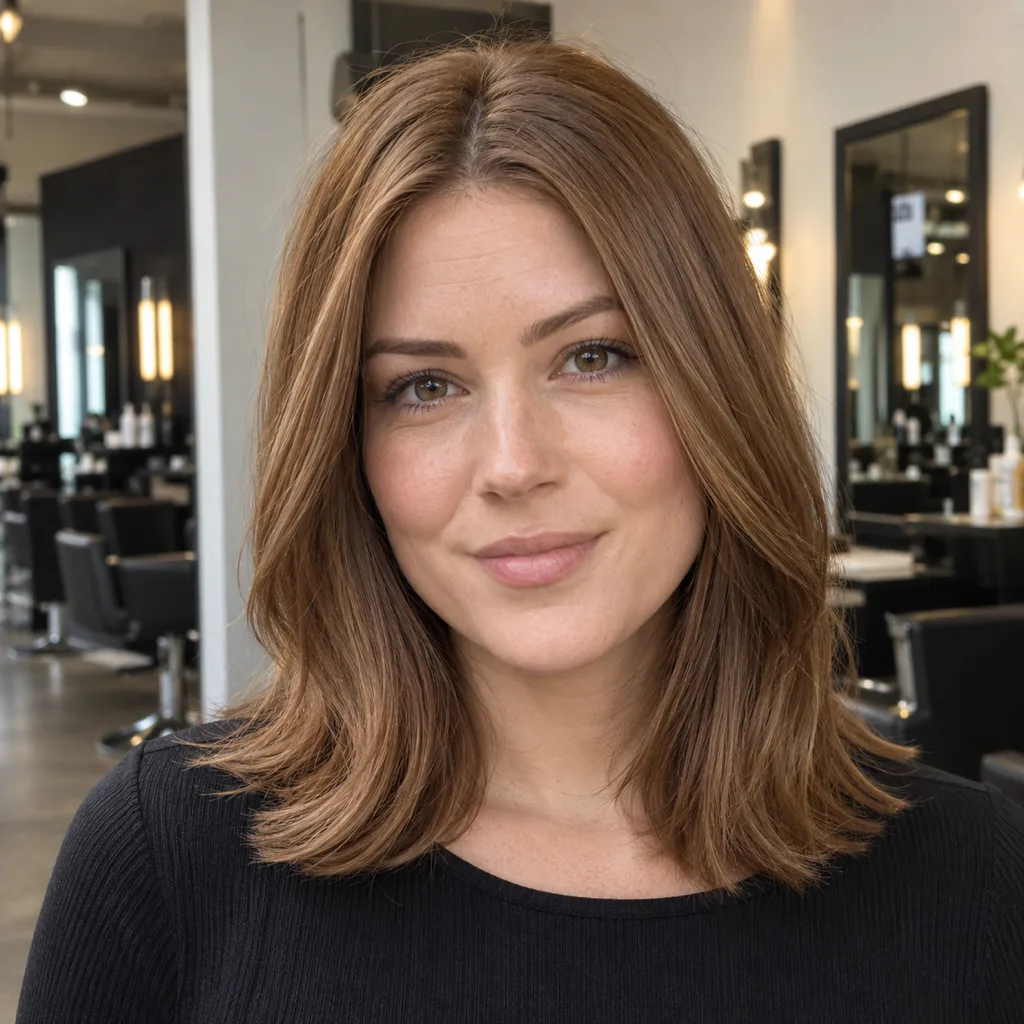 Try this on me
 Try this on me
 Try this on me
 Try this on me
If one of these is the one, you can try the shade on your own photo before you buy a box.
Is ammonia-free hair dye right for you?
It depends on where your hair is now and where you want it to go. Ammonia-free shines when you are moving darker, richer or warmer. It struggles when you need real lift.
| Your goal | Does ammonia-free work? | Pick |
|---|---|---|
| Go darker or richer | Yes, the best case | Ammonia-free permanent or demi |
| Refresh faded color or tone brass | Yes | Ammonia-free demi or gloss |
| Blend early grays | Yes | Ammonia-free demi |
| Fully cover lots of gray | Often, varies by brand | Ammonia-free permanent, check the box claim |
| Go one or two shades lighter | Sometimes, expect warmth | Ammonia-free permanent, strand test first |
| Go three or more shades lighter | No | Classic permanent or bleach |
| Avoid an allergic reaction | No help on its own | Patch test, talk to a dermatologist |
Going darker or richer
This is where ammonia-free dye earns its place. You are depositing color, not removing it, so the gentler formula has nothing to fight. Brown to deeper brown, faded red back to red, and mid brown to cherry cola all land well and come out glossy.

If a deeper shade is what you are after, our guide to demi permanent hair color covers the gentlest version of this move.
Covering grays
Early, scattered grays are easy: an ammonia-free demi blends them into soft lowlights instead of painting over them, so regrowth looks gentle. Heavy, wiry gray is harder, because gray hair has a tight cuticle and needs a formula strong enough to open it. Ammonia-free permanents marketed for full coverage can do it, but results vary more between brands than with classic dye.
If you are thinking about stopping dye instead, read our grey hair transition guide before you buy another box.
Going a little lighter
A softer formula means softer lift. Ammonia-free permanents can move natural hair a shade or two lighter, and the result usually lands warm: golden, copper or slightly orange on dark hair. On hair that is already light brown, that warmth can be exactly the point.

Going a lot lighter
No ammonia-free dye will take dark brown hair to blonde. That job needs ammonia-based high lift color or bleach, and our bleached hair guide covers what that does to your strands. If you want lightness without lifting everything, brown hair with blonde highlights is the gentler route.
Yours could be here.
Start with one selfie.
One photo, twenty seconds, and you'll know. Free account, no card for your first render.
Best ammonia-free hair dye brands
These are well-known lines that are sold as ammonia-free. Check the current box or product page before you buy, since formulas change.
| Brand and line | Type | Good for |
|---|---|---|
| Garnier Olia | Permanent, oil-based, at home | Darker shades, early grays |
| Clairol ColorStrong Zero Ammonia | Permanent, at home | Gray coverage without fumes |
| Revlon ColorSilk | Permanent, at home | Budget all-over color |
| L'Oreal Paris Casting Creme Gloss | Demi style, fades over weeks | Gloss, deepening, blending |
| Madison Reed | Permanent, at home | Sold as free of ammonia and PPD |
| Naturtint | Permanent, at home | Plant-enriched formula |
| L'Oreal Professionnel INOA | Permanent, salon | Salon color without fumes |
| Redken Shades EQ | Acidic demi gloss, salon | Toning and shine |
| Wella Color Touch | Demi, salon | Blending grays, refreshing tone |
Madison Reed is the useful outlier for sensitive scalps, since it is sold without PPD. It still uses other oxidative dye ingredients, so the patch test rule does not go away.
Mistakes that cost you the color
- Buying ammonia-free to go blonde. You get warm, brassy brown and a second box. If the goal is three or more shades lighter, ammonia-free is the wrong product.
- Skipping the patch test because the box sounds gentle. The allergen in most reactions is the dye, not the ammonia. Test 48 hours ahead, every time.
- Choosing the shade from the box photo. The model on the box started from a different color than you. Pick a shade at your depth or darker and expect it to come out a touch deeper.
- Leaving it on longer to get more lift. Ammonia-free formulas do not keep lifting with extra time. You just get more dryness.
- Using demi on heavy gray and expecting full coverage. It blends, then fades. Use a permanent formula built for coverage.
How to use ammonia-free hair dye at home
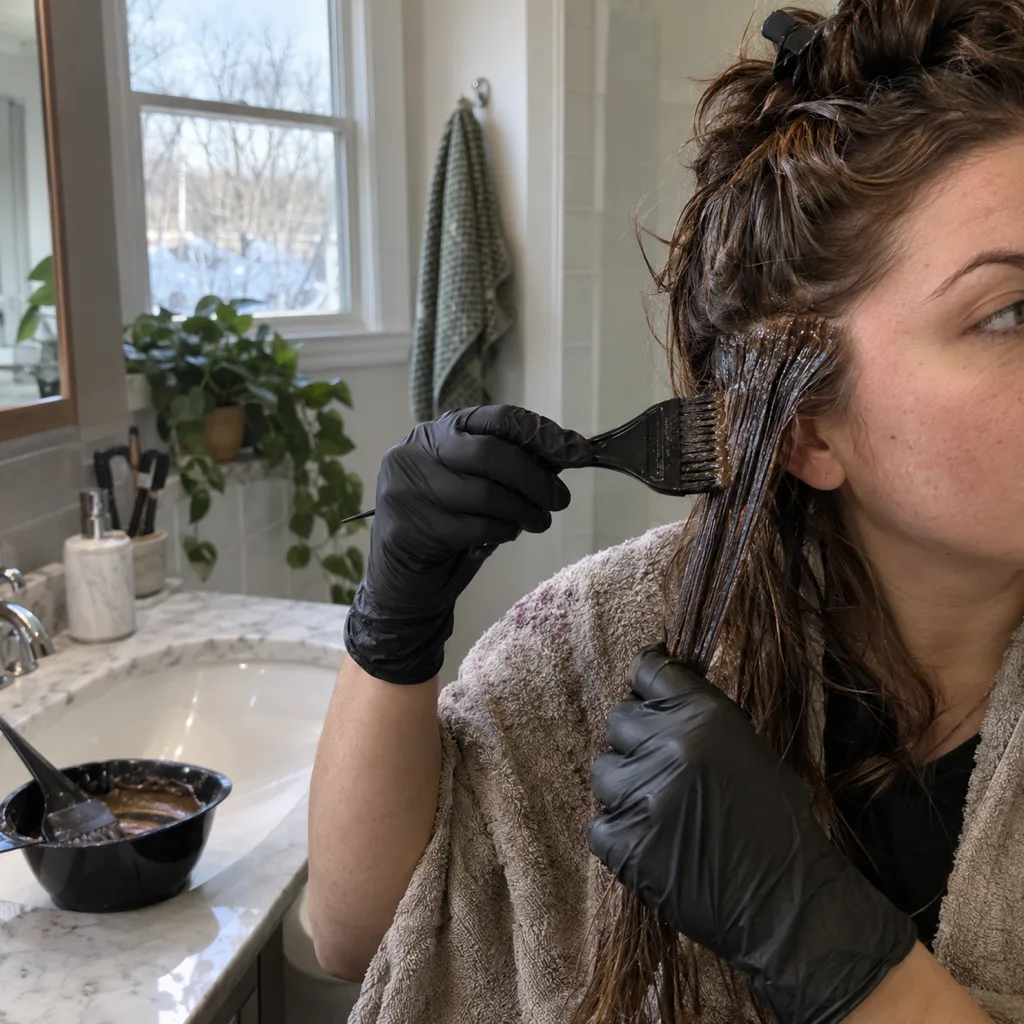
How to use ammonia-free hair dye at home
- Patch test 48 hours before
Dab a little mixed color on the inside of your elbow or behind your ear and leave it for two days. Any itching, redness or swelling means do not use it.
- Strand test the shade
Color a small hidden section first. It shows how deep and how warm the shade really lands on your hair.
- Start with dry, unwashed hair
Hair washed a day or two before has a little natural oil, which protects the scalp. Remove any heavy styling product.
- Apply evenly, roots last on refreshes
Section the hair and work the color through with a tint brush. On a regrowth touch up, apply to the roots and pull it through the ends only for the last few minutes.
- Time it, then rinse cool
Follow the box time exactly. Rinse until the water runs clear, then use the conditioner that came with the kit.
The line to say at the salon:
Say this to your barber
I want an ammonia-free color at my natural depth or darker, no lift, with a glossy finish.
Can you see the shade on yourself first?
The manual method above is the right one: patch test, strand test, pick a shade at your depth or darker. Its one wall is that a strand test shows the color on a lock of hair, not around your face, and the box photo shows it on someone else. Not sure what suits your coloring? The hair color quiz and the skin undertone test narrow it down, and a try-on shows the shade on your own face.
Ammonia-free hair dye is the better pick when you want darker, richer or glossier color, or when classic dye fumes give you a headache. It is not safer by default: the alkaline job still gets done, and the allergens are usually still there. Match the product to the move. Going deeper, use ammonia-free. Going much lighter, use something stronger and look after your hair. Either way, patch test first.
Frequently asked questions
Popular ammonia-free lines include Garnier Olia, Clairol ColorStrong Zero Ammonia, Revlon ColorSilk, L'Oreal Paris Casting Creme Gloss, Madison Reed and Naturtint for home use. Salons use lines such as L'Oreal Professionnel INOA, Redken Shades EQ and Wella Color Touch.
It is better for comfort: no harsh fumes, and many people find it gentler on the scalp. It is not automatically better for hair health, because the substitute alkali still opens the cuticle, and it lifts less than ammonia dye. It is the better choice when you are going darker or richer.
Yes. Garnier Olia is a permanent, oil-based hair color sold as ammonia-free. It covers grays and comes in a wide range of shades.
The best one depends on your goal. For permanent color and gray coverage at home, Garnier Olia and Clairol ColorStrong Zero Ammonia are common picks. For gloss, toning or a softer fade, a demi such as L'Oreal Casting Creme Gloss or a salon gloss like Redken Shades EQ fits better.
The gentlest options deposit color without lifting: semi permanent and demi permanent dyes, which use little or no developer. Pure henna is plant-based but stains for good and can clash with later chemical dye, so it suits people who plan to stay with it.
No brand is safe for everyone, because the risk is an individual allergy to dye ingredients such as PPD. A PPD-free formula like Madison Reed can help some people, but you still need a patch test 48 hours before every application.
Plant dyes such as pure henna and indigo are the closest you can get. Henna alone gives red to copper, and henna followed by indigo gives brown to black. Check that the product is 100% plant powder, since some "black henna" contains PPD.
Box dye is one formula for every starting color, so it often lands darker, warmer or patchier than the photo, and layers build up over time. Stylists also see the corrective work it causes. A careful at-home user who strand tests and stays at their own depth or darker usually avoids the worst of it.
Preview it on your own photo: Virtual Hair Color Try-On.
Share article
About the author
More articles
Women's Haircuts · 13 min
Heat Protectant for Curly Hair: Which One for Each Heat Tool
Curly hair needs a different heat protectant for a diffuser, a blowout and a flat iron. Match the product to your tool and curl type, apply it the right way, and keep your curl pattern.
Women's Haircuts · 14 min
4a Hair: What It Looks Like, Why It Shrinks and 14 Styles That Work
4a hair is the loosest type 4 texture, with round, springy coils that define on their own. How to tell it from 3c and 4b, why it looks shorter than it is, a wash-and-go that lasts days, 4a hair on men, and fourteen ways it is worn.
Women's Haircuts · 12 min
Medium Layered Haircuts: 14 Looks and Where Layers Should Start
Where your shortest layer starts matters more than how many layers you get. 14 medium layered haircuts compared, which suit your face shape and hair type, and the exact sentence to say in the chair.