Brown Hair With Blonde Highlights: 10 Ideas, 1 Rule
Oleh Onysko Updated 30 September 2026 15 min read
In this article
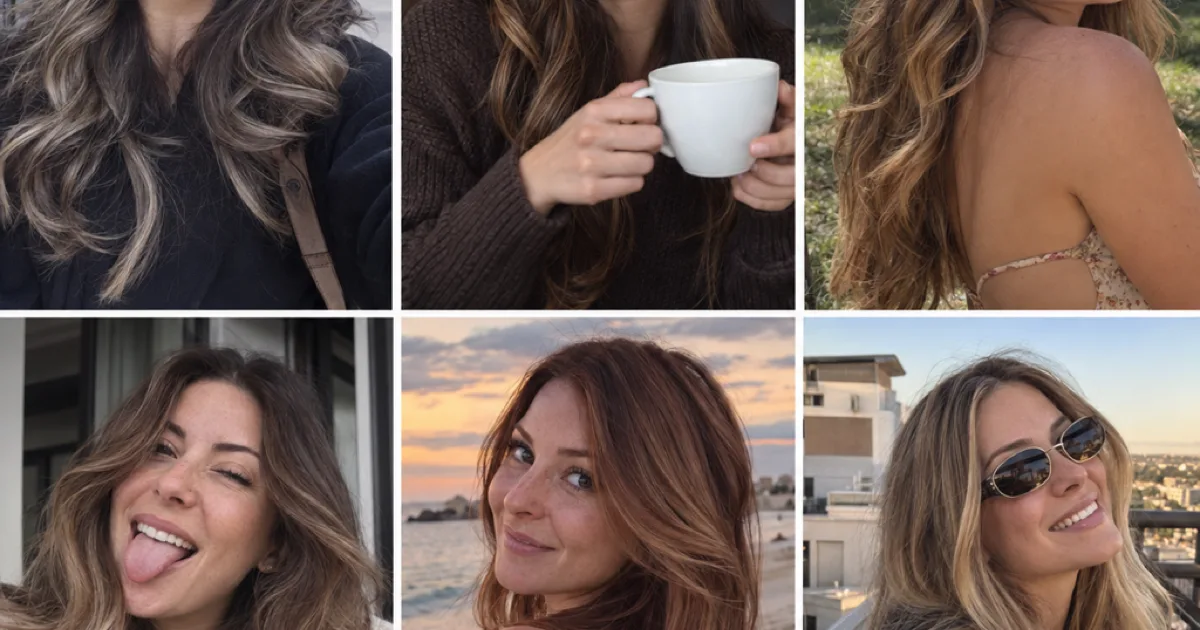
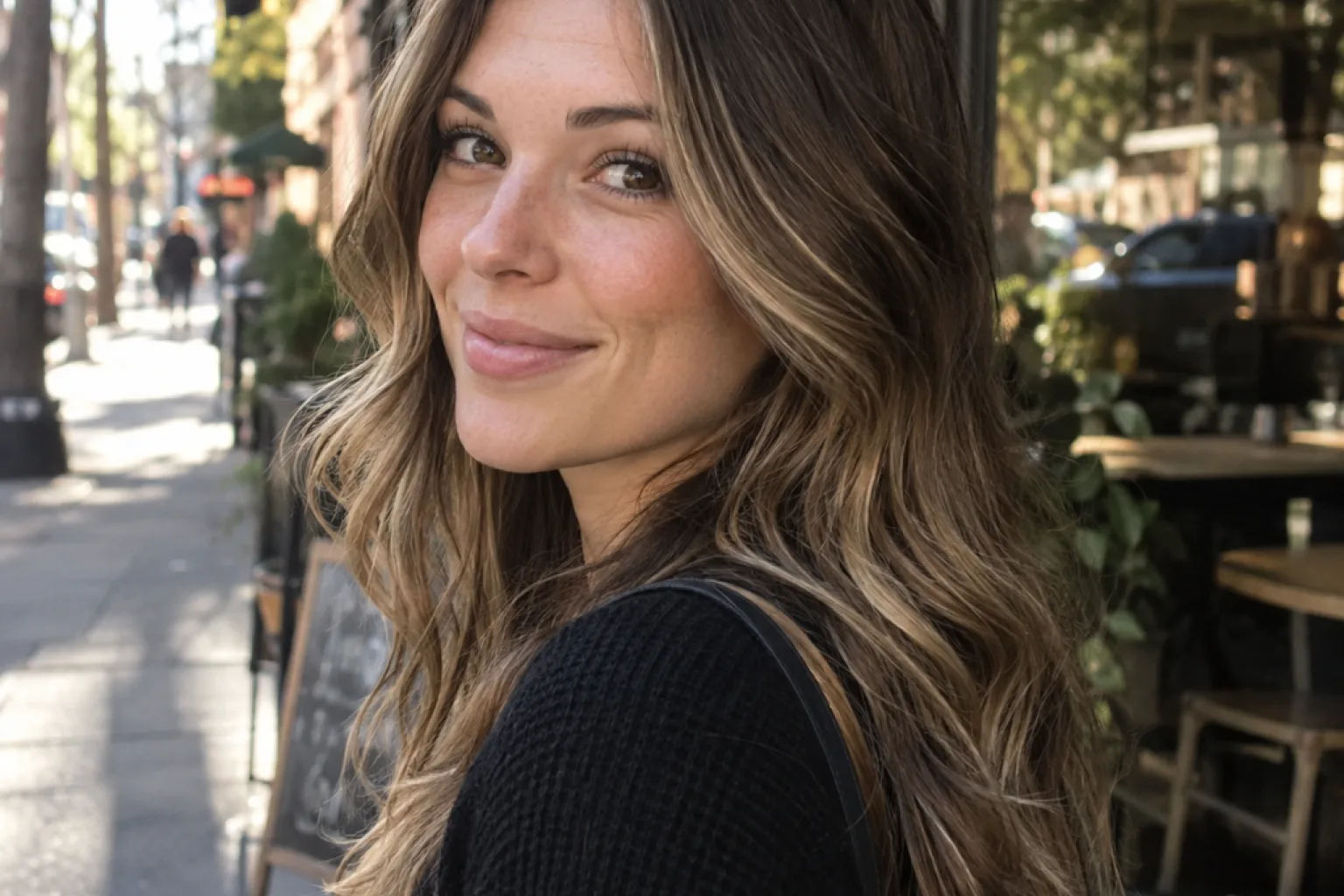
Brown hair with blonde highlights works when the blonde sits two to four shades above your natural base, and it falls apart when it sits six or seven above. That gap is the whole decision. Everything else - the shade name your colorist writes on the ticket, foils versus balayage, warm versus cool - is downstream of it.
Most people pick highlights the wrong way round. They save a photo, take it to the salon, and ask for that color. But the photo shows somebody else's base brown underneath, and the same blonde painted over a darker base reads as stripes instead of sun. Pick the gap first, then pick the shade.
The contrast gap decides whether it looks expensive
Colorists number hair on a scale of 1 to 10, where 1 is black and 10 is the palest blonde. Your natural brown is somewhere between 3 and 7. A highlight is just a piece of hair lifted some number of levels above that base, and the size of the jump is what your eye reads first.
- Two to three levels up. Reads as sunlight. Nobody can tell where your hair ends and the color begins. This is what "expensive brunette" and most balayage on Instagram actually is.
- Four to five levels up. Reads as a deliberate, obvious highlight. Still blended if the placement is good, but everybody knows you went to a salon.
- Six or more levels up. Reads as bleach. It needs lowlights woven back in or it separates into two distinct colors sitting next to each other. If you would rather take the whole head that far, see what an all-over bleach can reach from brown before you book it.
None of those is wrong. The mistake is wanting the first one and asking for the third. If you want your hair to look like you spent August on a boat, the blonde is closer to your base than you think - caramel on dark brown, not platinum on dark brown.
Ask for the number, not the name. "Three levels lighter than my base, warm" gets you a better result than "beachy blonde".
Match the highlights to how dark your base is
This is the one thing readers differ on, and it changes every other decision. Find your base, then read that row.
| Your base | Blonde that works | Lift needed | What it costs you |
|---|---|---|---|
| Dark brown, level 2 to 3 | Caramel, toffee, deep honey | 3 to 4 levels | Warmth is unavoidable; fighting it costs a toner every 6 weeks |
| Medium brown, level 4 to 5 | Honey, golden, light bronde | 2 to 4 levels | The easiest base of the three; one session, soft regrowth |
| Light brown, level 6 to 7 | Butter, beige, creamy blonde | 1 to 3 levels | Cheapest to lift, but flattens fast without lowlights |
Dark brown, level 2 to 3
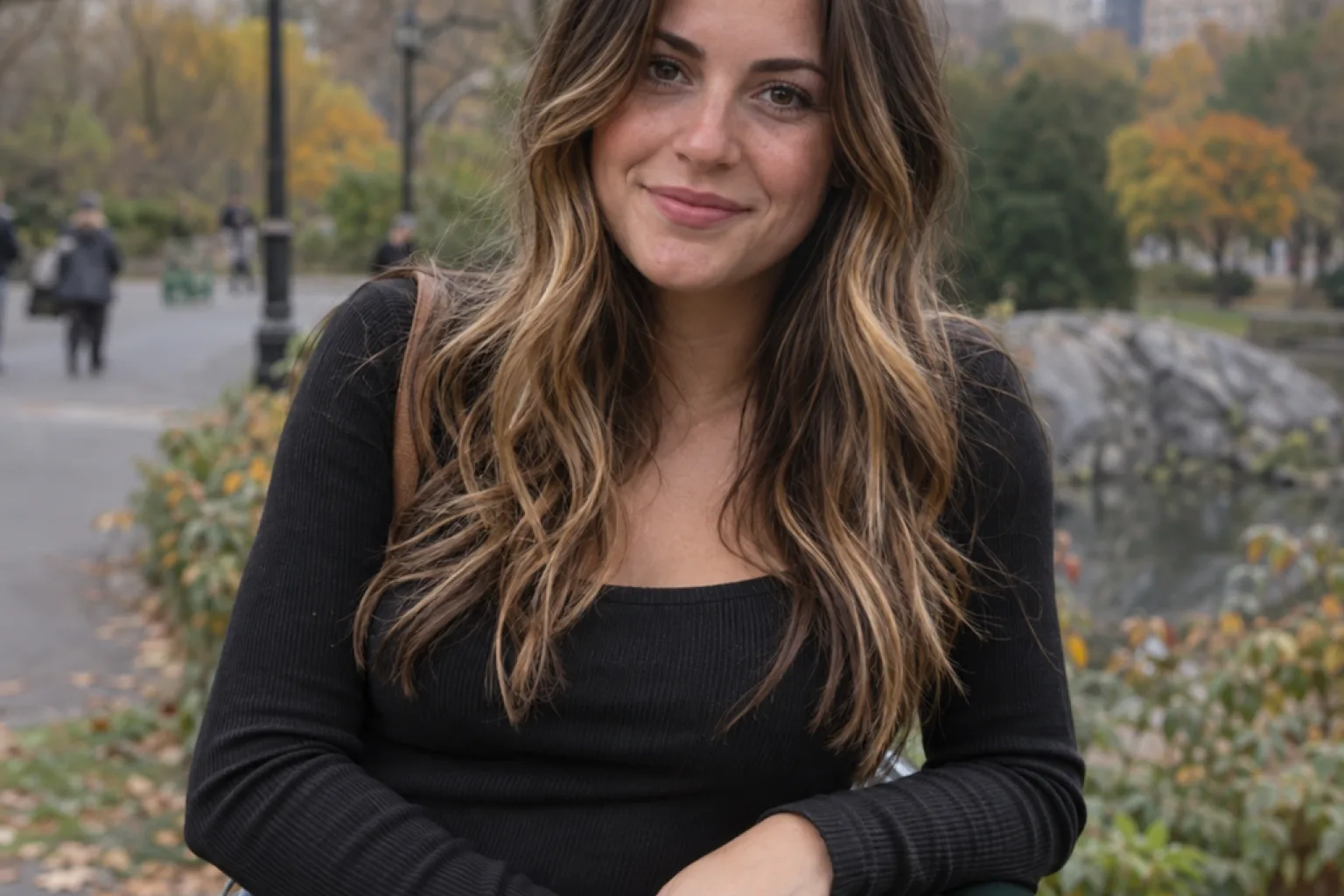
Dark brown carries a lot of underlying red and orange pigment. Lift it and that pigment shows up first, which is why dark hair goes brassy on the way to blonde rather than skipping straight there. Work with it: caramel and toffee sit right where dark hair naturally lands after three or four levels of lift, so they need almost no toner to look intentional.
What fails on this base is ash. Cool blonde on dark brown means lifting past the orange stage, which is two sessions and a lot of toner, and it still turns warm again in four weeks. If you want ash, either start higher up or accept a standing toner appointment.
Keep the brightest pieces from the cheekbone down. Bright color right at the part on a level 3 base gives you a hard line at the root the moment it grows, and dark regrowth against bleached hair is the most obvious regrowth there is.
Medium brown, level 4 to 5
The forgiving base. Two to four levels of lift lands you in honey and golden blonde without going through a fight, one session does it, and regrowth blurs instead of banding because the gap is small.
This is also the base where a layered cut pays for itself twice over. Highlights follow the layers, so every piece that moves shows a different tone. Flat one-length hair on a medium base hides half the money you spent.
Light brown, level 6 to 7
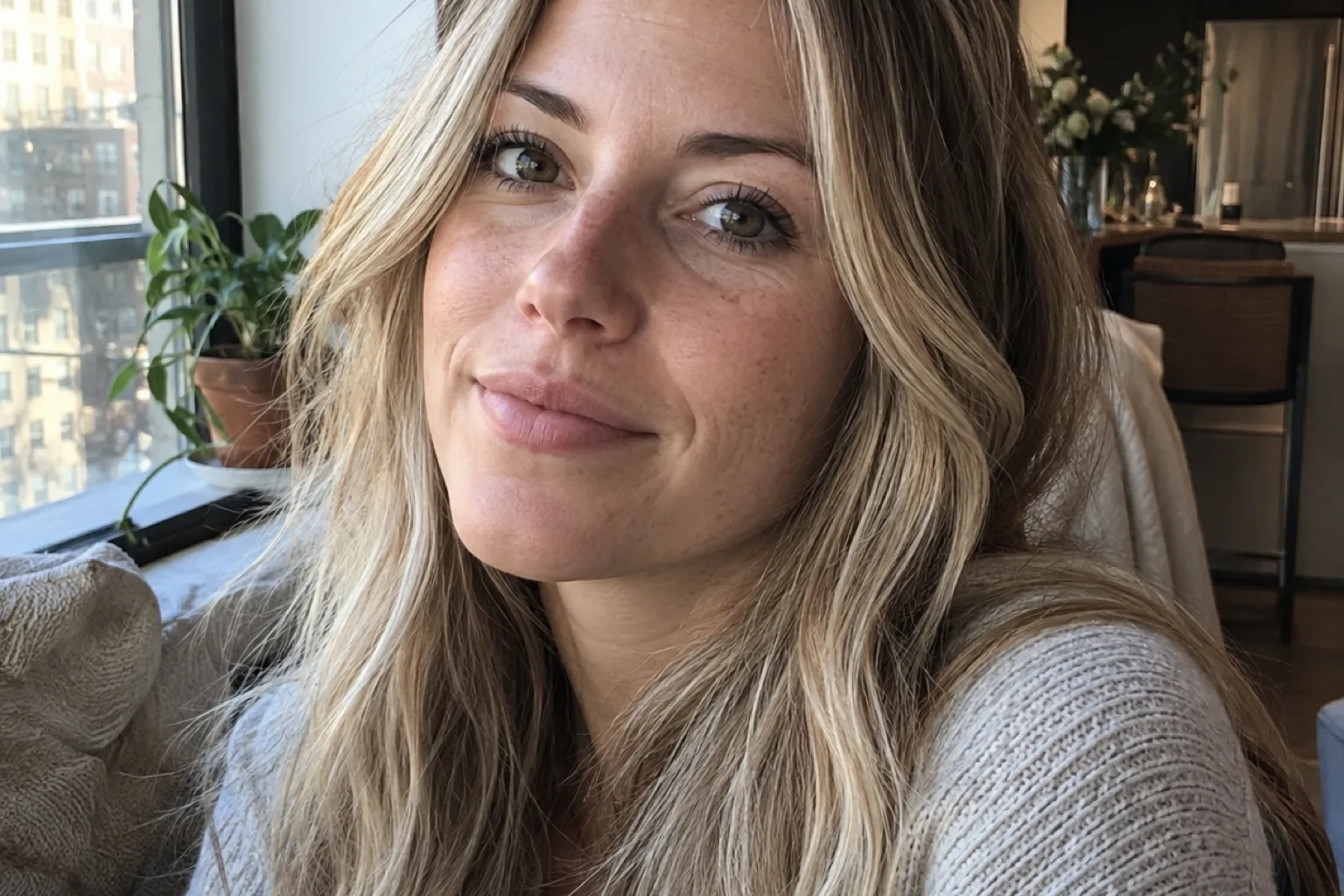
You barely need to lift at all, which makes this the cheapest base to highlight and the easiest one to ruin. Two levels up from light brown is already a convincing blonde, so people keep going and end up with a full head of blonde and no brown left to contrast against.
The fix is restraint plus lowlights. Take fine babylights through the top section, leave the underneath alone, and put a mocha lowlight back in every third or fourth appointment. Without that, light brown with blonde highlights collapses into a flat, slightly yellow single tone within two color appointments.
Pick the blonde by your skin, not by the photo
Hold the inside of your wrist under daylight. Blue or purple veins mean cool undertones; green veins mean warm; a mix means neutral, and you can wear either.
- Cool skin: beige, mushroom, ash-leaning blondes. Golden tones on cool skin read as sallow.
- Warm skin: honey, caramel, golden. Ash on warm skin drains the face and shows every bit of redness.
- Neutral skin: almost anything, so choose by base depth instead, using the table above.
One extra rule that gets ignored: the pieces nearest your face are the only ones your skin is actually judged against. If you are unsure, go warmer everywhere except the front two sections and keep those neutral.
10 brown hair with blonde highlights ideas
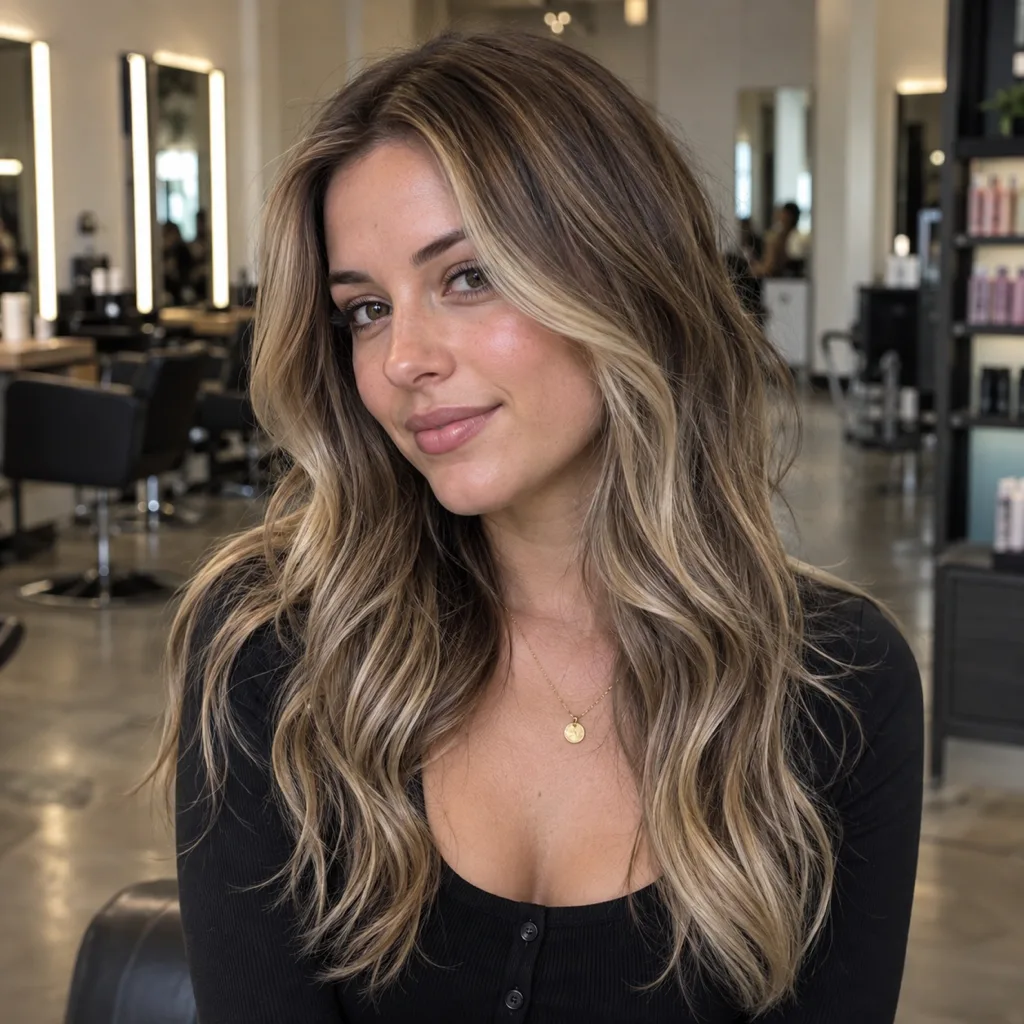
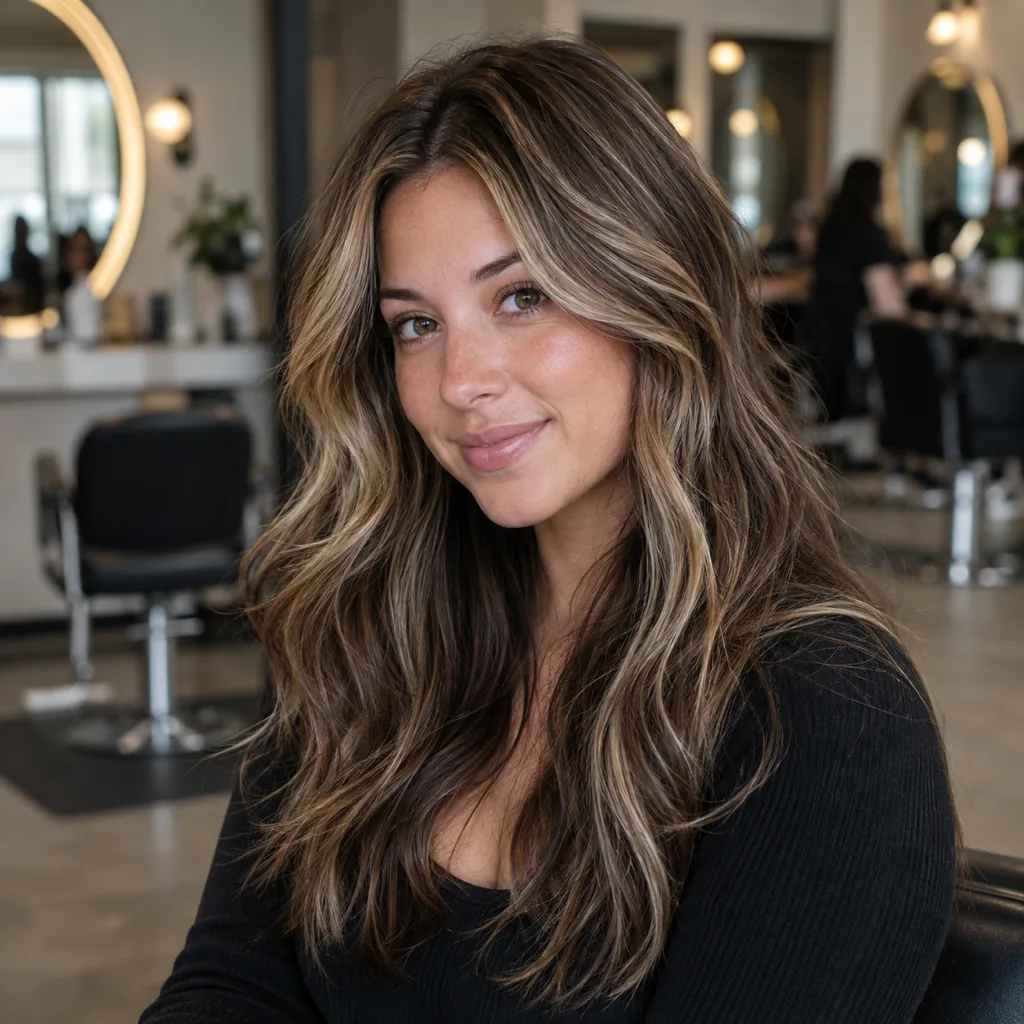
Sorted by base depth, from the darkest brown to the lightest, so you can find your own starting point rather than somebody else's. The base changes in every picture; the placement principle does not.
Gallery10 photos · tap to enlarge
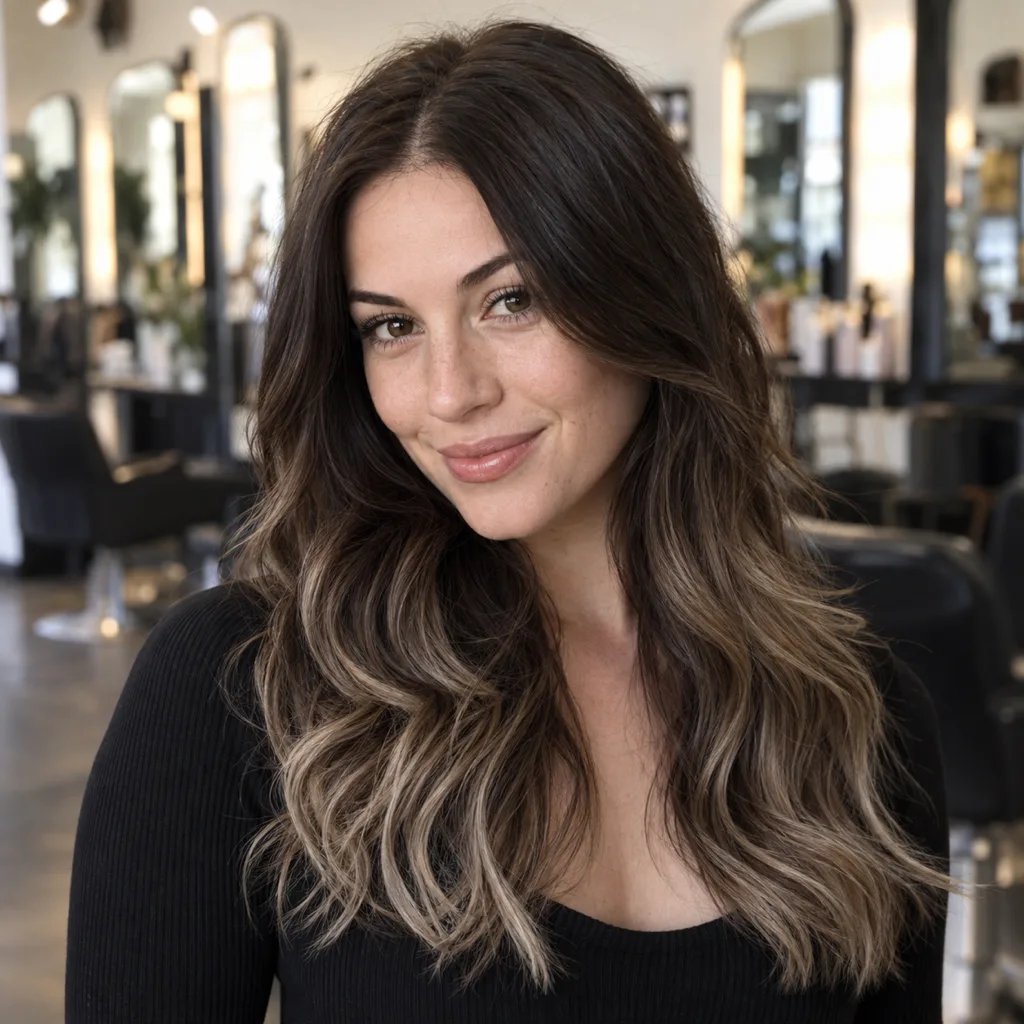 Try this on me
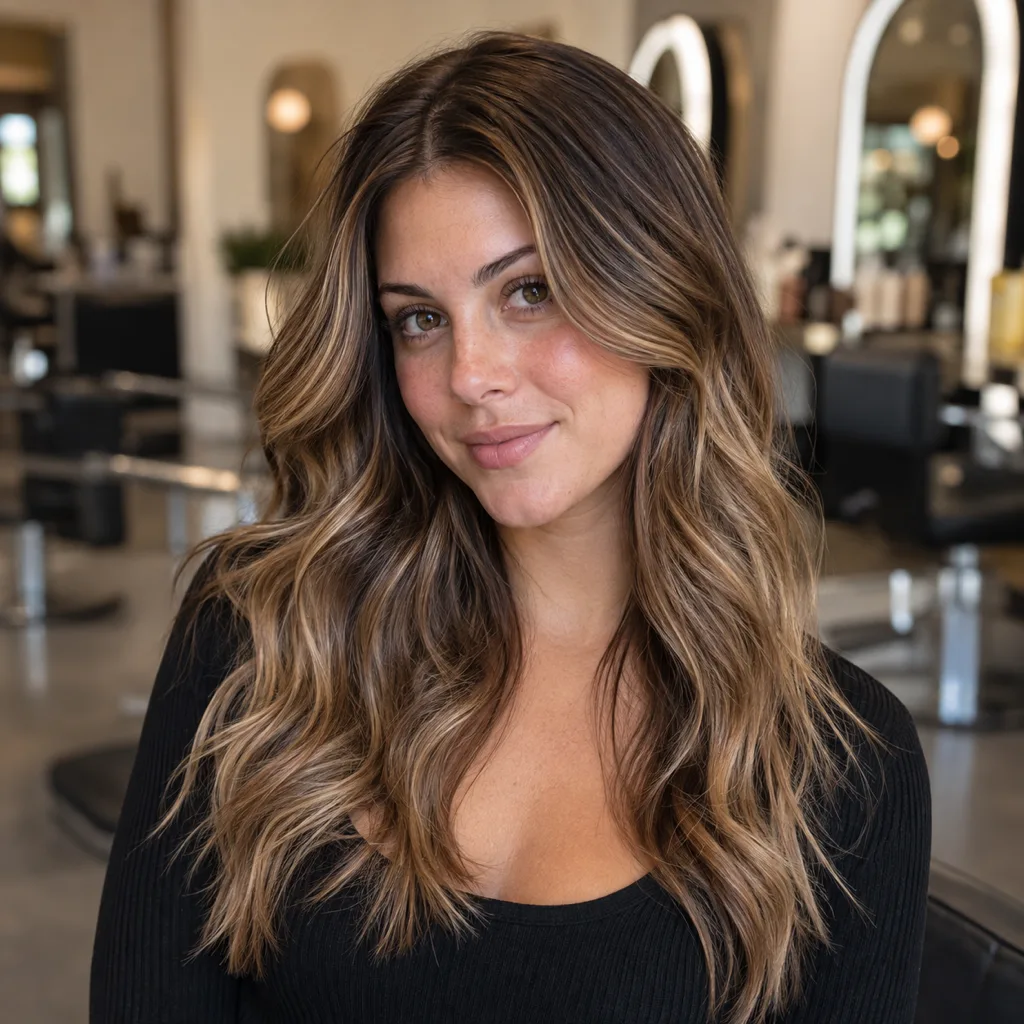 Try this on me
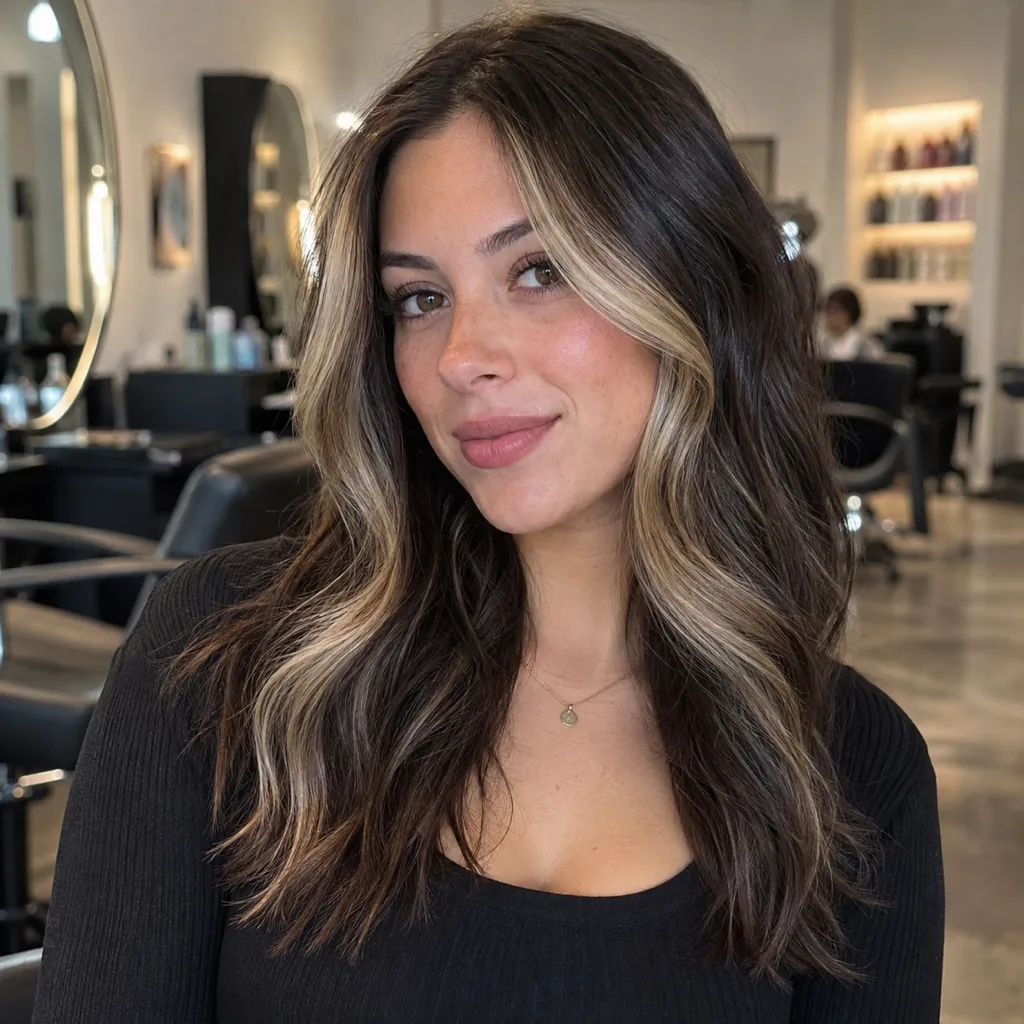 Try this on me
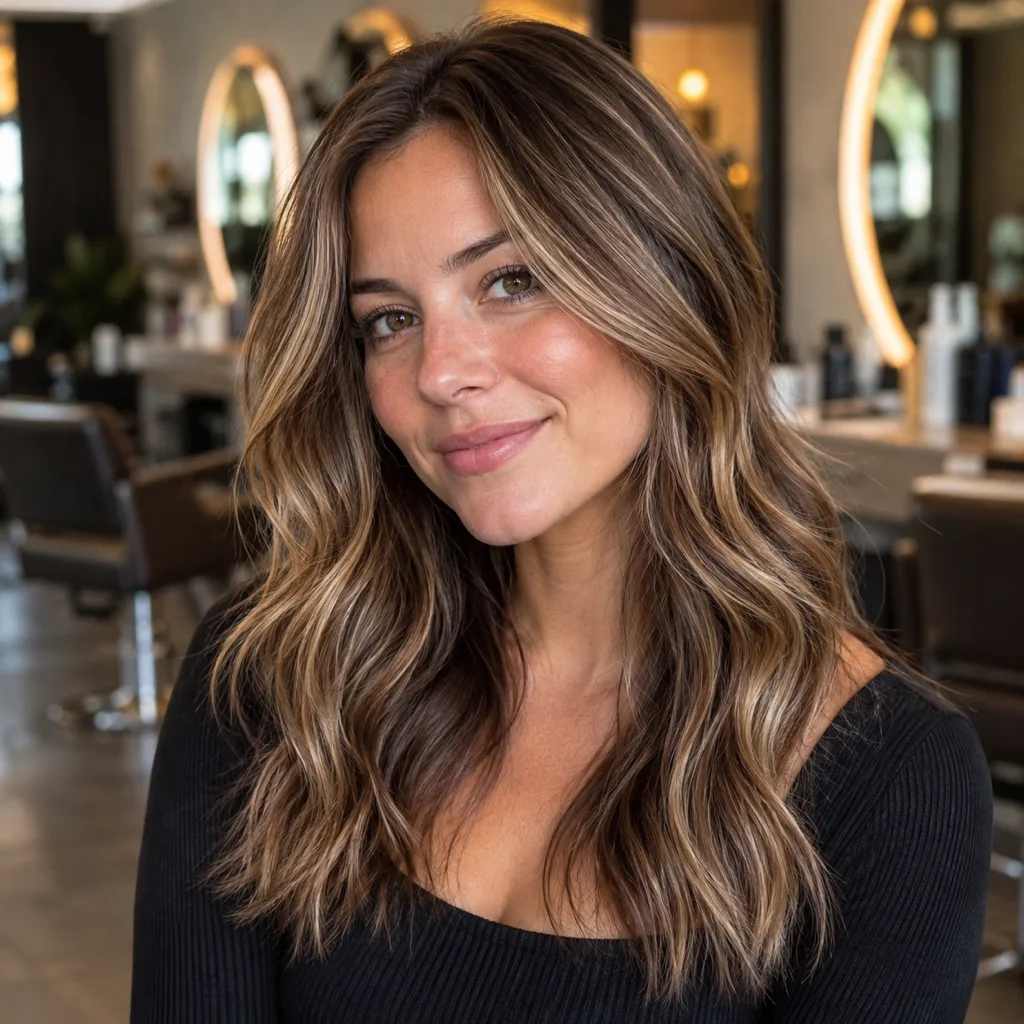 Try this on me
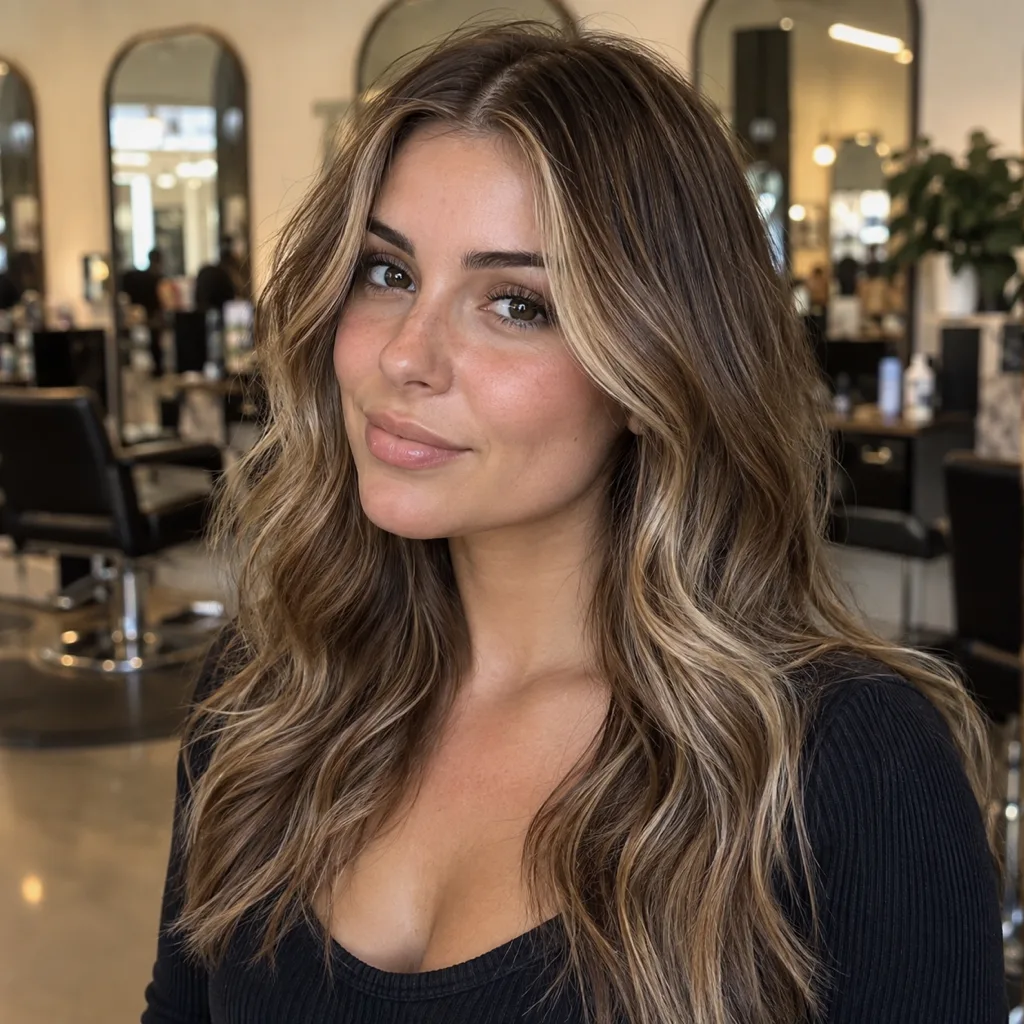 Try this on me
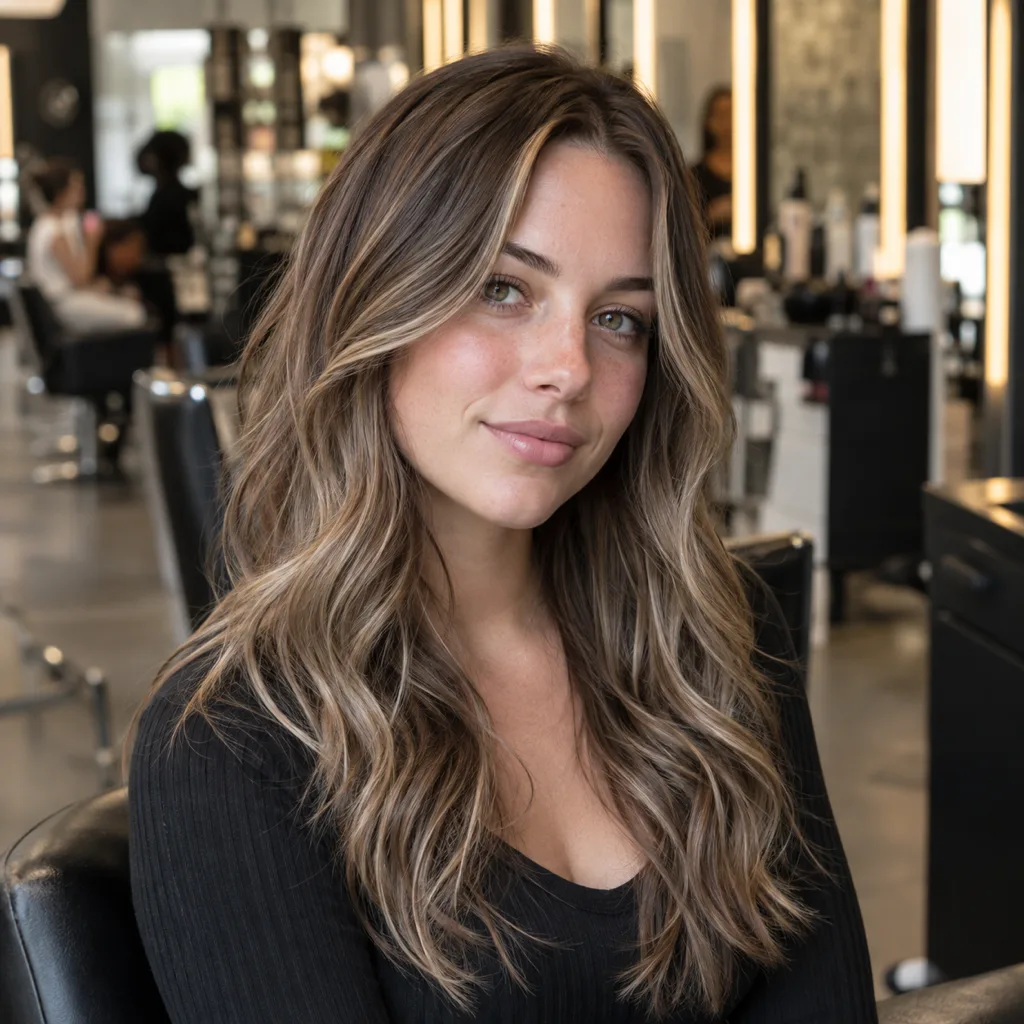 Try this on me
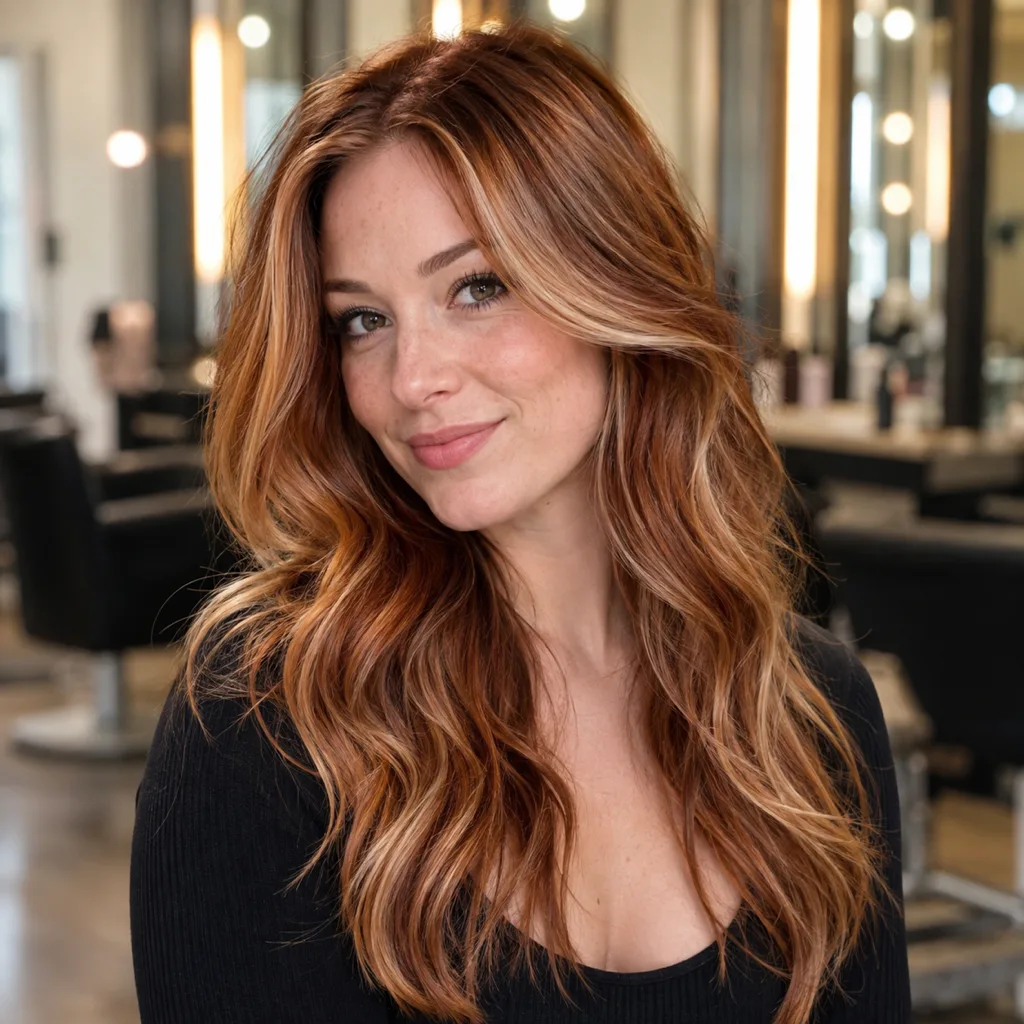 Try this on me
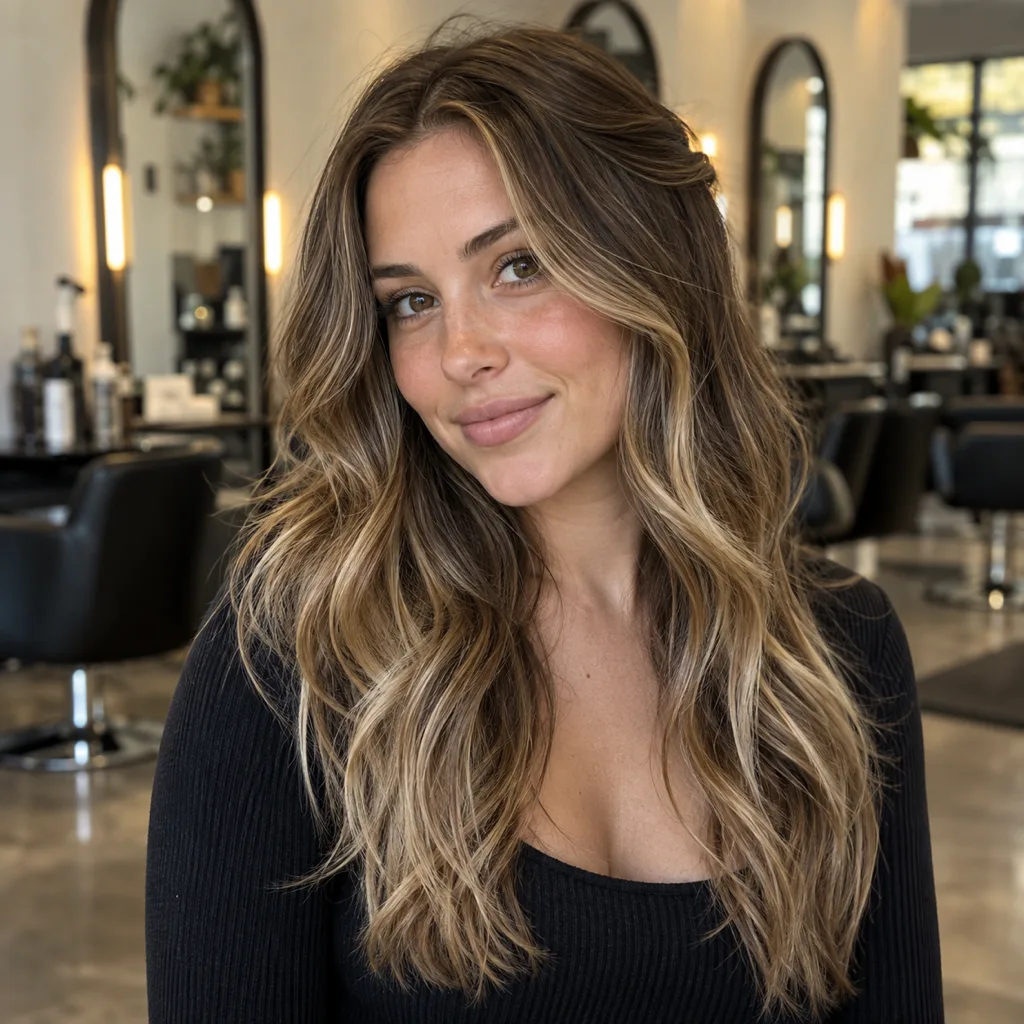 Try this on me
 Try this on me
 Try this on me
Lowlights are what stop it looking flat
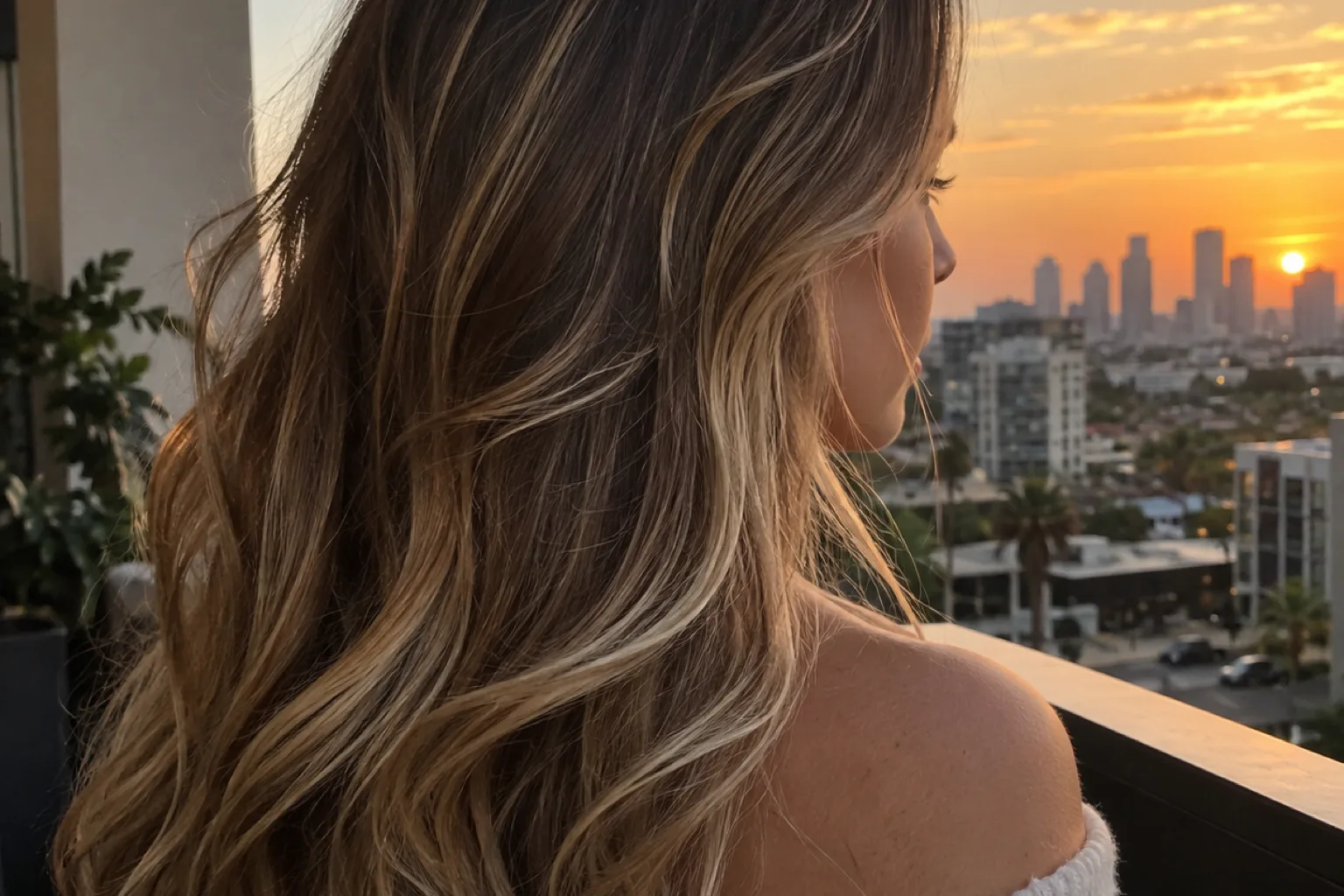
Every set of highlights loses dimension over time, because you only ever add lighter pieces and never darker ones. Three appointments in, the brown that made the blonde look like blonde has mostly gone, and you are left with a muddy mid-tone that photographs beige.
A lowlight is the opposite move: a few sections taken one to two levels below your base and woven back through the mid-lengths. It costs about a third of what a full highlight does, takes twenty minutes, and it is the single cheapest thing you can do to make highlights look like they cost more than they did.
Ask for it every second or third appointment, not every one. And ask for it through the interior, not the surface, or it reads as a stripe rather than as depth.
The technique decides your regrowth, not the color
Three ways to get blonde into brown hair, and the difference between them is not how it looks on day one. It is what your roots look like on day sixty.
| Technique | Starts at | Regrowth line | Come back in |
|---|---|---|---|
| Foils | The root | Sharp, obvious band | 6 to 8 weeks |
| Balayage | The mid-shaft | Soft, blurred, no line | 12 to 16 weeks |
| Babylights | Near the root, very fine | Fine and forgiving | 8 to 12 weeks |
Foils buy you brightness at the root and cost you a hard line. Balayage buys you a grown-out look for four months and costs you brightness up top. Babylights split the difference and cost the most, because each section is tiny and the appointment is long.
If money over two years is the real question, balayage wins on maths alone: four appointments a year instead of seven. If you want your part bright in photographs, foils are the only thing that does it.
How to ask for it in the chair
Say the base, the gap, the placement and the maintenance window, in that order. Four facts, and your colorist can work.
Say this to your barber
My base is a level 4 medium brown. I want blonde highlights about three levels lighter, warm not ash, balayage so I have no root line, and I want to come back in three months not six weeks.
Bring two photos: one you like and one you hate. The second is more useful than the first, because it tells your colorist which direction to avoid when your hair does something unexpected halfway through.
What it costs to keep
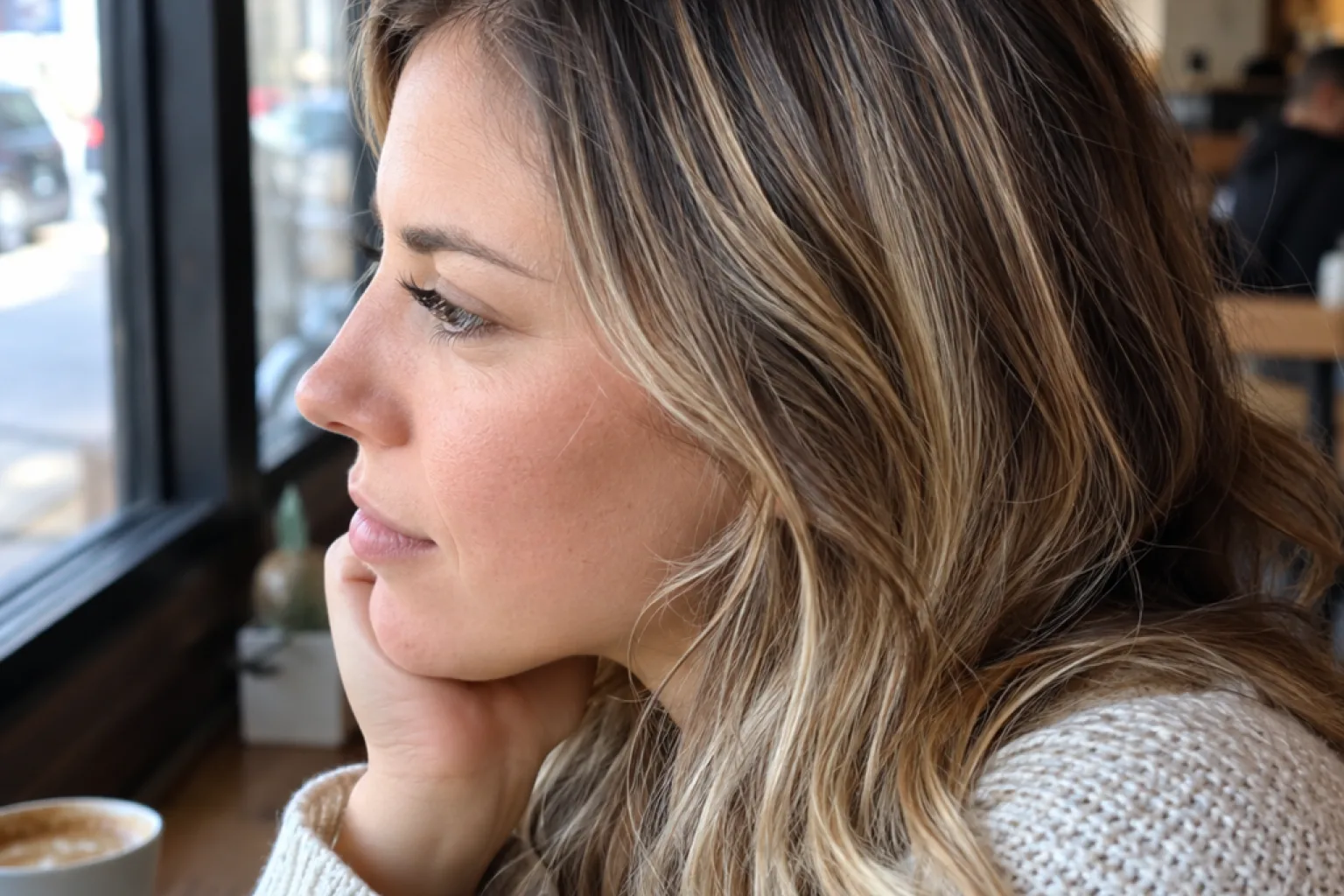
The color appointment is not the expense. The upkeep is.
- Toner. Every 6 to 8 weeks if you want cool blonde on a dark base, less often on a light base. Budget for it as a standing cost, not a surprise.
- Purple shampoo. Once a week, not every wash. Daily use turns blonde highlights gray-violet and makes brown hair look dull around them.
- Heat. Lifted hair has a damaged cuticle before you touch a styling tool. The cell membrane complex that holds the cuticle together is specifically vulnerable to bleaching and dyeing, which is why highlighted hair snaps where virgin hair bends.
- Water temperature. Cool rinses. Hot water opens the cuticle and your toner leaves faster.
- Conditioning. Lightened pieces go rough first, so a weekly deep mask on the lengths keeps them soft; how to use a Japanese hair mask like Fino covers how much to use and how long to leave it.
If the maintenance list above is more than you want to run, take the highlights further from your face and fewer of them. Less color, further from the root, is the only real way to cut the upkeep without changing the look.
Five mistakes that make highlights look cheap
Asking for a shade name instead of a number of levels
"Beachy" means five different things to five colorists. A level does not.
Going ash on a dark base in one session
You will pass through orange and stop there. Two sessions, or pick warm.
Highlighting the surface only
Color laid on the top layer and nowhere underneath looks painted on the second you move your head. Depth has to exist under the surface for the surface to read as dimension.
Never putting depth back
Highlight, highlight, highlight, and by the fourth appointment there is no brown left to contrast against. See the lowlights section above.
Booking the color before deciding the cut
Highlights follow the section pattern of the cut. Getting color done and then losing four inches means paying to bleach hair that ends up on the floor. Decide the length and layers first.
See it on your own hair before you book
The honest problem with every idea on this page, including the ten in the gallery, is that they are on somebody else's face and somebody else's base. A caramel balayage on a level 3 base is a different picture from a caramel balayage on a level 6 base, and a saved screenshot cannot tell you which one you are looking at.
The free way to check is a strand test: your colorist lifts one hidden section, you look at it in daylight, you decide. It works, it is accurate, and it is the thing to do if you are already in the chair. The wall it hits is that you have to be in the chair to do it, the strand is half an inch of hair rather than a whole head, and nobody books a consultation to test six shades.
That is the gap the try-on fills. Upload one selfie and put caramel, honey, beige and ash on your own hair in a few minutes, side by side, before you commit to anything.
Yours could be here.
Start with one selfie.
One photo, twenty seconds, and you'll know. Free account, no card for your first render.
The first look is free and needs no card. After that, plans start at $9 a month, a hairstyle costs 10 credits and a color on top of it costs 5, because the color is painted onto the cut you already approved. If you only want to compare colors on your existing cut, the color try-on is the direct route.
The one decision that matters
Your contrast gap. Two to three levels for something that looks like sun, four to five for an obvious salon highlight, six or more only if you are committing to lowlights and toner forever. Get that number right and any shade in the gallery above will work on you. Get it wrong and the best colorist in the city cannot save it.
If you are still choosing, start lower than you think and go brighter next appointment. Adding lift is one hour. Taking it back out is a color correction, and those cost more than the original job did. The same logic applies to anything semi-permanent you are considering, from hidden color panels to multi-tonal placements: go up in steps, never in one jump.
Frequently asked questions
Blonde that sits two to four levels above your natural base. On dark brown that means caramel, toffee and deep honey; on medium brown it means honey and golden bronde; on light brown it means butter and beige. The further the blonde is from your base, the more the two colors separate instead of blending.
Caramel, for most brunettes. It sits where brown hair naturally lands after three or four levels of lift, so it needs almost no toner to look intentional and the regrowth blurs rather than bands. Cool and ash tones look better on cool-toned skin but cost a toner appointment every 6 to 8 weeks to stay that way.
Yes, as long as the blonde is warm and the placement starts below the cheekbone. Dark brown carries a lot of red and orange underneath, so it lifts warm, and caramel or toffee highlights work with that instead of against it. Bright cool blonde placed at the root on a level 2 or 3 base is where dark brown goes wrong.
It lifts through red, then orange, then gold before it reaches anything you would call blonde. One session usually stops in the orange or gold range, which is why dark hair often comes out brassy on the first appointment. Getting to a genuinely cool blonde from dark brown takes two or more sessions with rest between them.
Match the blonde to your skin undertone once the level is settled. Green veins at the wrist mean warm undertones, so honey, caramel and golden; blue or purple veins mean cool undertones, so beige, mushroom and ash. The pieces around your face matter most, because those are the ones your skin gets compared against.
Placement decides it. Brightness around the face lifts the complexion and reads as younger; a solid block of pale blonde against a dark base draws a hard edge that does the opposite. Face-framing pieces one to three levels above your base is the version that reliably works. Keep only those two front sections and lighten nothing else, and you have a money piece, which is the smallest version of this whole idea.
Box highlighting kits lift one to two levels reliably and no further, which makes them workable on light brown and unreliable on anything darker. If your base is a level 4 or below, the realistic at-home outcome is orange. Strand test first, and never apply a second round in the same week.
Foils every 6 to 8 weeks, babylights every 8 to 12, balayage every 12 to 16, because the regrowth line is progressively softer in that order. Toner is the separate clock and runs every 6 to 8 weeks if you are holding a cool tone. Choosing balayage over foils cuts you from roughly seven color appointments a year to four.
The technique is, the finish has moved. Thick, high-contrast, root-to-tip blonde streaks read as dated; low-contrast, mid-shaft-down placement with depth left underneath is what is current. The practical version of that trend is fewer levels of lift and lowlights put back in, which is also the cheaper way to wear it.
Preview it on your own photo: Balayage Try-On.
Share article
About the author
More articles
Women's Haircuts · 14 min
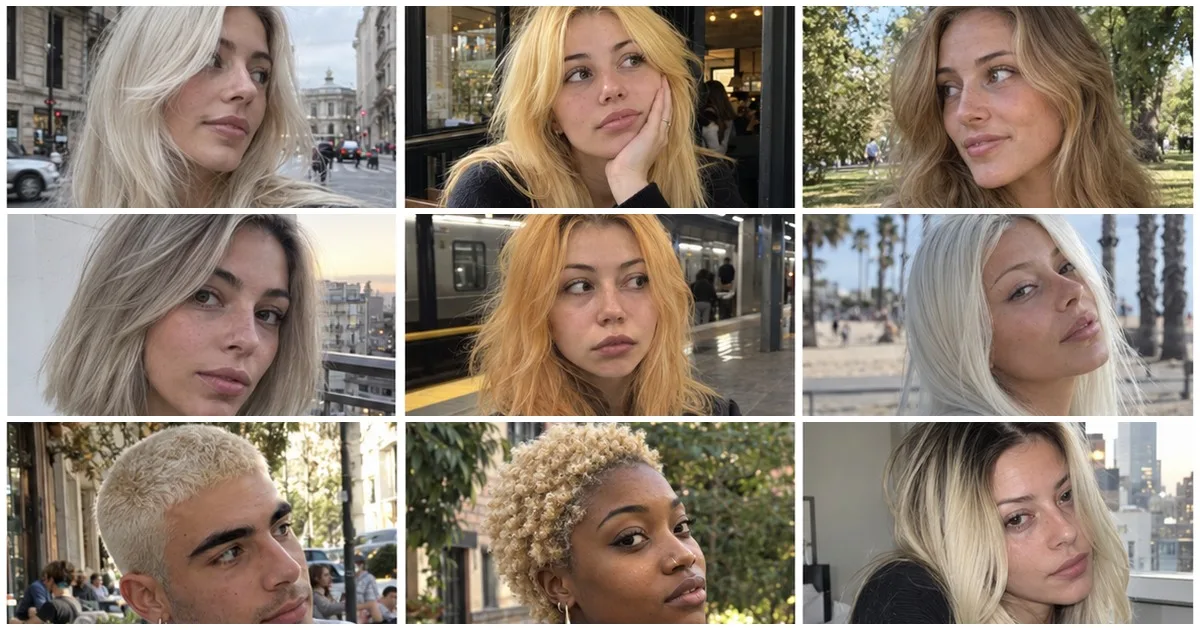
Bleached Hair: How Light Yours Can Go, 14 Shades, Aftercare
How light your bleached hair can go depends on where it starts. See 14 bleached shades on one cut, what each starting color can reach in one session, how toner finishes the job, and the aftercare that keeps it soft.
Women's Haircuts · 16 min
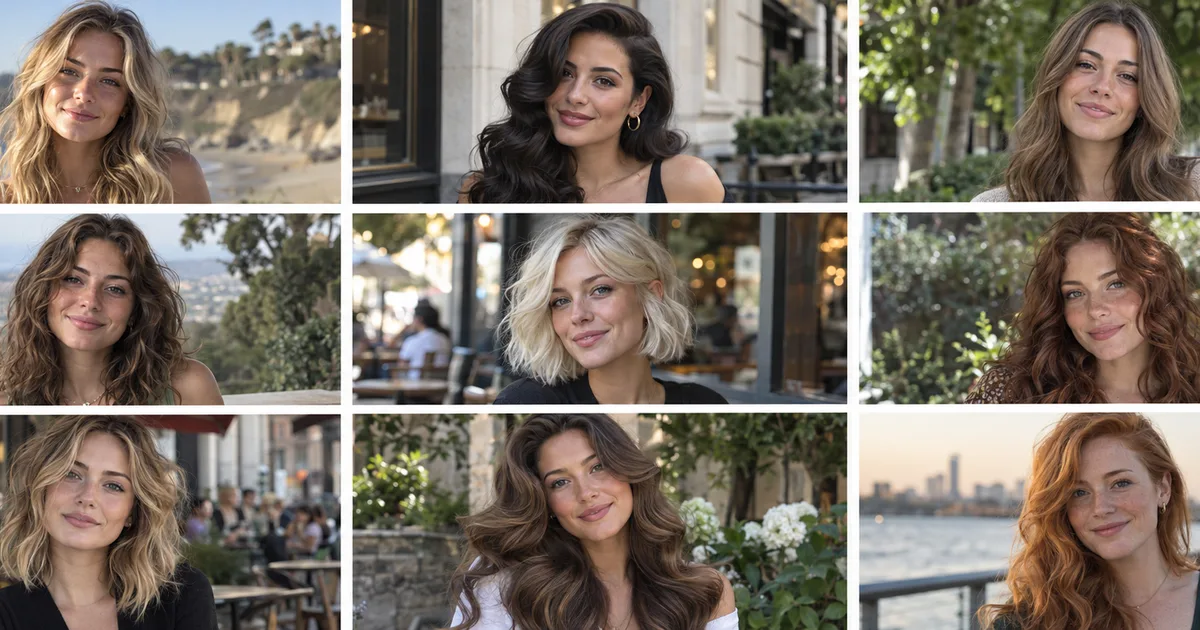
Waves Hair: How to Get Beach, Loose and Hollywood Waves That Last
Waves hair is about what you leave straight. How to get beach, loose, Hollywood and heatless waves, which wave suits your hair type, and why your waves keep falling out.
Women's Haircuts · 15 min
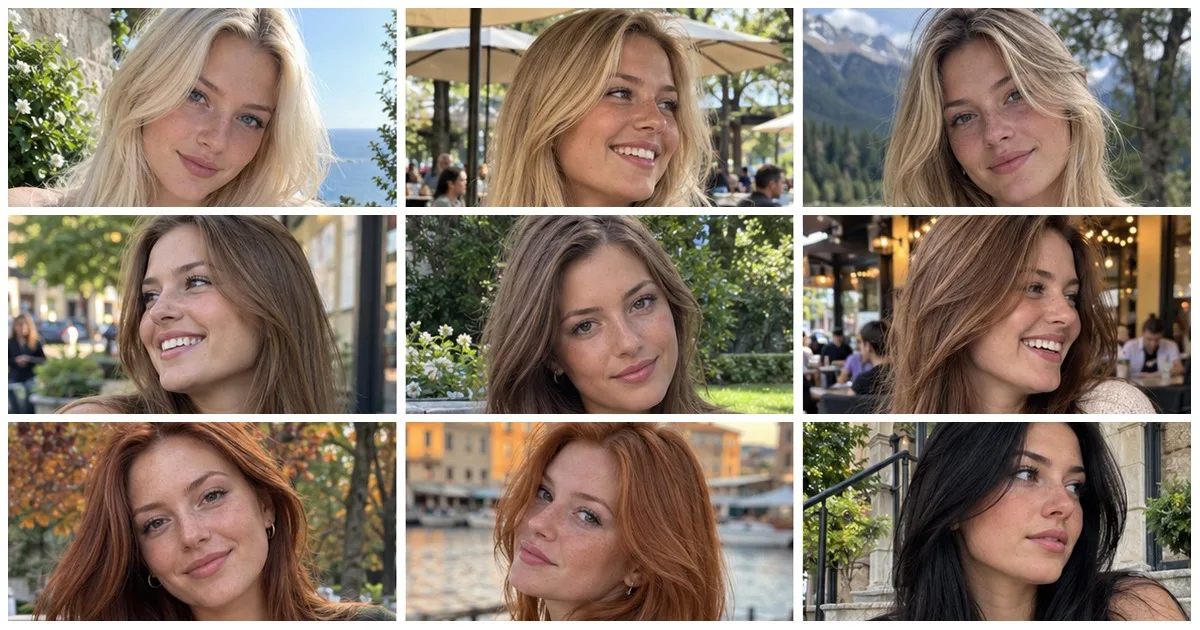
Fino Hair Mask: Who It Suits, How to Use It, and Its Limit
The Fino hair mask makes dry, bleached and frizzy hair smooth and shiny in one use, mostly by coating it. Here is what is in the jar, which hair types it suits, exactly how to use it, and what to do when the ends are past a mask.