Partial Highlights: 14 Looks and When to Go Full Instead
Oleh Onysko 18 November 2026 13 min read
In this article
Partial highlights are fine lighter strands woven only through the top layer and the pieces around your face, while the hair underneath stays your natural color. You get most of the brightness of a full head for roughly half the foils, half the chair time and a softer grow-out.
The catch nobody mentions at booking: a partial is judged by how you wear your hair, not by how many foils it has. Worn down in your usual part, it looks like a full head. Tie it up or flip your part and the un-lightened layer underneath shows. So the real question is not "partial or full", it is "do I ever wear my hair up".
Which cut makes you look best?
Find out in 60 seconds.
A few quick taps and one selfie, and you'll know. Free account, no card for your first render.
What are partial highlights?
A partial highlight lightens only the sections you see when your hair is down: the crown, the part line and the face frame. The colorist weaves thin strands into foils across those areas, usually two or three levels lighter than your base, and leaves the sides below the ear and the whole back underneath untouched.
It is not the same as three nearby services people mix up:
- Money piece: two bold bright strips at the very front and nothing else. See our money piece hair guide if that is the look you want.
- Balayage: hand-painted with no foils, starting lower on the strand, so there is no line at the root at all.
- Half head of highlights: in most US salons this is the same service as a partial. Some colorists use "half head" for the top and sides and "partial" for the top only, so ask which they mean.
Three levels is also a sensible ceiling for your hair's health. The American Academy of Dermatology advises staying within three shades of your natural color for healthier-looking hair, and most partials sit right inside that.
Partial vs full highlights: which do you need?
Get a partial if you wear your hair down in the same part most days and want brightness without a big upkeep bill. Get a full head if you wear ponytails, buns or a changing part, or you want a dramatic shift of more than three levels.
| Partial highlights | Full highlights | |
|---|---|---|
| Where the foils go | Top layer, part line, face frame | Every section, including underneath and the nape |
| Foils, roughly | About half a full head | The whole head |
| Chair time | Shorter | Longer, often a full afternoon with long hair |
| Looks best worn | Down, in your usual part | Any way, including up |
| Grow-out line | Soft, only on top | Shows all over |
| Typical touch-up | Every 6 to 10 weeks | Every 8 to 12 weeks, but a bigger appointment |
| Cost per visit | Lower | Higher |
| Best for | A first-time lightener, a refresh, subtle sun | A big change, hair worn up, very fine hair |
The touch-up row surprises people. A partial needs more frequent small visits because the regrowth sits right at your part, where everyone looks. A full head can stretch longer because the line is spread across the whole head, but each visit costs more.
If you are on the fence, start with a partial. You can always add the underneath later. You cannot take bleach back out.
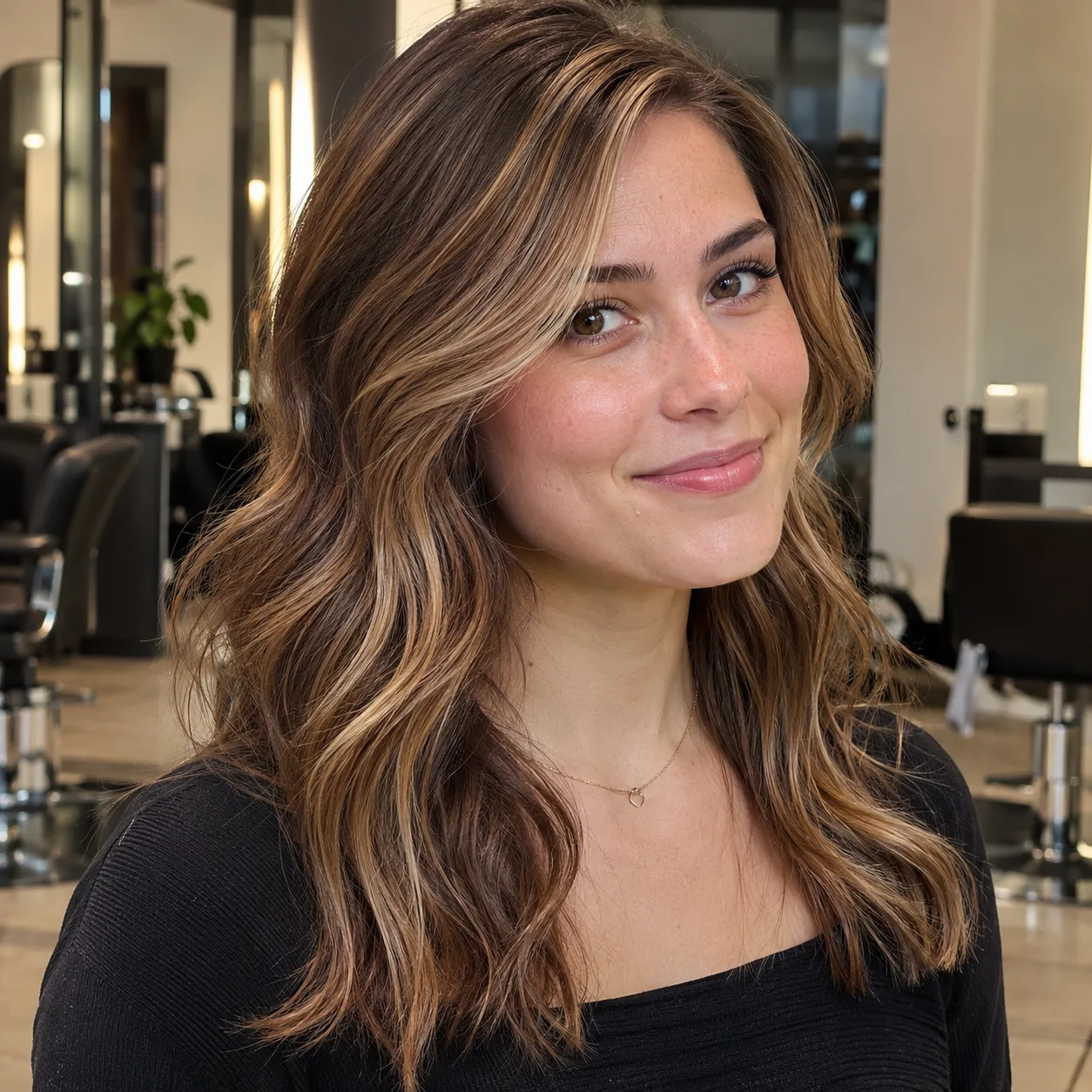
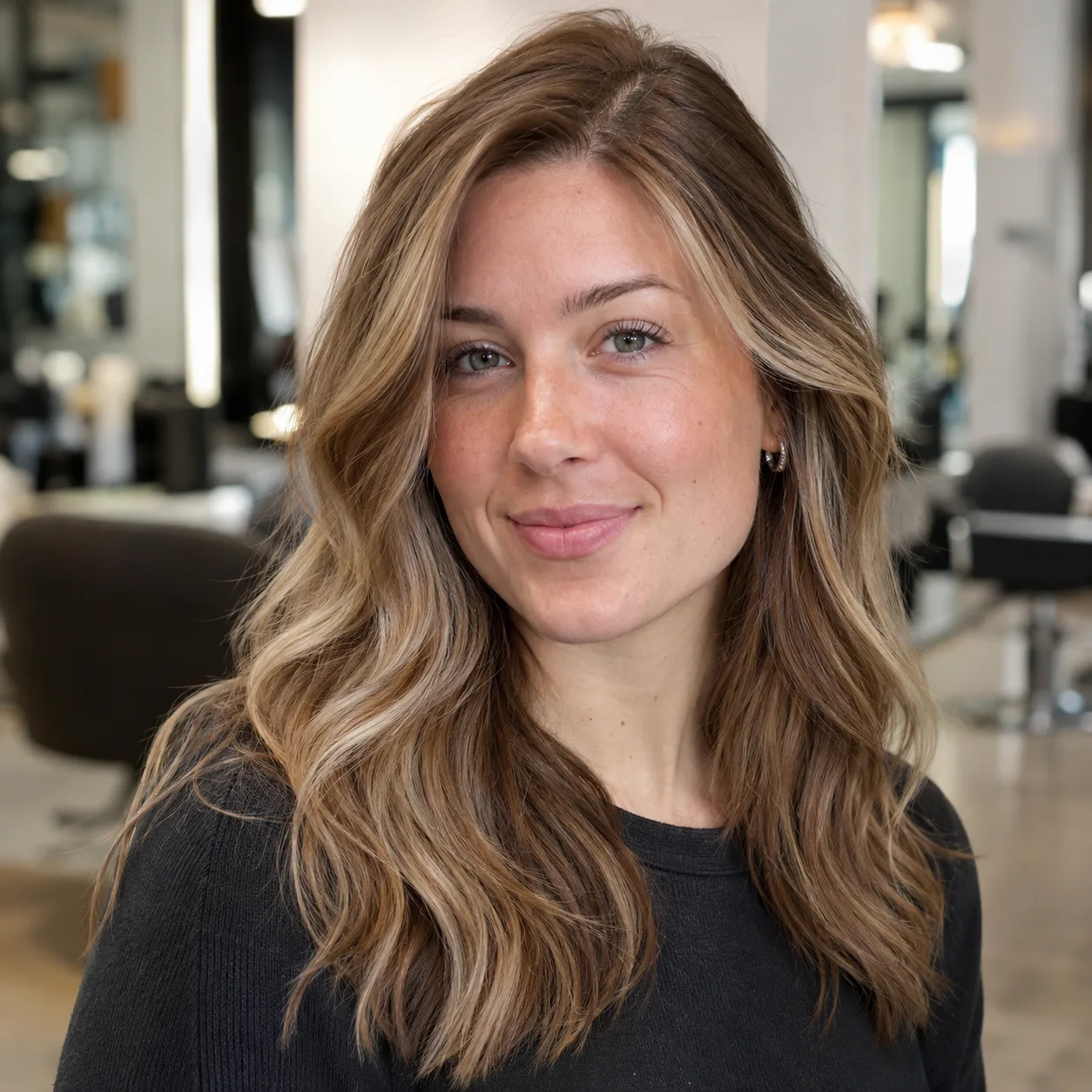
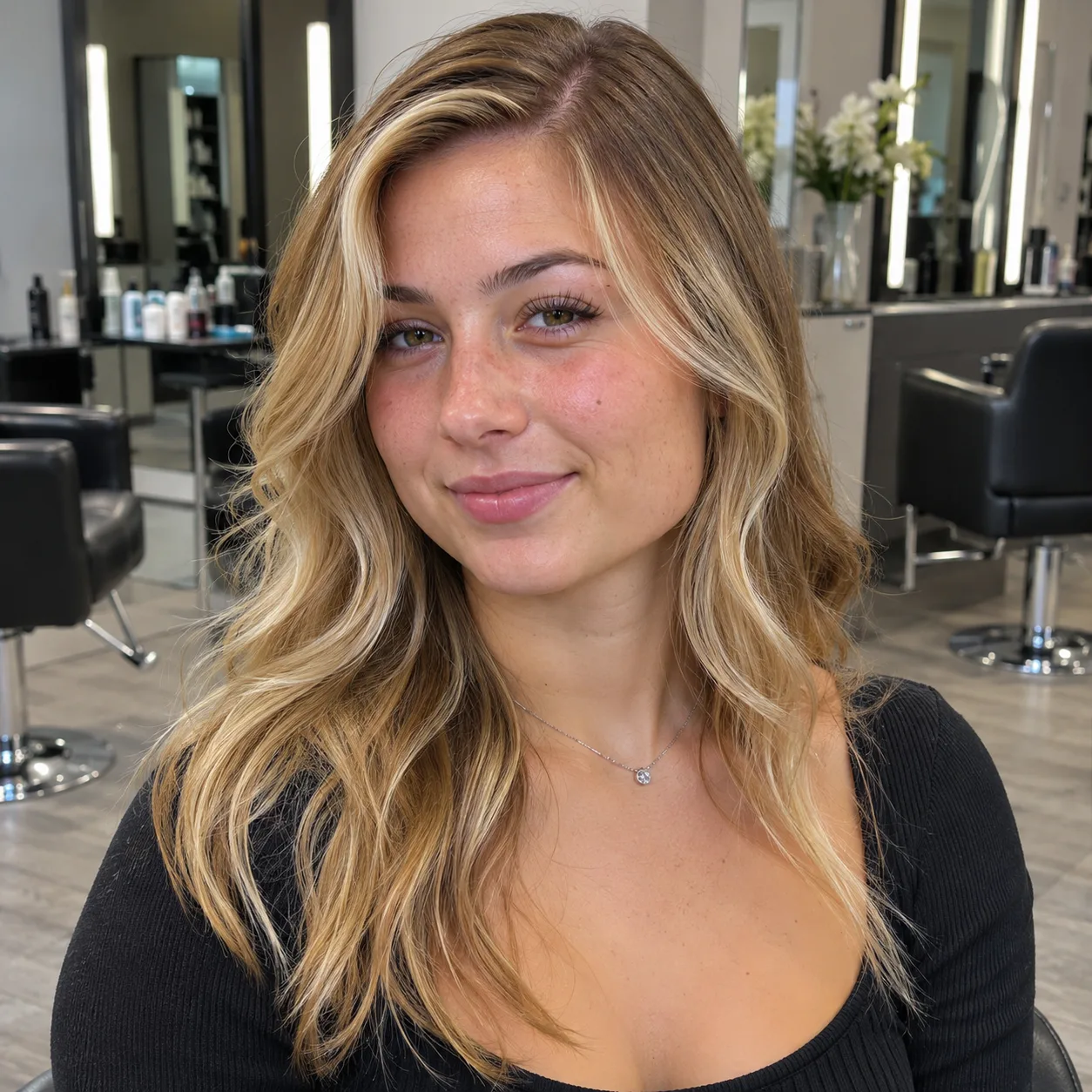
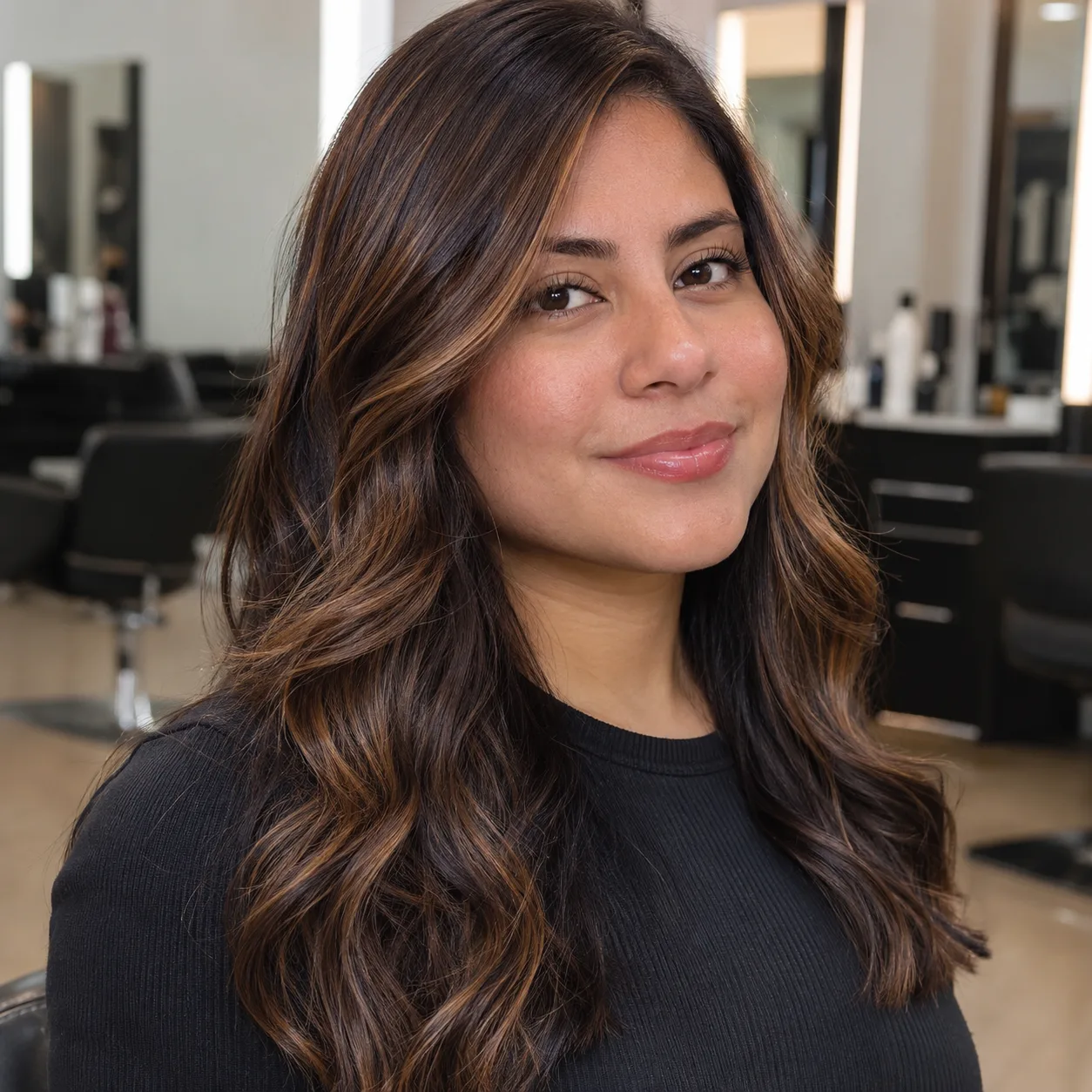
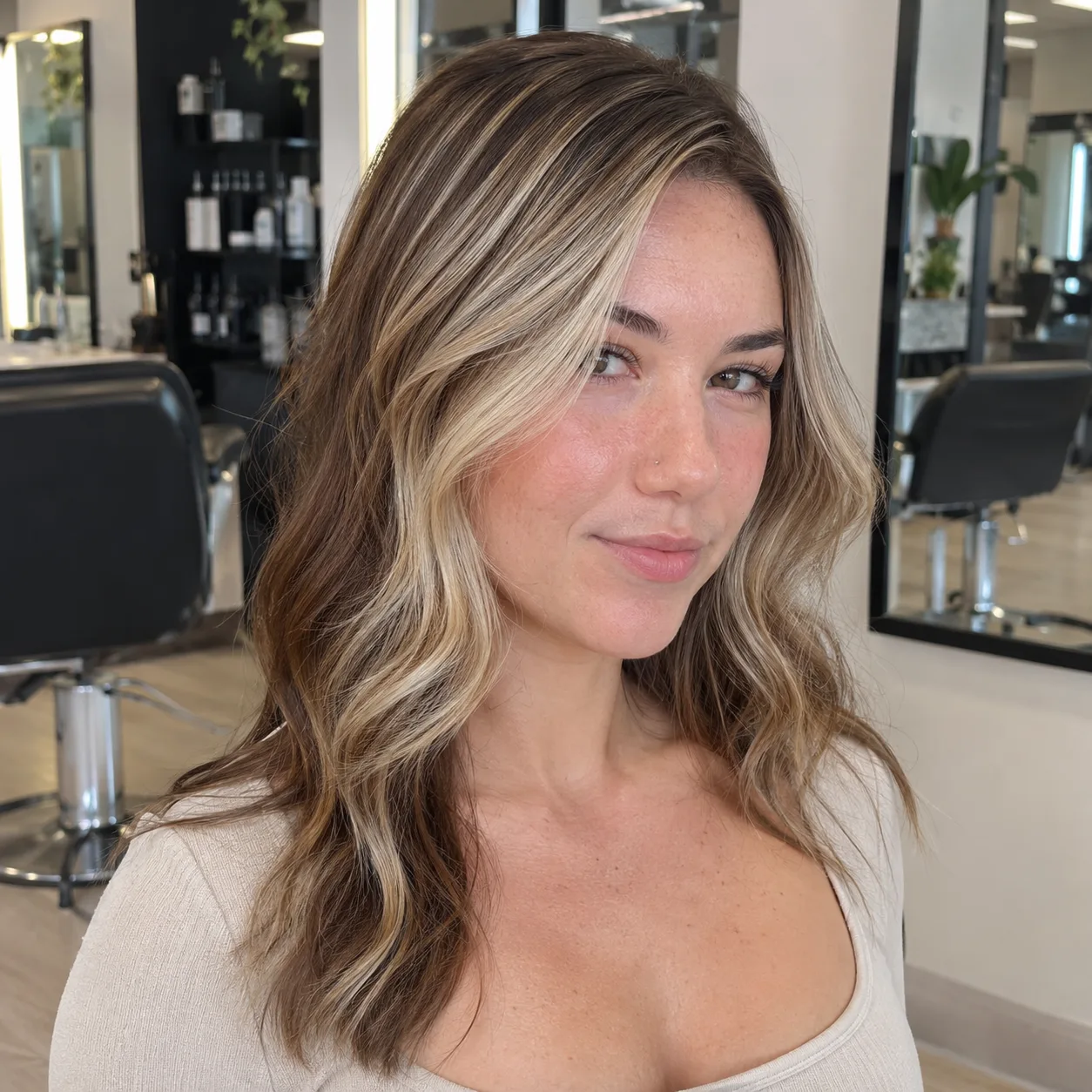
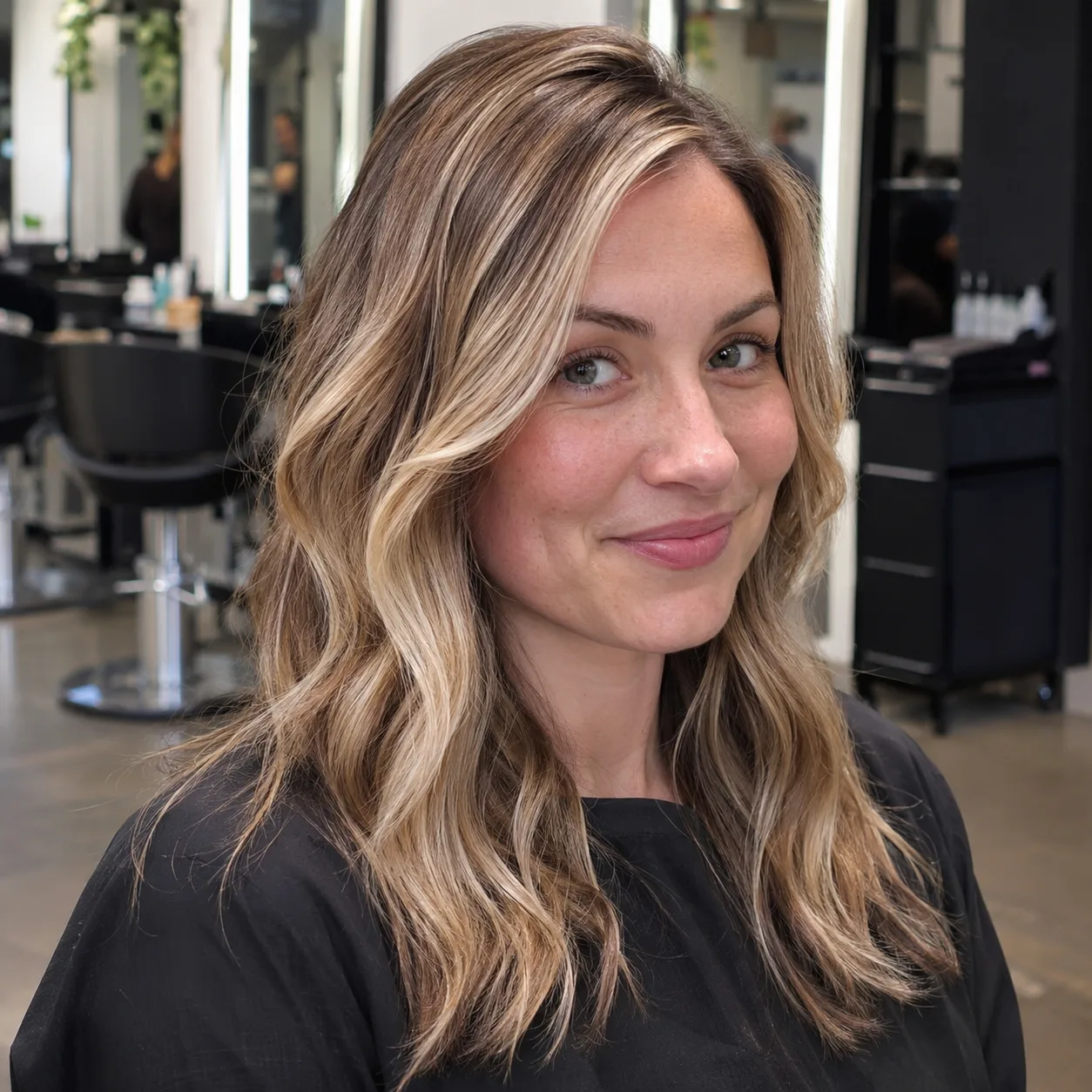
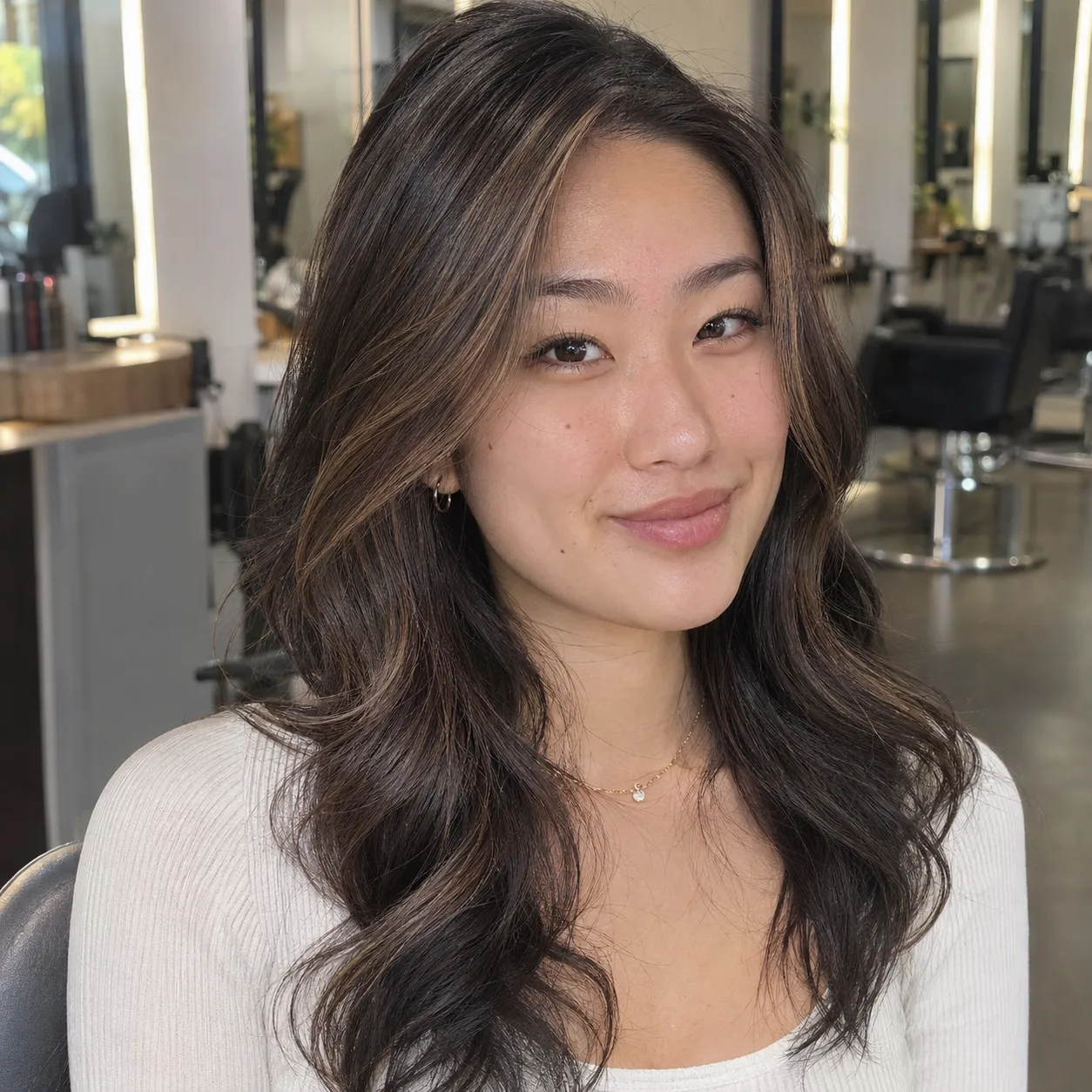
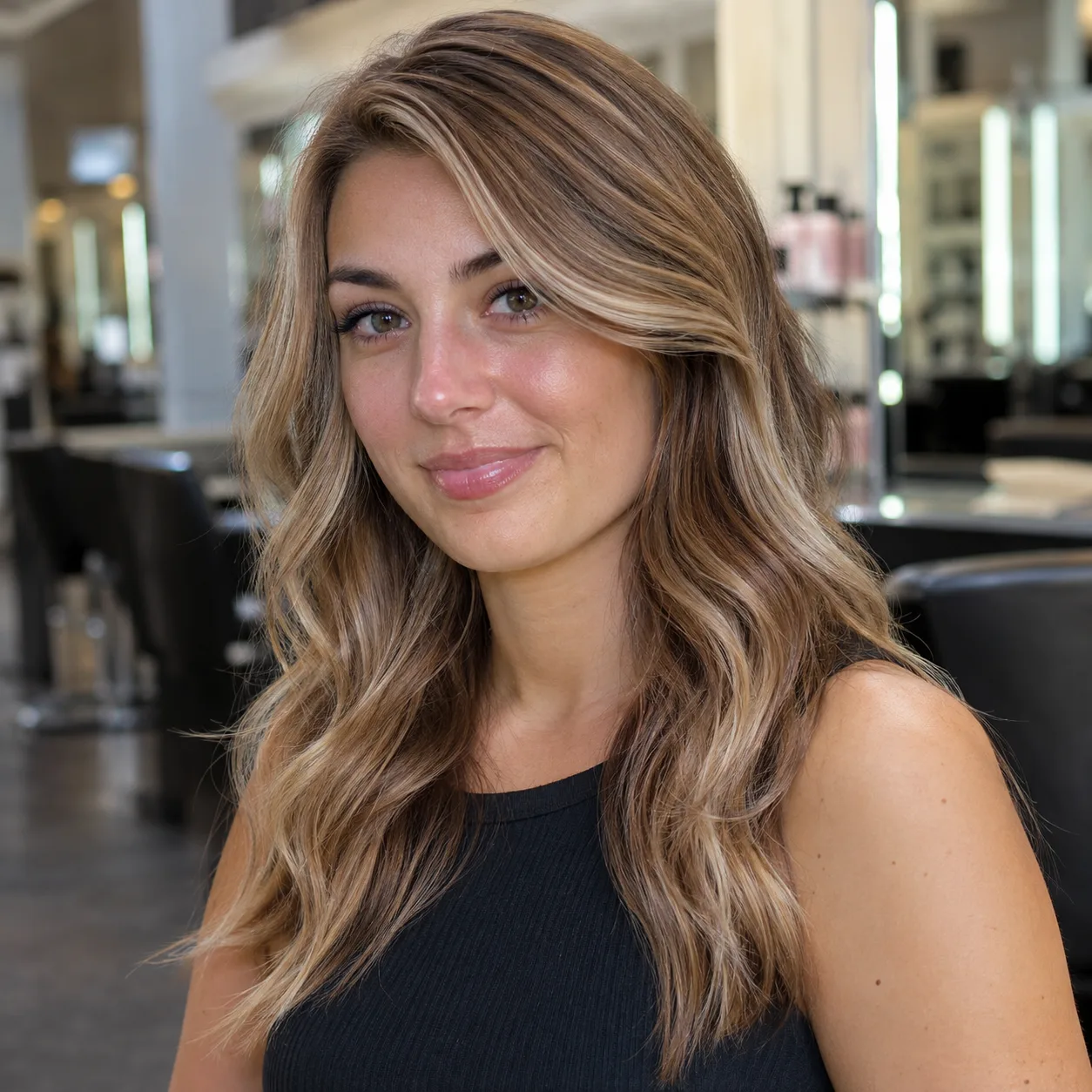
Partial highlights on 14 base colors
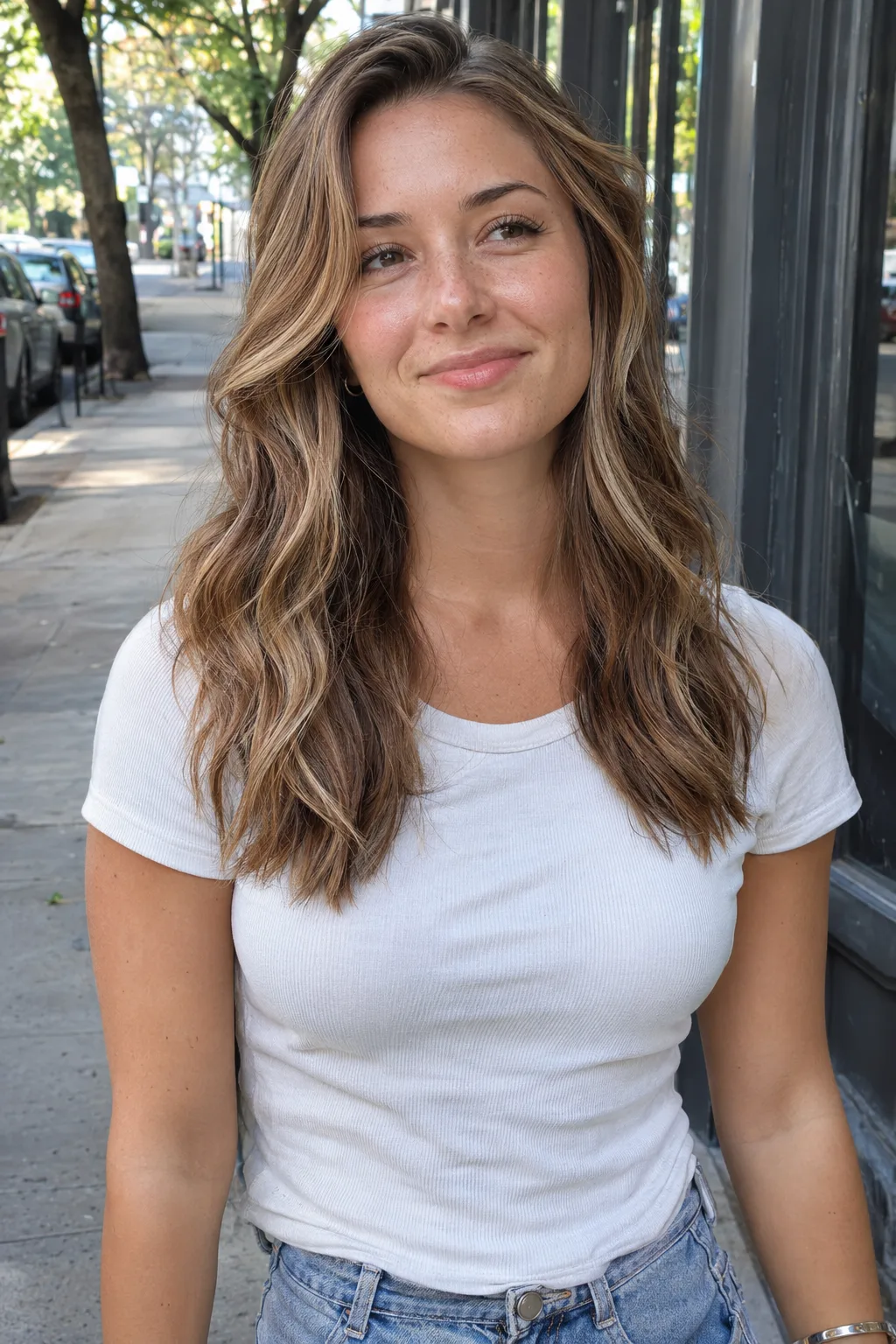
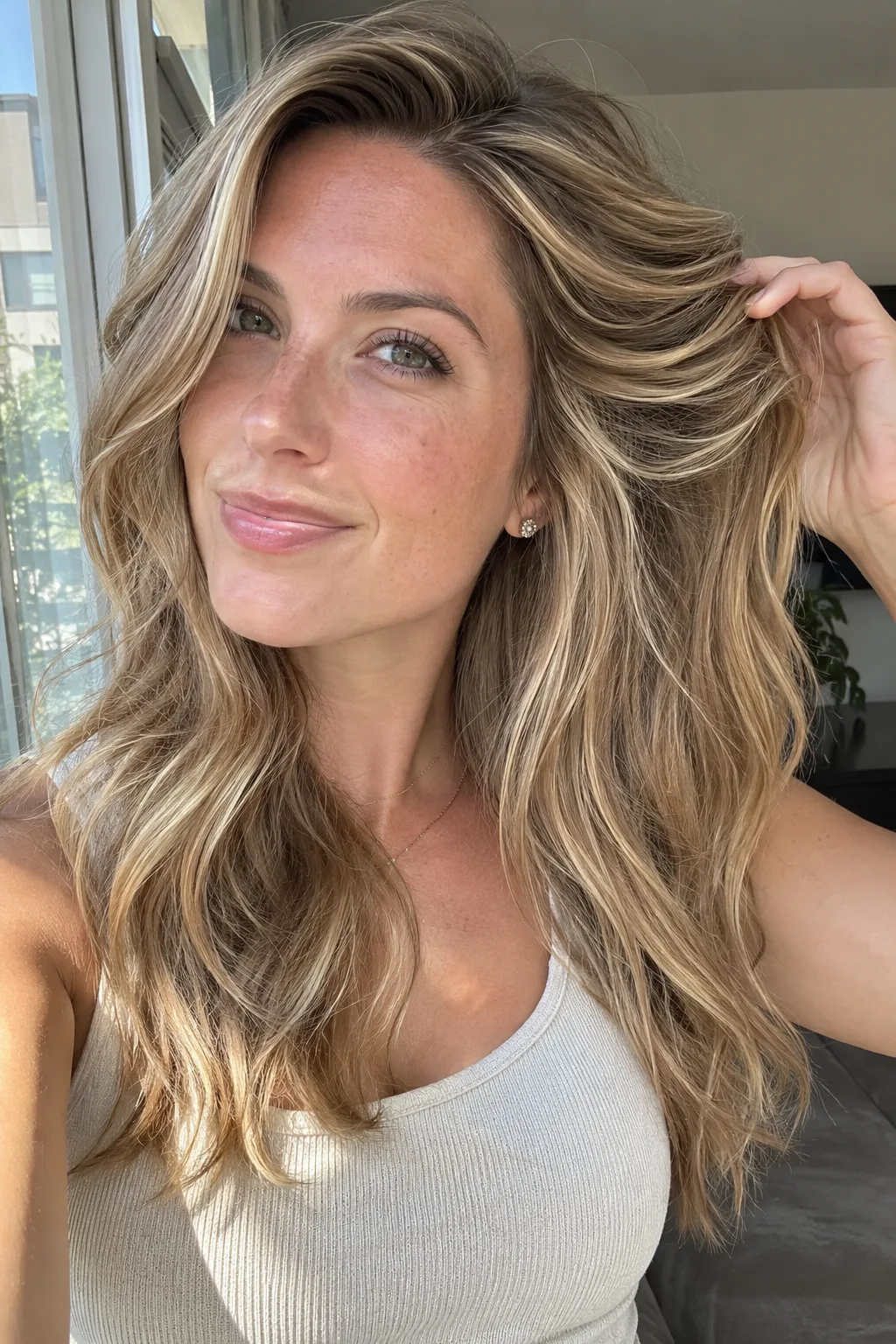
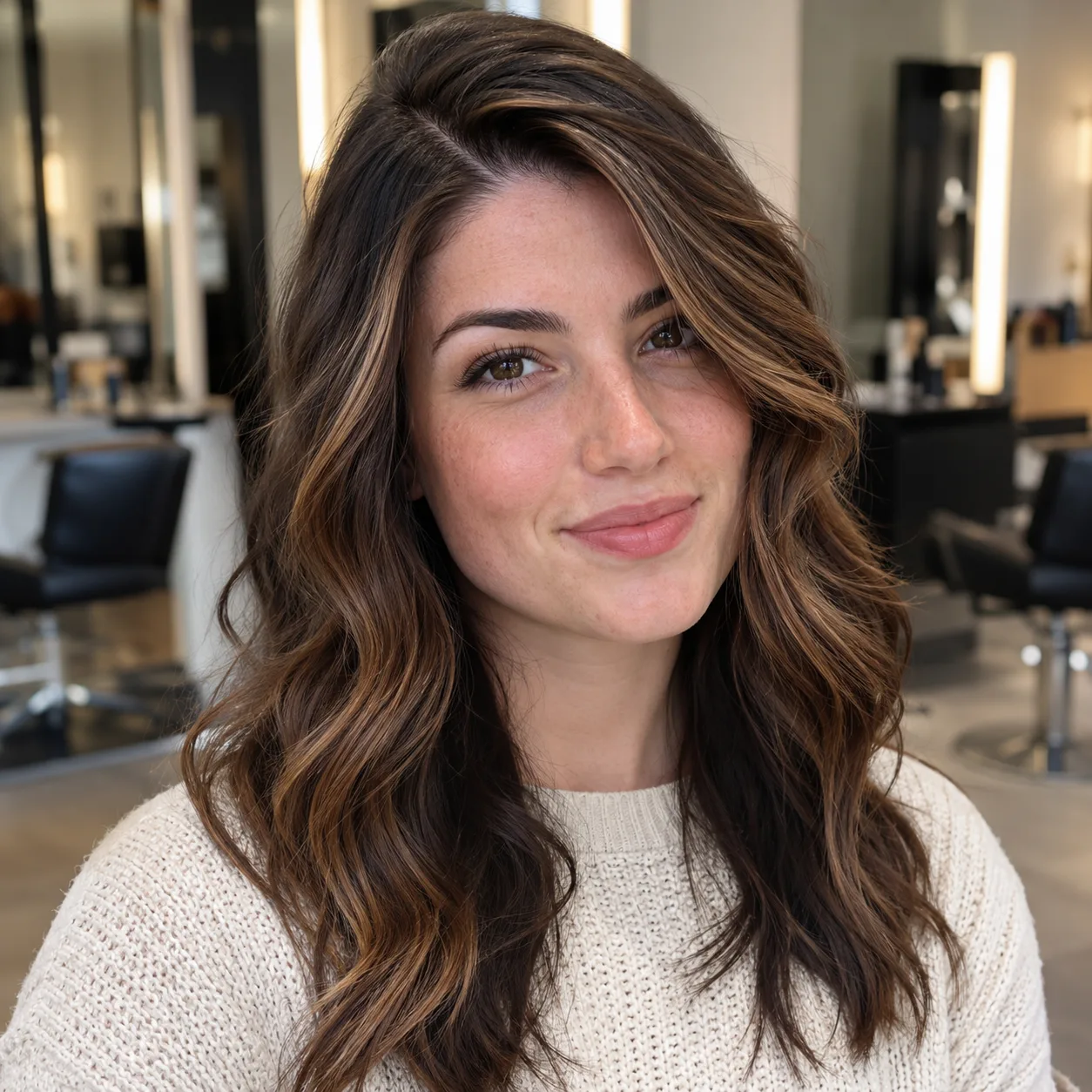
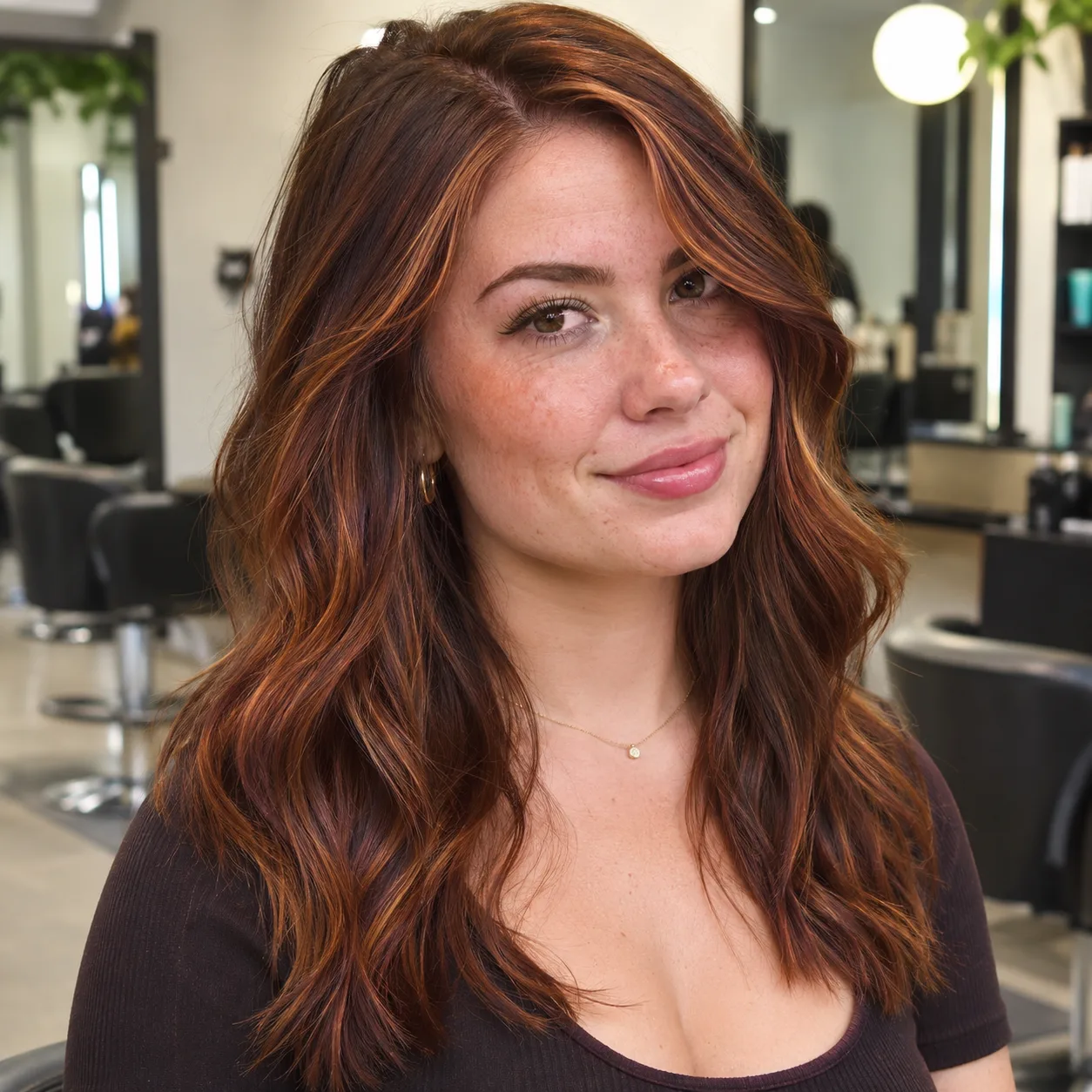
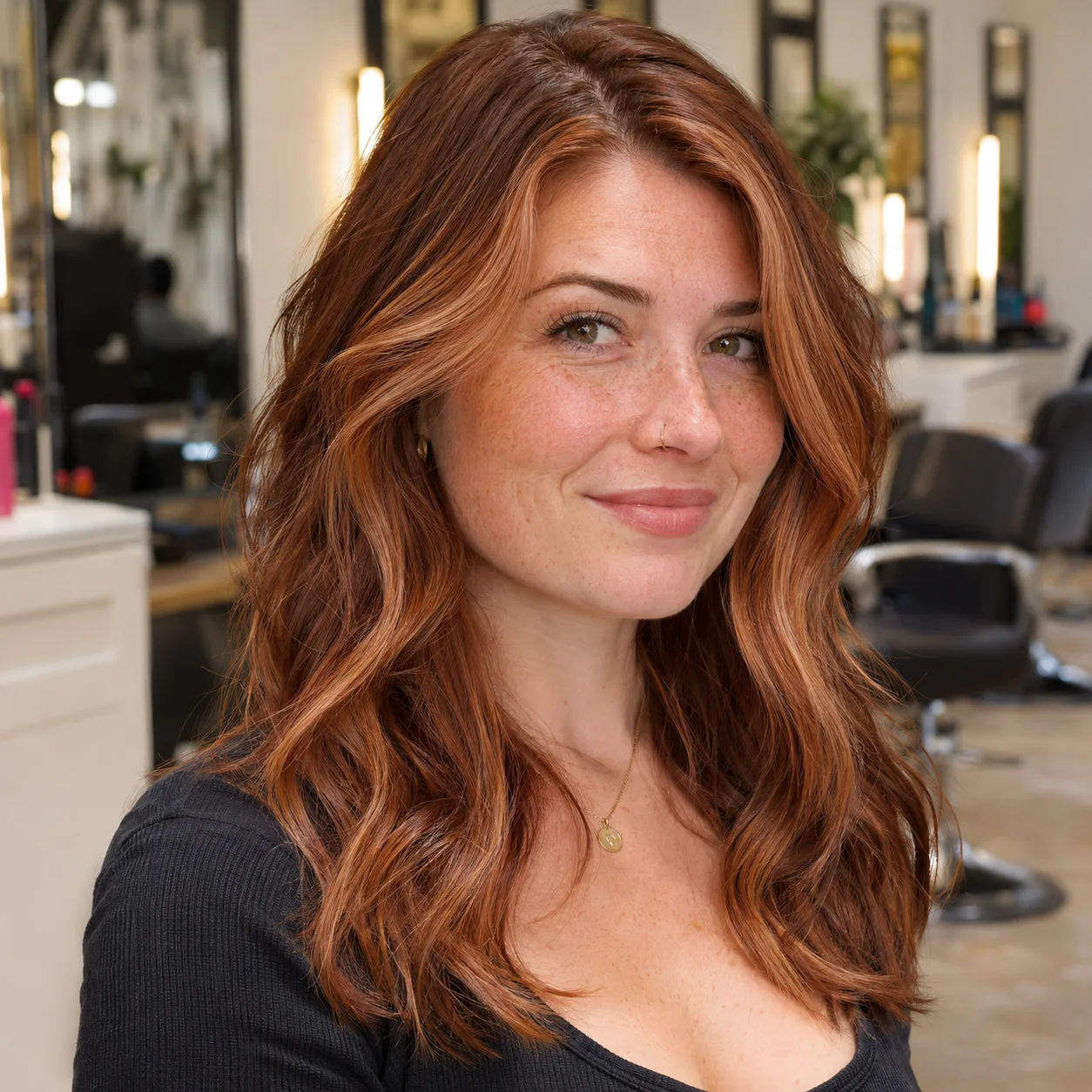
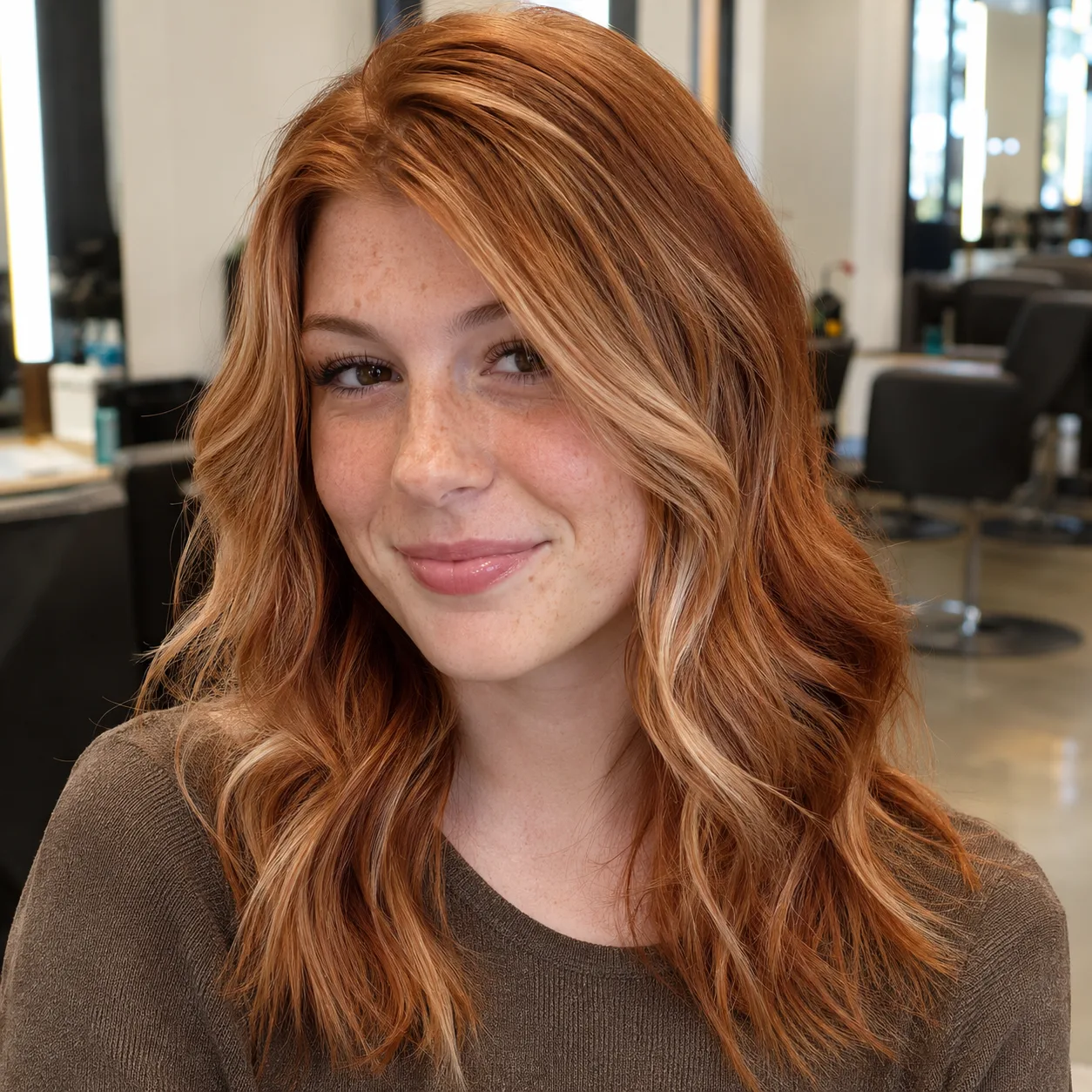
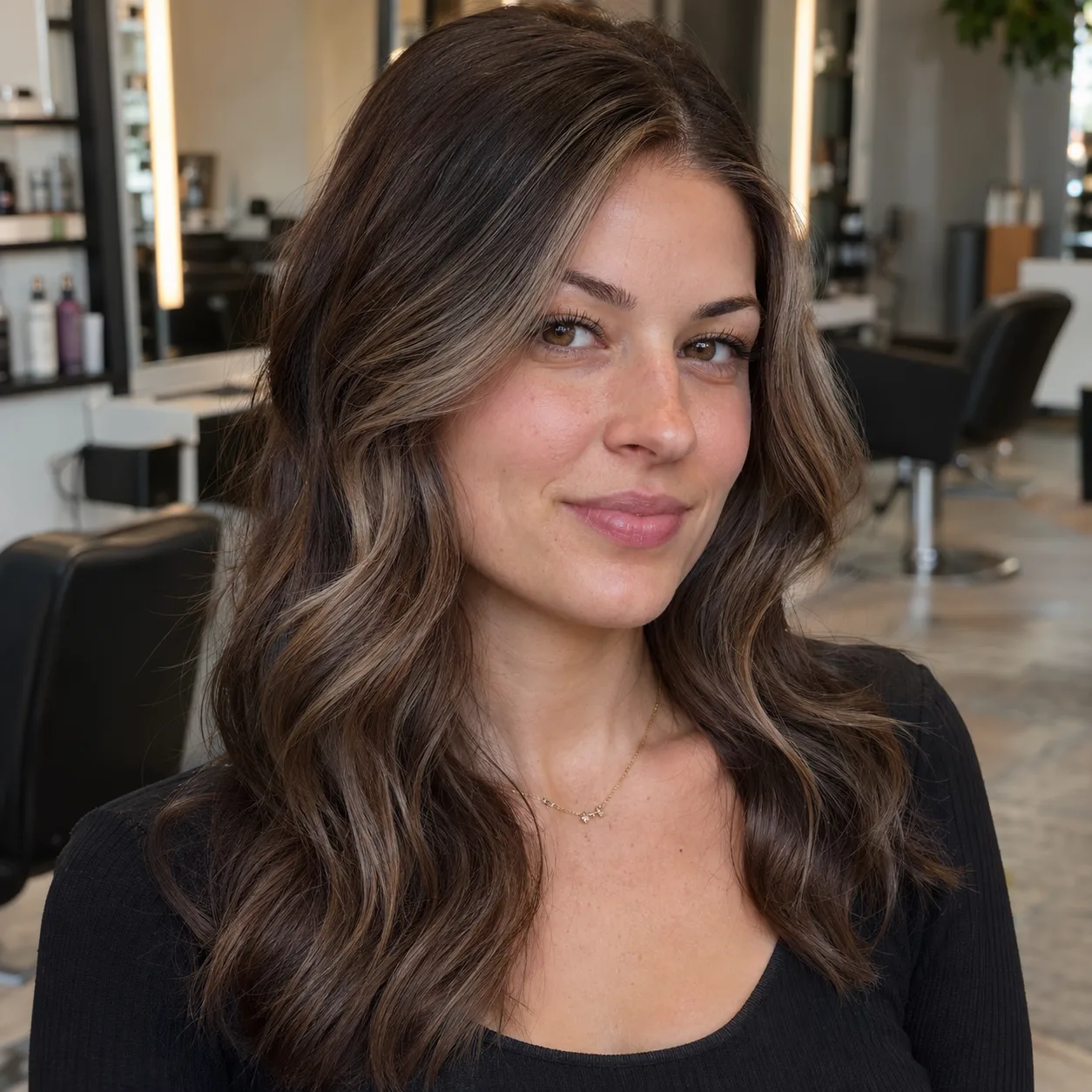
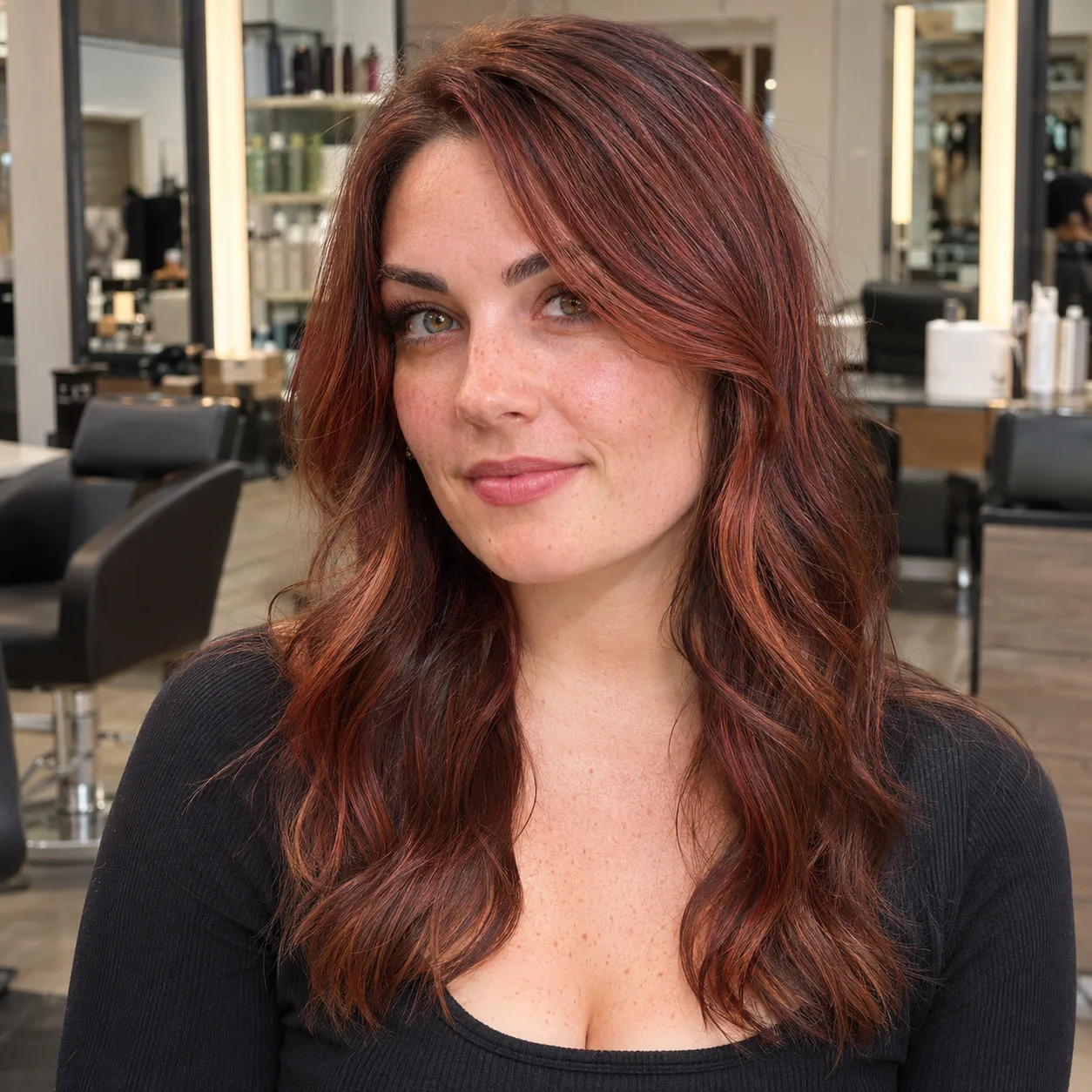
Same placement in every picture: fine foils on the top layer and the face frame, two or three levels up, untouched underneath. The only thing that changes is the base color and the highlight shade, so you can see which pairing reads as sun and which reads as stripes.
Gallery14 photos · tap to enlarge
 Would this suit me?
 Would this suit me?
 Would this suit me?
 Would this suit me?
 Would this suit me?
 Would this suit me?
 Would this suit me?
 Would this suit me?
 Would this suit me?
 Would this suit me?
 Would this suit me?
 Would this suit me?
 Would this suit me?
 Would this suit me?
The pairings that look most natural stay inside two or three levels: caramel on dark brown, honey on medium brown, golden on dirty blonde. Pale ash on medium brown is the high-contrast end. It is striking, but on a partial a jump that big makes the part line look striped, and the regrowth shows within a month.
Which partial highlights suit your base color?
Your base decides the shade, because lightened hair passes through red, orange and gold on its way up. Pick a shade that sits on that path and it costs one session. Pick one past it and you are paying for toner every visit.
| Your base | Easiest partial shade | Harder, needs toner | Watch out for |
|---|---|---|---|
| Black or espresso | Chestnut, caramel, mocha | Ash brown, beige | Brassy orange if under-lifted |
| Dark or medium brown | Caramel, honey | Beige, platinum | Stripes at the part from too much contrast |
| Light brown | Beige, butter, honey | Icy platinum | Highlights vanishing if too close to the base |
| Dirty or dark blonde | Golden, vanilla | Silver | Looking all-over blonde instead of dimensional |
| Red, auburn, ginger | Copper, strawberry blonde | Any cool blonde | Fading fast, red washes out first |
Partial highlights on dark and black hair
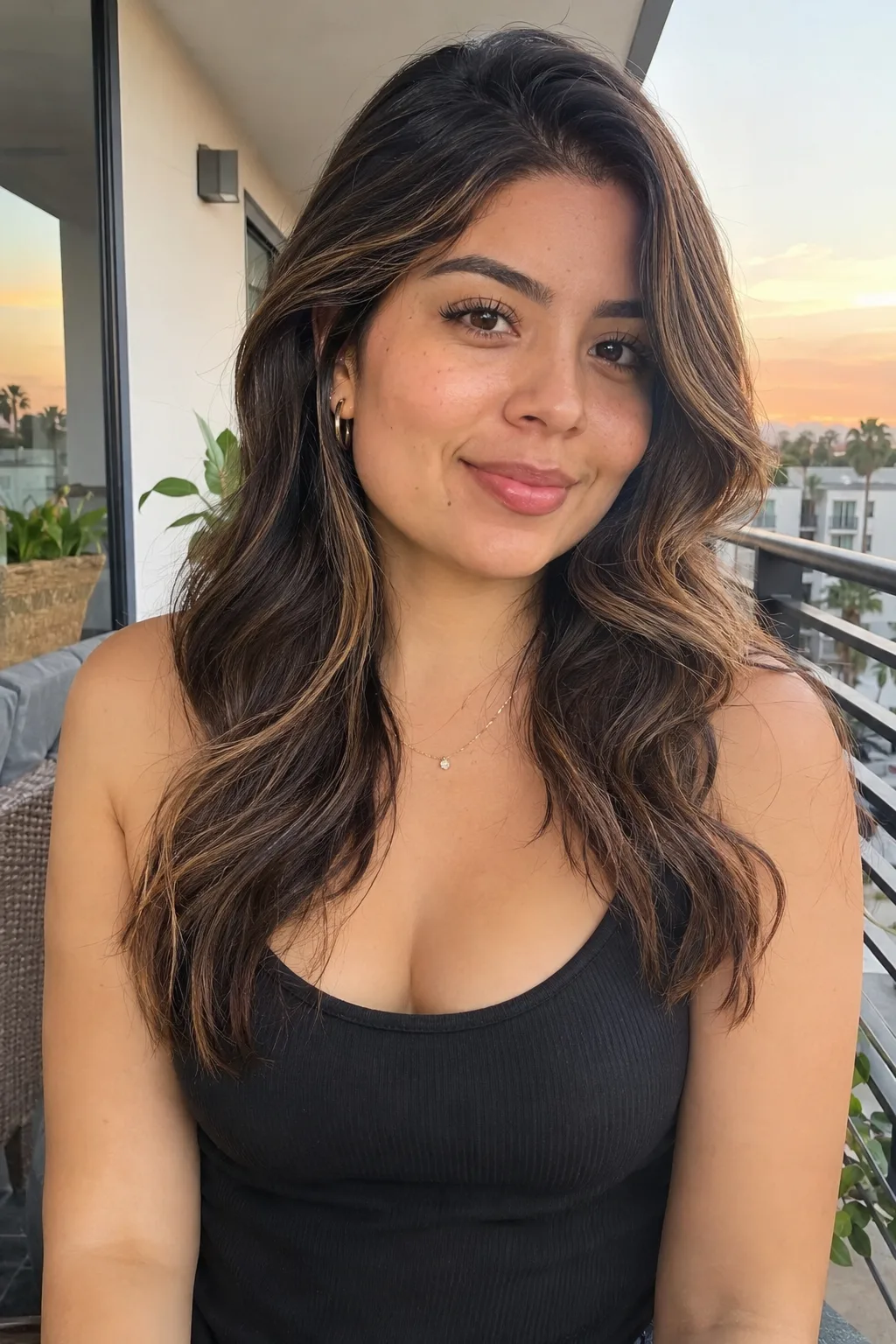
On dark hair a partial is the smart first step. Lifting black to caramel is a two to three level move, it stays warm without fighting it, and the untouched underneath keeps the hair looking thick. Ask for fine "babylights" weaves rather than chunky slices, or the contrast at the part reads as stripes. Our caramel hair color guide has the exact shades that sit on dark bases.
Partial highlights on brown hair
Brown is where partials earn their name. Medium and dark brown take caramel and honey in a single session, and with the underneath left alone the color looks like sun rather than a salon visit. For every highlight family on a brown base, including copper and red, read brown hair with highlights. If blonde is the plan, our guide to brown hair with blonde highlights breaks it down by base level.
Partial highlights on blonde hair
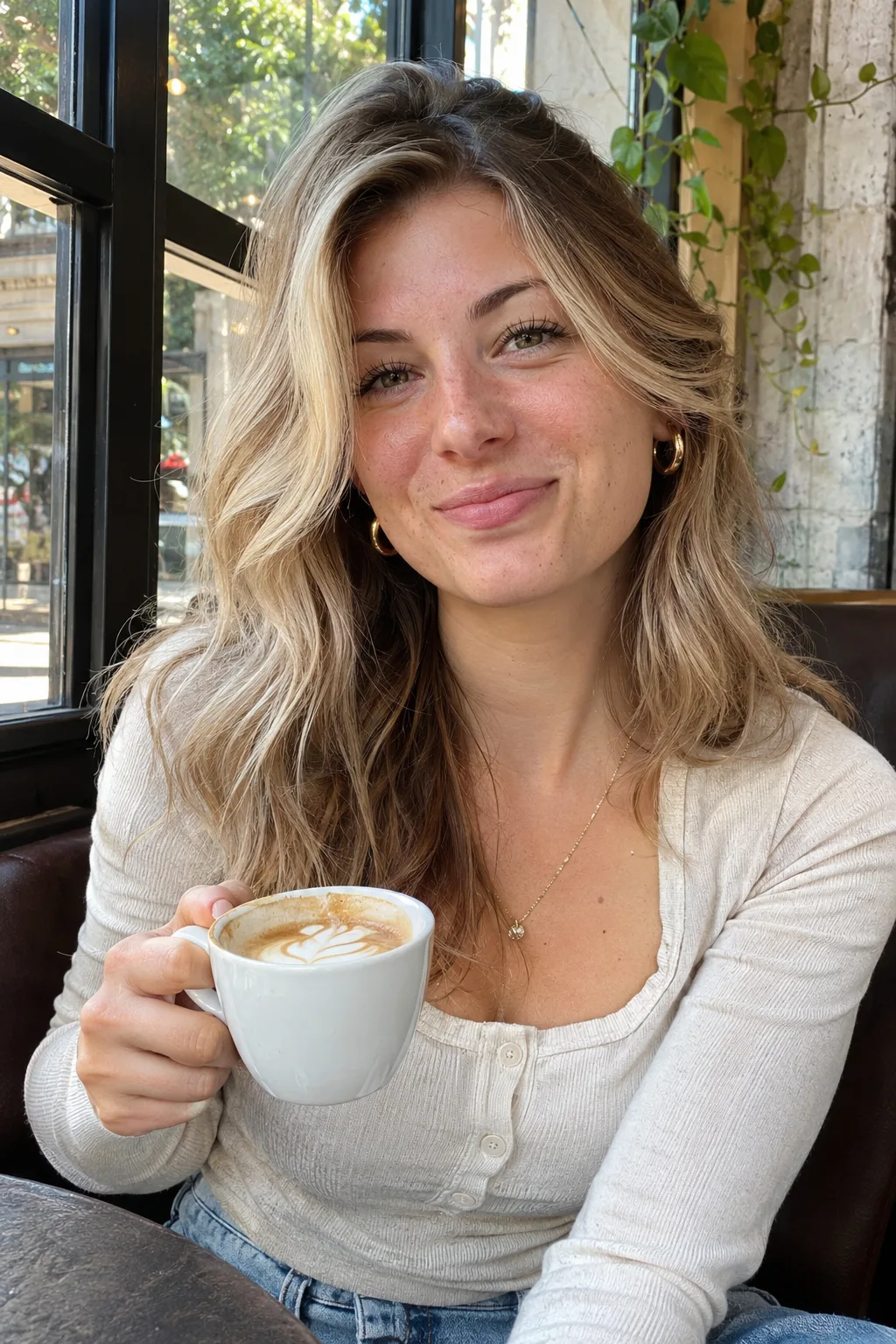
On dirty or dark blonde, a partial brightens the top without turning the whole head one flat blonde. The risk runs the other way here: go too fine and too close to the base, and the highlights disappear. Ask for slightly thicker weaves on the face frame. If you want warmth in the result, honey blonde is the easiest shade to keep.
Partial highlights on short hair
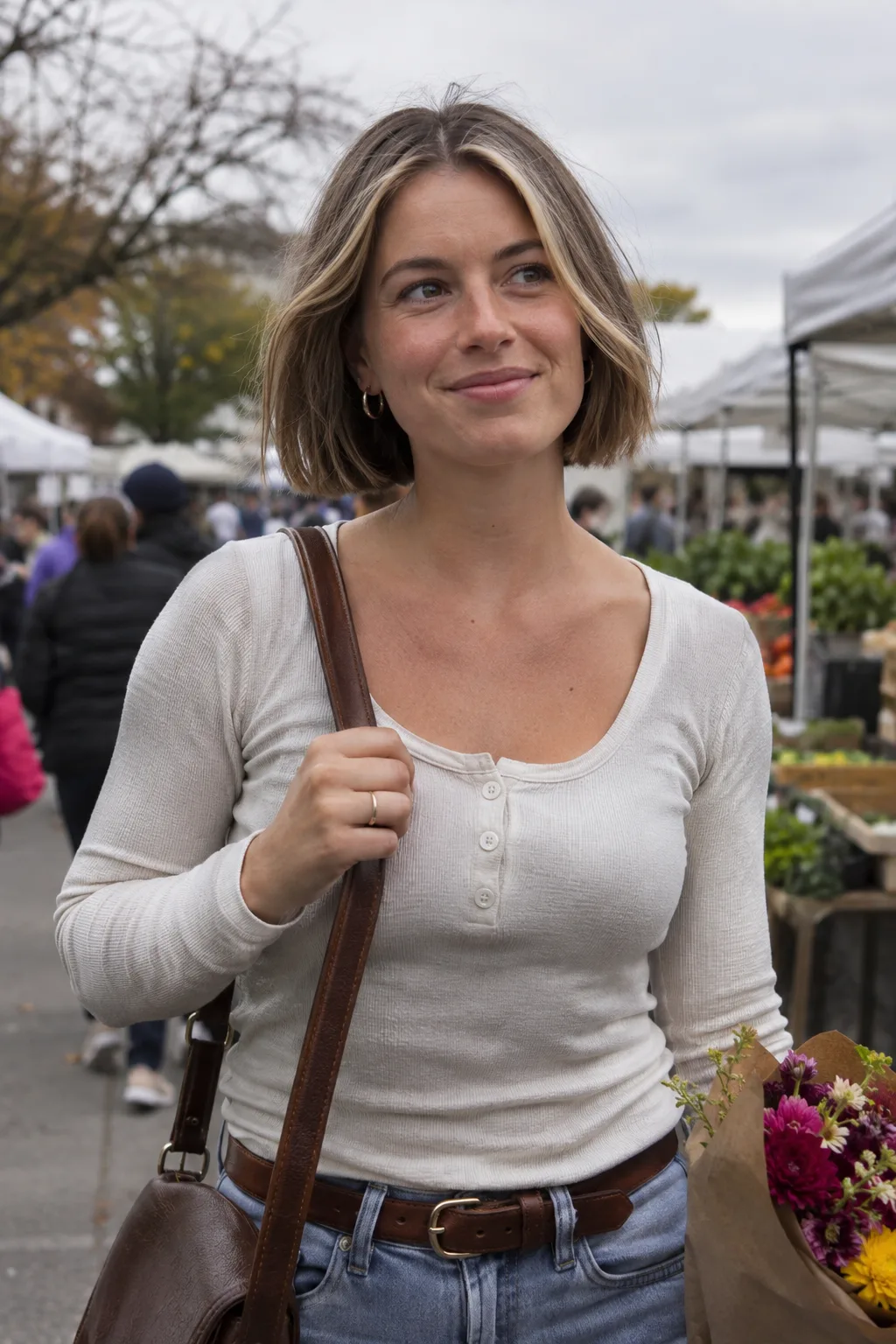
On a bob or a lob, a partial is often all you need, because the top layer covers most of what anyone sees. It also suits the shape: lighter on top, darker underneath reads as extra depth at the nape. If you are still choosing the cut itself, see our lob haircut guide.
Mistakes that make partial highlights look cheap
The partial itself is rarely the problem. These are the four things that make it look patchy.
Wearing it up when it was placed for down
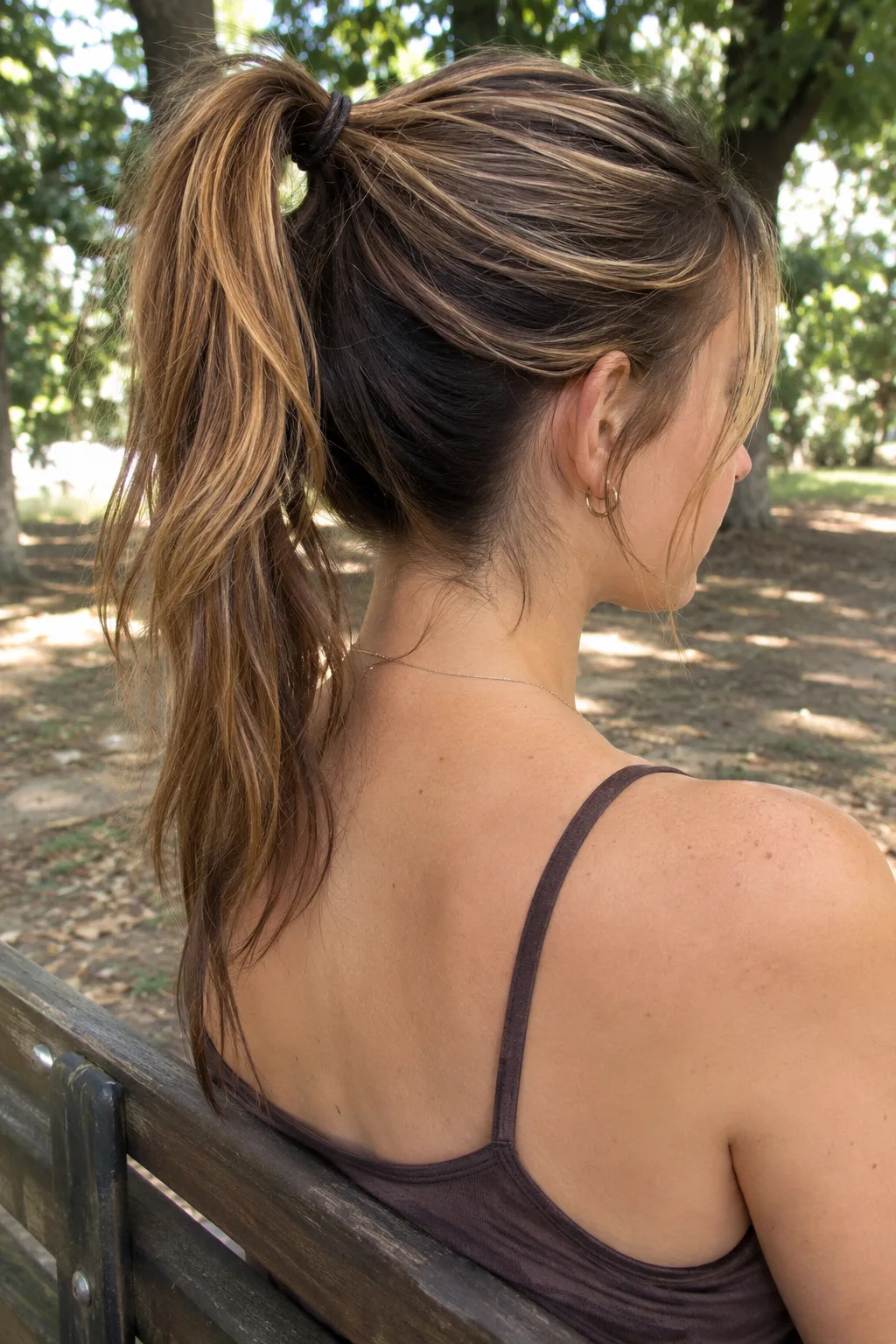
This is the big one. A partial is placed for your hair worn down. Pull it into a high ponytail and the solid dark band at the nape and behind the ears shows. If you wear your hair up three days a week, pay for a full head, or ask for a few extra foils along the hairline at the nape.
Flipping your part
The foils follow your usual part. Move it to the other side and you expose a section that was never lightened. Tell your colorist if you switch parts, and they will weave both sides.
Too much contrast at the root
More than three levels on a partial means a sharp line at the part within four to six weeks. That is the most visible regrowth spot on your head. Keep the jump small, or ask for a root smudge (a toner over the first half inch) to blur it.
Skipping the toner
Lightened brown and black hair turns orange as it fades. A gloss every six to eight weeks keeps caramel caramel. If your hair is already lightened, our bleached hair guide covers aftercare.
How to ask for partial highlights
Bring three photos: one you love, one you do not, and one of your hair the way you wear it most days. Then say this:
Say this to your barber
I'd like partial highlights, fine weaves on the top layer and around my face, two or three levels lighter than my base, and leave the underneath natural.
How to ask for partial highlights
- Show how you wear your hair
Tell your colorist your usual part and how often you tie your hair up. That decides where the last row of foils goes.
- Name the size of the weave
Say "fine weaves" or "babylights" for sun-kissed, "slices" for bolder pieces. Fine is the safer first visit.
- Set the lift in levels
Ask for two or three levels above your base. Anything more on a partial grows out as a stripe at the part.
- Agree on the toner
Ask which gloss they will use to finish, warm or neutral, so the result does not dry brassy.
- Book the touch-up before you leave
Partials look best refreshed every six to ten weeks, before the part-line regrowth gets wide.
Can you see partial highlights on yourself first?
The manual way works: save photos, bring them in, trust your colorist. The wall it hits is that every photo is someone else's base color, face and skin tone. You cannot see caramel on your brown, or the contrast at your own part, until the foils are out.
That is the gap HairstyleAtlas fills. Upload a selfie and it paints the color onto your own hair. The first look is free with no card: one hairstyle and one color on it, front view. More looks, every color and full resolution start at $9 a month on the pricing page. You can also start straight from the virtual hair color try-on.
Which cut makes you look best?
Find out in 60 seconds.
A few quick taps and one selfie, and you'll know. Free account, no card for your first render.
The verdict
Get partial highlights if you wear your hair down in one part and want brightness that grows out softly. Keep the lift to two or three levels and pick a shade your base already passes through: caramel or honey on brown, chestnut or mocha on black, golden on dirty blonde. If you live in ponytails, skip the partial and book a full head. That single question, up or down, matters more than the shade you choose.
Frequently asked questions
Less than full highlights, because only the top layer and face frame are lightened and the rest of your hair is never touched. Any bleach weakens the strands it lifts, so keep the lift to two or three levels and use a bond-building treatment and a gloss.
In most US salons a half head is the same as a partial: foils on the top and the face frame, with the underneath left natural. Some colorists include the sides in a half head and keep "partial" for the top only, so ask before you book.
Yes, when you wear your hair down in your usual part, because the visible layer is the lightened one. They look patchy when the hair is tied up or the part is flipped, which shows the un-lightened hair underneath.
Partials usually need a touch-up every six to ten weeks, because the regrowth sits at the part where everyone looks. Full highlights can stretch to eight to twelve weeks, but each appointment is longer and costs more.
The main types are full, partial (or half head), face-framing or money piece, babylights, balayage and lowlights. Full, partial and money piece describe where the color goes. Babylights and balayage describe how it is applied. Lowlights go darker instead of lighter.
Partial highlights and babylights with a small lift, two or three levels, do the least harm because they lighten the fewest strands by the smallest amount. Staying within three shades of your natural color is also what dermatologists recommend.
Soft highlights around the face usually read younger, because they brighten the skin and break up a flat, solid color. Heavy, high-contrast stripes or very ashy tones can read harsher, so keep the face frame warm and fine.
No. What has gone out is the chunky, high-contrast stripe. Fine, blended partials that look like sun are the version most colorists recommend now.
Preview it on your own photo: Virtual Hair Color Try-On.
Share article
About the author
Related posts
Women's Haircuts · 12 min
Chestnut Brown Hair: 14 Shades and the One That Suits You
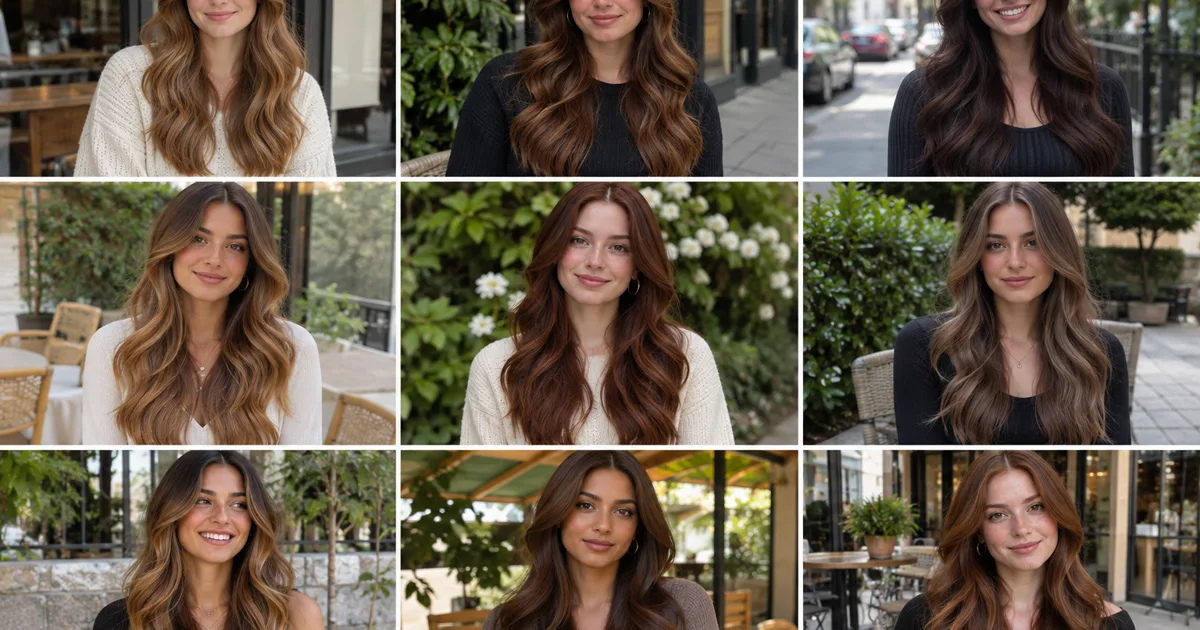
Chestnut is a warm level 4 to 6 brown with a red-gold reflect. See 14 shades side by side, which one suits your skin and starting color, and the exact words to say to your colorist.
Women's Haircuts · 12 min
Black Cherry Hair Color: 14 Looks and Why Dark Hair Wins
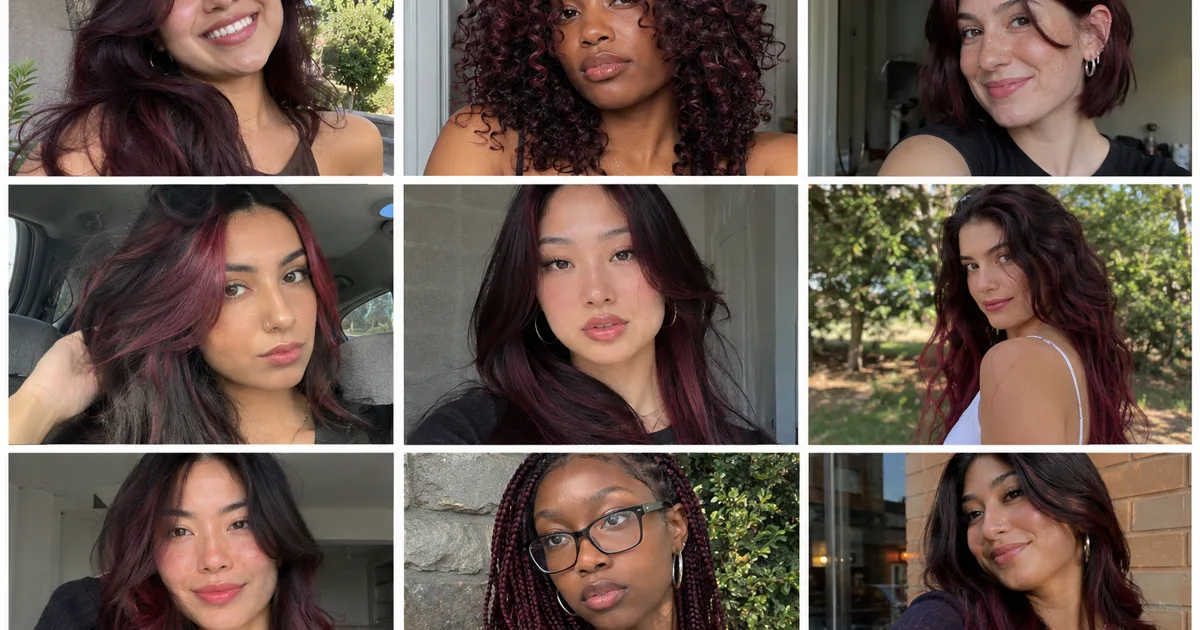
Black cherry is a near-black red that looks black indoors and wine red in the sun. See 14 ways to wear it, what your base color gives you, and how to keep it from fading rusty.
Women's Haircuts · 13 min
Copper Brown Hair: 14 Shades and How to Pick Yours
Copper brown is brown first and copper second. See 14 shades from light golden to deep auburn brown, which one works on your starting color and skin tone, and what to say to your colorist.
Women's Haircuts · 13 min
Caramel Hair Color: 14 Shades and How to Get Yours
Caramel hair color is a warm golden brown around level 6 to 7. See 14 shades and placements, the route from your starting color, what suits your skin tone, and the mistakes that turn it orange.
Women's Haircuts · 12 min
Cherry Cola Hair Color: 14 Looks, Who It Suits, No Bleach
Cherry cola is a dark brunette with a cool black-cherry tint: brown in the shade, red in the sun. See 14 looks, which version your hair can take without bleach, who it suits and what to tell your colorist.
Women's Haircuts · 13 min
Short Pixie Cuts: 14 Looks and How to Pick Yours
The sides of a short pixie barely change. The top decides everything. See 14 short pixie cuts side by side, which one suits your face shape and hair type, and the exact words to say in the chair.