French Cut: What It Means, 14 Looks and How to Ask for One
Oleh Onysko 6 November 2026 14 min read
In this article
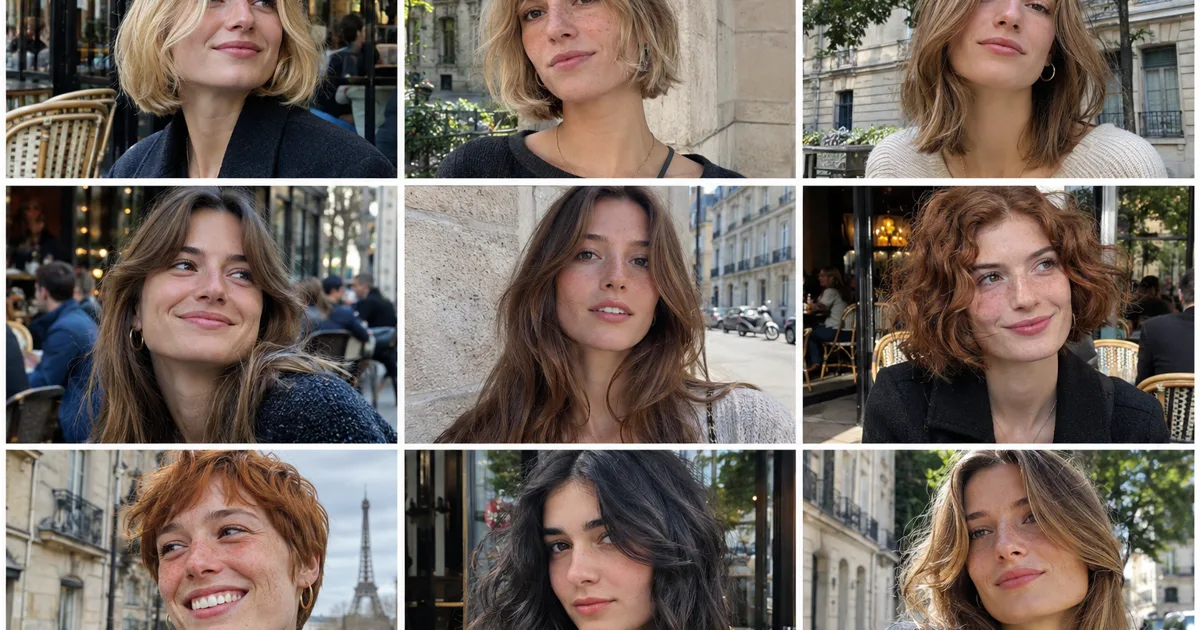
A French cut, in hair, means a haircut done the French way: cut dry, one small section at a time, following how your hair actually falls, so it looks lived-in instead of freshly styled. It is a method, not one shape, and it can produce a jaw-length bob, curtain bangs or long soft layers.
The point most guides miss: a French cut is built to look better at week six than on the day you leave the salon. That changes what you ask for, who it suits and how often you go back. Below are 14 French cuts side by side, which one suits your hair, the exact words for your stylist, and the other thing "French cut" can mean if you are a man asking a barber.
What is a French cut?
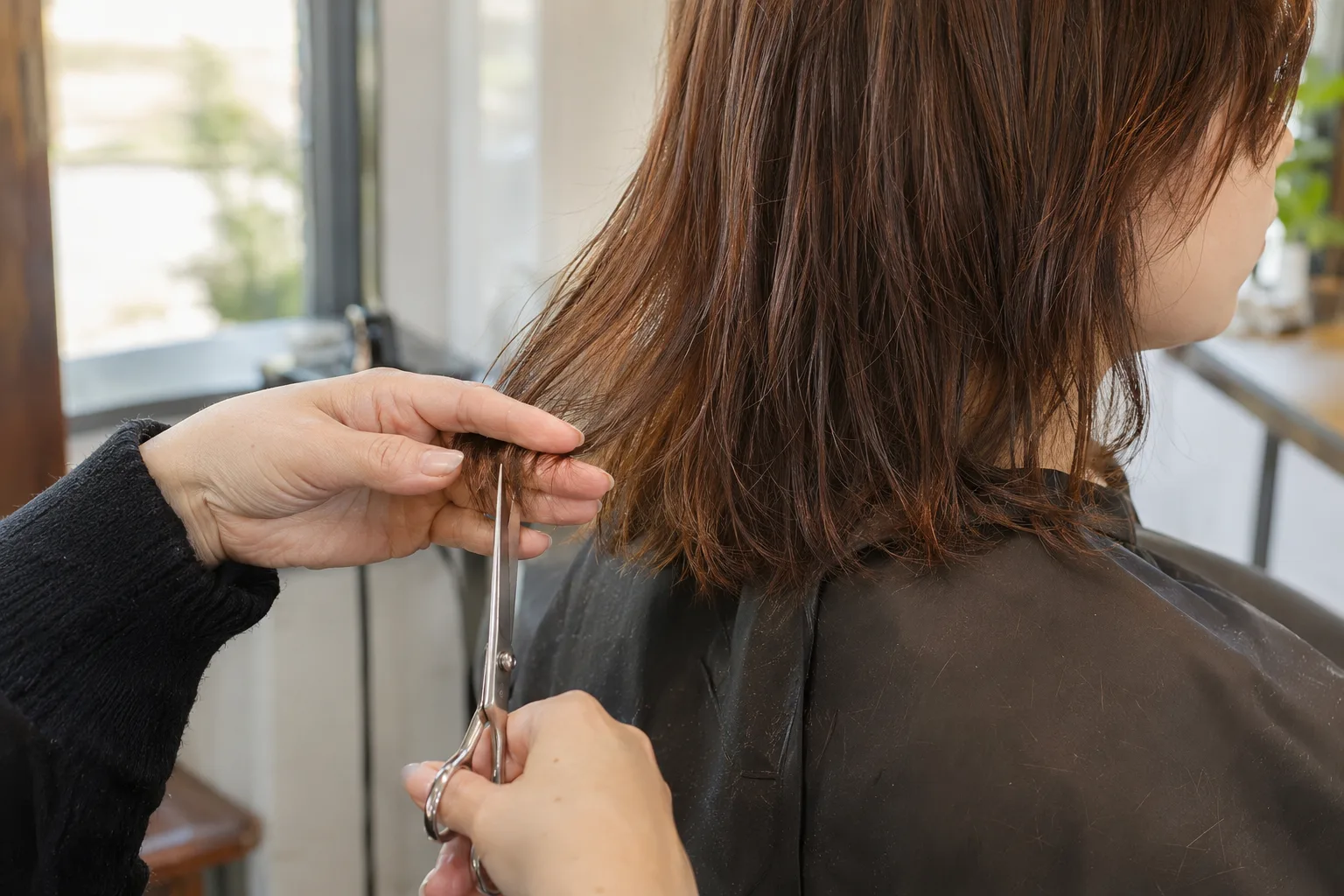
A French cut (also called French haircutting) is a technique where the stylist cuts your hair dry, in its natural texture, usually without clips and without combing it flat and wet. The stylist works in small pieces, often point-cutting into the ends with the scissors held vertically, so each section ends softly instead of on a hard line.

What it is not: a blunt, round-brushed salon bob with a shelf at the bottom. A French cut has no visible stacking, no heavy volume at the crown and no ends that all stop at exactly the same point. Any layers sit inside the hair, where you feel the lightness but do not see steps.
The word "French" comes from the way Paris stylists have cut for decades: less shaping, more removing what fights your natural fall. Vogue's Paris-based writer Monica Ainley describes the French-girl bob the same way, as a cut that is meant to look like you did nothing to it.
Want to see it first? Preview a new hairstyle on your own photo.
French cut vs a standard salon cut
The difference shows up in three places: how the hair is cut, how it grows out, and how much styling you need.
| French cut | Standard wet cut | |
|---|---|---|
| How it is cut | Dry, in natural texture, section by section | Wet, combed flat, cut to guide lines |
| Typical finish | Soft, piecey, slightly uneven ends | Clean line, even ends |
| Day-one look | Undone, a little imperfect | Polished, salon-fresh |
| Week six | Still holds its shape | Line softens, often looks overgrown |
| Styling needed | Air-dry, a little product | Blow-dry to look like the salon |
| Trim schedule | Every 10 to 12 weeks | Every 6 to 8 weeks |
| Best for | Wavy, curly, fine hair, low-effort people | Sleek, precise shapes like an A-line |
The table makes the trade clear. You give up a little day-one polish and get a cut that needs half the styling and half the trims.
14 French cut ideas, from bob to long layers
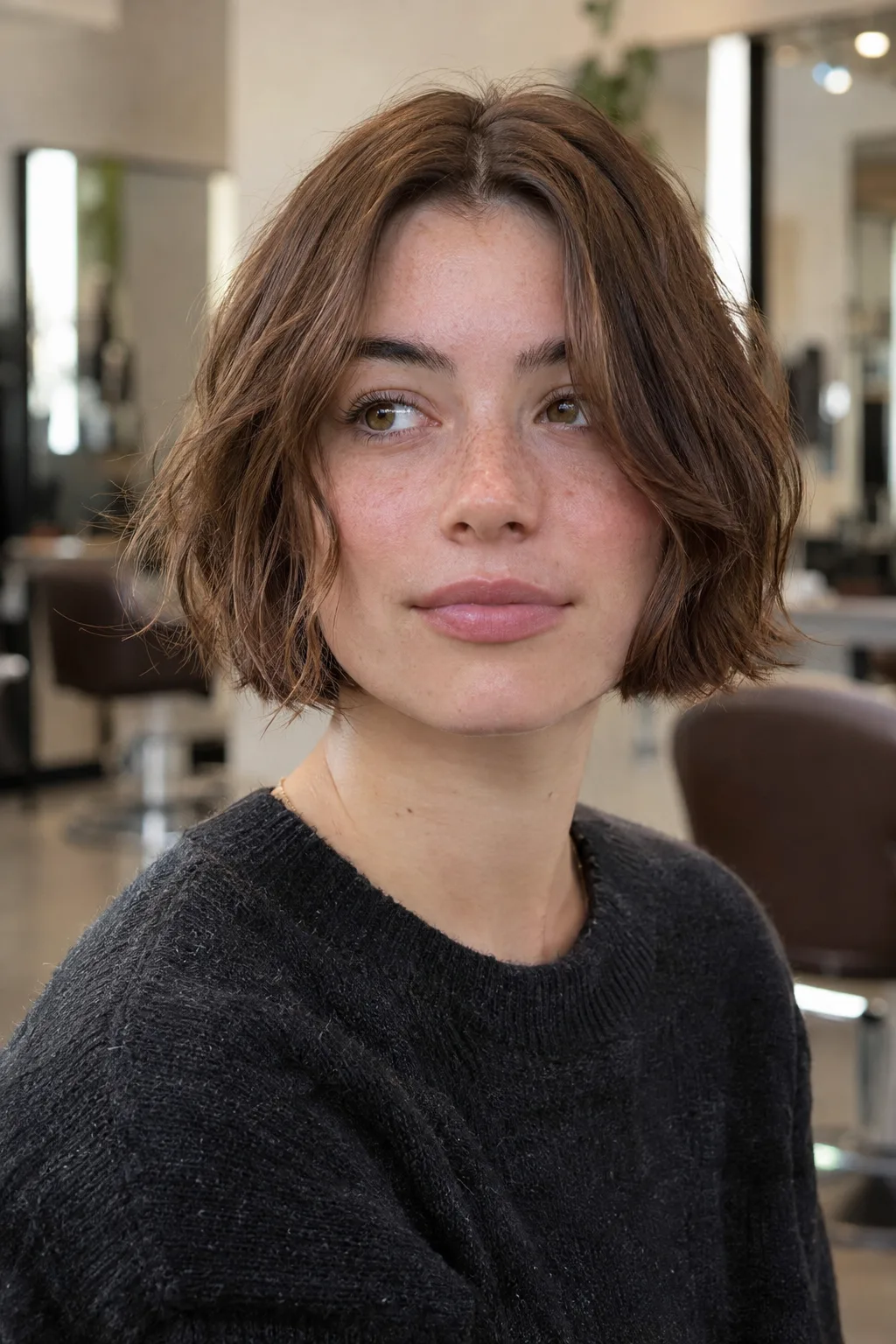
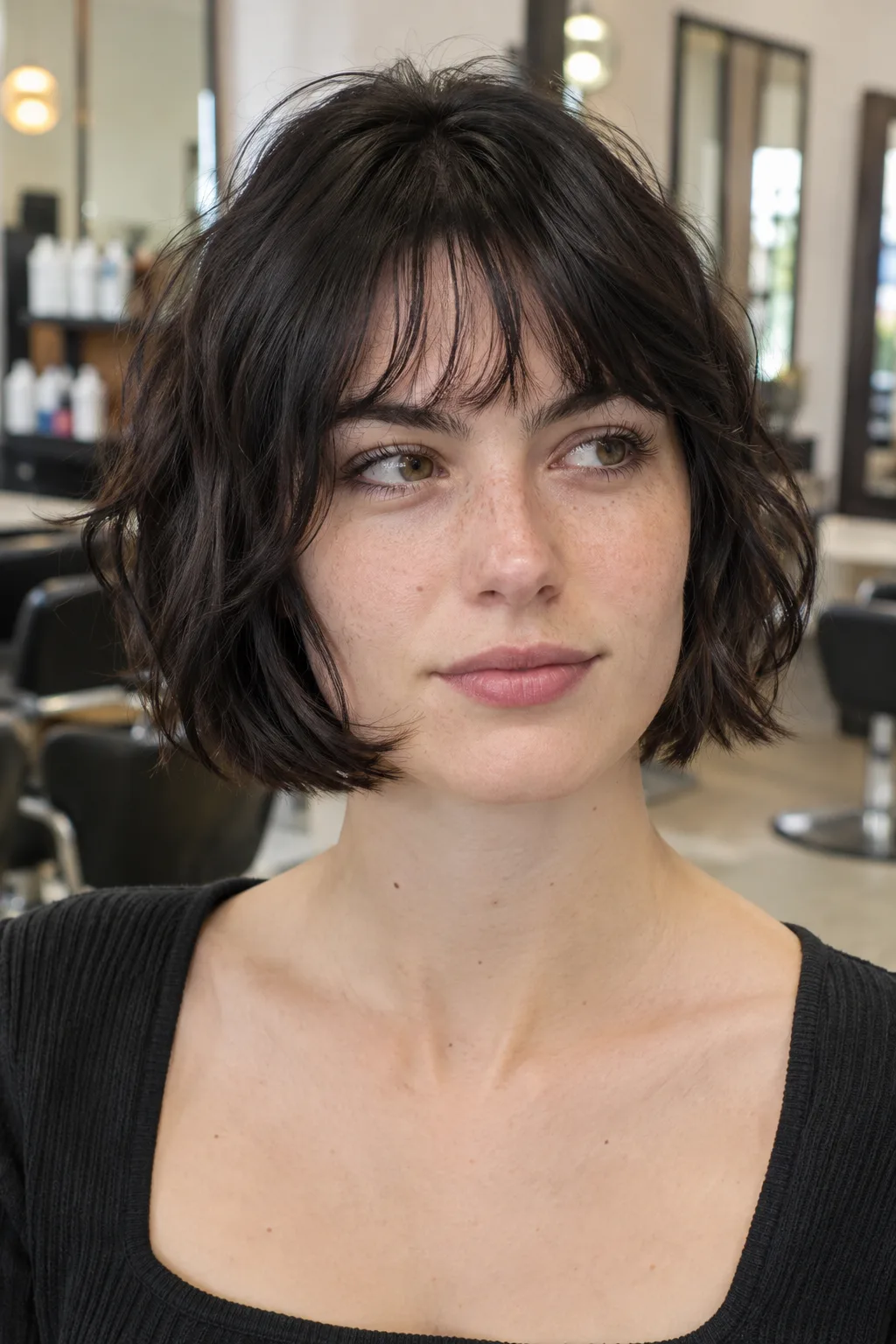
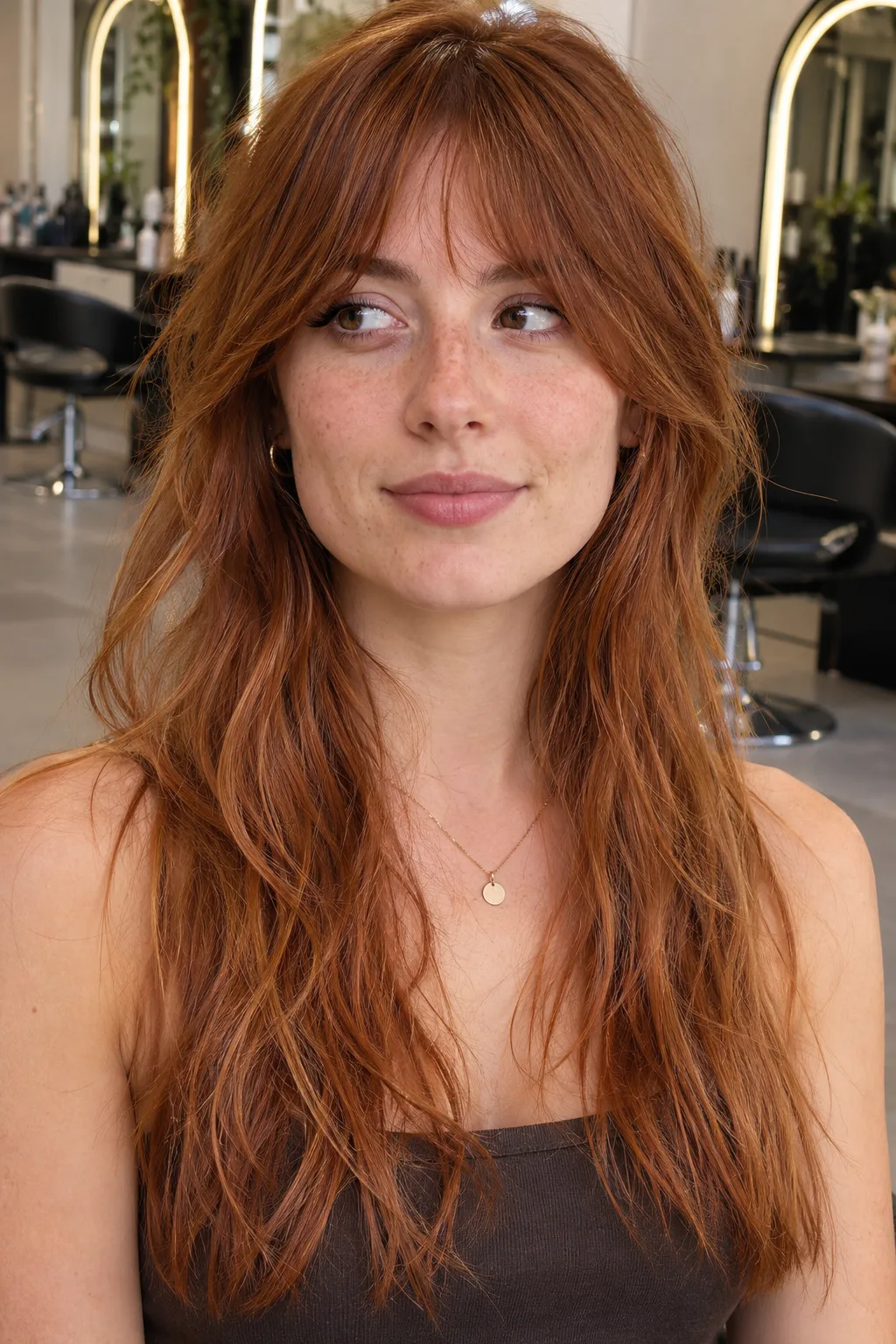
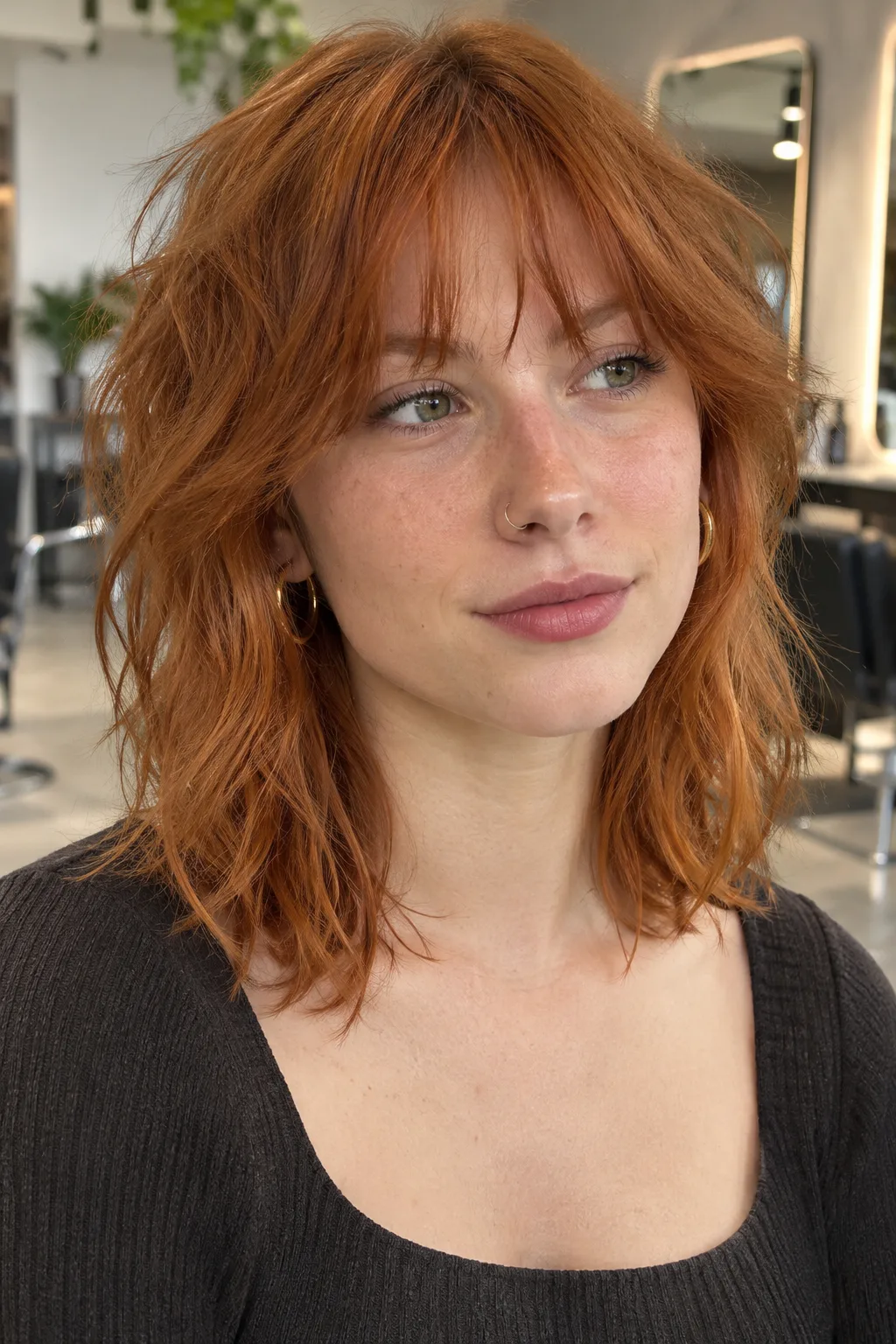
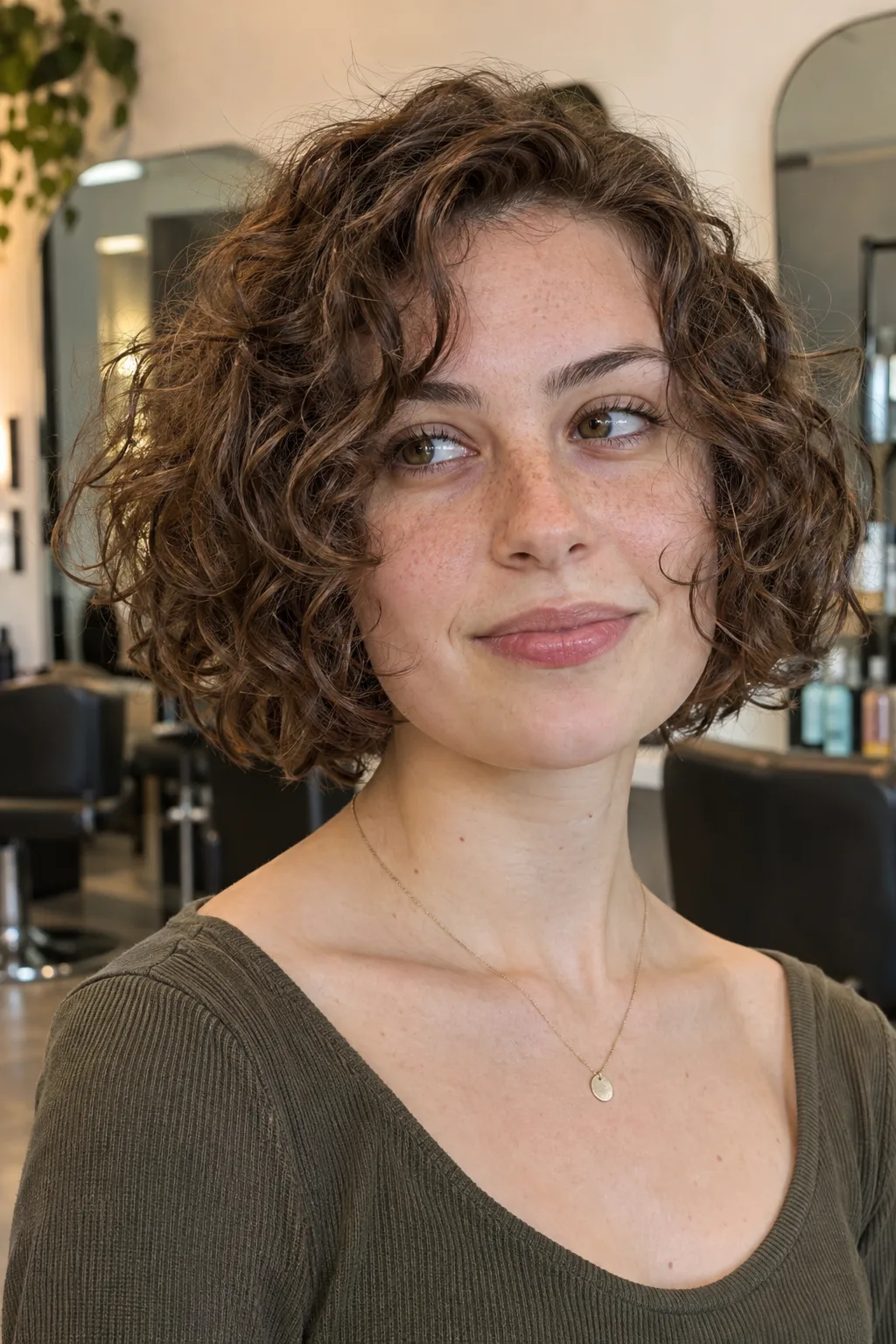
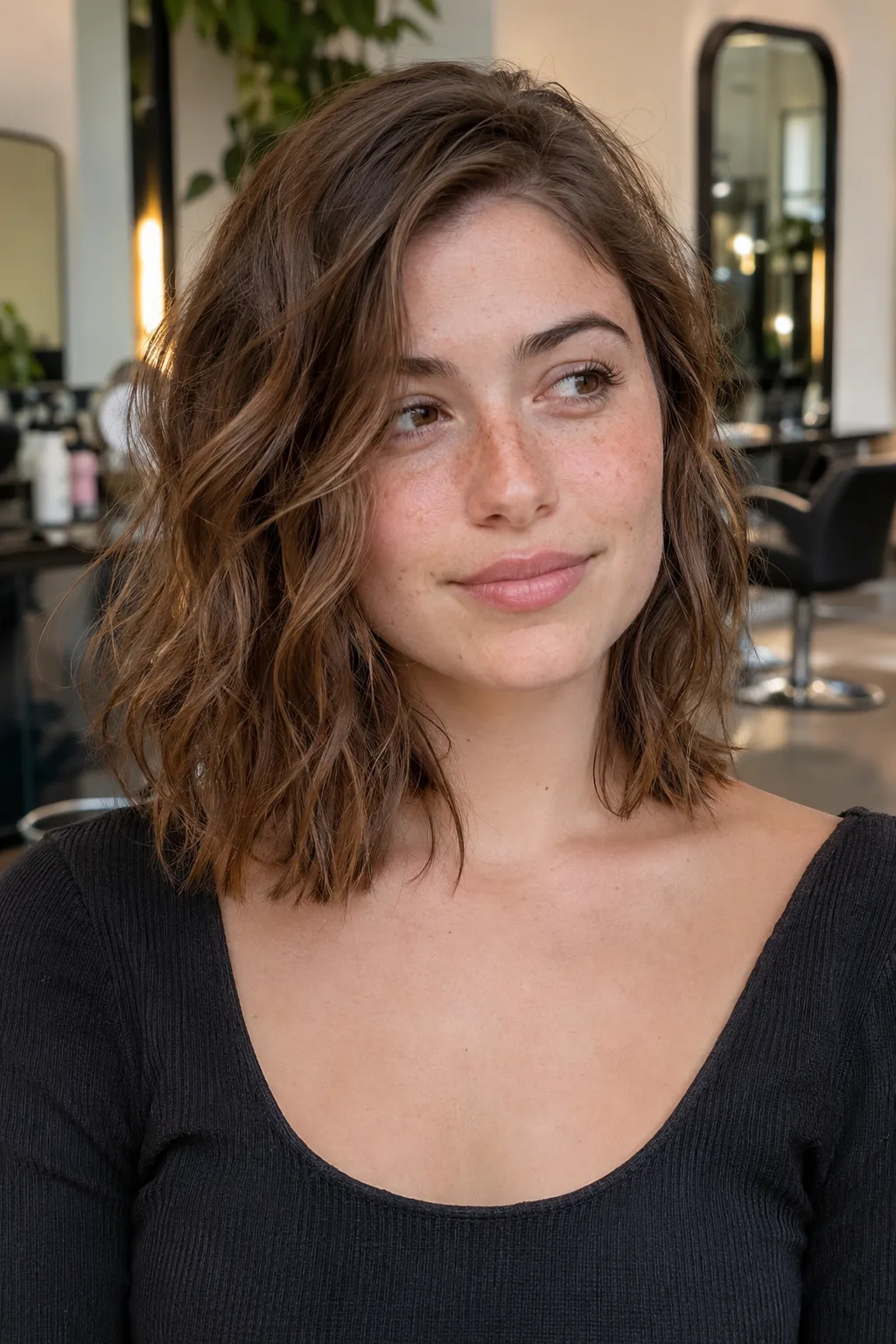
Every cut below was done the same way: dry, in natural texture, with soft ends and no blow-out. The only thing that changes from photo to photo is the shape and length. Use it to find the length you want, then read the next section to check it suits your hair.
Gallery14 photos · tap to enlarge
 Would this suit me?
 Would this suit me?
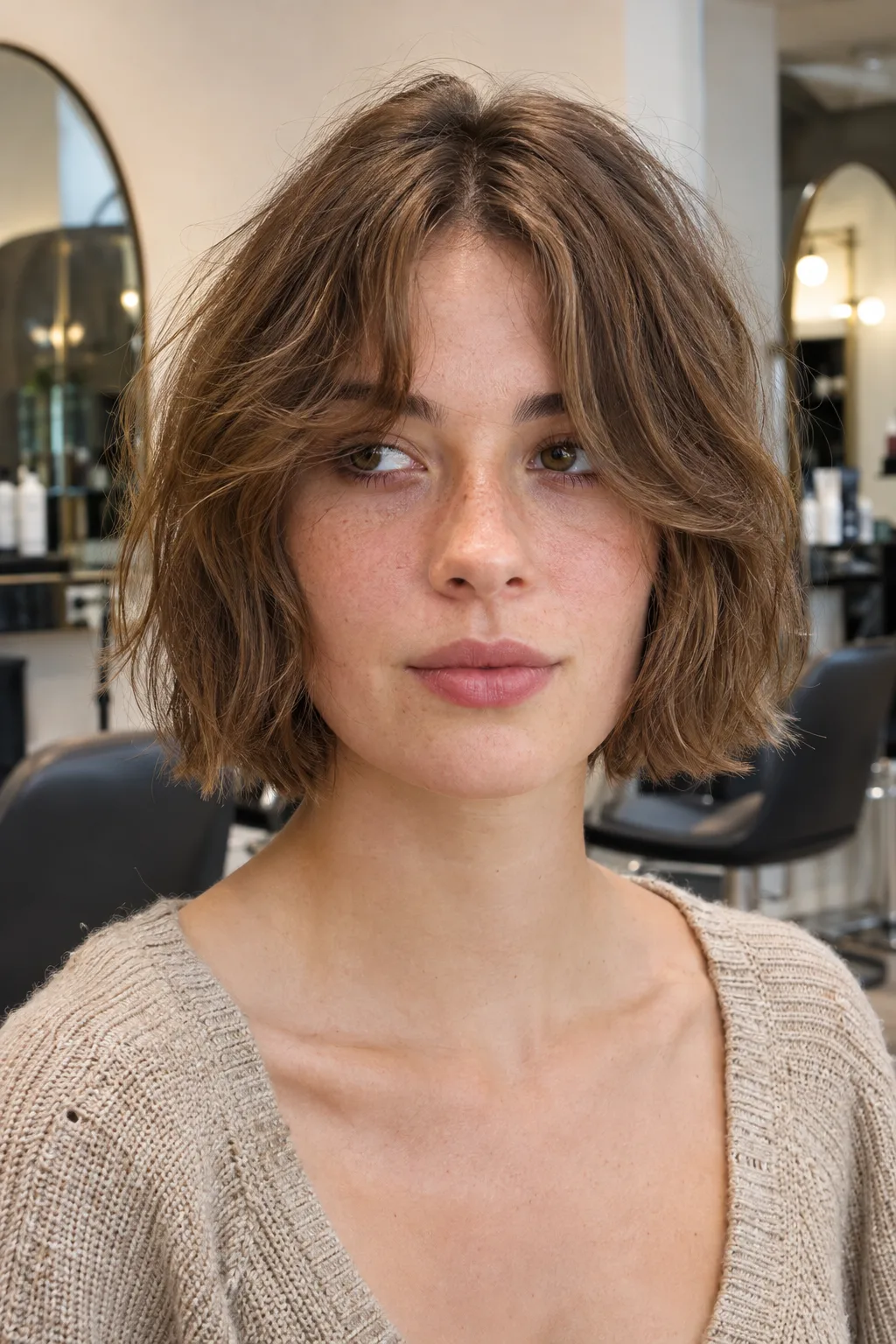 Would this suit me?
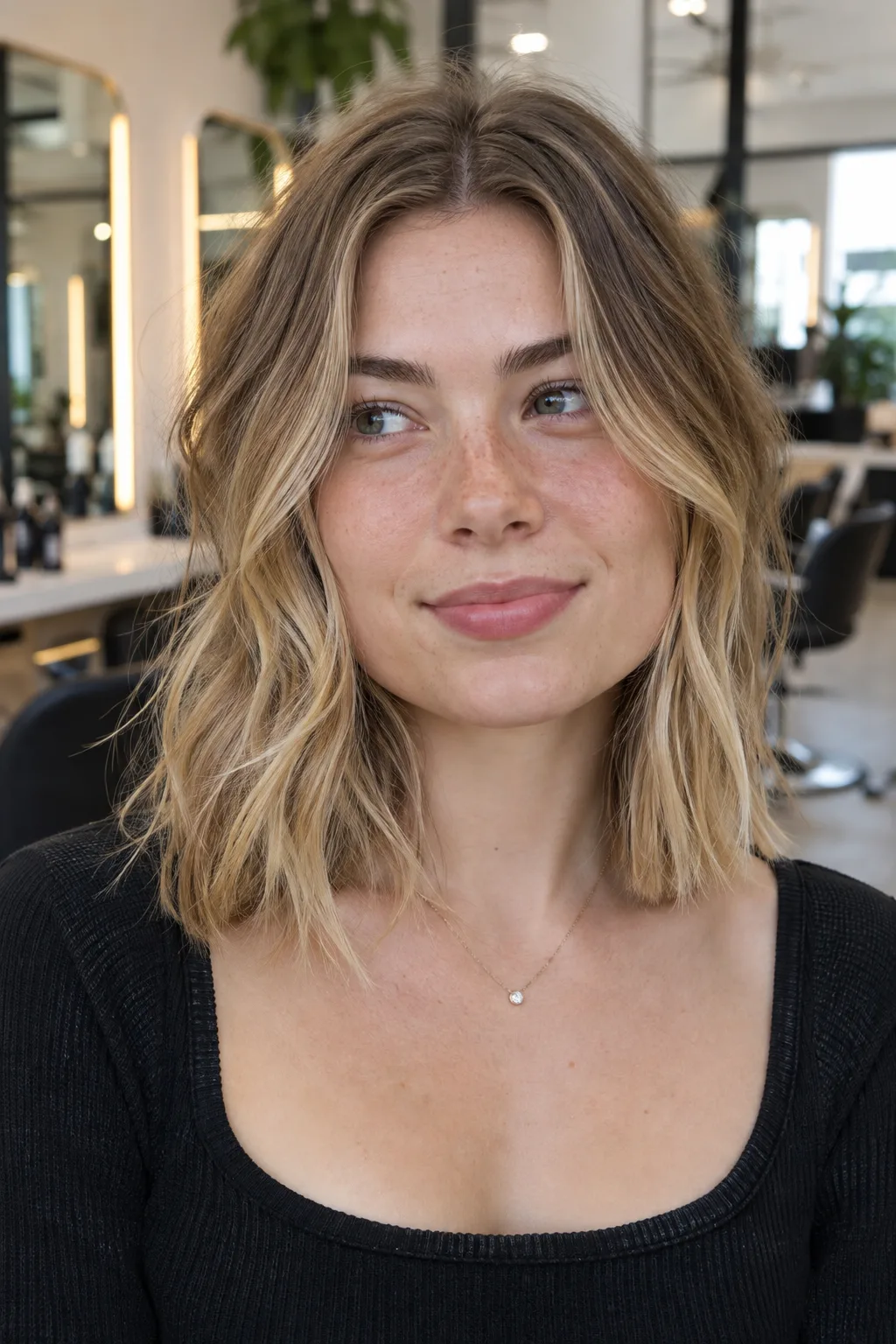 Would this suit me?
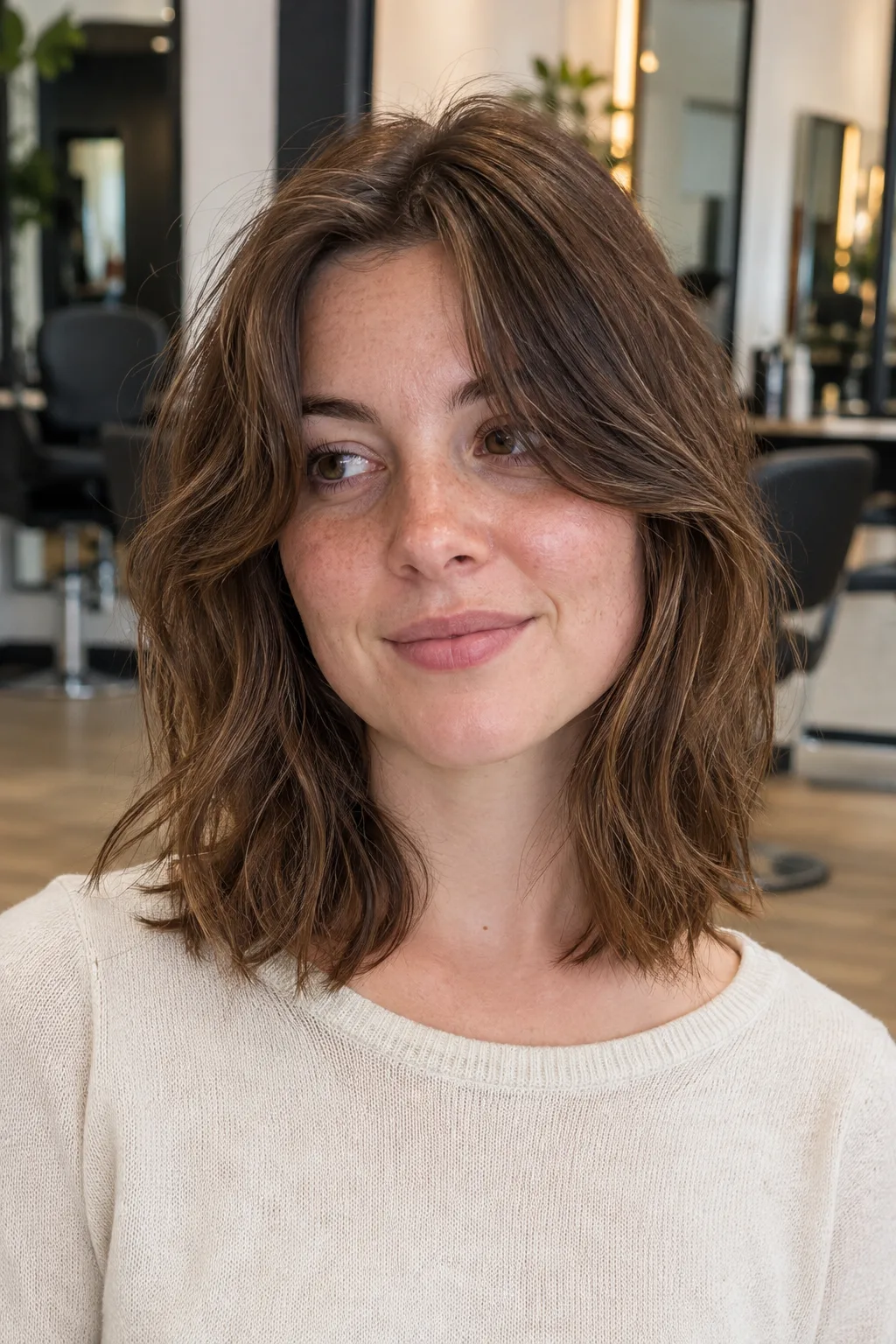 Would this suit me?
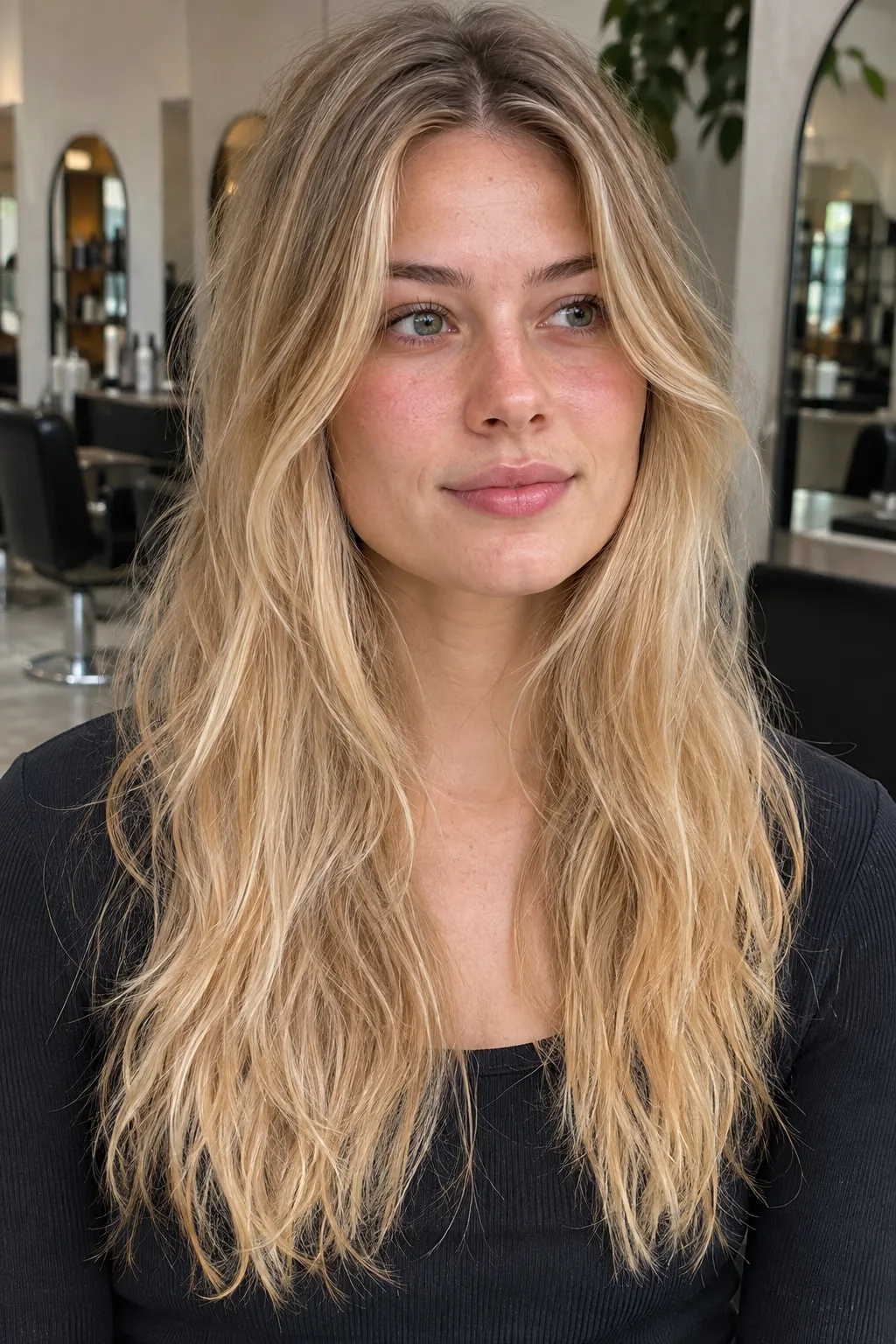 Would this suit me?
 Would this suit me?
 Would this suit me?
 Would this suit me?
 Would this suit me?
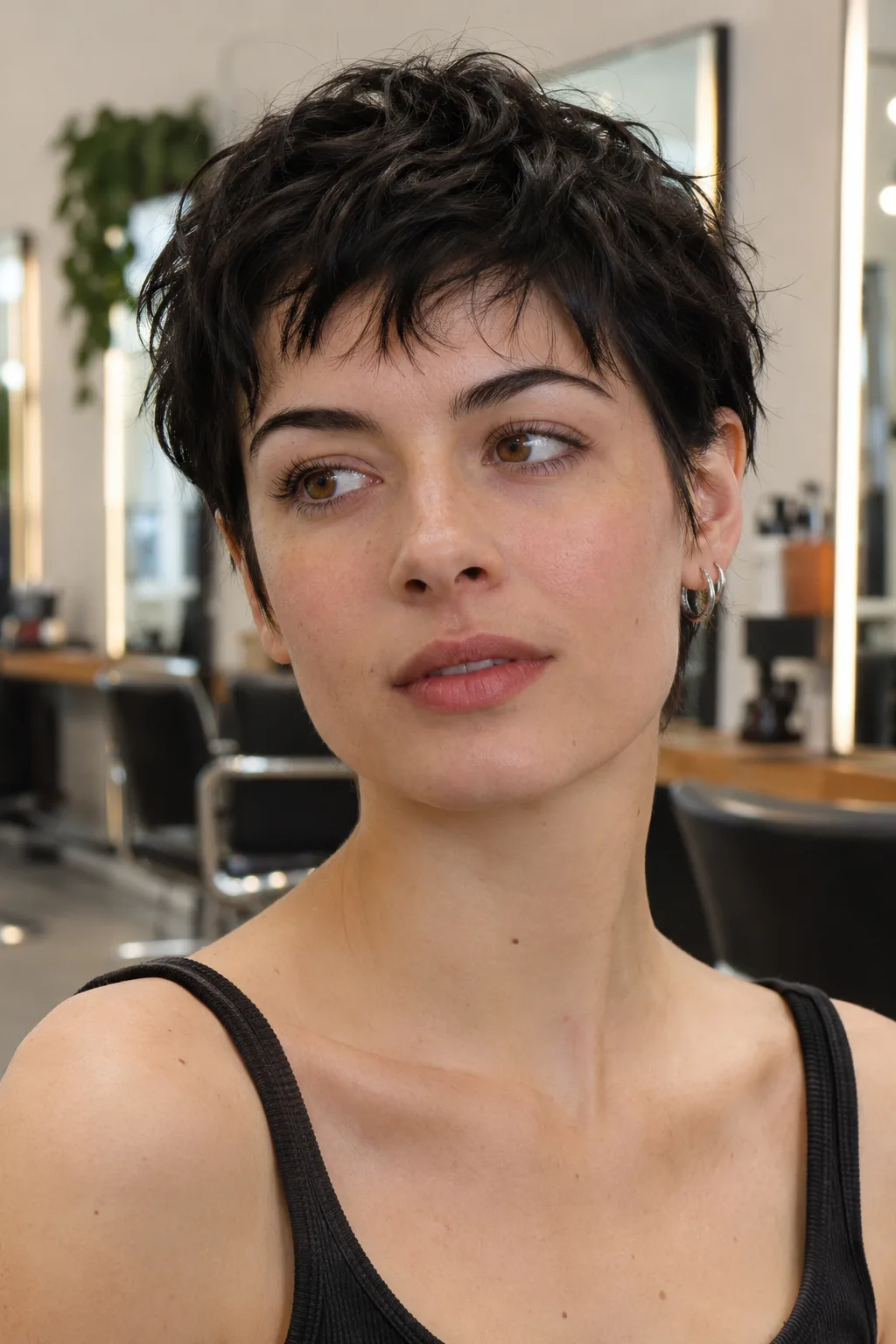 Would this suit me?
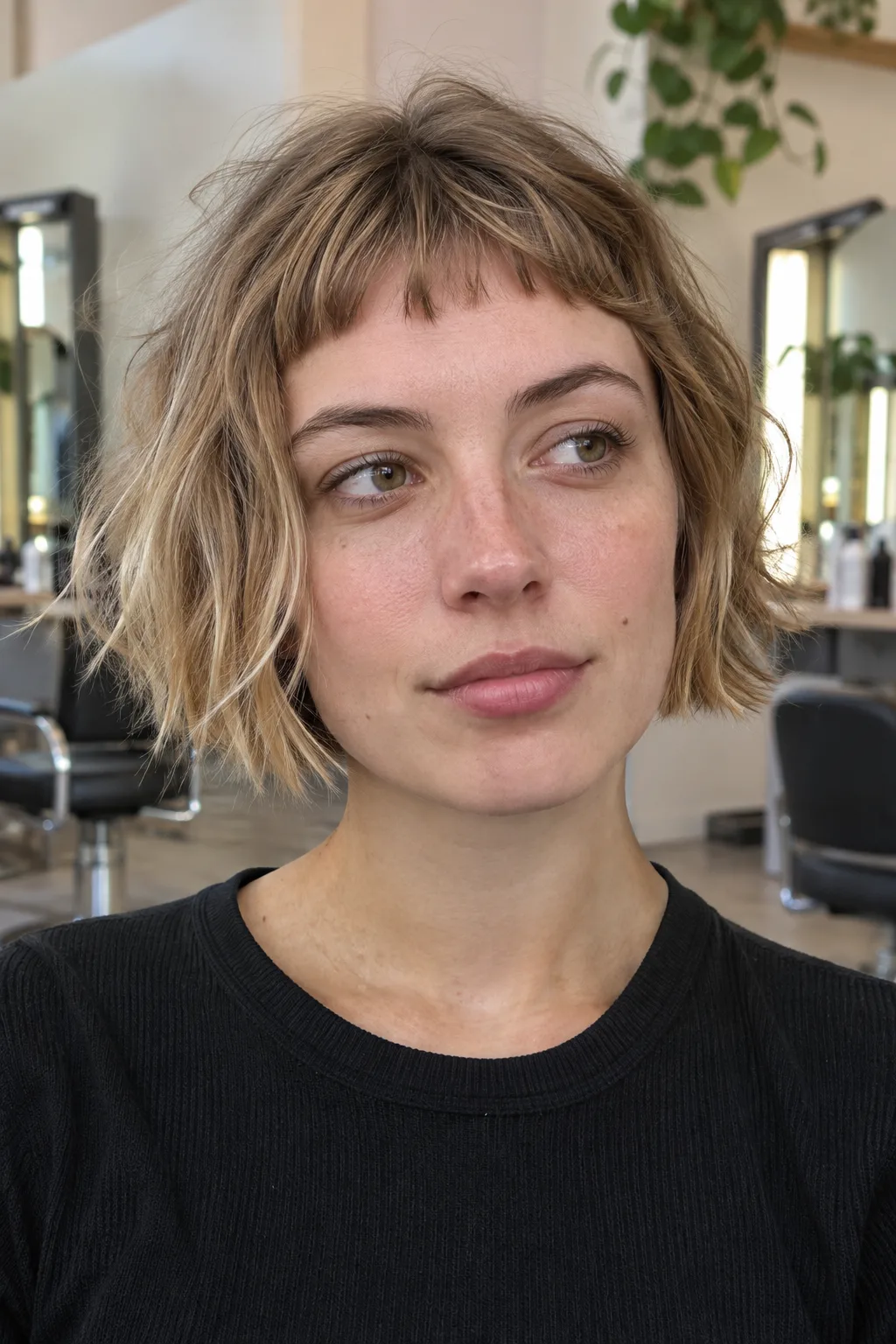 Would this suit me?
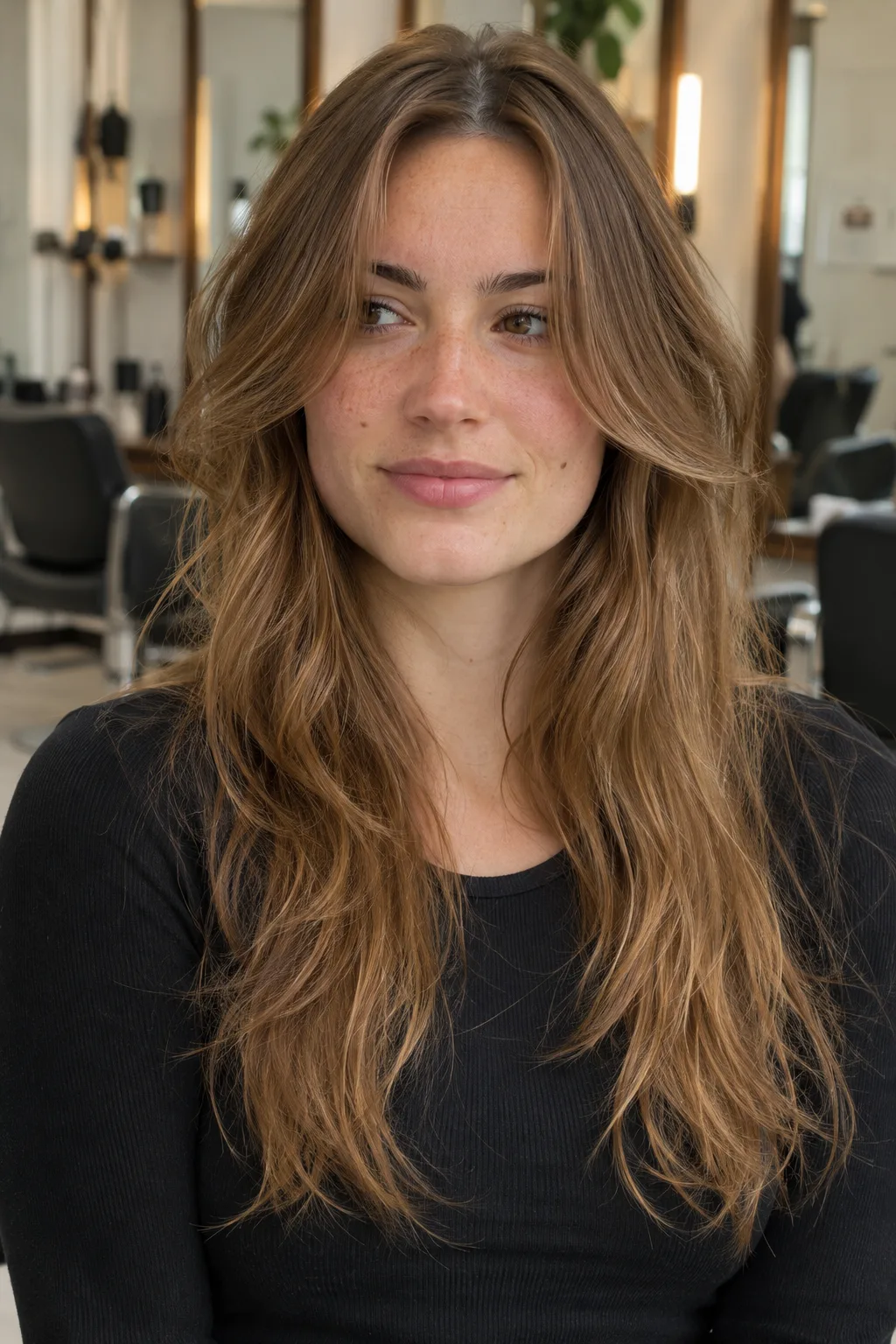 Would this suit me?
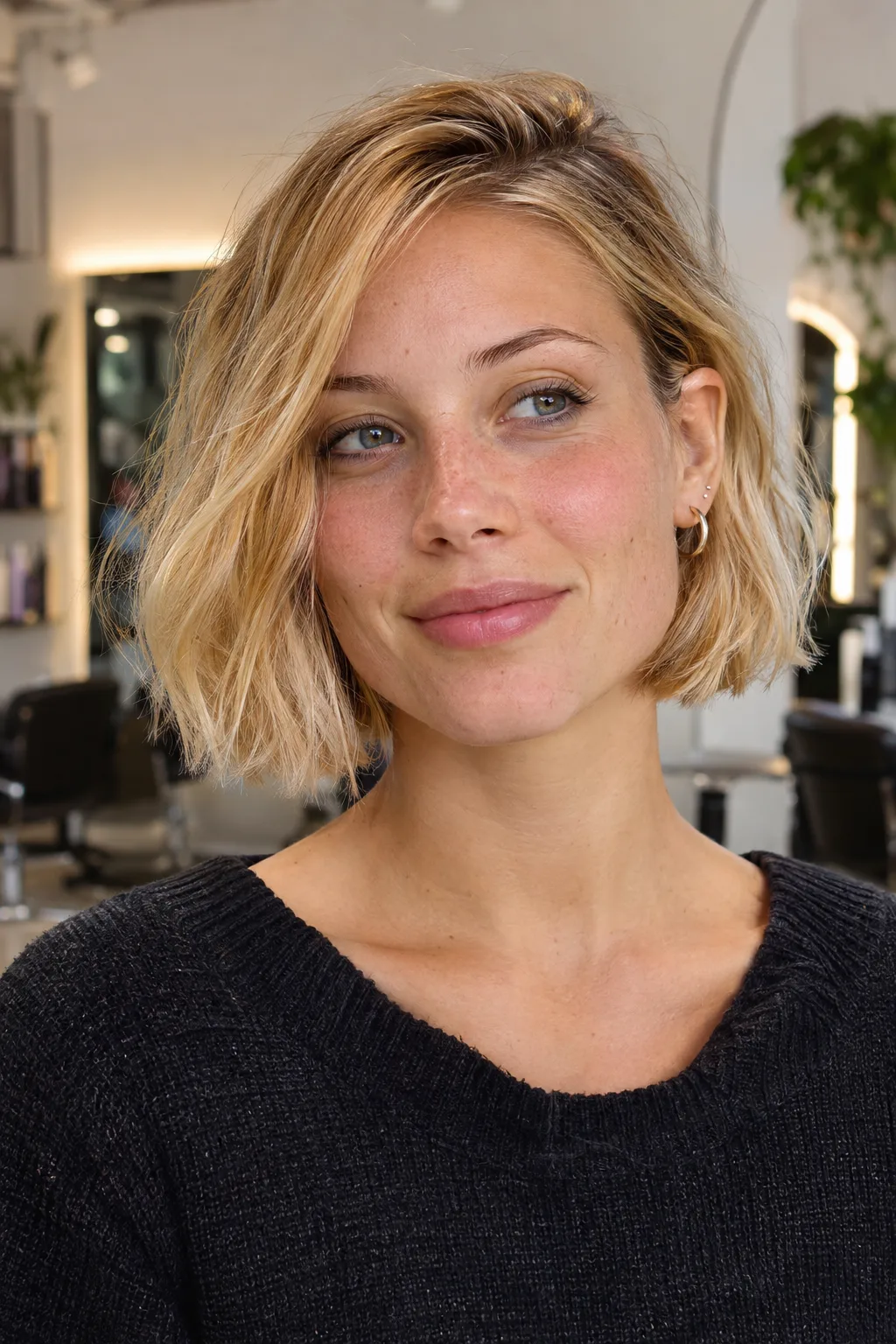 Would this suit me?
The jaw-length French bob is the classic, and the one most people mean when they say "a French cut". If you want to see more bob lengths, our shoulder length bob guide covers the version that sits just above the shoulders.
Which cut makes you look best?
Find out in 60 seconds.
A few quick taps and one selfie, and you'll know. Free account, no card for your first render.
Which French cut suits your hair?
Hair type decides more than face shape here, because the whole method is about working with your texture. Short answer: wavy and curly hair benefit most, fine hair does well if the stylist keeps the weight, and very thick straight hair needs the most care.
| Hair type | Verdict | Best French cut | Ask for |
|---|---|---|---|
| Fine, straight | Good, keep it short | Chin or jaw bob | Weight kept at the ends, light point-cutting only |
| Medium, straight | Easy | Bob, lob or curtain bangs | Cut dry, soft ends, no stacking |
| Wavy (2a to 2c) | Best match | Collarbone lob | Invisible layers so the waves sit loose |
| Curly (3a to 3c) | Very good | Rounded curly bob | Cut dry, curl by curl, length checked dry |
| Very thick | Yes, with weight removal | Shoulder length or long layers | Bulk taken out from inside, not at the surface |
Fine or thin hair
Fine hair is where a French cut can go wrong, because too much point-cutting makes the ends see-through. Keep the length at the chin or jaw, where fine hair looks thickest, and ask the stylist to soften only the last half inch. The bangs filter is a quick way to check whether a few wispy pieces in front help or just make it look thinner.

Wavy hair
Wavy hair is the reason this method exists. A wet cut pulls waves straight, so the length you see in the chair is not the length you get once it dries and springs up. Cut dry, the stylist sees each wave where it lands. A collarbone lob with internal layers is the safest choice: long enough to tie back, short enough that the waves stay light.

Curly hair
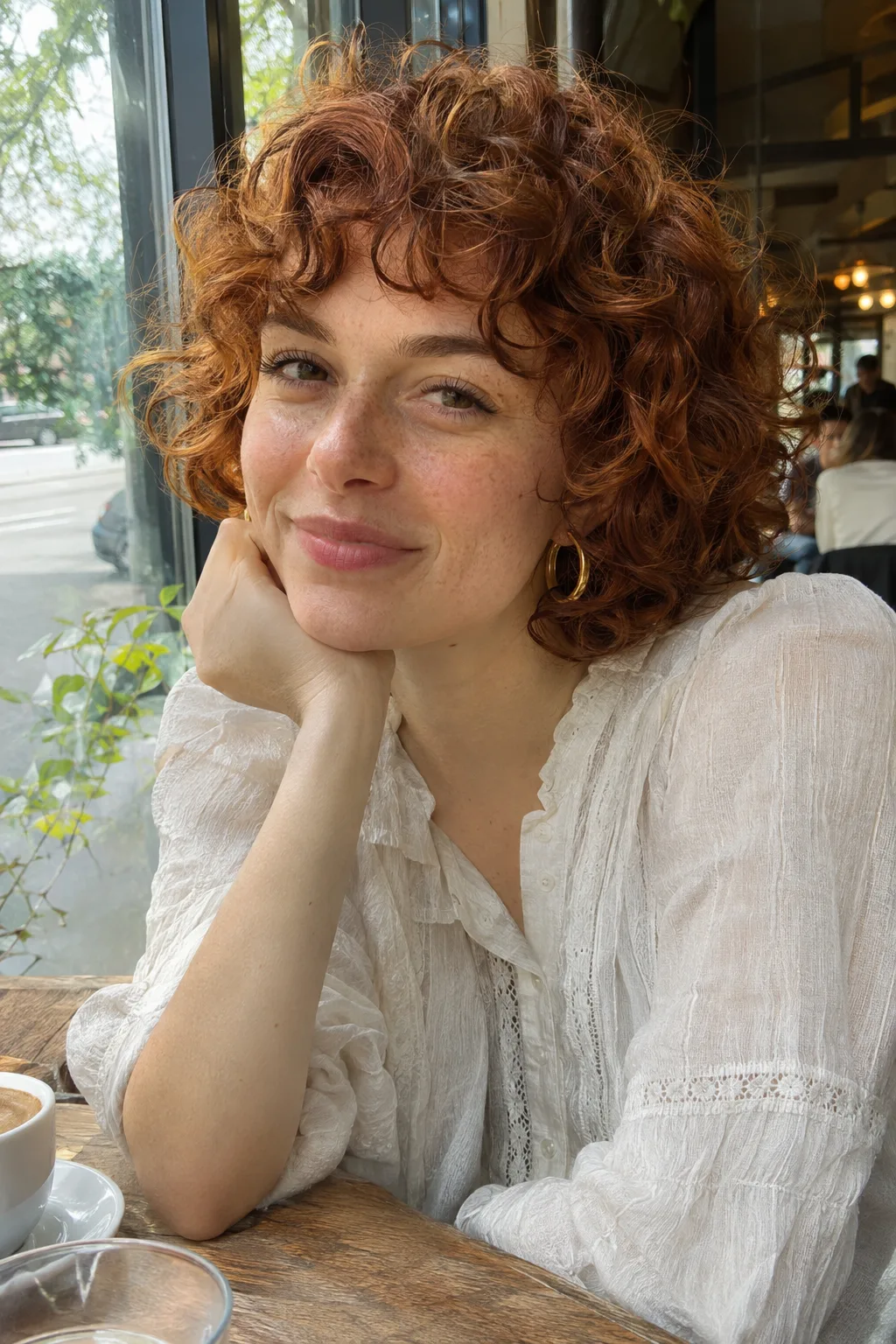
Curly hair has the most to gain, since each curl can shrink a different amount. Cutting dry, curl by curl, means the shape is checked at its real length. Ask for a rounded bob that ends at the jaw when dry, and expect it to look much longer when wet. If you want to compare curl-friendly shapes first, the curly hair try-on shows them on your own photo.
Is a French cut good for a round face?
Yes, if the length stops below the widest part of your face. A jaw bob that ends right at the cheeks makes a round face look wider; one that ends an inch lower, with a side part or long curtain bangs, draws the eye down. Long face-framing layers that start at the cheekbone are the most forgiving French cut of all for a round face.
Not sure what face shape you have? Measure it below, or run the face shape detector on a selfie.
Measure it instead of guessing
Both numbers in the same unit — the answer is a ratio, so it does not matter which.
Under 1.15 reads round, 1.15 to 1.5 reads oval, over 1.5 reads long. Oval and long split on the jaw rather than the ratio: an oval tapers toward the chin, a long face runs straight down.
French cut for men: the French crop
When a man asks a barber for a "French cut", he almost always means the French crop: short, textured hair on top pushed forward into a blunt fringe, with tapered or faded sides. Same name, different haircut. It has nothing to do with dry cutting.
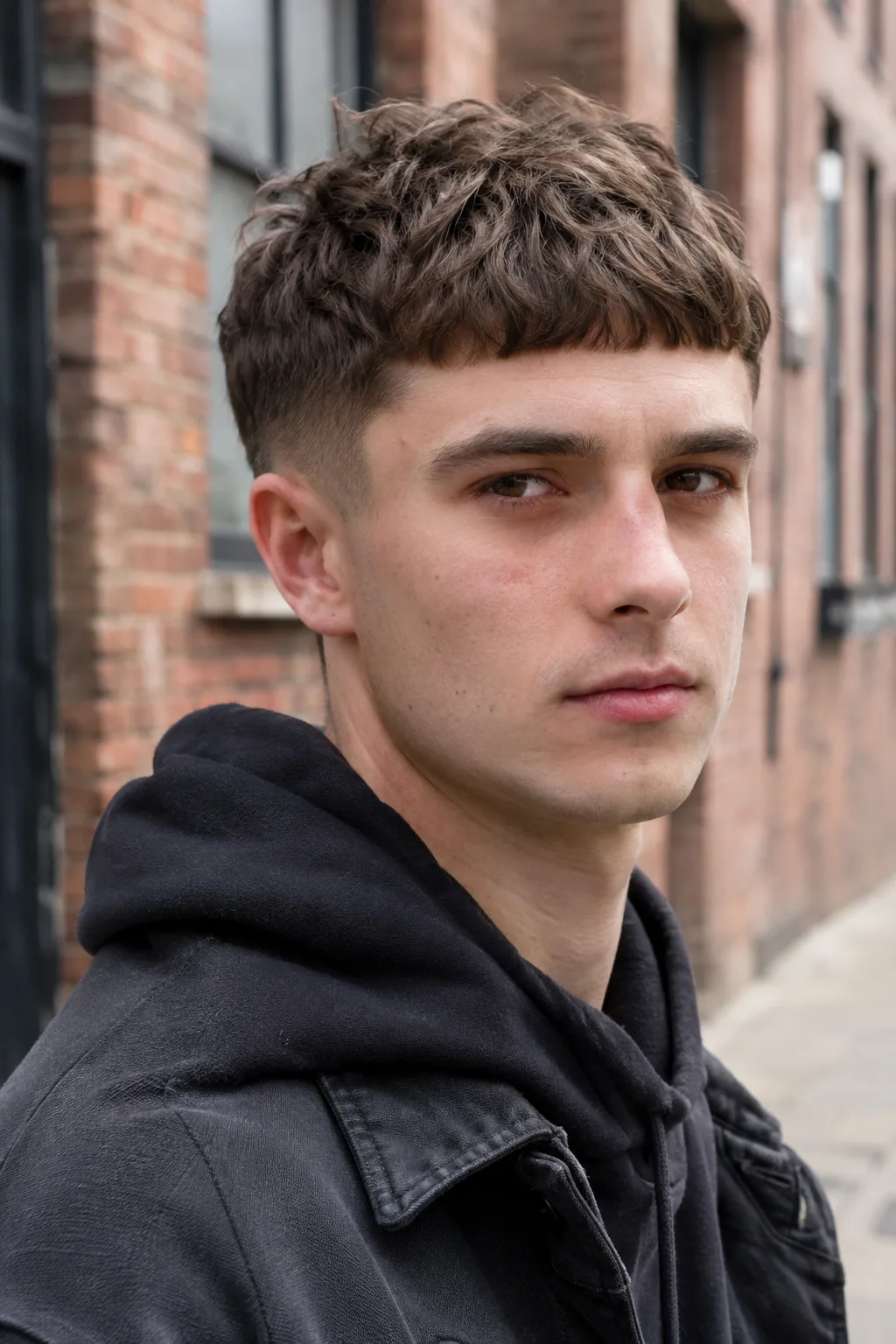
We cover it in full, from fringe length to fade height, in the French crop haircut guide. Outside of hair, "French cut" also describes high-cut underwear and green beans sliced lengthwise, as the dictionary entry notes.
Mistakes that cost you a good French cut
Most bad French cuts come from four mistakes, and you can avoid all of them before the scissors come out.
- Washing and wetting your hair before you go. A French cut is cut dry and in natural texture. Arrive with your hair clean from the day before and styled the way you normally wear it, not blown out and not soaking.
- Asking for "French cut" at a salon that only cuts wet. Many salons say yes and then cut it wet. Ask directly: "Do you cut dry?" If the answer is a pause, book somewhere else.
- Over-thinning fine hair. Too much texture makes the ends wispy and transparent. On fine hair, point-cutting should stay in the last half inch.
- Judging it in the mirror on day one. The cut is designed to settle. Give it three or four washes before you decide.
How to ask for a French cut
Bring two photos, one from the front and one from the side, and wear your hair the way you style it every day. Then say this.
Say this to your barber
A French cut done dry in my natural texture: soft, point-cut ends, no hard line, no stacking, any layers kept inside so they do not show, and the length checked dry where I want it.
How to ask for a French cut
- Book a stylist who cuts dry
Ask when you book: "Do you do dry cutting or French haircutting?" A stylist who does it will say so at once and may ask you to come with dry hair.
- Arrive with your hair as you wear it
Come with clean, dry hair, styled the way you wear it most days. If you air-dry, air-dry. The stylist needs to see your natural fall.
- Point to the length on your body
Touch your jaw, chin or collarbone where you want the ends to stop. Hand placement on your body is clearer than inches.
- Say what you do not want
No blunt shelf, no stacking at the back, no heavy blow-out at the end. Ask to leave without a round-brush finish so you see the real shape.
- Check it after the first wash
Wash and style it at home once, then judge it. If one piece sits wrong, most dry-cut stylists will fix it for free within a week.
How much does a French cut cost?
Expect to pay more than for a standard cut, because a dry cut takes longer and fewer stylists are trained in it. Prices vary a lot by city and salon. The saving comes later: with trims every 10 to 12 weeks instead of 6 to 8, you book about two fewer appointments a year.
Can you see a French cut on yourself before you cut it?
Yes, and the first look is free. Upload a selfie to HairstyleAtlas, pick the French bob and see it on your own face and hair color, with no card needed. Plans start at $9 a month if you want to compare more looks.
That matters because the gallery above has one wall no guide gets around: it shows the cut on someone else's face. Whether a jaw bob ends at the right point depends on your jawline, and whether curtain bangs suit you depends on your forehead and cheekbones, which a photo of another woman cannot tell you. A try-on on your own photo shows it, and length, bangs and part are part of the same picture, so you can compare the jaw bob with the collarbone lob before anything is cut. Want more shapes? The curtain bangs try-on and the bob haircut try-on cover the most popular French cuts.
The bottom line
A French cut is a way of cutting, not a single style: dry, piece by piece, following your natural fall. It suits wavy and curly hair best, works on fine hair if the stylist keeps the weight, and pays you back in fewer trims and less styling. If you want one place to start, take the jaw-length French bob, ask for it dry with soft ends and no stacking, and judge it after the first wash at home. If you are torn between the bob and the lob, try both on your own photo first.
Frequently asked questions
A French haircut is a cut done dry, in your natural texture, one small section at a time. The stylist follows how your hair falls and softens the ends with point-cutting, so the result looks effortless and grows out without losing its shape.
For women, a French cut usually means the dry-cutting method and the soft bobs and layers it produces. For men, a "French cut" at the barber almost always means the French crop: a short textured top with a blunt fringe and faded or tapered sides.
Curtain bangs are parted in the middle and sweep out to the sides, framing the face from the cheekbones. French bangs are shorter and wispier in the center, sitting around the eyebrows, and get gradually longer toward the sides. Both suit a French cut.
A French fringe is cut dry, with the hair falling forward naturally. The stylist point-cuts into it so the center sits around the eyebrows and the sides get longer, keeping it light enough that you can see some forehead through it. Cut it a little longer than you want it, because it springs up once it dries.
Yes, if it stays short and the stylist keeps the weight at the ends. A chin or jaw-length French bob makes fine hair look fuller. Avoid heavy point-cutting or thinning, which makes the ends look see-through.
About every 10 to 12 weeks for most lengths. Because the ends are soft rather than blunt, the shape grows out gradually instead of losing its line, so you can wait longer than with a standard cut.
Yes, and curly hair benefits most. Cutting dry, curl by curl, lets the stylist see the real length after shrinkage, so the shape ends where it is meant to once your curls dry.
There is no single official rule, but the version most stylists mean is to wait three washes before judging a new cut. It fits a French cut well: the shape is built to settle, so it often looks its best a week or two after the appointment.
Preview it on your own photo: Virtual Hair Color Try-On.
Share article
About the author
Related posts
Women's Haircuts · 15 min
Lob Haircut: 14 Long Bob Ideas and the One Call That Decides If It Suits You
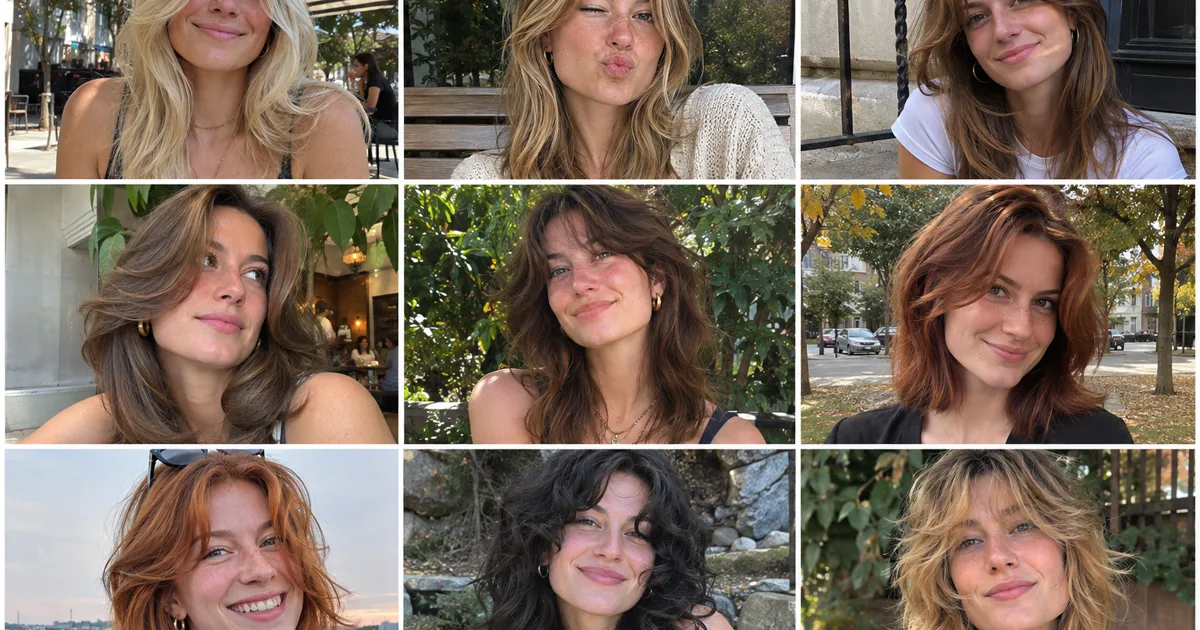
A lob is a long bob that ends between the jaw and the collarbone. Fourteen versions at the same length, which one suits your face and hair type, and the exact words to say in the chair.
Women's Haircuts · 11 min
Layered Hair: 14 Looks and the One Number That Decides Each
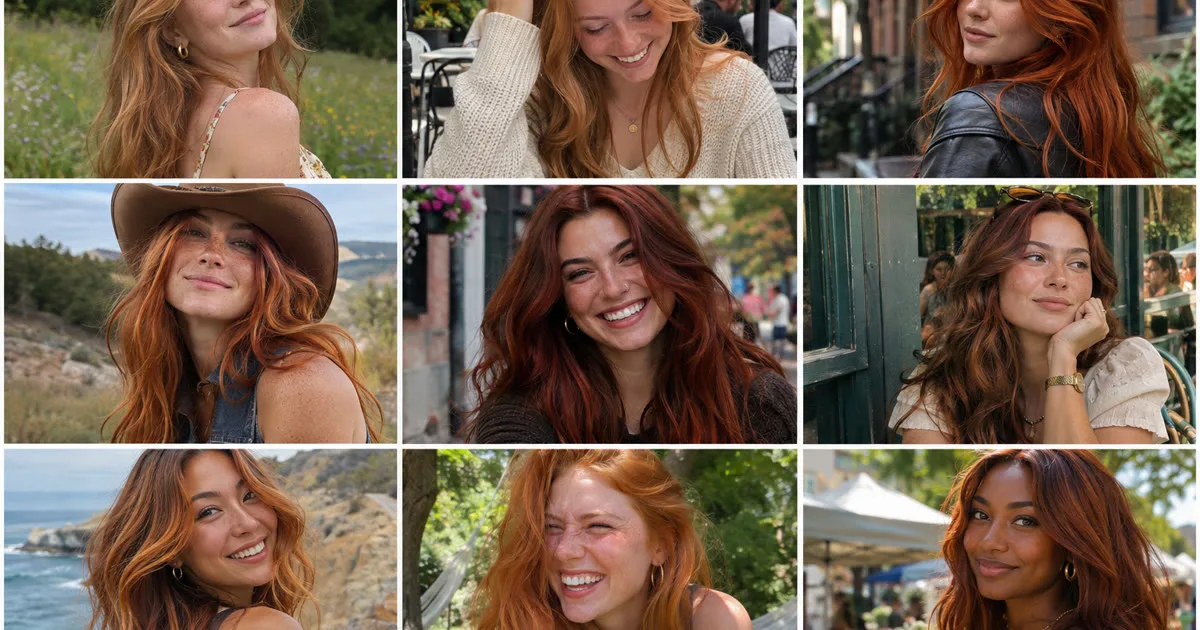
Layered hair comes down to one number: the gap between your shortest piece and your longest. See 14 layered looks sorted by that gap, which suits your face and hair type, and what to say in the chair.
Women's Haircuts · 13 min
Copper Hair Color: 14 Shades and Which One Suits Your Skin
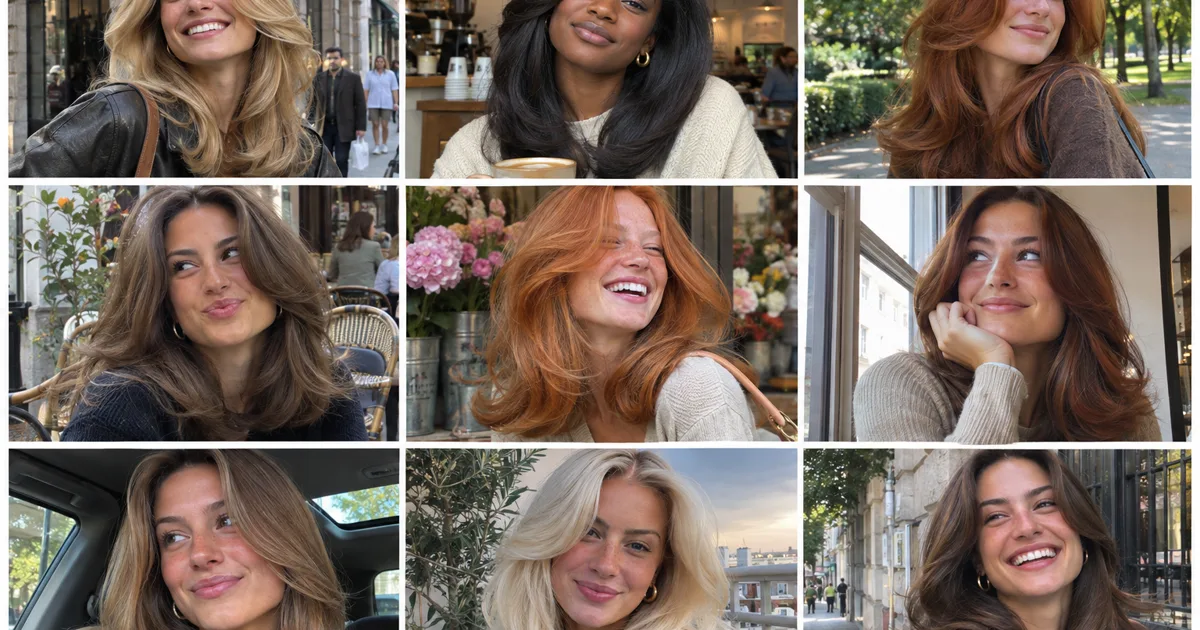
Copper is a bright orange-red, like a new penny. See 14 copper shades side by side, which one suits your skin tone, what to say at the salon, and why maintenance matters more than your complexion.
Women's Haircuts · 12 min
Blowout Hair: 14 Looks and How to Do a Salon Blowout at Home
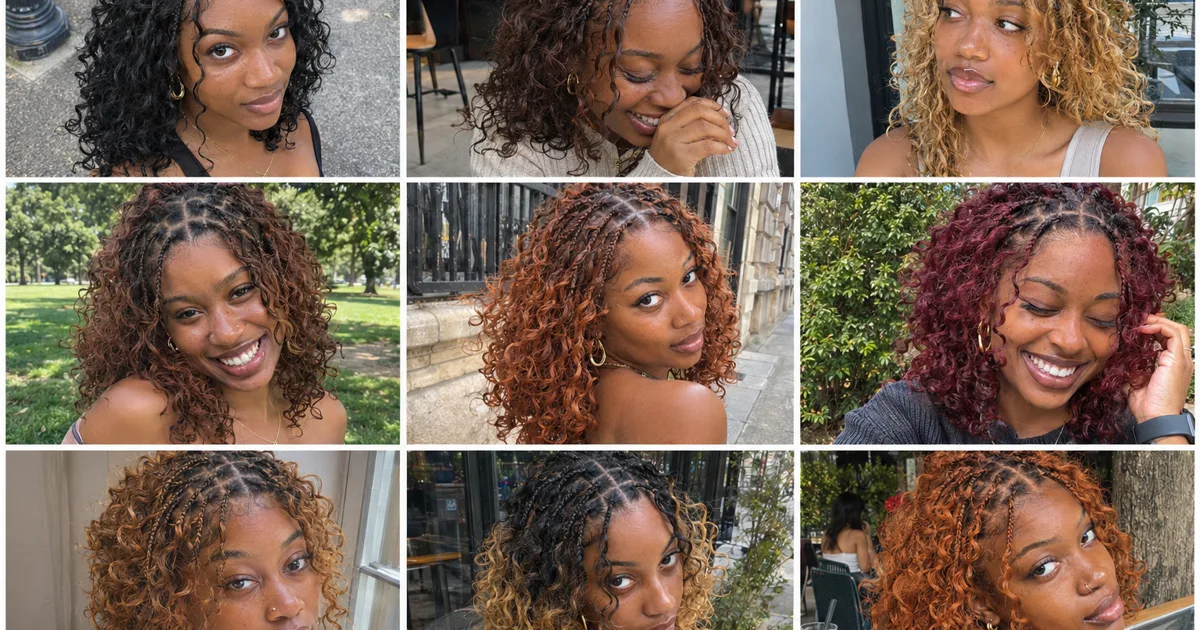
Blowout hair is set by the cool shot, not the heat. See 14 blowout finishes from sleek to 90s bounce, the at-home routine step by step, and which version suits your hair type.
Women's Haircuts · 14 min
Miracle Knots Hair: 12 Looks, How It Works and How Long It Lasts
Miracle knots loop curly human hair into small plaits of your own hair: boho braids in 2 to 3.5 hours, with less weight. How it works, how many bundles, which hair it suits and how long it lasts.
Women's Haircuts · 14 min
Braided Ponytail: 14 Styles and How to Do One That Lasts
The braid is the easy part. 14 braided ponytail styles side by side, which one suits your hair type, how many packs of braiding hair to buy, and how to keep the base from pulling out your edges.