Miracle Knots Hair: 12 Looks, How It Works and How Long It Lasts
Oleh Onysko 10 November 2026 14 min read
In this article
Miracle knots hair is a crochet method: your own hair goes into small plaits, then loose pieces of curly human hair are looped into each plait with a crochet hook. You get the look of boho braids in about 2 to 3.5 hours instead of a full day, with no synthetic braiding hair and far less weight on your scalp.
The name oversells one thing. The knot is not the miracle. What makes the style look real or fake is the part you do first and fastest: the size and neatness of your own plaits. Get those right and almost any curl pattern looks good. Get them wrong and the most expensive hair on the market still looks like crochet.
What are miracle knots?
Miracle knots are a protective style that joins curly human hair to plaits made only from your own hair. Each plait gets two or three small pieces of curly hair, attached close to the scalp with a flat crochet loop instead of a bulky knot, so the roots read as natural parts.
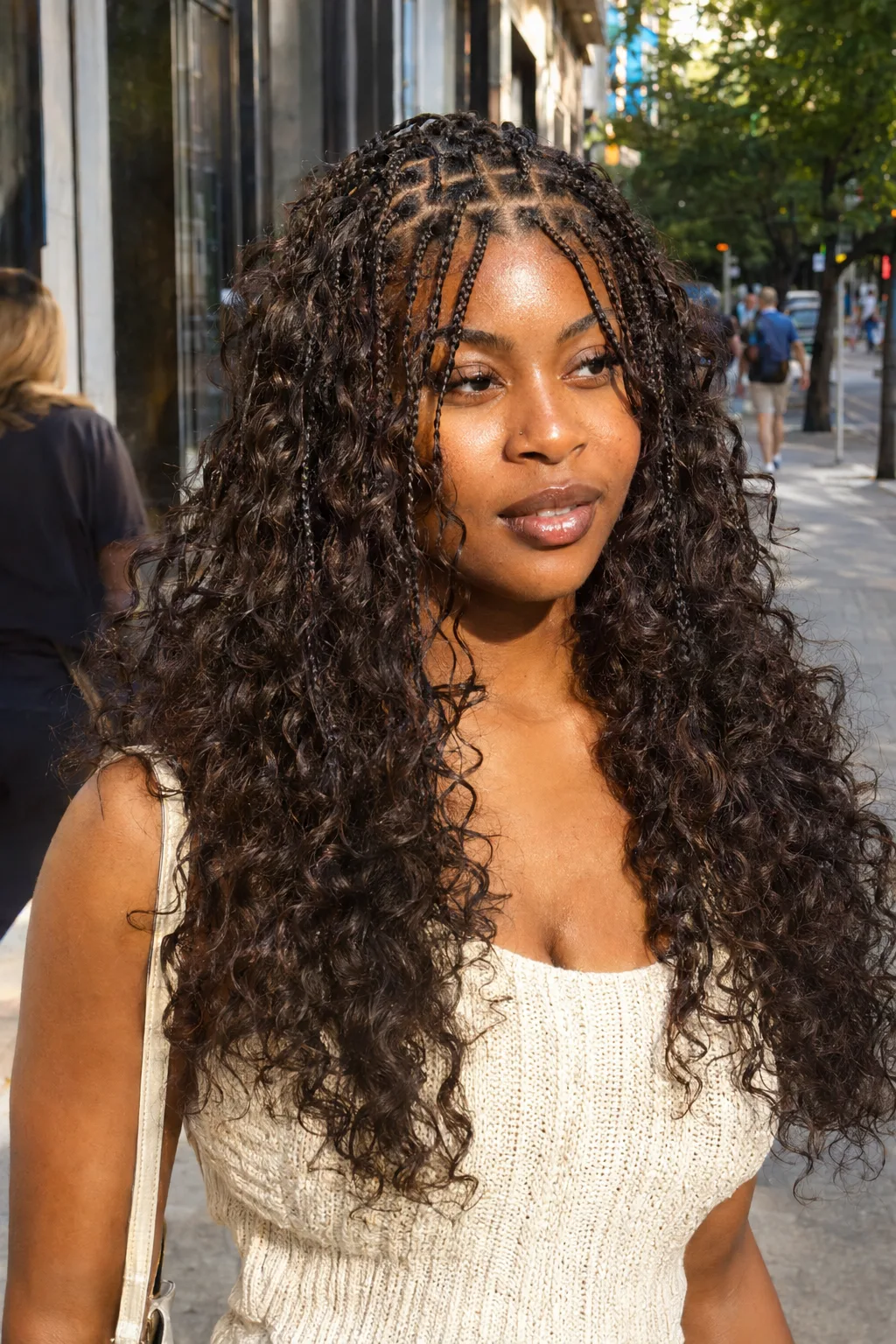
Three things separate it from older crochet styles:
- No cornrow base over the whole head. The base is individual plaits, so you can part, flip and wear it up like real braids.
- No feed-in braiding hair. The plait is your hair only, which is why it weighs less than boho knotless braids.
- Human hair, not synthetic. The curly pieces are usually 100% human hair, which is why it moves and why it costs more.
If you have worn knotless braids, think of miracle knots as the same finished look built the other way round: the curls are the main event and the braid is just the anchor.
Want to see it first? Try a new hairstyle on your own photo.
Miracle knots vs boho braids vs crochet braids
Miracle knots borrow the boho look and the crochet speed. The table puts the three side by side on what actually changes your week.
| Miracle knots | Boho knotless braids | Classic crochet braids | |
|---|---|---|---|
| Base | Small plaits of your own hair | Your hair braided with feed-in hair | Cornrows over the whole head |
| Added hair | Curly human hair, looped in | Synthetic braiding hair plus curly pieces | Pre-looped synthetic hair |
| Install time | About 2 to 3.5 hours | 6 to 8+ hours | 1 to 3 hours |
| Weight on the scalp | Light | Heaviest of the three | Medium |
| Parting and updos | Free, like braids | Free, like braids | Limited by the cornrows |
| Main cost | The human hair | The stylist's hours | Low |
| Typical wear | 3 to 6 weeks | 4 to 8 weeks | 4 to 6 weeks |
Times and wear are typical ranges from installers and tutorials, not guarantees. Your own hair length, density and how often you wash change both.
The verdict: if you want boho braids but hate the weight and the 8-hour chair, miracle knots are the better trade. If budget is the wall, classic crochet still wins.
How a miracle knot is actually made
The technique is simple once you see it. A small latch crochet hook goes through the base of a finished plait, close to the scalp, and pulls a piece of curly hair halfway through. The two halves are wrapped once around the plait and pulled snug, which leaves a flat join instead of a ball.
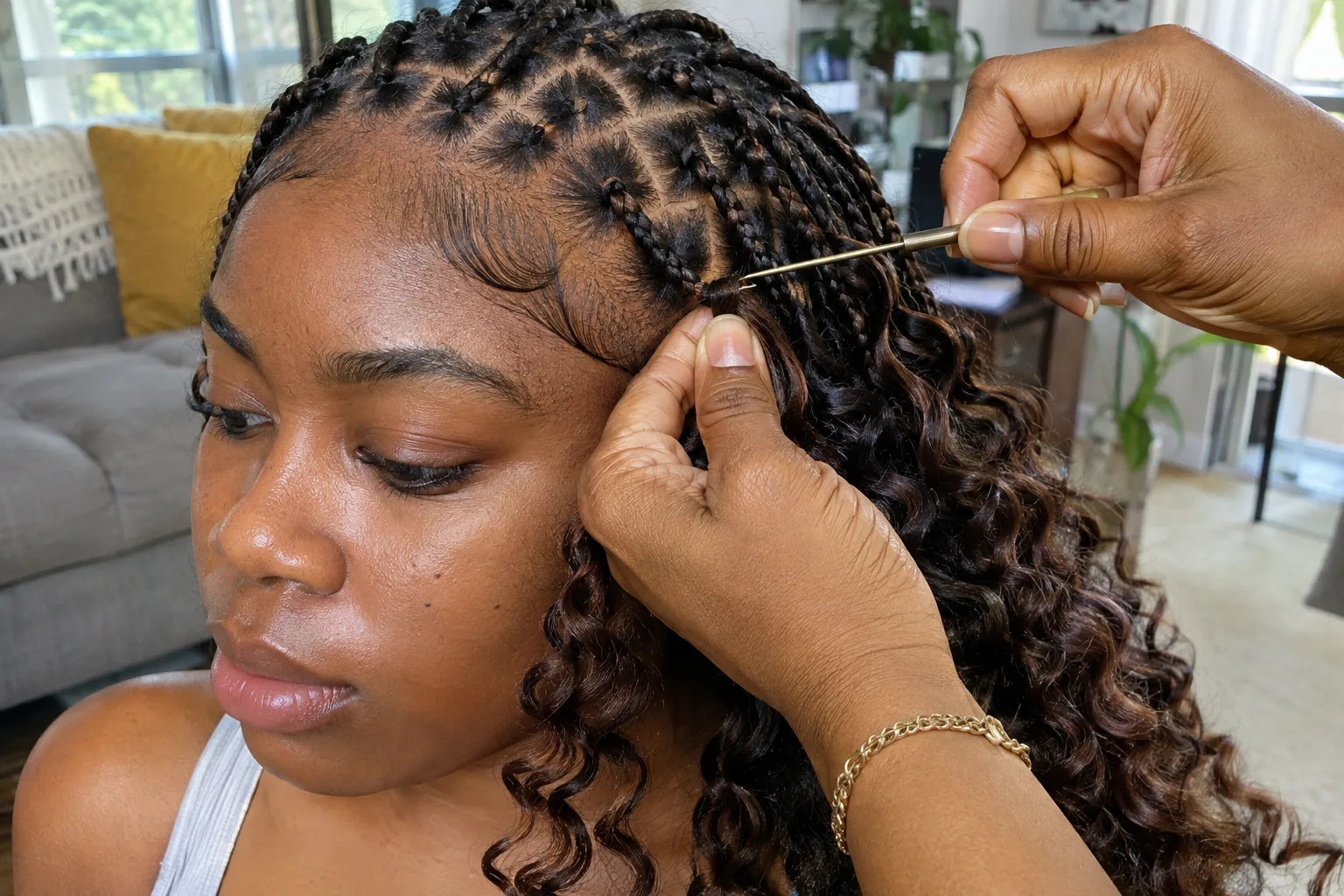
Two or three pieces per plait is the usual spacing. More looks fuller but adds weight across a whole head, which is the one thing this style is supposed to avoid.
How to do miracle knots
- Prep your own hair
Wash, deep condition and stretch your hair with a blow dryer on low or a braid-out so it plaits cleanly. Detangle fully: anything you skip now mats at the root later.
- Part a small grid
Part square or brick-lay sections about the width of a pencil to a fingertip. Smaller parts hide better under curls; at the edges go even smaller and never tight.
- Plait each section
Do a simple three-strand plait with only your own hair, down to the ends. No feed-in hair. Seal the ends with a light gel or leave them; the curls will cover them.
- Loop in the curly hair
Push a small latch hook through the base of the plait, close to the scalp. Catch a thin piece of curly human hair, pull it halfway through, wrap the two halves once around the plait and pull snug. Add one or two more pieces lower down the plait.
- Finish and set
Mist with water and a light leave-in, finger-separate the curls, and trim any uneven ends. Let it dry fully before you sleep on it.
Miracle knots looks: the curl pattern changes everything
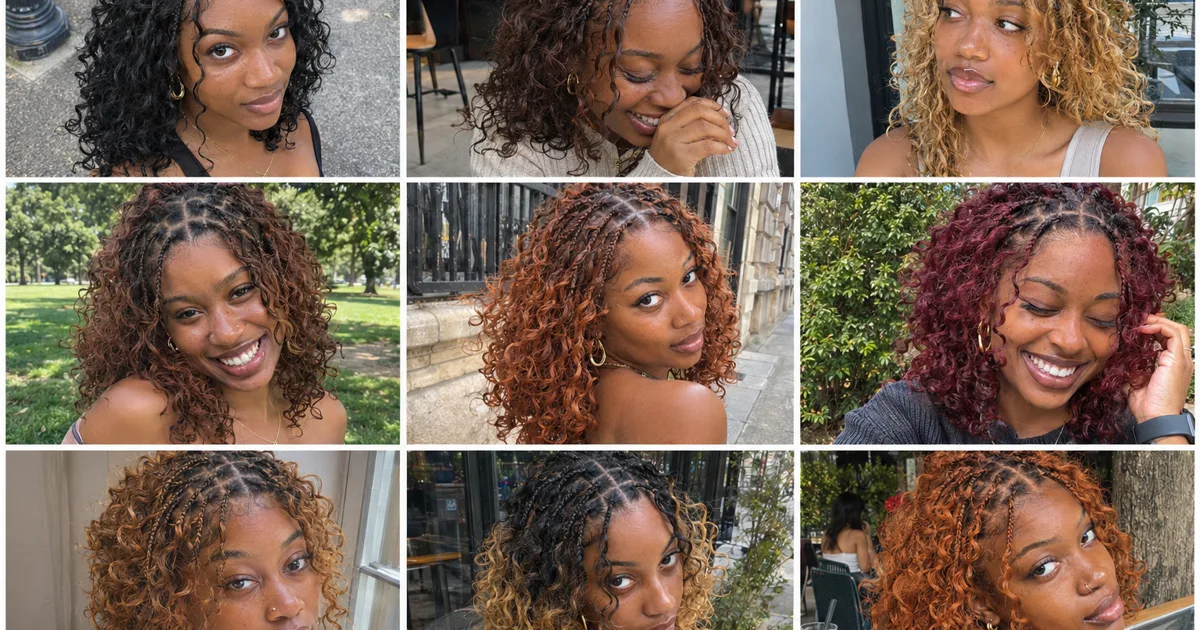
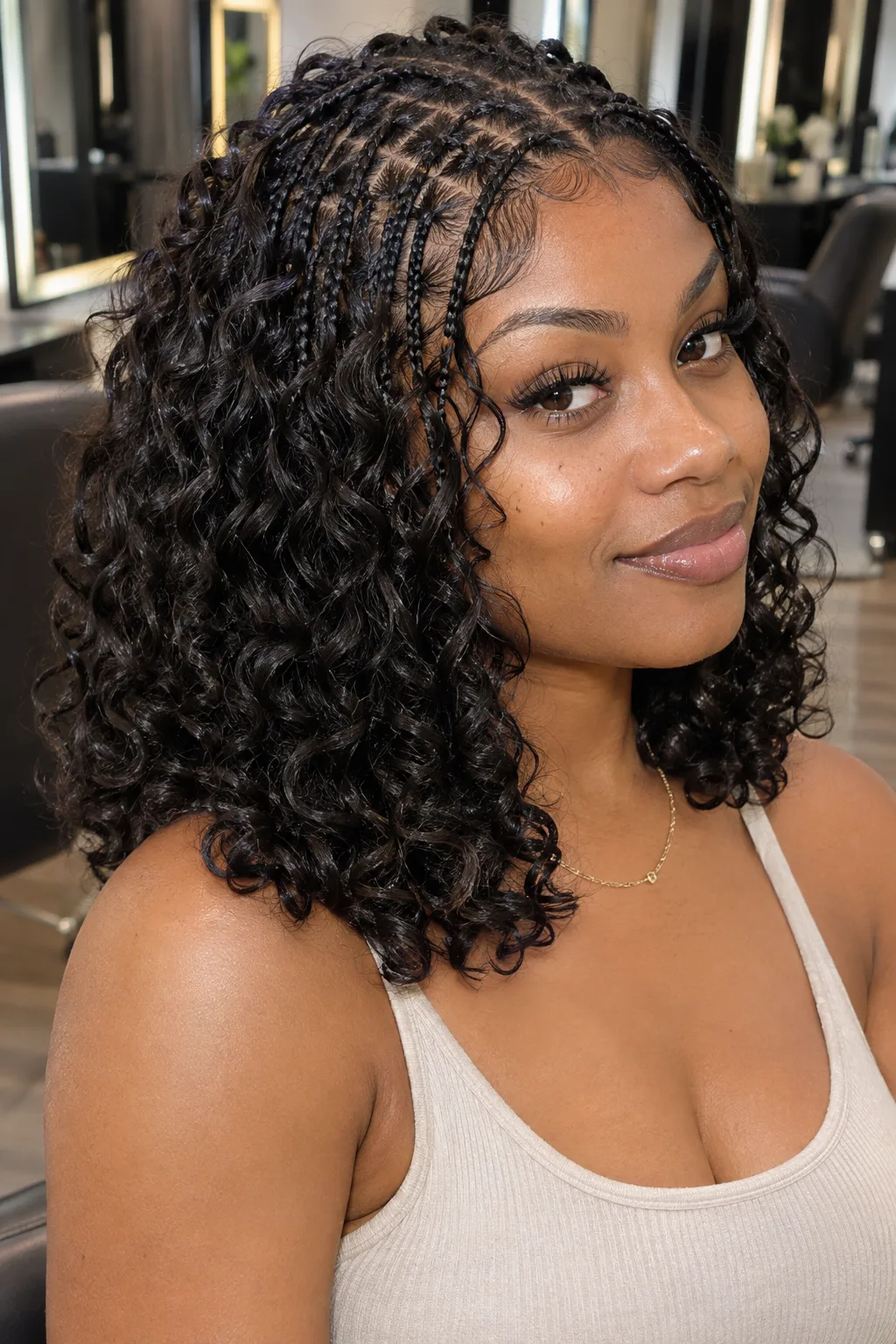
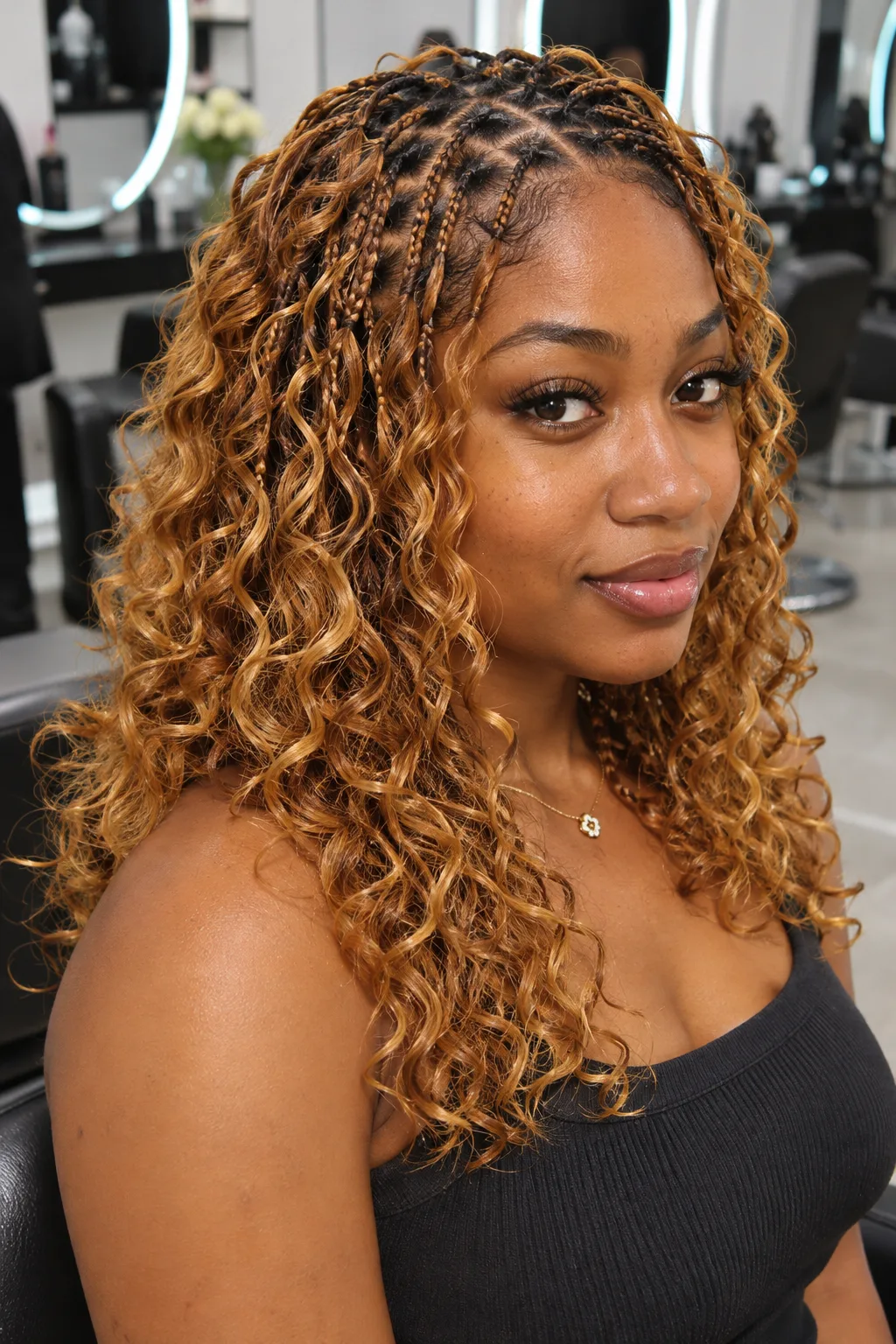
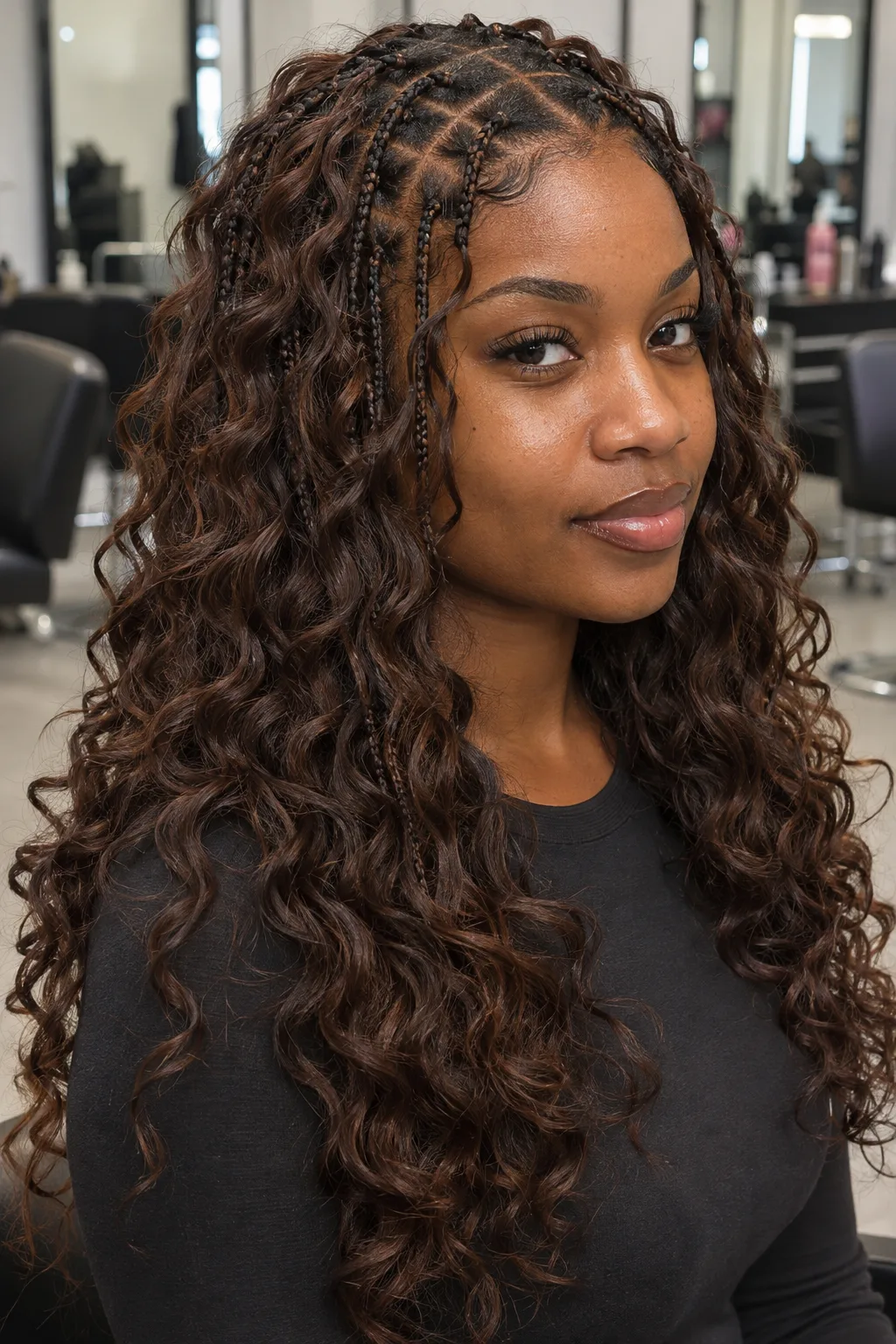
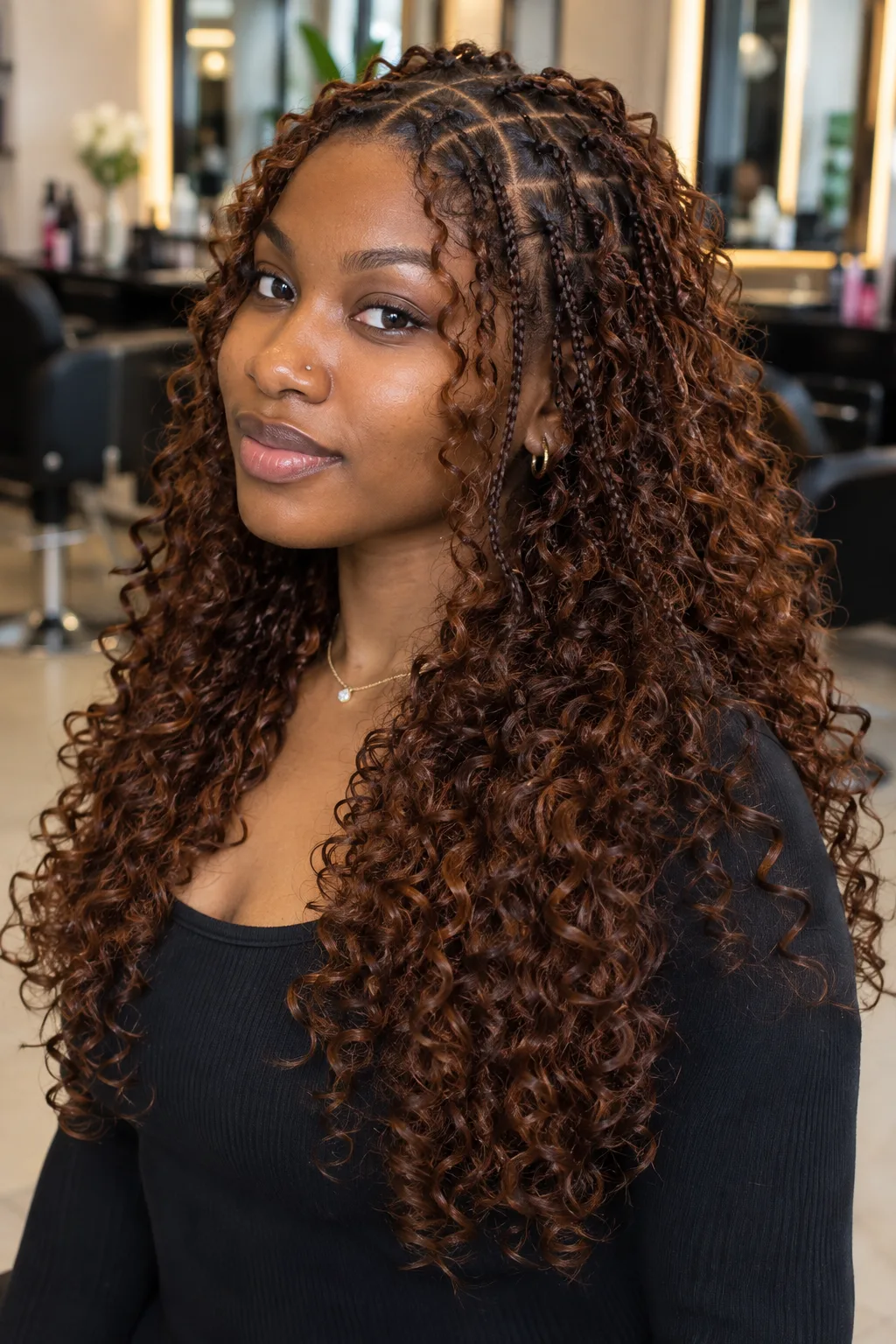
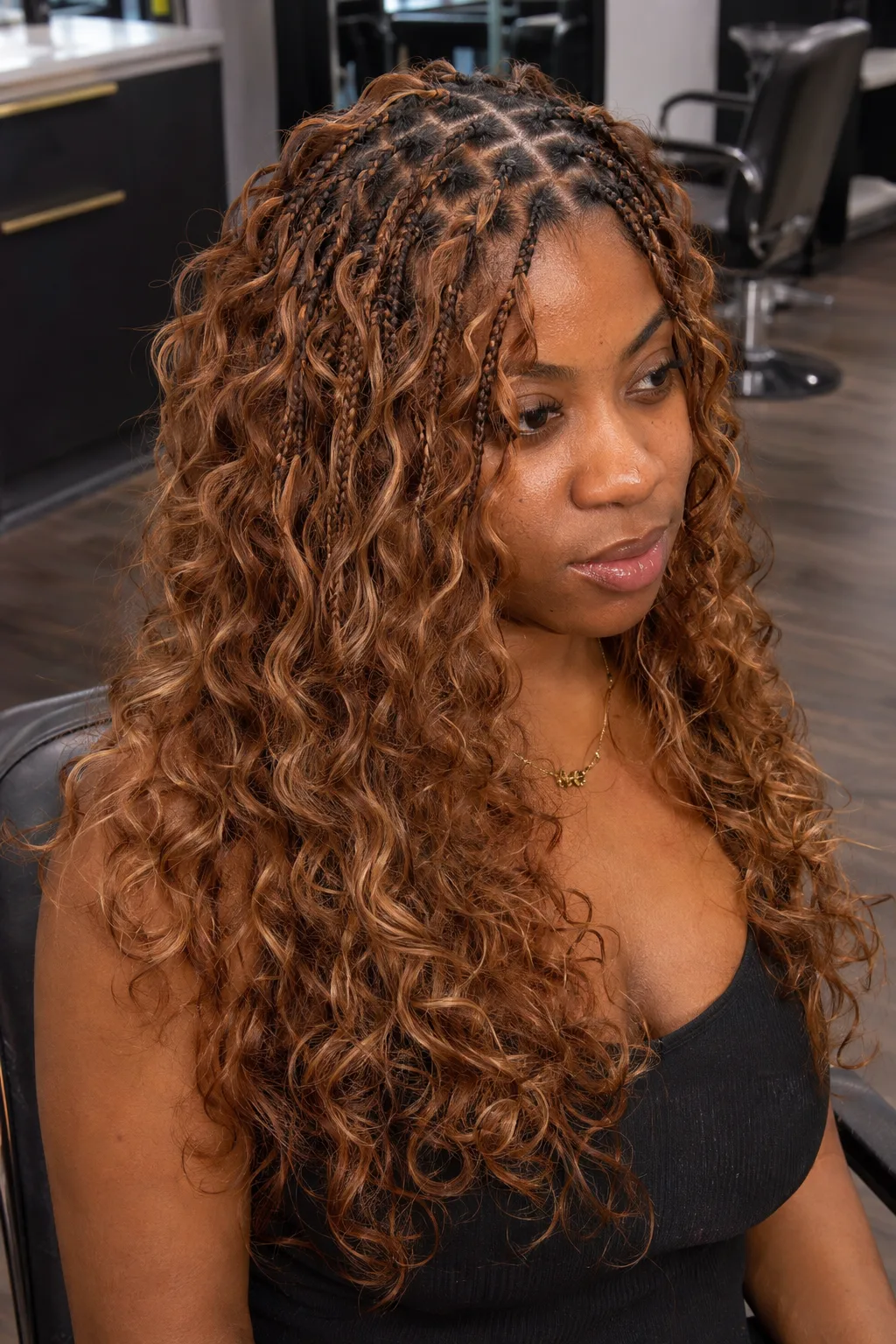
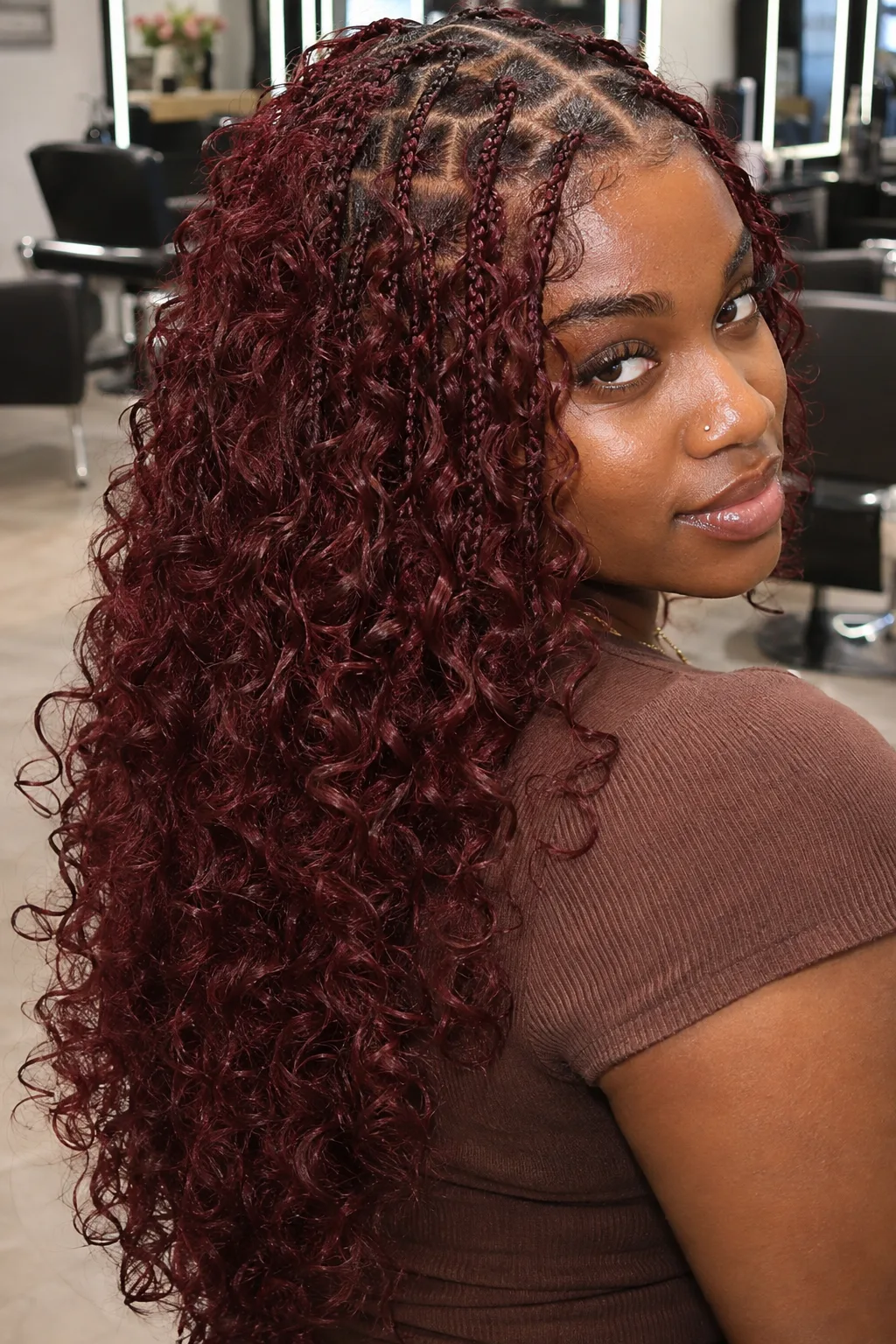
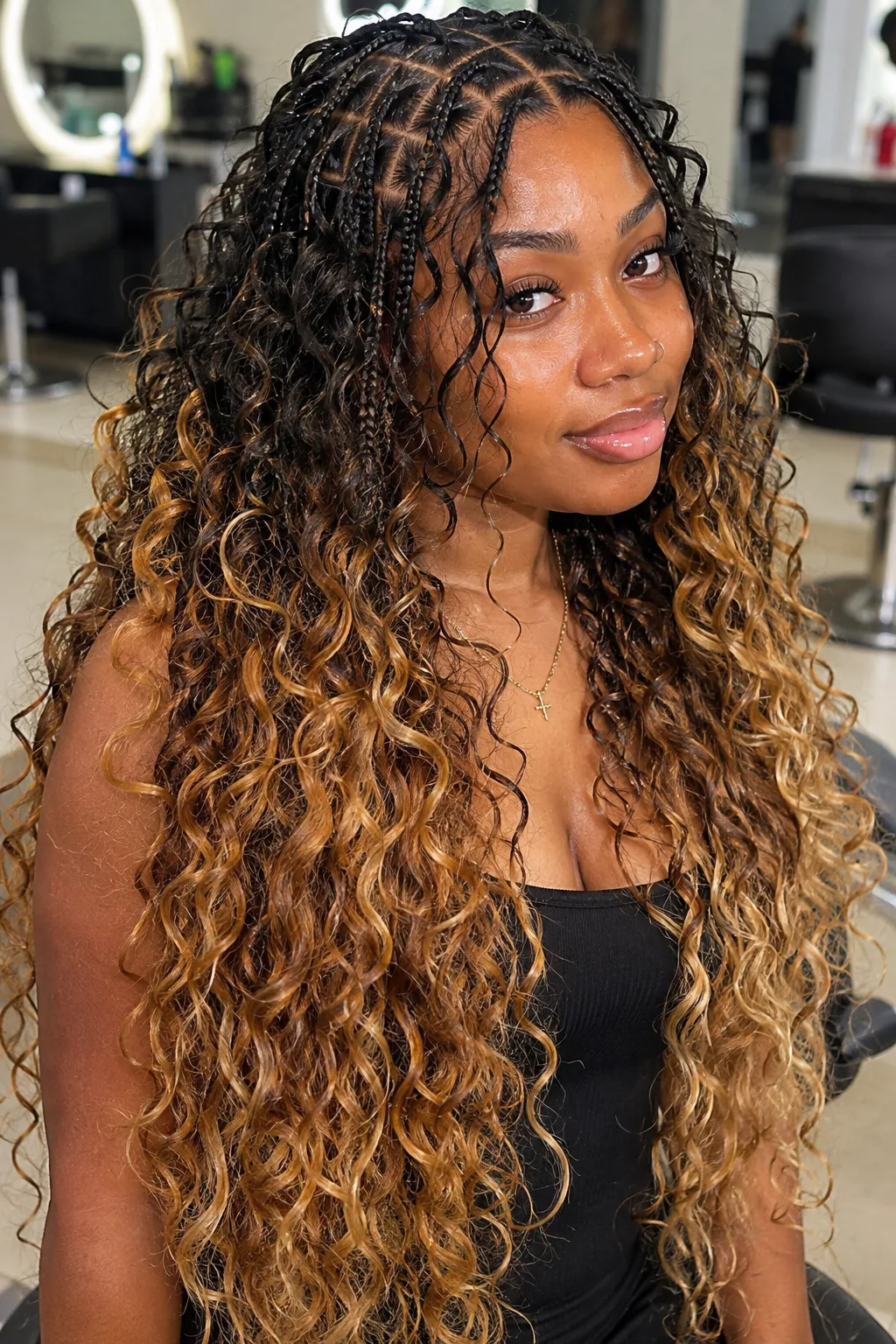
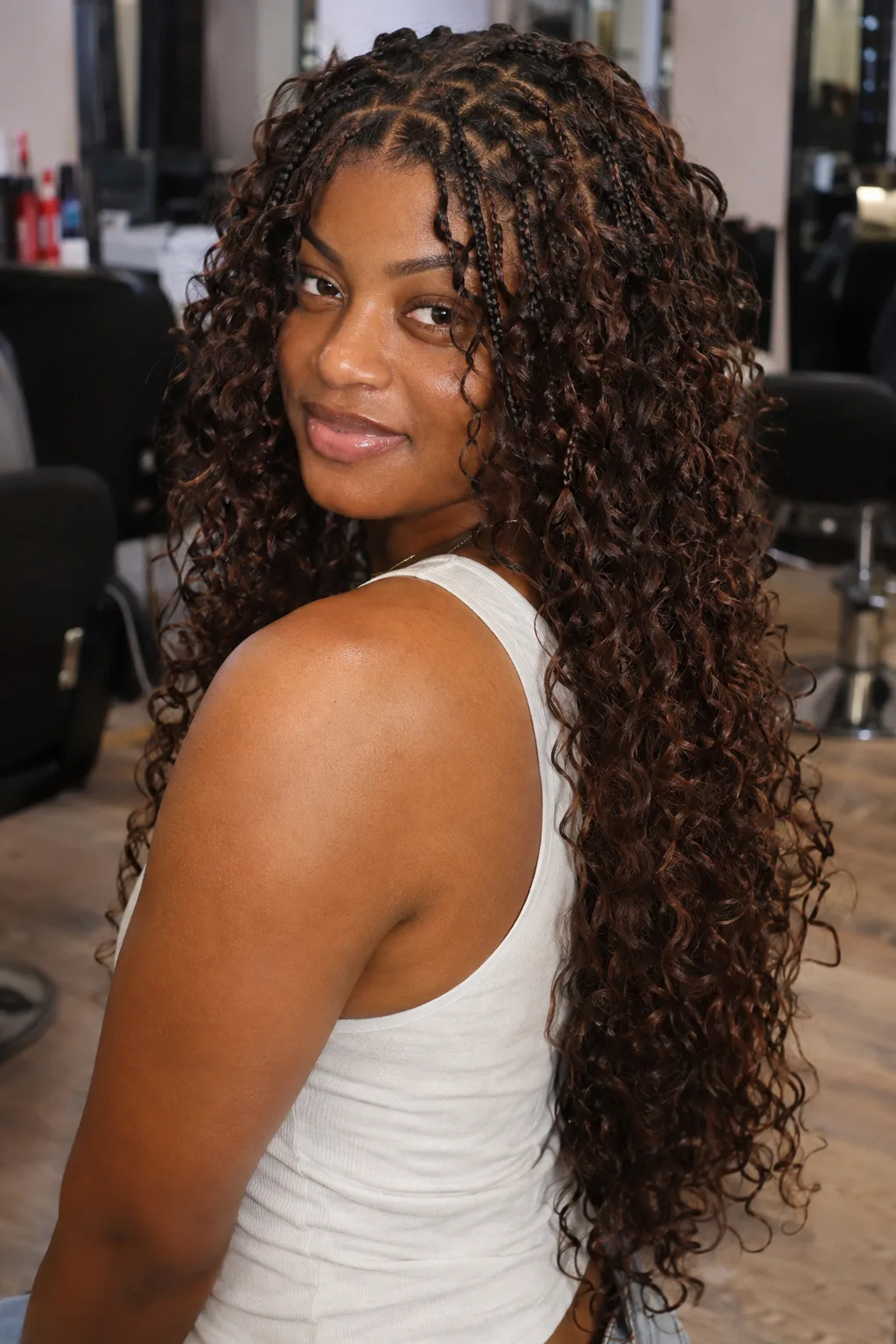
The base never changes: small plaits of your own hair, clean parts, flat roots. What changes the whole look is the curl pattern and length of the hair you loop in. Every photo below holds the base constant and changes only that.
Gallery12 photos · tap to enlarge
 Would this suit me?
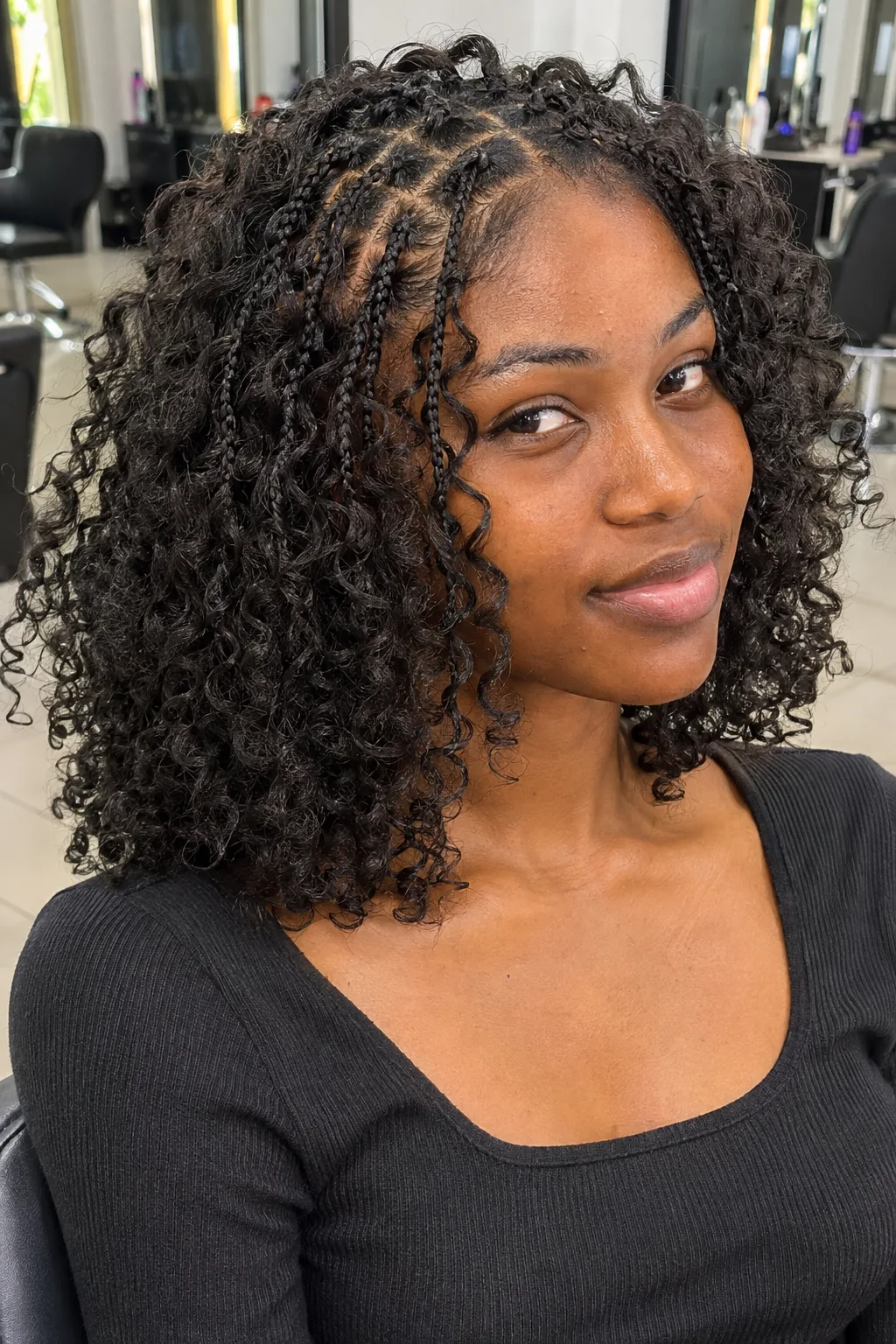 Would this suit me?
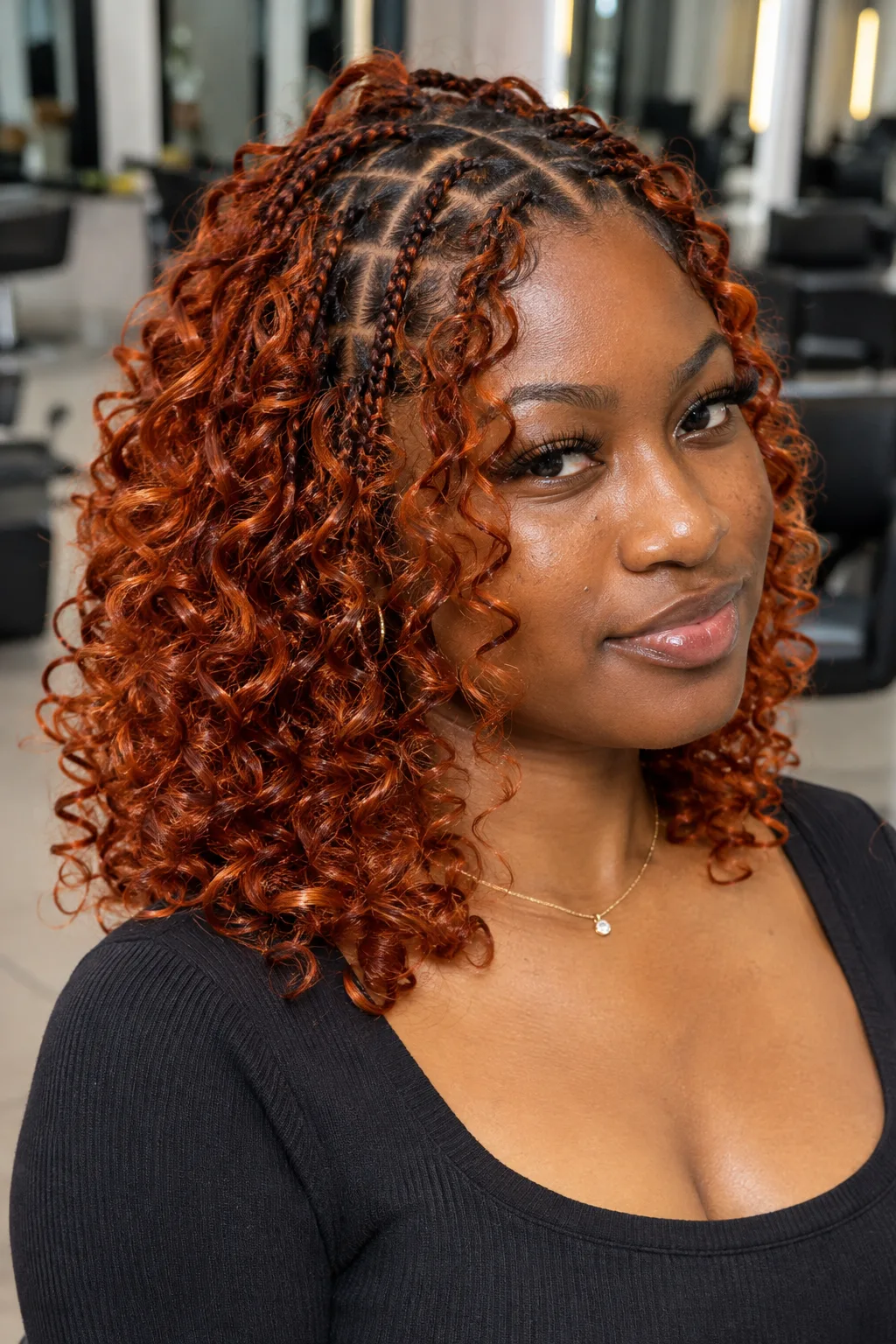 Would this suit me?
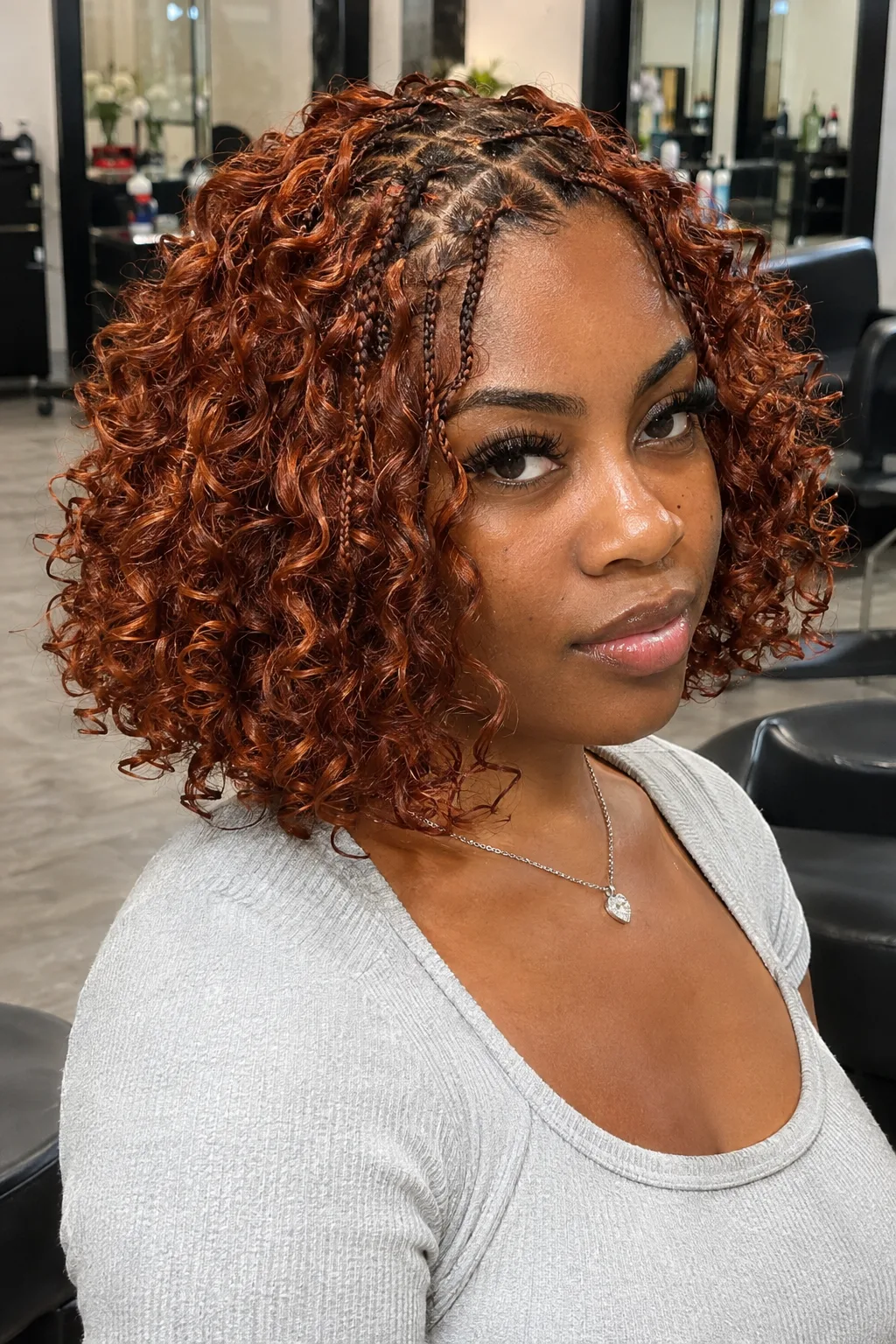 Would this suit me?
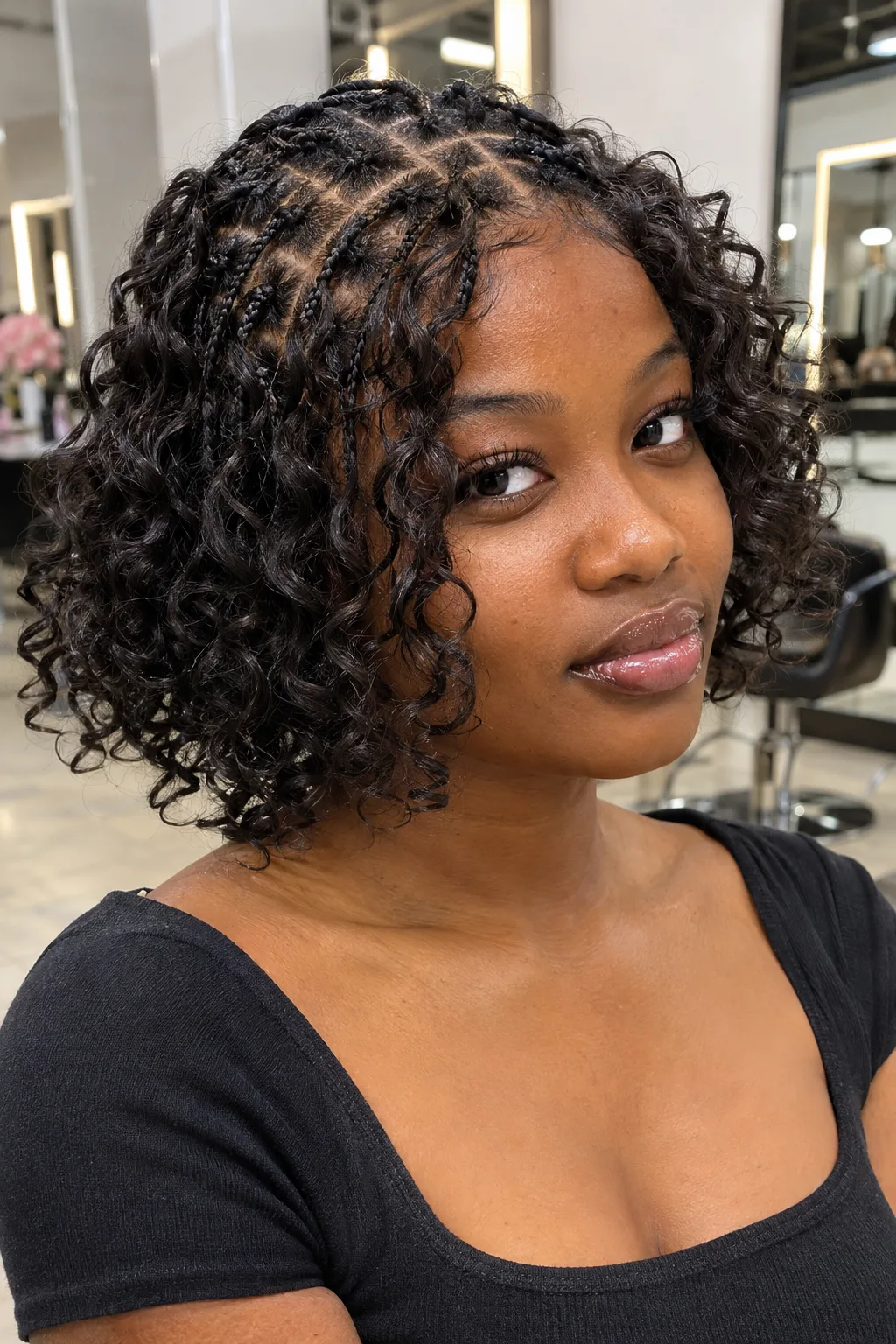 Would this suit me?
 Would this suit me?
 Would this suit me?
 Would this suit me?
 Would this suit me?
 Would this suit me?
 Would this suit me?
 Would this suit me?
Deep wave and water wave give the classic boho finish and hide the plaits best. Body wave and loose wave look softer but show more braid. Kinky curly and Burmese curly blend best with natural 4b and 4c hair at the roots, so they look the most like your own hair grew that way.
How many packs of hair do you need for miracle knots?
Most full-head installs in tutorials use 3 to 4 bundles of curly human hair, roughly 200 to 300 grams, in 14 to 20 inches. Go to the top of that range for small parts or waist length, and the bottom for a bob.
| Finished look | Bundles (typical) | Lengths people buy |
|---|---|---|
| Chin to jaw-length bob | 2 to 3 | 10 to 12 inches |
| Shoulder length | 3 | 14 to 16 inches |
| Mid-back to bra strap | 3 to 4 | 18 to 20 inches |
| Waist length | 4 or more | 22 inches and up |
Buy one bundle more than you think. Running out at the crown is the most common reason an install ends up patchy.
Which hair type and length are miracle knots best for?
Miracle knots work on almost any natural hair, but the result depends on what your own plaits can hold. Pick your row, then read your section.
| Your own hair | Verdict | What to do differently |
|---|---|---|
| Short, under 3 inches | Works, as a bob | Tiny plaits, short curly pieces, keep it light |
| Fine or low density | Works with care | Bigger parts, fewer pieces per plait |
| Thick, coily 4b or 4c | Best result | Kinky or Burmese curly hair blends the roots |
| Locs | Works | Attach the curls along each loc, no plaits needed |
Miracle knots on short hair
You need enough length for a plait that holds, about 2 to 3 inches. Below that the pieces slip. The finish that suits short hair is a chin-length curly bob: it uses fewer bundles and the curls hide very short plaits well.
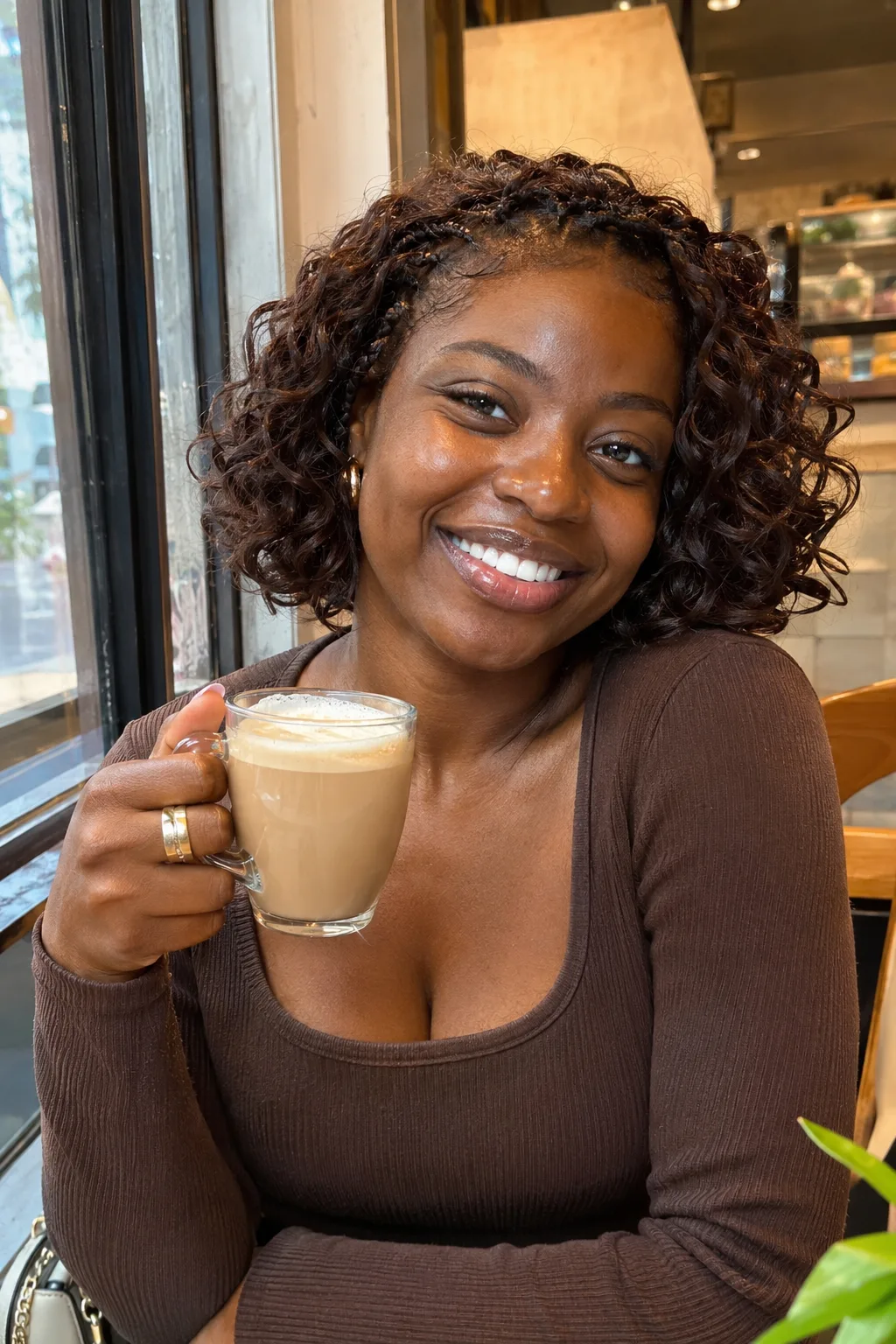
If you are deciding between this and cutting in a short style, our short hairstyles for Black women guide shows what a short cut looks like after the install comes out.
Fine or low-density hair
Fine hair is where miracle knots go wrong most often, because the plaits are thin and the human hair is heavy for its size. Use larger parts so each plait has more hair to carry, and drop to one or two pieces per plait. Shorter lengths weigh less, so a shoulder-length finish is safer than waist length.
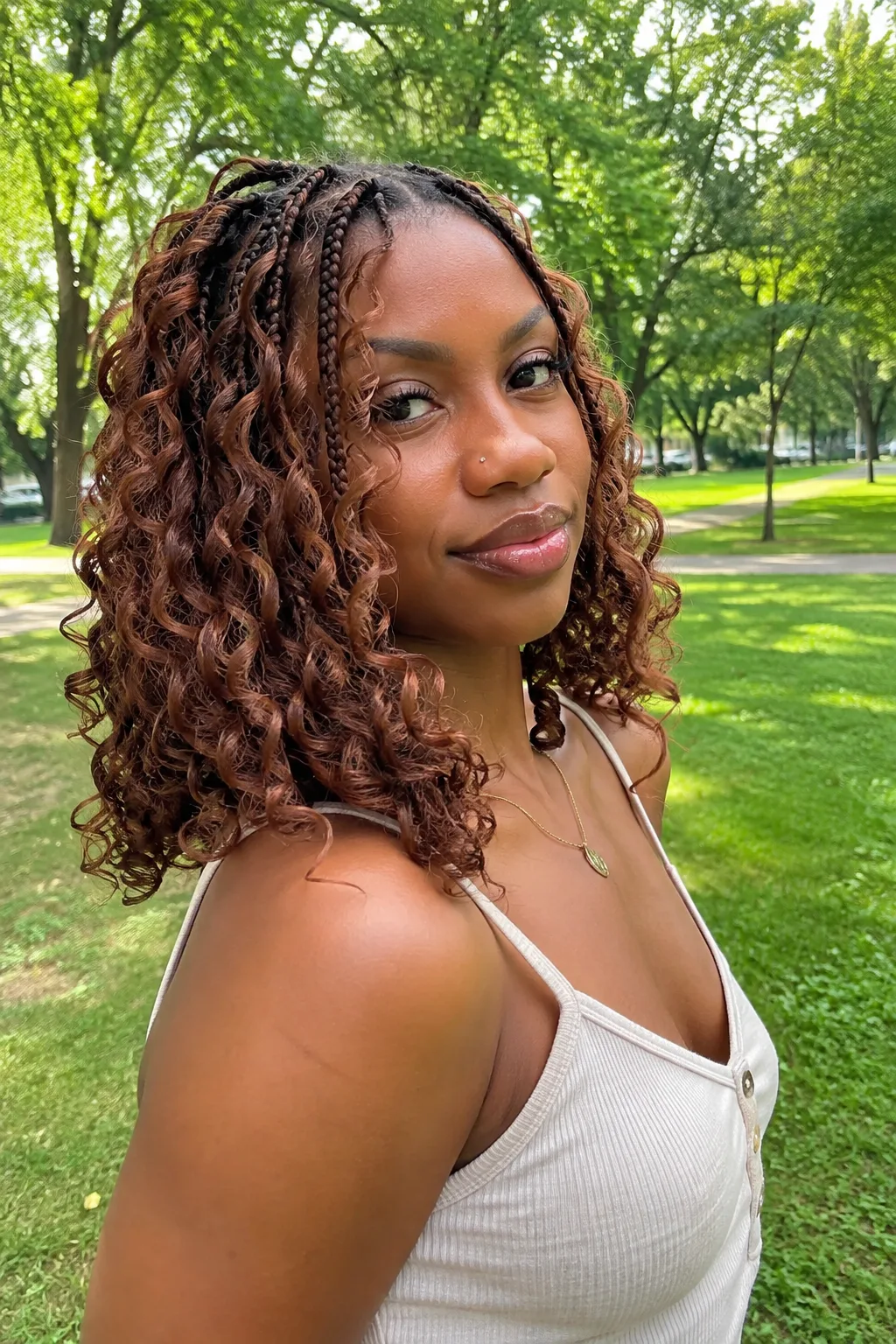
Thick, coily hair
Dense 4b and 4c hair holds the method best. Each plait is strong and the curls get grip. Choose kinky curly or Burmese curly so the texture at the root matches the texture you added. Our type 4 hair guide covers how to stretch it before you plait.
Miracle knots over locs
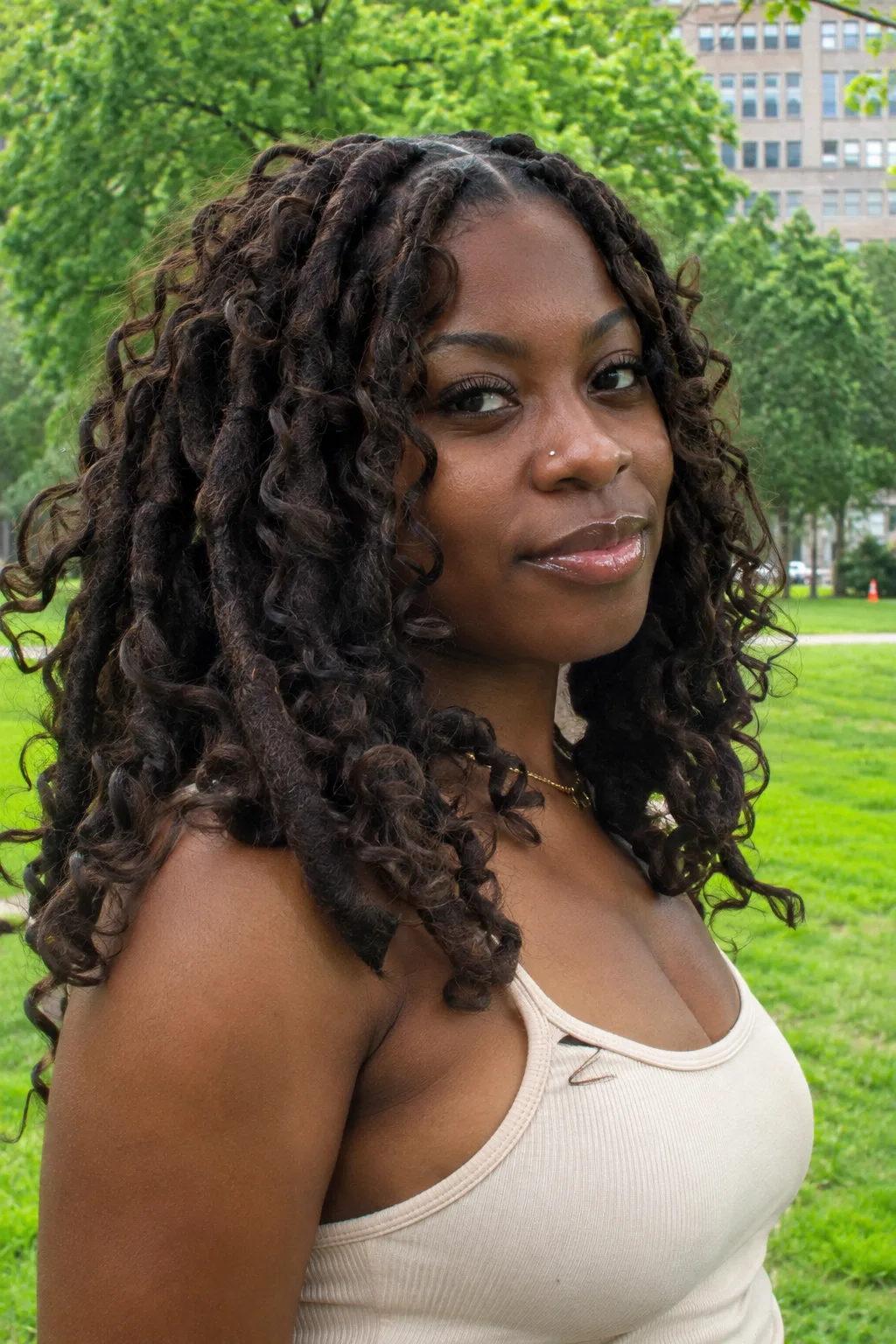
If you have locs, you skip the plaits entirely. The curly pieces are looped along each loc the same way, which gives a boho locs look in a couple of hours that comes out without touching the locs.
Are miracle knots good for your hair?
Miracle knots are one of the gentler extension styles, because the base is your own hair and the added hair is light. The risk is the same as any braid style: tension. The American Academy of Dermatology names braids and extensions pulled tight among the main causes of traction alopecia, and recommends looser styles.
| Pros | Cons |
|---|---|
| Lighter than boho braids | Human hair costs more than synthetic |
| 2 to 3.5 hours, often done at home | Tangles and mats if you skip care |
| No synthetic hair on your scalp | Lasts 3 to 6 weeks, less than box braids |
| Parts, updos and ponytails work | Fine edges can still thin if plaits are tight |
| Hair can be reused on the next install | Small parts take patience on the first try |
Mistakes that cost people their edges or their hair
- Plaiting the edges tight. It is the fastest way to lose them. The hairline should get the smallest, loosest plaits on the head.
- Too many pieces per plait. Three pieces on thin plaits across 100+ sections adds up. Headaches and bumps in the first two days mean it is too heavy.
- Skipping the detangle. Shed hair trapped in a plait for five weeks locks into the curly pieces at the root. Takedown then costs you hair.
- Sleeping on it wet. Human hair dries slowly at the base. Damp plaits under a bonnet overnight is how mildew smell and matting start.
- Leaving it past six weeks. New growth makes the join loose and the roots start to lock. Take it down, rest your hair, then reinstall.
- Buying the cheapest curly hair. Low-grade hair tangles in days. Since you can reuse good hair on the next install, it is the one place spending more saves money.
Say this to your barber
Small square plaits with my own hair only, loose at the edges, two pieces of curly human hair per plait, shoulder length.
How long do miracle knots last?
Miracle knots usually last 3 to 6 weeks. The added hair could go longer, but your own plaits frizz and the roots start to lock after about a month, so the limit is your hair, not the extension.
Care decides which end of that range you get:
- Mist the curls with water and a light leave-in 2 to 3 times a week.
- Wash every 1 to 2 weeks with diluted shampoo on the scalp only, squeeze, never rub.
- Dry the roots fully, with a hooded dryer or a diffuser on low.
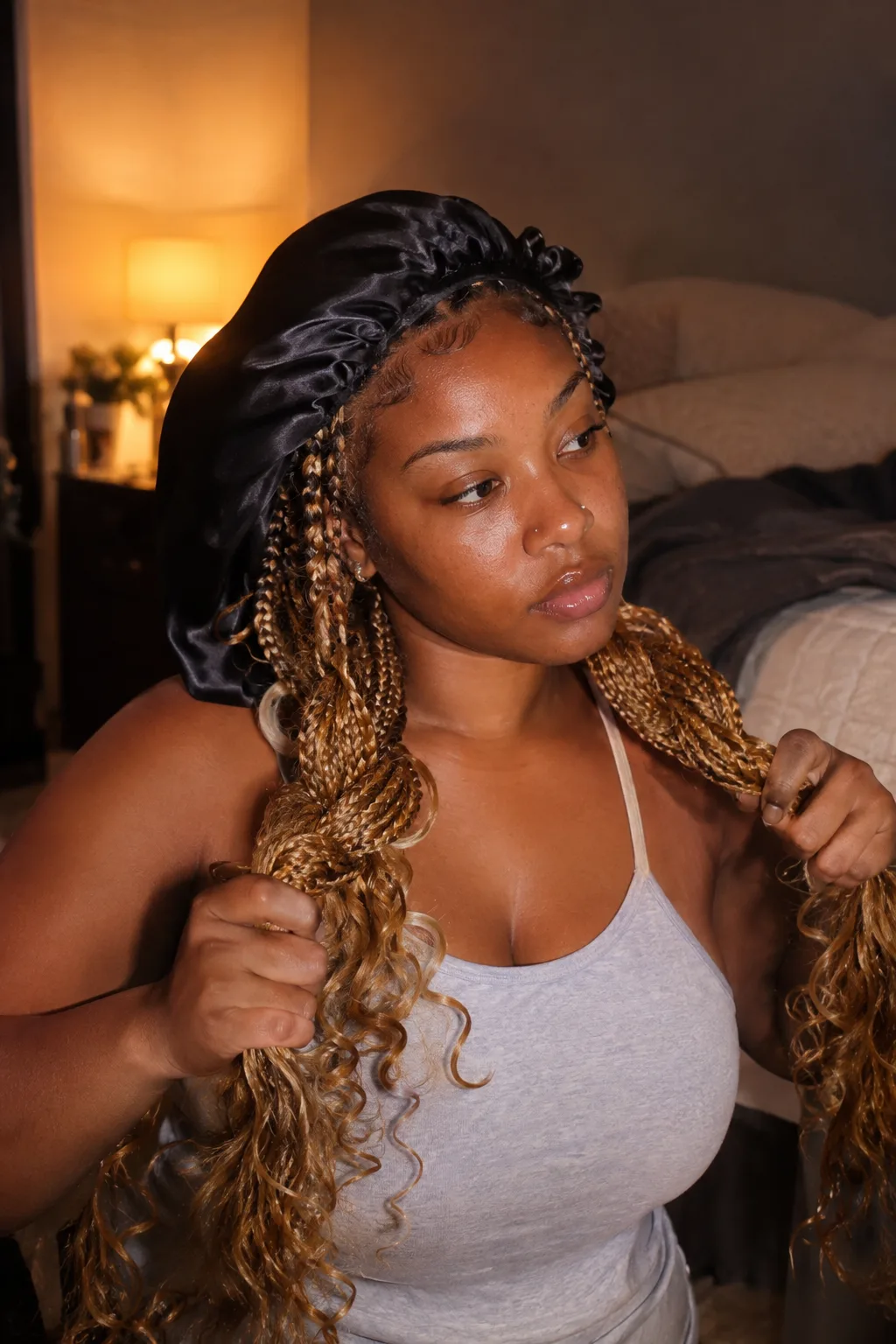
- At night, put it in two big loose twists under a satin bonnet or scarf.
- Finger-detangle the curly pieces when you mist; never brush them dry.
If your hair loses moisture fast, read our guide to high porosity hair before you pick a leave-in.
What to wear between installs: bantu knots
The best thing you can do after taking miracle knots down is to give your hair a week or two without extensions. Bantu knots are the easy pick: your own hair, no added weight, no tension at the edges, and when you take them out you get a defined curl set for free.
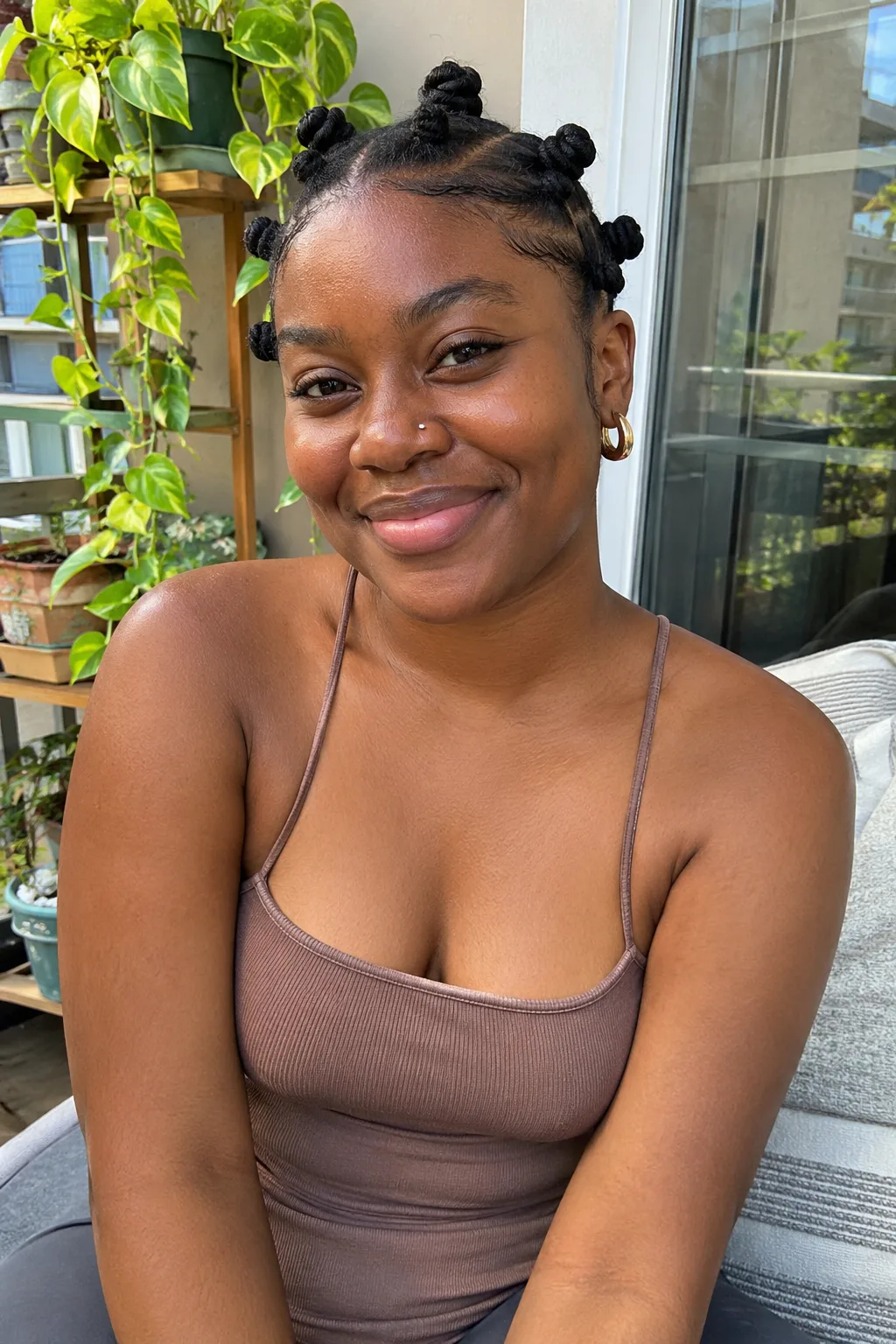
They are also a fair test of how a protective style sits on your face shape before you spend on bundles again. Our twist hairstyles guide has more no-extension styles for the rest week.
Which cut makes you look best?
Find out in 60 seconds.
A few quick taps and one selfie, and you'll know. Free account, no card for your first render.
Can you see a style on yourself before you commit?
The honest way to choose is the manual one: save photos of curl patterns and lengths you like, compare them against your face shape, and ask your stylist which length your plaits can carry. It works, and it costs nothing.
It hits one wall. You cannot see a curl length or a protective style on your own face until you have paid for the hair and sat through the install. With miracle knots that is three hours and several bundles of human hair to find out that waist length swamps your face or a bob suits you better.
HairstyleAtlas fixes that wall. Upload one selfie and see a protective style like bantu knots on your own face, or browse our braids try-on and curly hair try-on for curl looks. The first look is free with no card. More looks are on the Plus plan at $9 a month or $60 a year.
The bottom line on miracle knots
Miracle knots are the best boho look for most people who want braids without the weight or the 8-hour chair. The single thing to get right is your own plaits: small, neat, loose at the edges. Spend your money on good curly human hair, because you can reuse it, and spend your patience on the parting.
If your hair is fine or short, go shorter and lighter. If it is dense and coily, this is the protective style built for you. And between installs, let your hair rest in bantu knots or another style that uses only your own hair.
Frequently asked questions
Yes, for most people. The base is your own hair and the added hair is light, so it puts less strain on your scalp than boho or box braids. Keep the edges loose and take it out by week six.
Most full installs use 3 to 4 bundles of curly human hair, about 200 to 300 grams. A bob needs 2 to 3, and waist length can need 4 or more.
Usually 3 to 6 weeks. Regular misting, washing every 1 to 2 weeks and a satin bonnet at night push it to the longer end.
Yes, every 1 to 2 weeks. Use diluted shampoo on the scalp, squeeze it through without rubbing, condition the curly pieces, and dry the roots completely before bed.
Put the hair into two large loose twists or braids and cover it with a satin bonnet or scarf. A satin pillowcase helps too. Never sleep on it while the roots are still damp.
Because the added hair is usually 100% human hair, and a full head takes several bundles. The labor is shorter than boho braids, so a salon price is mostly the hair. Good hair can be reused on the next install.
Miracle knots are lighter and faster, about 2 to 3.5 hours instead of 6 to 8+. Boho knotless braids last a little longer and cost less in hair. Choose miracle knots for comfort, boho braids for wear time.
They are lighter and quicker than box or knotless braids and look softer. Regular braids last longer and are cheaper if you use synthetic hair. Miracle knots win on comfort and look, braids on wear time.
Preview it on your own photo: Virtual Hair Color Try-On.
Share article
About the author
Related posts
Women's Haircuts · 15 min
Lob Haircut: 14 Long Bob Ideas and the One Call That Decides If It Suits You
A lob is a long bob that ends between the jaw and the collarbone. Fourteen versions at the same length, which one suits your face and hair type, and the exact words to say in the chair.
Women's Haircuts · 11 min
Layered Hair: 14 Looks and the One Number That Decides Each
Layered hair comes down to one number: the gap between your shortest piece and your longest. See 14 layered looks sorted by that gap, which suits your face and hair type, and what to say in the chair.
Women's Haircuts · 13 min
Copper Hair Color: 14 Shades and Which One Suits Your Skin
Copper is a bright orange-red, like a new penny. See 14 copper shades side by side, which one suits your skin tone, what to say at the salon, and why maintenance matters more than your complexion.
Women's Haircuts · 12 min
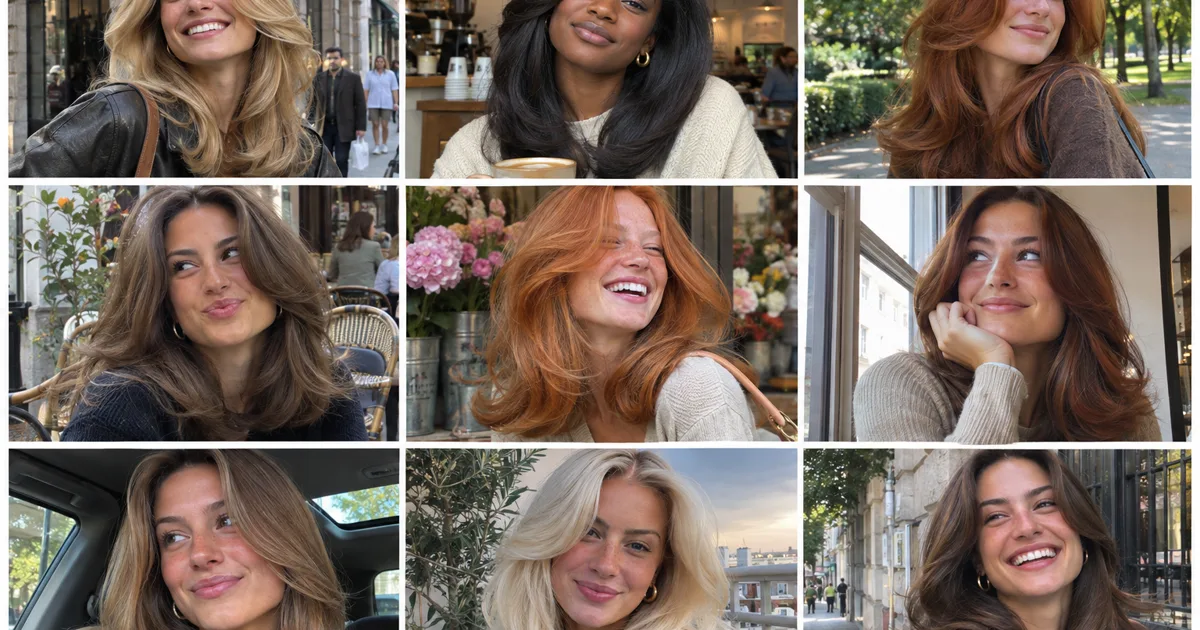
Blowout Hair: 14 Looks and How to Do a Salon Blowout at Home
Blowout hair is set by the cool shot, not the heat. See 14 blowout finishes from sleek to 90s bounce, the at-home routine step by step, and which version suits your hair type.
Women's Haircuts · 14 min
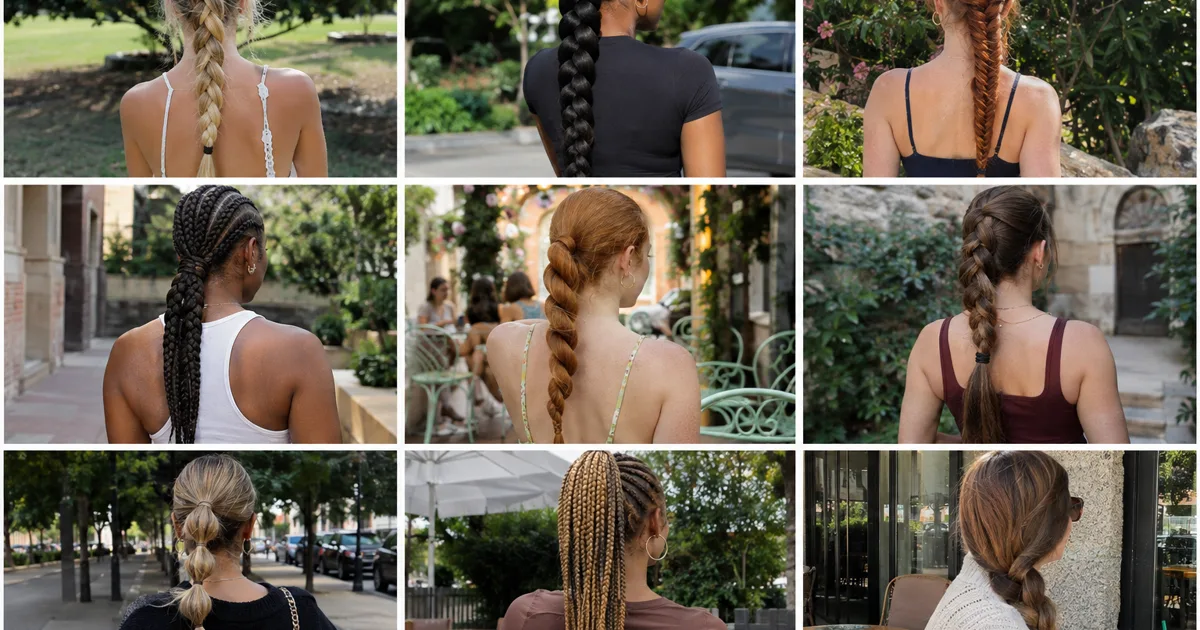
Braided Ponytail: 14 Styles and How to Do One That Lasts
The braid is the easy part. 14 braided ponytail styles side by side, which one suits your hair type, how many packs of braiding hair to buy, and how to keep the base from pulling out your edges.
Women's Haircuts · 14 min
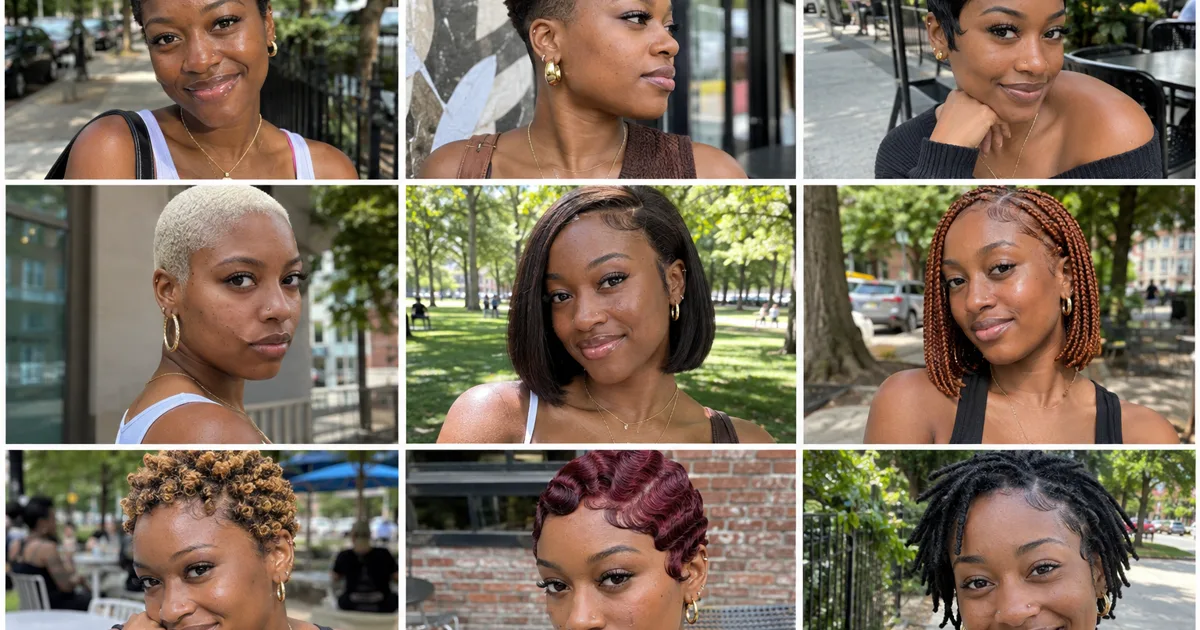
Black Short Hairstyles for Women: 14 Cuts Sorted by Upkeep
Fourteen short hairstyles for Black women, from the TWA and tapered cut to the pixie, braided bob and buzz cut, sorted by how much upkeep each one really takes.