Lob Haircut: 14 Long Bob Ideas and the One Call That Decides If It Suits You
Oleh Onysko 12 November 2026 15 min read
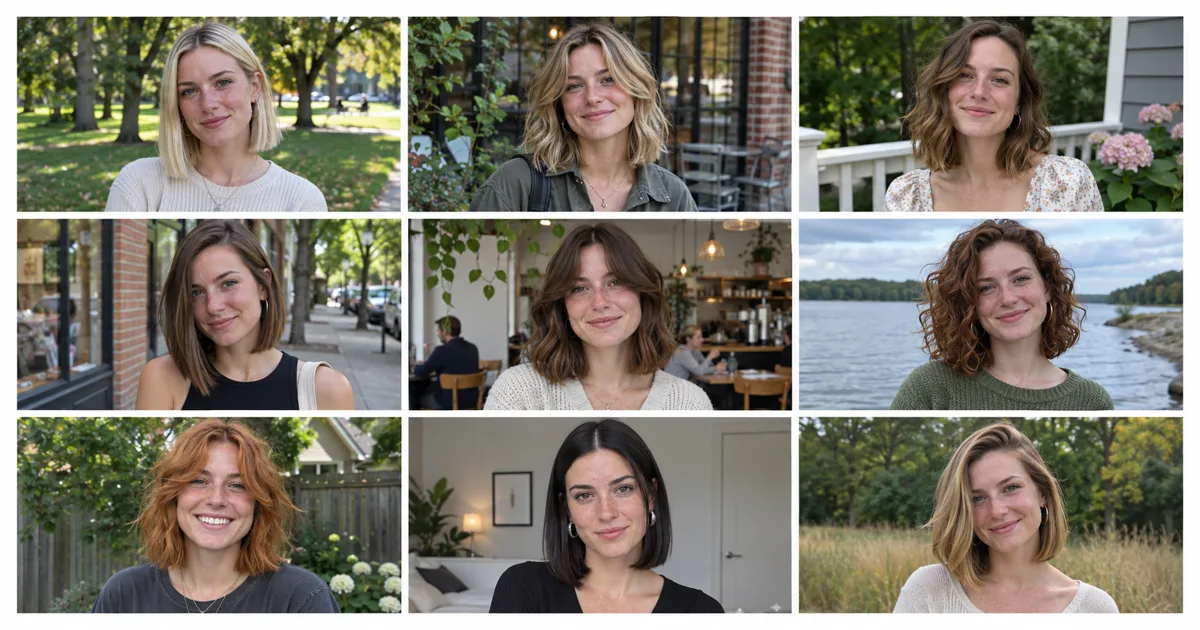
In this article
A lob haircut is a long bob: one clear perimeter that ends somewhere between just below the jaw and the top of the collarbone, so the ends sit near your shoulders instead of at your chin. It is longer than a classic bob and shorter than shoulder-length hair, which is why it suits more faces than any other bob.
Here is the part most lob guides skip. The length is not what makes a lob flatter you. Where the weight sits is. Fine hair needs the weight left at the ends, so it should get a blunt lob with no layers, even though layers are what most people with thin hair ask for. Thick hair needs the weight taken out from the inside, or the same cut puffs into a triangle. Get that one call right and almost any lob in this guide will work on you.
This guide covers what a lob is and is not, how it compares with a bob and a shoulder-length cut, fourteen versions at the same length, which one fits your face and hair type, the mistakes that cost you a second appointment, and the exact words to say in the chair.
What is a lob haircut?
A lob is short for "long bob". The ends land between the bottom of your jaw and your collarbone, and most lobs are cut to graze or just clear the shoulders. The back is usually the same length as the front, or slightly shorter if you ask for an angled lob.
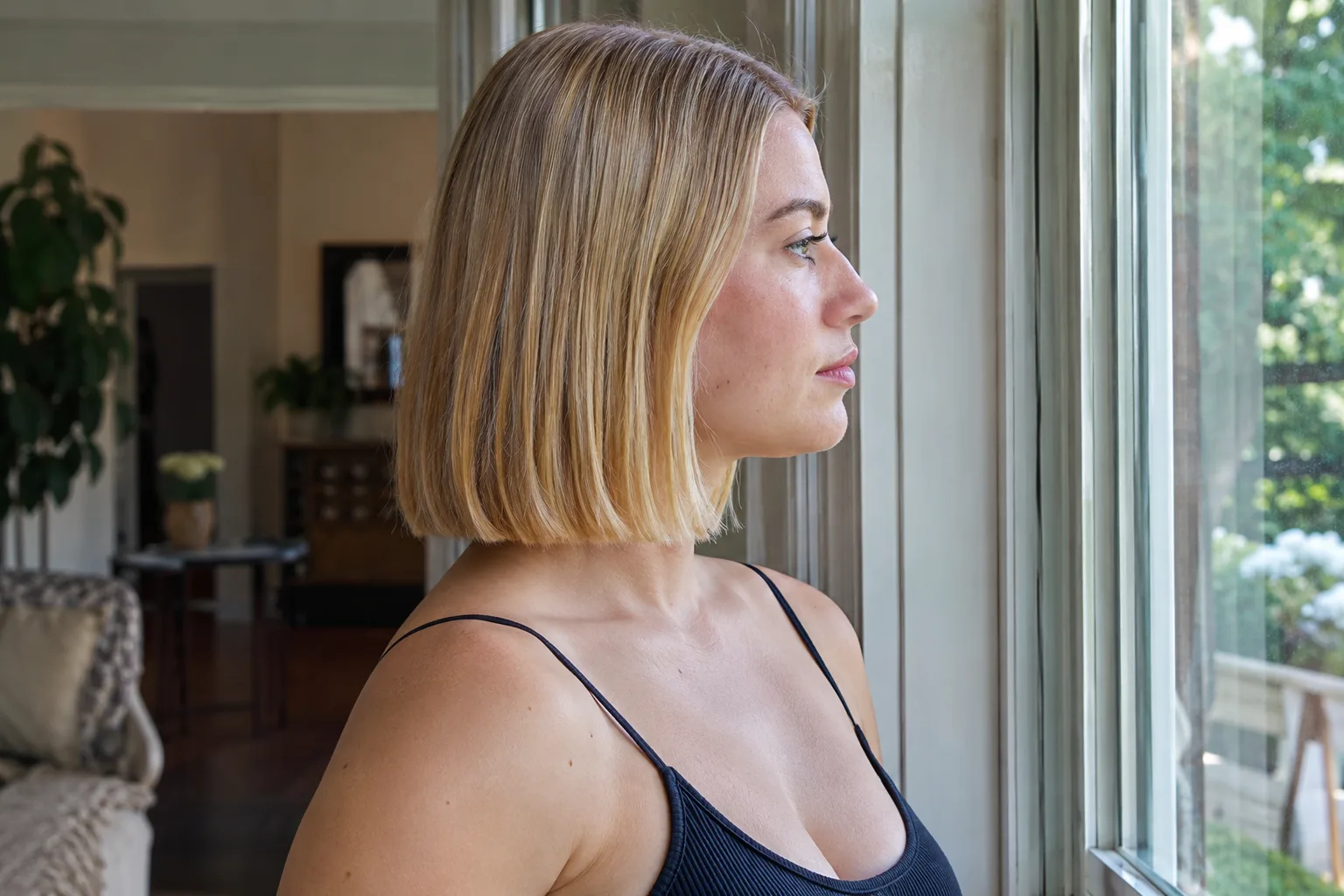
What a lob is not: it is not a chin-length bob, where the ends stop at the jaw and frame it like a box. It is not long layered hair either, where the length runs past the collarbone and the layers do the work. A lob keeps a visible bob outline. If you can see one clear bottom edge, it is a lob. If the ends disappear into long, feathered layers, it is a mid-length layered cut, like the ones in our medium layered haircuts guide.
The lob also has one practical advantage nobody talks about: it is the only bob you can tie back. At 11 inches or more from the crown, most people can pull a lob into a short low ponytail, which matters at the gym, in the kitchen and on a bad hair day.
Lob vs bob vs shoulder-length bob
The three names overlap, so here is the difference in plain numbers. All three are measured with your head level and hair dry.
| Chin bob | Shoulder-length bob | Lob (long bob) | |
|---|---|---|---|
| Where the ends sit | At the jaw | Just above the shoulders | From just above the shoulders to the collarbone |
| Shape | Usually blunt | Blunt, one length | Blunt, angled, layered or textured |
| Can you tie it back | No | Half up only | A short low ponytail |
| Trim schedule | Every 6 weeks | Every 8 weeks | Every 8 to 12 weeks |
| Best for | Strong jaw, fine hair | A first bob | Almost everyone, thick or wavy hair, growing out |
A shoulder-length bob is really the strictest version of a lob: blunt, one length, ends cut just clear of the shoulders. Our guide to the shoulder-length bob covers that exact cut and why half an inch decides whether it swings or flips. If you want something shorter at the back, read about layered and stacked bobs instead.
14 lob haircut ideas at the same length
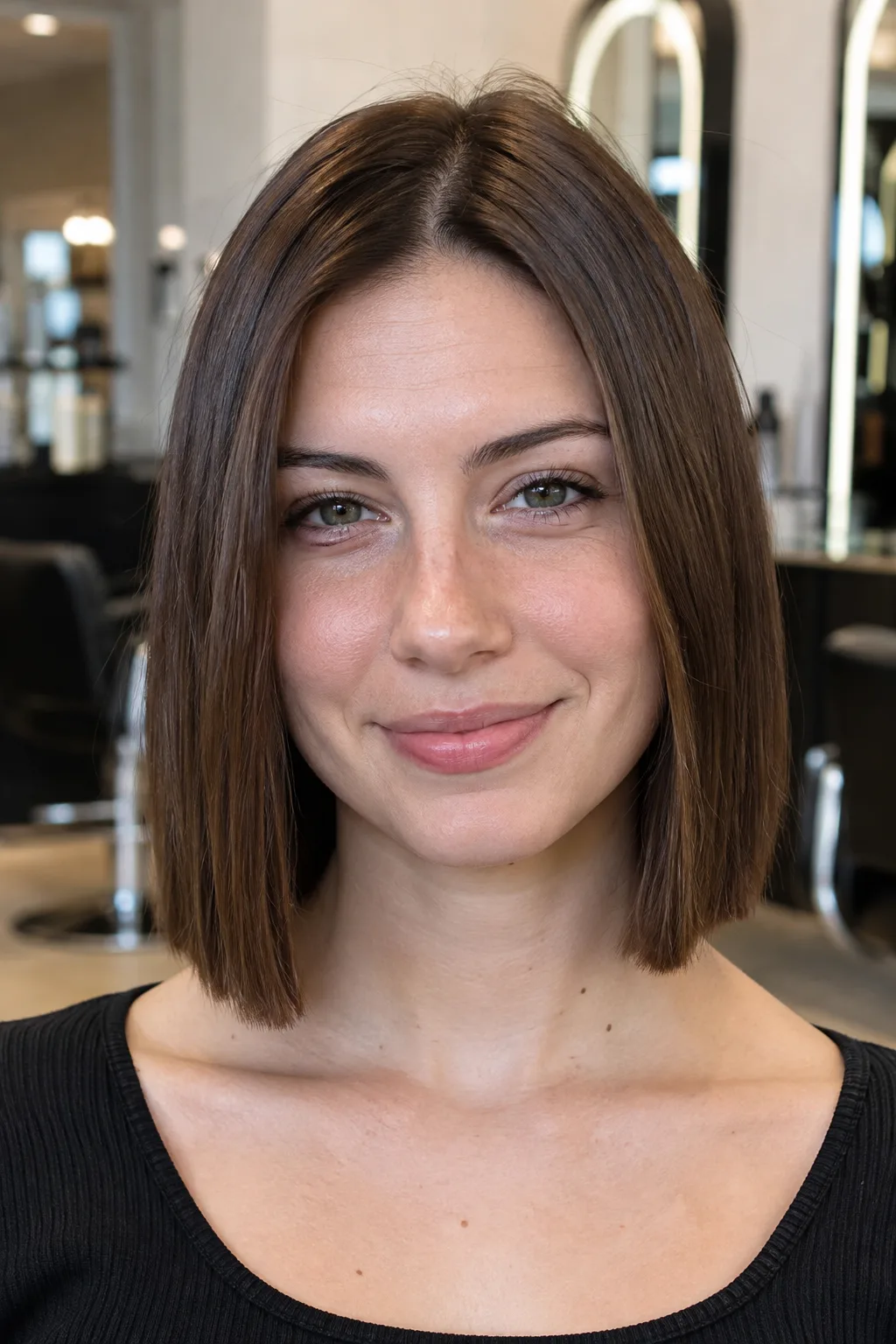
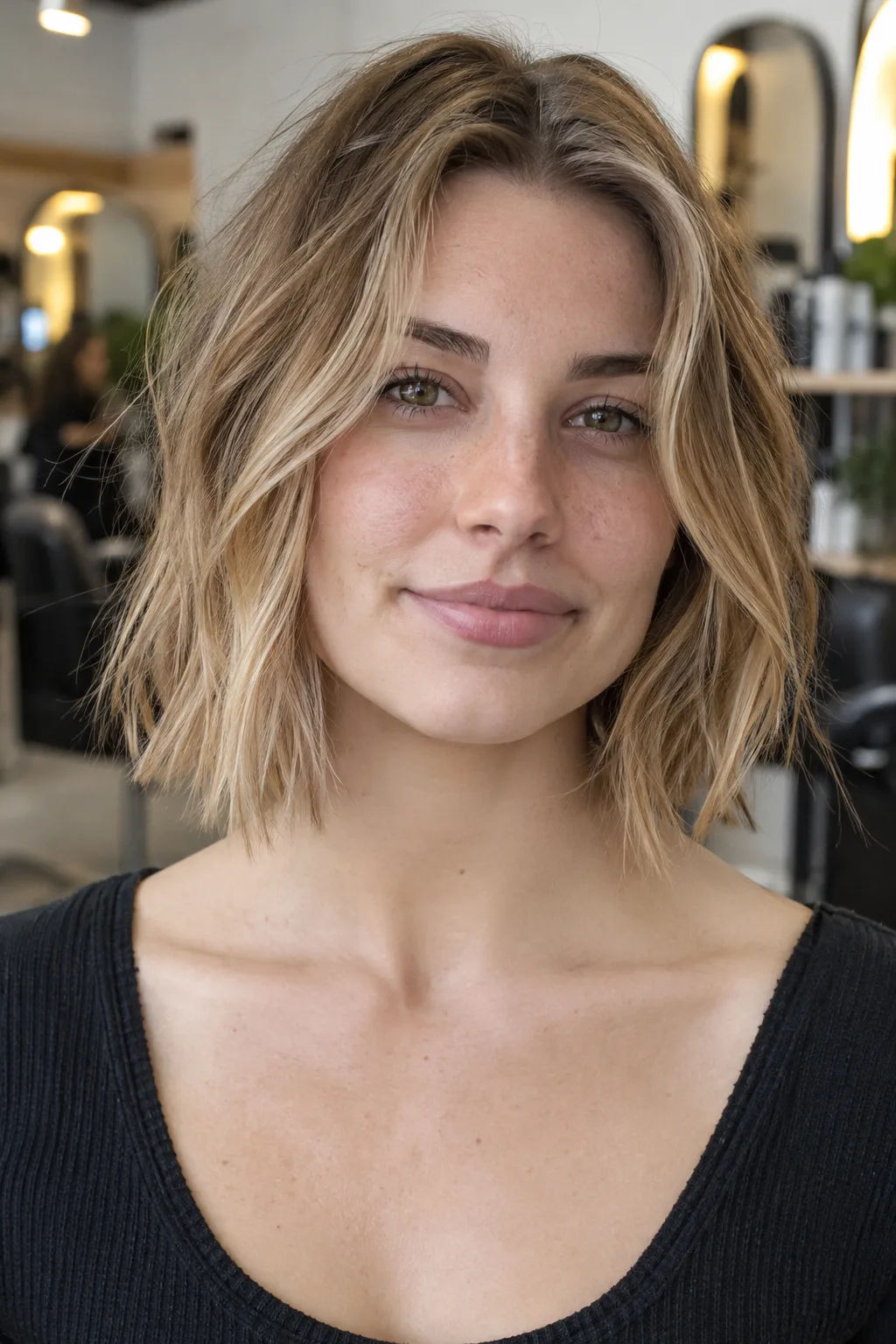
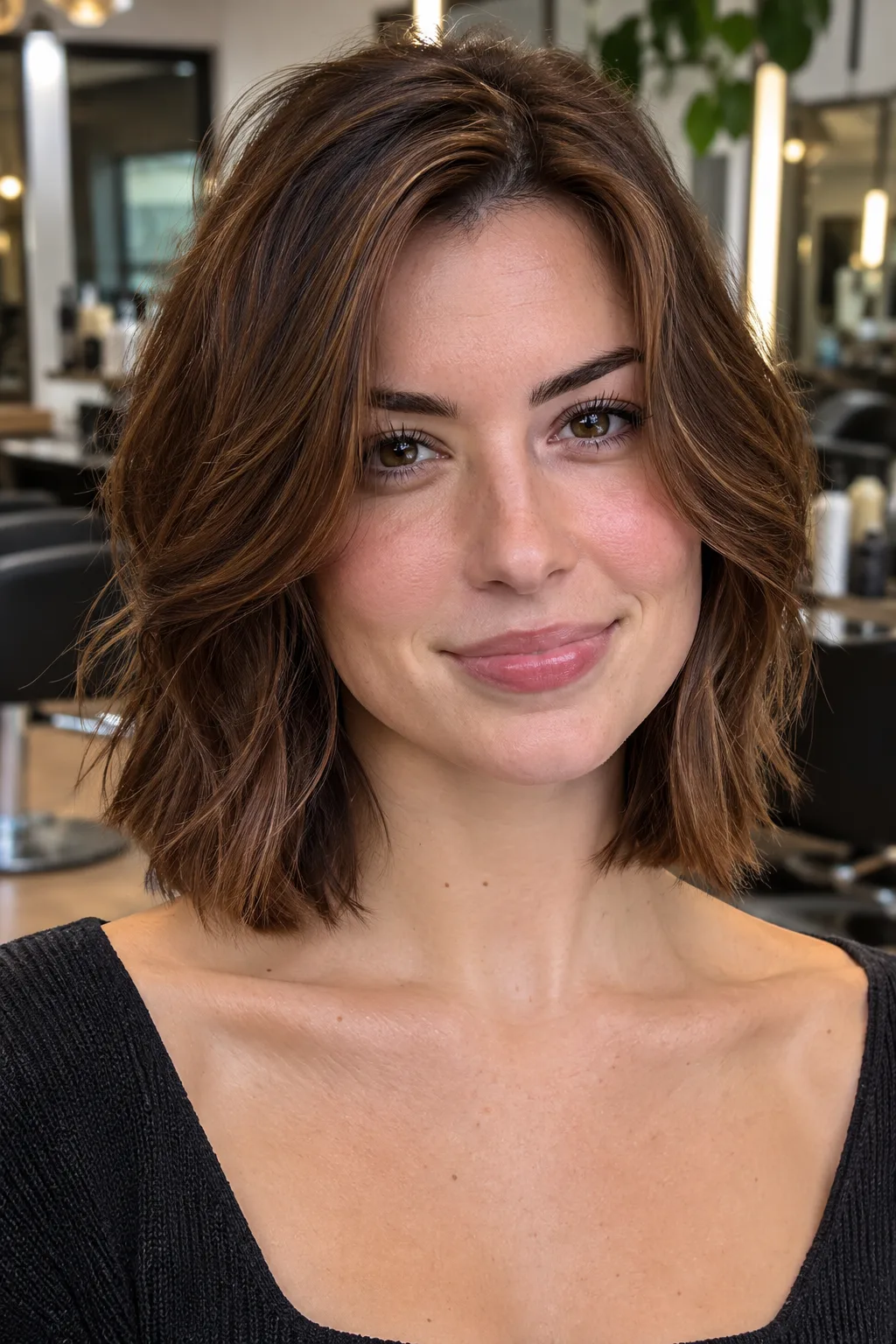
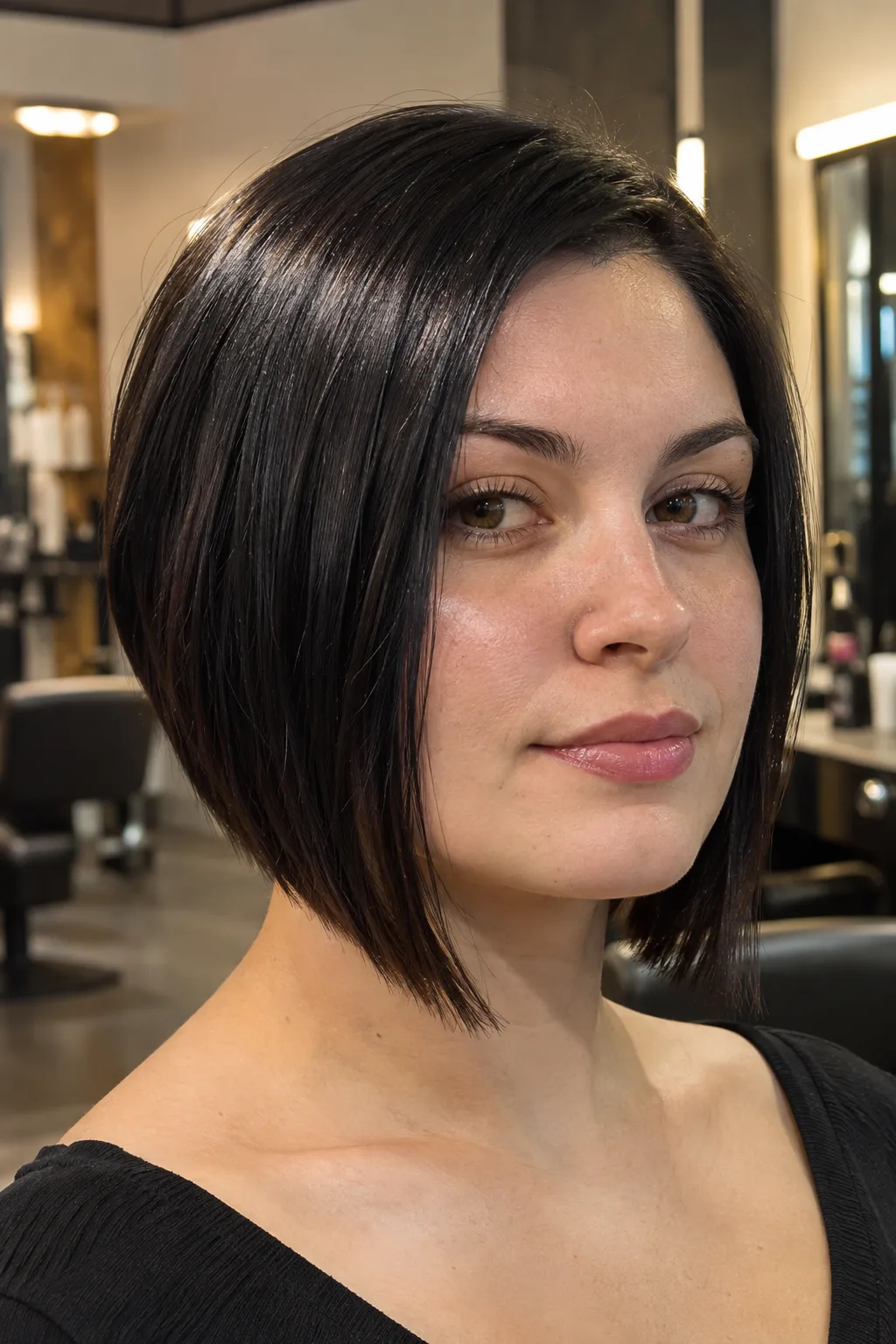
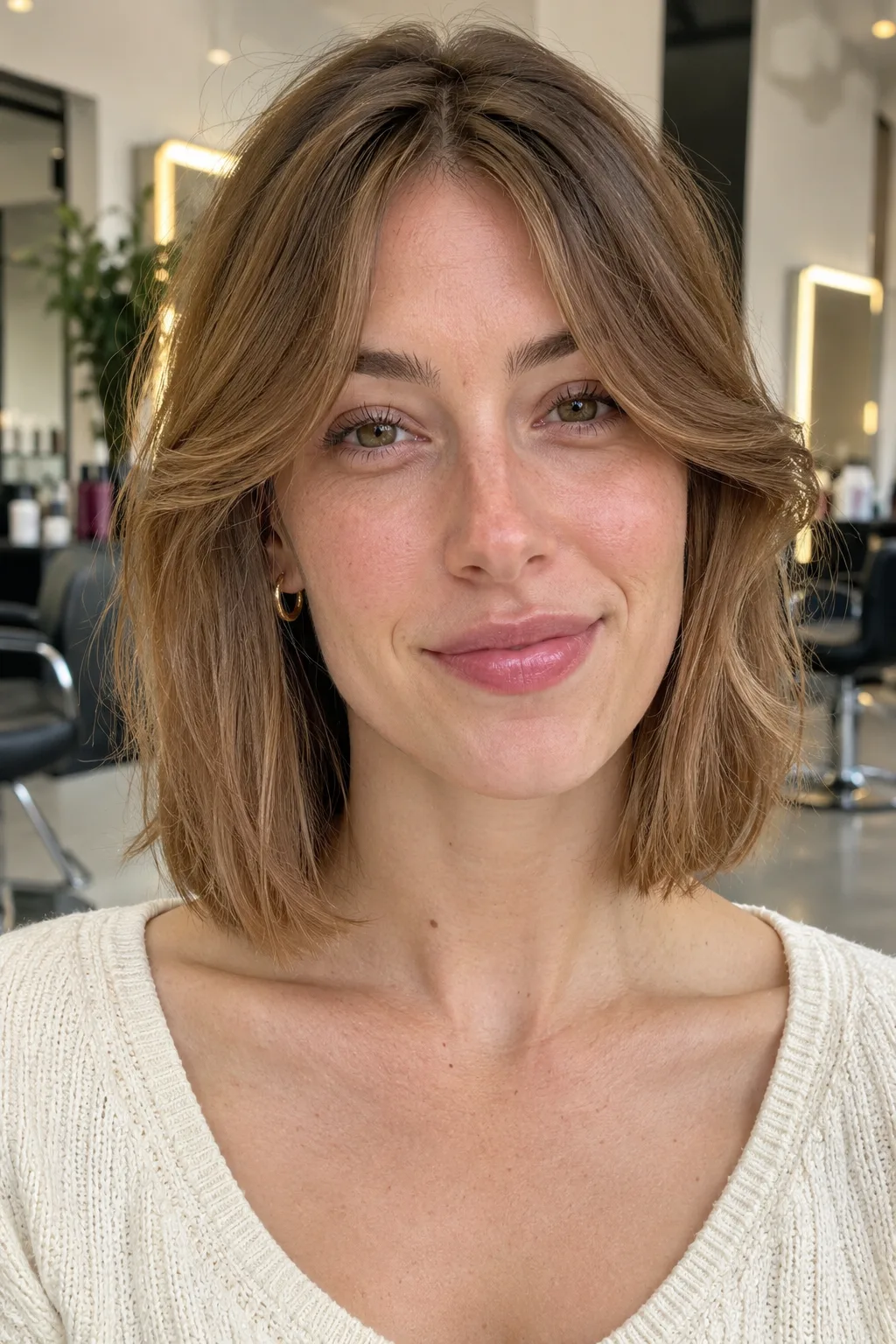
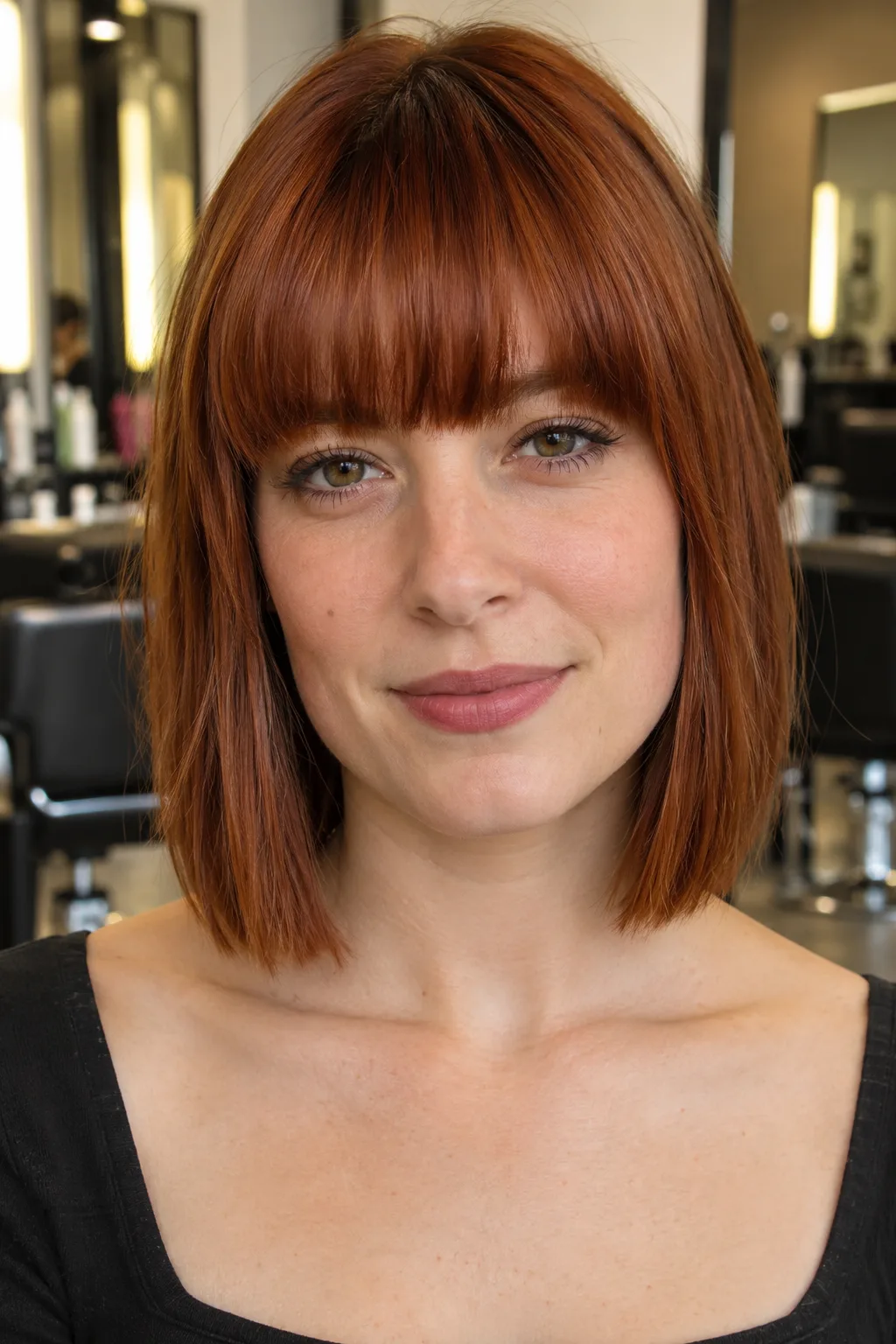
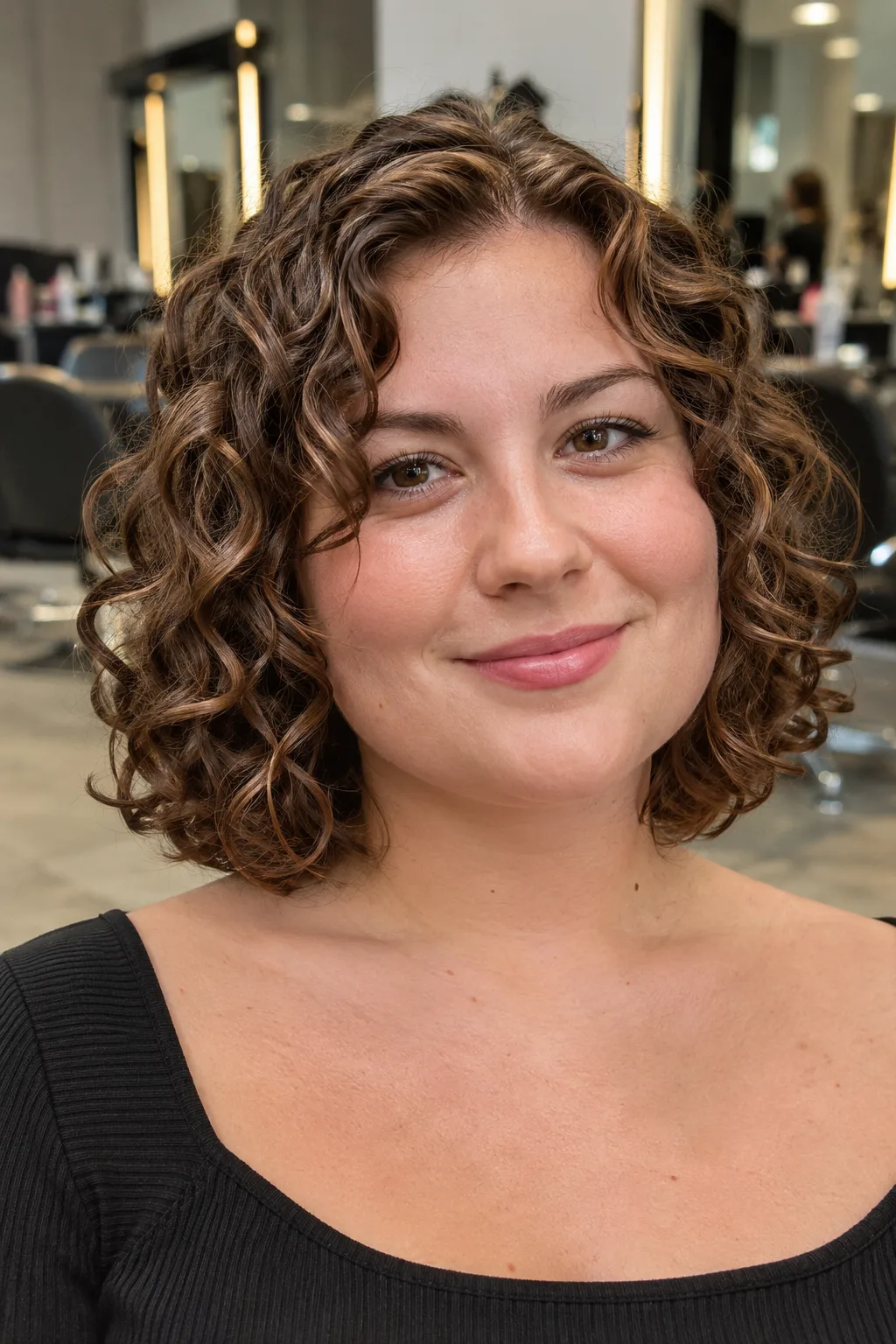
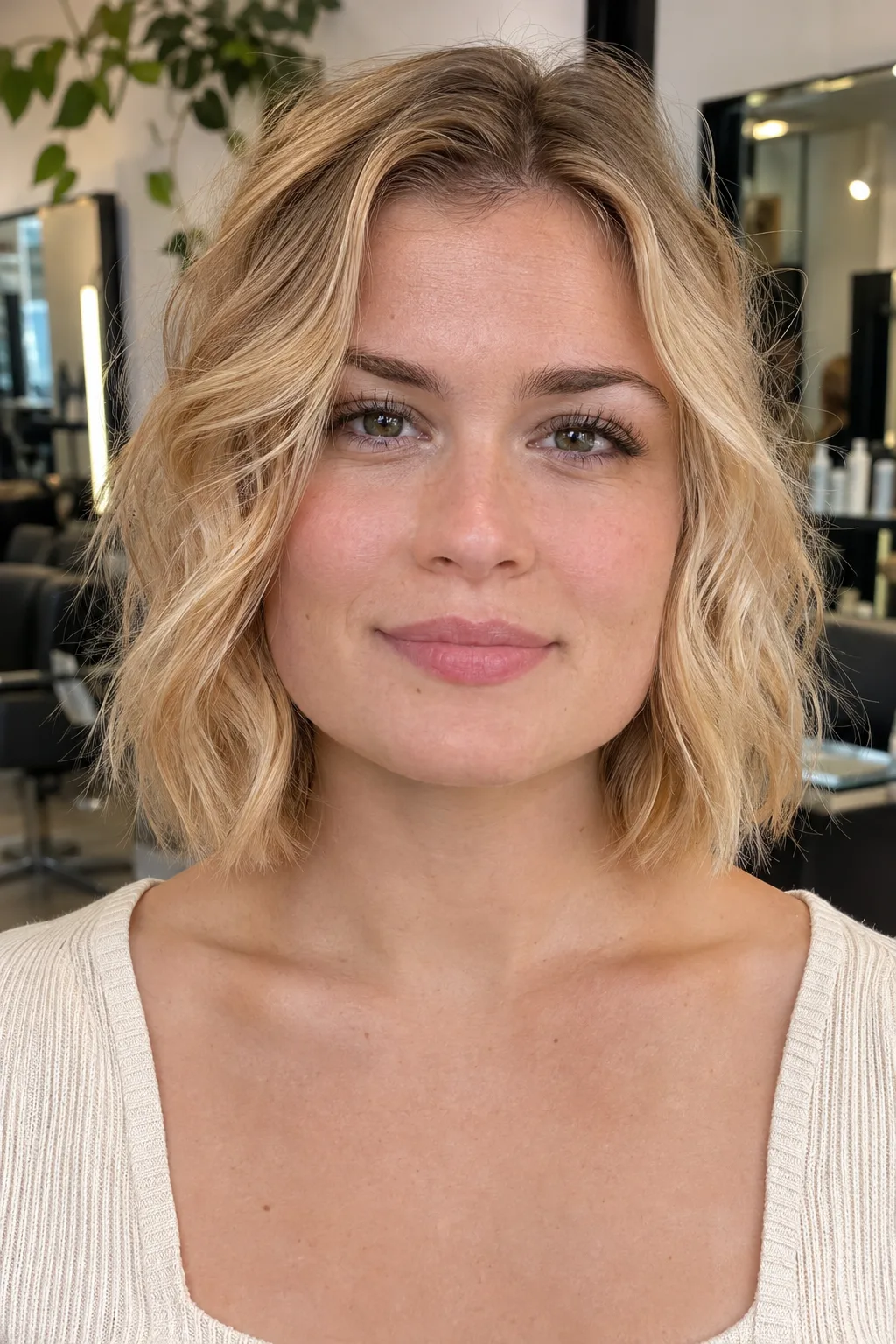
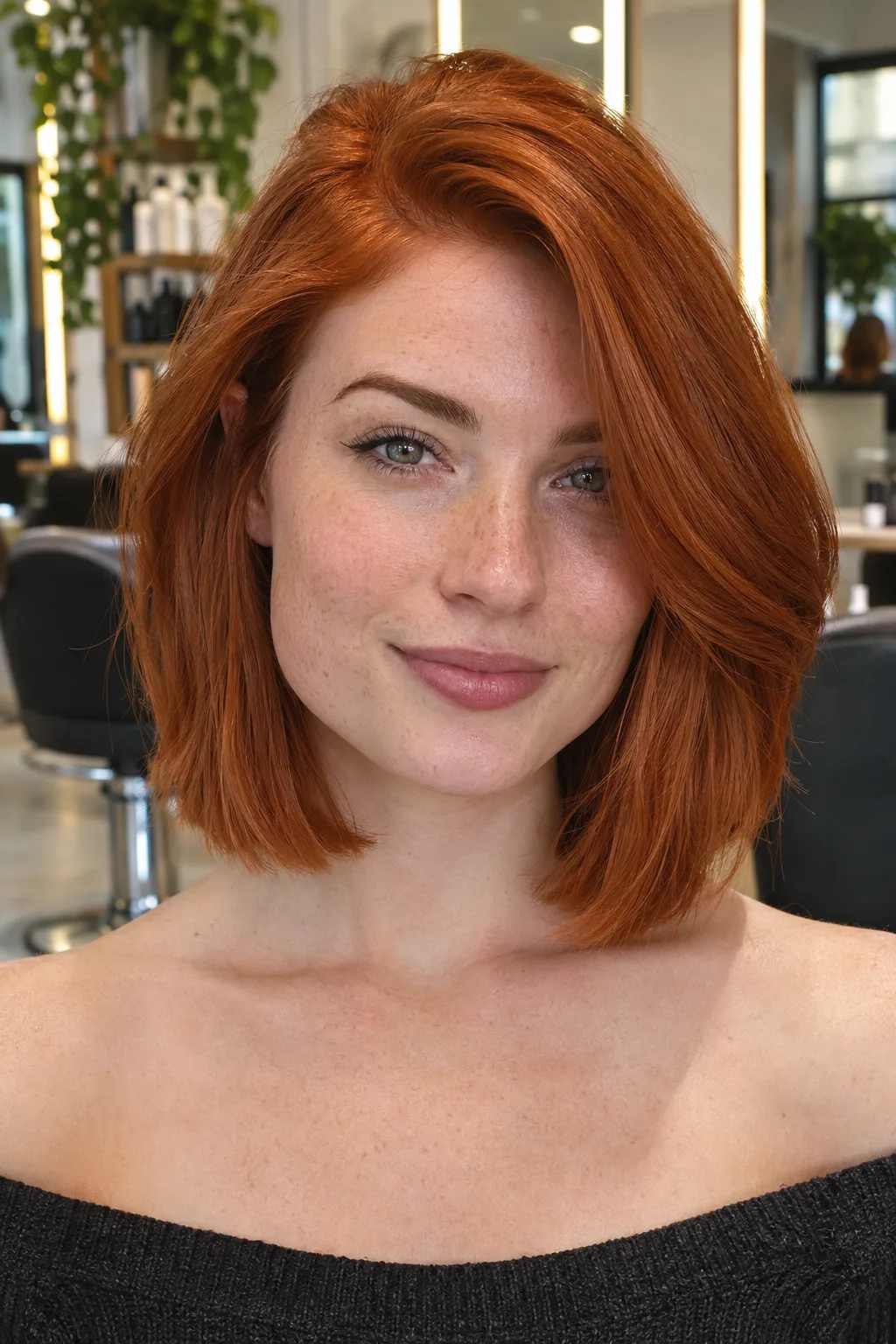
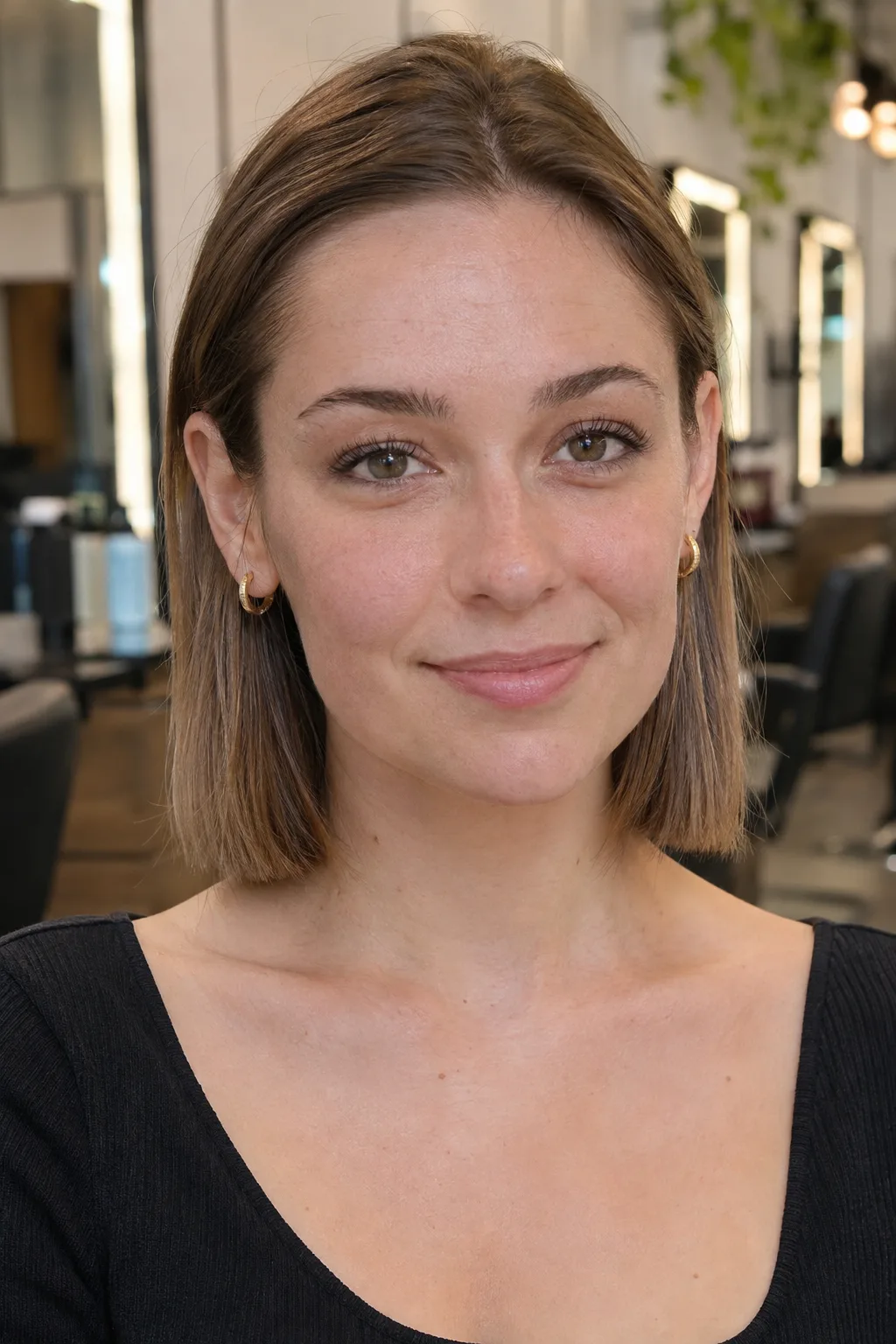
Every picture below is the same length: a lob with the ends between the jaw and the collarbone, photographed in a salon. Only one thing changes from tile to tile, the layering, the angle, the bangs, the texture or the finish, so you can see what each change does to the same cut. Tap any tile to try that version on your own photo.
Gallery14 photos · tap to enlarge
 Would this suit me?
 Would this suit me?
 Would this suit me?
 Would this suit me?
 Would this suit me?
 Would this suit me?
 Would this suit me?
 Would this suit me?
 Would this suit me?
 Would this suit me?
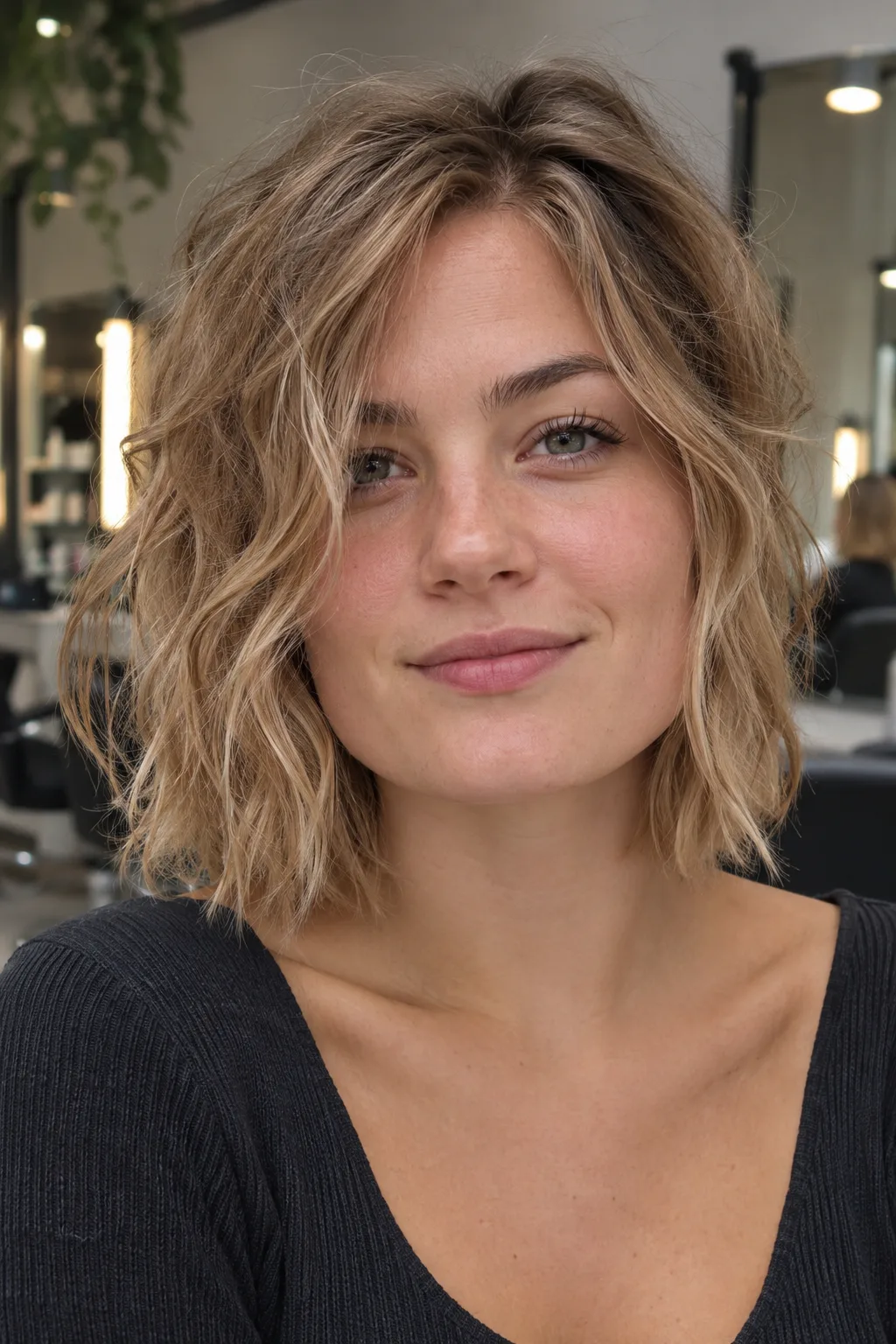 Would this suit me?
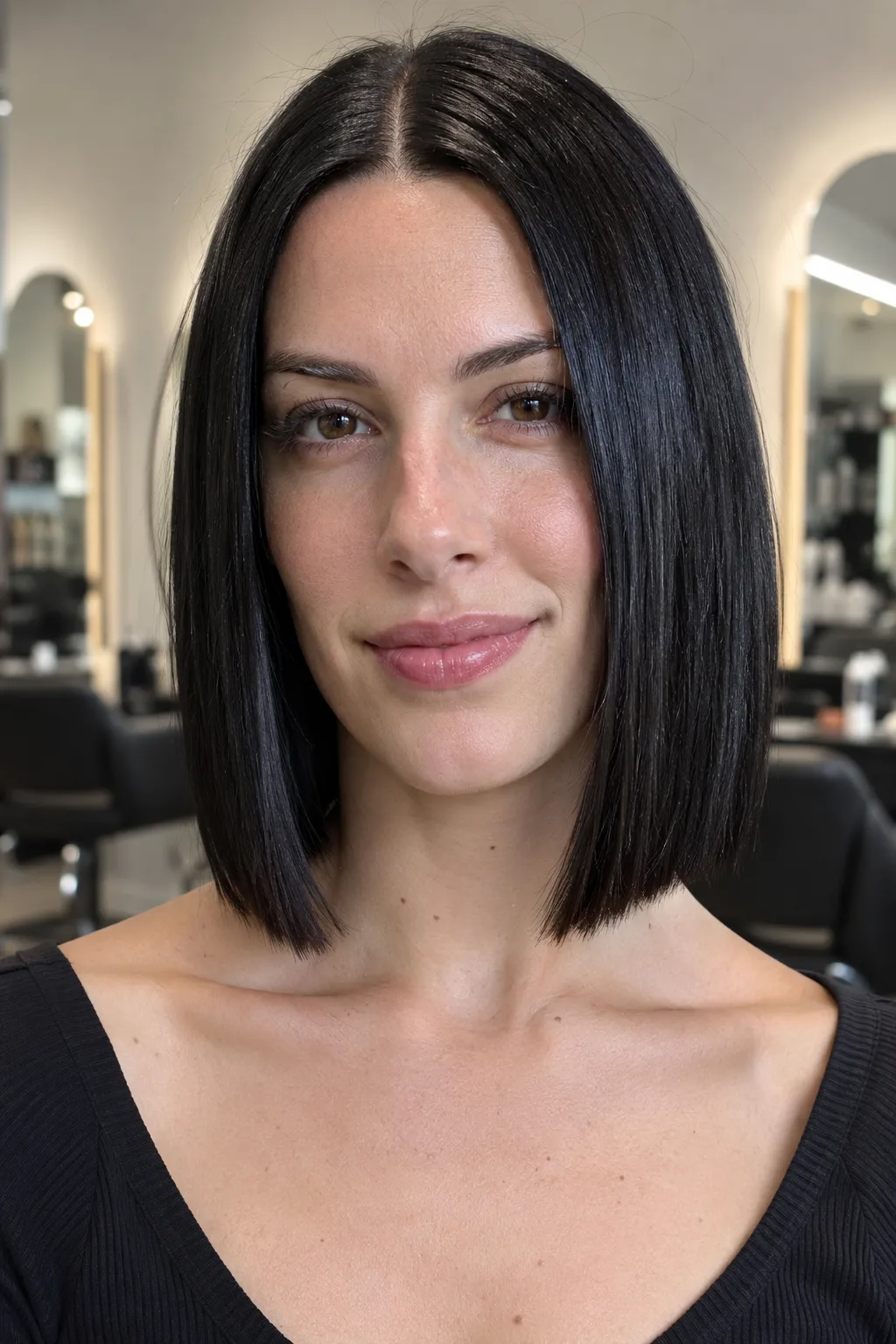 Would this suit me?
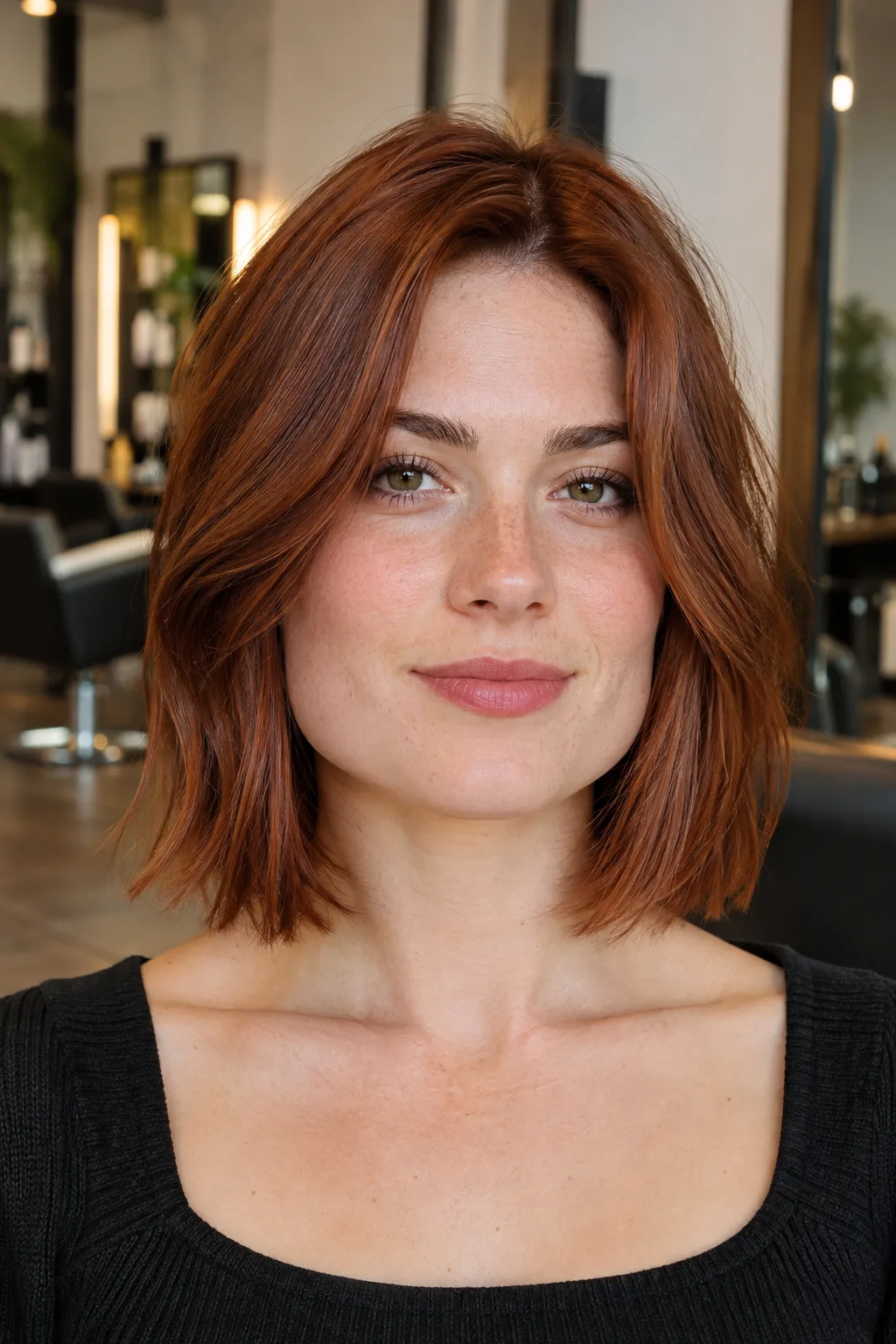 Would this suit me?
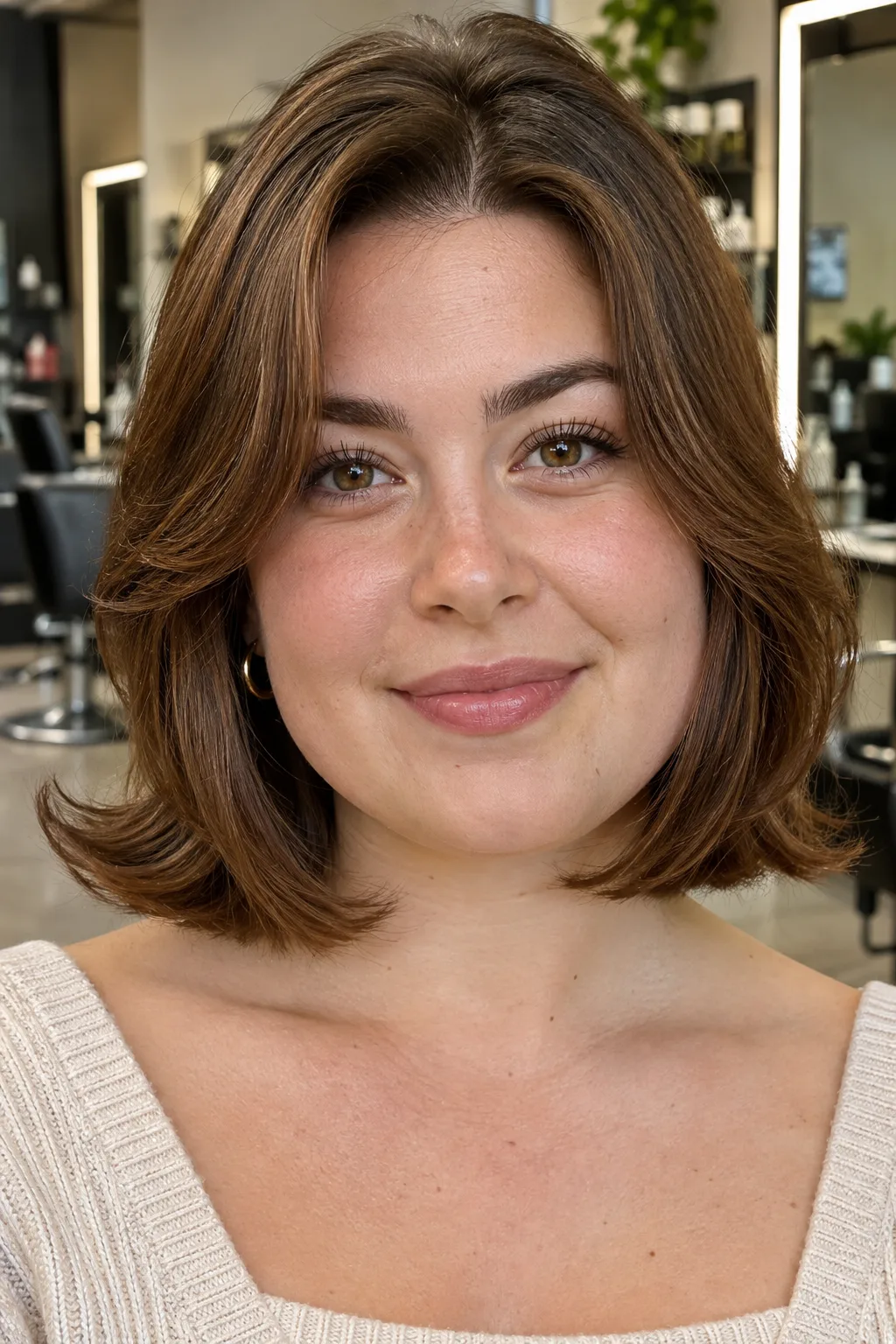 Would this suit me?
Two things stand out. The blunt, angled and sleek versions look the most expensive, because a crisp hemline reads as intentional even on day three. And bangs change the cut more than any other variable: the curtain bangs and the blunt bangs look like two different haircuts on the same length.
Which cut makes you look best?
Find out in 60 seconds.
A few quick taps and one selfie, and you'll know. Free account, no card for your first render.
Which lob suits your face and hair?
Start with your hair type, then your face shape. Hair type decides how the cut is built. Face shape only decides small adjustments like the part and the angle.
| Your situation | Best lob | Why | Avoid |
|---|---|---|---|
| Fine or thin hair | Blunt lob | One length keeps the hem looking thick | Thinning shears, choppy layers |
| Thick hair | Layered lob with internal layers | Removes bulk so it lies flat | A blunt lob with nothing taken out |
| Wavy hair | Textured or wavy lob | Waves give shape without heat | Heavy blunt line cut wet |
| Curly hair | Curly lob cut dry | Shrinkage is visible as it is cut | Cutting wet to an exact length |
| Round face | Angled lob, longer in front | Long front lines lengthen the face | Ends at the chin, blunt bangs |
| Square face | Soft layered or wavy lob | Movement softens the jaw | A sleek hem right at the jawline |
| Long face | Lob with bangs or curtain bangs | Bangs shorten the face visually | A flat center part with no volume |
| Heart or oval face | Almost any lob | Balanced proportions | Nothing in particular |
Fine or thin hair

Get the blunt lob and do not let anyone talk you into layers. Every layer you add to fine hair removes hair from the bottom edge, and the bottom edge is the only place fine hair can look dense. A blunt lob puts all your hair in one line, so the hem reads as thick even when the roots are flat. Ask for no thinning shears and no point cutting at the ends. If you want movement, get it from a round brush or a loose bend with a flat iron, not from the scissors.
Thick hair
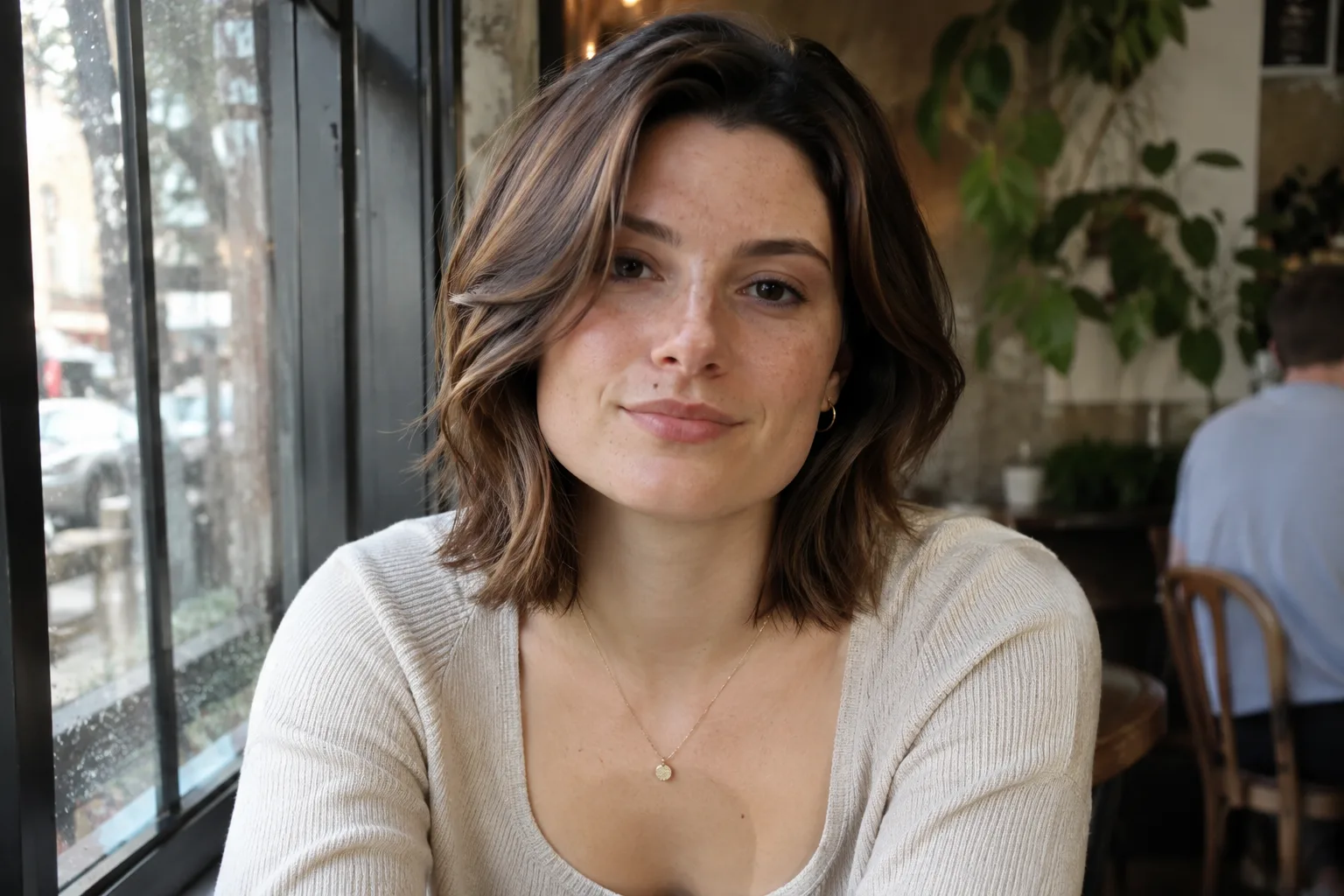
Thick hair can wear any lob, but a blunt one left as it is will puff out at the sides into a triangle. The fix is internal layers: your stylist removes weight from the under sections so the outside line stays clean but lies flat. Ask for that by name. Our guide to thick hair explains the techniques if you want to know exactly what you are asking for. Once the bulk is out, thick hair gets the best lob of anyone, because it holds a shape for days.
Wavy and curly hair
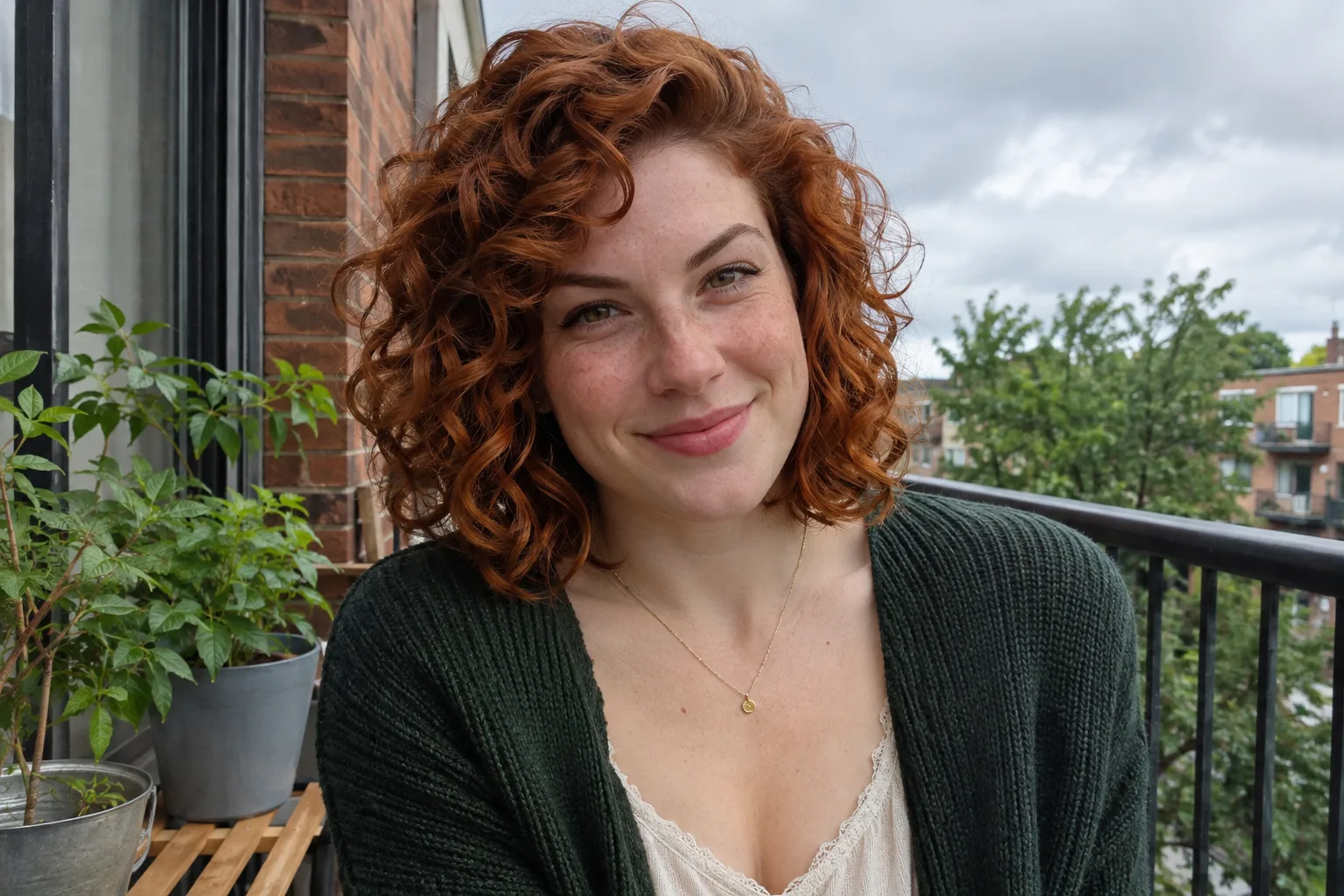
Waves and curls shrink. A lob that sits at your collarbone wet can end at your jaw once it dries, which turns a lob into a chin bob by accident. Wavy hair should be cut half an inch to an inch longer than the target, or cut dry. Curly hair should always be cut dry, so the stylist sees where each curl actually lands. Loose curls carry a lob particularly well, and 3a hair is the sweet spot: the curls hold the rounded shape without collapsing.
Is a lob good for a round face?
Yes, a lob is one of the best cuts for a round face, as long as the ends sit below the jaw and the front is slightly longer than the back. The ends land past the widest part of your face, so the hair draws the eye down instead of across.

The angled lob does most of the work here. Ask for the front pieces about an inch longer than the back, a side part rather than a center part, and no blunt bangs. Avoid any lob cut so short that the ends sit right at your chin: that is the one length that frames a round face like a circle. Not sure if your face is round, square or oval? Measure it with the calculator below, or read our guide to haircuts for every face shape.
Measure it instead of guessing
Both numbers in the same unit — the answer is a ratio, so it does not matter which.
Under 1.15 reads round, 1.15 to 1.5 reads oval, over 1.5 reads long. Oval and long split on the jaw rather than the ratio: an oval tapers toward the chin, a long face runs straight down.
Lob with bangs
Bangs are the easiest way to make a lob feel like a new haircut without losing length. Curtain bangs parted in the middle suit long and oval faces and grow out gracefully. Blunt bangs suit oval faces and strong cheekbones but need a trim every three to four weeks. If you want something in between, see our guide to wispy bangs, which are the lowest-commitment option.
Mistakes that cost you a second appointment
Most bad lobs come from the same five mistakes, and every one can be avoided before the scissors come out.
- Asking for "a lob" and nothing else. A lob covers everything from a sleek blunt cut to a choppy shag. Without a length and a shape, you are leaving it to chance.
- Layering fine hair. Layers make fine ends look wispy and see-through, which is the opposite of what you wanted.
- Leaving thick hair blunt. No weight removal means the triangle shape, and a second visit to fix it.
- Cutting curls or waves wet to an exact length. Shrinkage takes one to two inches, and you leave with a chin bob.
- Checking it sitting down. Your shoulders drop when you sit in the chair. Stand up with your head level before you leave, and check the side profile.
How to ask for a lob haircut
Bring two photos, one from the front and one from the side, so your stylist sees the length and the shape. Then say this, word for word.
Say this to your barber
A lob with the ends just at my collarbone when I'm standing, the back the same length as the front, and please keep the ends blunt (or: take bulk out from the inside, if your hair is thick).
How to ask for a lob haircut
- Show the length on your body
Stand up and put your finger where you want the ends to stop: just above the shoulder, on it, or at the collarbone. A finger on your body is clearer than any number in inches.
- Choose blunt, angled or layered
Blunt for fine hair, internal layers for thick hair, an angled front for a round face. Say which one you want in those words.
- Name your texture
If your hair is wavy or curly, ask for it to be cut dry, or ask the stylist to leave an extra inch for shrinkage.
- Check it standing up
Before you pay, stand with your head level and look at the side. The ends should land exactly where your finger was.
How do you style a lob?
For a sleek finish, blow dry with a round brush and turn the ends under slightly. For a lived-in look, put a loose bend in the middle of each section with a flat iron and leave the last inch straight; that is the wavy lob in the gallery and it takes about ten minutes. Keep the heat on a low or medium setting and use a heat protectant: the American Academy of Dermatology warns that excessive heat damages every hair type. On day two, a texture spray and a few scrunches bring back the shape.
Can you see a lob on yourself before you cut it?
Yes, and the first look is free. Upload a selfie to HairstyleAtlas, pick the lob and see it on your own face and hair color, with no card needed. Plans start at $9 a month if you want to compare more looks.
Here is why that matters. Everything above, the table, the gallery and the face-shape advice, still shows the lob on someone else's face, neck and shoulders. Where a lob lands depends on your neck length and the slope of your shoulders, and no photo of another person can show you that. A try-on on your own photo shows the length against your actual shoulders, so you can compare the blunt version with curtain bangs or an angled front before anything is cut. Want shorter bob shapes too? The bob haircut try-on covers those.
The bottom line
The lob is the safest short haircut there is, and the most forgiving bob. Pick the length by where you want the ends to land, then make the one decision that actually matters: blunt if your hair is fine, internal layers if it is thick, cut dry if it curls. Add an angled front for a round face and bangs for a long one. Then see it on your own photo before you sit in the chair, because a lob that looks perfect on someone else can land an inch off on you.
Frequently asked questions
A lob is a long bob: a bob haircut with the ends between the jaw and the collarbone, usually grazing or just clearing the shoulders. It keeps one visible bottom edge, unlike long layered hair.
A lob usually reads younger than a chin bob and fresher than long, flat hair, because it adds movement around the face without the severity of a short blunt line. A heavily layered, piecey lob looks the most casual and youthful.
Very few people. If your hair is very fine and you only want to wear it layered, or if you need to tie it into a high ponytail every day, a lob will frustrate you. Tight curls can also shrink a lob into a chin-length cut, so cut them dry.
Yes. Keep the ends below the jaw, ask for the front slightly longer than the back, and part it to the side. Avoid blunt bangs and any length that stops at the chin.
Only if your hair is thick or wavy. Thick hair needs internal layers to stop the triangle shape. Fine hair looks fuller with a blunt lob and no layers.
Length. A layered bob usually ends at the chin or jaw with layers through it. A lob is longer, ending near the shoulders, and can be blunt or layered.
Yes. The lob has stayed one of the most requested cuts for over a decade, and in 2026 the textured, curtain-bang and sleek blunt versions are the ones people bring photos of.
Most people do, because the ends fall below the widest part of the face. The fastest way to know for sure is to try it on your own photo before the cut.
Preview it on your own photo: Virtual Hair Color Try-On.
Share article
About the author
Related posts
Women's Haircuts · 11 min
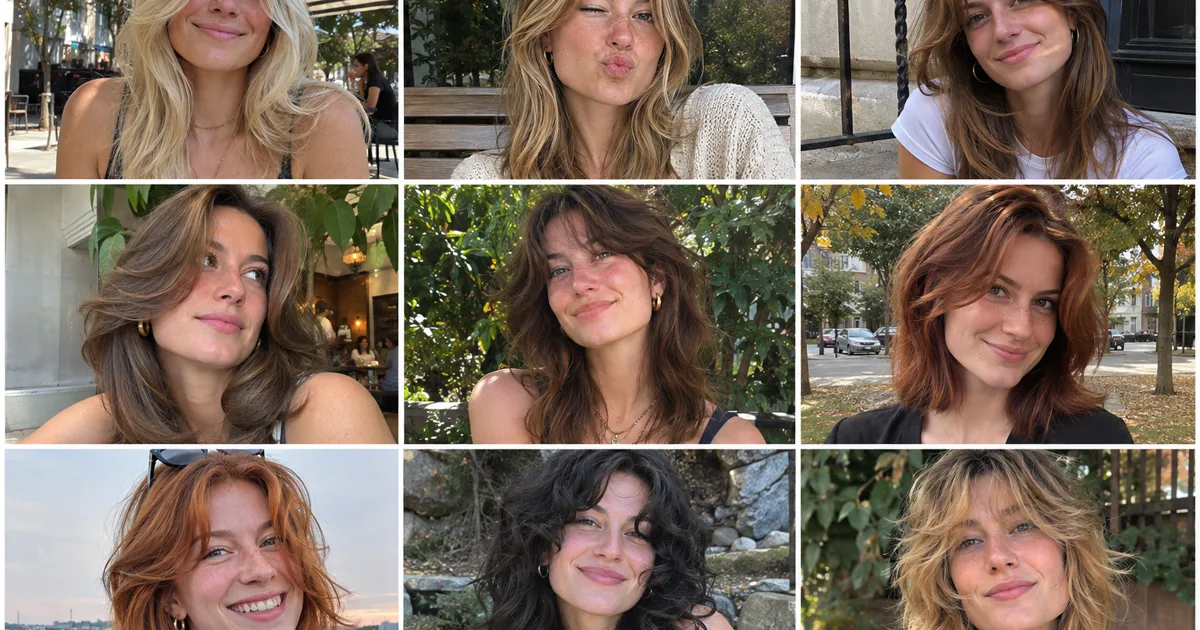
Layered Hair: 14 Looks and the One Number That Decides Each
Layered hair comes down to one number: the gap between your shortest piece and your longest. See 14 layered looks sorted by that gap, which suits your face and hair type, and what to say in the chair.
Women's Haircuts · 13 min
Copper Hair Color: 14 Shades and Which One Suits Your Skin
Copper is a bright orange-red, like a new penny. See 14 copper shades side by side, which one suits your skin tone, what to say at the salon, and why maintenance matters more than your complexion.
Women's Haircuts · 12 min
Blowout Hair: 14 Looks and How to Do a Salon Blowout at Home
Blowout hair is set by the cool shot, not the heat. See 14 blowout finishes from sleek to 90s bounce, the at-home routine step by step, and which version suits your hair type.
Women's Haircuts · 14 min
Miracle Knots Hair: 12 Looks, How It Works and How Long It Lasts
Miracle knots loop curly human hair into small plaits of your own hair: boho braids in 2 to 3.5 hours, with less weight. How it works, how many bundles, which hair it suits and how long it lasts.
Women's Haircuts · 14 min
Braided Ponytail: 14 Styles and How to Do One That Lasts
The braid is the easy part. 14 braided ponytail styles side by side, which one suits your hair type, how many packs of braiding hair to buy, and how to keep the base from pulling out your edges.
Women's Haircuts · 14 min
Black Short Hairstyles for Women: 14 Cuts Sorted by Upkeep
Fourteen short hairstyles for Black women, from the TWA and tapered cut to the pixie, braided bob and buzz cut, sorted by how much upkeep each one really takes.