Honey Blonde Hair: 14 Shades and How to Get It From Any Base
Oleh Onysko 25 October 2026 13 min read
In this article
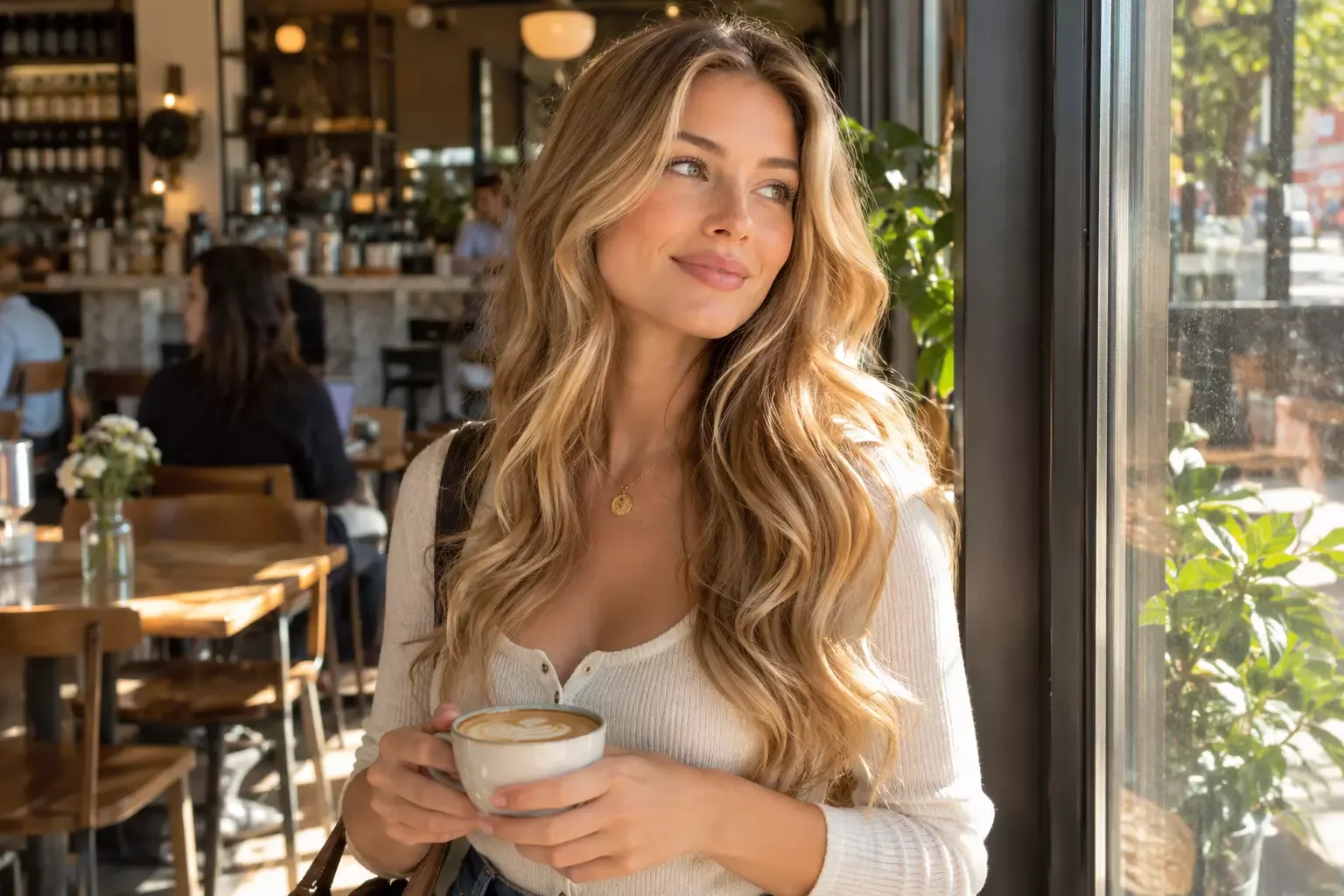
Honey blonde hair is a warm golden blonde, usually around level 7 to 8, with amber and gold tones woven through so it looks like honey held up to the light. How you get it depends almost entirely on your starting colour: from brown it is a lightening job with balayage or highlights, from blonde it is often just a warm gloss.
Here is the part most guides skip. Honey is the most forgiving blonde for brunettes, because the warmth that bleach exposes in dark hair is the warmth you want to keep. With ash or platinum your colorist fights that gold. With honey they steer it. Below you will find what the shade actually is, how it compares to caramel and golden blonde, 14 versions to save, the route from each starting colour, and the mistakes that turn honey into brass.
What is honey blonde hair?
Honey blonde is a blonde with a warm, golden base, sitting between dark blonde and light blonde on the colorist's level scale (1 is black, 10 is the lightest blonde). Good honey blonde is never one flat colour. It mixes two or three close shades, a deeper amber underneath and lighter gold on top, which is why it catches light the way the real thing does.
What it is not: it is not platinum or ash, which are cool and silvery. It is not copper or strawberry blonde, which lean red. And it is not brassy, the flat orange-yellow you get when lightened hair is left untoned.
Honey blonde vs caramel, golden and strawberry blonde
These four get mixed up in salon chairs every day. The difference is the level (how light) and the tone (which warmth leads).
| Shade | Typical level | Tone | Reads as | Best starting point |
|---|---|---|---|---|
| Honey blonde | 7 to 8 | Gold with amber | Warm, bright, sunlit | Light brown to dark blonde |
| Caramel blonde | 6 to 7 | Gold with brown | Deeper, toffee-like | Medium to dark brown |
| Golden blonde | 8 to 9 | Pure yellow-gold | Lighter and sunnier | Dark blonde and lighter |
| Strawberry blonde | 7 to 8 | Gold with copper | Rosy, red-leaning | Dark blonde to light red |
So honey is lighter than caramel and darker than golden blonde. If you show your colorist one picture of each, the conversation gets much shorter.
One more thing the table hides: honey changes with the light. Under warm indoor bulbs it reads close to caramel, and in direct sun it reads close to golden. Judge a honey blonde in daylight by a window, which is how most people will see it, and ask your colorist to check it there before you leave the chair. If it only looks right under the salon lights, the toner is too warm or too dark for you.
14 honey blonde hair ideas, by shade and placement
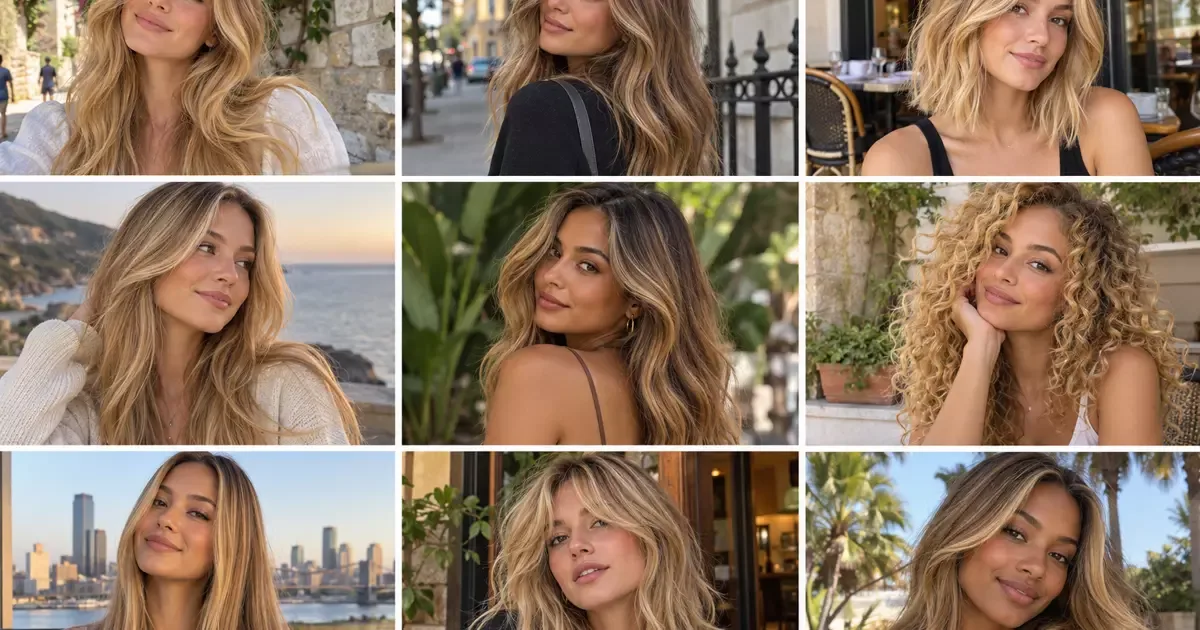
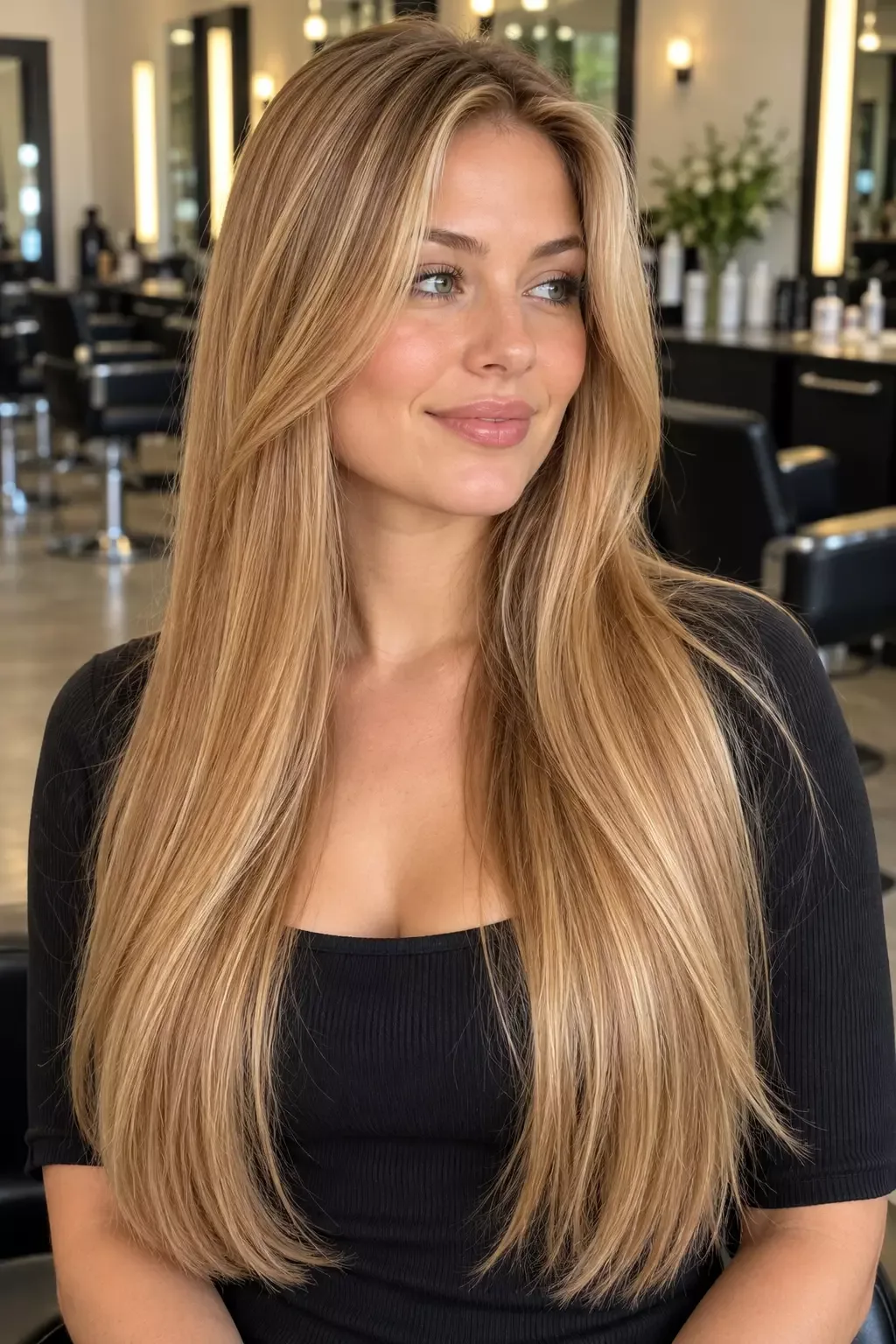
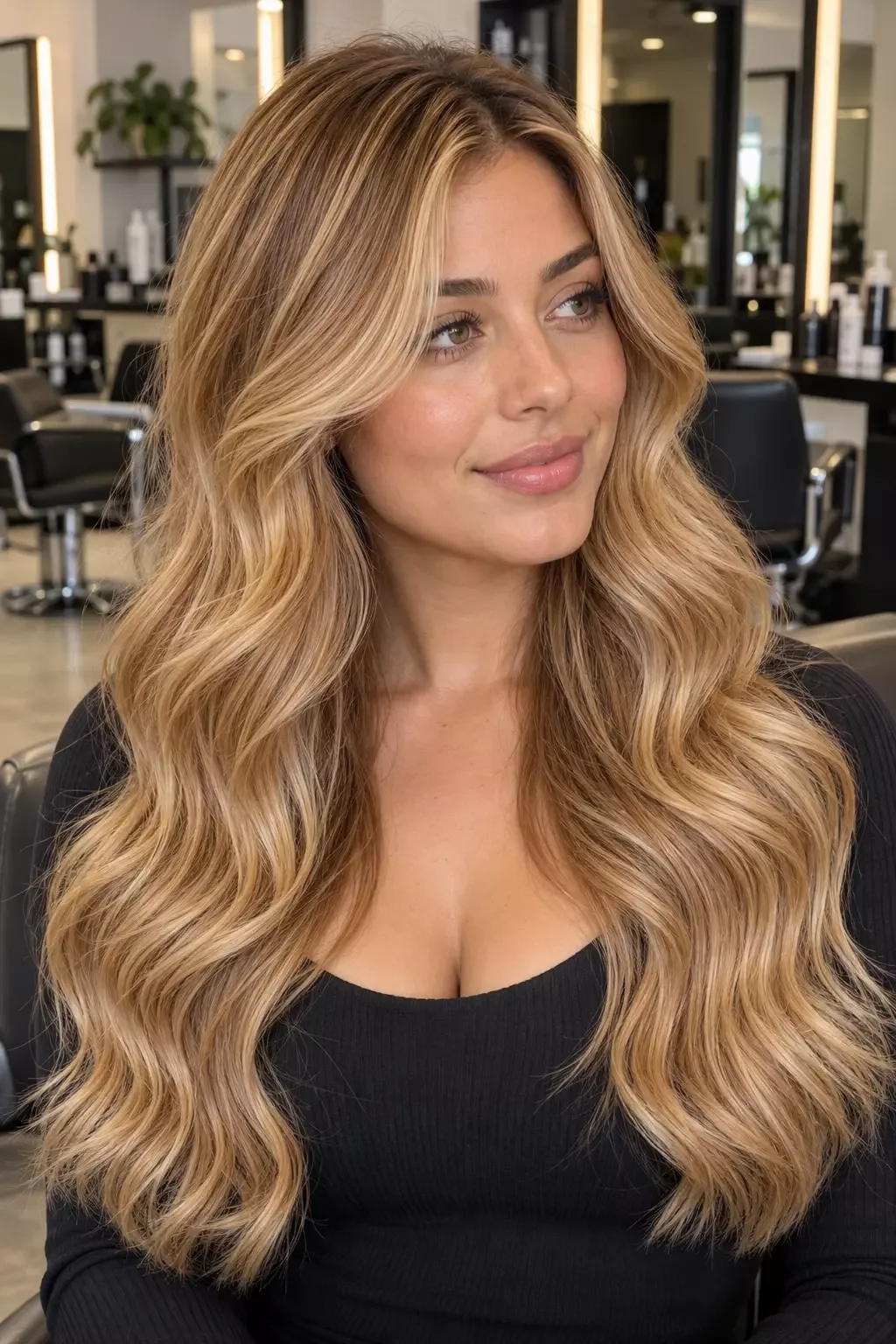
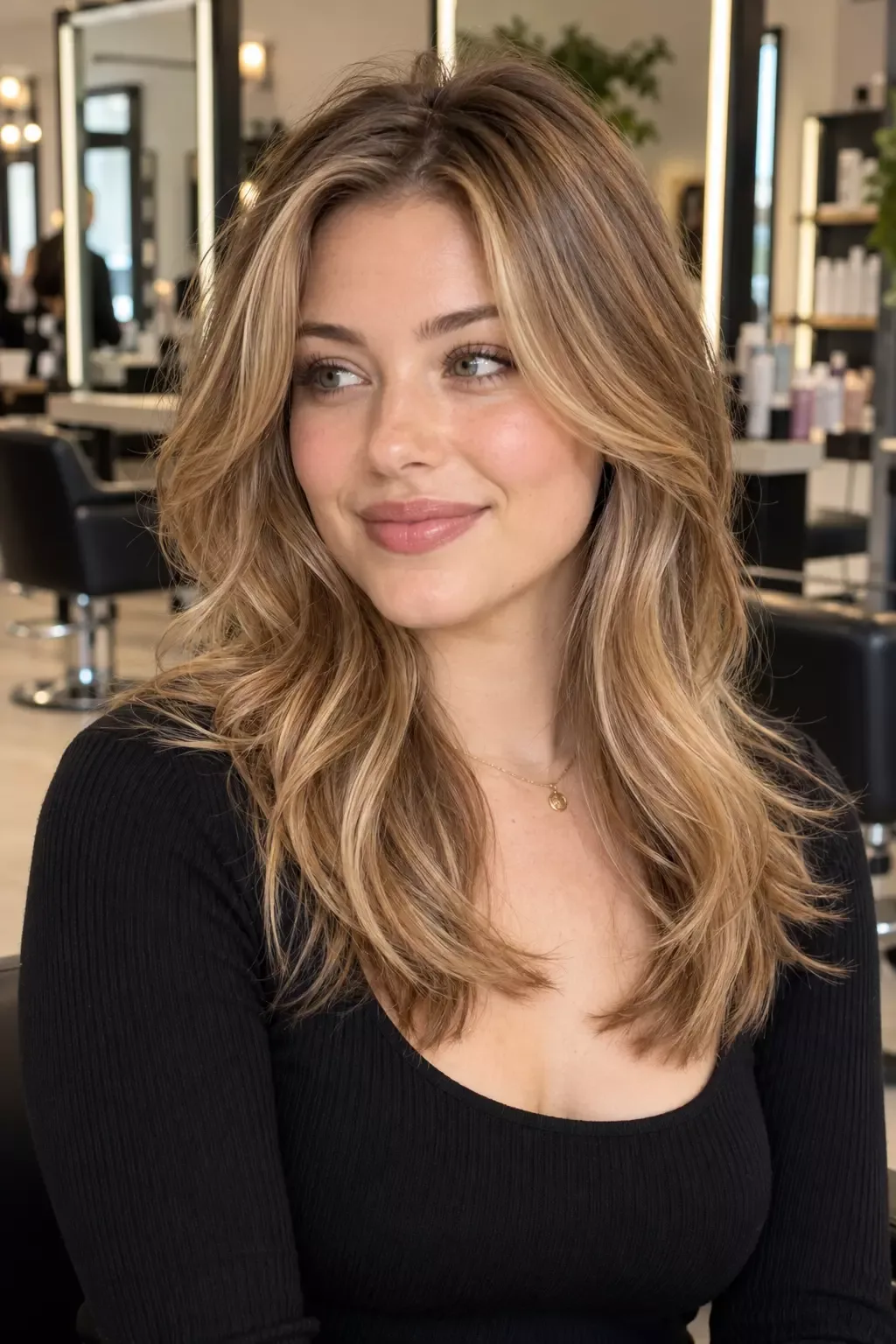
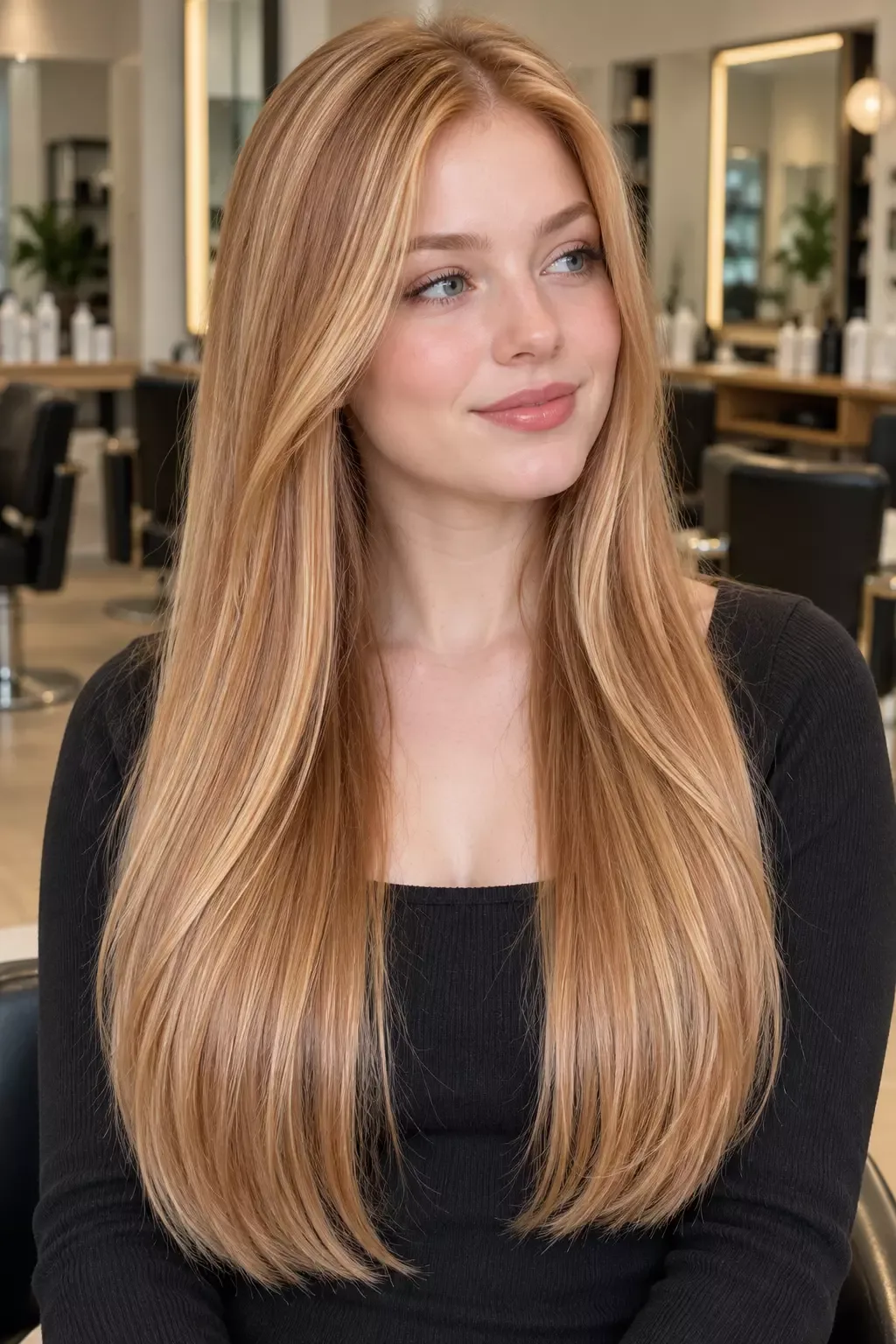
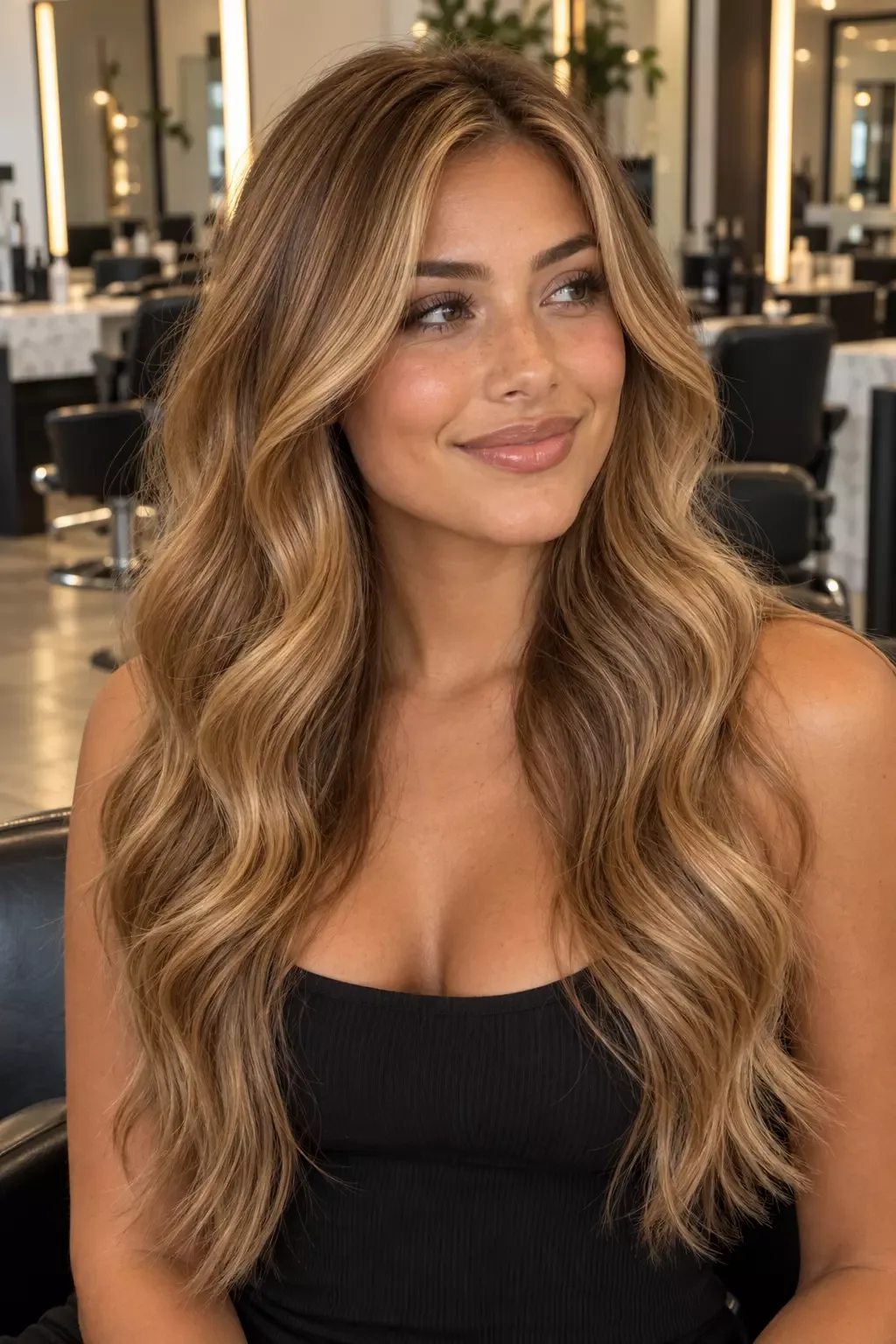
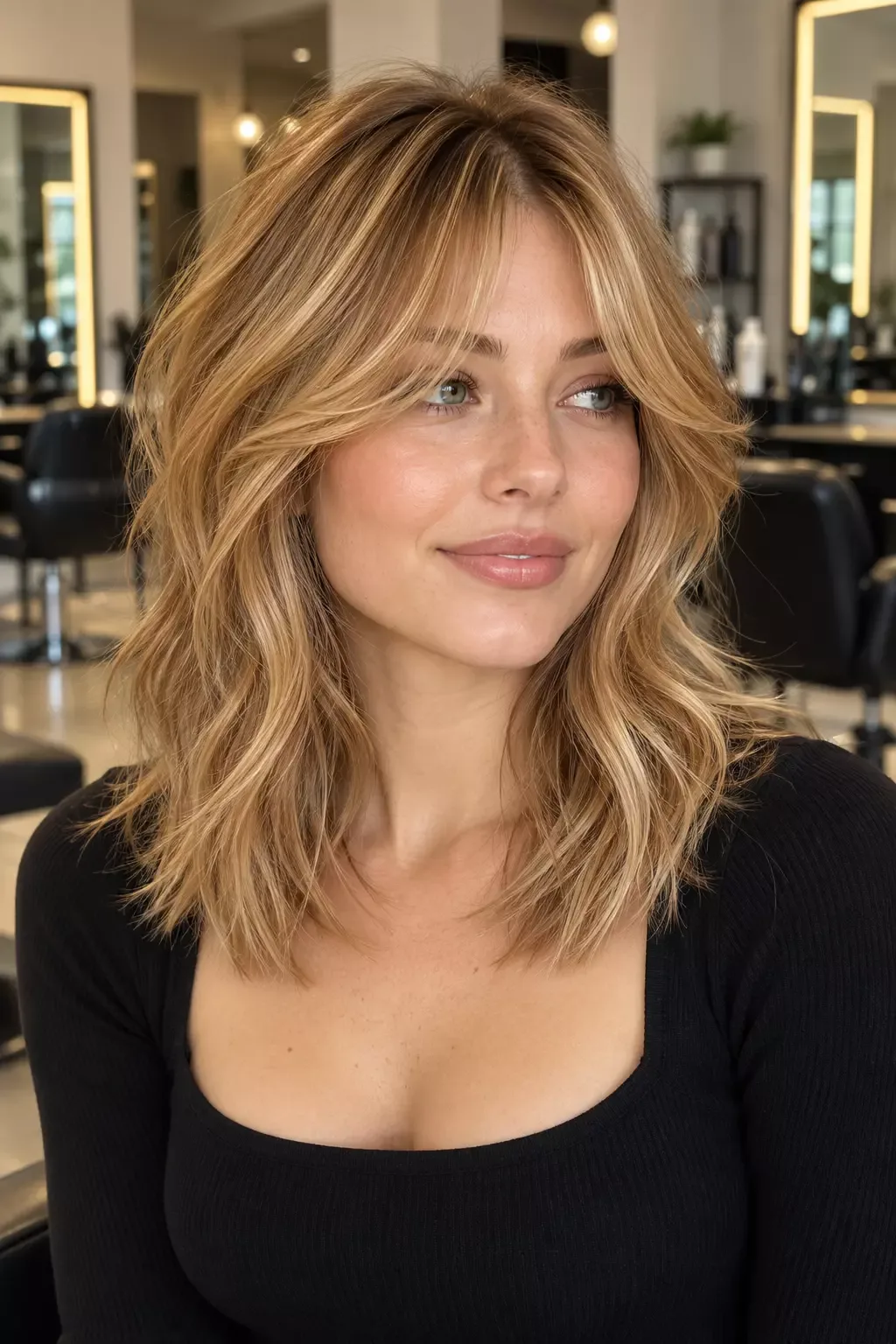
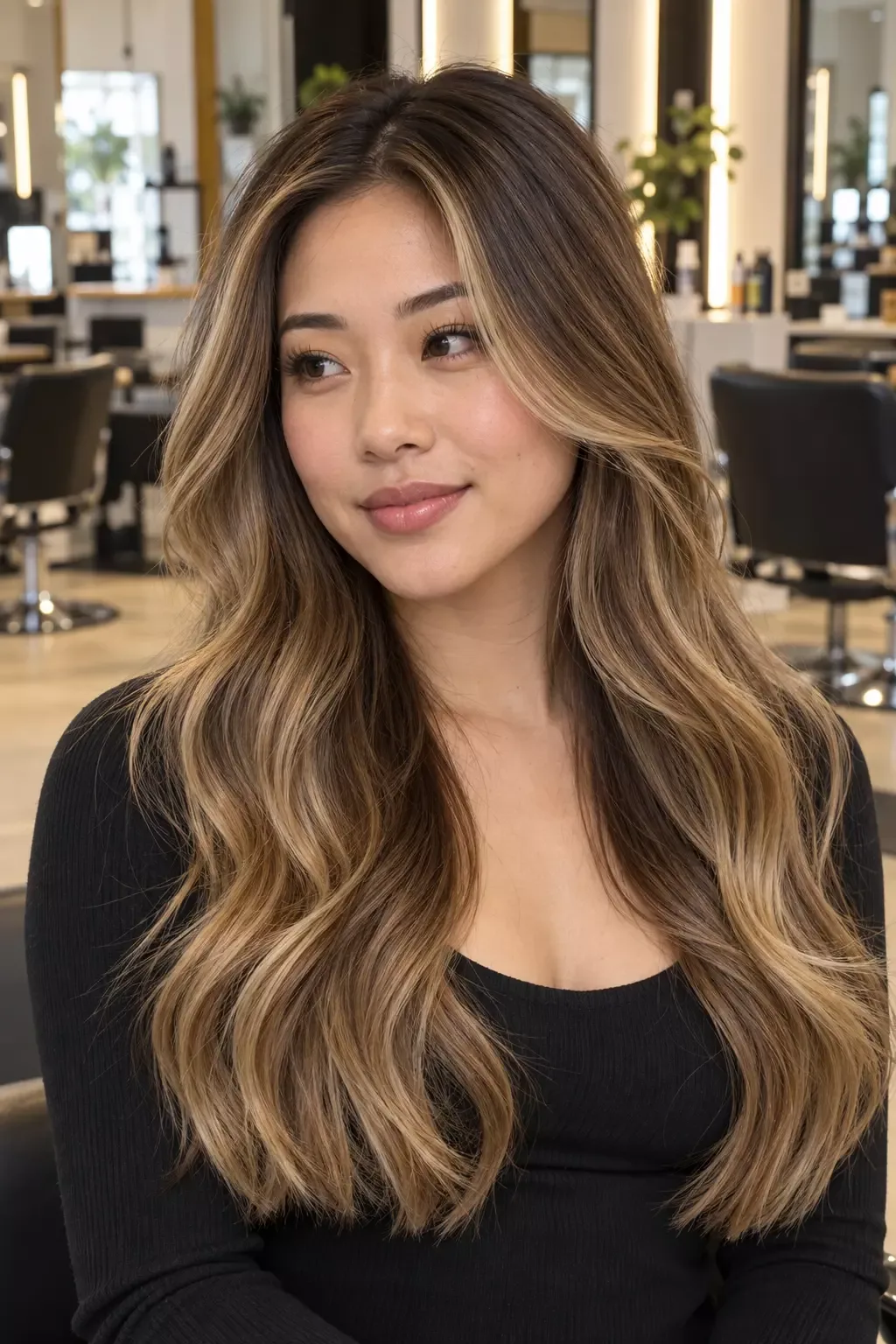
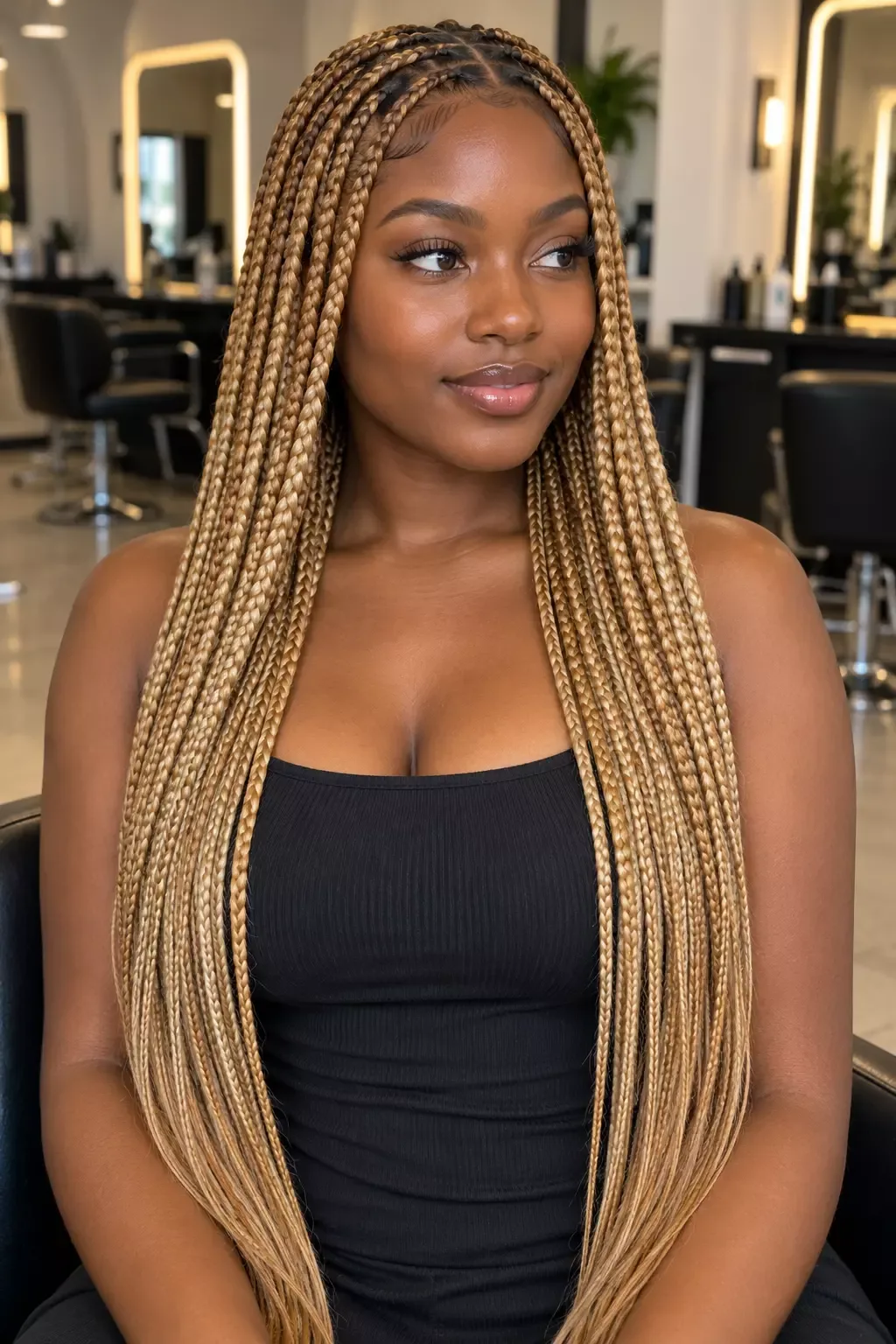
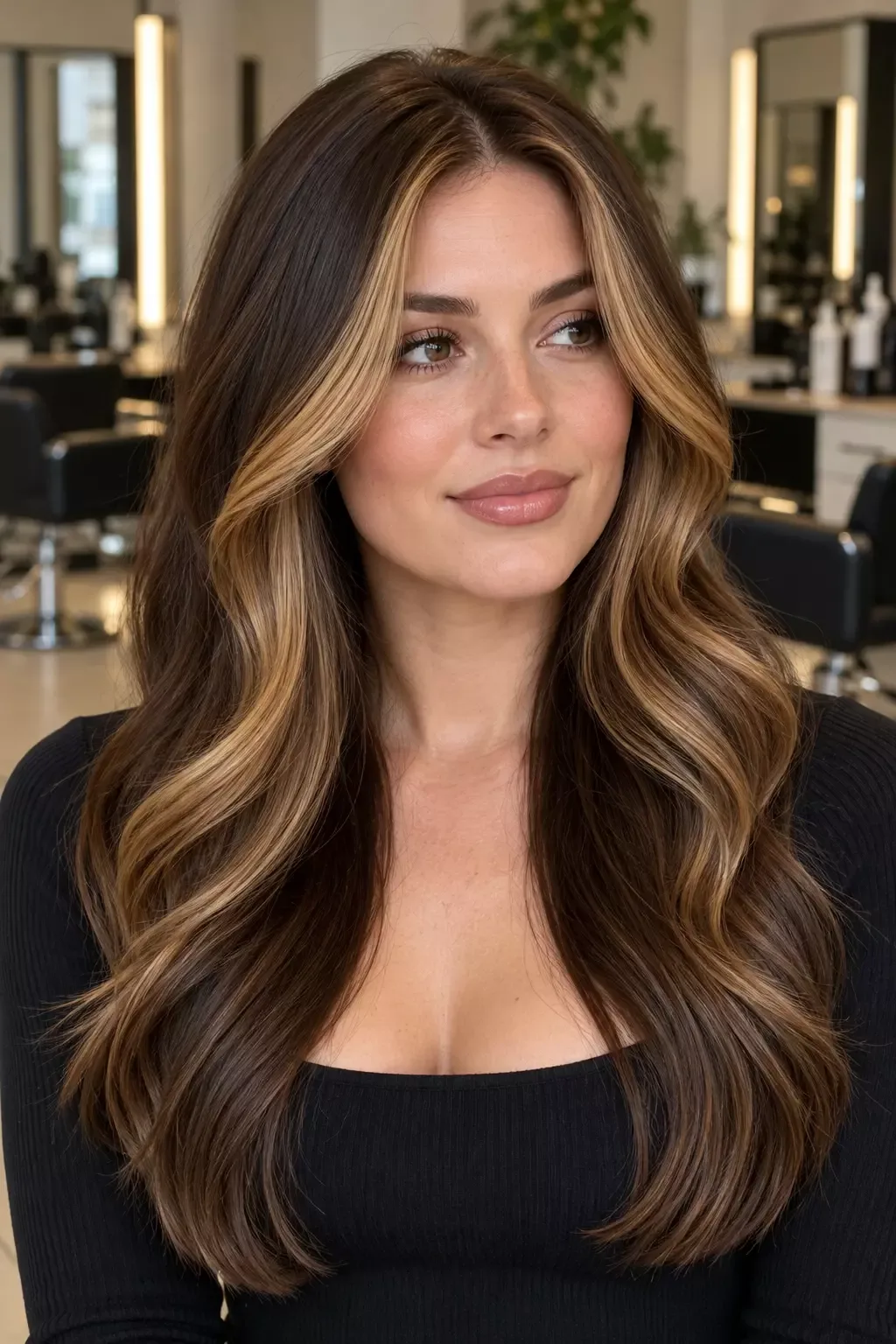
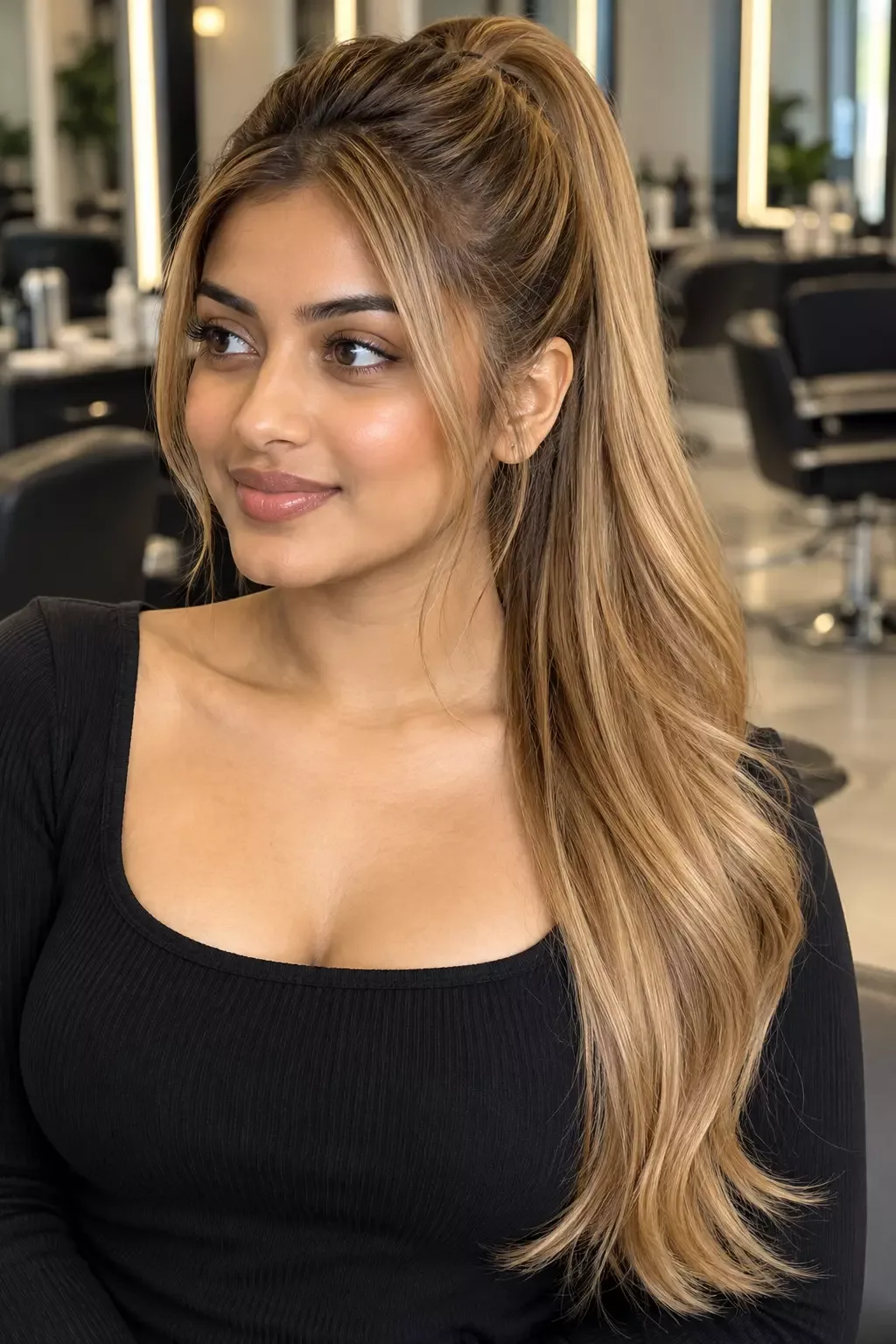
Every photo below holds the same honey blonde definition and changes one thing: where the colour sits, or how deep the honey goes. Use it to find the placement you want, then take that tile to your appointment.
Gallery14 photos · tap to enlarge
 Try this on me
 Try this on me
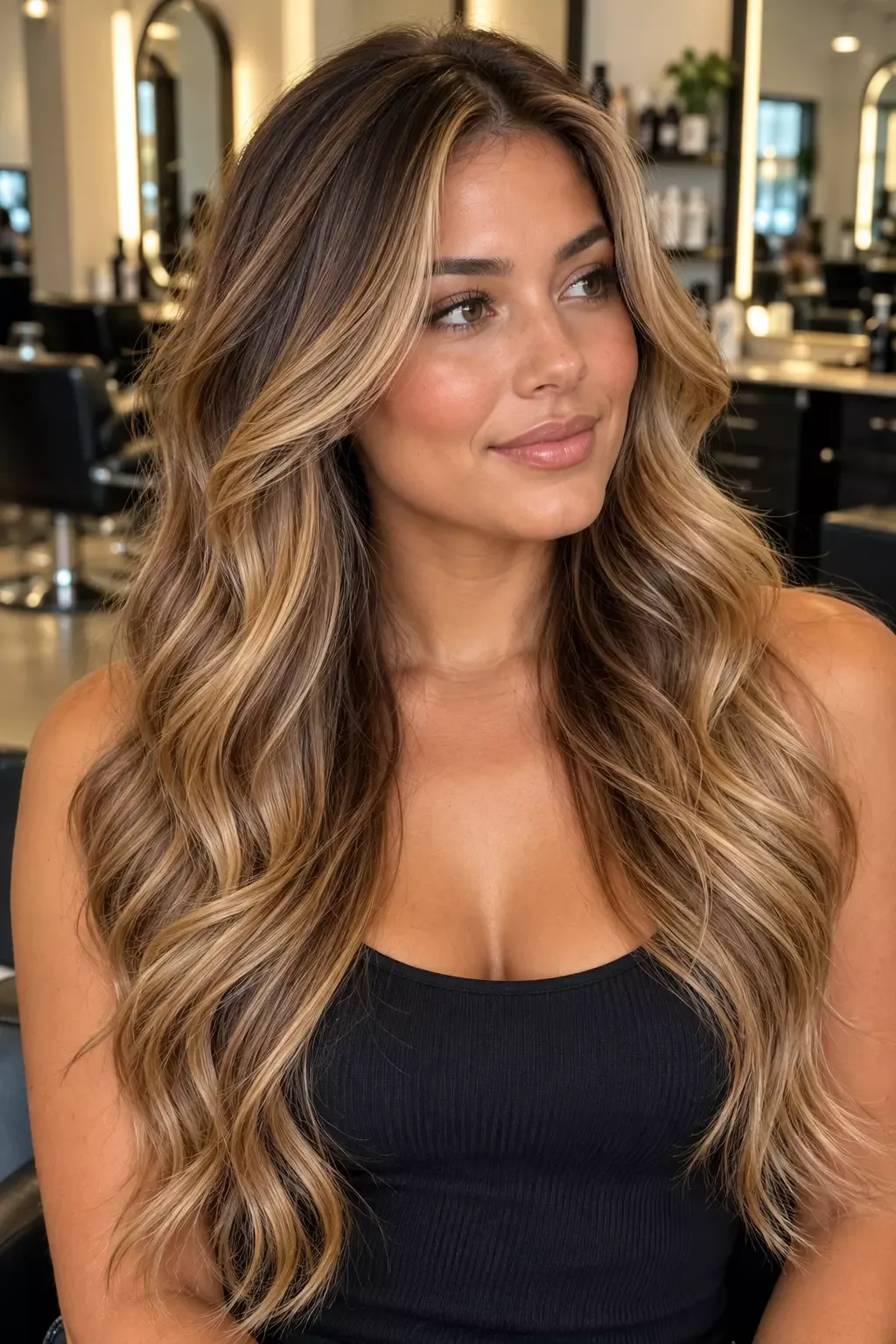 Try this on me
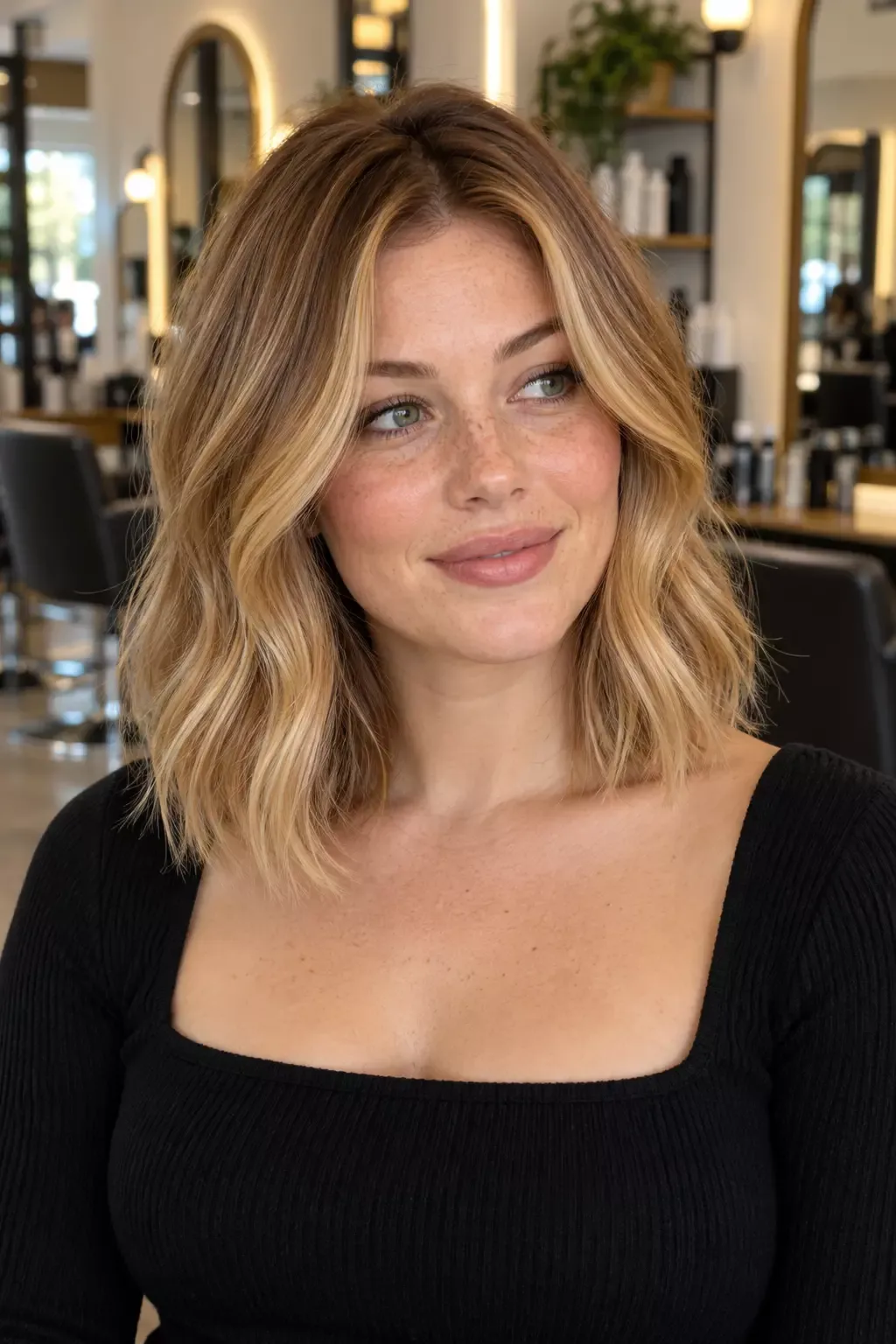 Try this on me
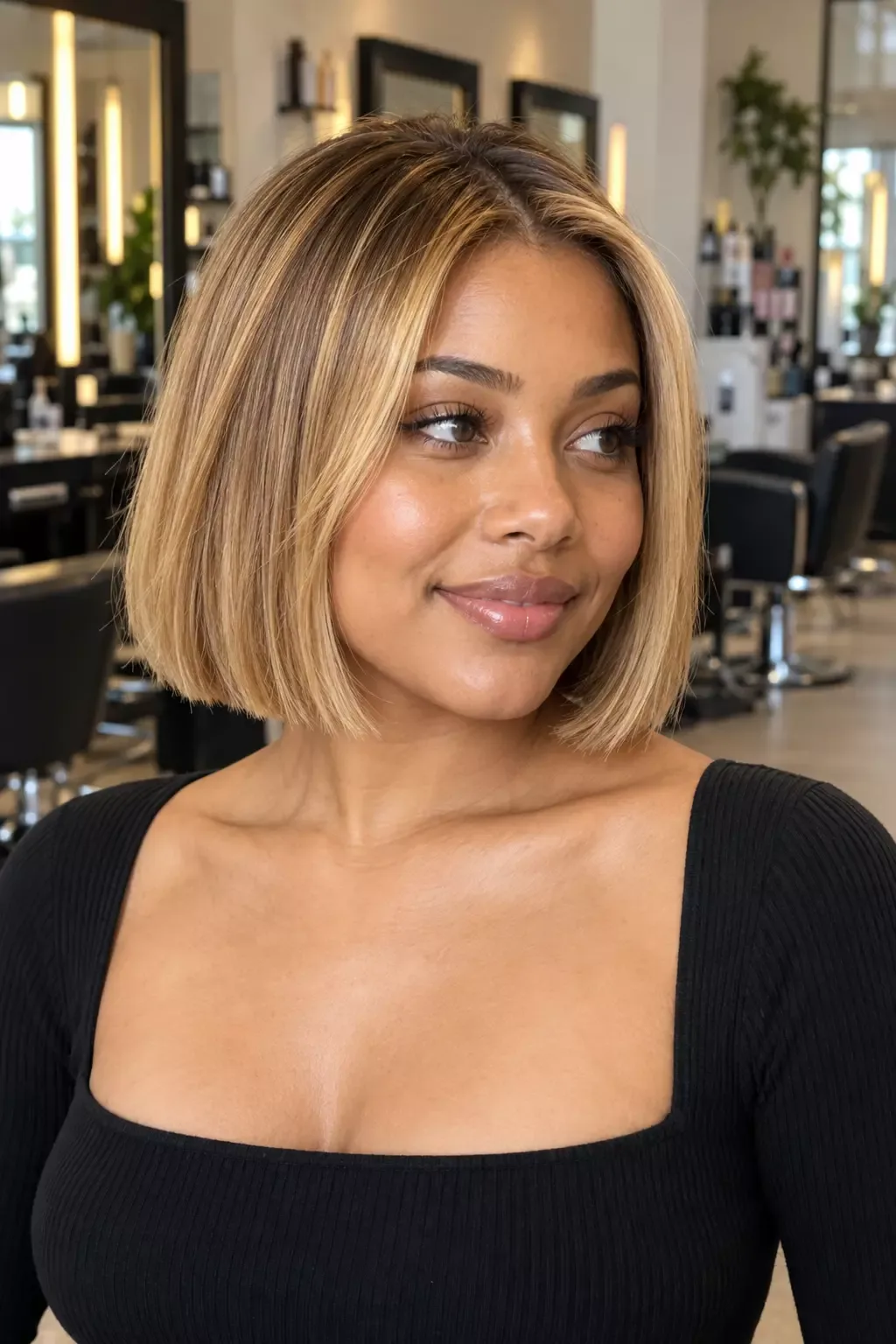 Try this on me
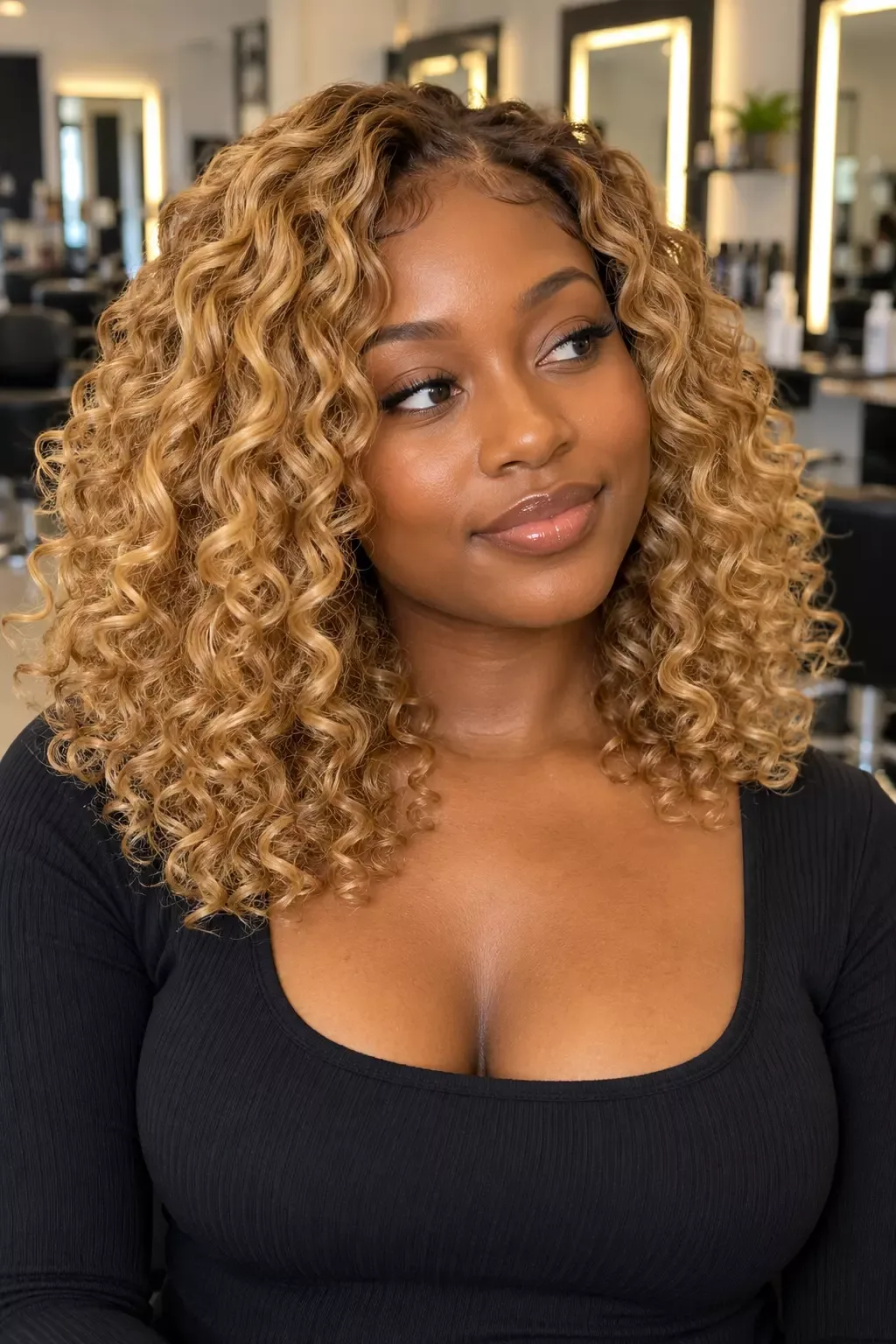 Try this on me
 Try this on me
 Try this on me
 Try this on me
 Try this on me
 Try this on me
 Try this on me
 Try this on me
 Try this on me
The fastest way to narrow this down is to try two or three of these on a photo of your own face with the blonde hair filter, because the same honey reads very differently against fair, olive and deep skin.
How do you get honey blonde from your starting colour?
Your natural colour decides the method, the number of sessions and how much upkeep you sign up for. This is the real decision, more than which photo you like best.
| Starting colour | Method | Lift needed | Sessions | Regrowth shows after |
|---|---|---|---|---|
| Black or very dark brown | Balayage or babylights, then gold toner | 3 to 5 levels | Often 2 or more | 8 to 10 weeks, soft |
| Medium or light brown | Balayage or highlights | 2 to 3 levels | Usually 1 | 10 to 12 weeks, soft |
| Dark or dirty blonde | Fine highlights or all-over warm colour | 1 to 2 levels | 1 | 6 to 8 weeks if all-over |
| Already light or bleached blonde | Warm gloss or demi toner | None, adds depth | 1 short visit | Tone fades in 4 to 6 weeks |
From black or dark brown hair
Do not ask for all-over honey blonde on dark hair. Lifting every strand four levels in one go is how hair snaps. The better version is honey balayage or babylights over your own brown, which keeps your roots natural and grows out softly. Dark hair lifts through red and orange before it reaches gold, so expect a gold toner at the end, and do not panic at the orange stage halfway through.
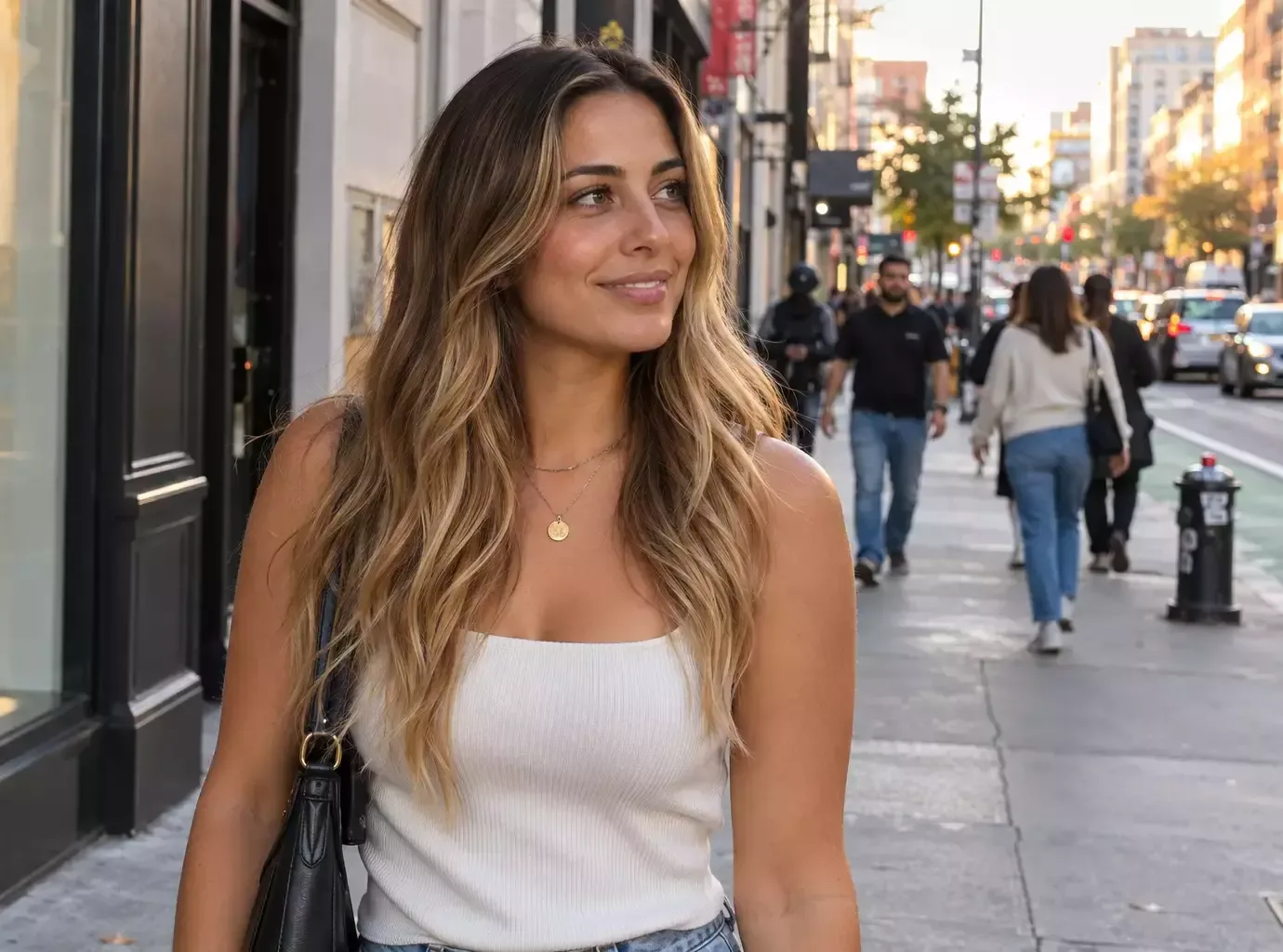
If you are torn between honey and a more contrasting look, our guide to brown hair with blonde highlights covers the cooler and chunkier options on the same base.
From medium or light brown hair
This is the sweet spot. Light brown is about two levels away from honey, so one balayage or highlight session usually gets you there with little damage. Ask for honey ribbons concentrated around your face and through the ends, and keep some of your brown underneath for depth. You can preview placements with the balayage try-on before you book.
From dark or dirty blonde hair
You need the least work and you have the most choice. Fine honey highlights warm up a dull dirty blonde in one visit, or a permanent all-over warm colour gives the full honey effect with no bleach at all. The trade-off with all-over colour is a visible line at the root after six to eight weeks.
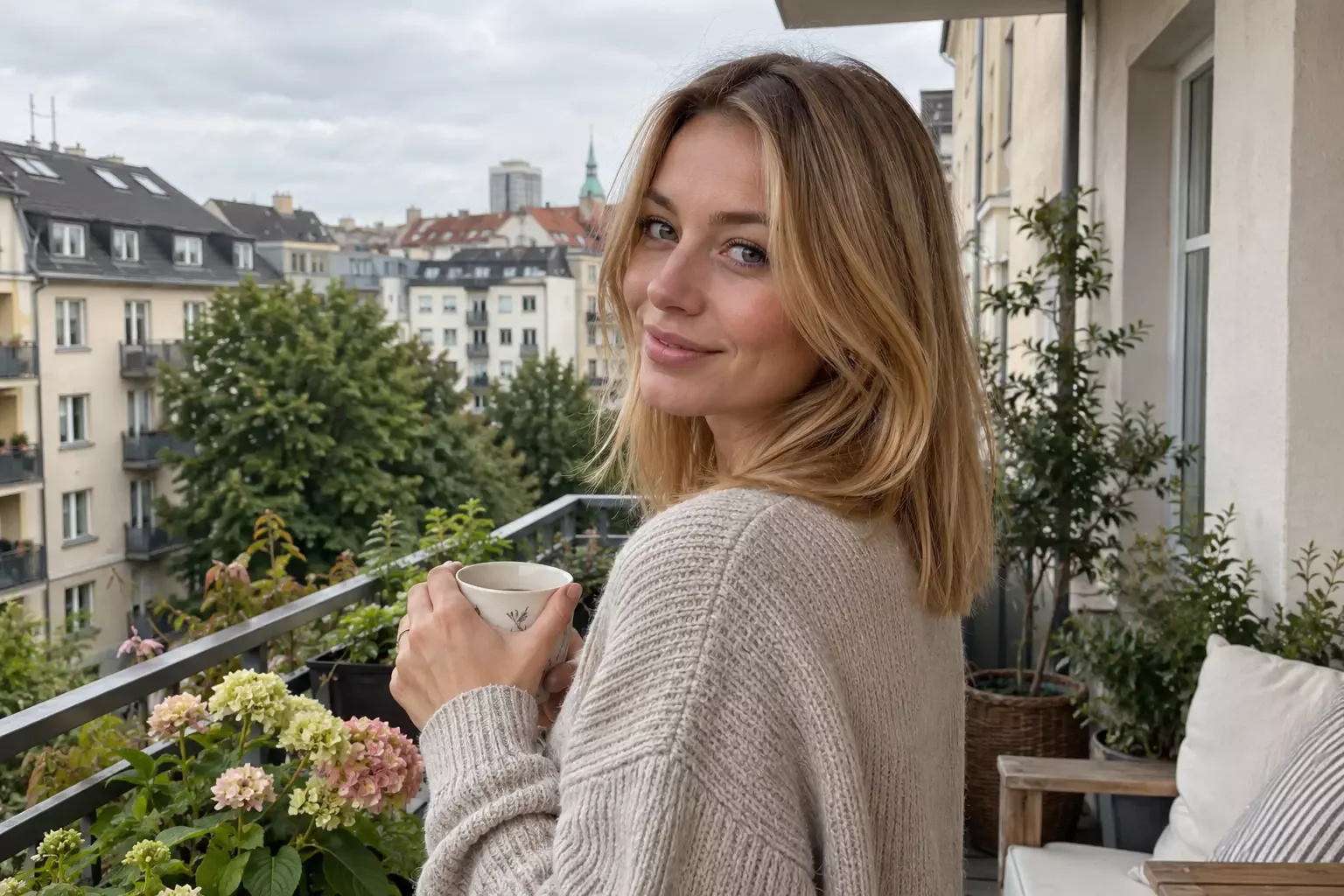
From already blonde or bleached hair
If you are already light, honey blonde is a deposit job, not a lightening job. A warm gloss or a demi-permanent colour adds the gold and amber back in and fills out hair that has gone see-through. It fades in four to six weeks, which also makes it the lowest-risk way to test whether you like warmth. If your blonde is heavily processed, read up on caring for bleached hair first, because toner grabs unevenly on damaged ends.
Does honey blonde suit your skin tone?
Honey blonde suits more skin tones than any other blonde because it is warm without being red. It is at its best on warm and neutral undertones, and on olive, tan and deep skin it often looks better than cool blonde, which can turn skin grey.
| Undertone | Honey verdict | Adjust it like this |
|---|---|---|
| Warm (golden, peachy) | Excellent | Go full honey, lean amber |
| Neutral | Very good | Mix honey with a little beige |
| Olive | Very good | Keep it deeper, closer to level 7 |
| Cool (pink, rosy) | Possible | Choose a softer, beige-honey and avoid copper notes |
| Deep with warm undertone | Excellent | Deep honey, high shine, keep the root dark |
Not sure which you are? The free skin undertone test takes about a minute, and the hair colour quiz suggests shades from your answers.
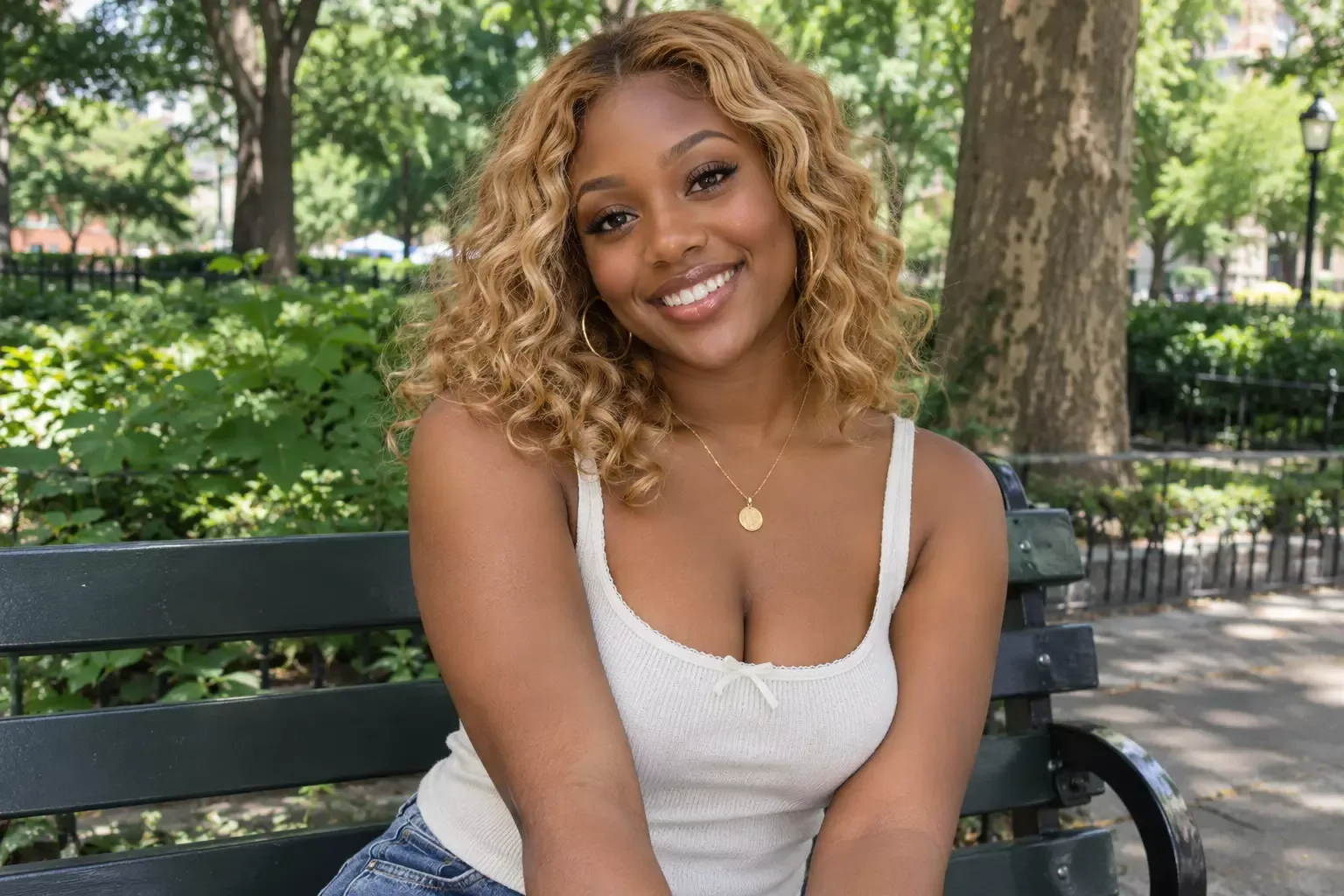
On deep skin and on curls or coils, honey is one of the most popular blondes for good reason: the gold reads rich instead of washed out. On textured hair, go one level darker than you think, because curls show colour more intensely and lightening hits curl pattern harder.
Yours could be here.
Start with one selfie.
One photo, twenty seconds, and you'll know. Free account, no card for your first render.
Mistakes that turn honey blonde into brass
Most honey blonde disappointments come from the same five mistakes.
- Skipping the toner. Lightened brown hair is orange-yellow before it is honey. Without a gold or gold-beige toner, you walk out brassy.
- Using only purple shampoo. Purple cancels yellow, which is the honey. Use it once a week at most, or use a blue-violet one only if you see orange.
- Asking for "honey" with no picture. One colorist's honey is another's caramel. Bring two photos, one you love and one that is too far.
- Lifting dark hair in one session. Taking black hair to level 8 in one day costs you breakage and often lands patchy anyway.
- Ignoring heat and sun. Hot tools and UV pull the tone toward orange. Use heat protection and a gloss every six weeks.
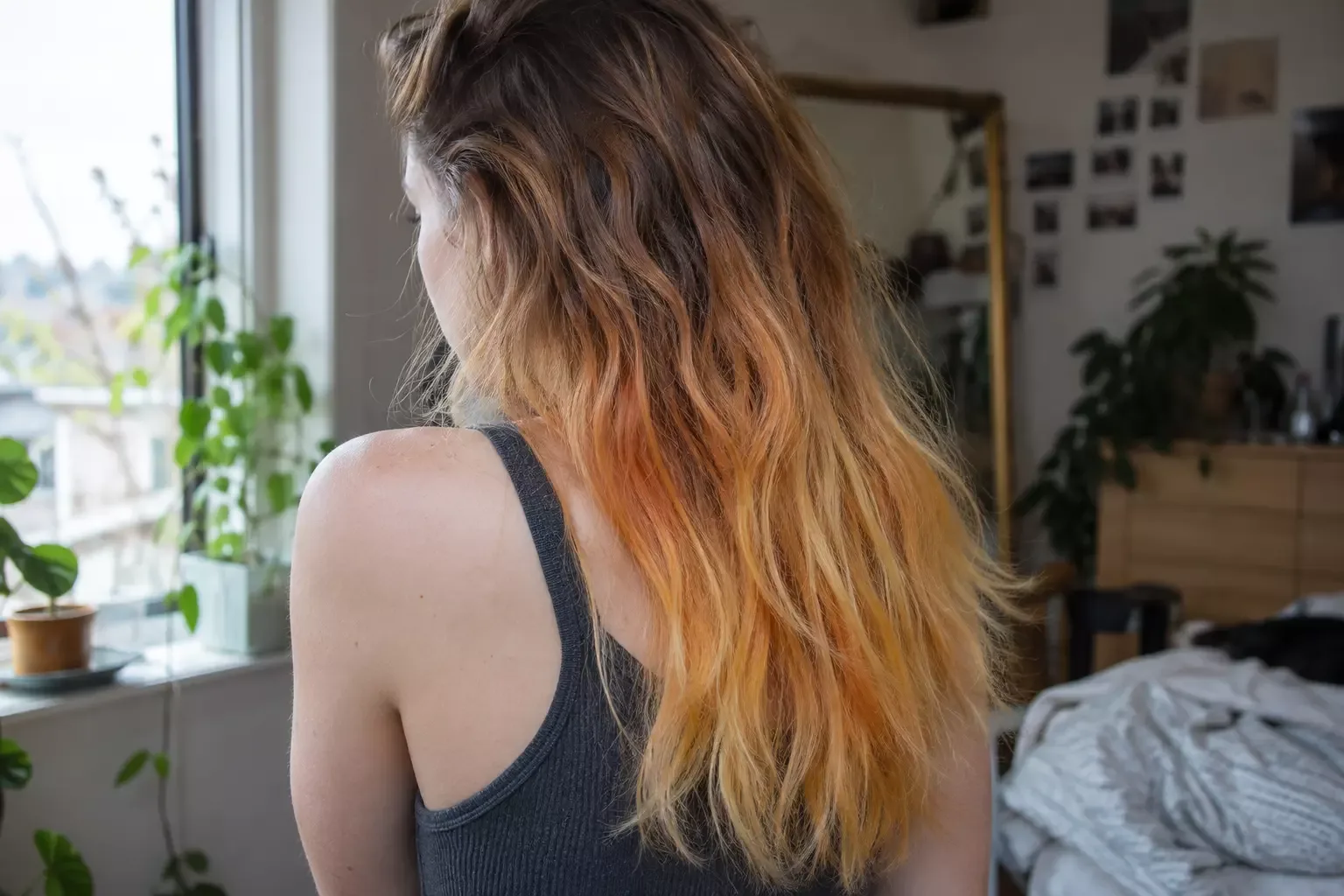
Before any box dye or salon colour, do a patch test. The FDA's hair dye safety guidance recommends one before every use, even with a brand you have used before.
Say this to your barber
I'd like a warm honey blonde, around level 7 to 8 with amber and gold mixed in, placed as balayage so my roots grow out soft, toned gold, not ash and not orange.
How to ask for honey blonde at the salon
- Bring two photos
Show one honey blonde you love and one that is too light or too red. The second photo tells your colorist where your limits are.
- Say your starting colour and history
Tell them your natural level and every colour or bleach from the last two years. Old box dye changes how hair lifts.
- Choose the placement
Pick all-over, highlights, babylights or balayage. On brown hair, balayage or babylights keep upkeep low.
- Agree on the toner
Ask for a gold or gold-beige toner, not an ash one, and ask what it will look like in four weeks as it fades.
- Book the follow-up gloss
Book a gloss at six to eight weeks. That is what keeps honey from fading to brass.
Can you see honey blonde on yourself before you dye?
Yes, and it is the step that saves the most money. Photos on Pinterest show honey blonde on someone else's skin, eyes and brows. What you cannot see in a salon chair, until it is too late, is how that exact warmth sits next to your own face. Colour is harder to undo than a haircut: going back from honey to brown is another appointment and more processing.
That is the wall the manual method hits, and it is what HairstyleAtlas is for. Upload one selfie and see honey blonde on your own face, with your own skin tone and features. Your first try-on is free with no card, and paid plans start at $9.99 a week if you want to compare more shades. The virtual hair colour try-on covers the other colours if honey turns out not to be the one.
Honey blonde is warm golden blonde at about level 7 to 8, and it is the easiest blonde to live with if you start from brown, because it works with your hair's natural warmth instead of against it. Pick your placement from the gallery, match the method to your starting colour, insist on a gold toner, and book a gloss at six to eight weeks. Then test it on your own face first, so the only surprise in the salon is a good one.
Frequently asked questions
Colorists build honey blonde from a gold base and a little copper or amber at around level 7 to 8, often mixed with a touch of neutral beige to keep it from turning orange. On lightened hair, a gold or gold-beige toner creates the honey finish.
In wig and extension colour charts, 27 is the honey blonde shade. 30 is a light auburn, noticeably more red and darker, so pick 27 if you want honey.
Honey blonde is lighter. Caramel blonde sits around level 6 to 7 with more brown in it, while honey sits around level 7 to 8 with more gold.
Warm, neutral and olive undertones look best, and deep skin with warm undertones wears it especially well. Cool, rosy skin can still wear it in a softer beige-honey version.
For most Indian skin tones, which are often warm or olive, honey and caramel blonde look more natural than ash or platinum. Keep it deeper, around level 7, and placed as balayage over your natural dark base.
Yes. Warm blondes like honey, caramel and golden blonde flatter brown skin, while very cool ash or icy blondes can make it look dull. Keeping a darker root adds depth and makes the blonde look intentional.
A gold or gold-beige demi-permanent toner, usually around level 8, turns pre-lightened yellow hair into honey. Avoid ash or violet-based toners, which cancel the gold you are trying to keep.
Warm, soft blondes like honey tend to brighten the face and soften shadows, which many people read as fresher. Harsh contrast or a flat, solid colour has the opposite effect, so keep it dimensional.
Preview it on your own photo: Virtual Hair Color Try-On.
Share article
About the author
Related posts
Women's Haircuts · 13 min
Messy Bun: How to Do It in 2 Minutes on Any Hair Type
A messy bun takes two minutes and one hair tie. The part tutorials skip: the messy look comes from your haircut and texture, not your hands. See it on 13 hair types and find the version that holds on yours.
Women's Haircuts · 15 min
Bixie Haircut: 14 Looks, Who It Suits and What to Ask For
A bixie is the shaggy cut between a pixie and a bob. See 14 versions, which one suits your face shape and hair type, how it compares to a pixie, and the exact words to say in the salon.
Women's Haircuts · 15 min
Type 4 Hair: How to Tell 4a, 4b and 4c Apart and What Actually Matters
Type 4 hair is the tightest natural texture, split into 4a, 4b and 4c. How to tell type 3 from type 4, how to read your letter, the porosity test that matters more than it, a wash day that works on any type 4 head, type 4 hair on men, and fourteen ways it is worn.
Women's Haircuts · 13 min
Thick Hair: What It Is, the Cuts That Work and How to Manage It
Thick hair is a weight problem before it is a frizz problem. How to tell dense from coarse, 13 cuts that handle the bulk, how to thin it without ruining it, and the words to say to your stylist.
Women's Haircuts · 13 min
Coily Hair: Types, Care and a Routine That Fits You
Understand coily hair without getting stuck on a subtype. Learn how to detangle, wash and style your coils, plan for shrinkage, and choose an afro shape.
Women's Haircuts · 14 min
1B Hair: How to Tell If You Have It + 14 Cuts That Suit It
1B hair is straight with some body at the crown and a slight turn at the ends. How to tell it from 1A and 1C, why the length of your cut matters most, 14 cuts that suit it and how to style it.