Taper Burst Fade: 14 Looks and the Words That Stop Your Barber Going to Skin
Oleh Onysko 5 November 2026 15 min read
In this article
A taper burst fade is a burst fade done as a taper: the hair curves short in a half circle around the ear, but it never goes down to bare skin, and the back of the head keeps its length. Ask for it when you want the curved, clean look of a burst without the skin line that looks harsh in week one and messy by week three.
That one word, taper, changes more than people expect. Most barbers hear "burst" and reach for the foil shaver, because the burst on Instagram is usually a skin fade. Say "taper" and you get a smaller, softer arc that leaves a shadow of hair at its shortest point. It is the version you can wear to work, and the one that still looks intentional a month later.
What Is a Taper Burst Fade?
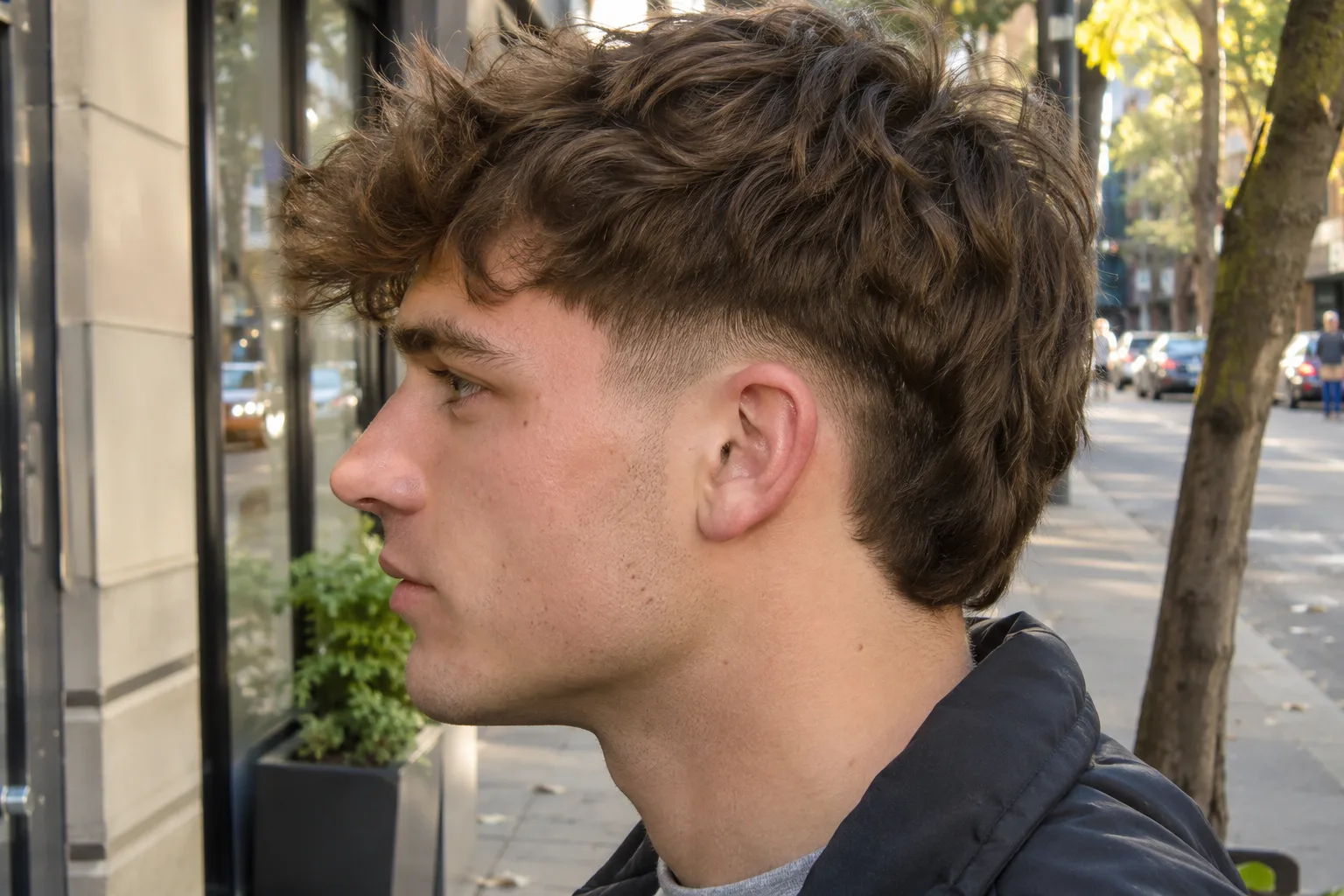
A taper burst fade (barbers also call it a burst taper) takes the hair shortest just around the ear, then blends it longer in a curve: up toward the temple, forward through the sideburn and back behind the ear into the nape. Seen from the side it looks like a rainbow drawn around the ear.
What makes it a taper and not a fade is depth. The shortest point is a very short guard, around a #0.5 or #1, not a shaved scalp. There is always a soft shadow of hair, so there is no white skin line at the bottom of the arc.
What it is not:
- Not a burst skin fade. That one drops to bare skin around the ear and usually carries the arc higher. If you want that look, our burst fade haircut guide covers the full range of heights.
- Not a regular low taper. A low taper fade cleans up the sideburns and the neckline in straight lines. The burst taper curves, and it leaves the middle of the back untouched.
- Not a mullet on its own. The burst is only the shape of the short part. Grow the back out and it becomes a burst taper mullet, covered below.
All of these are versions of the same blend from short to long that defines the fade family, as the short haircut entry on Wikipedia describes it. The taper burst fade just keeps that blend small, curved and off the skin.
Want to see it first? Preview a mullet on your own photo.
Taper Burst Fade vs Burst Fade vs Low Taper
The fastest way to tell them apart is to look at two places: the shortest point next to the ear, and the back of the head.

| Taper burst fade | Burst skin fade | Low taper fade | |
|---|---|---|---|
| Shape | Curved arc around the ear | Curved arc around the ear | Straight lines at sideburn and nape |
| Shortest point | Short guard, a shadow of hair | Bare skin | Short guard at the edges only |
| Back of the head | Left long | Left long | Full, with a tapered neckline |
| Size of the short area | Small, about an inch above the ear | Larger, often to the temple | Smallest |
| Looks sharp for | About 3 to 4 weeks | About 2 weeks | About 4 weeks |
| Office safe? | Yes | Depends on the office | Yes |
The trade is simple. The skin version has more contrast and photographs louder. The taper version has less contrast, so there is less to grow out, and you can stretch the time between cuts. If you are unsure, start with the taper: a barber can always take a taper down to skin next visit, but cannot put skin back.
14 Taper Burst Fades: Same Taper, Different Top
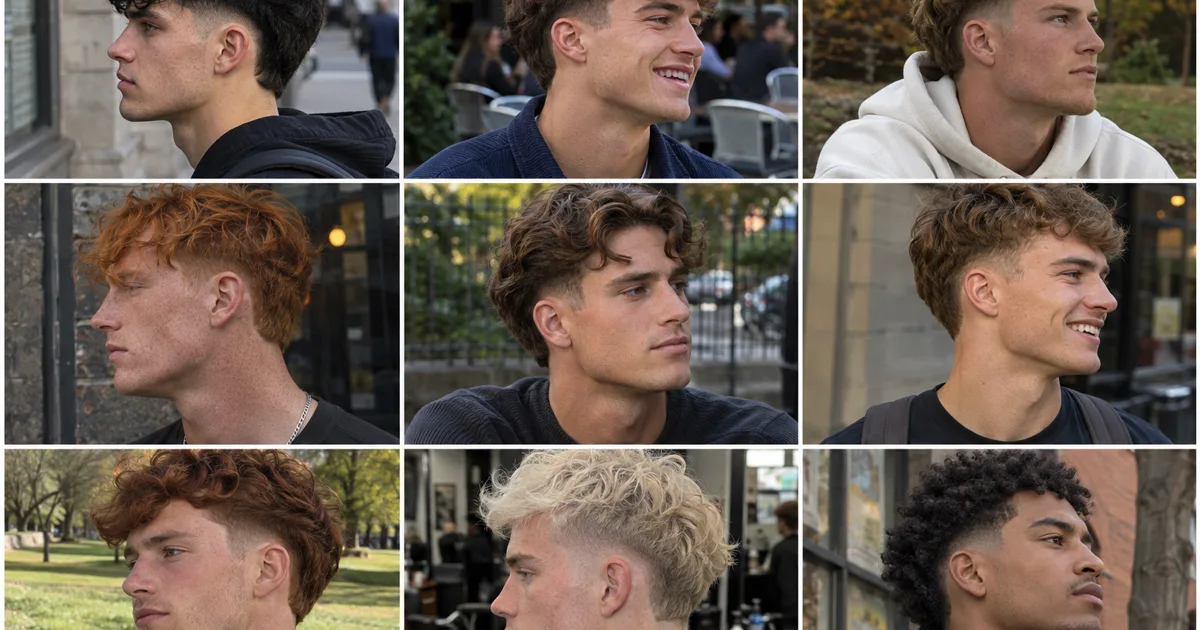
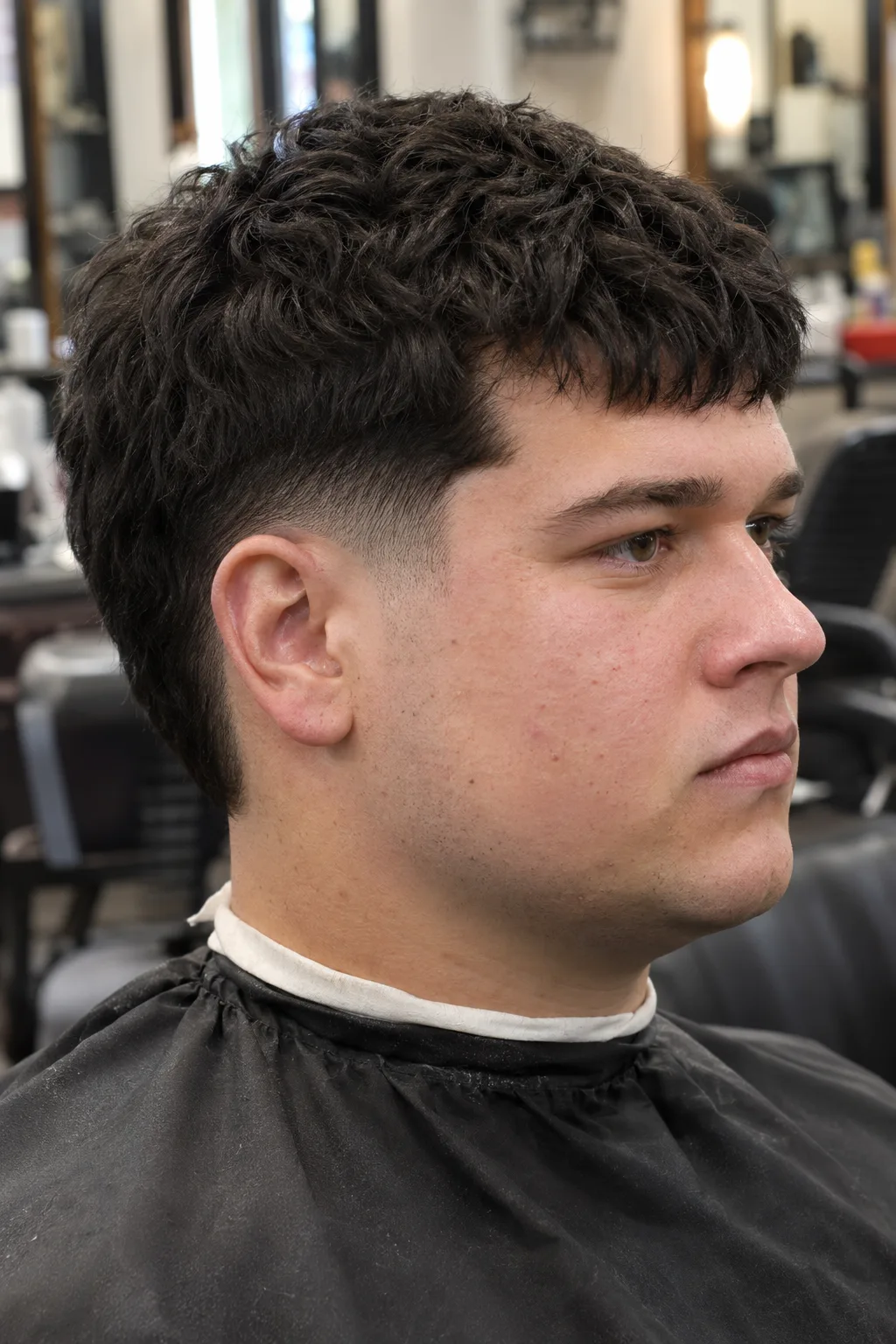
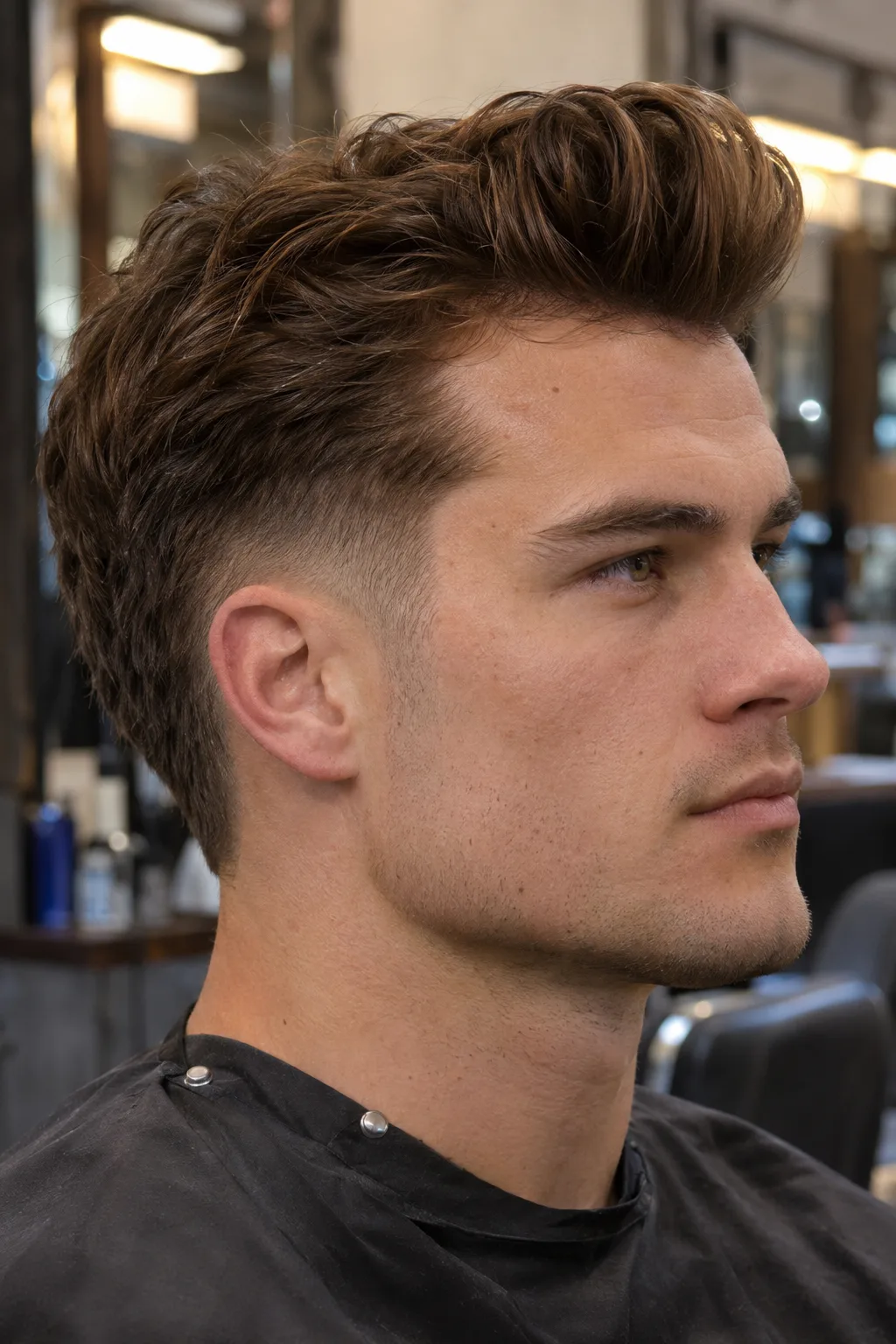
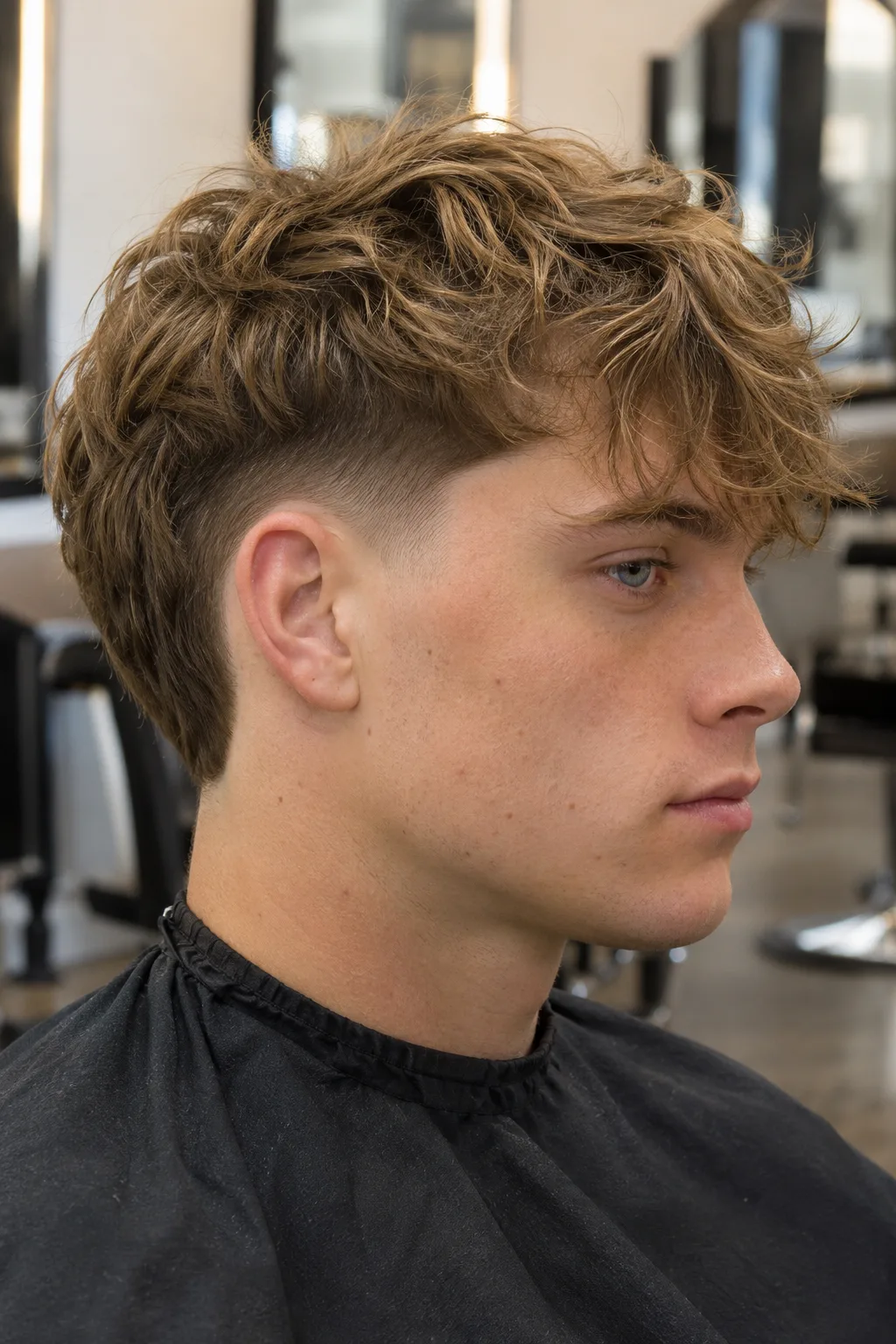
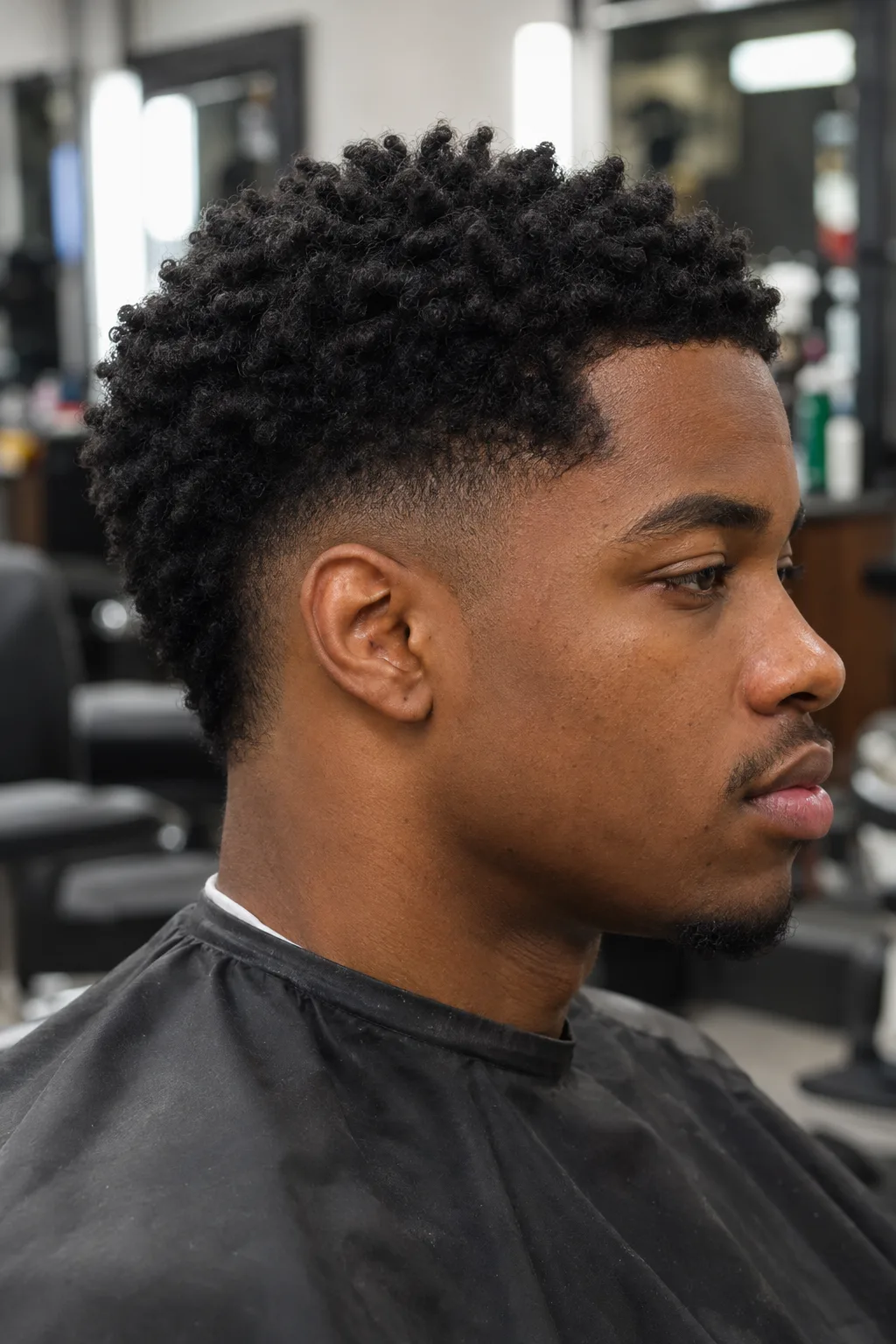
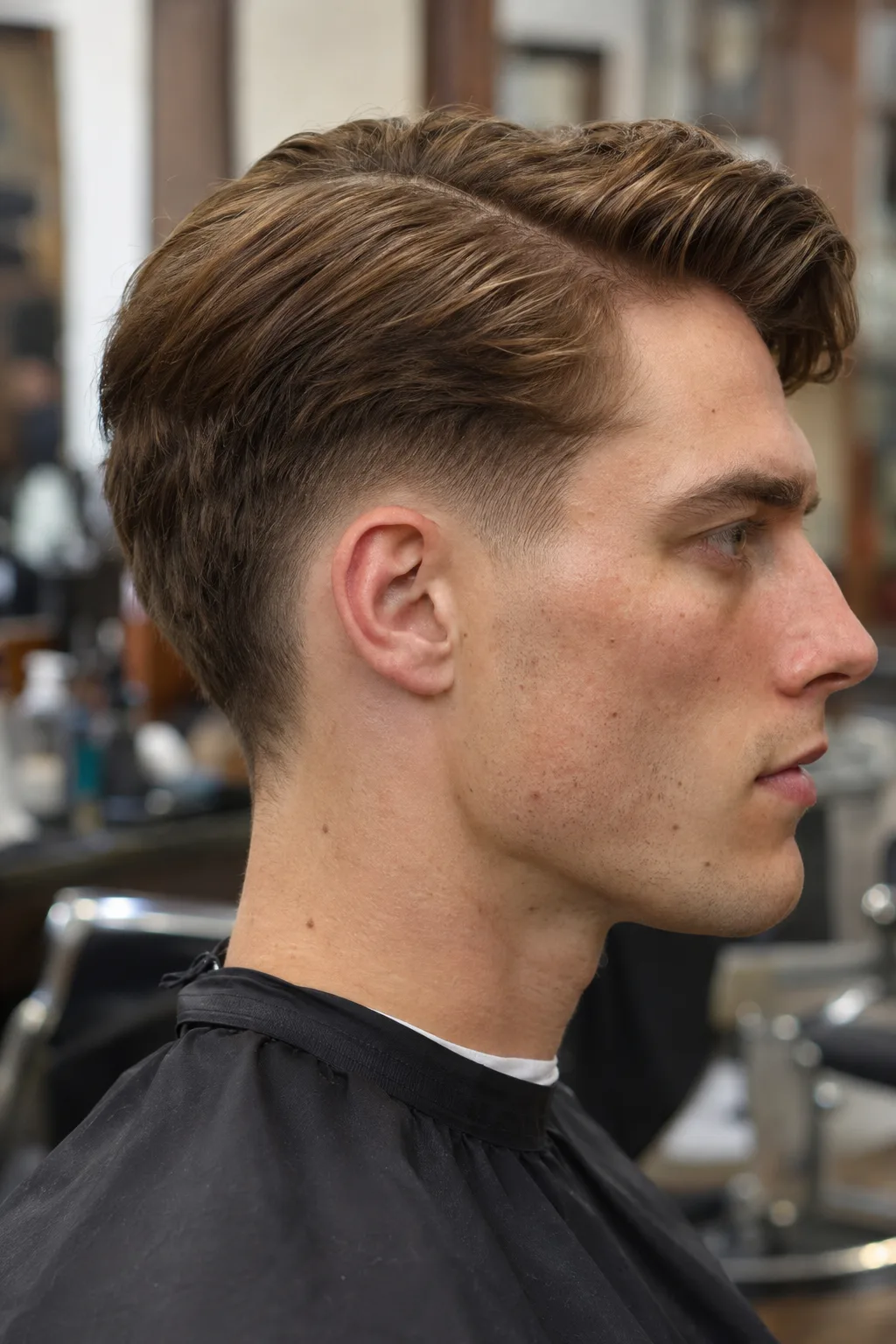
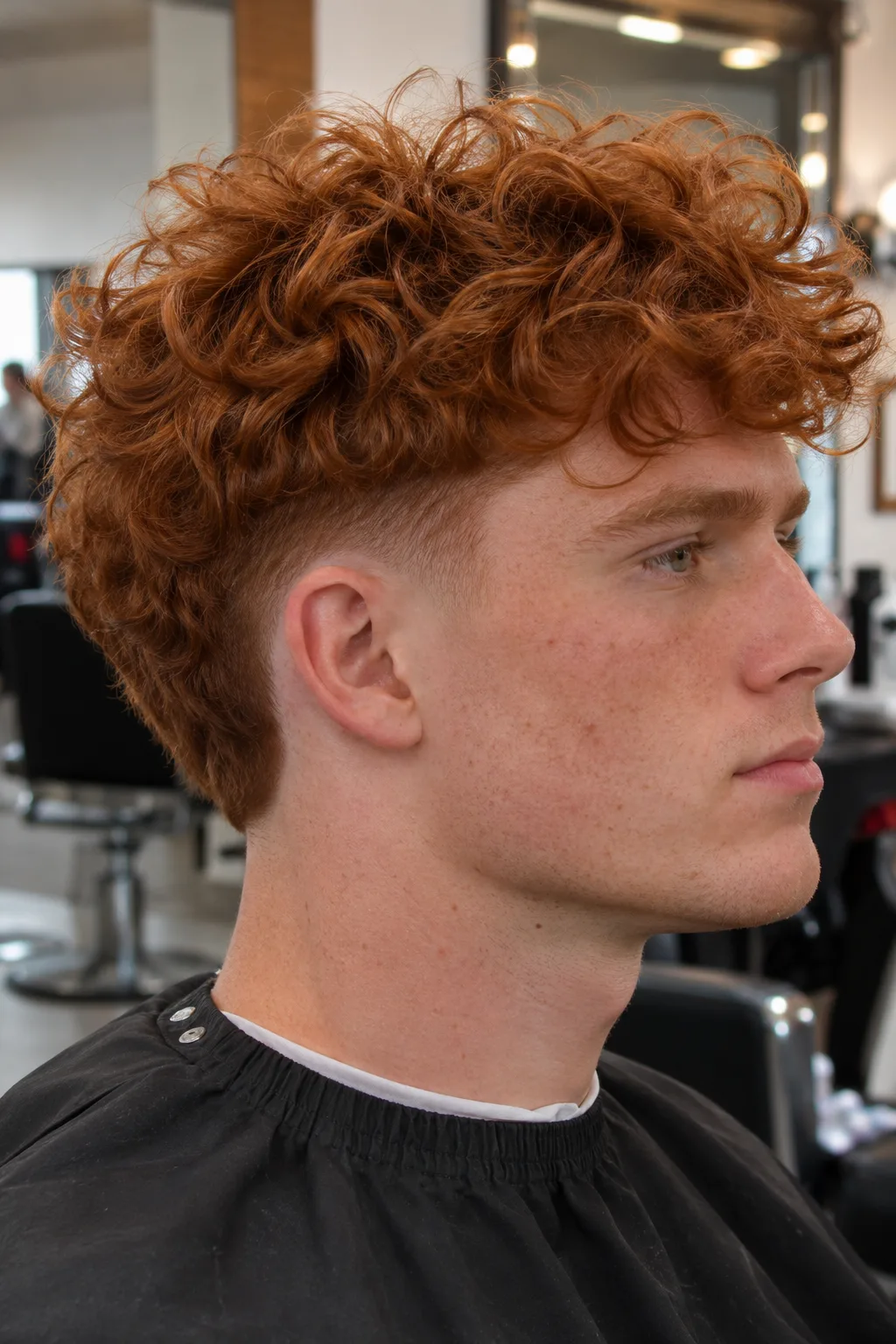
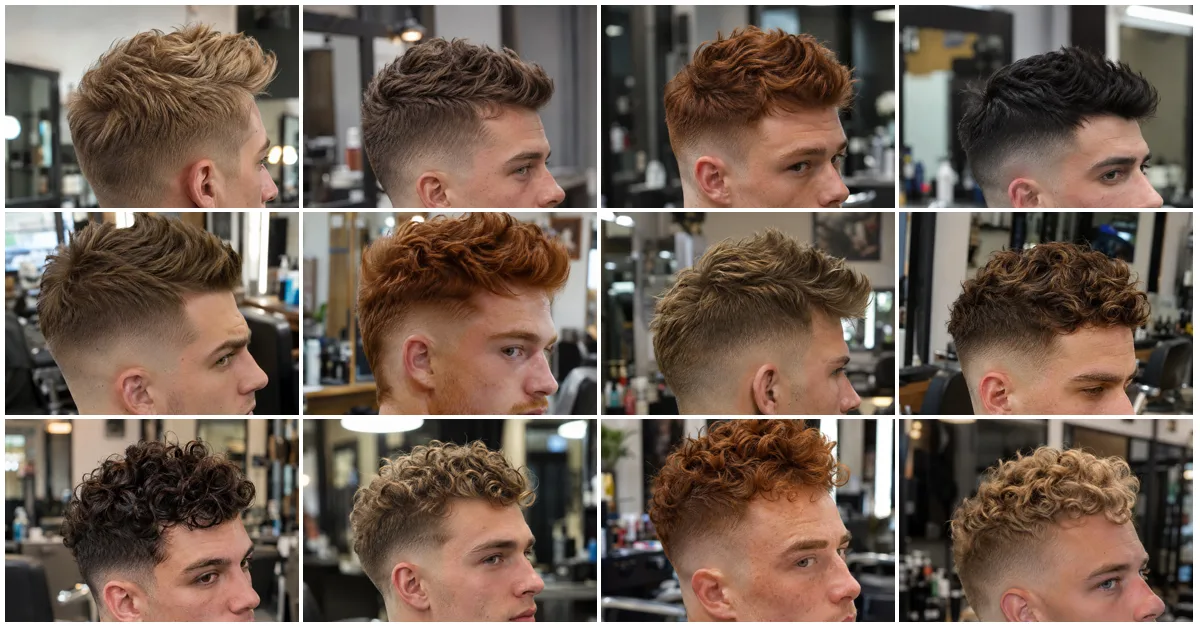
Every cut below has the same taper burst fade: a small arc around the ear, a shadow of hair at the shortest point, length left at the back. The only thing that changes is the top. Use it to pick what you want above the arc, because that is the part people notice first.
Gallery14 photos · tap to enlarge
 Would this suit me?
 Would this suit me?
 Would this suit me?
 Would this suit me?
 Would this suit me?
 Would this suit me?
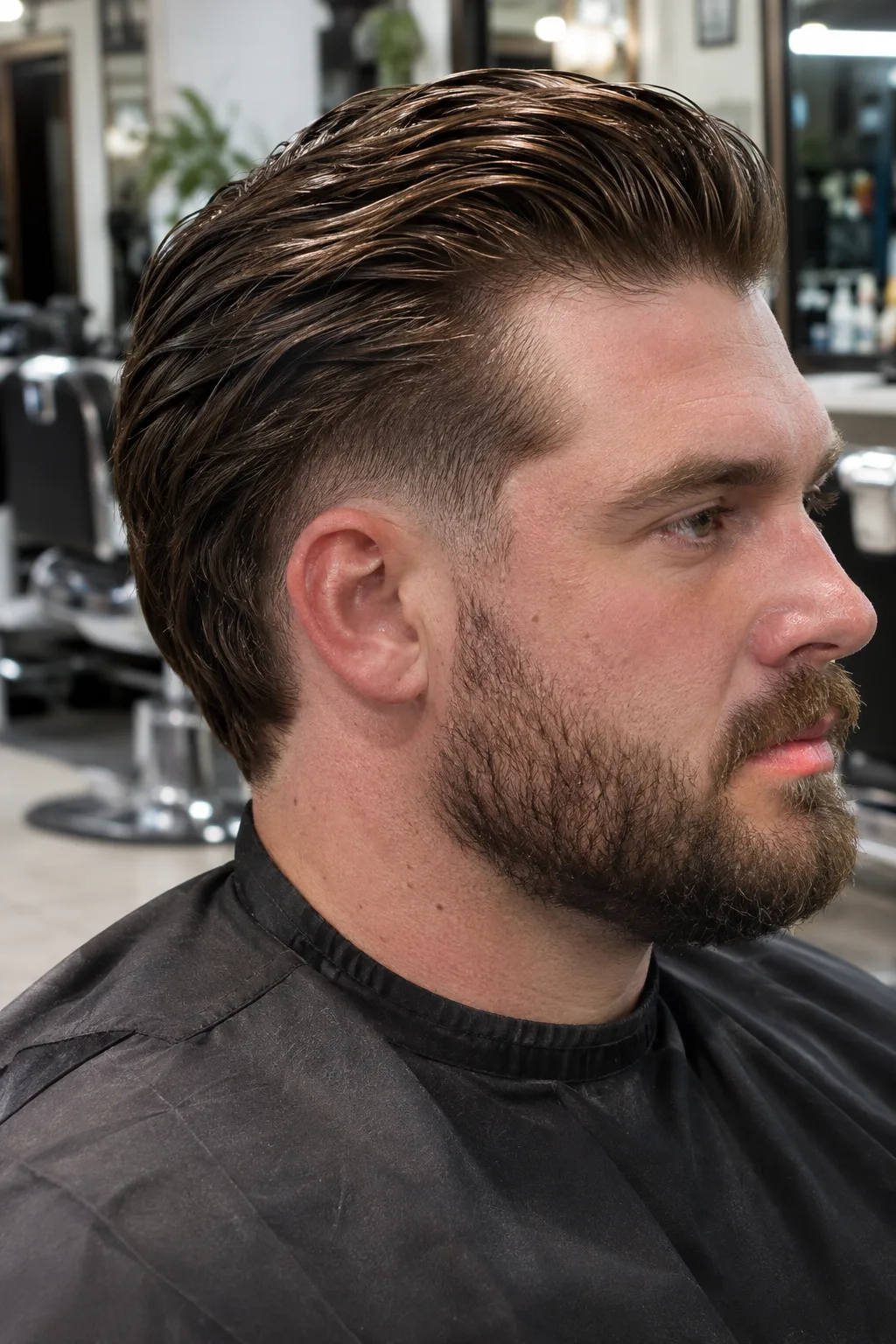 Would this suit me?
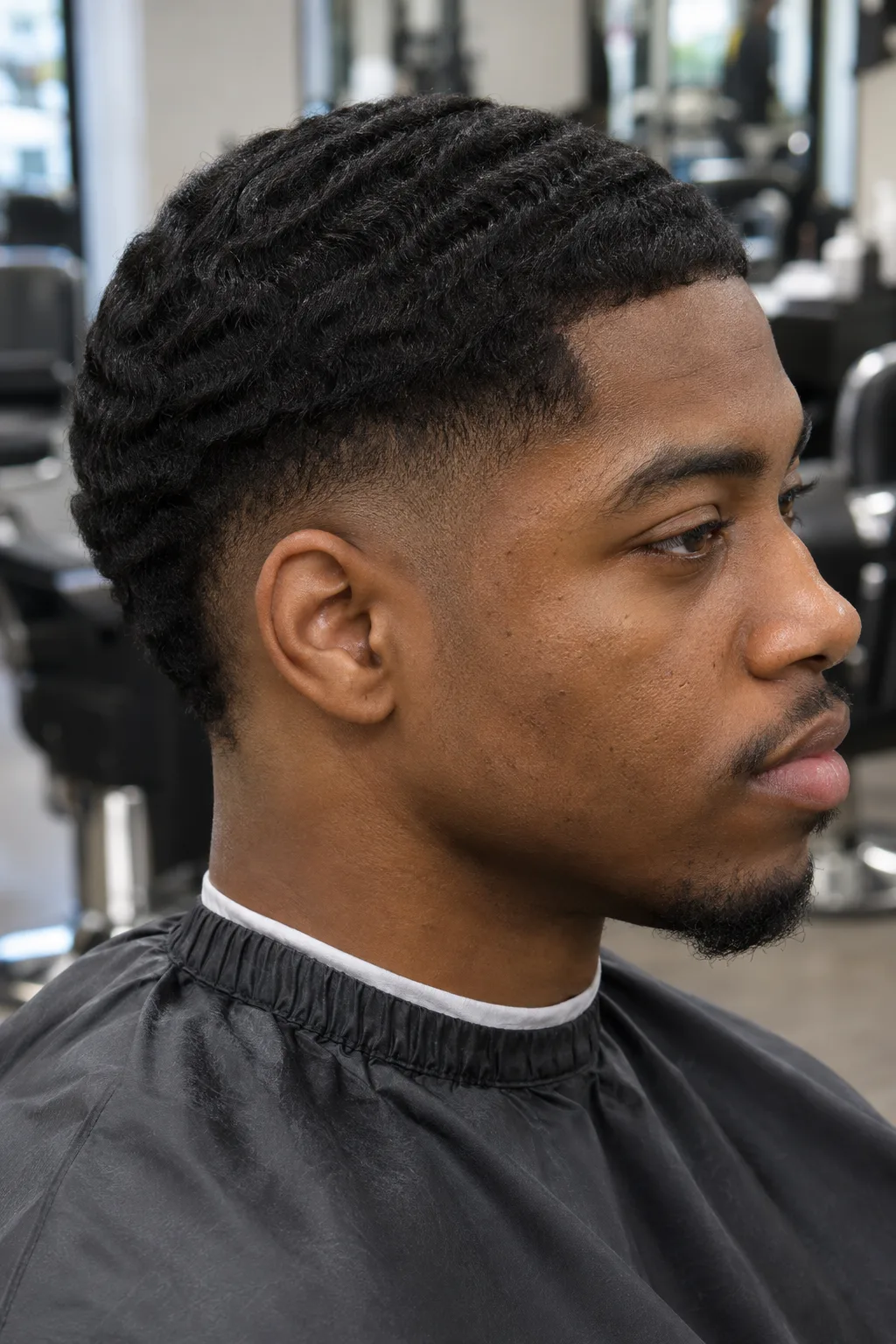 Would this suit me?
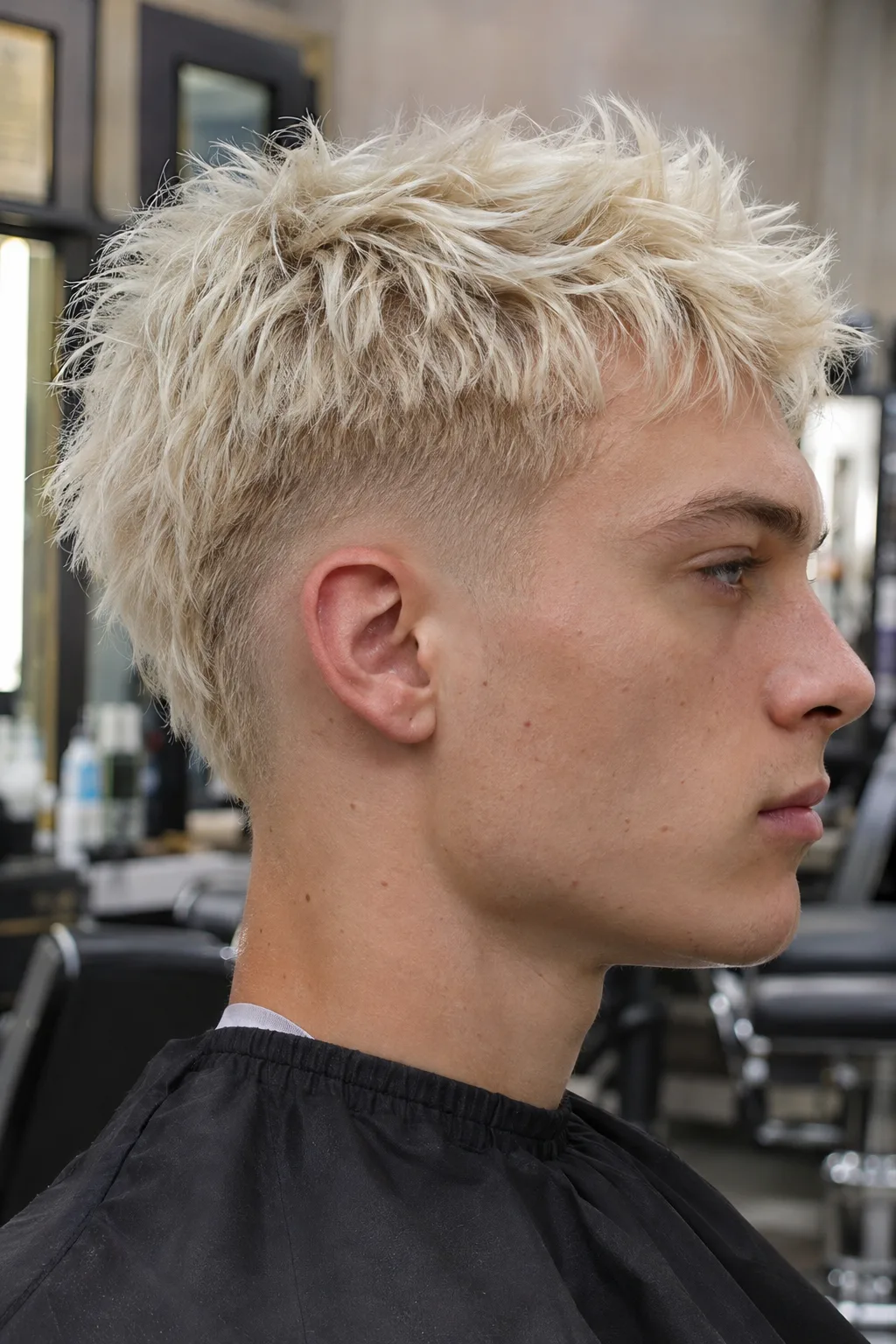 Would this suit me?
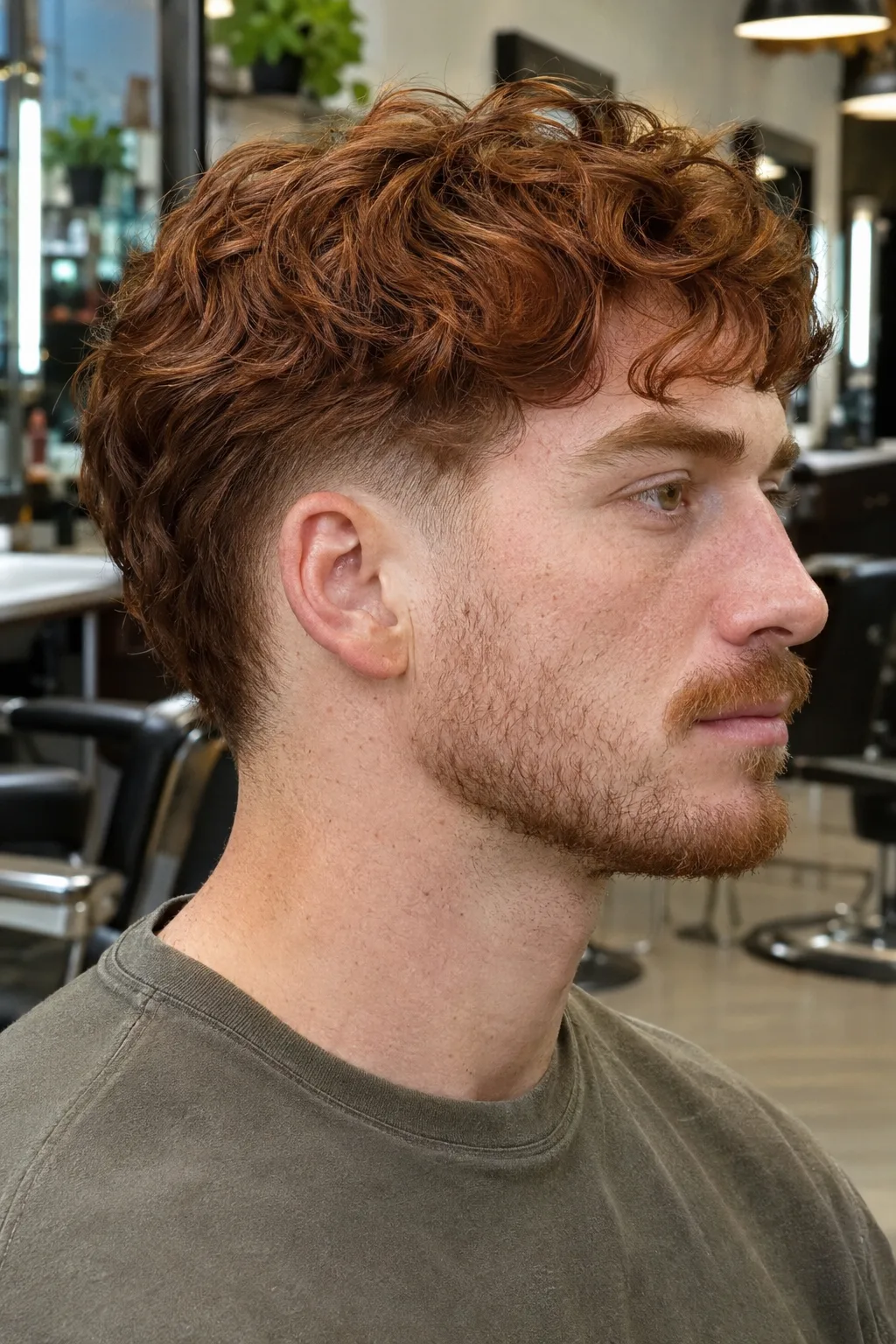 Would this suit me?
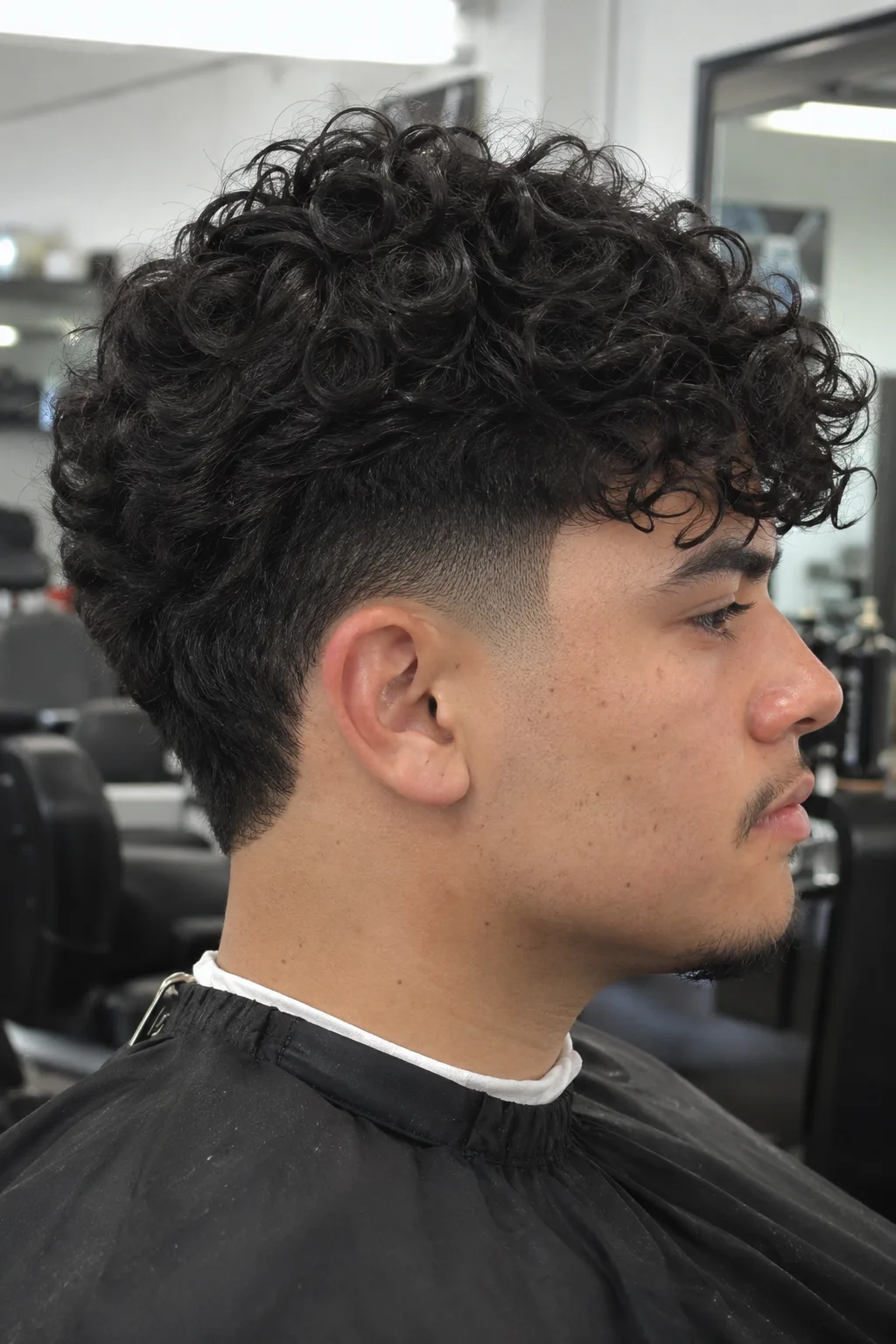 Would this suit me?
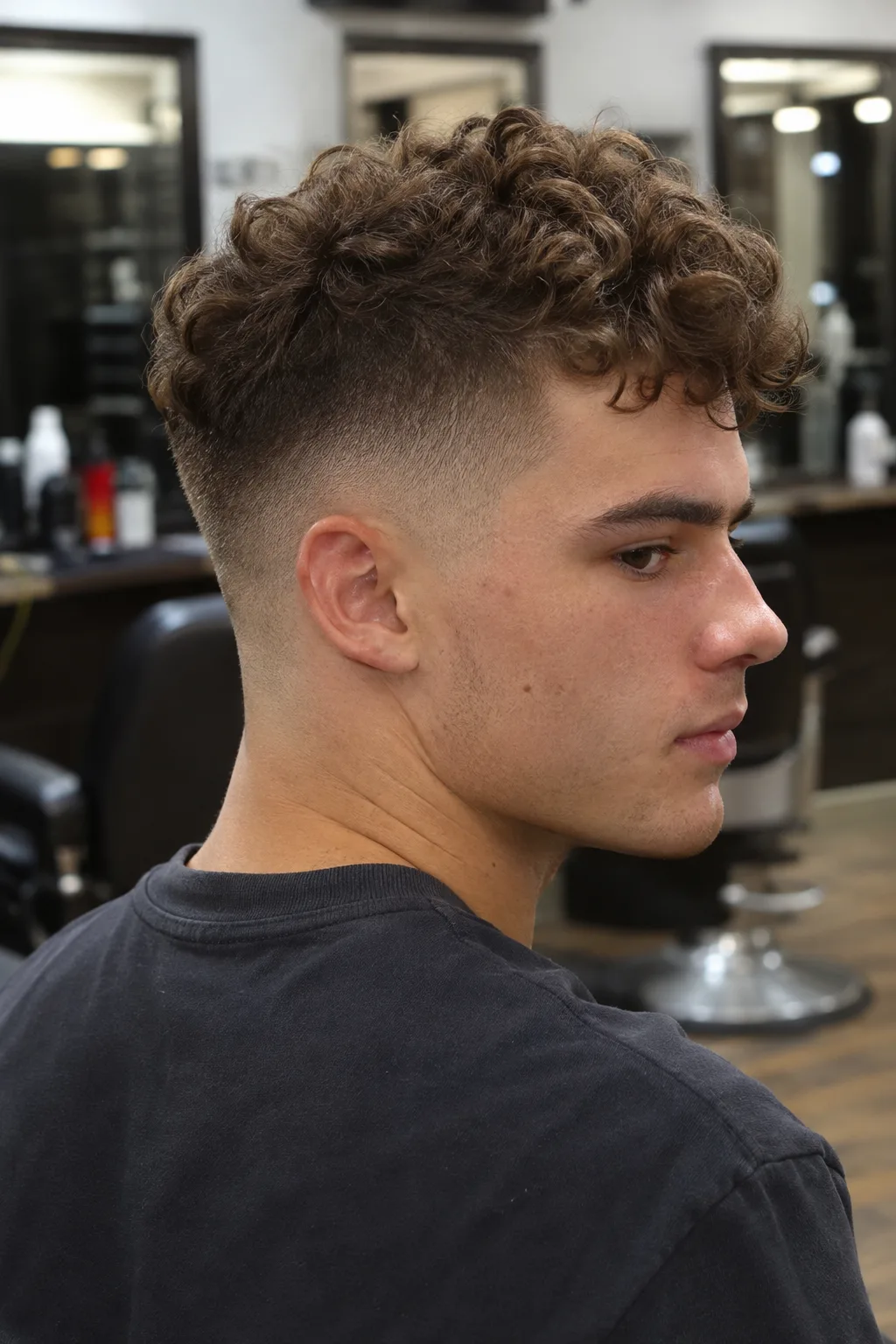 Would this suit me?
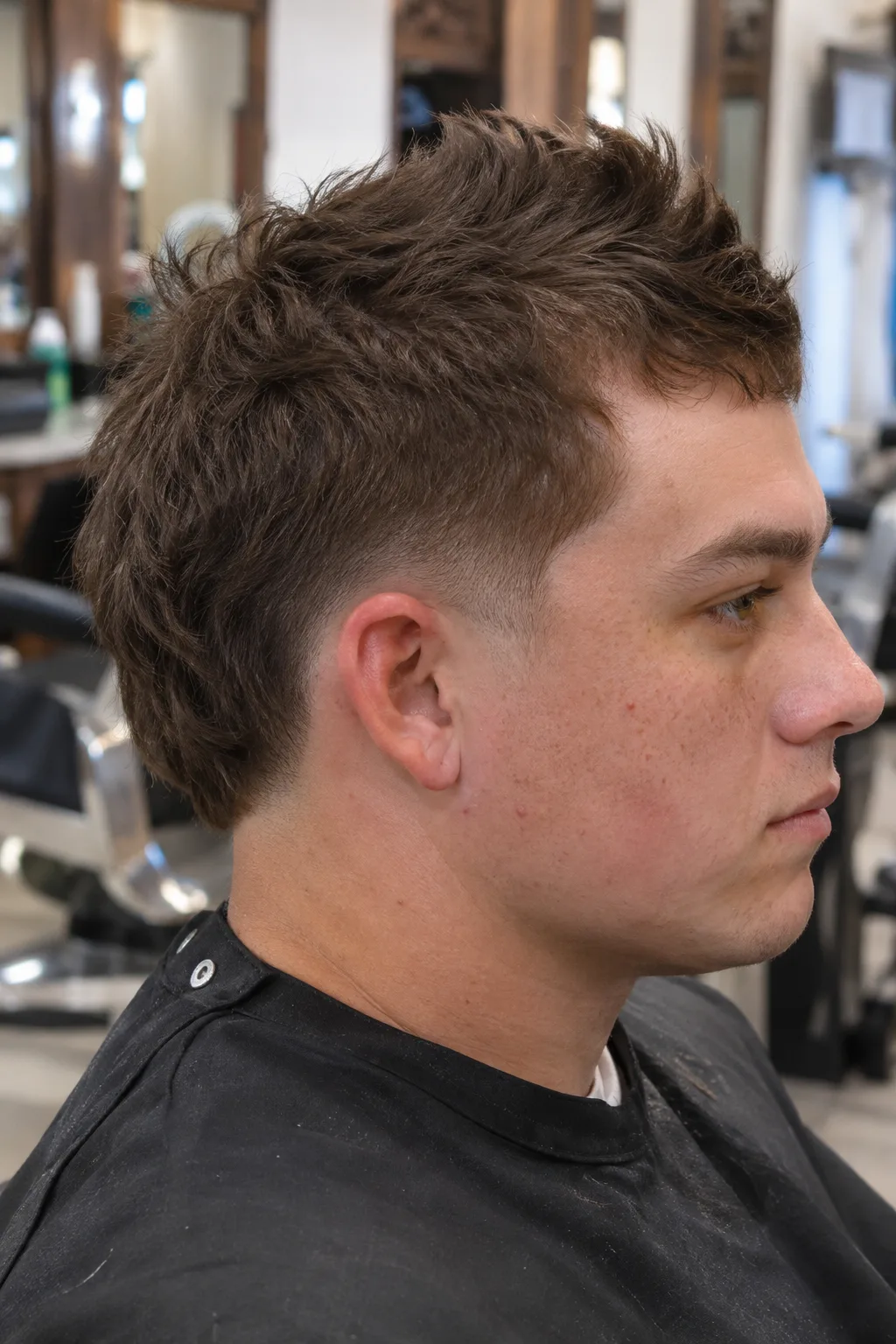 Would this suit me?
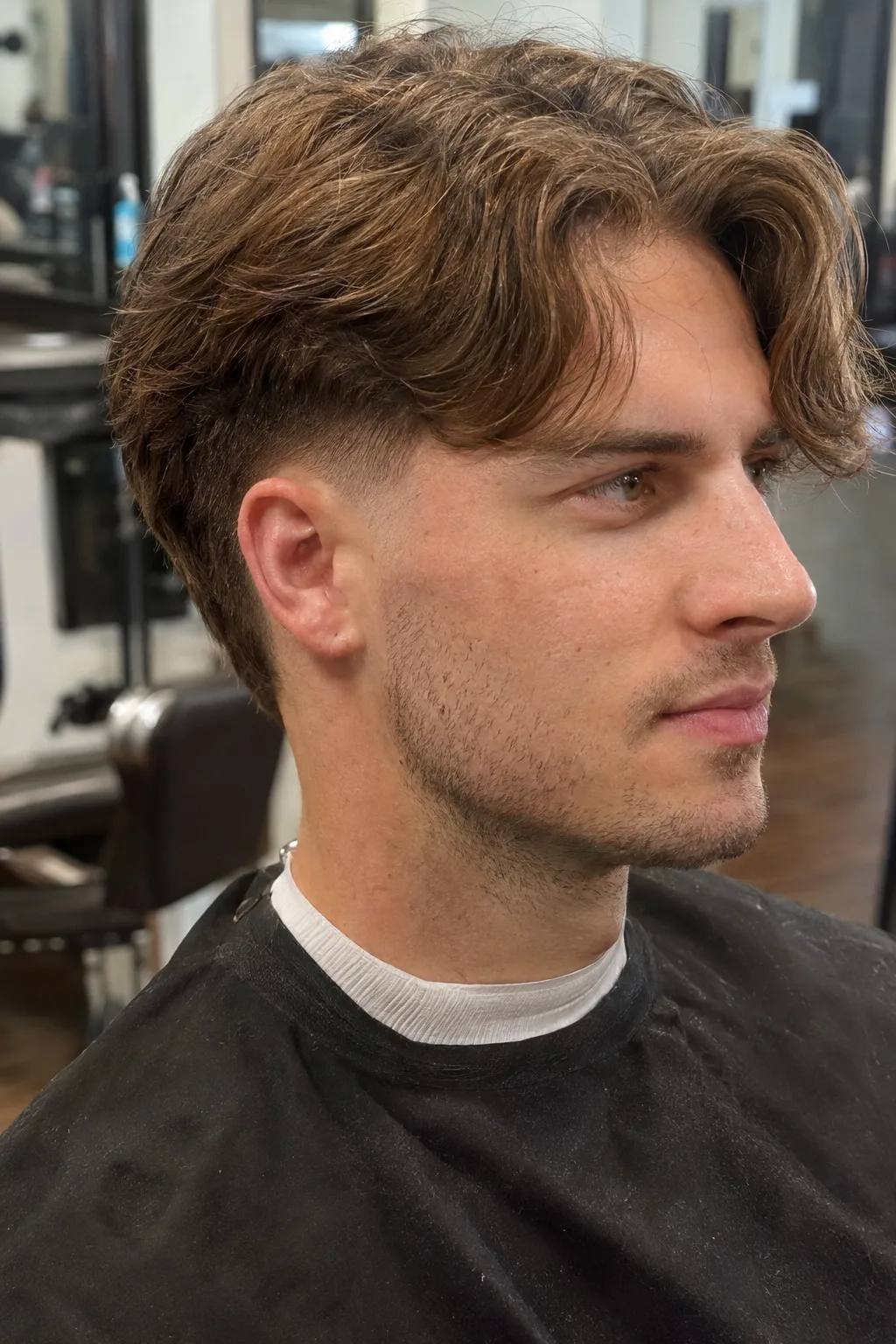 Would this suit me?
Which cut makes you look best?
Find out in 60 seconds.
A few quick taps and one selfie, and you'll know. Free account, no card for your first render.
Which Hair Type Suits a Taper Burst Fade?
Short answer: almost all of them, but the top should follow what your hair already does. The arc is the same on everyone. Where people go wrong is fighting their texture above it.
| Hair type | Verdict | Best top | Watch out for |
|---|---|---|---|
| Straight, thick | Very good | Textured crop, messy fringe, quiff | Hair sticking out above the arc as it grows |
| Straight, fine | Good | Short textured crop | Taper showing scalp too early |
| Wavy | Excellent | Loose waves, middle part, slick back | Too little length on top flattens the waves |
| Curly (3a to 3c) | Excellent | Curly fringe, curly top | Curls at the back puffing out without a trim |
| Coily (4a to 4c) | Very good | Sponge twists, short afro, waves | Line-up placement, which matters more than on other hair |
Straight hair

Straight hair shows every line, which is both the risk and the point. The arc will look crisp on day one. The catch is that straight hair above the arc sticks out sideways as it grows, so ask the barber to point cut the area just above the arc so it lies down. A textured top with a bit of matte clay is the safest pairing. If you are torn between this and a plain taper, the low taper for straight hair guide shows the straight-line version on the same hair type.
Wavy hair
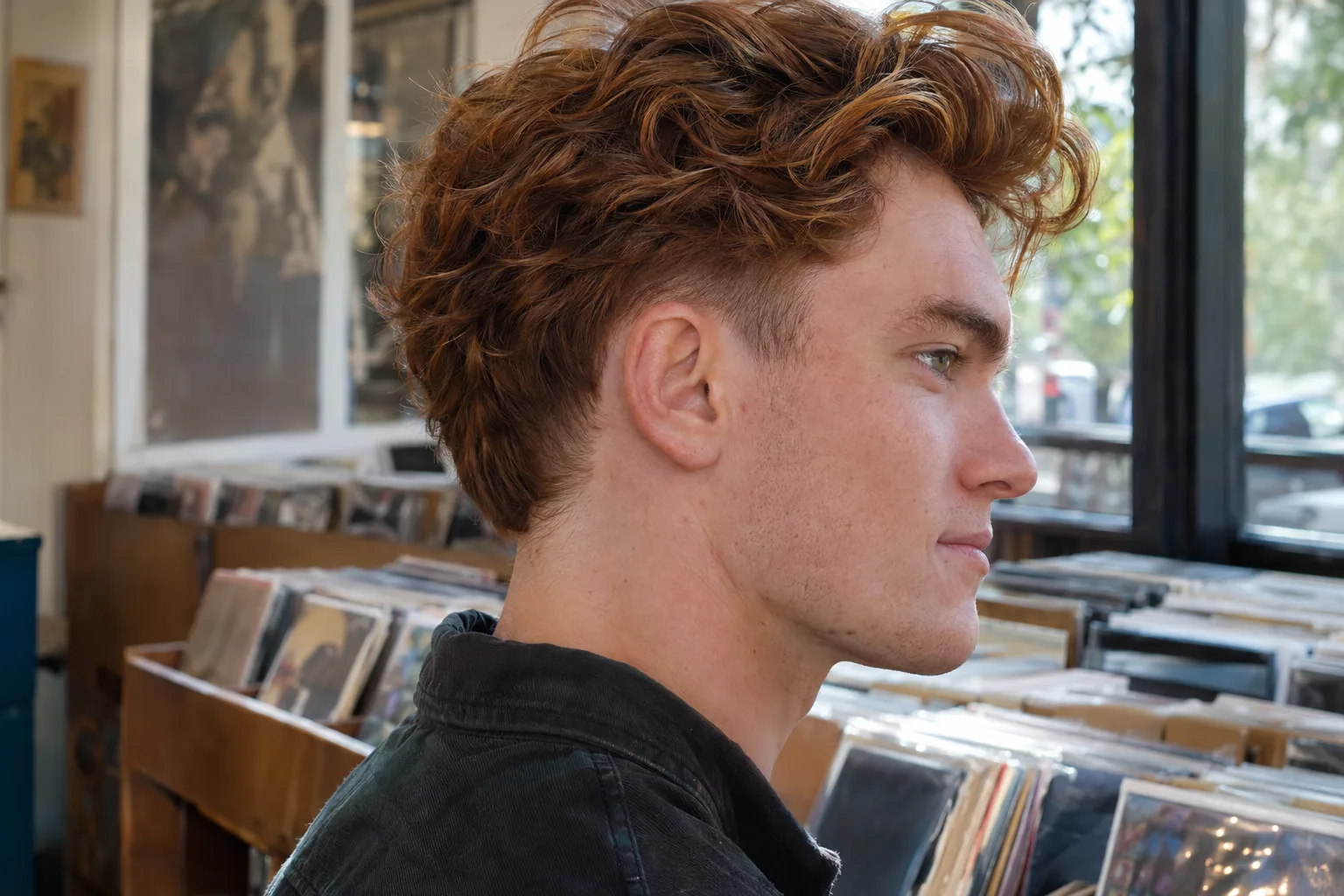
Wavy hair is the easiest win. The short arc sets off the movement on top, and the length at the back hides growth. Keep at least 3 to 4 inches on top so the waves have room to form; cut it shorter and you are back to straight hair with frizz. Sea salt spray on damp hair, then air dry, is all most people need.
Curly hair
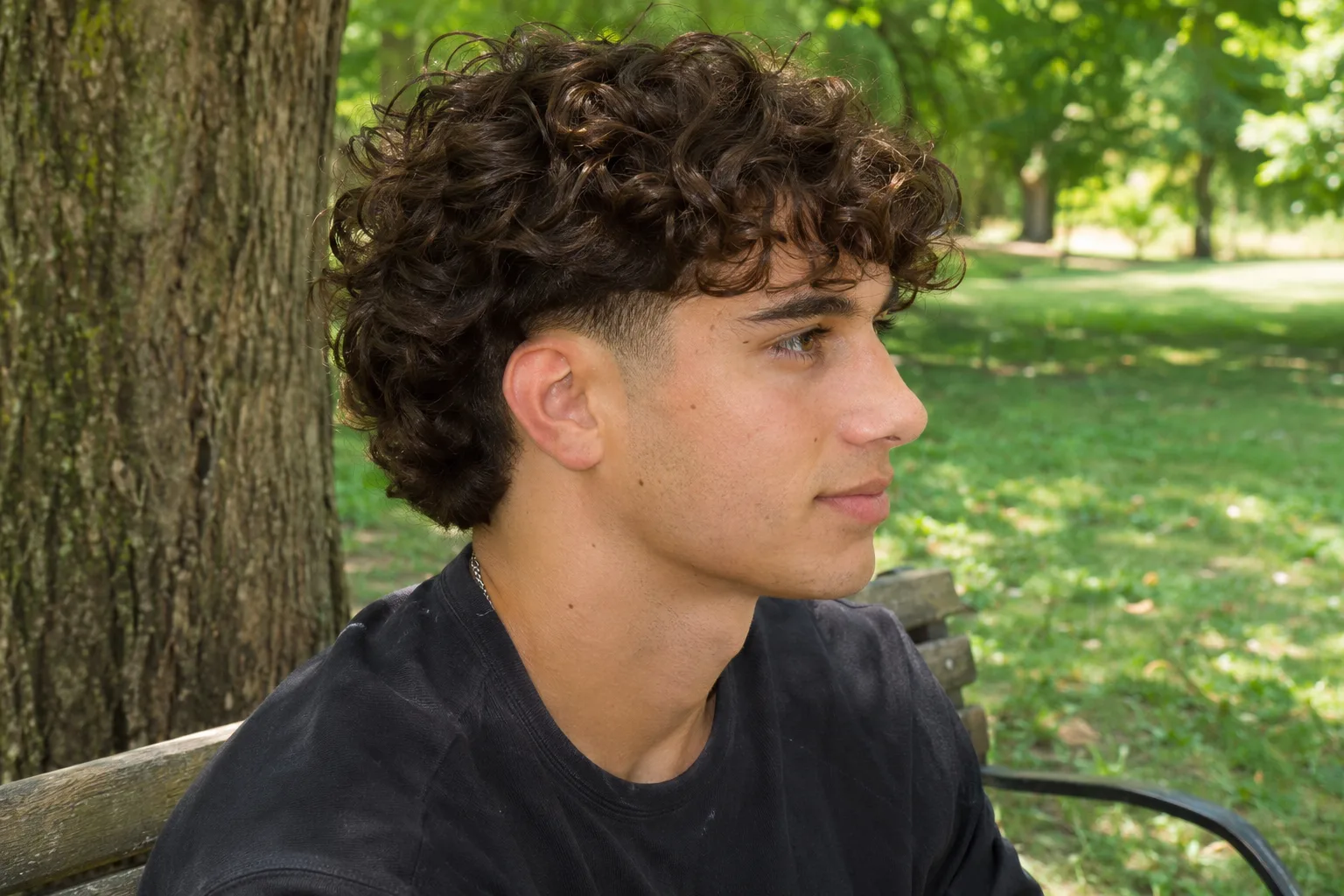
Curly hair is where the taper burst fade earns its name. A skin fade next to a big curly top can look like two haircuts glued together. The taper keeps a shadow of hair, so the curls above the arc and the short hair inside it read as one cut. Keep the curls longer than you think, around 3 inches or more, and ask for the back to be shaped with scissors, not clippers, so it does not puff out into a triangle. Our textured crop guide has more on cutting curls short on top if you want less volume.
Coily hair
Coily and kinky hair takes a burst taper well, and it is a classic on sponge twists, short afros and waves. The difference is the line-up: on coily hair the edge at the front of the arc and around the temple is part of the look, so tell the barber whether you want a sharp line-up or a natural edge. A soft natural edge suits the taper version better.
Low, Mid or High Burst Taper?
Low is the default and the most searched version by a wide margin. The arc sits around the bottom half of the ear and the hair above the ear stays fairly full. A mid burst taper lifts the top of the arc to about halfway between the ear and the temple. A high one takes it to the temple, which starts to look like a regular high fade and loses the curve.
Our advice: get a low burst taper the first time. It is the one that grows out without looking like a mistake. The height rules for straight tapers are in the mid taper fade guide, and they hold for the burst version too.
The Burst Taper Mullet
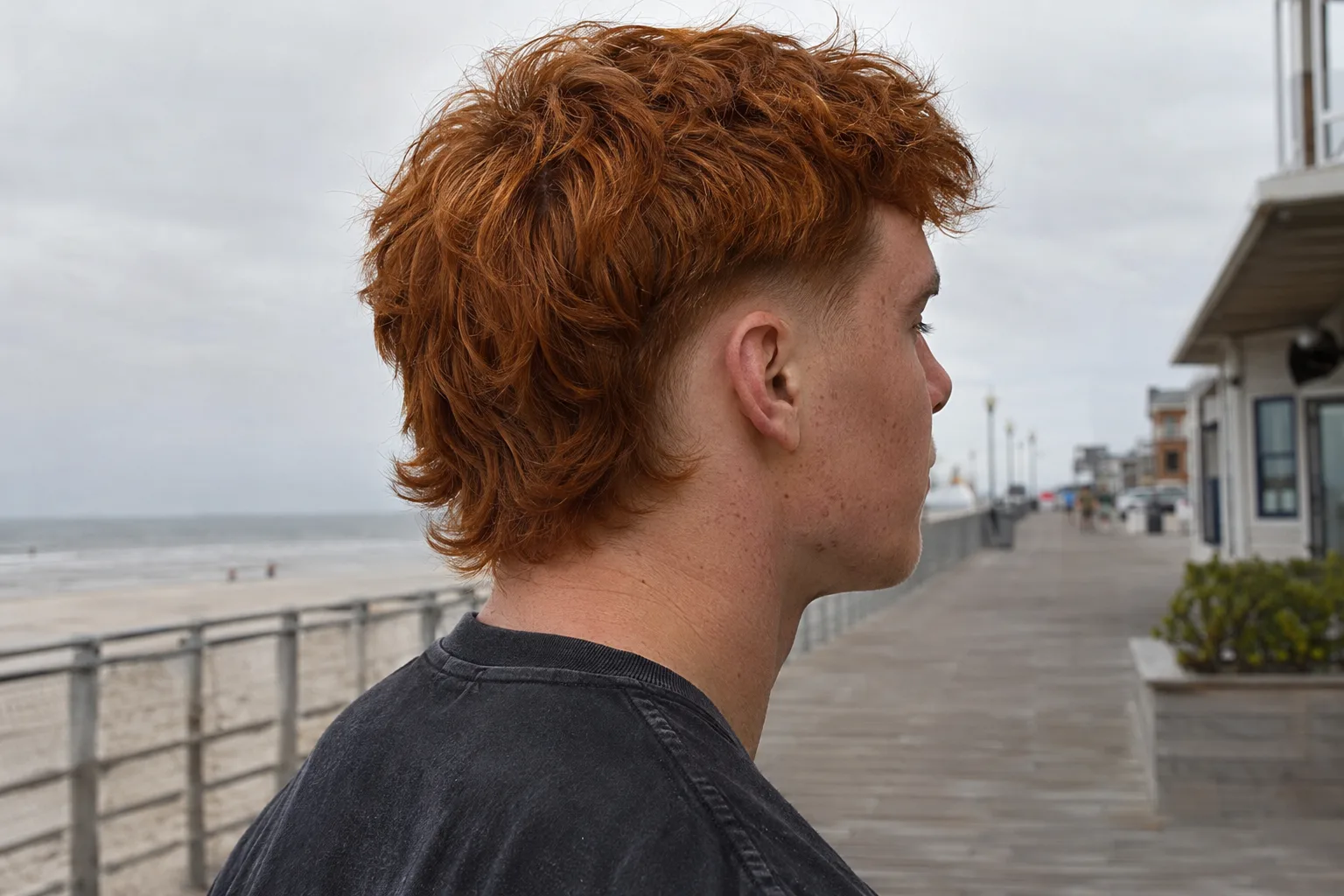
The burst taper mullet is the same cut with the back grown past the collar. Because the arc already leaves the nape untouched, all you do is skip trimming the back for two or three months. It is the easiest mullet to grow into, since it looks like a normal haircut at every stage on the way there.
Keep the arc small and low, and keep the top textured rather than slick, so the length at the back reads as deliberate. If you want the bolder version with a sharper contrast, the mullet fade guide covers the skin options.
5 Mistakes That Ruin a Taper Burst Fade
- Saying "burst fade" and nothing else. You will likely get skin. Say "taper" and "no skin" out loud, every visit.
- Letting the arc climb. If the top of the curve gets near the temple it stops looking like a burst and starts looking like an uneven high fade. Ask for the top of the arc about an inch above the ear.
- Clipping the back. The whole point is the length at the nape. If the barber runs a guard straight across the back, the cut turns into a regular taper and you wait a month to fix it.
- Too short on top. Under about 2 inches of top, the arc has nothing to contrast with and the cut looks like a grown-out buzz. Keep 2.5 inches or more.
- Waiting too long. The arc softens at about three weeks and is gone by six. Book every three to four weeks to keep the curve readable.
How to Ask for a Taper Burst Fade
Bring a side photo, not a front one. The arc only exists from the side, so a front selfie of a model tells the barber nothing. Then say this:
Say this to your barber
Low burst taper, no skin: curve it around the ear, shortest about a #0.5 next to the ear, top of the arc an inch above the ear, leave the back long and the top about 3 inches with texture.
How to ask for a taper burst fade
- Say "burst taper" and "no skin"
Open with the name and the depth together, so the barber does not default to a foil shaver.
- Point to where the arc ends
Touch the spot about an inch above your ear. That is the highest point of the curve. Below it, the hair gets shorter as it reaches the ear.
- Say what happens at the back
"Leave the back long" or "just clean the neckline." Never let the clippers cross the middle of the back.
- Give the length on top
Say it in inches, 2.5 to 4, and say how you style it: forward, back, curls or a part.
- Show a side photo
Pick one from the gallery above with hair like yours and show the side view.
How to Style and Maintain It
Styling is mostly the top. Matte clay or paste for straight and textured tops, sea salt spray for waves, curl cream or leave-in for curls. Work it in with your fingers, not a comb, so the top looks lived in next to the clean arc.
Maintenance is a cut every three to four weeks. The taper version buys you about a week more than a skin burst because there is no bare skin growing back in. Between visits, do not try to clean up the arc yourself; one slip with a trimmer near the ear is the hardest thing on this cut to hide.
Can You See a Taper Burst Fade on Yourself for Free?
Partly. The free way is to take a side photo of yourself with your hair pushed off your ear, then put it next to two or three gallery shots above that share your hair type. That tells you whether the top you want suits your texture.
Where it hits a wall is your own head. The arc sits around your ear, and whether it looks right depends on your ear position, your hairline and the length of your face, not the model's. You cannot see that by looking at someone else.
That is what HairstyleAtlas is for. Upload one selfie and see the cut on your own face before you sit down. The first look is free and needs no card, and it shows the front view, which is enough to judge the top. Plus is $9 a month for every cut and color. Side, three-quarter and back views, where you actually see the arc, are in Pro at $24 a month. Both cancel in two clicks, with a seven day refund.
Get the low taper burst fade, and say "no skin" out loud. It is the burst for people who want the curve without the maintenance: clean around the ear, long at the back, and soft enough to grow out without anyone noticing. Match the top to your texture, keep it at least 2.5 inches, and book every three to four weeks.
If you later want more contrast, go down to skin on the next visit. Starting with the taper costs you nothing. Starting with skin costs you a month of growing it back.
Frequently asked questions
A burst taper is a taper shaped as a curve around the ear. The hair is shortest next to the ear, with a shadow of hair rather than bare skin, and blends longer toward the temple, the sideburn and the nape. The back of the head is left long.
Yes. It is a common barber request, and "burst taper" and "taper burst fade" mean the same cut. Some barbers only use "burst fade", so add "taper, no skin" to make sure you get the soft version.
Yes, that is exactly what a taper burst fade is. The barber cuts the burst shape around the ear but stops at a short guard instead of going to skin.
Get a taper if you want a clean, office-safe cut that grows out slowly and keeps the sides full. Get a burst if you want visible shape around the ear and length at the back. The taper burst fade sits in between, which is why it is a safe first try.
A taper fade is about the sides and neckline: it shortens the edges. A mullet is about the back: it leaves the hair at the nape long. A burst taper mullet combines both, with a short arc around the ear and length past the collar.
A very low taper only touches the bottom edge of the hairline, at the sideburns and the nape, and leaves the sides almost full. A low burst taper is similar in height but curves around the ear instead of following straight lines.
There is no single answer, but low fades are the most flattering on most faces because they keep weight on the sides and do not make the head look narrow. A low taper burst fade adds shape without that narrowing, which is part of why it is so popular.
It looks sharp for about three to four weeks. The arc softens after that and is mostly gone by six weeks, at which point it grows into a plain medium-length cut.
Preview it on your own photo: Men's Hairstyle Try-On.
Share article
About the author

Related posts

Men's Haircuts · 12 min
Modern Mod Cut: 14 Variations and How to Ask Your Barber
The modern mod cut is decided at the sides, not the fringe. 14 variations, which hair type and face shape it suits, the mistakes that cost three months, and the exact words for your barber.

Men's Haircuts · 14 min
Man Wolf Cut: 15 Ways to Wear It and How to Ask Your Barber
A men's wolf cut is decided at the sides, not on top. See 15 versions from classic to low taper, which one suits your hair type and face shape, and the exact words for your barber.
Men's Haircuts · 15 min
Fringe Cut: 9 Men's Fringe Types and Which One Suits You
A fringe cut lets the front of your hair fall onto your forehead. Your hairline, not your face shape, decides which of the nine types will sit right. See all nine, check yours in 30 seconds, and get the words for your barber.
Men's Haircuts · 13 min
Fade Fohawk: 14 Faux Hawk Fades and How to Pick Yours
A fade fohawk is a faux hawk with faded sides. The ridge is the easy part; the fade decides how loud it reads. 14 versions compared, which fade suits you, and what to tell your barber.
Men's Haircuts · 13 min
Men's Short Fade Cuts: 14 Looks and What to Ask Your Barber
14 men's short fade cuts on the same mid fade, matched to your hair type, plus the fade height rule most guides skip and the exact words to say in the chair.
Men's Haircuts · 13 min
Taper Buzz Cut: 14 Looks and the Right Taper for Your Face
A taper buzz cut is one even length on top with the edges tapered shorter. The taper height is the only thing you can shape, so pick it for your face. 14 looks, the 3/2/1 guard recipe and the exact words for your barber.