Mid Taper Fade vs Low and High: Which Fade Height Suits You
Oleh Onysko Updated 27 September 2026 13 min read
In this article
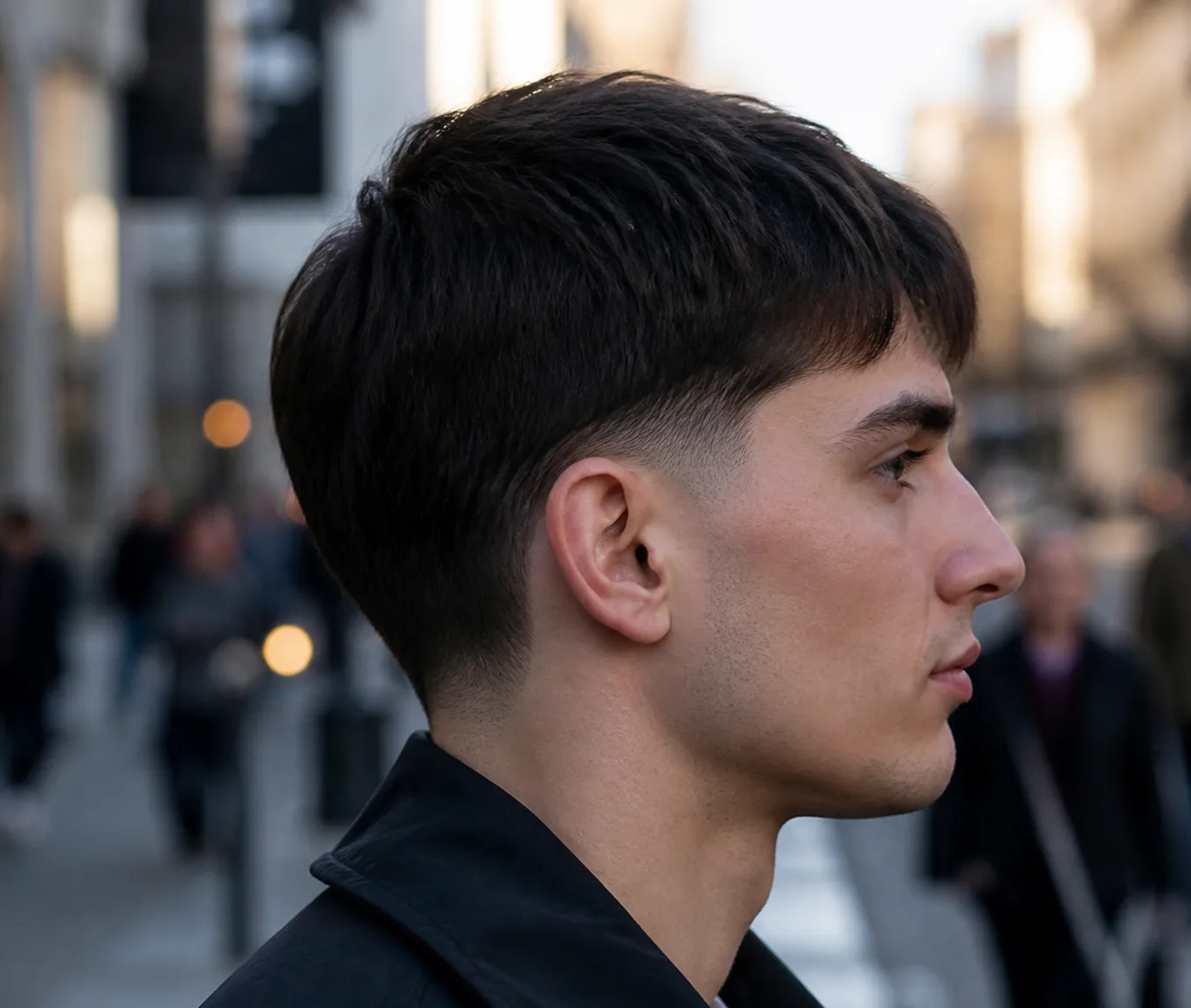
A mid taper fade is a taper that starts at your temple, roughly level with the top of your ear, and blends down toward the skin at the sideburns and nape. That single detail is the whole difference between it and a low or high taper: not how short it goes, but where the fade begins.
It is the most forgiving of the three, which is why barbers reach for it when a client says "just a fade" and means it.
What is a mid taper fade?
A taper is a gradual shortening around the ear and down the neck, leaving the weight on top intact. A mid taper places the highest point of that gradient at the temple. Above it, your hair keeps its length. Below it, the clipper work drops through the guards to a soft edge.
That band along the hairline is the whole idea, and where the short work stops is what separates every taper from every fade. It is not the same as a mid skin fade. A taper can finish at a #1 or #0.5 and still read as a taper; a skin fade takes the shortest point down to bare scalp. You can have a mid taper that never touches skin, and that is what most of the photos you have saved actually are. It is not the same as a mid fade either, and that is the confusion worth clearing up: the full fade at the same height stops at the temple exactly like this taper does, but it takes the entire side panel down instead of a band along your hairline.
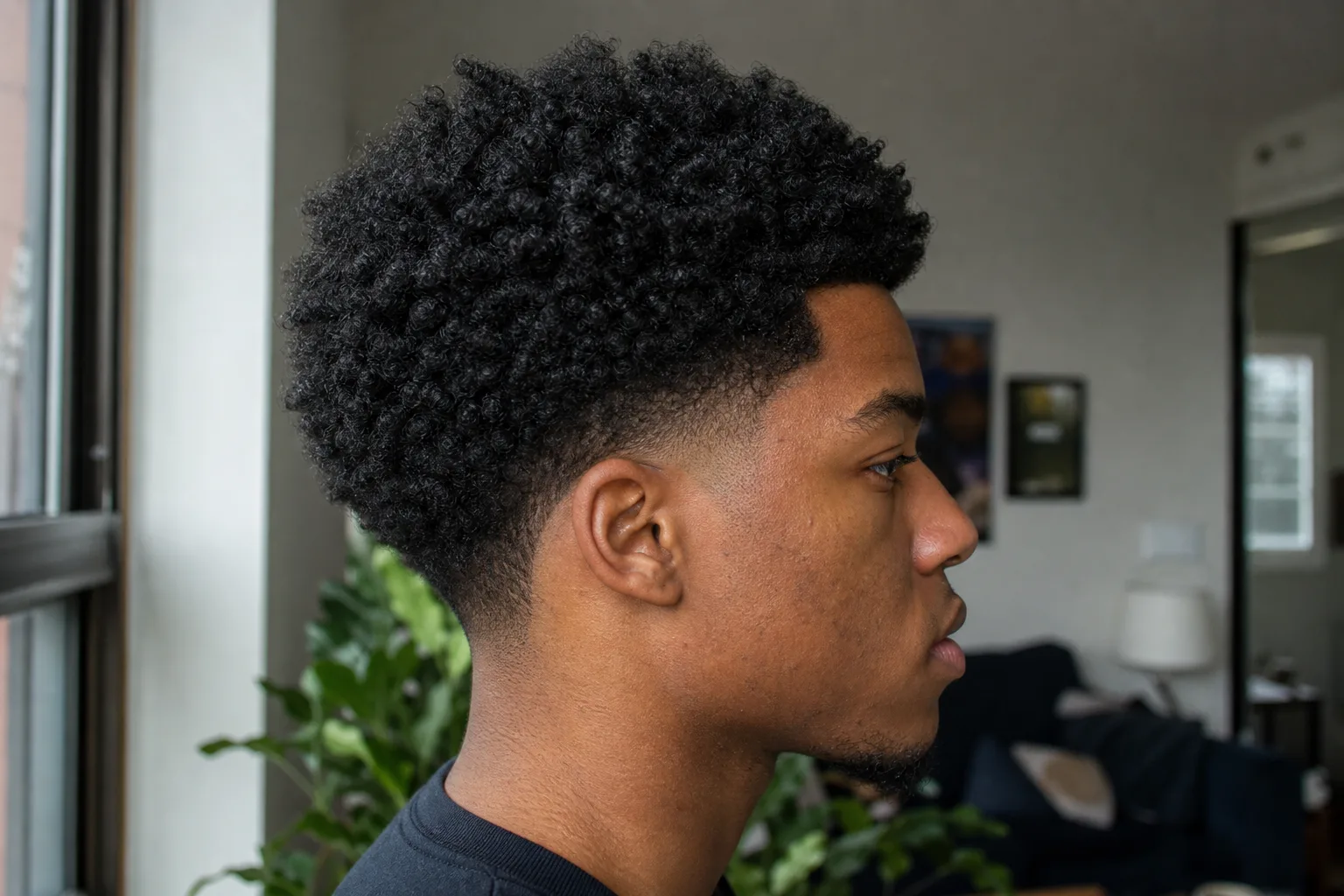
Gallery3 photos · tap to enlarge
 Try this on me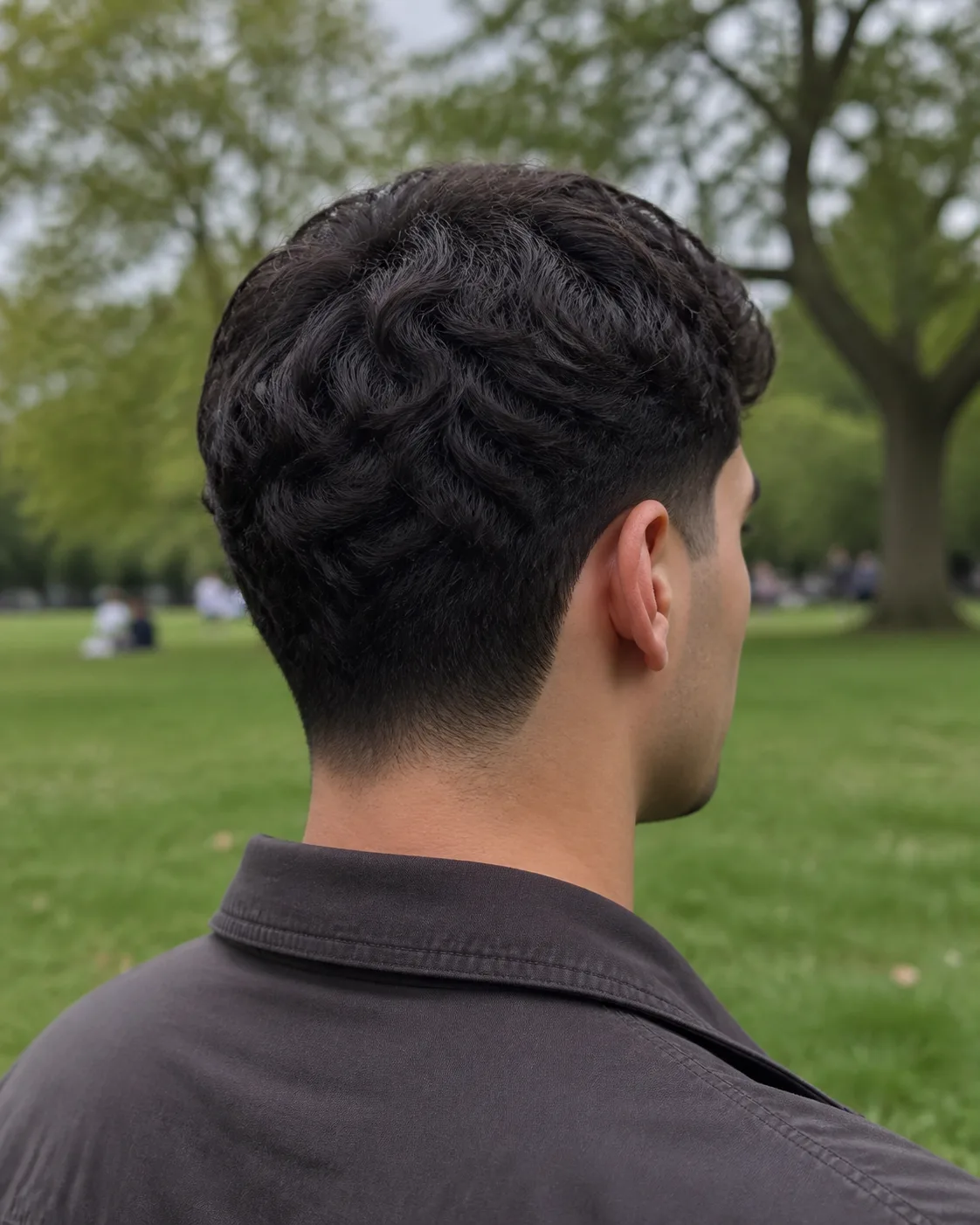
 Try this on me
 Yours could be here.
Start with one selfie.
One photo, twenty seconds, and you'll know. Free account, no card for your first render.
Mid vs low vs high taper: where each one starts
Height is the only variable that matters here, and it works the same way across every kind of fade haircut, not just tapers. The same is true one step down in coverage: going low without going narrow puts the line in the same place and takes the sides right down.
| Fade | Starts at | Reads as | Suits | Barber visit |
|---|---|---|---|---|
| Low taper | Just above the ear | Subtle, office-safe | Round faces, thinning hairlines, anyone hedging | 4-5 weeks |
| Mid taper | The temple, level with the ear top | Balanced, obvious but not loud | Almost everyone, which is why it is the default | 3-4 weeks |
| High taper | The corner of the head, near the parietal ridge | Sharp, high-contrast | Long or oval faces, thick hair that needs bulk removed | 2-3 weeks |
| Skin fade (any height) | Same three options, but ends at bare scalp | Maximum contrast | Strong hairlines, even scalp tone | 2 weeks |
The row that matters is the last column. A high taper looks incredible for eight days and untidy for the next twelve. If that cycle puts you off, a modern mullet is the opposite case: a soft shape that grows out in its own favour. A mid taper holds its shape longer because there is less distance between the shortest and longest point, so the grow-out is less obvious.
Which is better, mid or low taper?
Mid, if you want the haircut to be visible. Low, if you want it to be deniable.
That sounds glib but it is the actual decision. A low taper reads as "well-groomed" to someone who does not notice haircuts. A mid taper reads as "he got a fade." Neither is better craft, they are different amounts of statement. If this is your first fade, mid is the safer experiment: a low taper often disappoints people who wanted a visible change, and a high taper commits you to a three-week barber cycle you have not agreed to yet. If subtle is what you are after, the low taper fade is covered on its own terms there, including the landmark to point at so your barber does not give you a mid by accident.
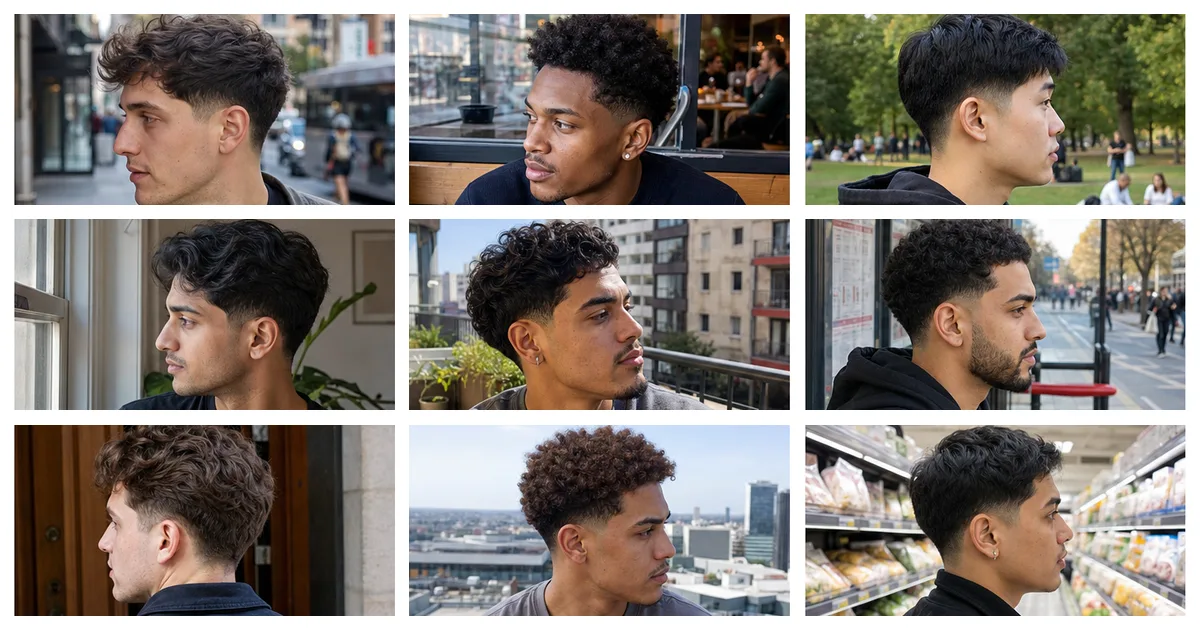
Eight mid tapers, eight different tops
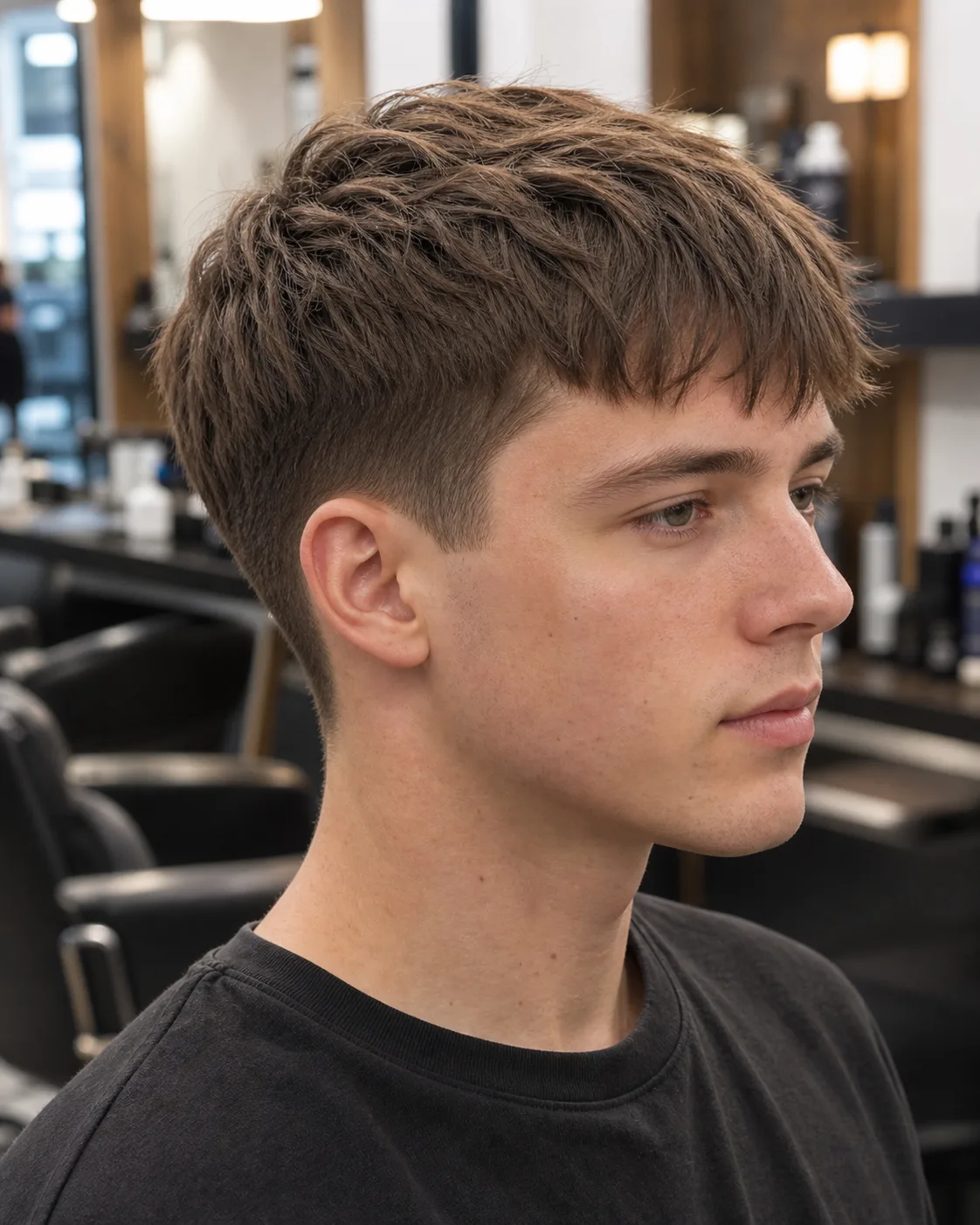
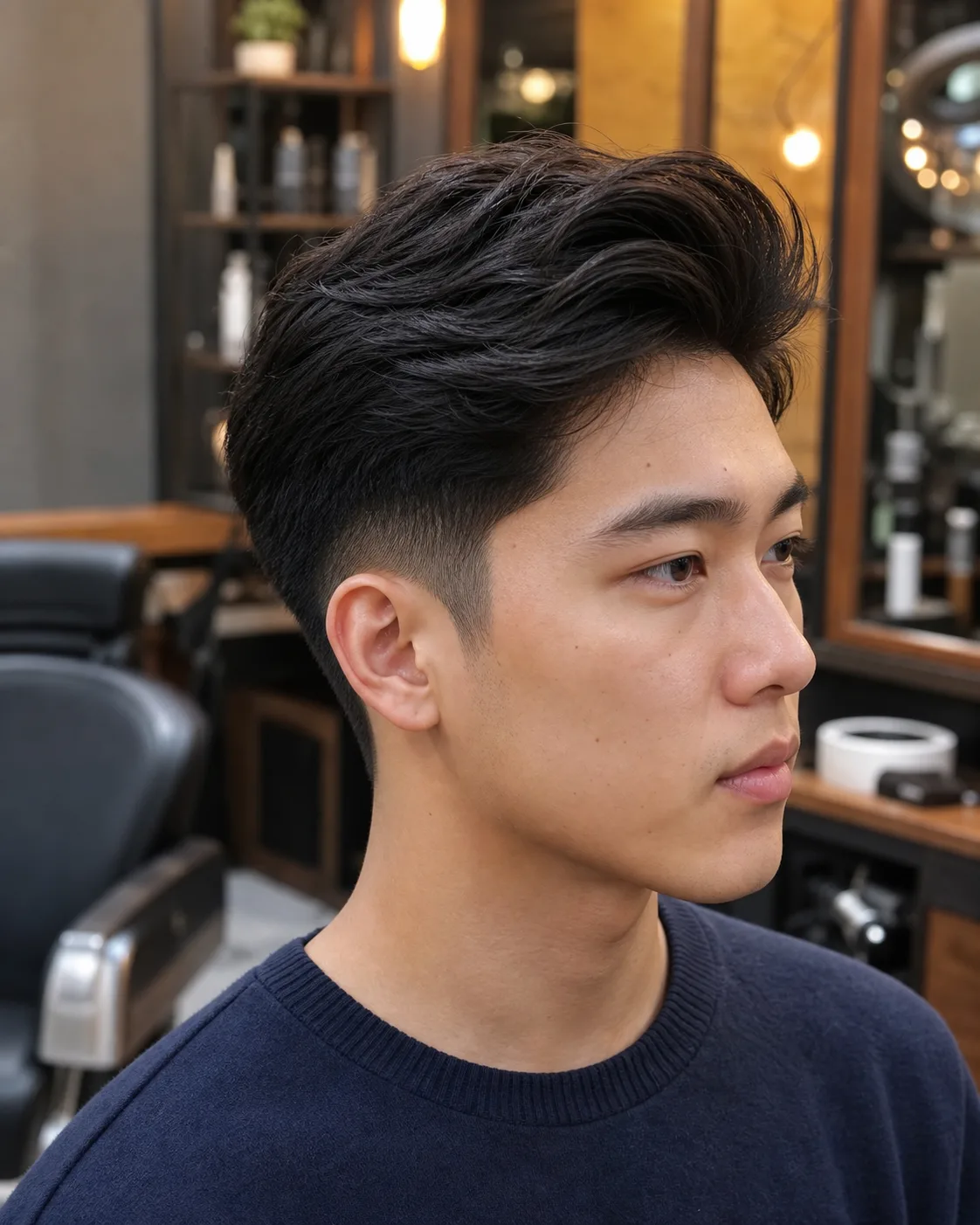
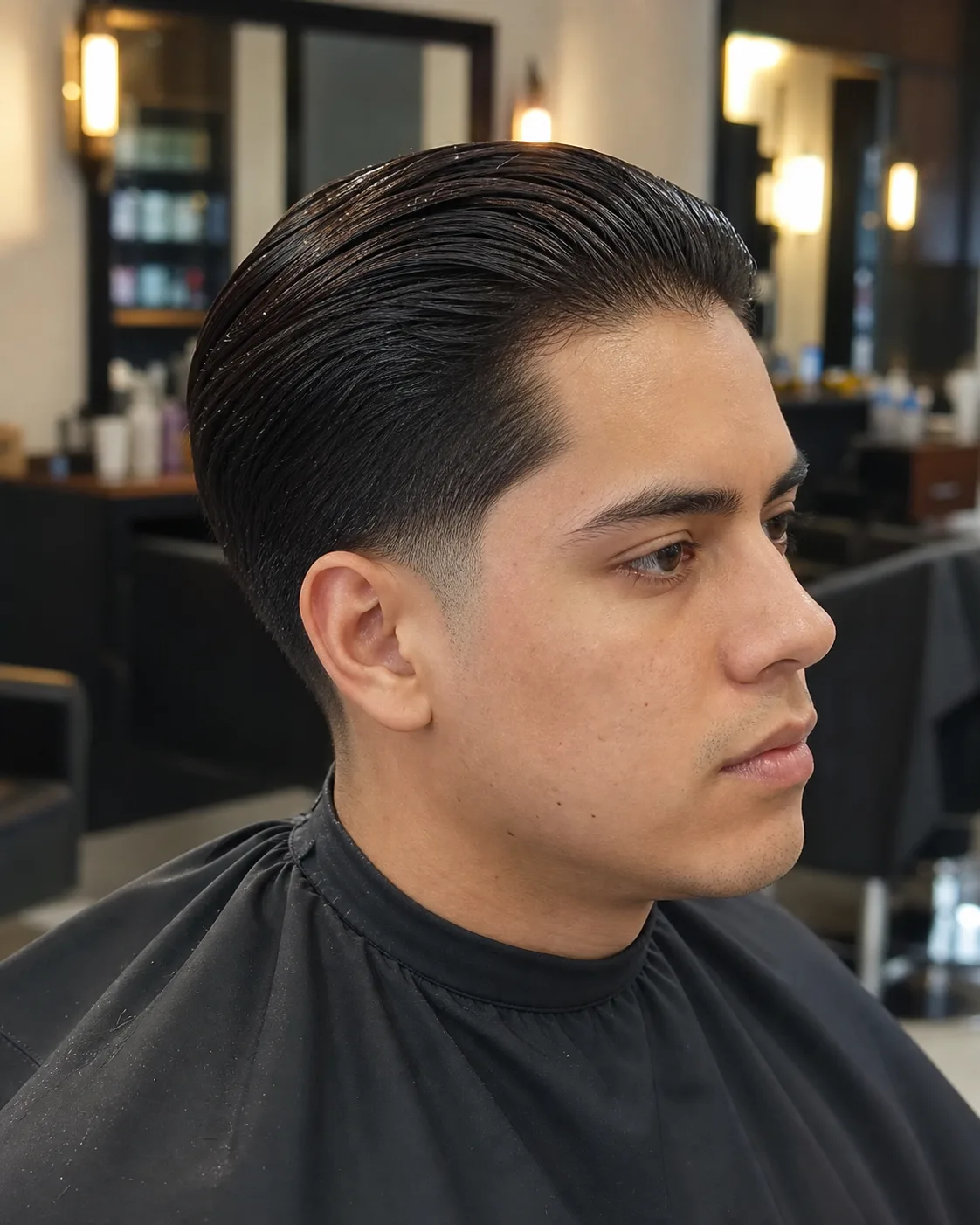
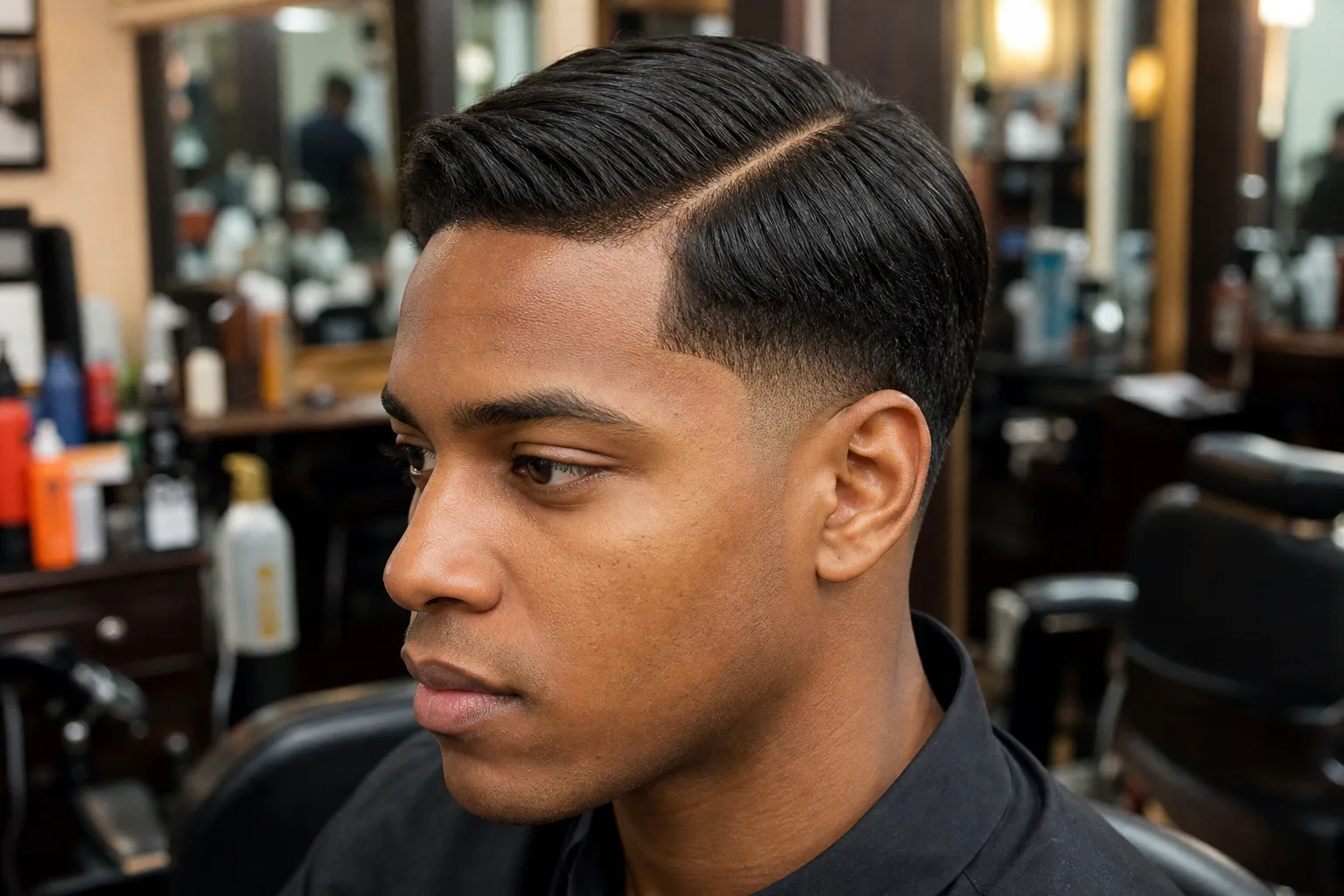
The article makes this point twice, so here it is as pictures. Every man below has the same mid taper: the gradient starts at the temple and blends soft to the nape. The only thing that changes is what is left on top, and that is what decides how the haircut reads.
Gallery8 photos · tap to enlarge
 Try this on me
 Try this on me
 Try this on me
 Try this on me
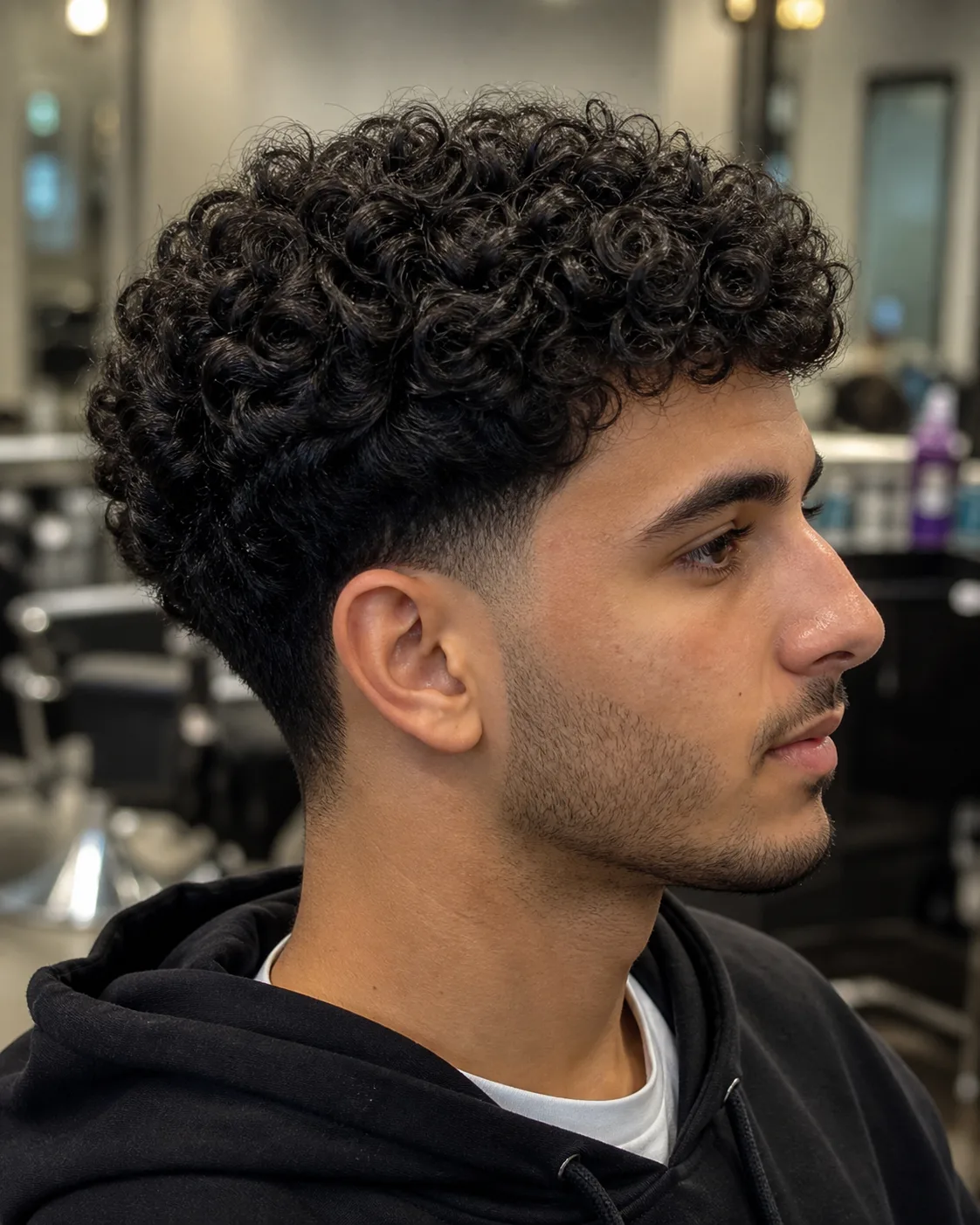 Try this on me
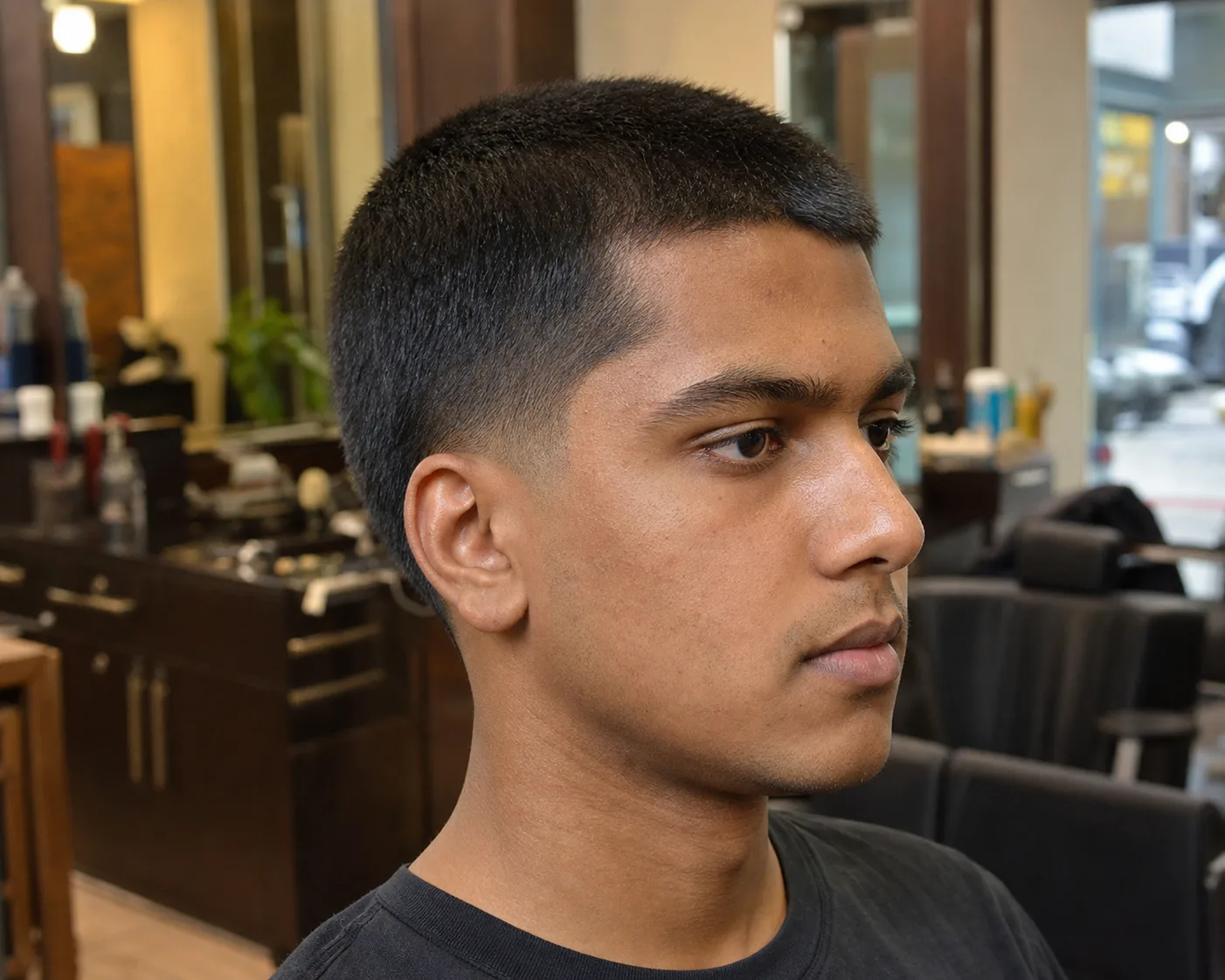 Try this on me
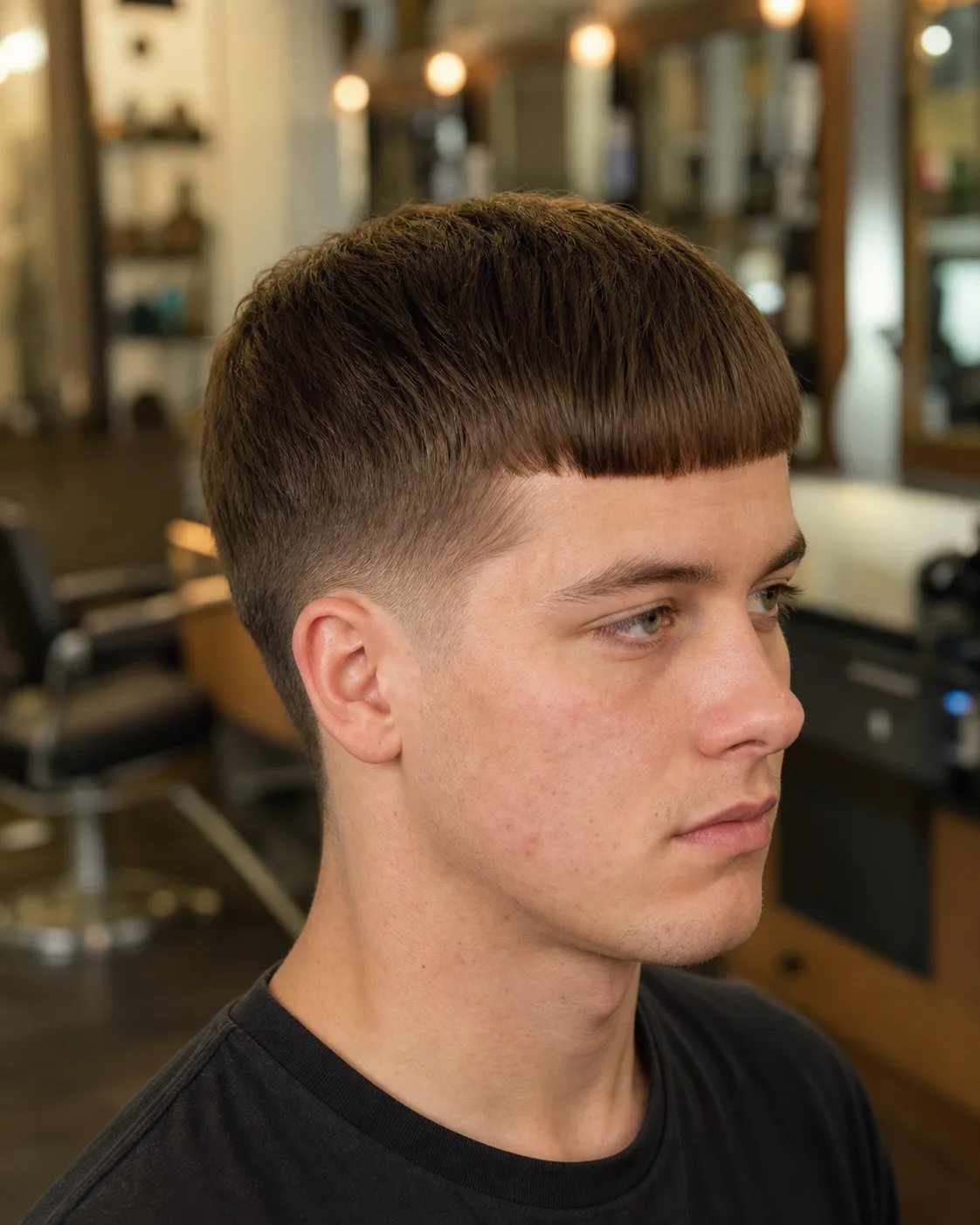 Try this on me
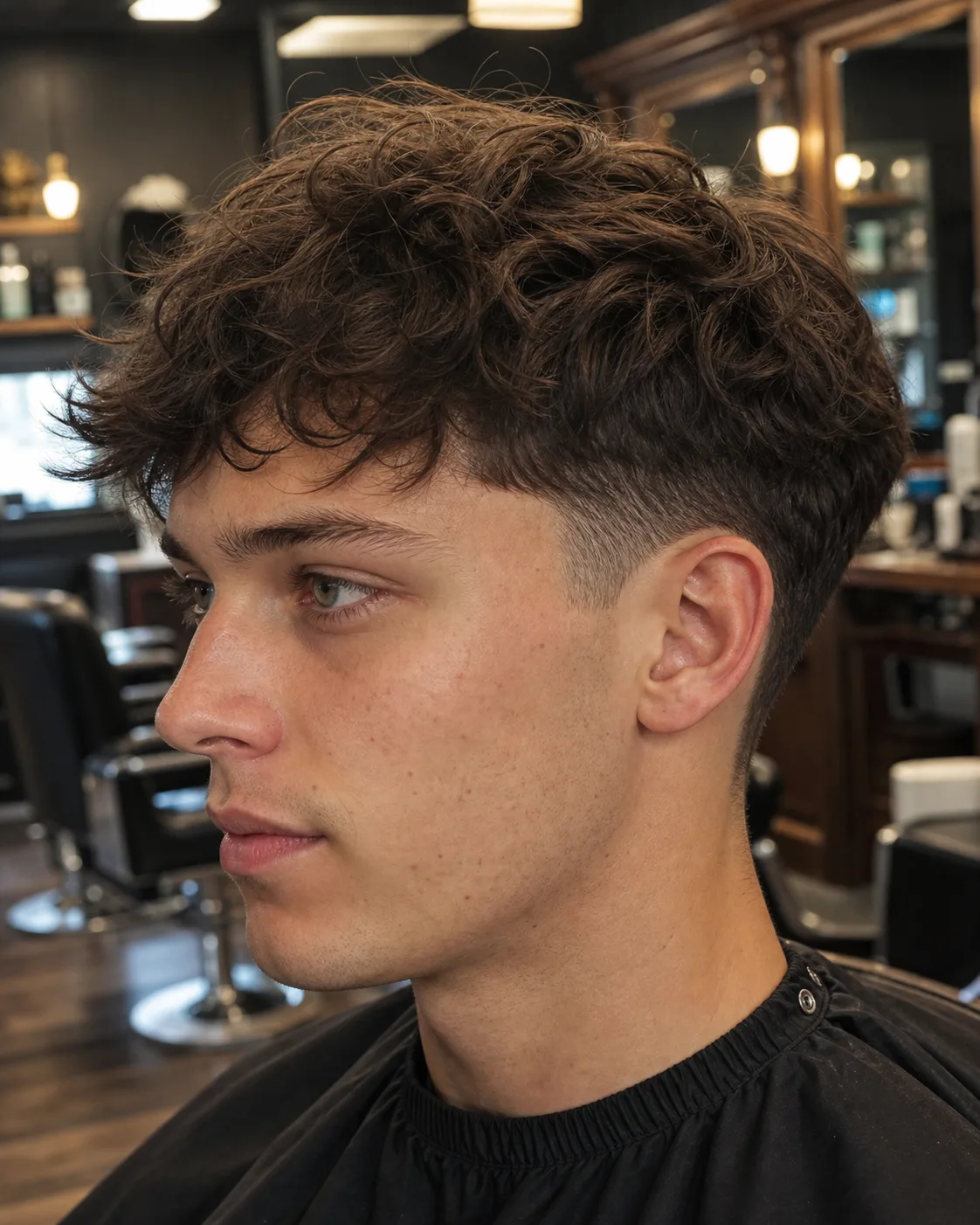 Try this on me
Which face shape does a mid taper fade suit?
Almost all of them, and that is not a cop-out. The mid taper sits at the widest natural break on most heads, so it neither adds width where you do not want it nor cuts the silhouette off awkwardly. But the adjustment you make on top changes depending on what your face is doing. One of the most popular tops to pair with it is a forward, piece-y textured fringe, which sits cleanly over the mid taper.
| Face shape | Mid taper verdict | What to change |
|---|---|---|
| Oval | Ideal. Nothing to correct. | Nothing. Take it as standard. |
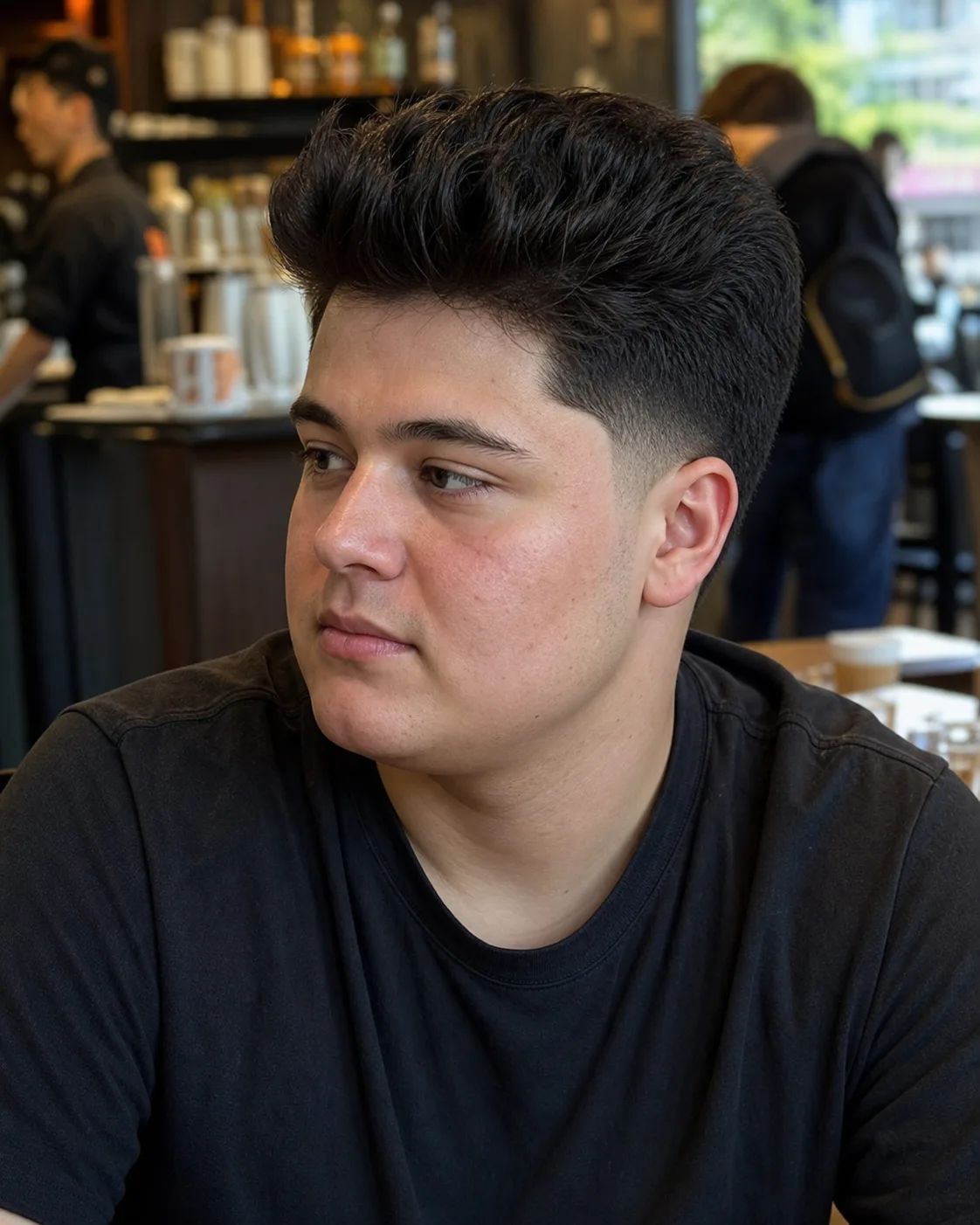
| Round | Works, with height. | Ask for more length on top and keep the fade tight. You want vertical lines, not width. |
| Square | Excellent. | Keep the top textured rather than flat, so the jaw is the hardest line, not your hair. |
| Heart | Good. | Leave weight at the sides above the fade line. A tight taper narrows an already narrow chin. |
| Long | Use with care. | Consider a low taper instead, or keep the top short. A mid taper plus height makes a long face longer. |
Round faces
The instinct is to hide the width. The correct move is the opposite: build height.
Oval faces
The default that every reference photo is cut on. Anything works, so pick on maintenance rather than shape.
Square faces
A mid taper flatters a strong jaw because it keeps the sides clean without competing with the jawline. Keep movement on top. A flat, slicked finish makes the whole head read as a rectangle, so see it with texture before you decide.
Heart faces
Wide at the forehead, narrow at the chin. You want to avoid stripping width from the lower half. A mid taper is fine as long as the barber leaves some weight just above the fade line rather than blending it into nothing.
Long faces
The one case where I would push you toward a low taper. A mid taper plus any height on top extends a face that is already longer than it is wide. If you want the mid, keep the top short and let the sides carry the shape. Compare the two on your own photo before you commit; this is the case where a reference picture of someone else's head is least useful.
Not sure which face shape you have?
Most people guess wrong, usually calling themselves round when they are oval. It takes two measurements: the width across your cheekbones and the length from hairline to chin.
Measure it instead of guessing
Both numbers in the same unit — the answer is a ratio, so it does not matter which.
Under 1.15 reads round, 1.15 to 1.5 reads oval, over 1.5 reads long. Oval and long split on the jaw rather than the ratio: an oval tapers toward the chin, a long face runs straight down.
If you would rather not measure, the what suits me tool works it out from a photo.
Mistakes that cost people four weeks
Almost every bad fade traces back to one of these, and none of them are the barber's fault.
- Picking the shop instead of the barber. A barbershop is a room; the fade is one pair of hands, and the fastest way to filter is to read where a barber puts the line in his own photos before you book a name.
- Saying "fade" when you mean "taper". On its own, "fade" is usually read as a full side fade going up the whole head. "Taper" tells the barber to keep the gradient confined to the ear and neckline. This is the single most common cause of walking out with far less hair than you pictured.
- Not naming the shortest guard. A photo cannot communicate whether you want a #1 or bare skin at the bottom. Say the number. If you do not, you are letting someone else pick the most visible variable.
- Going high on the first visit. A high taper is a three-week commitment. Start mid, live through one grow-out cycle, and then decide whether you want more contrast.
- Copying a photo of someone with different hair. A mid taper on dense straight hair and a mid taper on fine hair are two different haircuts. The fade is identical; what happens on top is not. If your hair curls, look at it on curly hair rather than on the straight-haired model in the reference shot.
- Saying nothing about the top. A barber who is not told will assume you want the length shortened to match. Say what stays, in inches.
- Booking too far ahead. A mid taper looks its best from day three to about week three. Book the event, then the cut, not the other way round.
Say this to your barber
A mid taper fade, starting at the temple, blended down to a number one at the sideburns and nape, with the length on top left alone.
How to ask for a mid taper fade
- Say "taper", not "fade"
"Fade" on its own gets interpreted as a full side fade. Taper tells the barber you want the gradient confined to the ear and neckline.
- Point at your temple
Physically touch where you want the highest point of the fade. This is the one instruction that removes all the ambiguity.
- Name the shortest guard
"Down to a one" or "down to a half" at the bottom. Say whether you want skin or not. This is where most disappointment comes from.
- Protect the top
Say what you want left up there, in inches or as "just tidy it". A barber who is not told will assume you want it shortened to match.
Can you see a mid taper fade on yourself for free?
Yes, once. Hairstyle Atlas gives you one free change, which is enough to answer the only question that matters here: does the fade height suit your head. Past that it is $9 a month, and honestly you do not need a subscription to make one decision.
The reason it beats a reference photo is simple. Every image in this article is on someone else's skull. Fade height is the most head-shape-dependent choice in men's hair, and yours is the only one that counts.
So which one
Mid, unless you have a long face or a specific reason otherwise. It survives grow-out better than a high taper, it is more visible than a low one, and it works with the widest range of head shapes and hair types. Start there, live with it for a cycle, then push higher or lower once you know how your hair behaves at that length.
If you want to see the difference before committing, the fade simulator puts all three heights on your own photo. Two minutes now beats four weeks of growing something out.
Frequently asked questions
Mid if you want the cut to be noticeable, low if you want it subtle. Mid is the better first fade for most people. A low taper often reads as no change at all, and a high one commits you to a much shorter barber cycle.
Yes, if you keep length on top. The taper removes width at the temple and the height on top adds a vertical line, which is exactly what a round face wants. Pairing a mid taper with a very short top is the combination to avoid.
It is a real, specific instruction. "Mid" describes where the fade starts, at the temple, as opposed to just above the ear (low) or up near the corner of the head (high). Barbers use the term precisely.
It refers to the clipper guard at the shortest point: a #1 leaves about 3mm. A #0 is bare skin. Naming the guard is the most useful thing you can say, because it fixes the one variable a photo cannot communicate. Going to #0 all the way turns it into a bald fade, which is a different upkeep schedule entirely.
A taper describes where the gradient starts. A skin fade describes where it ends: at bare scalp. They are not alternatives, they are two settings. You can have a mid taper that stops at a #1, or a mid taper that goes to skin.
Say "mid taper" and touch your temple. The word plus the gesture removes the ambiguity that a photo alone leaves. Then name the guard you want at the bottom.
Every three to four weeks to keep the gradient clean. It holds up slightly better than a high taper because the distance between shortest and longest is smaller, so grow-out is less obvious.
Yes, and it is one of the better options for it. The taper removes bulk at the sides where curls tend to expand outward, while leaving the curl pattern on top intact. Keep more length on top than you would with straight hair.
Preview it on your own photo: Men's Hairstyle Try-On.
Share article
About the author

More articles
Men's Haircuts · 14 min
Benny Blanco Haircut: The Fake Half Shave and the Real Curls
Benny Blanco did not shave half his head. It was a prosthetic bald cap, and the buzz cuts are AI. Here is what his curly mop actually is, the short version, and exactly what to tell your barber.
Men's Haircuts · 16 min
1A Hair: How to Tell If You Have It + 14 Cuts That Work
1A hair is pin-straight with no bend from root to tip. How to tell it from 1B and 1C, why it goes flat, 14 haircuts that work on it, and how to style it for volume.
Men's Haircuts · 15 min
High and Tight Haircut: 4 Versions and the Head Shape Rule
A high and tight clips the sides almost to skin all the way up to the top of the head, so it shows your skull shape more than your face. The 4 versions, 14 photos, what to tell your barber, and how long it lasts.