Heat Protectant for Curly Hair: Which One for Each Heat Tool
Oleh Onysko 4 October 2026 13 min read
In this article
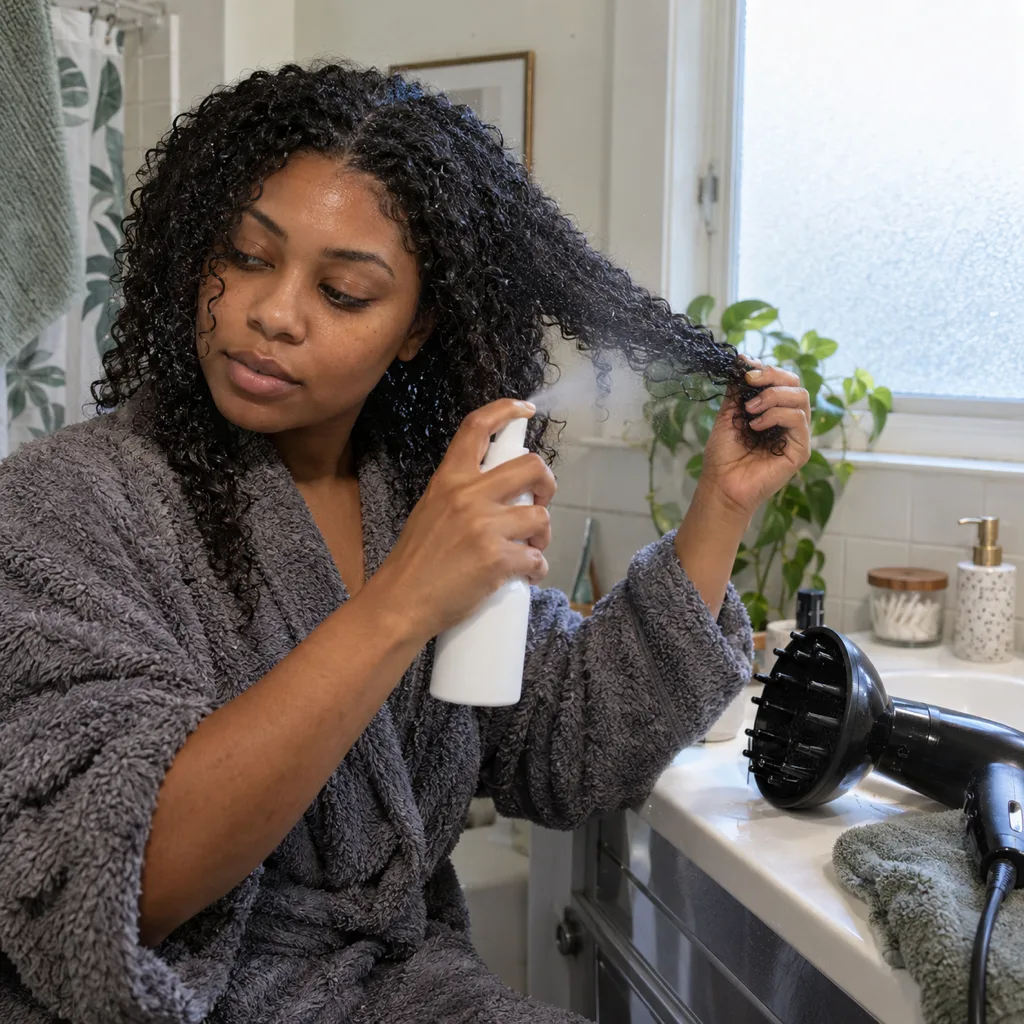
Yes, curly hair needs a heat protectant any time a hot tool touches it, and the type you need depends on the tool: a light spray for diffusing, a cream for a blowout, a silicone serum for a flat iron or silk press. But the bottle is the smaller half of the job. The setting on your tool decides far more than the product does, because heat damage on curls is permanent and no protectant makes 450°F safe.
This guide matches the protectant to the tool and the curl type, shows you how to apply it so it actually coats the strand, and names the mistakes that cost people their curl pattern.
What does a heat protectant actually do on curly hair?
A heat protectant is a leave-in that coats each strand with a thin film, usually silicones or polymers, so the heat from a dryer or iron spreads across that film instead of hitting the cuticle directly. It slows how fast water boils out of the hair and cuts friction from brushes and plates. It does not make hair heat proof. Think of it as an oven mitt: it lets you hold the tray, not climb into the oven.
Curls need it more than straight hair for two reasons. Every bend in a curl is a weak point where the cuticle lifts, and curly hair already loses moisture faster because natural oils travel down a coil slowly. When the protein bonds that hold a curl's shape get cooked, the curl does not bounce back after the next wash. That is what "heat damage" means on curly hair: straight, limp sections that will not curl again until they grow out.
Which protectant for which heat tool?
The tool you use matters more than your curl type, so start here. Iron temperatures below are the usual dial range, not a reading of your tool.
| Heat tool | Typical heat at the hair | Do you need protectant? | Best format | When to apply |
|---|---|---|---|---|
| Diffuser, low or medium | Warm air, spread wide | Recommended if you use medium or high heat | Lightweight spray or a leave-in that lists heat protection | Damp hair, before curl cream and gel |
| Blow dryer with brush (blowout) | Focused hot air plus brush tension | Yes | Cream or lotion protectant | Damp hair, section by section |
| Flat iron or silk press | Metal plates, 300 to 450°F | Yes, non-negotiable | Silicone serum or spray rated for irons | Dry, blown-out hair, right before the iron |
| Curling iron or wand | Metal barrel, 300 to 450°F | Yes | Light spray rated for irons | Dry hair, a light mist per section |
The pattern: the closer the heat source gets and the hotter it runs, the heavier the protection you want. Air from a diffuser is gentle. Metal plates pressed onto a section are not.
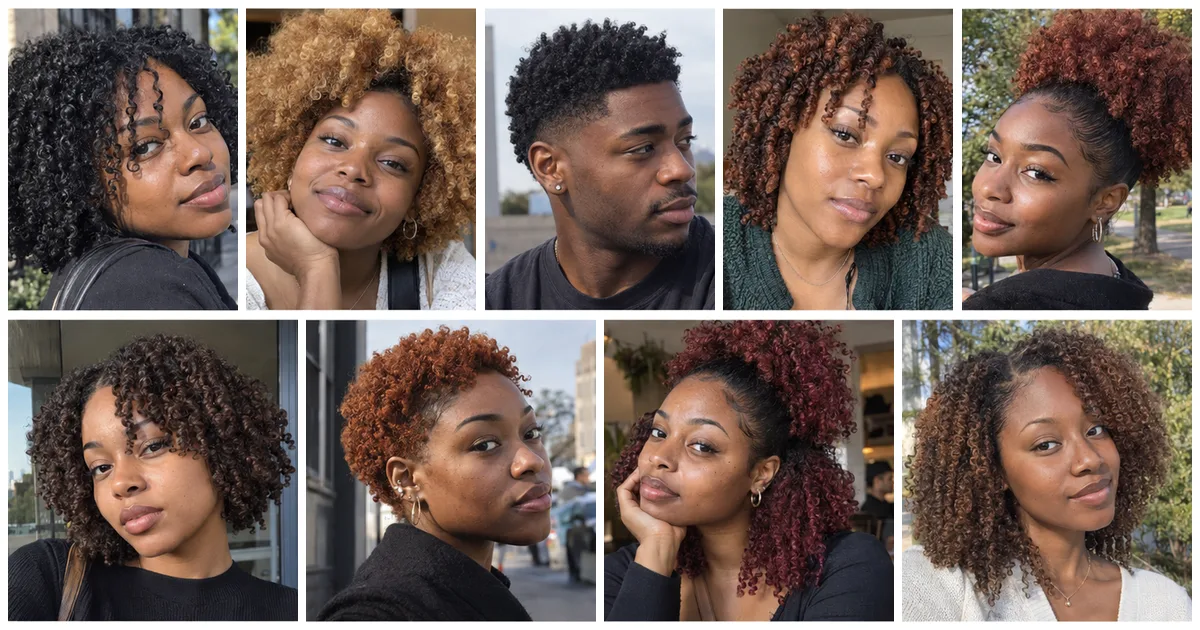
Heat-styled curly hair: 14 finishes, one protectant rule each
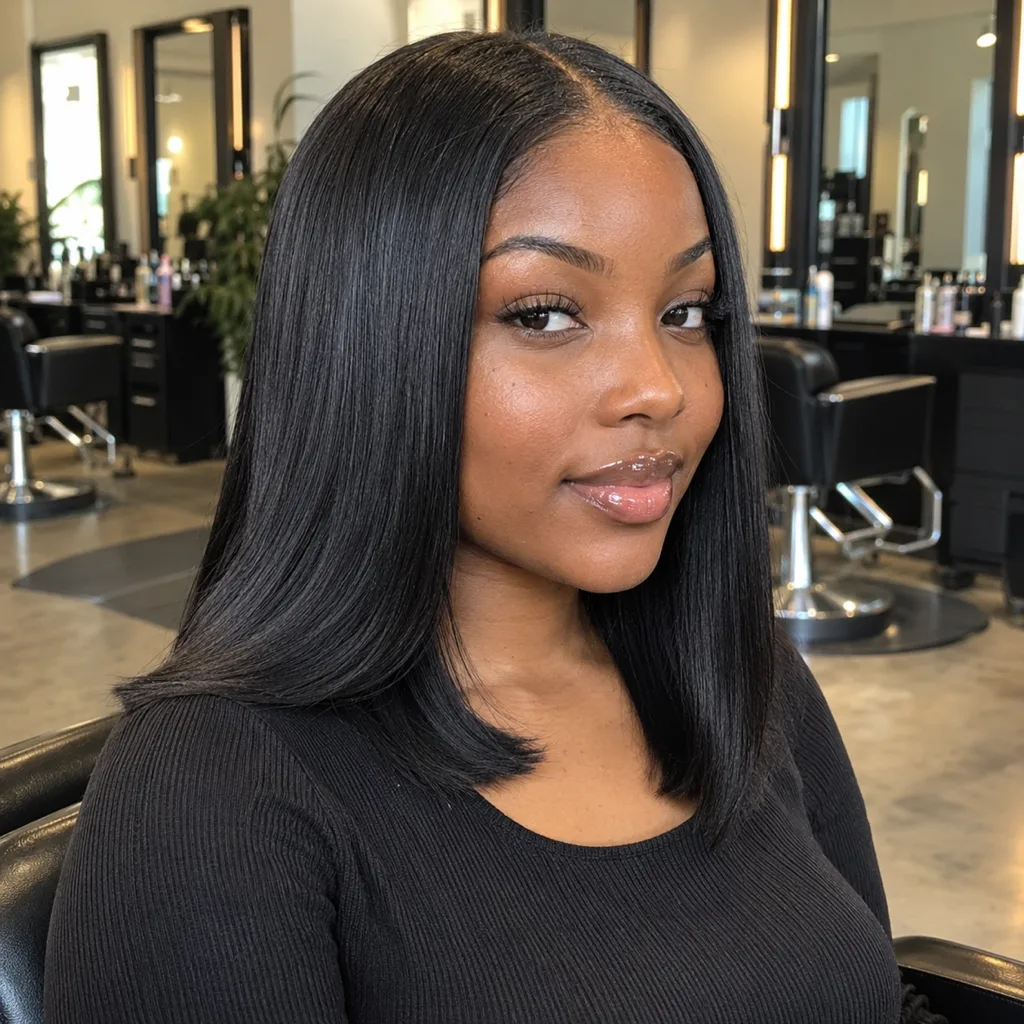
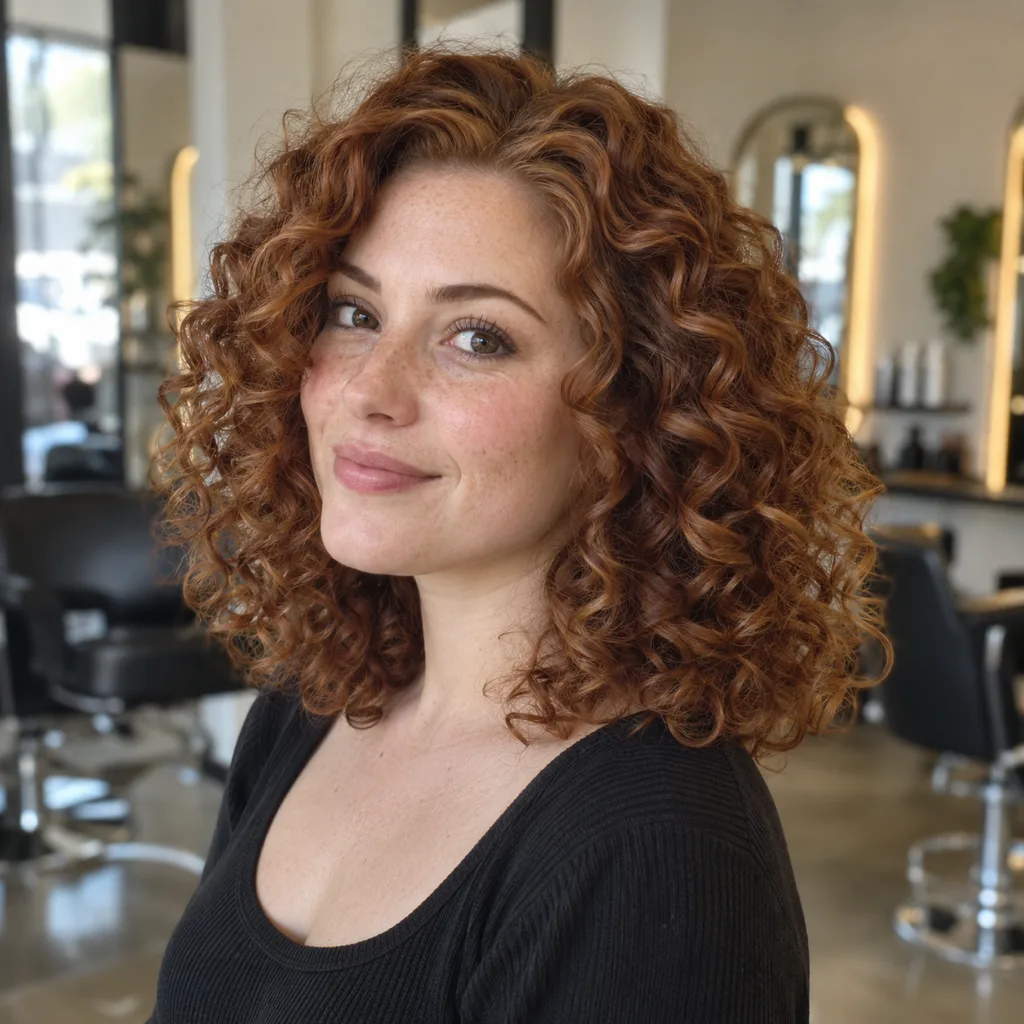
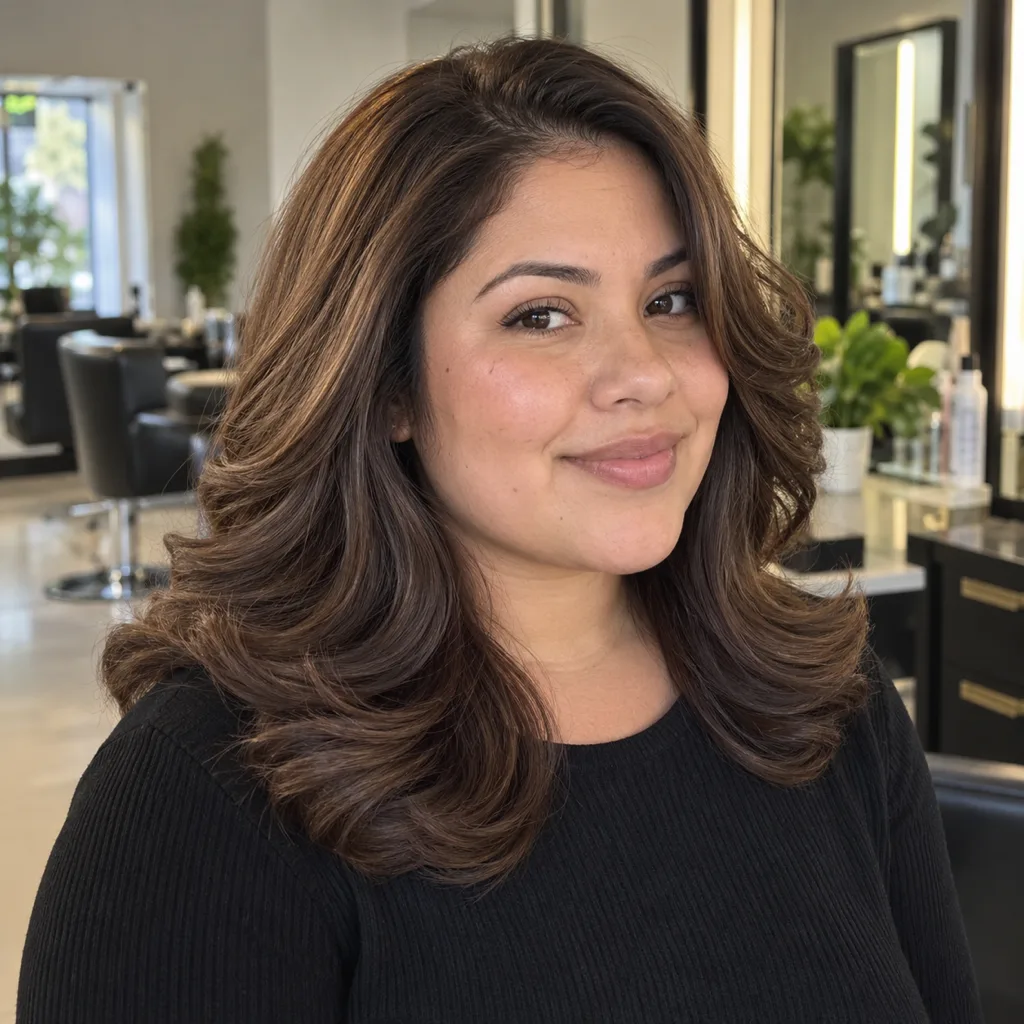
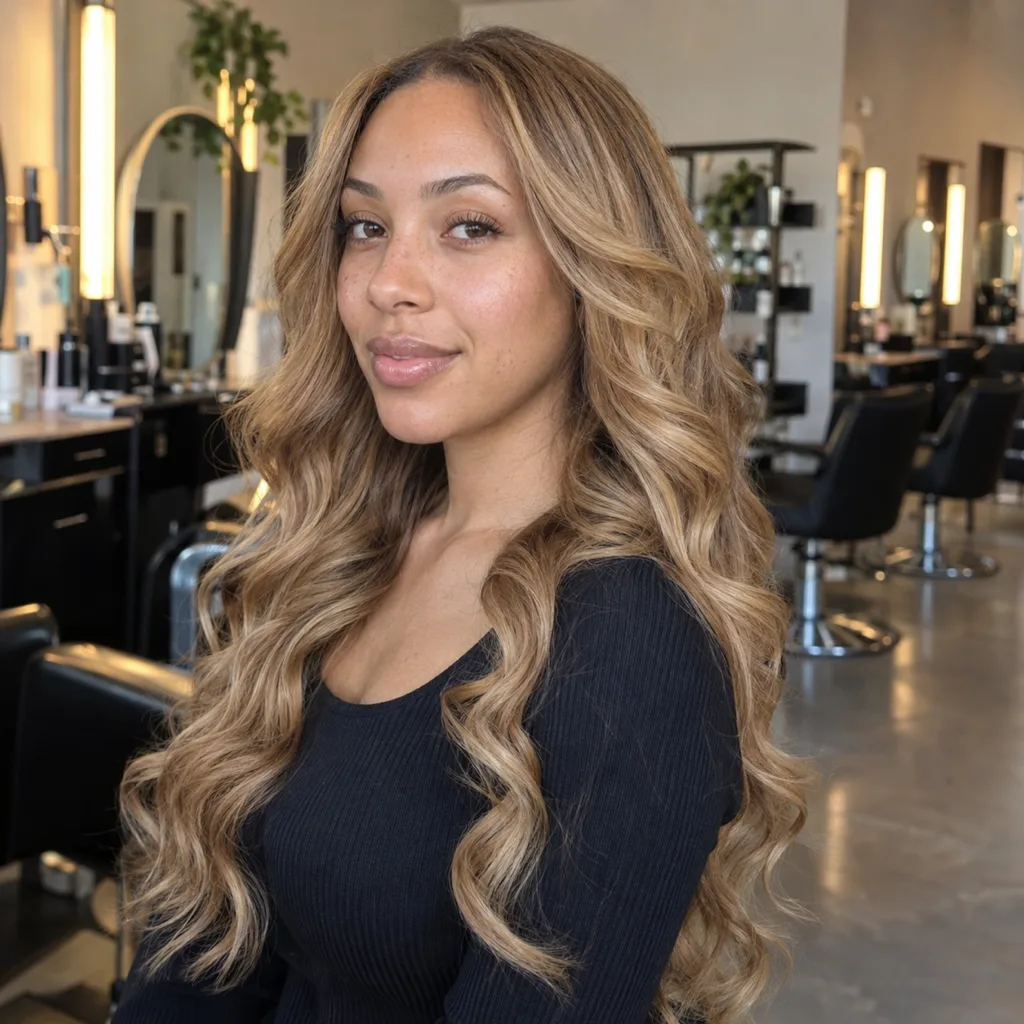
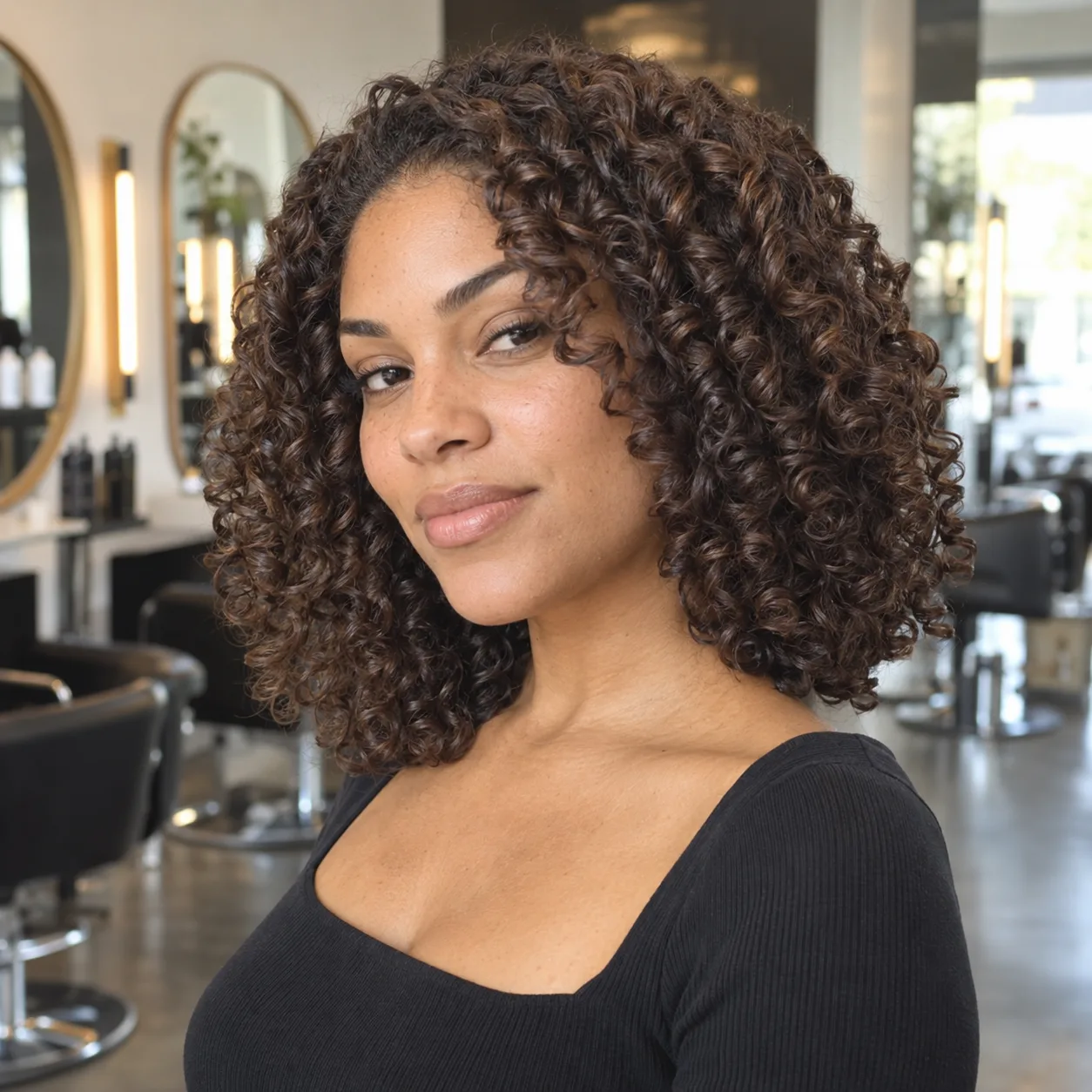
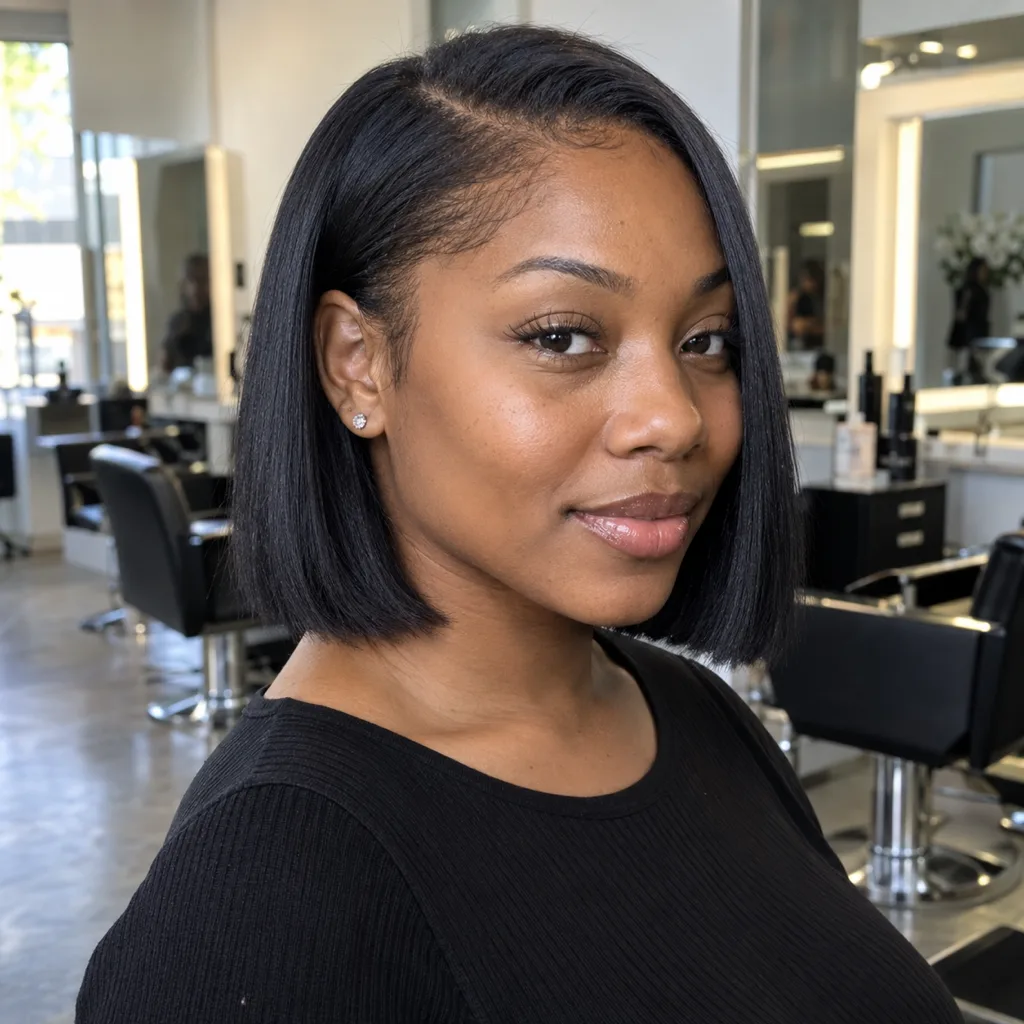
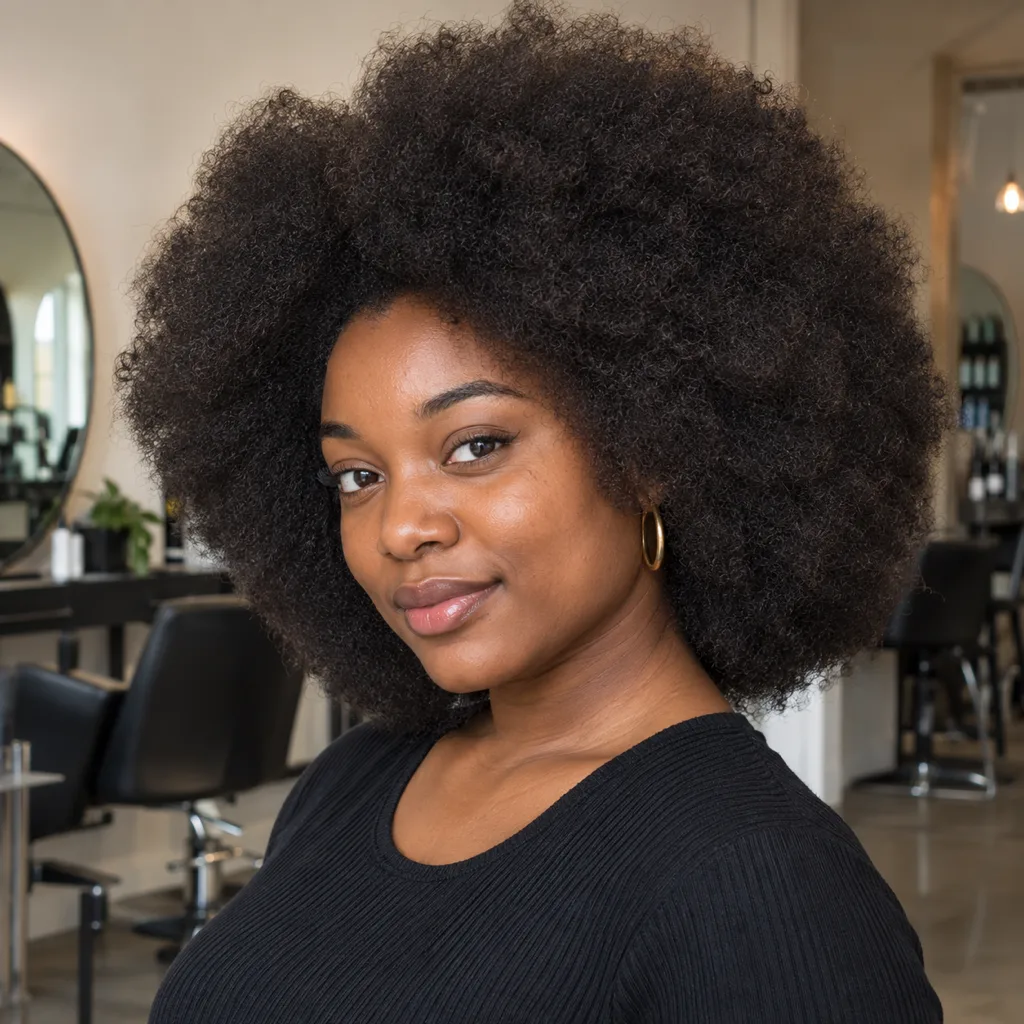
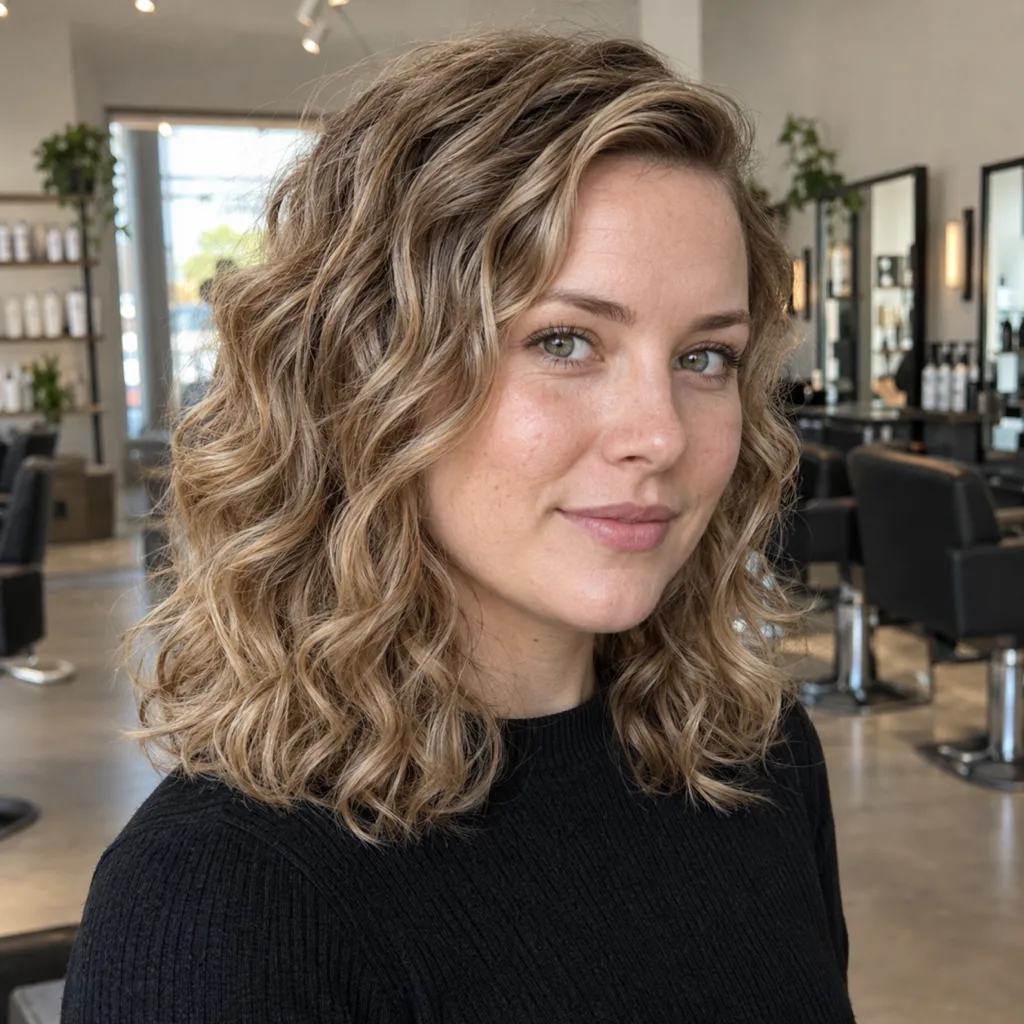
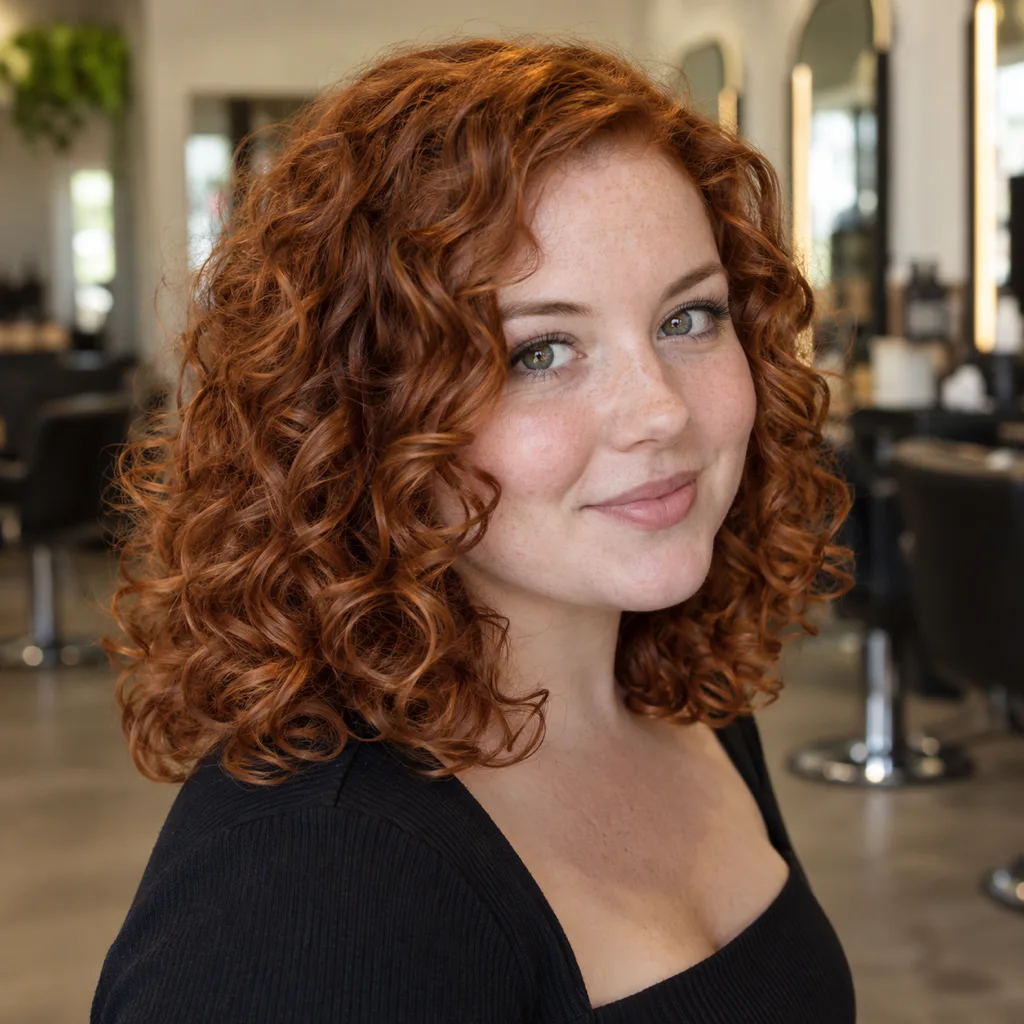
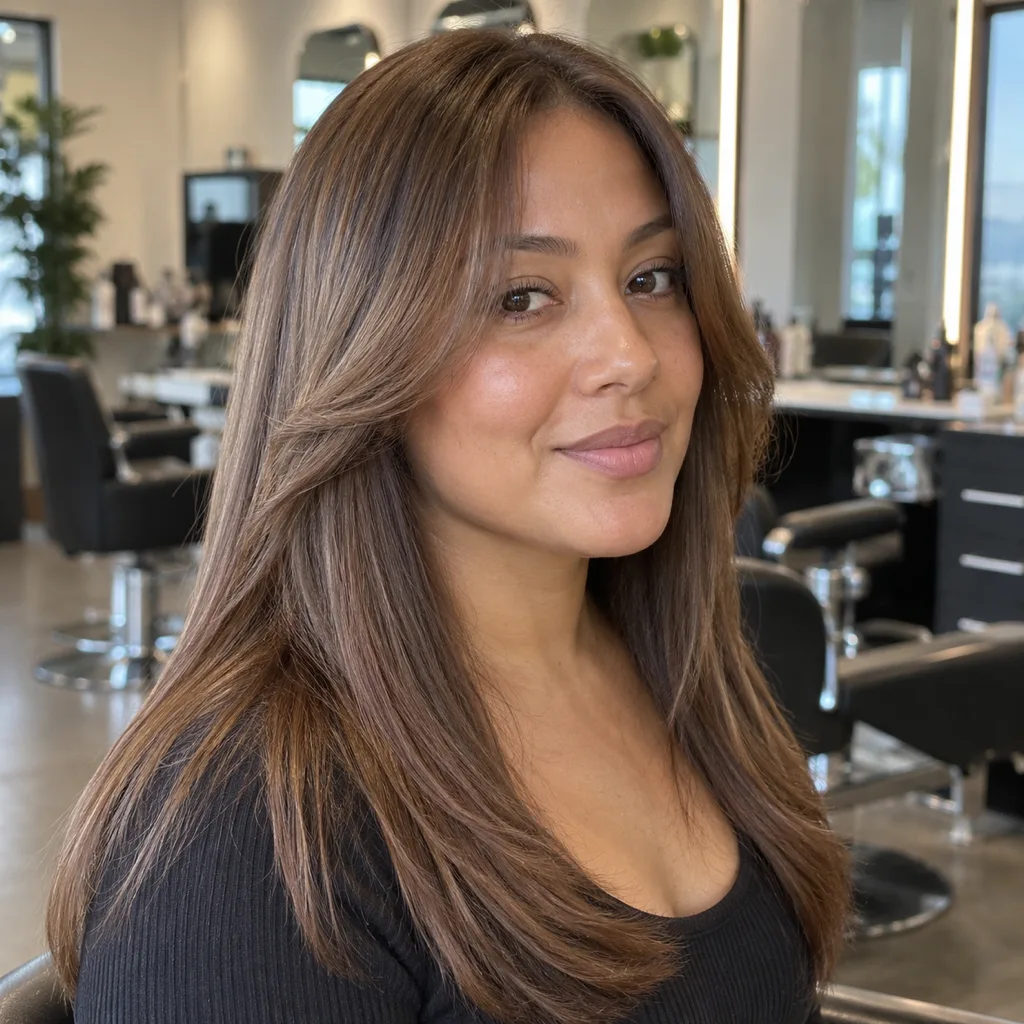
Every look below started as natural curls and ended under a dryer or an iron. Same idea across all fourteen: what changes is the finish, and each finish asks for a different level of protection. Diffused curls need a light spray, blowouts need a cream, and anything flat-ironed needs a serum.
Gallery14 photos · tap to enlarge
 Try this on me
 Try this on me
 Try this on me
 Try this on me
 Try this on me
 Try this on me
 Try this on me
 Try this on me
 Try this on me
 Try this on me
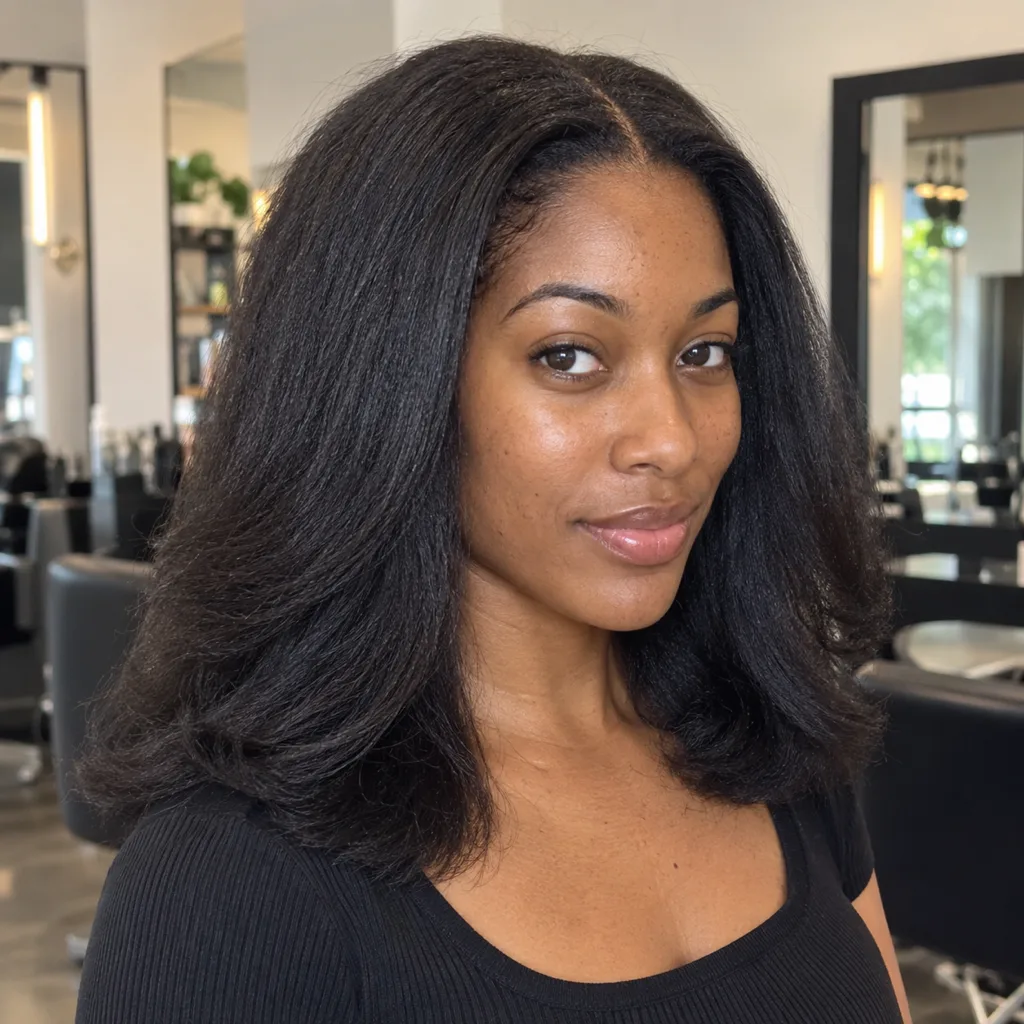 Try this on me
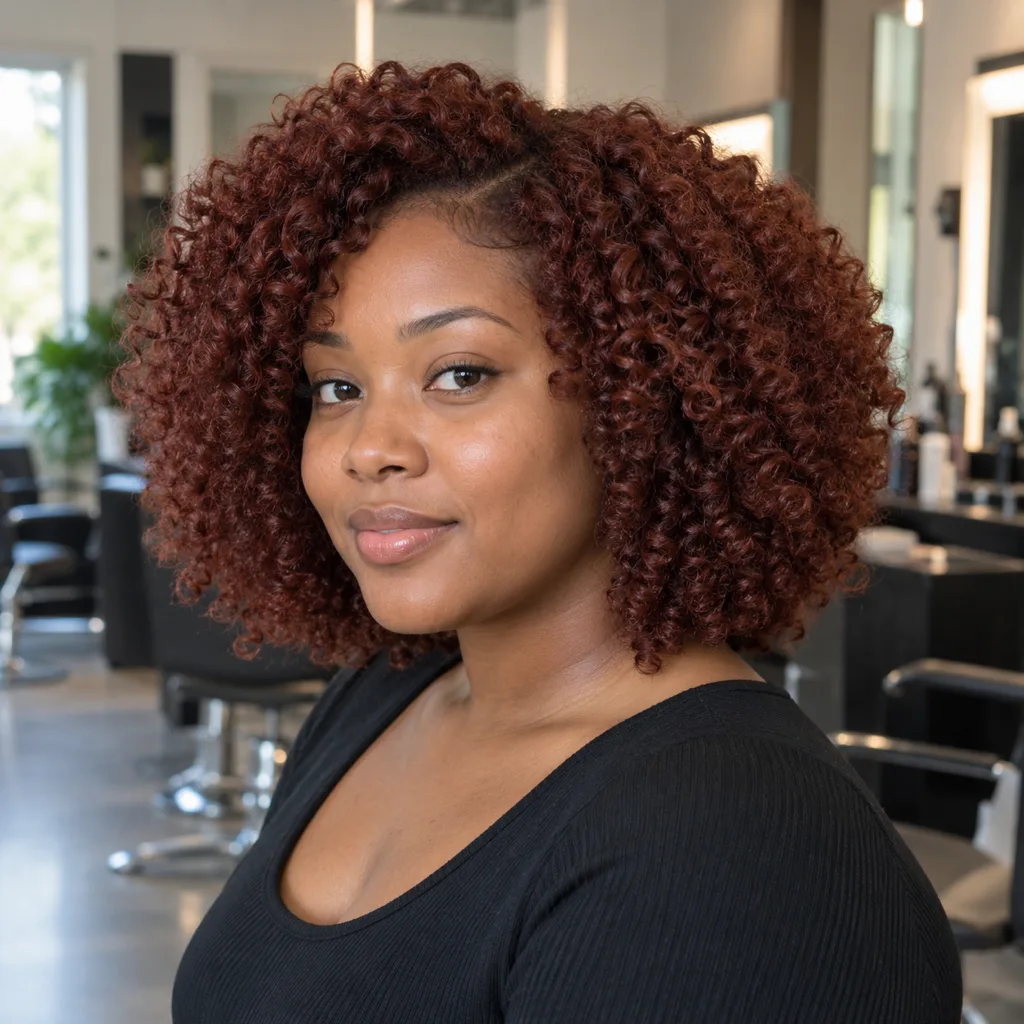 Try this on me
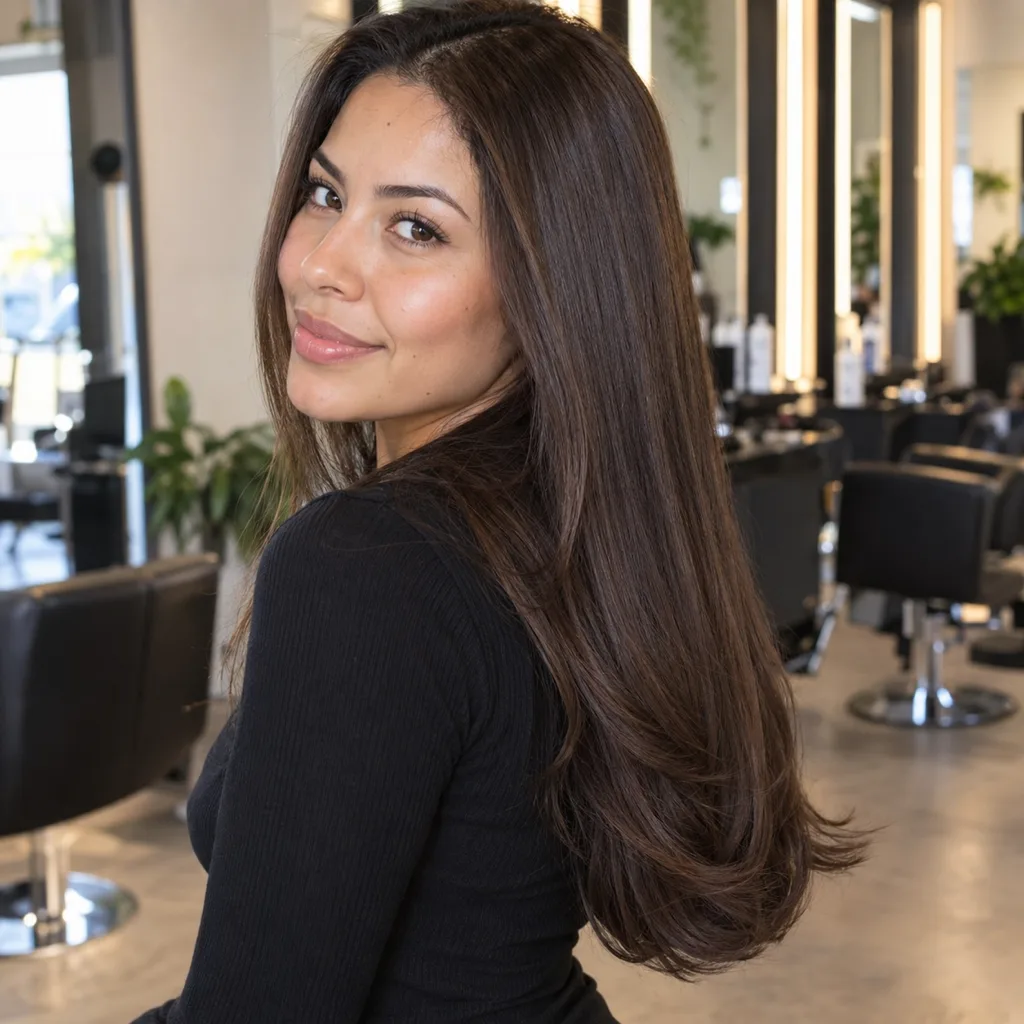 Try this on me
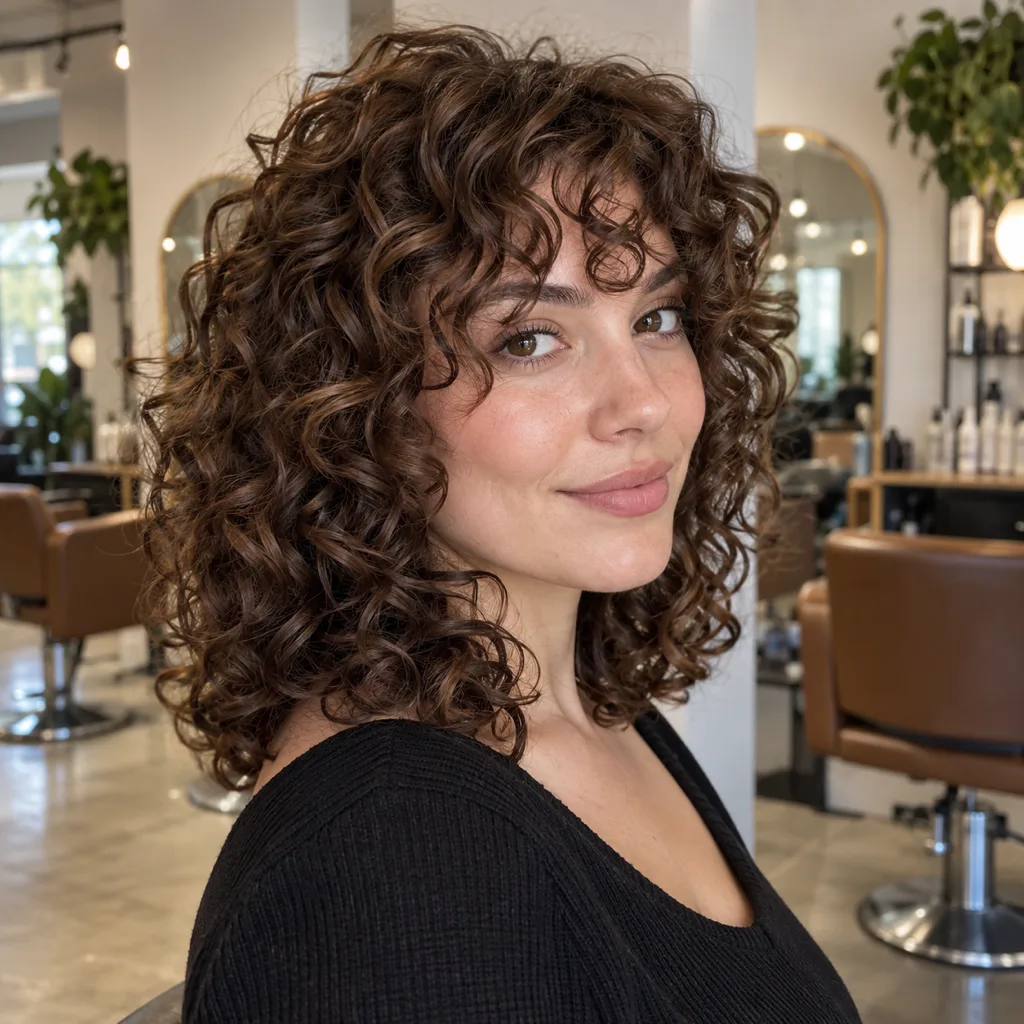 Try this on me
How to choose by curl type
Your curl type decides how heavy a protectant your hair can carry without going flat or greasy. Fine waves collapse under a cream that a coily head drinks in a day. If you are not sure of your type, the 3B hair guide and the 4C hair guide show what each pattern looks like up close.
| Curl type | What it tolerates | Protectant to pick | Watch out for |
|---|---|---|---|
| 2C to 3A waves and loose curls | Light products only | Mist or thin spray | Creams that weigh waves straight |
| 3B to 3C curls | Medium weight | Leave-in cream with heat protection | Skipping the ends, which are the oldest hair |
| 4A to 4C coils | Rich products | Cream for the blowout, serum for the iron | Too much heat to stretch shrinkage |
| Bleached or color-treated curls | Fragile, any weight | Bond-building leave-in plus serum | Any iron setting over 350°F |
Waves and loose curls (2C to 3A)
Loose curls show heat damage first, because there is so little curl to lose. Use a fine mist on damp hair, scrunch it in, then diffuse on low. Our 2C hair guide covers the products that keep that pattern from going flat.
Springy curls (3B to 3C)
These curls are thick enough to need real coverage but still collapse under oils. A leave-in cream that lists heat protection does two jobs at once. Rake it through in sections so every curl gets coated, not just the outer layer.

Coils (4A to 4C)
Coily hair usually meets heat for a stretch or a silk press, which means two rounds: a dryer, then an iron. Use a cream protectant before the blow-dry and a serum before the iron. Shrinkage is not damage, so do not chase every last inch with more heat. The black hairstyles guide has protective styles that keep a press lasting longer.
Bleached or color-treated curls
Lightened curls have already lost part of their outer layer, so they burn at a lower temperature. Keep irons at 350°F or below and add a bond-building treatment to the routine. If you have lifted your color recently, read the bleached hair care guide before you plug anything in.
What to look for on the label
Brand names change every season. Ingredients do not. Turn the bottle over and look for these:
- Silicones such as dimethicone, amodimethicone or cyclopentasiloxane. They form the most heat-resistant film and are the standard in flat-iron serums.
- Film-forming polymers such as PVP or VP/VA copolymer and polyquaterniums. They coat the strand and reduce friction.
- Hydrolyzed proteins such as keratin, wheat or silk. They patch weak spots in the cuticle.
- Panthenol, which helps hair hold onto water.
- A stated temperature rating. If the bottle says "protects up to 450°F", that is the manufacturer's claim for a single pass, not permission to set your iron there.
If you avoid silicones, protectants built on polyquaterniums and proteins exist, but for a flat iron or silk press most stylists still reach for a silicone serum. That is the one place it is worth breaking the rule.
How to straighten curly hair without losing your curl pattern
A silk press is the highest-heat thing most curly-haired people do, so it gets its own section. The goal is maximum smoothness from the fewest passes.
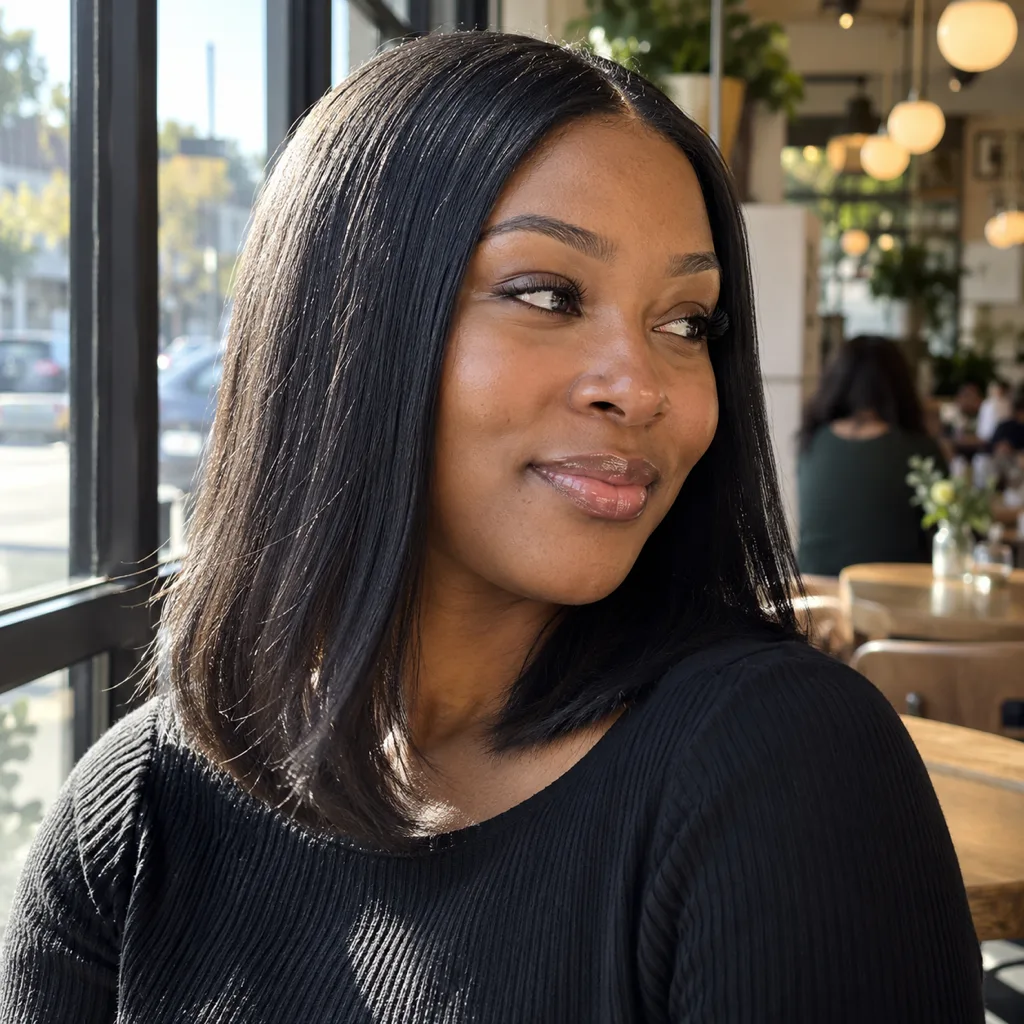
The manual method works. What it cannot tell you is whether you will like yourself with straight hair before you commit three hours and 400°F to finding out. A silk press on curls is a decision you live with for two weeks, and a heat-damaged one for much longer. That is the gap a try-on fills: you can see a silk press on your own face first.
Yours could be here.
Start with one selfie.
One photo, twenty seconds, and you'll know. Free account, no card for your first render.
How to apply heat protectant to curly hair
- Start with clean, conditioned, damp hair
Wash and condition, then squeeze out excess water with a T-shirt or microfiber towel. Product spreads evenly on damp hair but slides off soaking-wet hair.
- Section the hair
Clip it into four to eight sections. Coily and thick hair needs more. A protectant you spray over the top only reaches the outer layer.
- Apply protectant section by section
Spray or rake the protectant through each section from mid-length to ends first, then up to the root. The ends are the oldest hair and need it most.
- Comb it through
Use a wide-tooth comb or your fingers so every strand is coated. Missed patches are where heat damage starts.
- Add curl products on top, not under
For diffusing, layer your curl cream or gel over the protectant. For a blowout, the protectant goes first and alone.
- Dry before any iron
Never put a flat iron or curling iron on damp hair. Blow-dry fully first, then mist a light layer of iron-rated protectant or a drop of serum on each section right before the plates touch it.
- Keep the heat low and the passes few
Set the iron to the lowest temperature that works, and make one slow pass per small section using a comb to guide the iron.
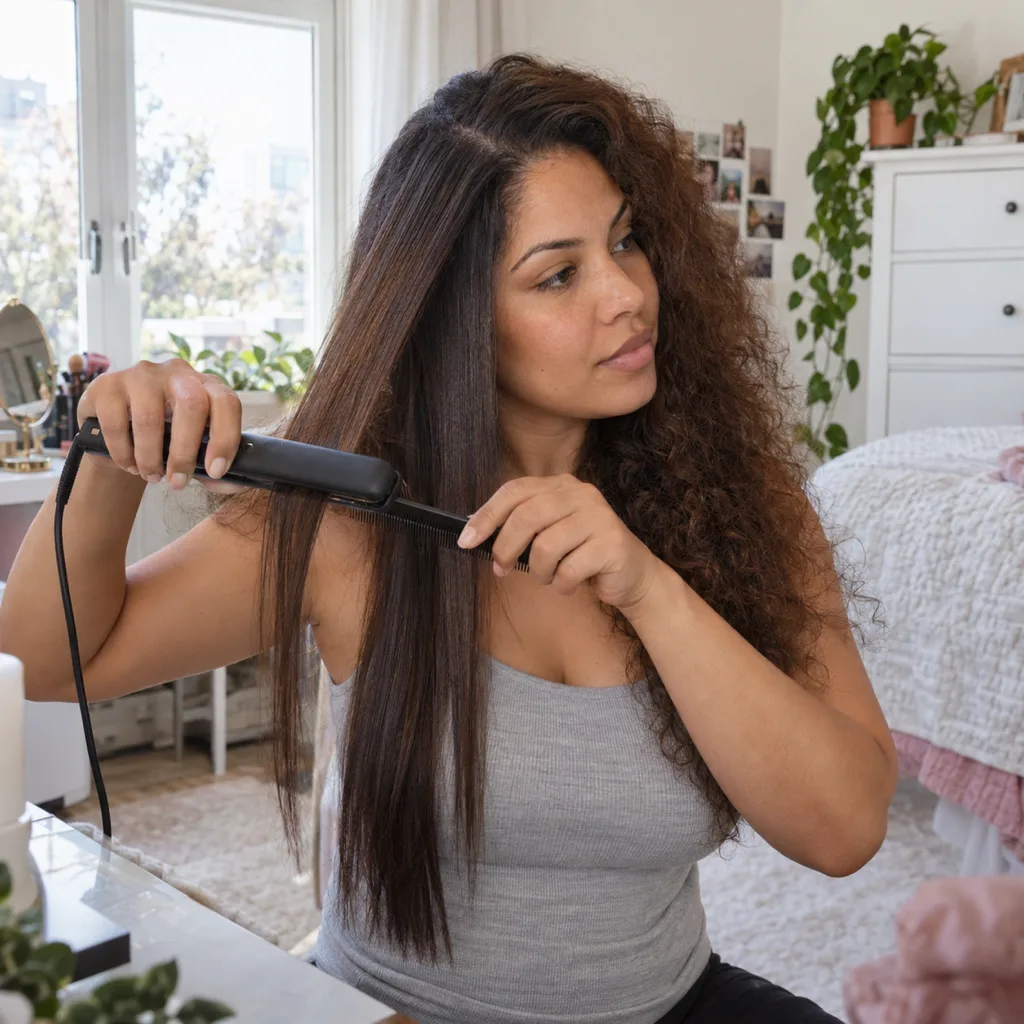
Use a fine-tooth comb just ahead of the plates. It straightens the section as you go, so one pass does the work of three.
What to tell your stylist before a silk press
If someone else is holding the iron, ask before they start. A good stylist will not mind.
Say this to your barber
Please use a heat protectant on every section and keep the iron at 400 or under, one pass per section.
Mistakes that cost people their curls
Heat damage on curly hair does not wash out. The only fix is cutting off the straight ends and waiting for new growth. These are the habits that cause it.
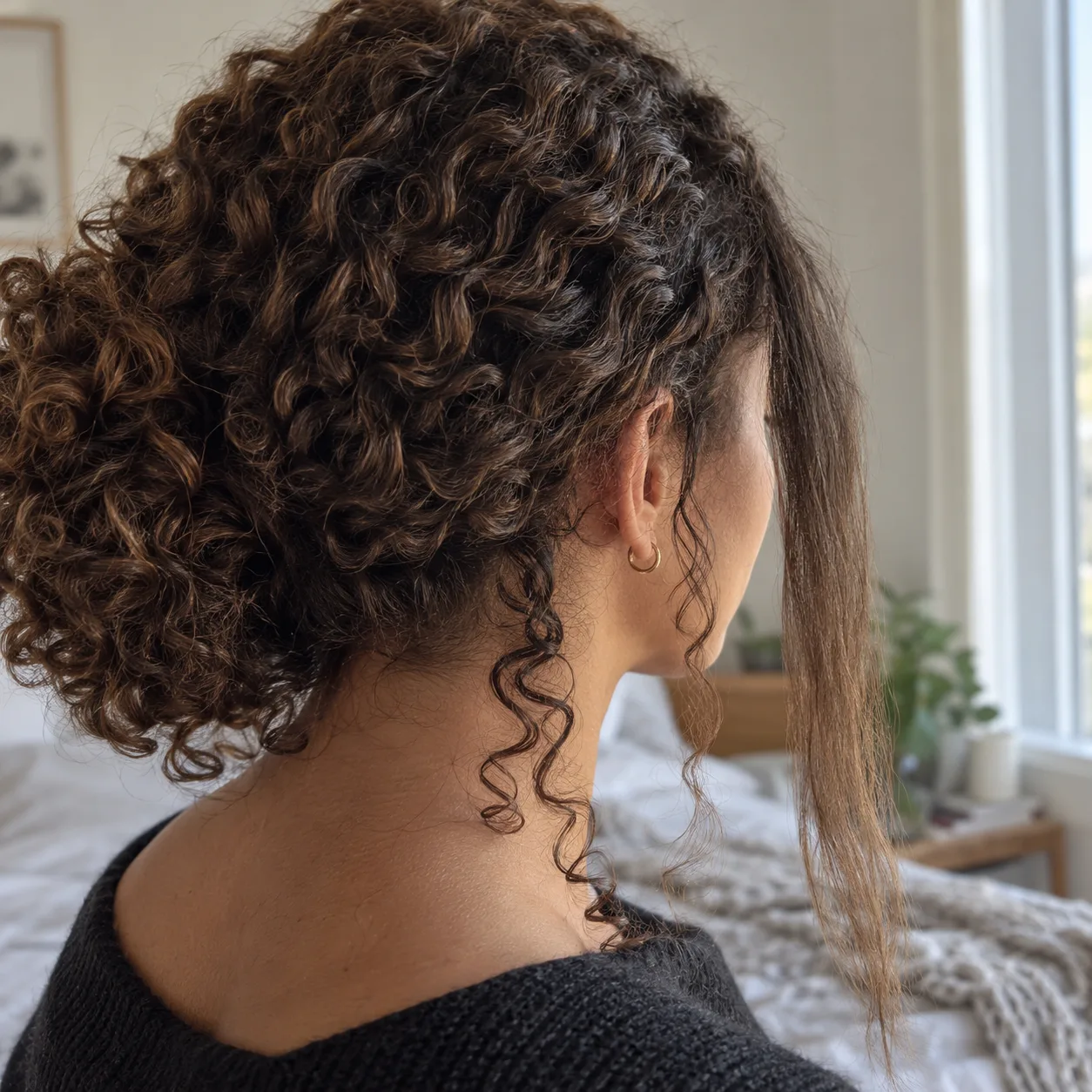
- Turning the iron up instead of sectioning smaller. A section that is too thick needs extra passes or extra heat. Halve the section instead.
- Flat ironing hair that is not fully dry. Water inside the strand boils and swells the cuticle. That sizzle is damage.
- Protecting the top layer only. One spritz over the head misses the hair underneath, which then gets the most heat.
- Repeating presses back to back. The American Academy of Dermatology advises using a flat iron on dry hair at a low or medium setting and no more often than every other day.
- Holding the dryer too close. A study in the Annals of Dermatology found surface damage rose with temperature, and that a dryer held about 15 cm (6 inches) away and kept moving did less damage than letting hair air dry.
- Ignoring the first warning. If a few curls come back looser after a wash, stop all heat for a few weeks and trim those ends. Waiting turns a trim into a cut.
Can you see a silk press on yourself for free?
Yes, once. HairstyleAtlas gives you one free look on your own selfie with no card: one hairstyle and one color, front view. That is enough to see whether straight, sleek hair suits your face before you put an iron on your curls. More looks, angles and HD downloads are on the Plus plan at $9 a month. Details are on the pricing page, and the curly and coily hair try-on shows what else you can preview, from diffused curls to a blowout.
If you only change one thing, change the temperature, not the bottle. Diffuse on low with a light spray, use a cream before a blowout, and save the silicone serum for the iron. Keep the iron at 350 to 400°F, make one pass per small section, and stop at the first curl that does not bounce back. A good heat protectant buys you a margin. A low setting is what keeps your curls.
Frequently asked questions
Yes, whenever you use a blow dryer on medium or high, a flat iron or a curling iron. Curly hair loses moisture faster and its curl pattern can be permanently loosened by heat. If you only diffuse on a cool or low setting, a protectant is optional.
Pick a leave-in cream that lists heat protection and contains silicones or film-forming polymers, plus moisturizers like panthenol. It conditions and protects in one step, which suits 3B to 4C curls. Fine waves do better with a light spray.
Apply it to damp hair before diffusing or blow-drying. Before a flat iron or curling iron, hair must be fully dry, and you add a light layer of iron-rated protectant or serum to each dry section. Follow the bottle if it says otherwise.
Yes, if you diffuse on high heat for a long time with the diffuser pressed against your scalp. On low or medium heat, kept moving, the risk is small. If the diffuser feels too hot on your hand after a few seconds, it is too hot for your curls.
Low or medium heat sets curls faster with more volume and less frizz. Cool air is gentler but can take a long time. Most people get the best result diffusing on low heat to about 80 percent dry, then finishing on cool.
Yes. Apply a cream protectant before the blow-dry, then a light serum or iron-rated spray on each dry section right before flat ironing. For touch-ups between presses, use a light spray so the hair stays sleek, not greasy.
Start with clean, deep-conditioned hair, then a heat protectant on damp hair before blow-drying. Once fully dry, add a silicone serum or iron-rated spray to each section before the flat iron.
Use the lowest setting that gets a smooth result in one pass, often 350 to 400°F. Fine or color-treated hair should stay at 350°F or below. Settings above 400°F raise the risk of losing your curl pattern.
Preview it on your own photo: Virtual Hair Color Try-On.
Share article
About the author
More articles
Women's Haircuts · 14 min
4a Hair: What It Looks Like, Why It Shrinks and 14 Styles That Work
4a hair is the loosest type 4 texture, with round, springy coils that define on their own. How to tell it from 3c and 4b, why it looks shorter than it is, a wash-and-go that lasts days, 4a hair on men, and fourteen ways it is worn.

Women's Haircuts · 12 min
Ammonia Free Hair Dye: Is It Better? 14 Shades and 9 Brands
Ammonia free hair dye swaps the fumes for a gentler alkali, usually MEA. It is great for going darker, richer or blending early grays, but it lifts less and usually still contains PPD. Who it suits, 14 shades and 9 brands.

Women's Haircuts · 12 min
Medium Layered Haircuts: 14 Looks and Where Layers Should Start
Where your shortest layer starts matters more than how many layers you get. 14 medium layered haircuts compared, which suit your face shape and hair type, and the exact sentence to say in the chair.