Black Hairstyles: Find Your Best Look by Hair Type
Oleh Onysko Updated 27 September 2026 10 min read
In this article
Black hairstyles sort into a handful of families: natural shapes like the afro and twist-out, braids like box and knotless, twists and locs, sleek pressed looks, and short tapered cuts. The right one for you is not the photo you screenshot. It is the match between your curl pattern, how healthy your edges are, and how much daily handling your strands can take before they snap.
That last part is the whole game. Get it right and a style lasts weeks and grows your hair. Get it wrong and the cutest install on the internet takes your hairline with it. This guide walks every major family, who each one suits, how long it lasts, and the mistakes that cost people their edges.
The one thing that decides your best look
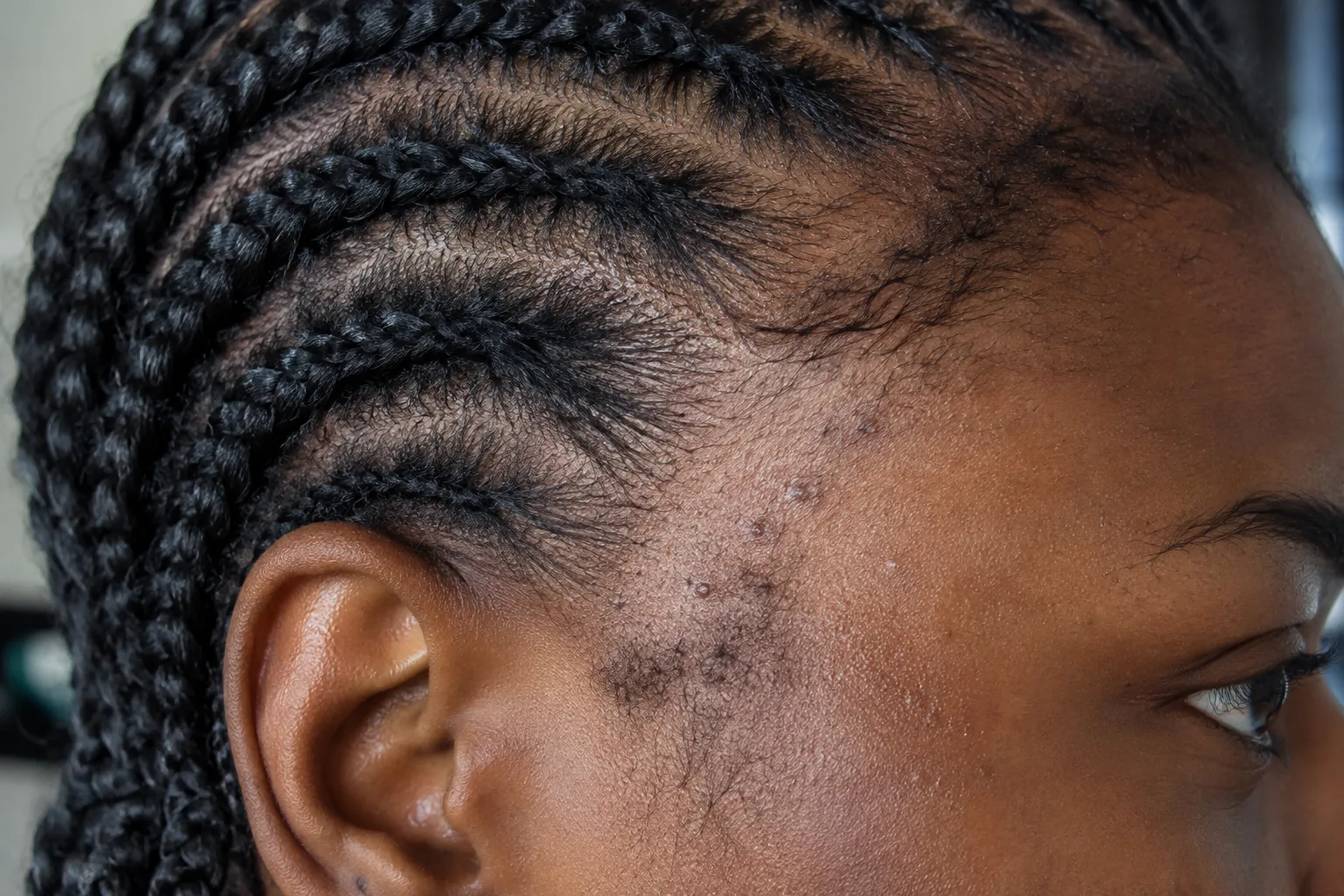
Here is the part most galleries skip. A protective style only protects if the tension is low. Braids and twists that pull at the root, sit heavy, or stay in past their welcome cause traction alopecia, and that thinning around the temples is slow to come back. With twist hairstyles the variable that decides this is parting size, not which twist you picked. So a too-tight install is more damaging than wearing your hair out and moisturized.
Read your hair by two things: your curl pattern, which decides how a style falls and how much shrinkage you fight, and your strand strength, which decides how much braiding, pulling, and heat it survives. Fine 4c strands snap under the same tension that thick 4a coils shrug off. Everything below is organized so you can match a look to both.
Say this to your barber
I want a low-tension protective style that lasts about six weeks and does not pull my edges.
Match the style to your hair type
Curl pattern changes what a style does on your head, not just how it looks in the chair. This table is the fast version.
| Hair type | What it does | Best-matched styles | Watch for |
|---|---|---|---|
| 3c | Tight corkscrews, defined, some shrinkage | Wash-and-go, silk press, twist-out, box braids | Heat damage loosening the curl |
| 4a | Springy coils, holds definition | Twist-out, faux locs, knotless braids, puff | Dryness at the ends |
| 4b | Z-shaped, cottony, more shrinkage | Bantu knots, cornrows, afro, flat twists | Single-strand knots |
| 4c | Tightest pattern, up to 75 percent shrinkage | Protective braids, twists, TWA, low-manipulation styles | Breakage from over-combing |
Natural styles: afro, twist-out, wash-and-go
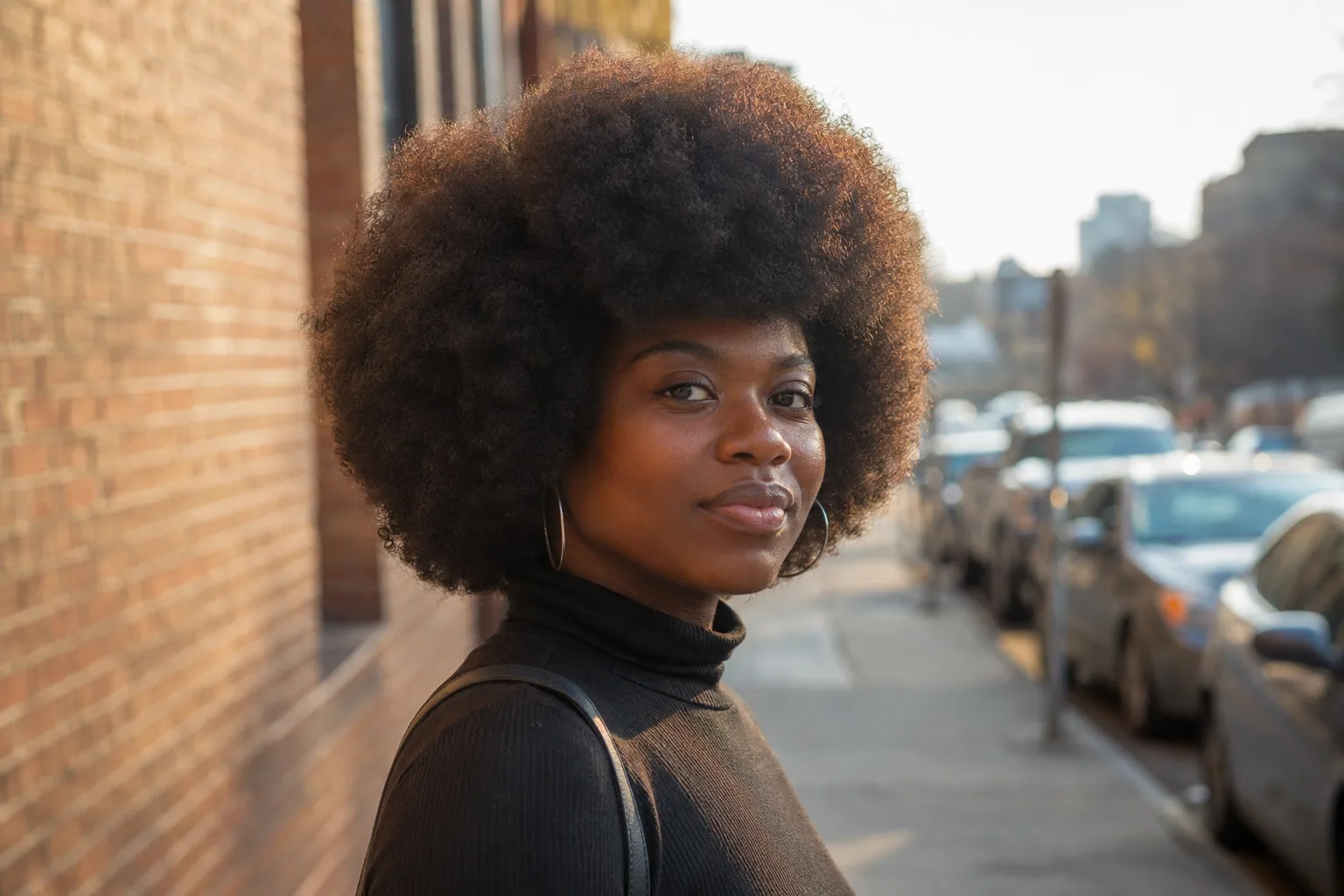
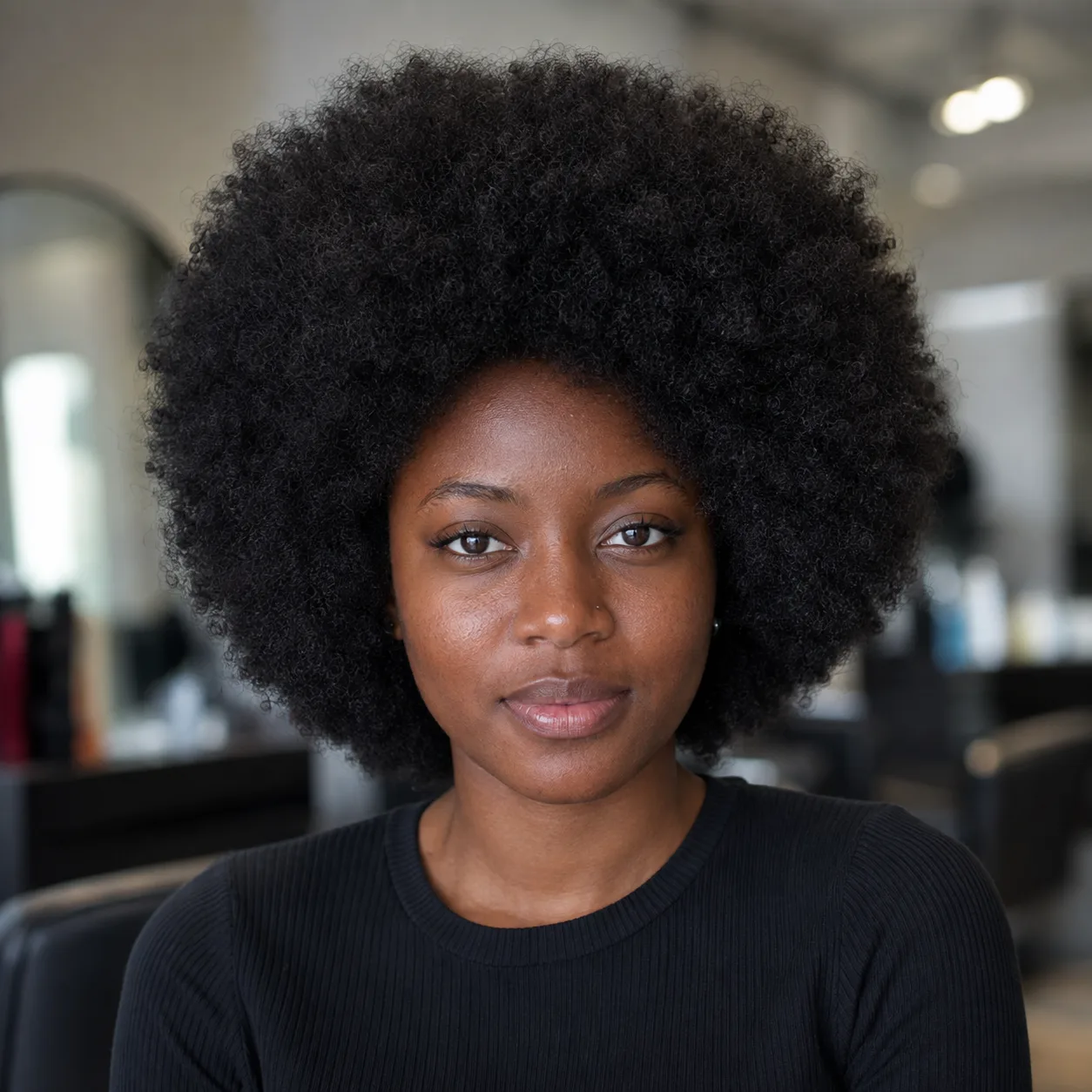
These wear your own texture out, with no extensions. The afro is the shape everyone pictures, and it reads best when the hair is moisturized and shaped up so the outline is even. A twist-out gives you stretched, defined coils without heat: two-strand twist damp hair at night, unravel in the morning, fluff the roots. A wash-and-go is the lowest effort of the three, a leave-in and a curl cream on soaking-wet hair, but it drinks product and shrinks the most.
The trade-off across all three is shrinkage versus definition. The tighter your pattern, the more your styled length disappears, and that is normal, not a failure of the style.
Braids: box, knotless, fulani, cornrows
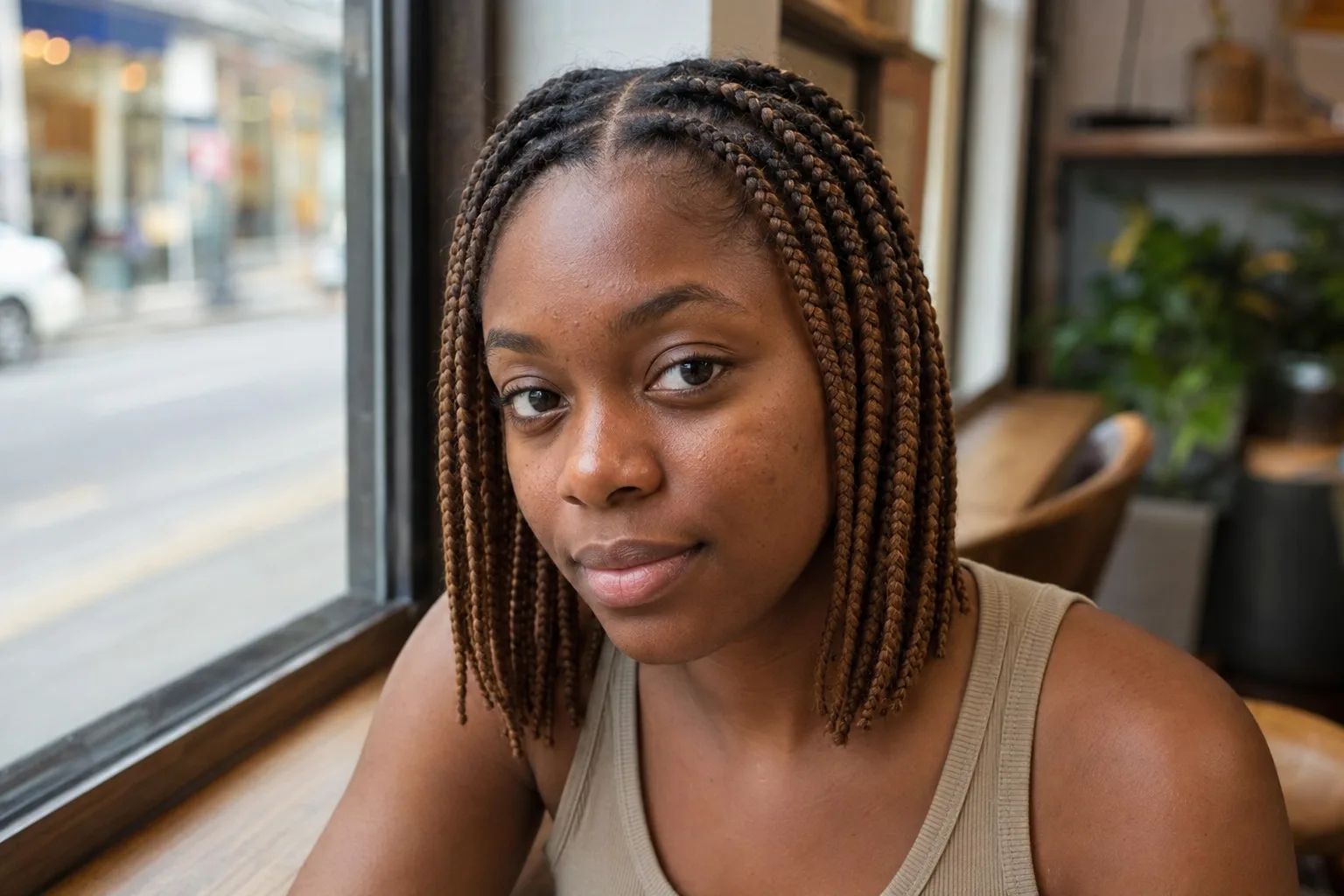
Braids are the backbone of Black protective styling. Box braids are the classic three-strand plaits sectioned into squares, sturdy and endlessly restyleable. Knotless braids start with your own hair and feed the extension in, so there is no hard knot at the root, which means less tension and less of that first-day tight feeling. Fulani braids mix cornrows with hanging braids and often beads. Cornrows sit flat to the scalp and are the base for feed-ins and most updos, and the small-number, thick-row version everyone books now is the straight-back set named after Pop Smoke.
Braids are the single most-searched Black hairstyle for a reason: install once, wake up ready for four to six weeks. The catch is the install. If your scalp is sore or you see little bumps along the hairline the first night, it is too tight. Say so before you leave the chair.
Yours could be here.
Start with one selfie.
One photo, twenty seconds, and you'll know. Free account, no card for your first render.
Braiding splits into scalp-attached and free-hanging, and which family you pick decides your wear time before the style name does.
Twists and locs
Two-strand twists, passion twists, and Senegalese twists give you the braided look with a softer, ropier texture and usually a faster install. Faux locs wrap extension hair to mimic real locs for a few weeks with no commitment. Starter locs are the real thing, coils you let mat and lock over months into permanent locs. Locs are the lowest-manipulation long-term style there is, but the early stages need patience and a light hand.
Sleek and pressed: silk press, ponytail, puff
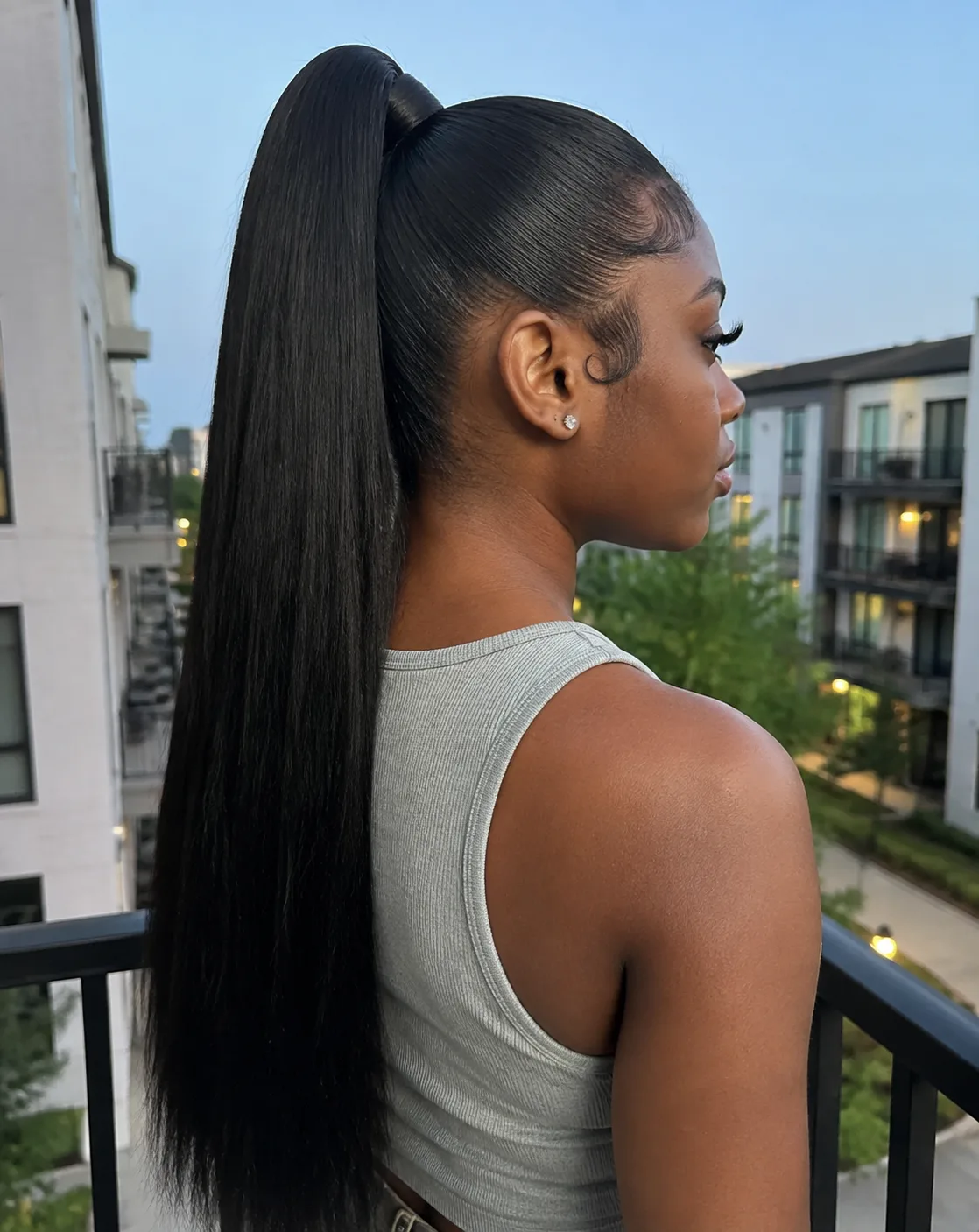
When you want your natural hair straight and swingy, a silk press uses a blow-out and flat iron with heat protectant to press 4-type hair smooth without a relaxer. It is gorgeous and completely reversible, until you use too much heat too often and the curl stops bouncing back. Keep it to 400 degrees or lower, one pass, and a good heat protectant. A sleek pulled-back ponytail or a high afro puff is the five-minute option when you want off your face without an install.
Short cuts: TWA, tapered, pixie
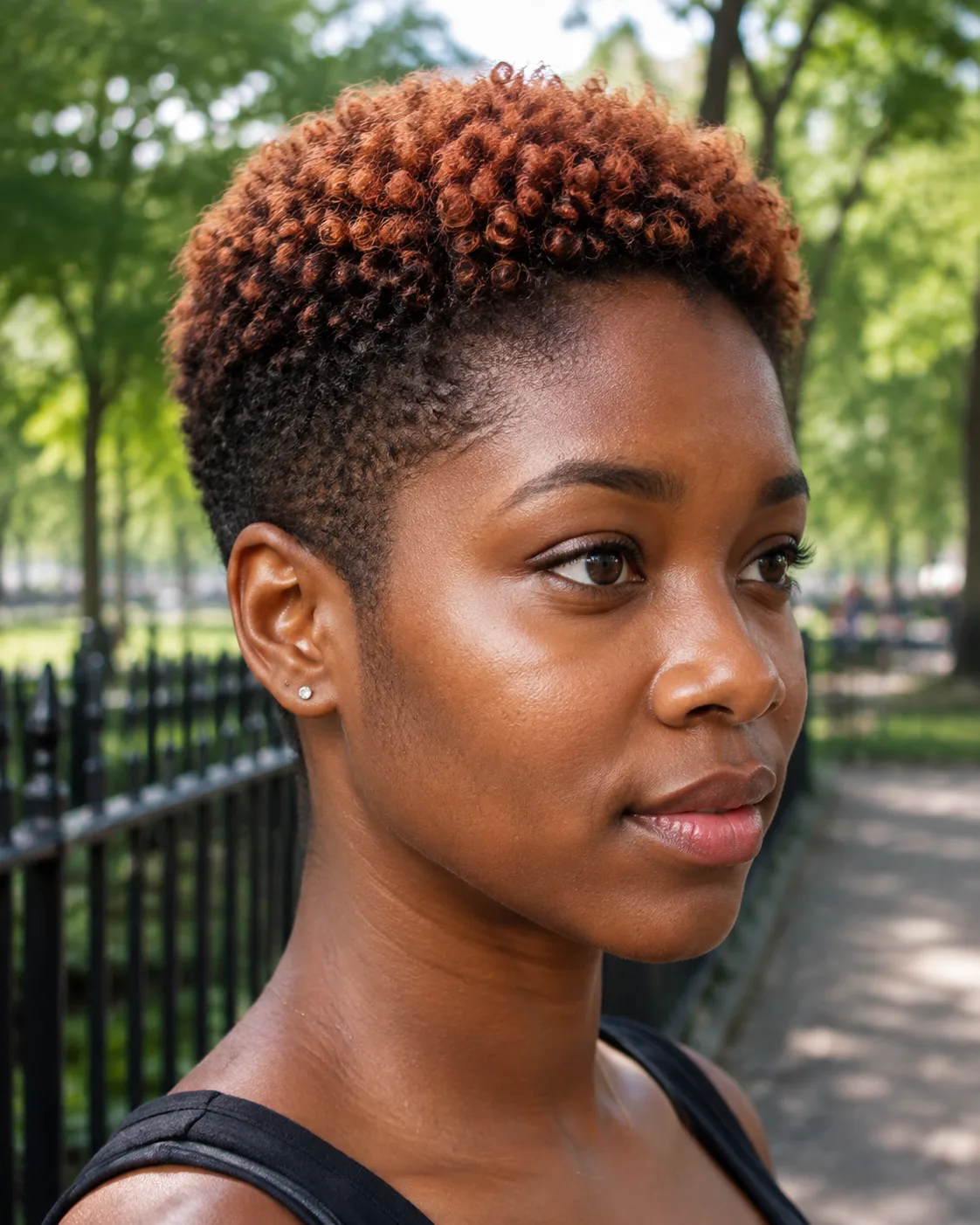
A TWA, a teeny weeny afro, is the fresh-start cut after a big chop, and it is the easiest style to maintain on this whole list: wash, moisturize, go. A tapered cut keeps length on top and fades the sides, so your coils get shape and movement. Short does not mean plain. Color, a defined twist-out on top, or a sharp lineup all change the look completely.
The mistakes that cost you edges
The searches under Black hairstyles are mostly regret-avoidance, so here is what actually goes wrong.
- Braids too tight. The number one cause of traction alopecia. Pain is not a sign it will last longer, it is a sign of damage.
- Leaving a protective style in too long. Past six to eight weeks, matting and product buildup at the roots pull as they grow out. Take it down on time.
- Heat with no protectant. One hot flat iron pass without protectant can heat-train a curl straight for good.
- Skipping the scalp. Protective does not mean set-and-forget. Oil the scalp, cover at night with satin, moisturize the leave-out.
- Copying a look your texture cannot hold. A style photographed on 3c hair falls differently on 4c, and that is not on you.
See how a style looks on you first
The gap every one of these has in common: a photo is on someone else's head, with their face shape, their length, their color. Trying it in real life means hours in a chair or a cut you cannot undo. That is the wall. You can jump it by uploading a selfie and previewing the style on your own face before you book anything.
A gallery of Black hairstyles to try
One look per family, so you can see the range in one place. Tap any style you want on your own face.
Gallery8 photos · tap to enlarge
 Try this on meTry this on me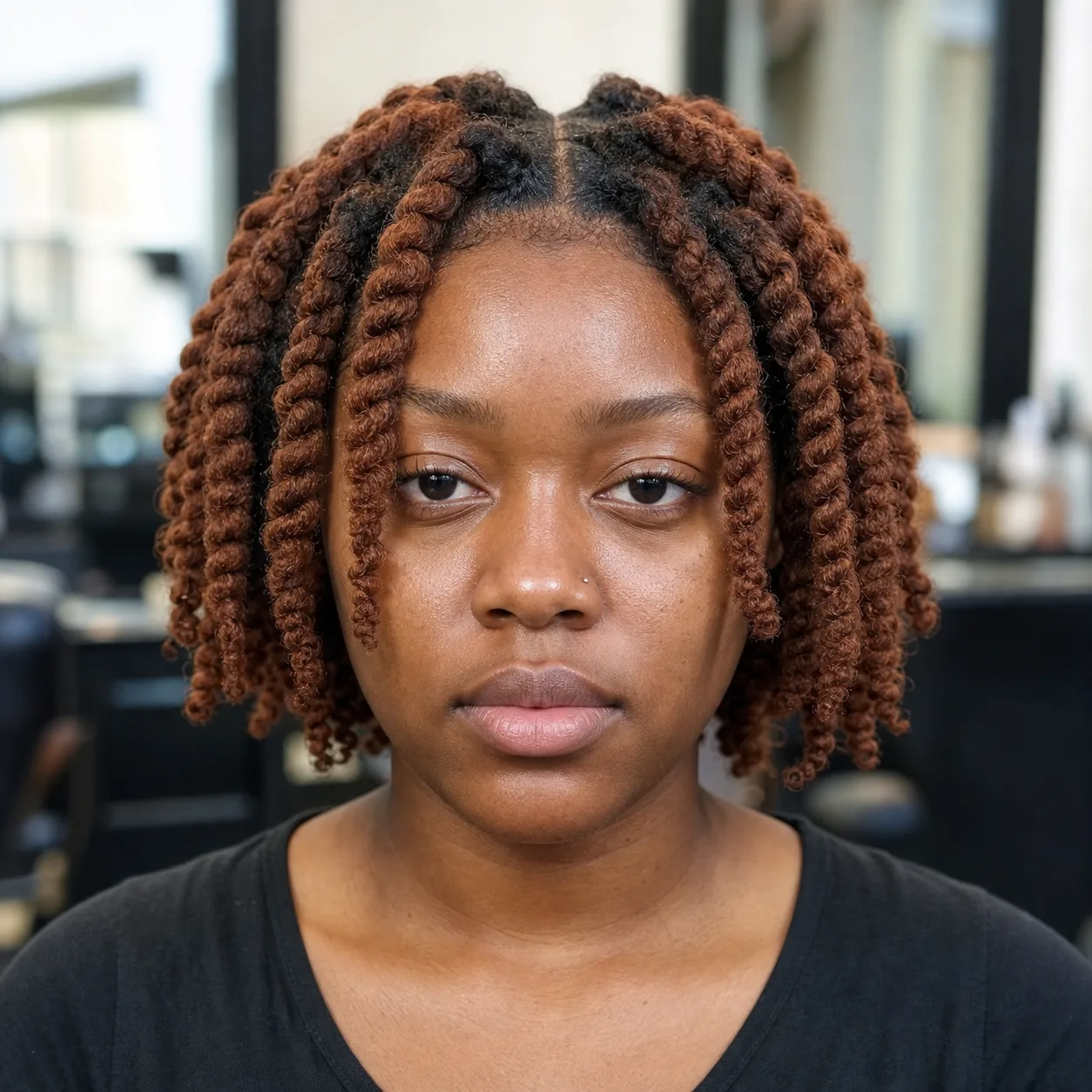
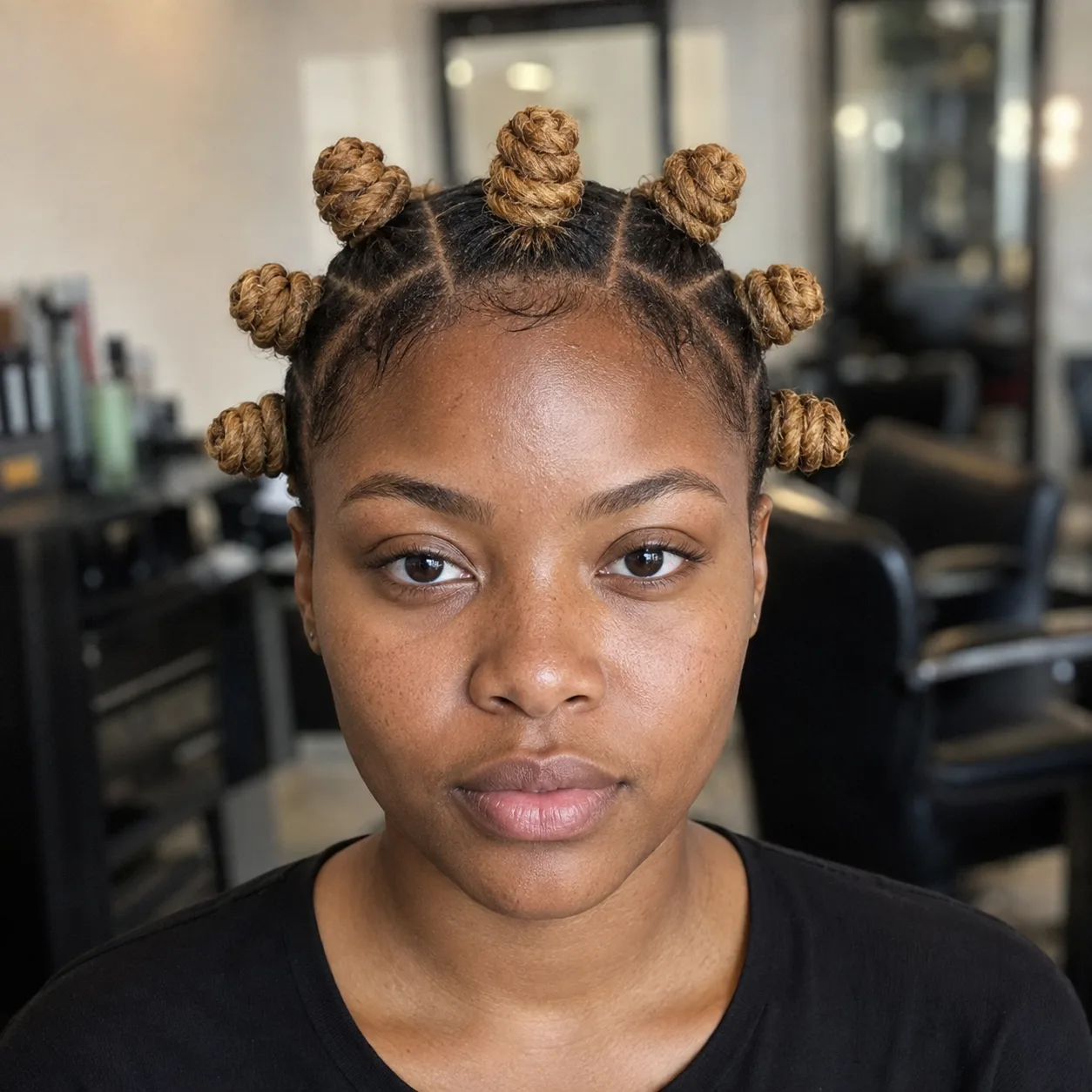 Try this on meTry this on meTry this on me
Start from your hair, not the screenshot. Know your curl pattern, be honest about how much tension and heat your strands take, and pick the family that fits, natural, braided, twisted, pressed, or short. Keep the install low-tension, take it down on time, and moisturize underneath. That is how a Black hairstyle looks good the day you get it and leaves your hair better than it found it.
Frequently asked questions
Braids, and box braids specifically, are the most-searched and most-worn Black hairstyle. They protect the hair, last four to six weeks, and restyle into buns, ponytails, and updos, which is why they top the list year after year.
They fall into families: natural shapes like the afro, twist-out, and wash-and-go; braids like box, knotless, fulani, and cornrows; twists and locs; sleek pressed looks like the silk press and puff; and short cuts like the TWA and tapered cut.
A TWA, the short natural cut after a big chop, is the lowest maintenance: wash, moisturize, and go with no daily styling. Among longer styles, knotless braids need the least upkeep for the longest stretch.
Knotless braids are the standout for most people because they start with your own hair and add no knot at the root, so there is less tension than box braids while lasting just as long. The best one for you is whichever your strands hold with the least pulling.
Tightly coiled hair is naturally drier and more fragile at the bends of each coil, so it breaks more easily with daily combing and manipulation. Protective styles tuck the ends away and cut handling to a minimum, which lets the hair retain length and grow.
Start simple: wash, deep condition, and moisturize with a leave-in, then pick one low-effort style like a wash-and-go, a puff, or two-strand twists. Learn your curl pattern first, keep a satin bonnet for nights, and add braids or a silk press once the basics are routine.
4c hair suits low-manipulation protective styles best: bantu knots, flat twists, cornrows, box and knotless braids, faux locs, and a shaped afro or TWA. Twist-outs give definition without heat, and a puff is the fast everyday option.
Knotless and boho knotless braids, goddess and faux locs, sleek high ponytails, defined twist-outs, and bold color on braids are all running strong, alongside a return to short tapered natural cuts and healthy, low-tension installs over the tightest styles.
Preview it on your own photo: Virtual Hair Color Try-On.
Share article
About the author
More articles
Women's Haircuts · 14 min
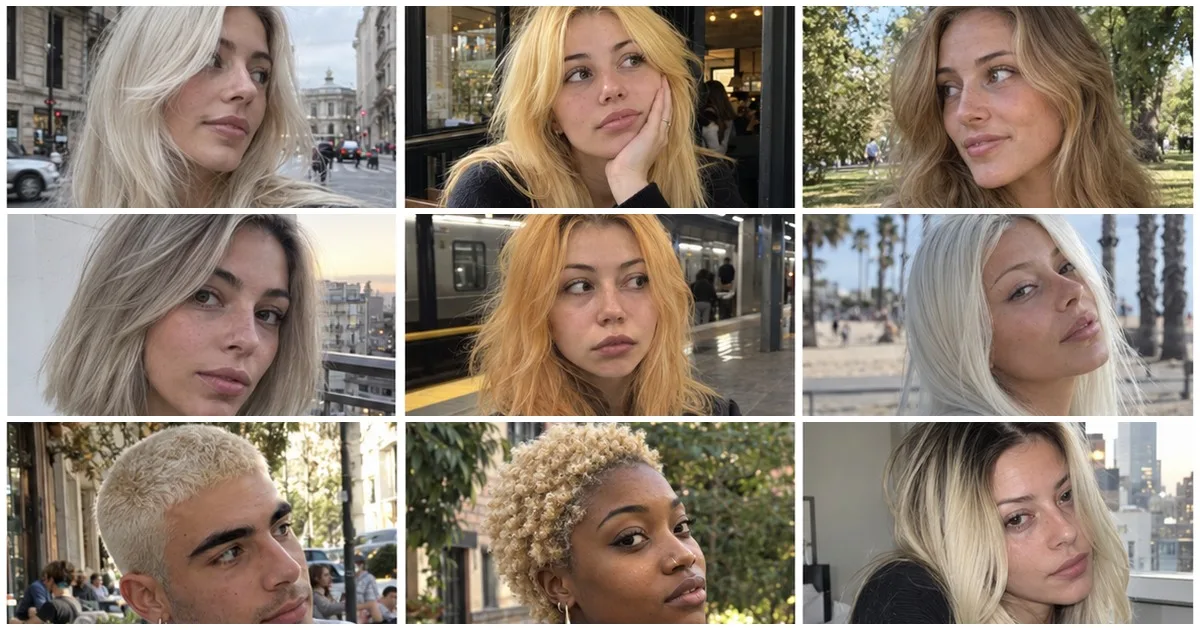
Bleached Hair: How Light Yours Can Go, 14 Shades, Aftercare
How light your bleached hair can go depends on where it starts. See 14 bleached shades on one cut, what each starting color can reach in one session, how toner finishes the job, and the aftercare that keeps it soft.
Women's Haircuts · 16 min
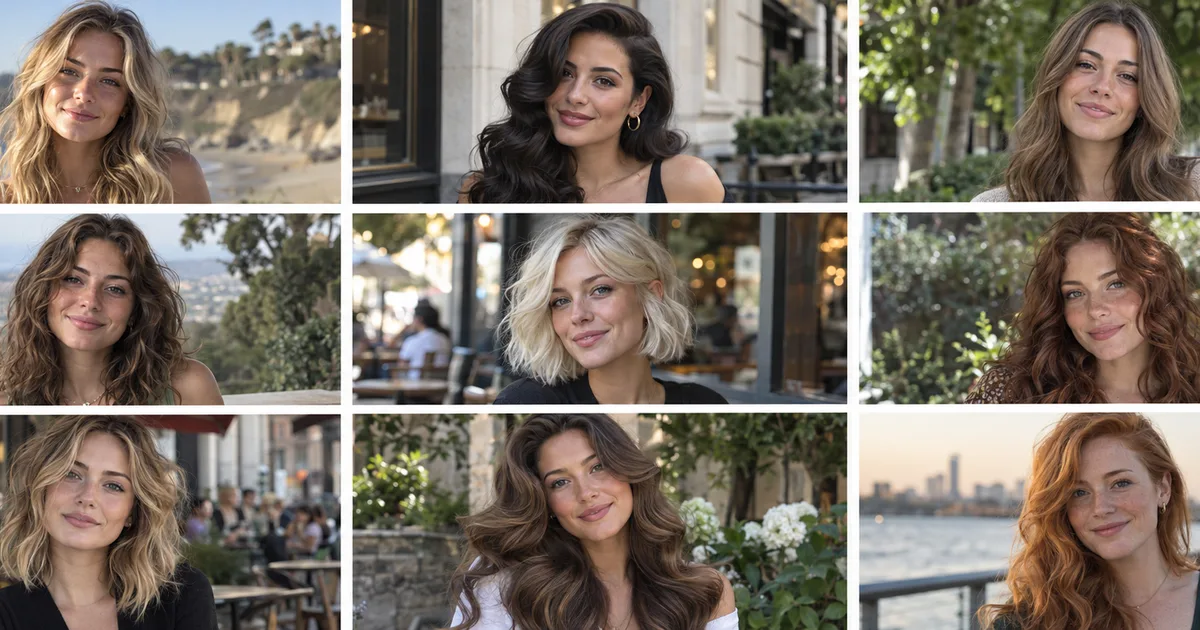
Waves Hair: How to Get Beach, Loose and Hollywood Waves That Last
Waves hair is about what you leave straight. How to get beach, loose, Hollywood and heatless waves, which wave suits your hair type, and why your waves keep falling out.
Women's Haircuts · 15 min
Fino Hair Mask: Who It Suits, How to Use It, and Its Limit
The Fino hair mask makes dry, bleached and frizzy hair smooth and shiny in one use, mostly by coating it. Here is what is in the jar, which hair types it suits, exactly how to use it, and what to do when the ends are past a mask.