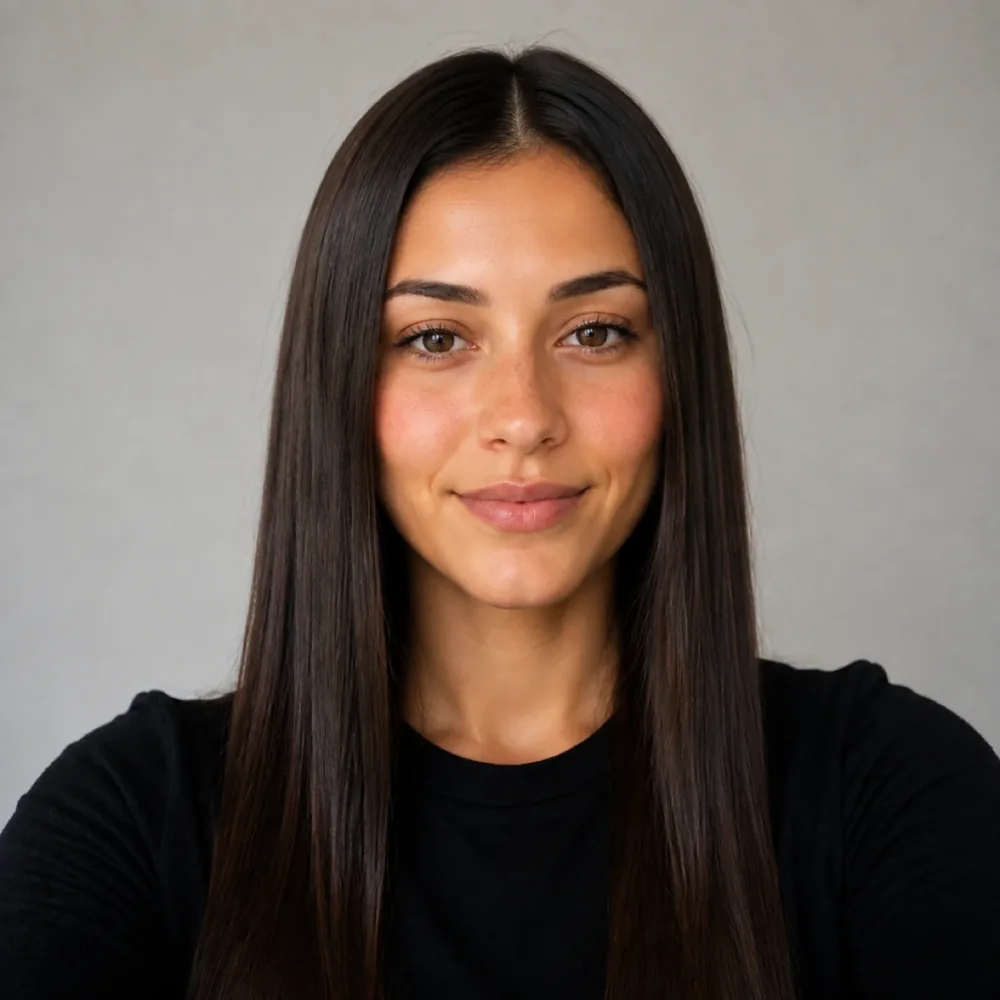
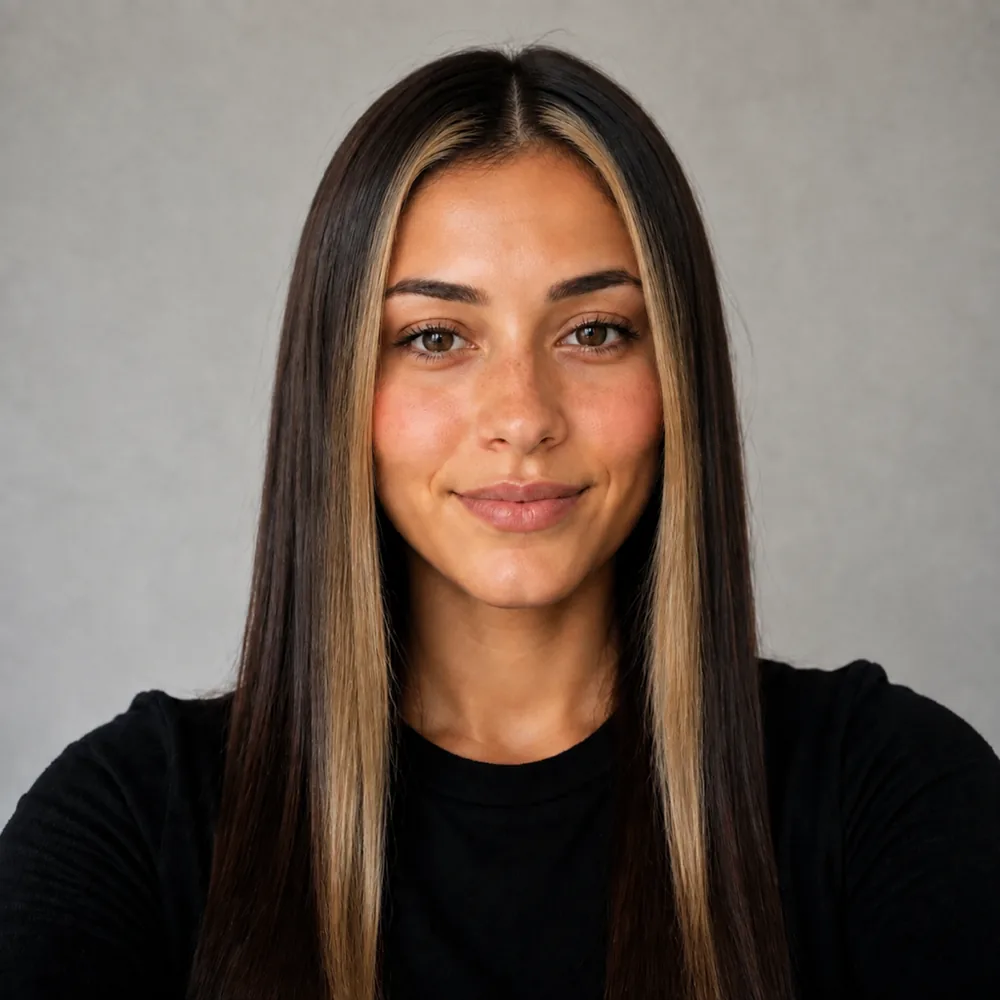
Highlights and Lowlights: 14 Pairings and Which Suits Your Base
Oleh Onysko 23 November 2026 12 min read
In this article
Highlights are strands colored lighter than your natural shade, and lowlights are strands colored darker. Done together, they weave three tones through your hair (light, your base and dark), which is what makes color look like it grew that way instead of like it came out of a foil.
Here is the part most people get backwards: when highlights start looking flat, brassy or washed out, the fix is almost never more blonde. It is a few darker strands. Lowlights are what give highlights something to stand out against, so the brightest looking hair in the salon often has the most lowlights in it.
See this color on your own face
Drop in a selfie and get your first look free. No card.
Continue without a photo Your photo stays yours
What is the difference between highlights and lowlights?
Highlights lift a strand above your base, usually with lightener (bleach) or a high-lift color. Lowlights deposit color a level or two below your base, so they need no lightening at all. That one difference drives everything else: cost, damage, upkeep and who each one suits.
| Highlights | Lowlights | Both together | |
|---|---|---|---|
| What it does | Lightens strands 2 to 4 levels above your base | Darkens strands 1 to 2 levels below your base | Light and dark strands woven through your base |
| Product used | Lightener or high-lift color | Deposit-only or demi-permanent color | Both, in alternating foils |
| Damage | Highest, because the strand is lifted | Low, nothing is lifted | Medium, only half the foils are lightened |
| Best on | Dark blonde, brown and black hair that wants brightness | Blonde or over-highlighted hair that went flat | Anyone who wants dimension without a big shift |
| Grow-out | Visible line at the root after 6 to 8 weeks | Soft, the root is close to the lowlight | Softest, the root lands between two tones |
| Main risk | Brassiness and over-blonding | Looking muddy if the shade is too dark | Too many foils, so the base disappears |
If you remember one rule, make it this: highlights add brightness, lowlights add depth, and hair only looks dimensional when it has both. On a full head of highlights, the lowlights are the part that keeps it from reading as one flat blonde. Our partial highlights guide covers the lighter-only version if you want brightness on top and nothing darker.
Highlights and lowlights on 14 base colors
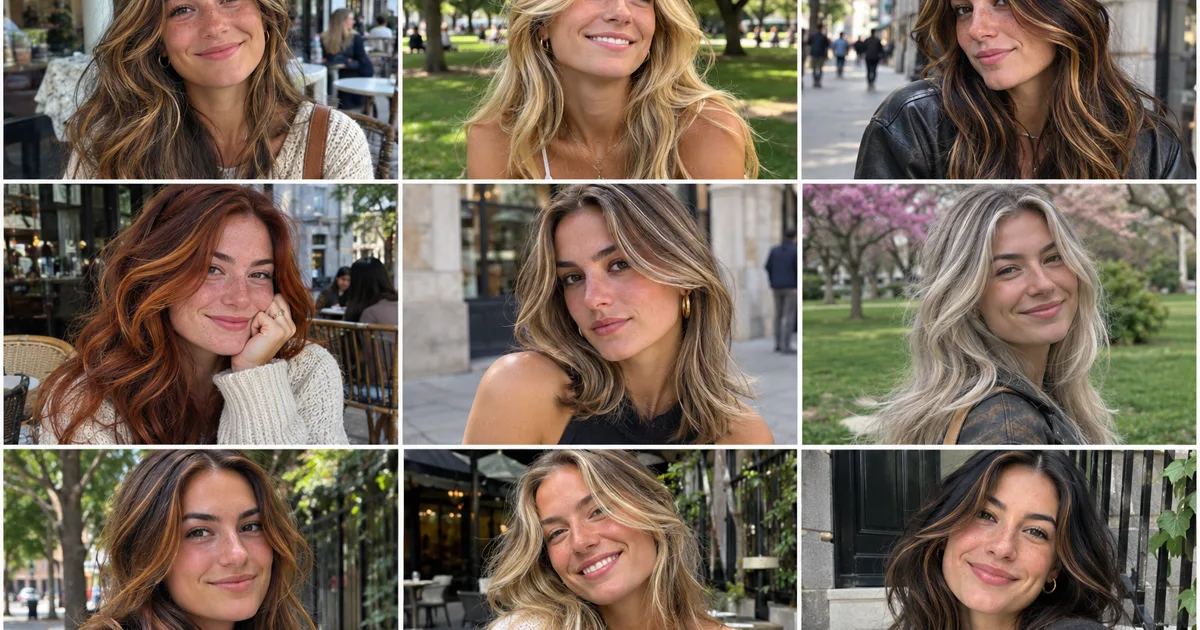
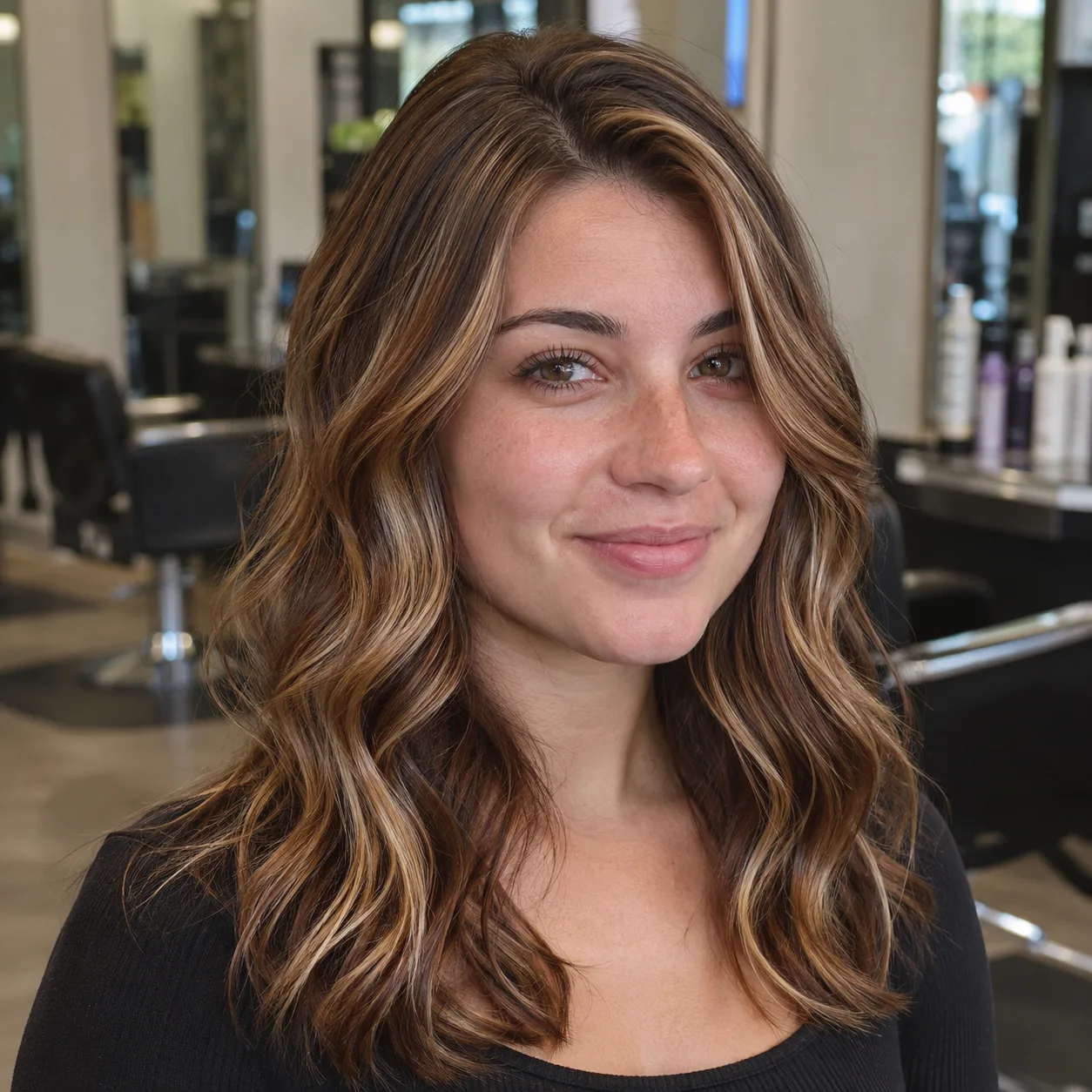
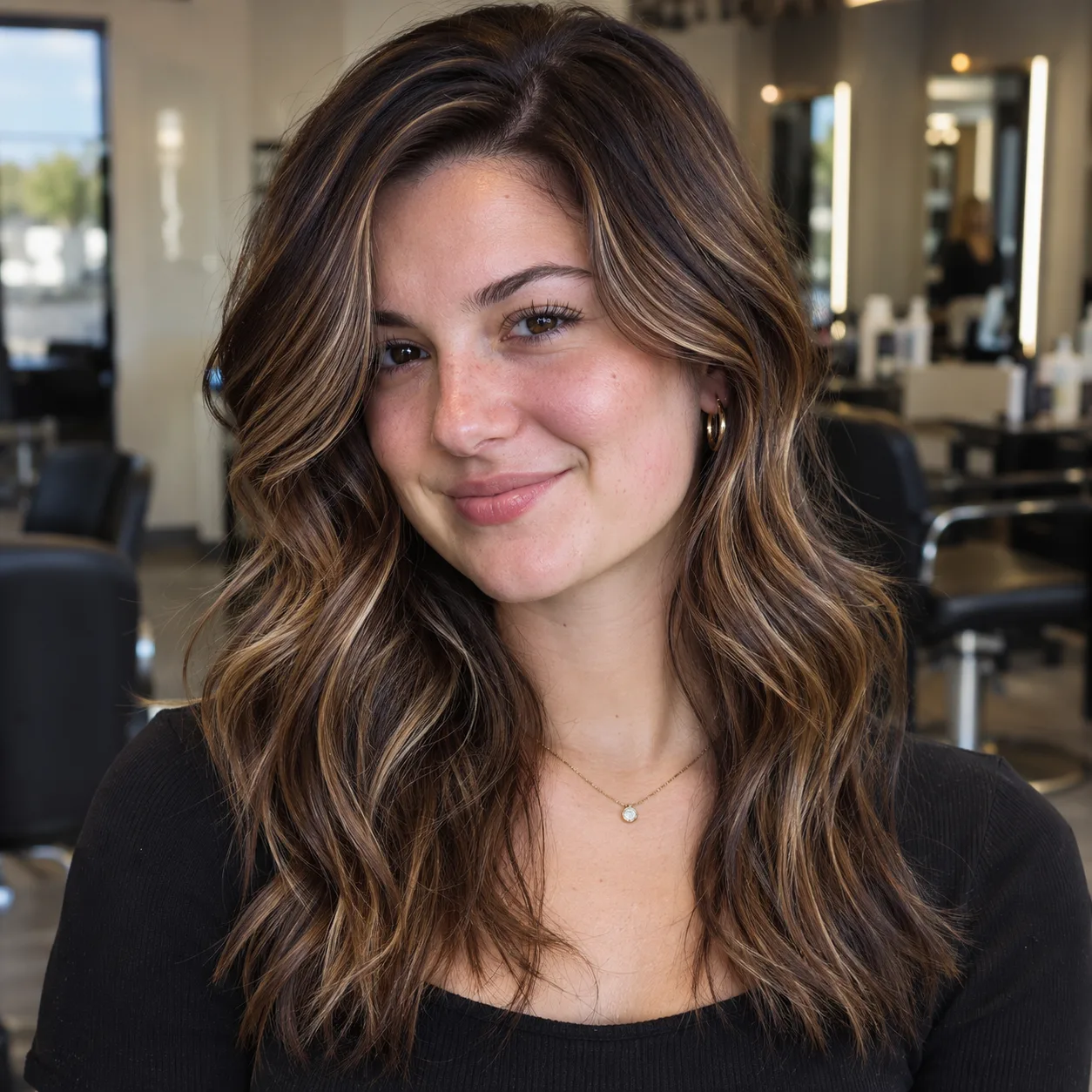
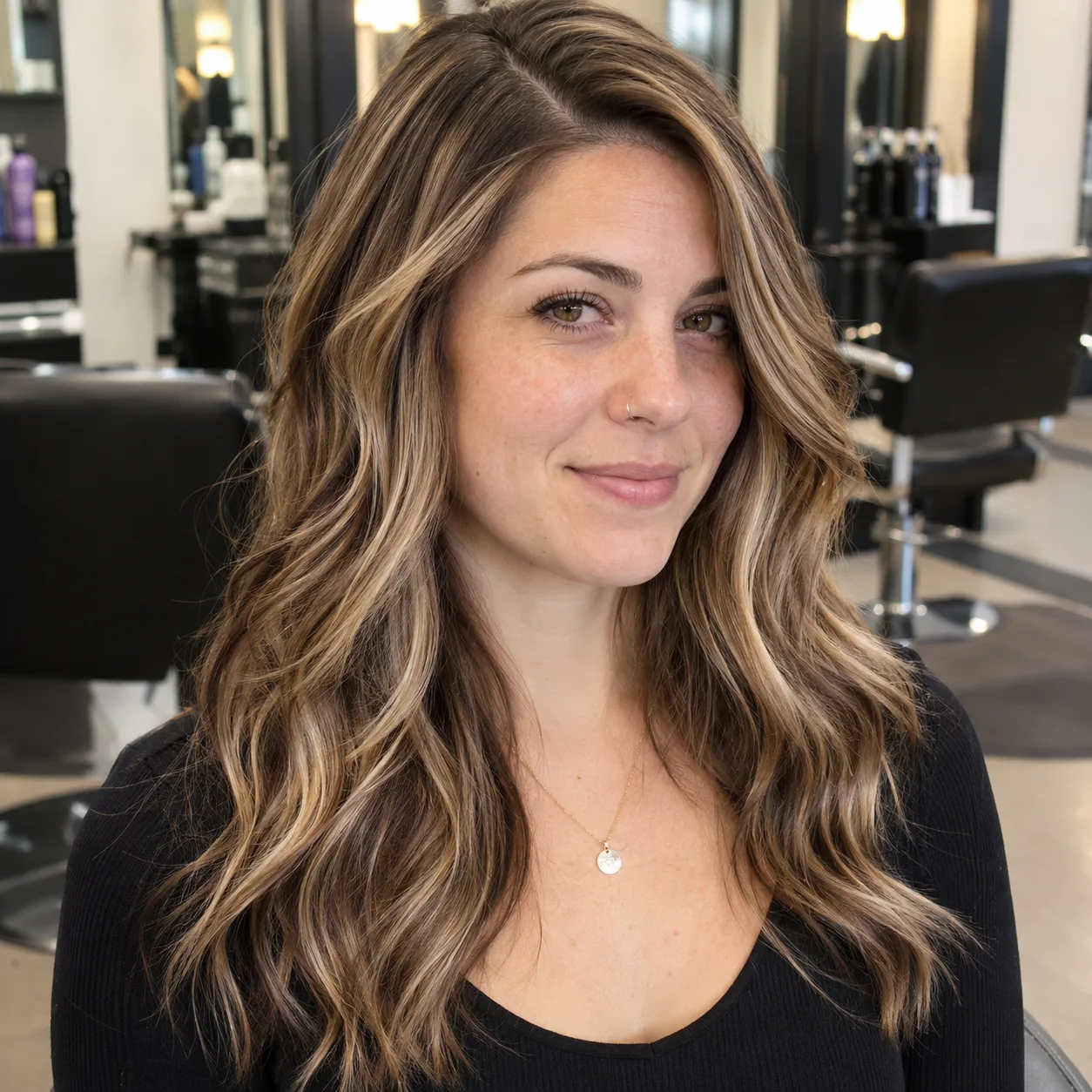
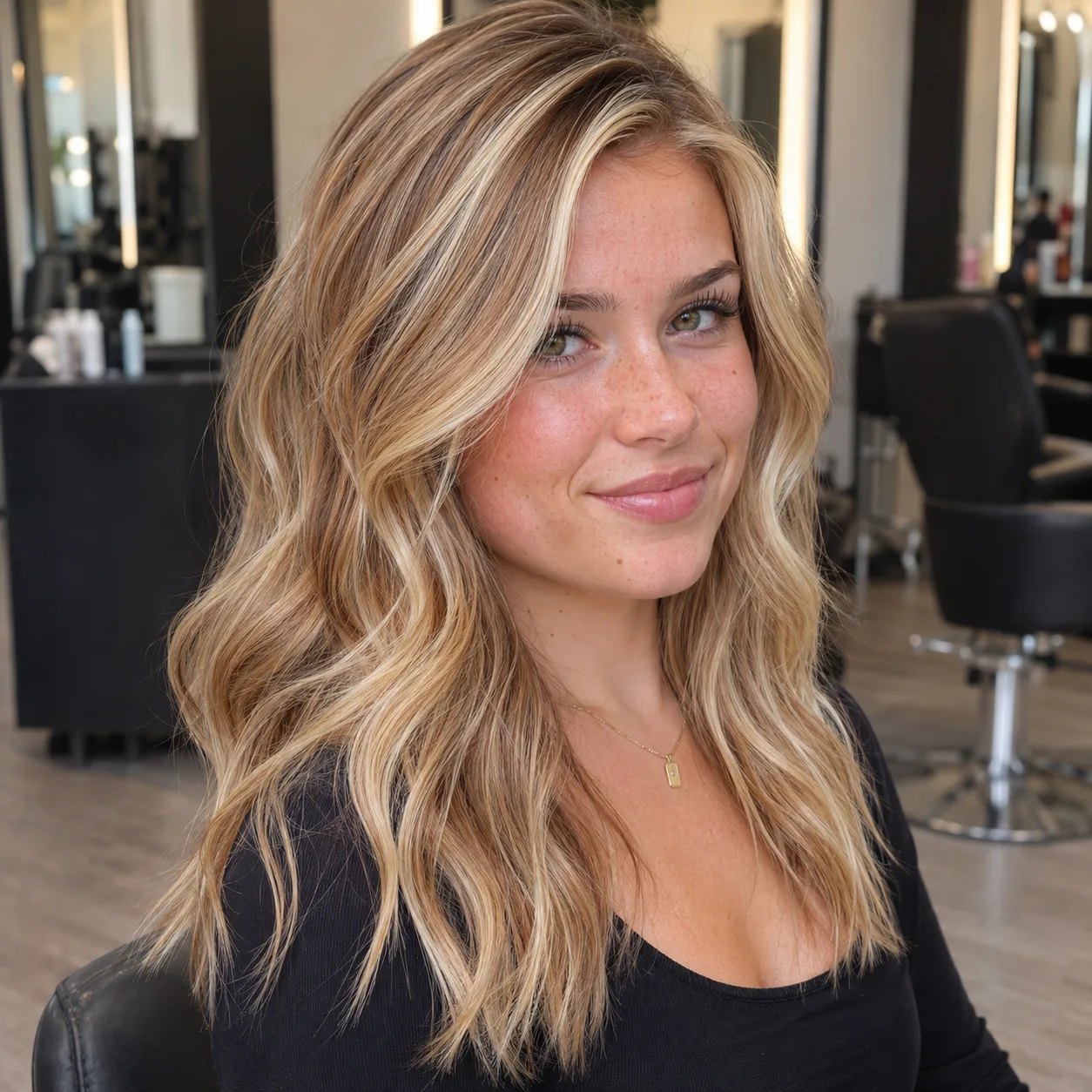
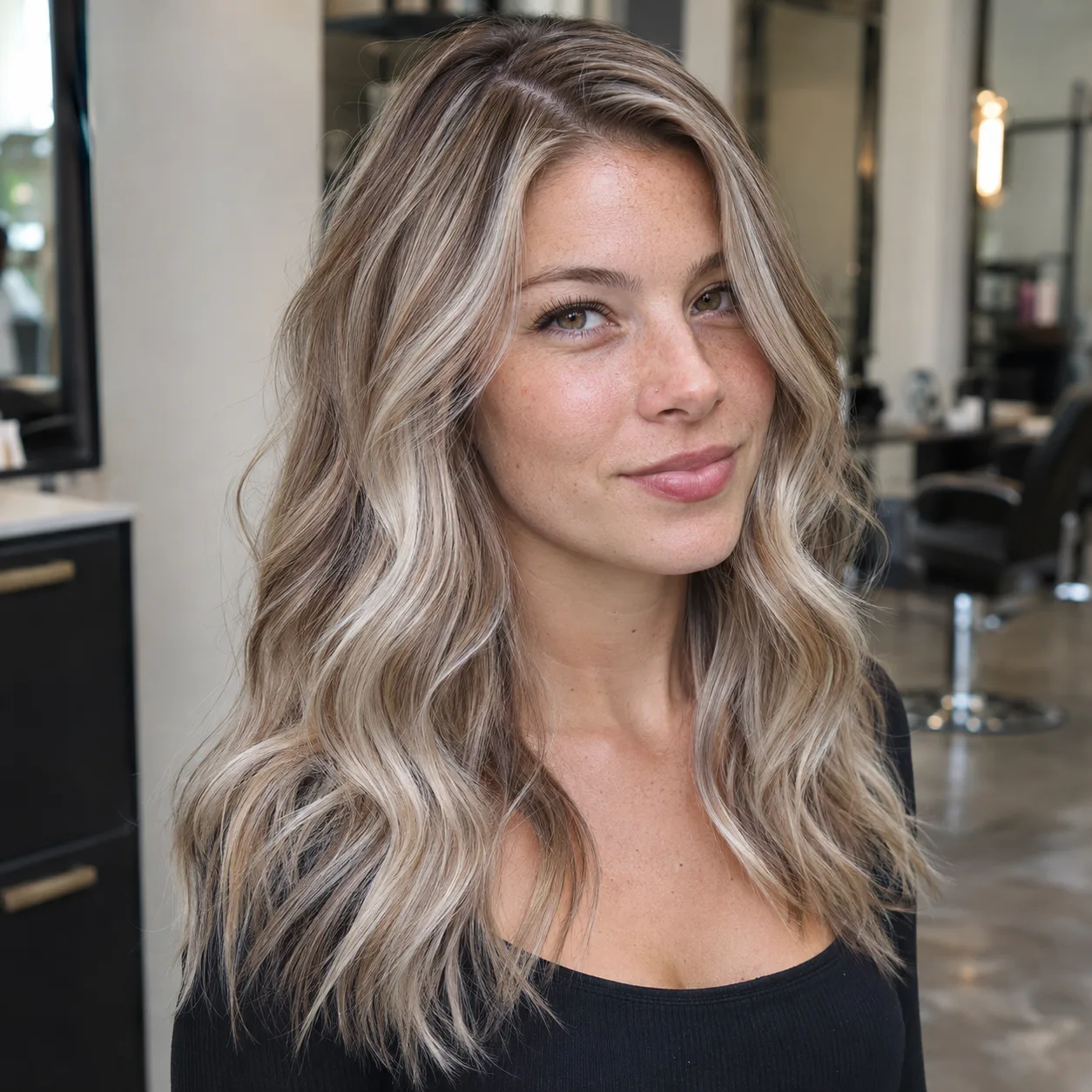
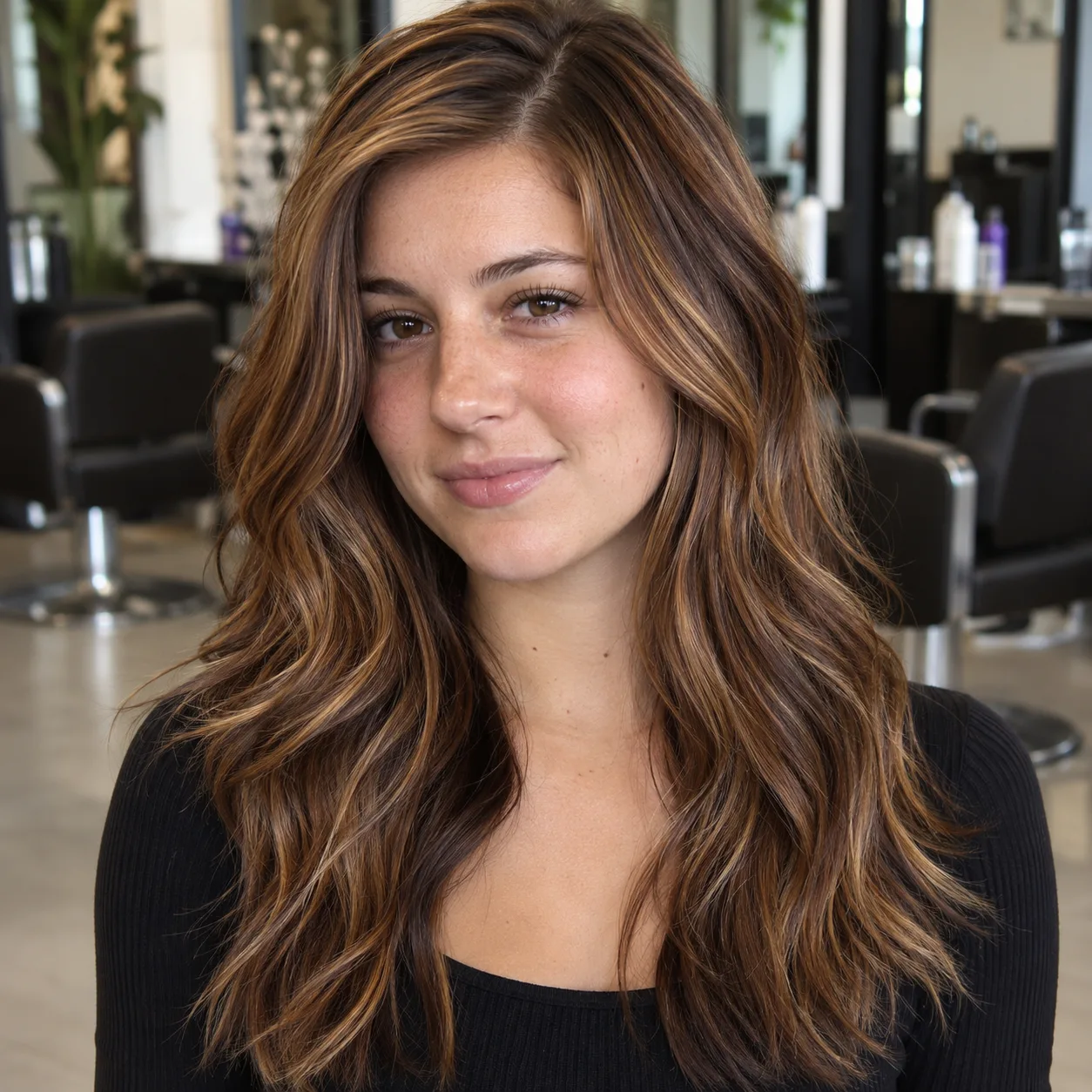
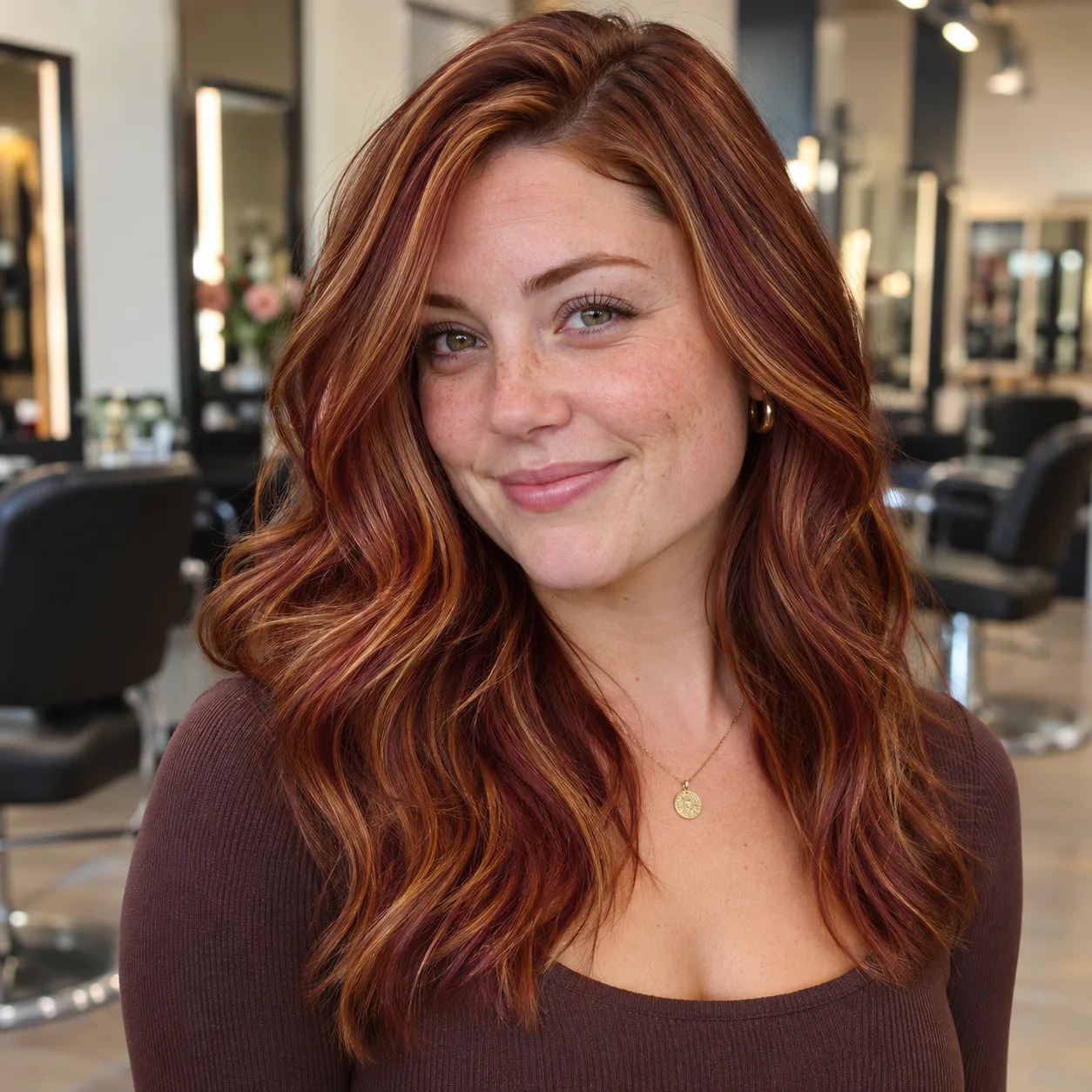
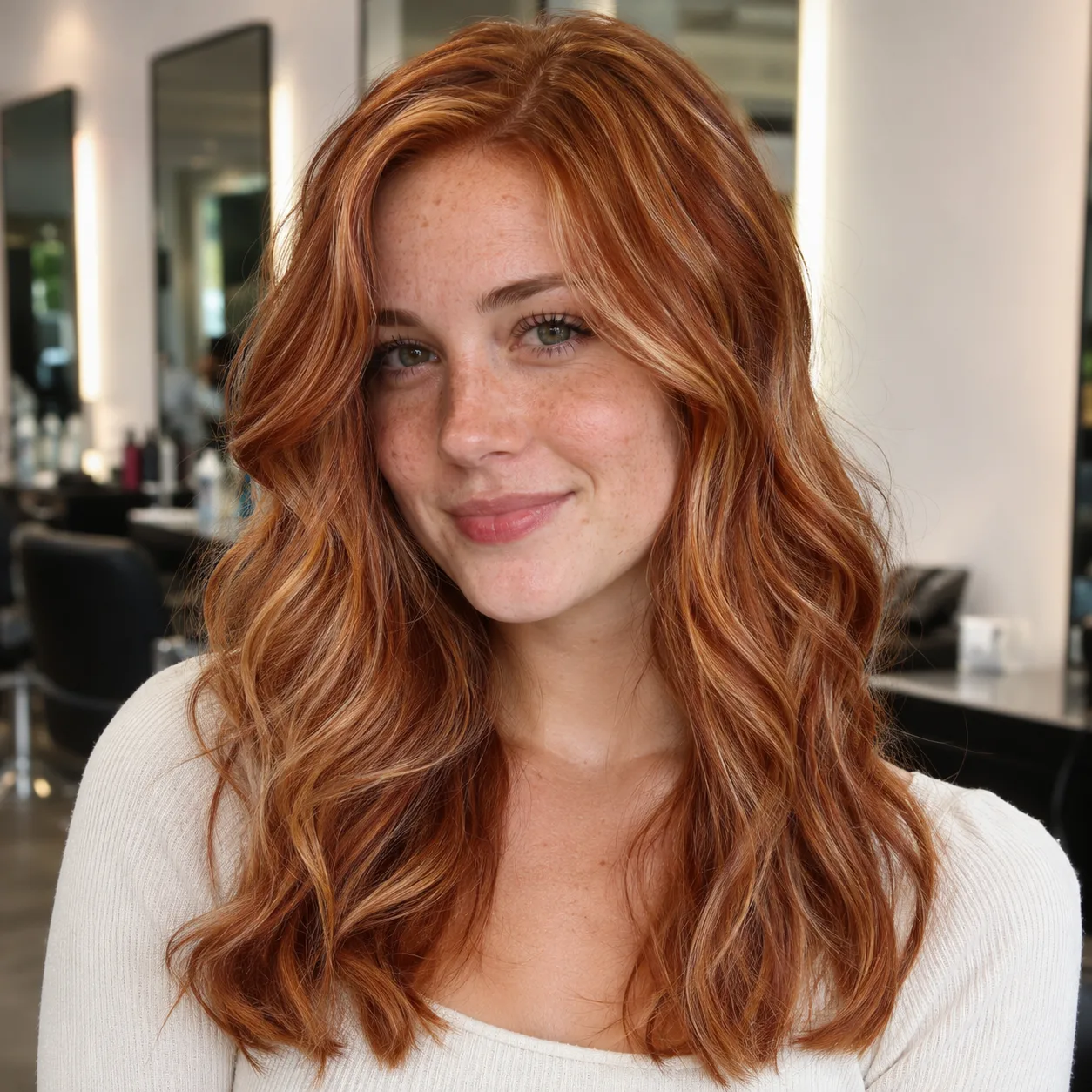
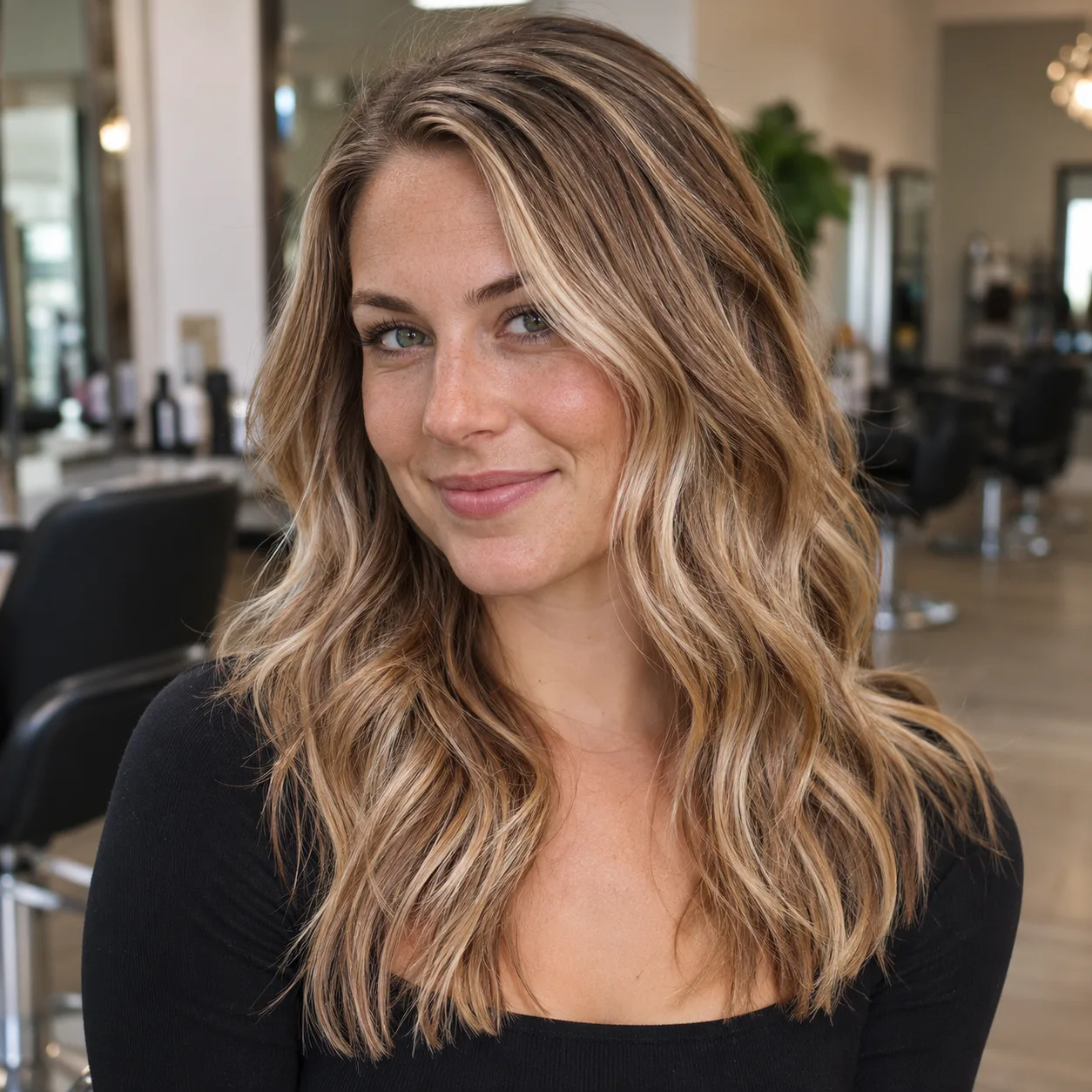
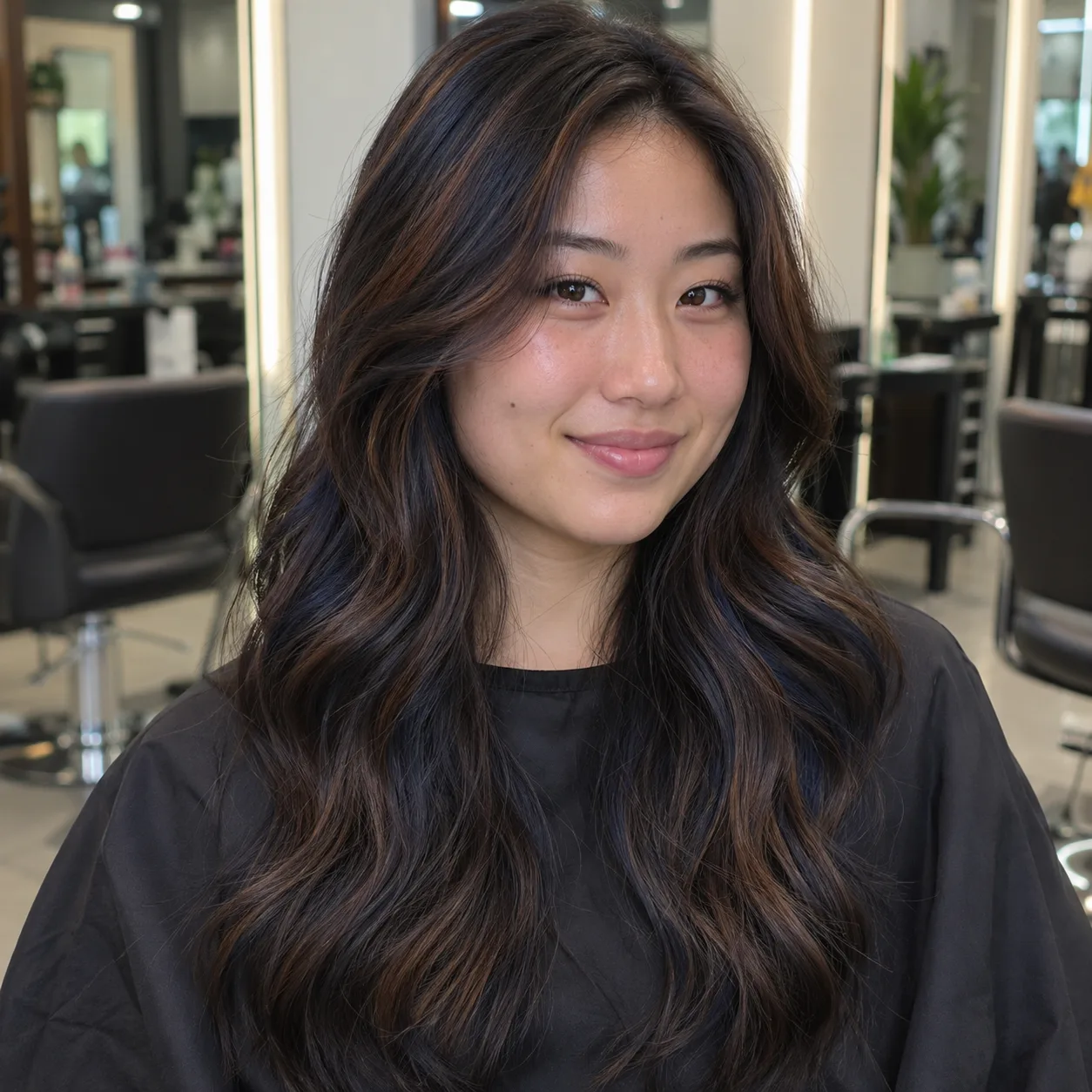
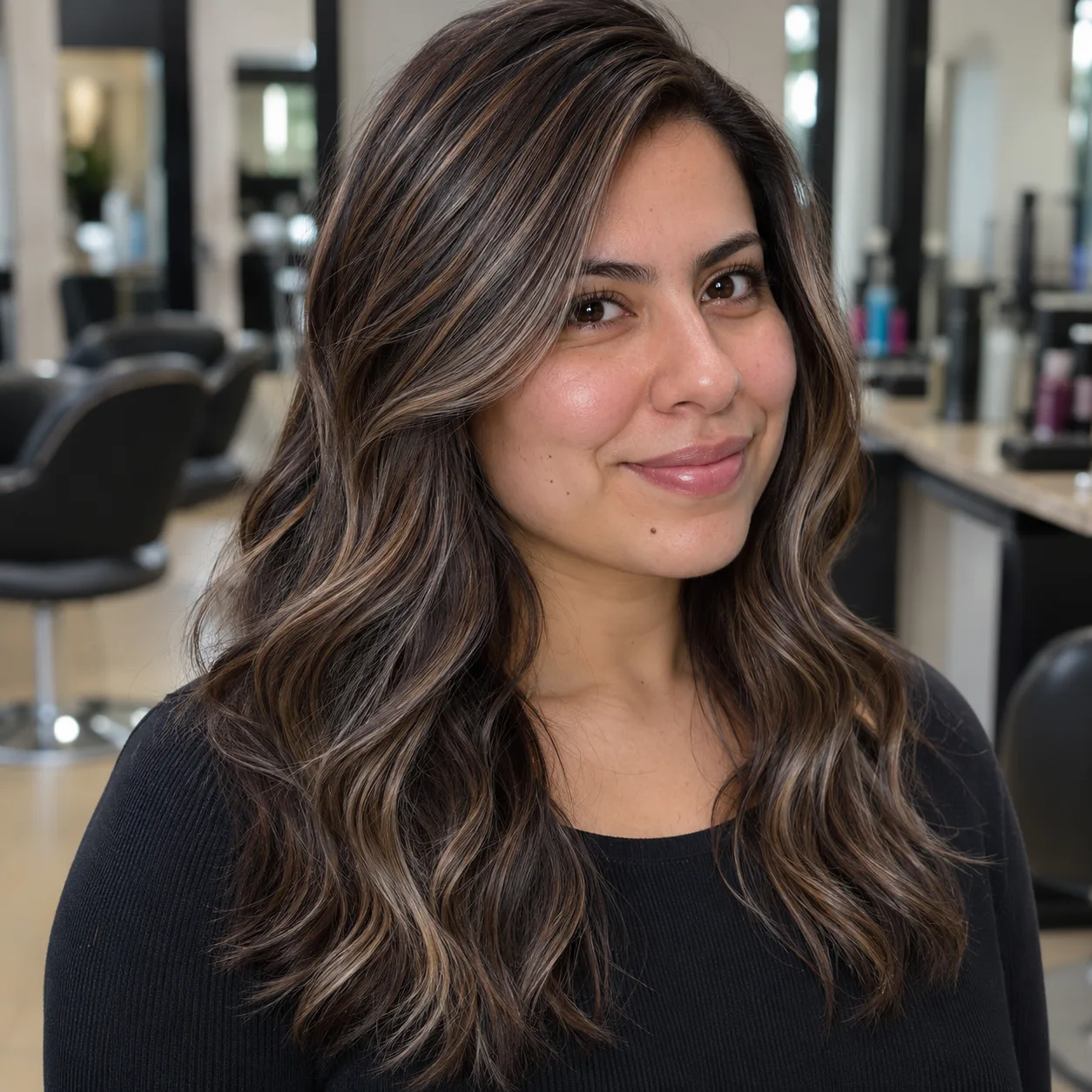
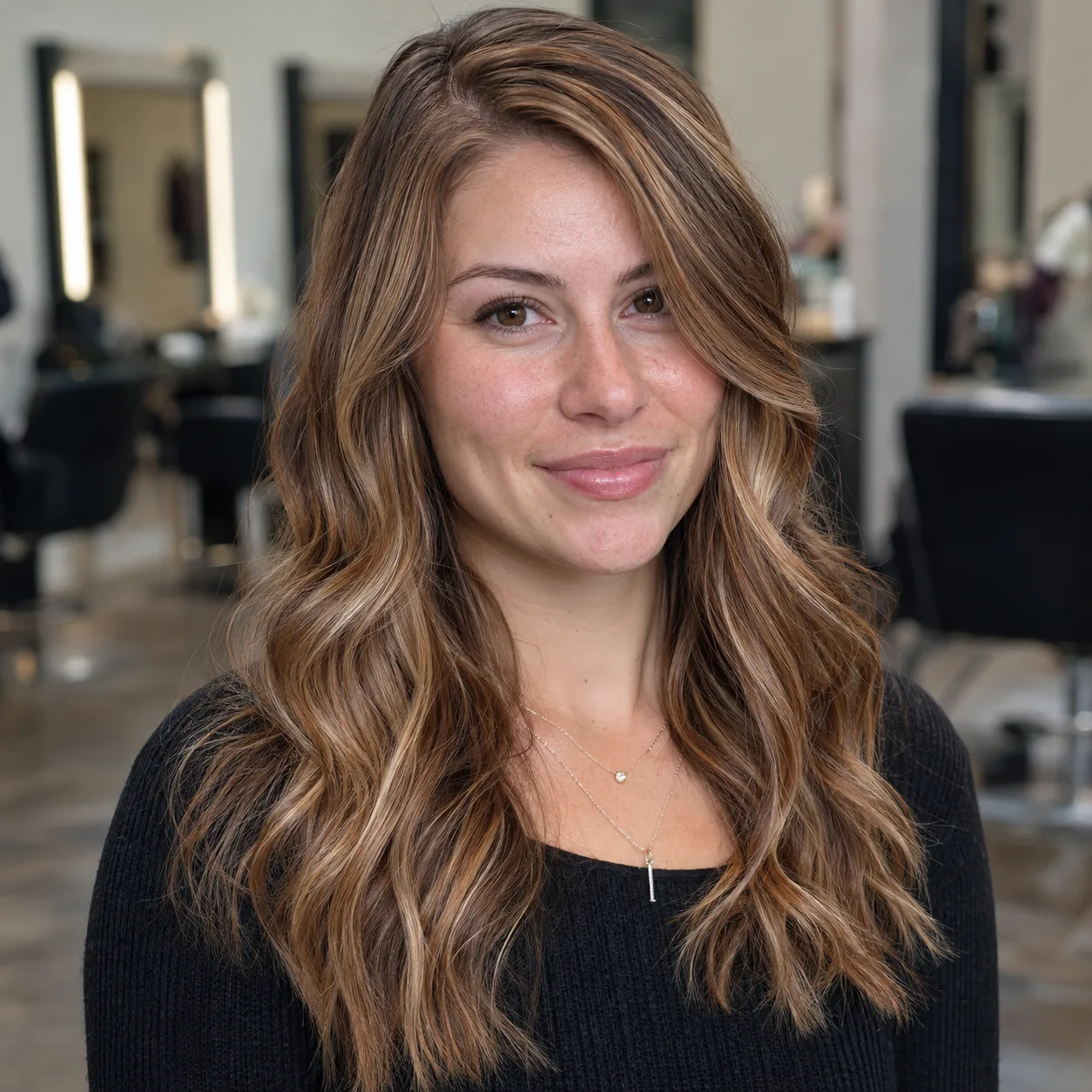
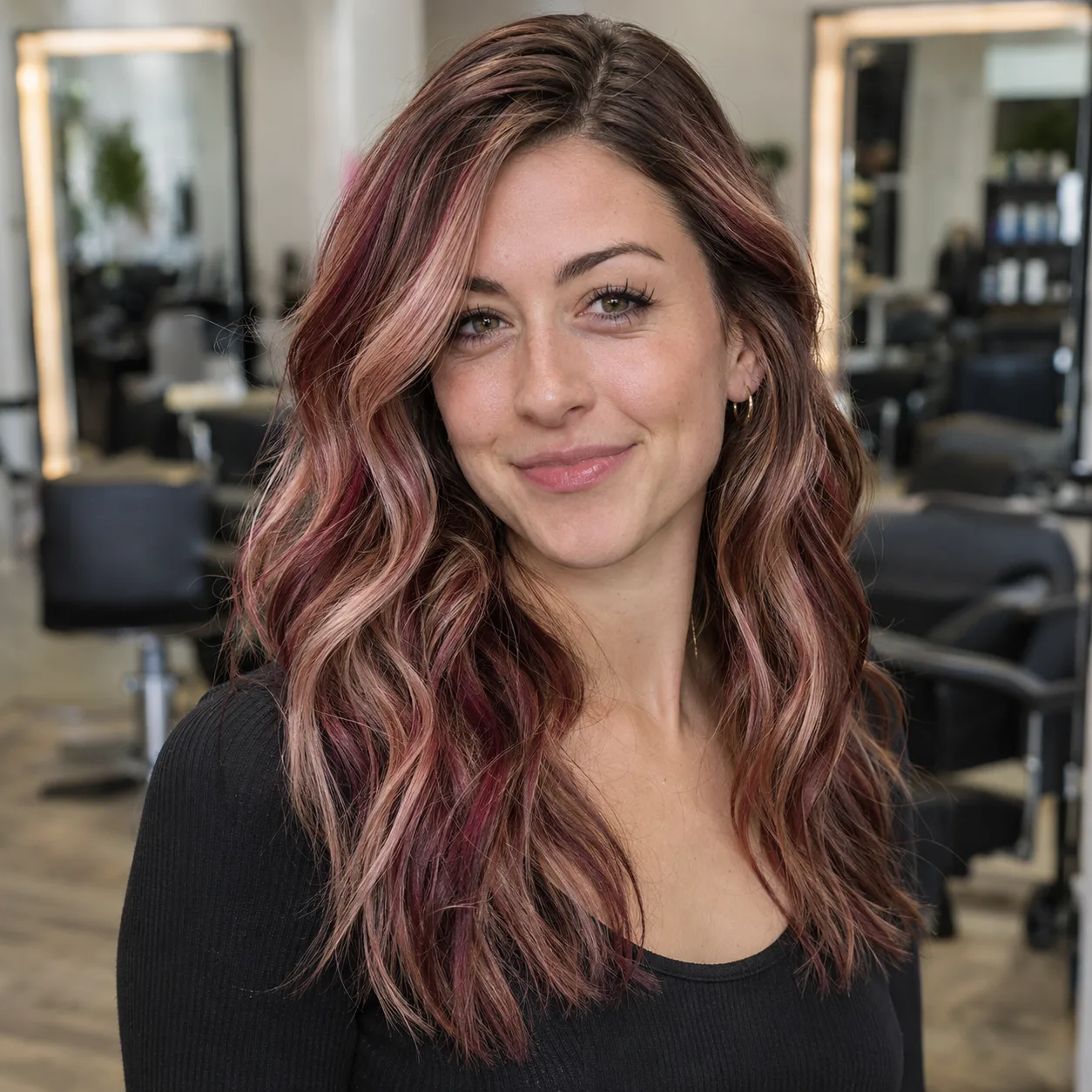
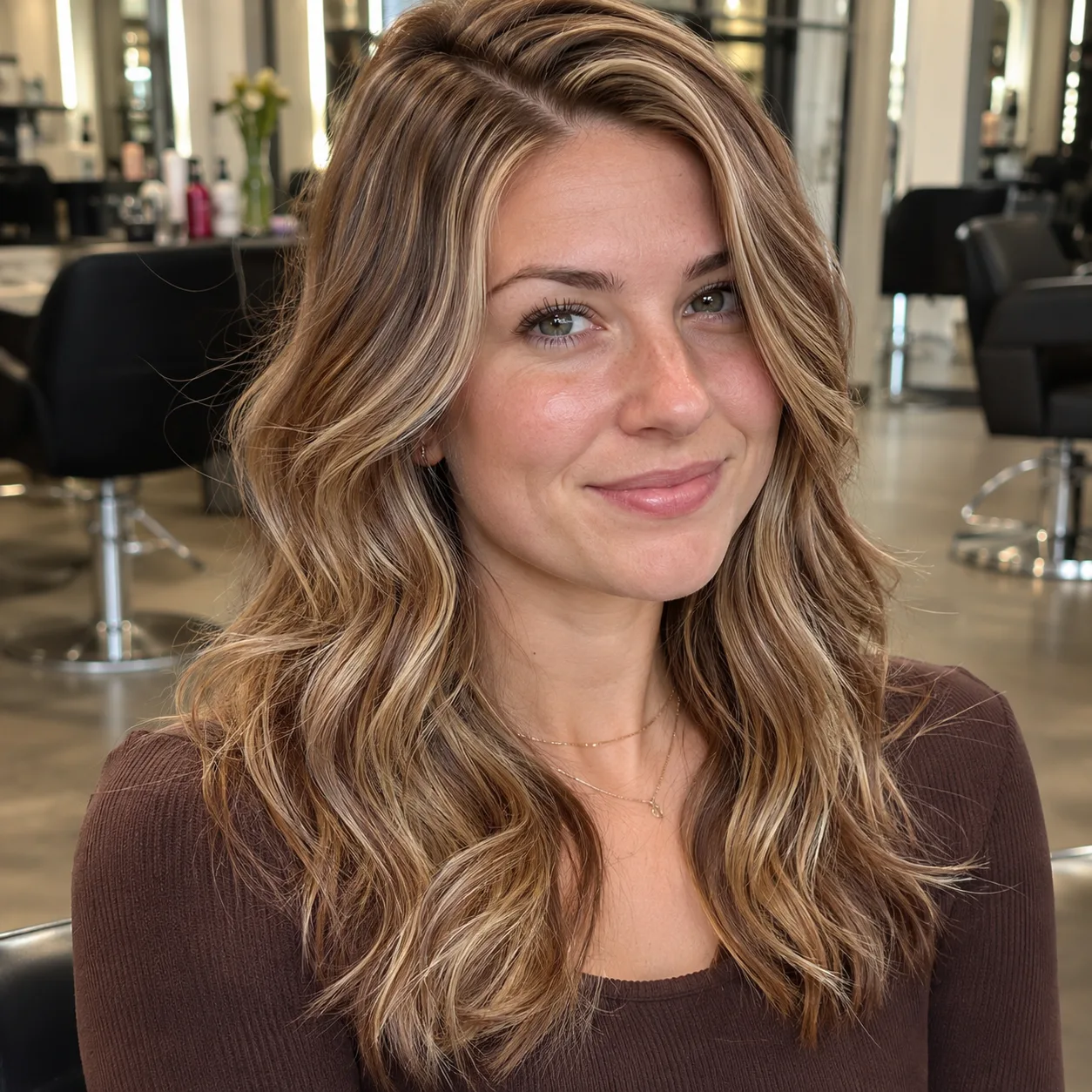
Every picture below uses the same placement: fine foils of light and dark strands alternating through the top, sides and face frame, starting half an inch from the scalp. Only the base color and the two shades change, so you can see which pairings read as natural dimension and which read as stripes.
Gallery14 photos · tap to enlarge
 Would this suit me?
 Would this suit me?
 Would this suit me?
 Would this suit me?
 Would this suit me?
 Would this suit me?
 Would this suit me?
 Would this suit me?
 Would this suit me?
 Would this suit me?
 Would this suit me?
 Would this suit me?
 Would this suit me?
 Would this suit me?
Notice what the strongest pairs have in common: the lowlight sits close to the base and the highlight sits a little further away. Push both far from the base and the hair turns stripy. Keep both close and the effect vanishes from more than a few feet away.
Which highlights and lowlights suit your base color?
Your starting color decides how far each set of strands can move, so this is where the choice really happens.
| Your base | Highlight shade | Lowlight shade | Verdict |
|---|---|---|---|
| Golden or ash blonde | Butter, vanilla or icy blonde | Light brown, toffee or mushroom brown | Lowlights do most of the work here |
| Light or medium brown | Honey or beige blonde | Mocha or chocolate | The easiest base for both |
| Dark brown | Caramel or chestnut | Espresso | Highlights carry it, lowlights stay subtle |
| Black | Soft chestnut or mocha | Usually none, the base is the depth | Highlights only, keep the lift gentle |
| Red or auburn | Copper or strawberry blonde | Burgundy or mahogany | Both stay in the red family |
| Grey or greying | Icy or ash blonde | Light ash brown | Blends regrowth, the low-upkeep choice |
Highlights and lowlights on blonde hair
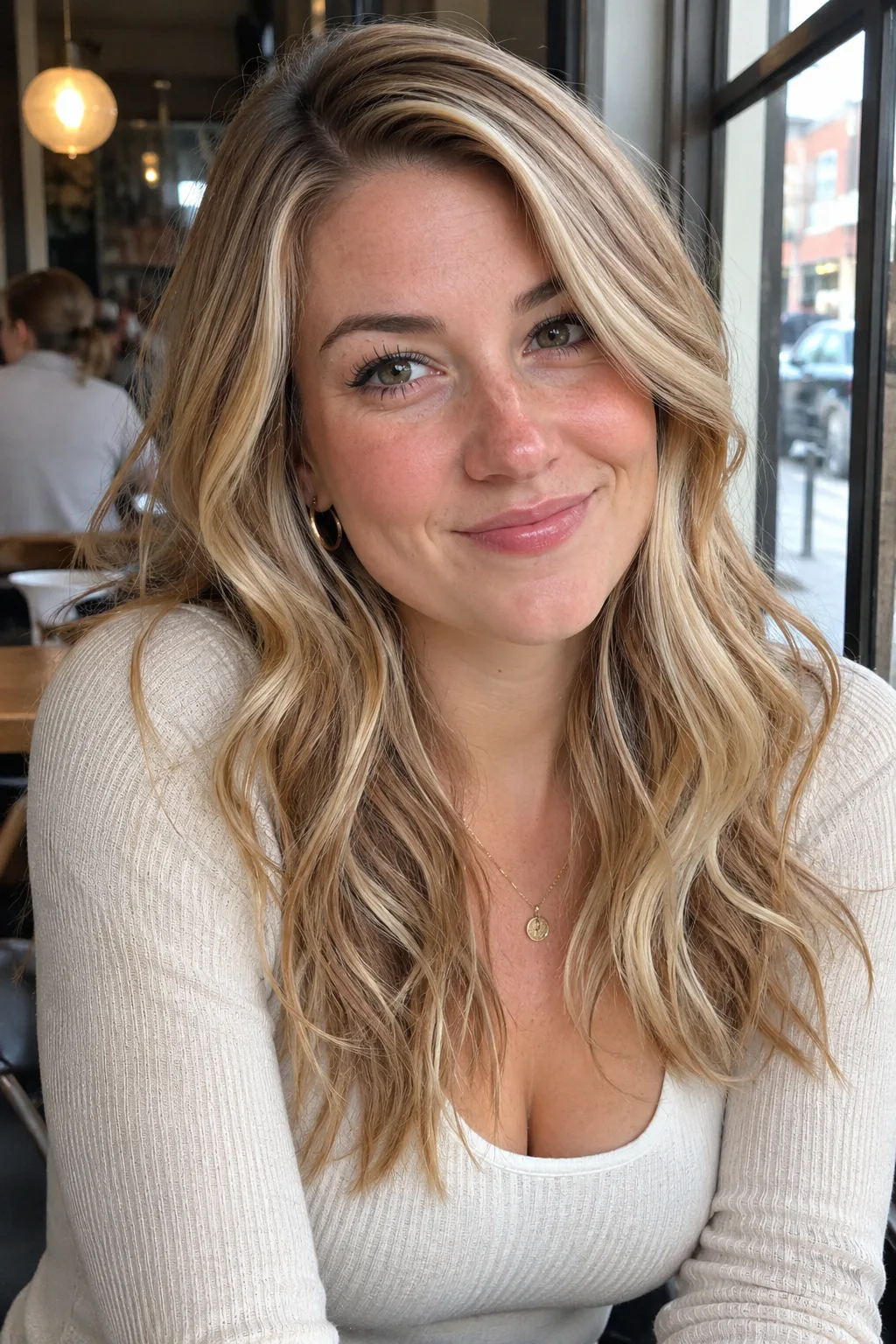
Blonde is where lowlights earn their name. Most blondes who feel their color has gone flat or yellow have simply run out of contrast after years of highlighting. Weave a light brown or toffee lowlight back in and the blonde that is left looks brighter, without a single extra foil of bleach. Ask for lowlights no more than two levels below your blonde, or the darker strands look like regrowth.
Highlights and lowlights on brown hair
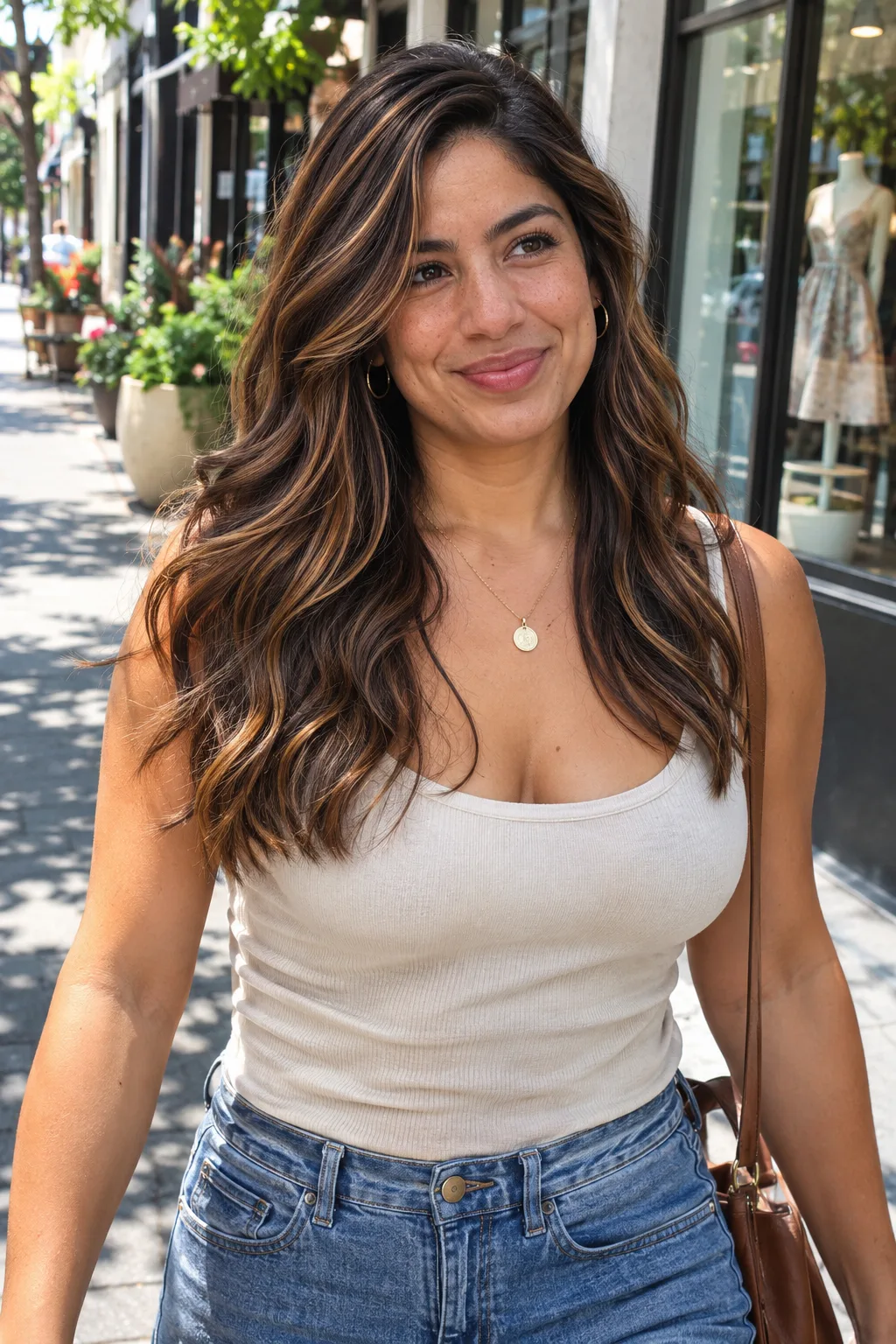
Brown is the easiest base for both. Medium brown takes honey highlights and chocolate lowlights in one session, and on dark brown a warm caramel highlight with an espresso lowlight keeps the color rich instead of orange. For a full set of shades on this base, see our brown hair with highlights guide.
Highlights and lowlights on red hair
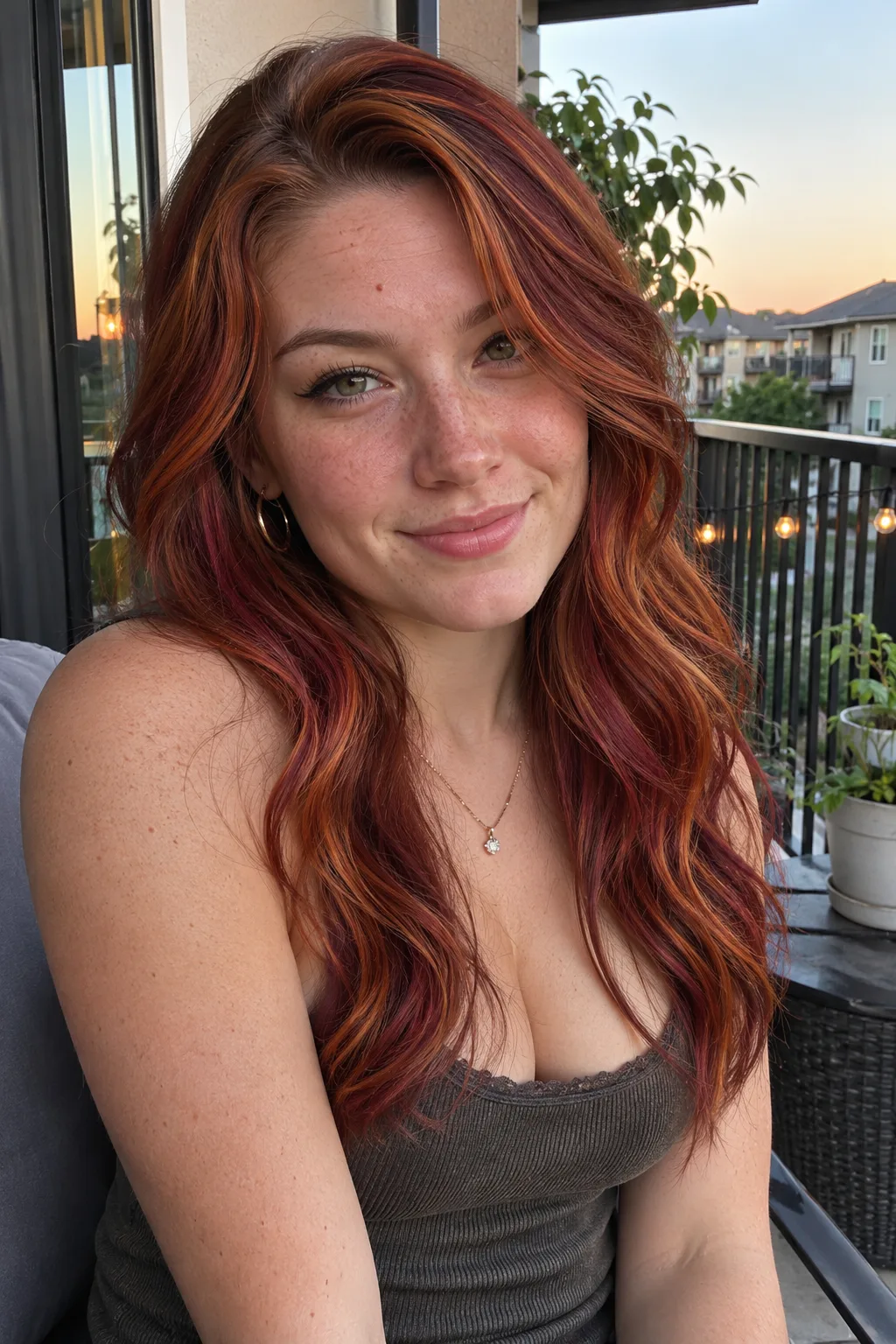
On auburn and red, stay inside the red family both ways: copper or strawberry blonde up, burgundy or mahogany down. A blonde highlight on red hair tends to fight the base and turn peachy. Red fades fastest of any color, so book a gloss between visits. Our copper hair color guide has the shades that suit warm bases.
Highlights and lowlights for gray hair
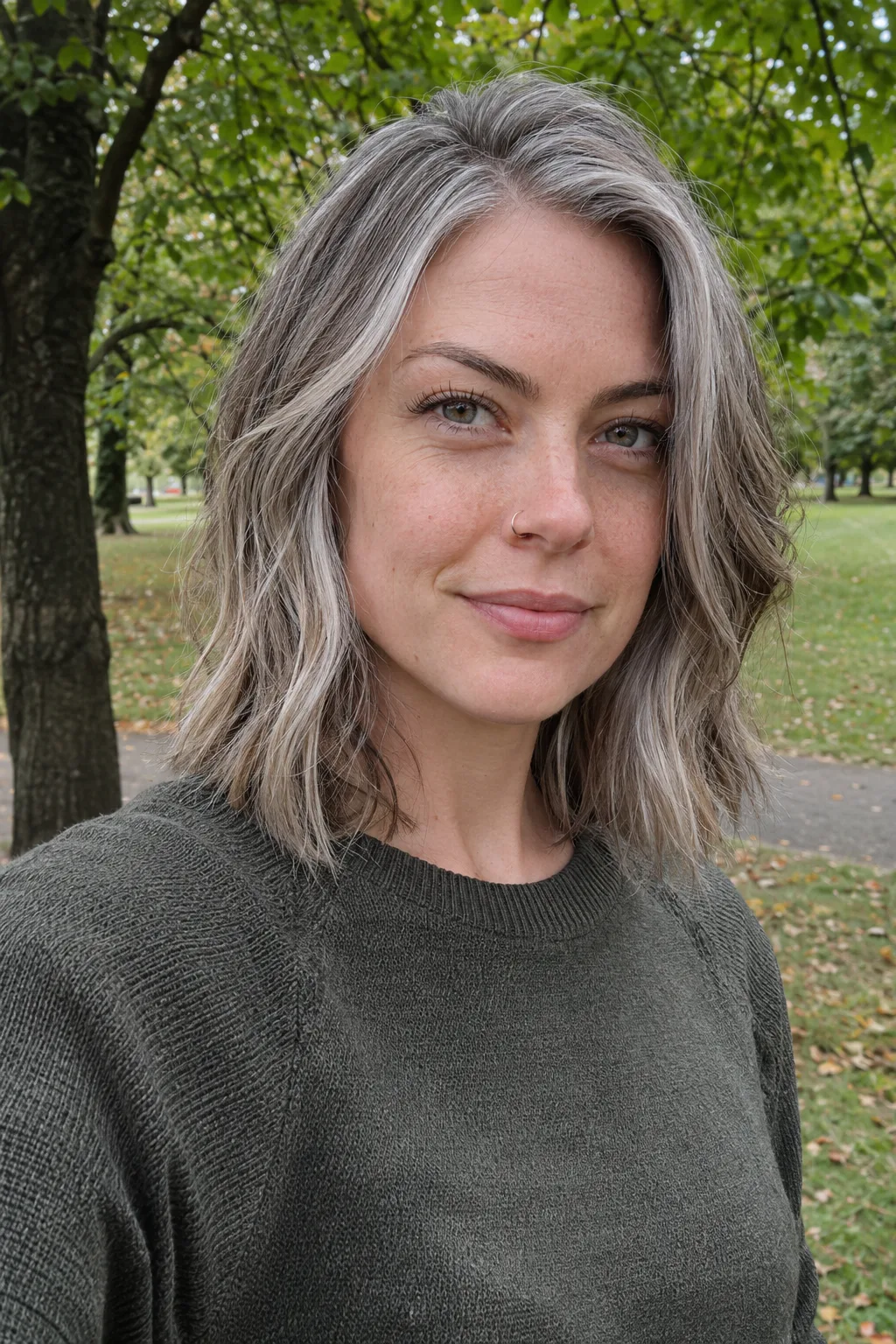
If you are going grey, this is the most useful thing in the article. Solid single-process color on grey hair leaves a hard white line at the root within a few weeks. Fine ash blonde highlights and light ash brown lowlights do the opposite: the grey that grows in lands among strands that are already light and dark, so the line all but disappears and you can stretch visits to 10 to 12 weeks. Pick cool, ash shades. Warm golden tones sit badly next to silver. If you want to go fully grey, our grey hair transition guide walks through it month by month.
Add a money piece on top
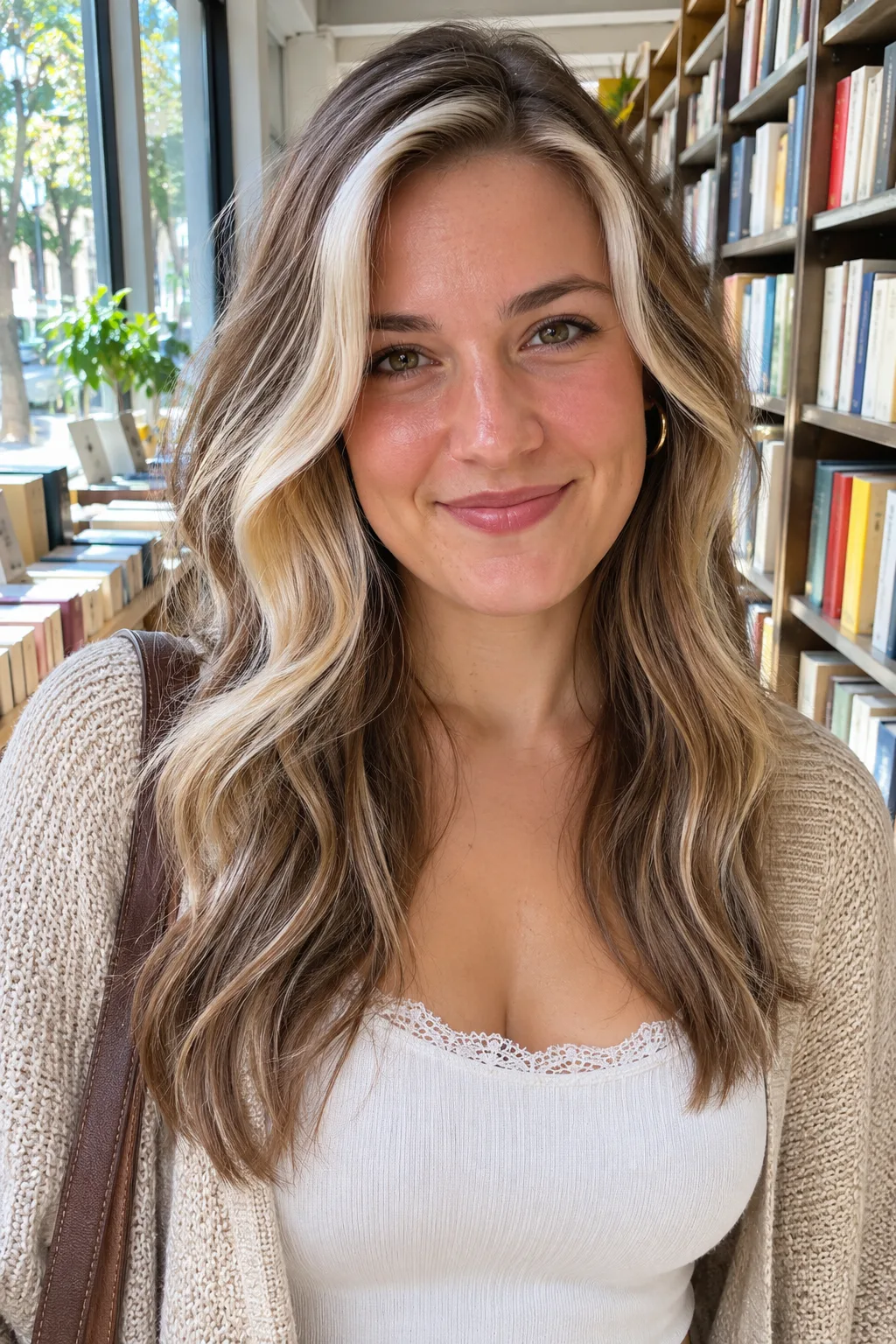
The most requested way to wear highlights and lowlights right now is with a money piece: two brighter panels at the front hairline on top of the woven color. The lowlights do the quiet work behind it, so the face frame pops without the rest of the head going blonde. It is also the cheapest way to refresh between full appointments. Our money piece hair guide covers how wide to go and how bright.
Mistakes that make highlights and lowlights look cheap
Lowlights too dark
A lowlight three or more levels below your base does not read as depth. It reads as dark stripes or as roots that grew in the wrong place. One to two levels is the safe range.
Too many foils
Weave both sets too densely and your natural base disappears. The hair turns into two alternating colors instead of three tones, which looks stripy up close. Ask for space between the foils.
Going too far with the lift
Every extra level of lightening costs strength. The American Academy of Dermatology advises choosing a color within three shades of your natural color to limit damage, and the same rule keeps highlights looking believable.
Skipping the gloss
Lightened strands fade warm and lowlights fade lighter, so within two months both drift toward your base and the dimension flattens. A demi-permanent gloss every six to eight weeks keeps both sets where they started.
How to ask for highlights and lowlights
Bring photos, but say the words too. Colorists read "dimension" ten different ways.
Say this to your barber
I want fine highlights two levels lighter and fine lowlights one level darker than my base, woven through the top and face frame, with my natural color still showing between them.
How to ask for highlights and lowlights
- Name your base in levels
Ask the colorist what level your natural color is, then set both moves from there: highlights two to three levels up, lowlights one to two down.
- Choose one shade for each
Pick one highlight shade and one lowlight shade from the same tone family, warm with warm or cool with cool, so they do not fight each other.
- Set the ratio
Say how much of each you want. Blondes usually want more lowlights than highlights. Brunettes usually want the opposite.
- Ask for fine weaves
Fine, evenly spaced foils blend. Thick slices look stripy. Ask to keep your natural base visible between the foils.
- Book the gloss
Agree on a toner or gloss at the end of the appointment, and book the next one in six to eight weeks.
Can you see highlights and lowlights on yourself first?
The manual way works: save photos, bring them in and trust your colorist. The wall it hits is that every photo shows someone else's base, skin tone and face. You cannot see whether chocolate lowlights read as depth or as mud on your own hair until the foils come out.
That is the gap HairstyleAtlas fills. Upload a selfie and it paints the color onto your own hair. The first look is free with no card: one hairstyle and one color on it, front view. More looks, every color and full resolution start at $9 a month on the pricing page. You can also go straight to the virtual hair color try-on to compare shades.
The verdict
If your color looks flat, ask for lowlights before you ask for more blonde. Highlights and lowlights together beat either one alone for almost everyone with a light to medium base: they look more natural, grow out softer and need fewer lightened strands. The exceptions are black hair, where your base already is the depth, and anyone who wants a clear jump in brightness, where highlights alone get there faster. Try the shades on a selfie first, then walk in with the exact words above.
Frequently asked questions
Yes, and that is the usual way to do it. The colorist alternates foils of lightener and darker color in one appointment, so both sets are placed relative to each other. Doing them in separate visits makes the balance harder to control.
A lowlight colors a strand darker than your natural shade, and a highlight colors it lighter. Lowlights use deposit-only color with no bleach, while highlights need lightening to lift the strand.
Lowlights usually cost less, because they use fewer foils and no lightener and take less chair time. A combined service costs more than either alone. Ask your salon for its price on each, since menus vary widely.
For most people with grey, highlights do more. Light ash strands blend with the silver so regrowth barely shows. Lowlights help when the grey is patchy or when you want to keep some of your old depth, and the two together give the softest result.
Cool, soft shades: light ash brown, mushroom brown or a soft taupe one to two levels darker than the grey. Very dark or warm lowlights make the grey around them look harsher and grow out with a visible stripe.
Icy, ash and pearl blondes. They sit close to silver in tone, so the grey that grows in looks like another highlight rather than a root line.
Ask for fine lowlights in a cool light brown woven through the grey. The darker strands turn the existing silver into what reads as highlights, with no lightening at all.
Brassy golds, warm oranges and solid very dark shades. Warm tones clash with silver, and a solid dark color shows a stark root line within weeks.
Preview it on your own photo: Virtual Hair Color Try-On.
Share article
About the author
Related posts
Women's Haircuts · 15 min
Blunt Cut: 14 Lengths, Who It Suits and How to Ask for It
A blunt cut is one length with a straight, solid line at the ends. See 14 lengths from earlobe to mid-back, which hair types and face shapes suit it, and the exact words to say in the chair.
Women's Haircuts · 14 min
Dark Brown Hair Color: 14 Shades and the One That Suits You
Dark brown is level 2 to 4, and on your head it almost always comes out a level darker than the box. See 14 shades side by side, which one suits your skin tone, and how to get it right.
Women's Haircuts · 13 min
Ash Brown Hair Color: 14 Cool Shades and Who Each Suits
Ash brown is a cool level 4 to 7 brown with the red and gold canceled out. See 14 shades side by side, which one suits your skin and starting color, and how to stop it going brassy.
Women's Haircuts · 12 min
Chestnut Brown Hair: 14 Shades and the One That Suits You
Chestnut is a warm level 4 to 6 brown with a red-gold reflect. See 14 shades side by side, which one suits your skin and starting color, and the exact words to say to your colorist.
Women's Haircuts · 13 min
Partial Highlights: 14 Looks and When to Go Full Instead
Partial highlights lighten only the top layer and face frame, so they look full worn down and patchy worn up. See 14 base colors, partial vs full compared, and what to ask for.
Women's Haircuts · 12 min
Black Cherry Hair Color: 14 Looks and Why Dark Hair Wins
Black cherry is a near-black red that looks black indoors and wine red in the sun. See 14 ways to wear it, what your base color gives you, and how to keep it from fading rusty.