Short Mullets: 14 Cropped Looks and Who They Suit
Oleh Onysko 27 October 2026 15 min read
In this article
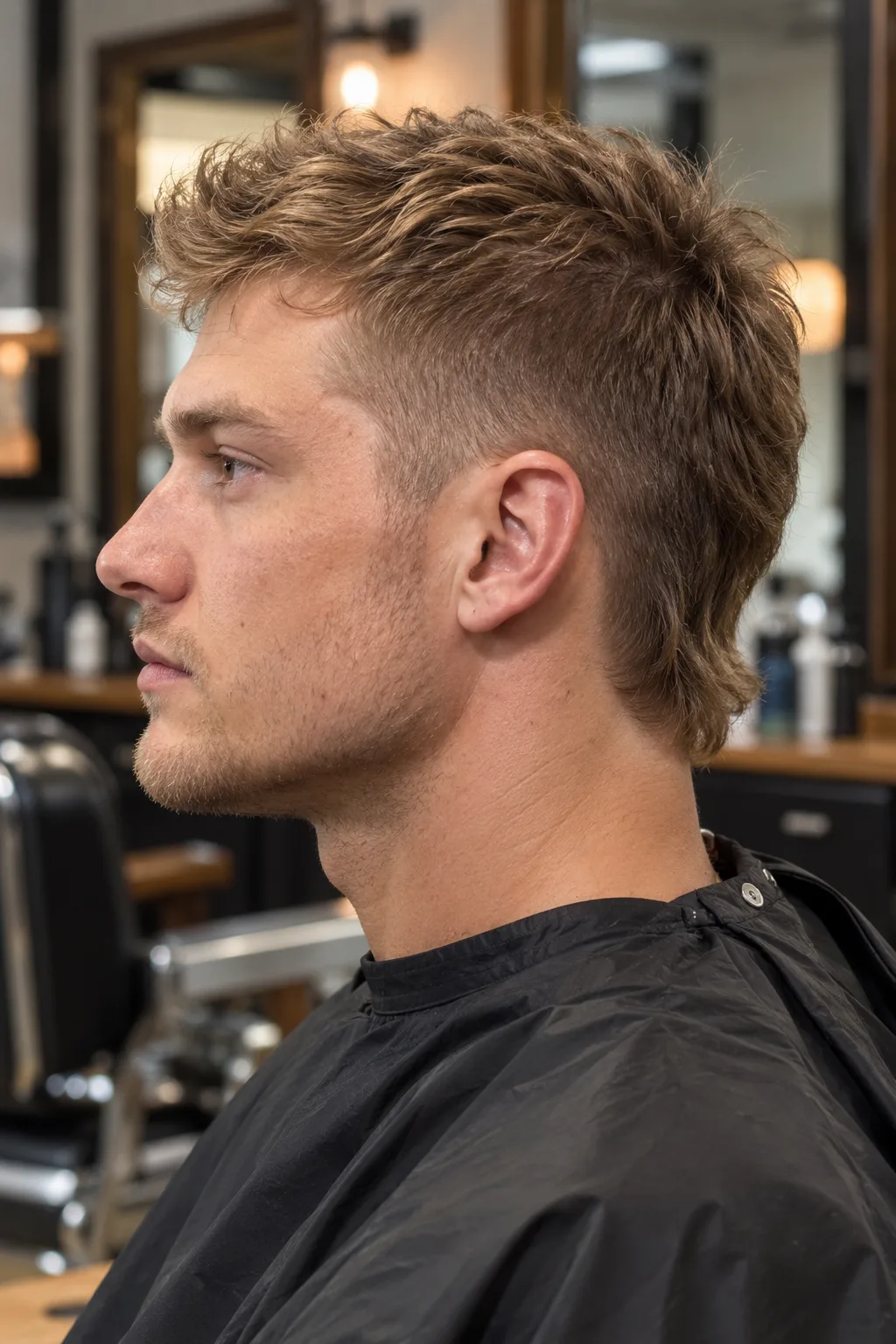
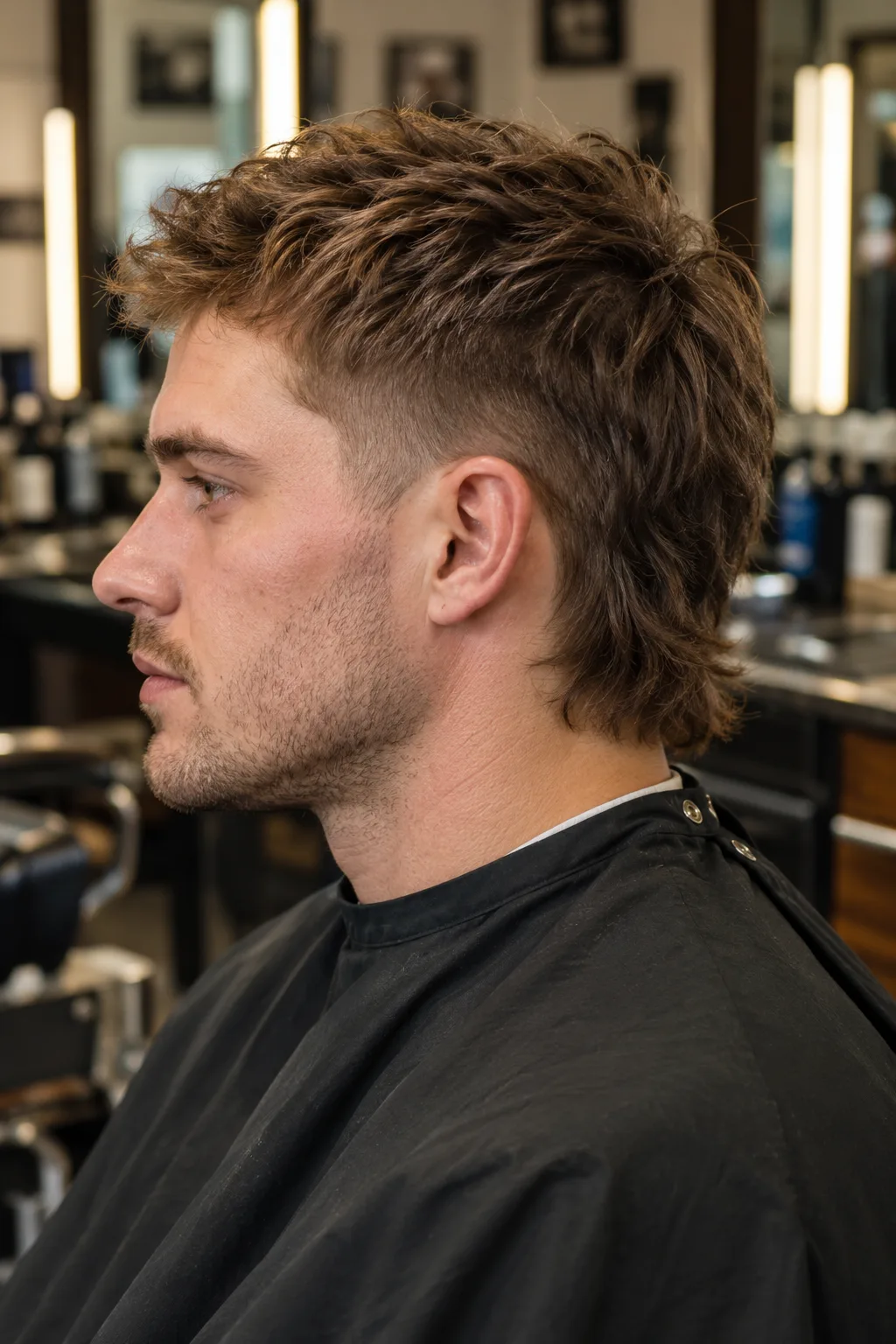
A short mullet is a cropped haircut with tight sides, 1.5 to 2.5 inches of texture on top, and a back left just long enough to fall past the nape and stop above your collar. It is the version of the mullet you can wear to work, and it is the one most barbers are actually cutting right now.
Here is the part most guides skip. At this length the back barely changes between a good short mullet and a bad one. What makes it read as a mullet is the sides. Keep them tight around the ear and 1.5 inches at the nape is plenty. Leave them full and the same back just looks like you are overdue for a haircut.
What counts as a short mullet?
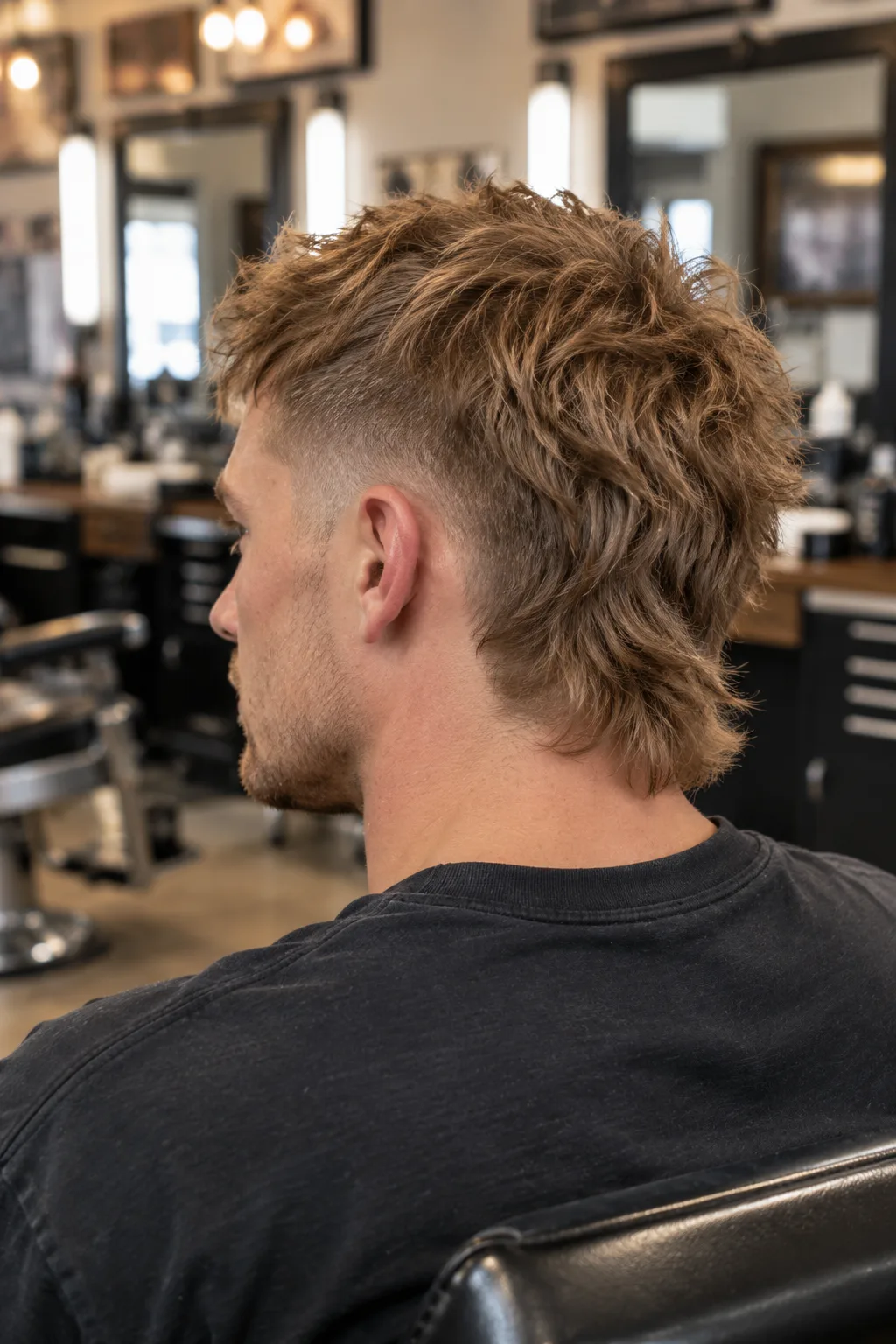
A short mullet keeps the mullet shape (short sides, longer back) but shrinks every number. The back sits 1.5 to 2 inches longer than a normal cut, enough to clear the nape hairline and no more. The top carries 1.5 to 2.5 inches of texture. The sides are tapered or faded close around the ear so the whole ear shows.
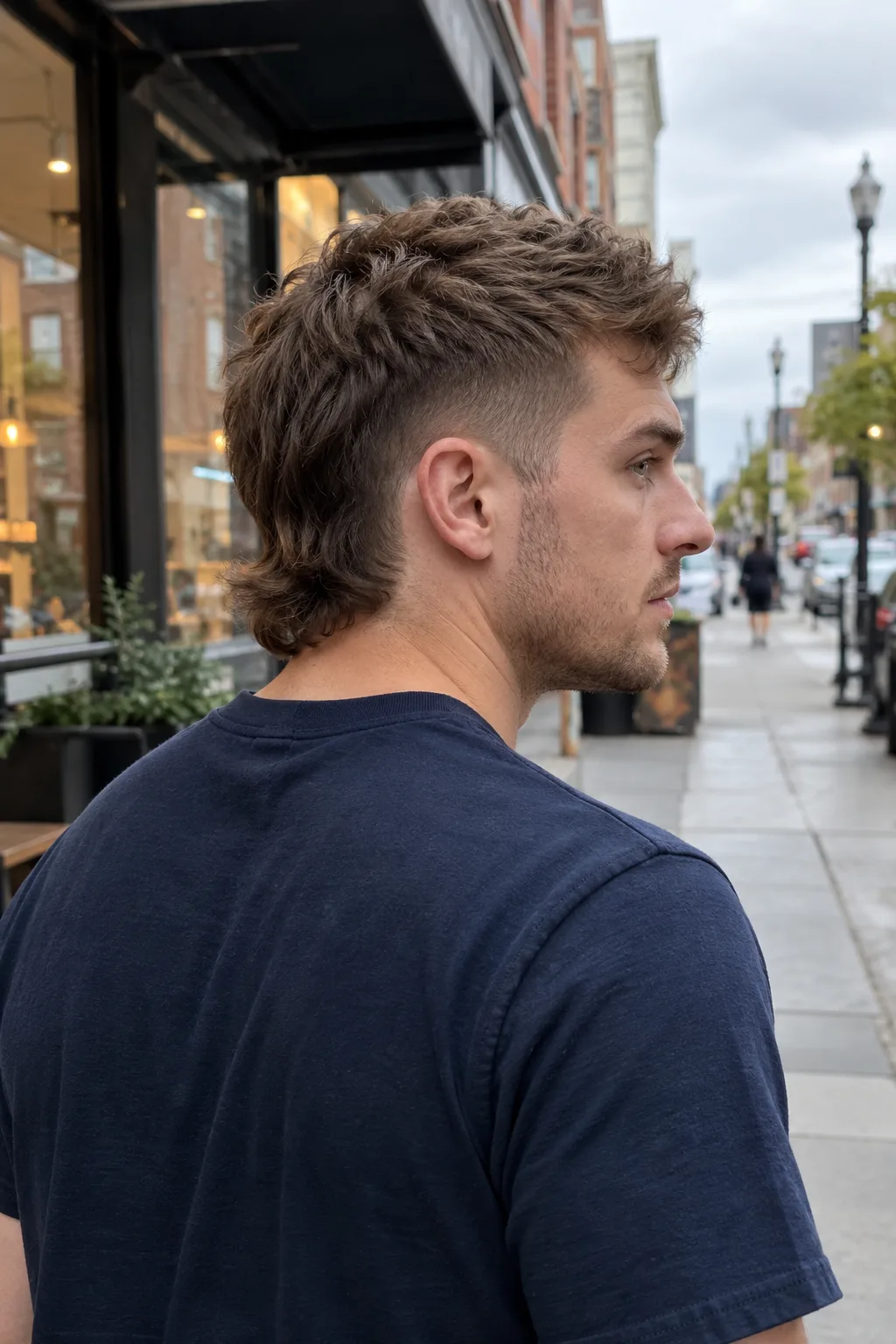
The collar is the line. If the back touches your shirt, you are into modern mullet territory, which is the 3 to 5 inch version. If the back is cut flush with the nape, it is no longer a mullet at all, just a taper.
That small window is why the short mullet is the easiest mullet to live with. It looks deliberate from the side, passes as a regular haircut from the front, and if you hate it, one appointment takes it back to a normal taper haircut.
Short mullet vs modern mullet vs mullet fade
These three get used as if they were the same haircut. They are not, and the difference is mostly length and how hard the sides are cut.
| Cut | Back length | Sides | Passes at work? | Trim every |
|---|---|---|---|---|
| Short mullet | 1.5 to 2 in past the nape, above the collar | Taper or fade, tight around the ear | Yes | 3 to 4 weeks |
| Modern mullet | 3 to 5 in, touches the collar | Blended, can be scissor cut | Usually | 4 to 6 weeks |
| Mullet fade | Any length | Faded to skin, the loudest part | Depends on the job | 2 to 3 weeks |
| Soft mullet | 1 to 2 in past the nape | Barely shorter than the top | Yes | 5 to 6 weeks |
A short mullet can carry a fade, and plenty of the looks below do. If the fade is what you care about, our mullet fade guide goes through every height. This page is about length: how short you can go and still have it read as a mullet.
14 short mullets, from barely there to bold
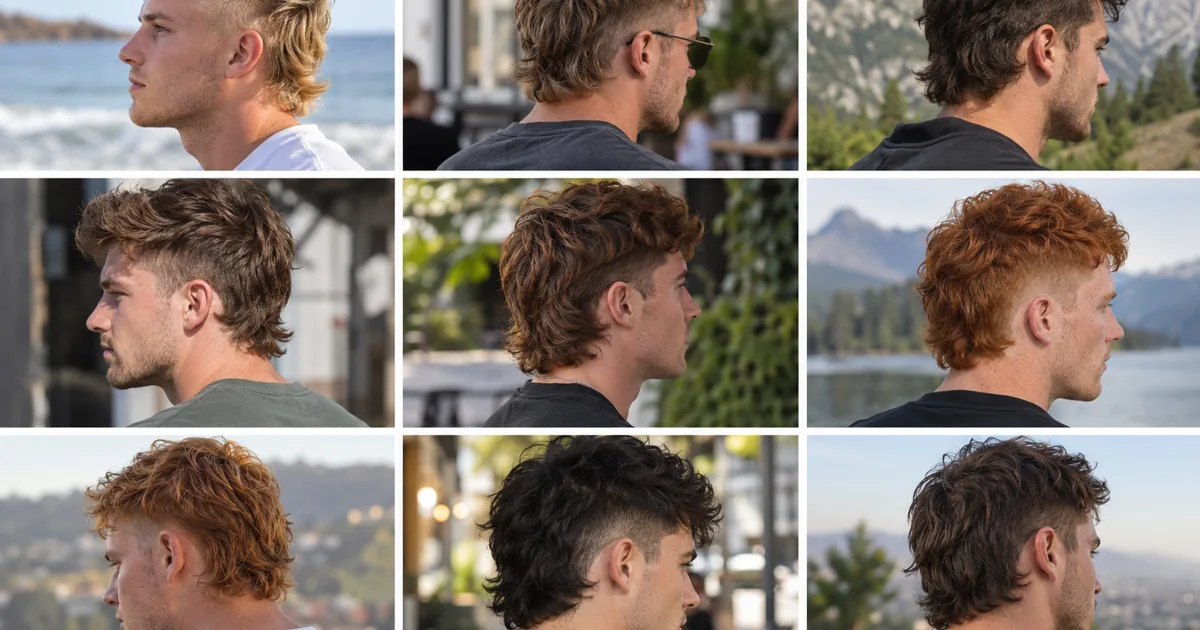
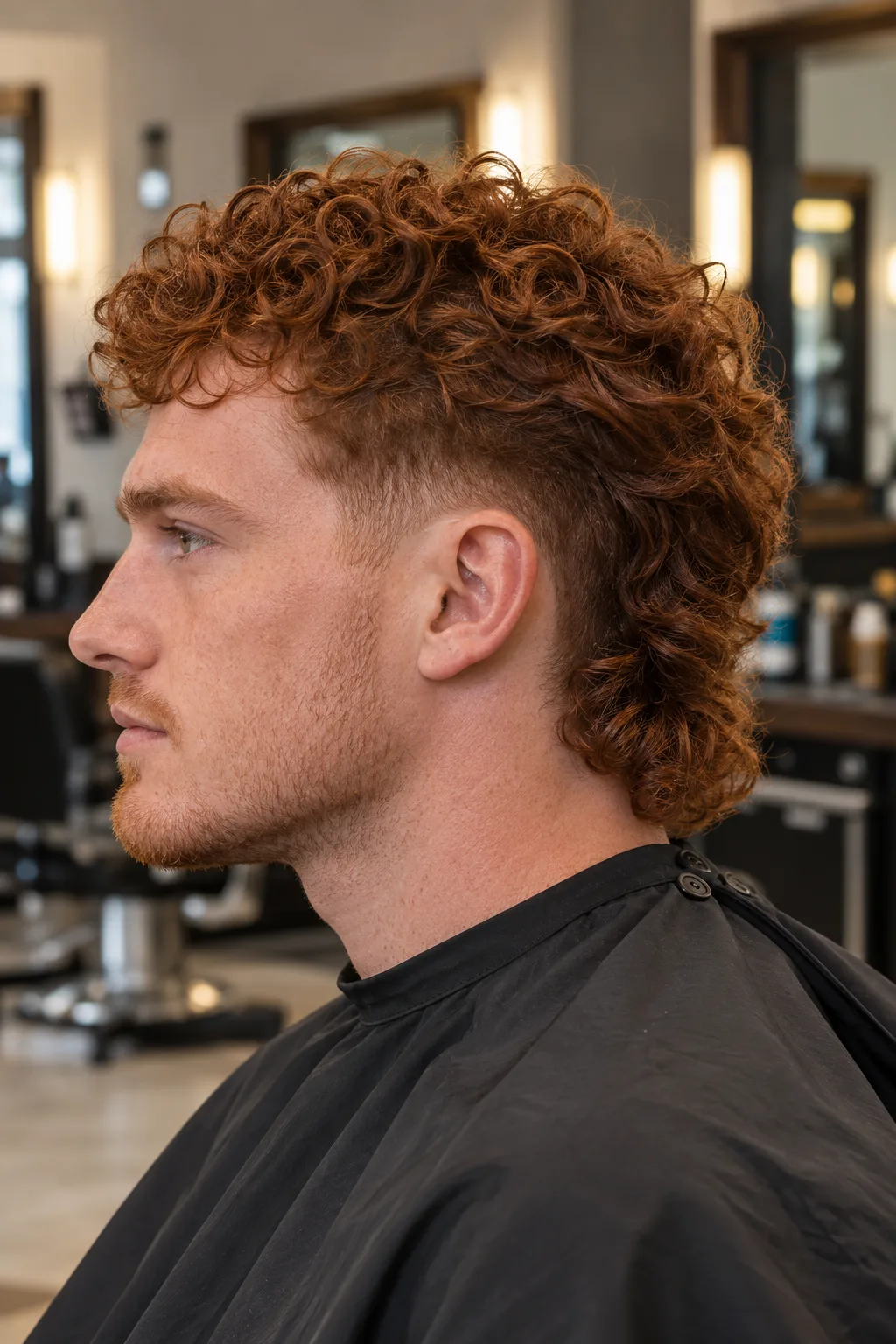
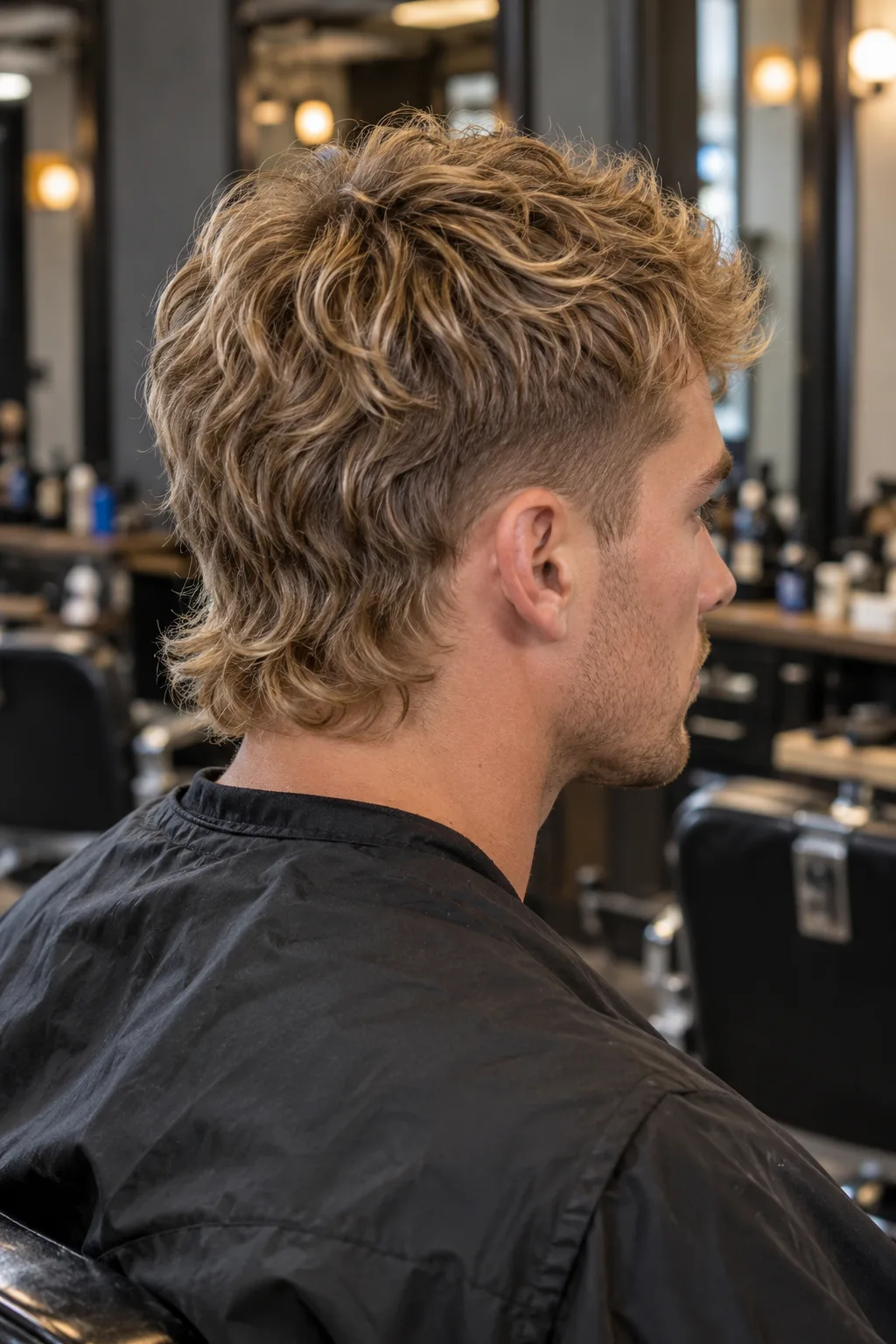
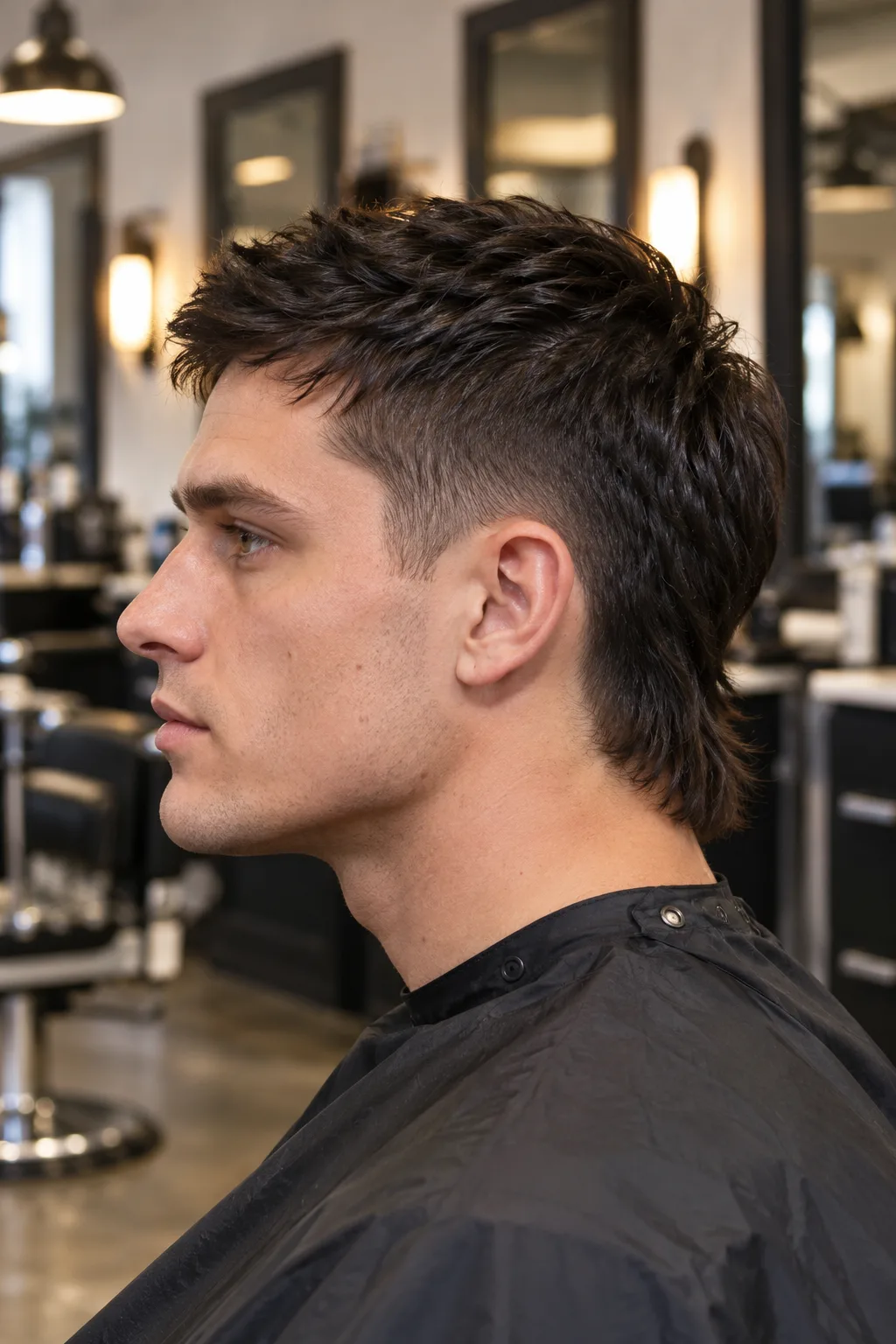
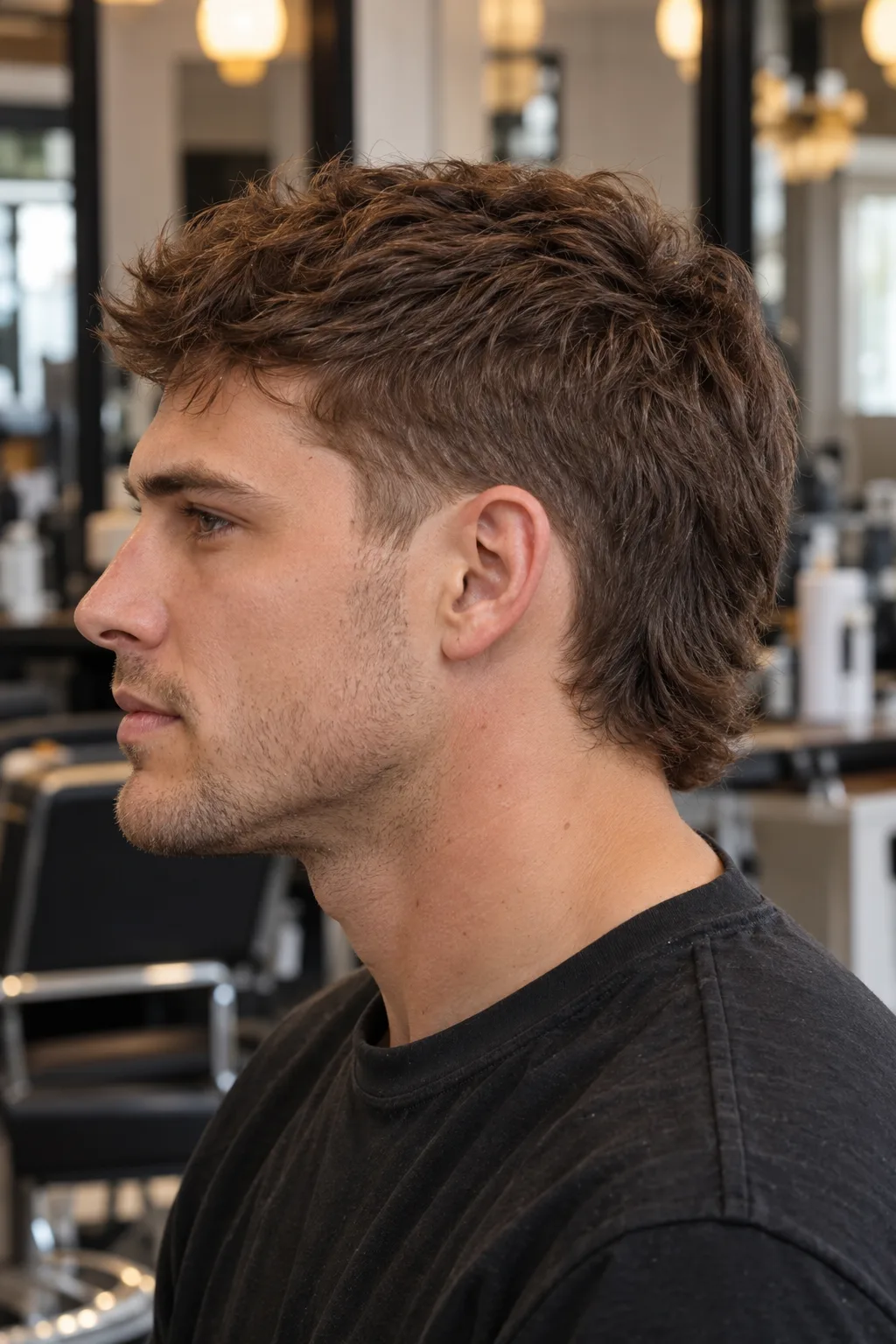
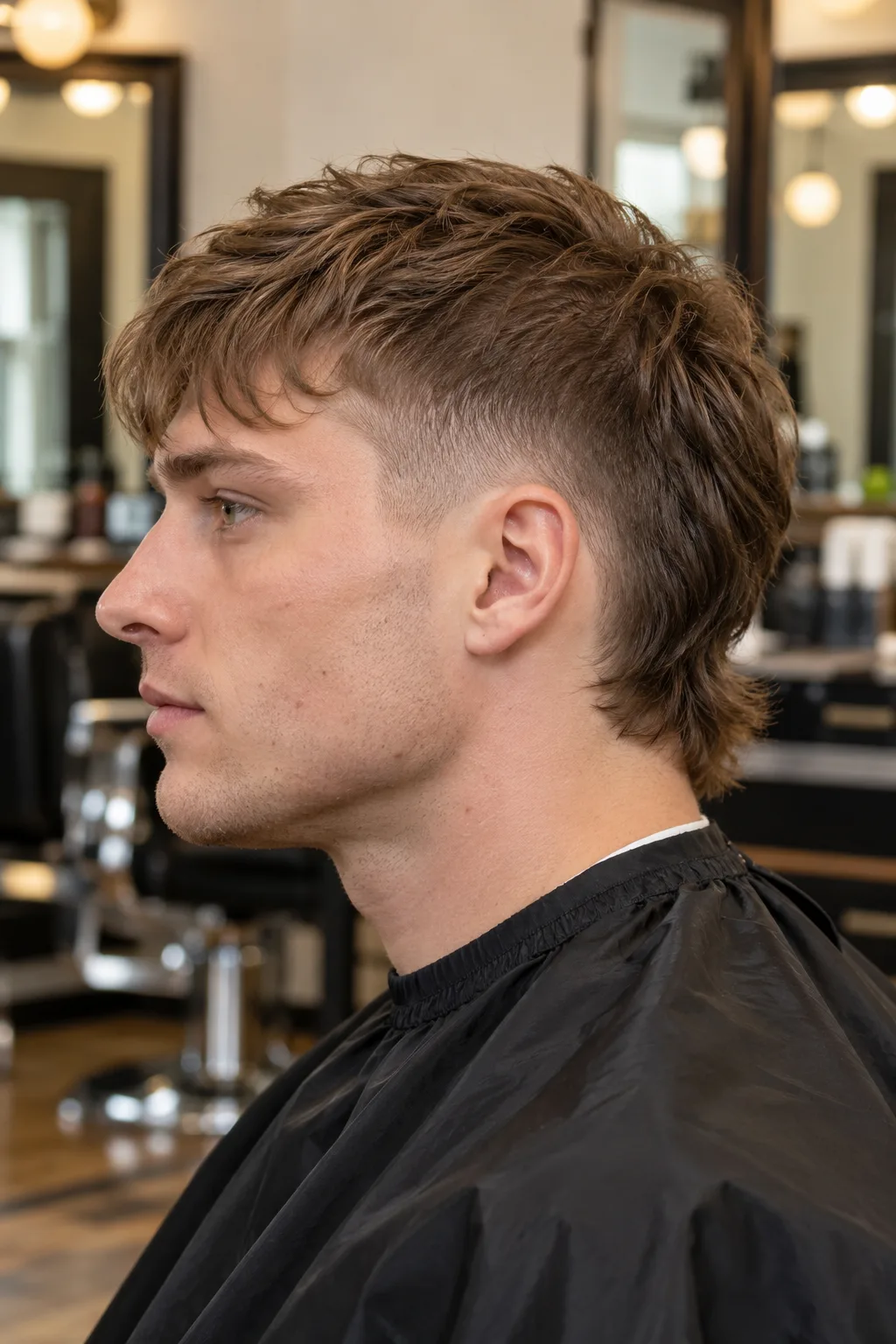
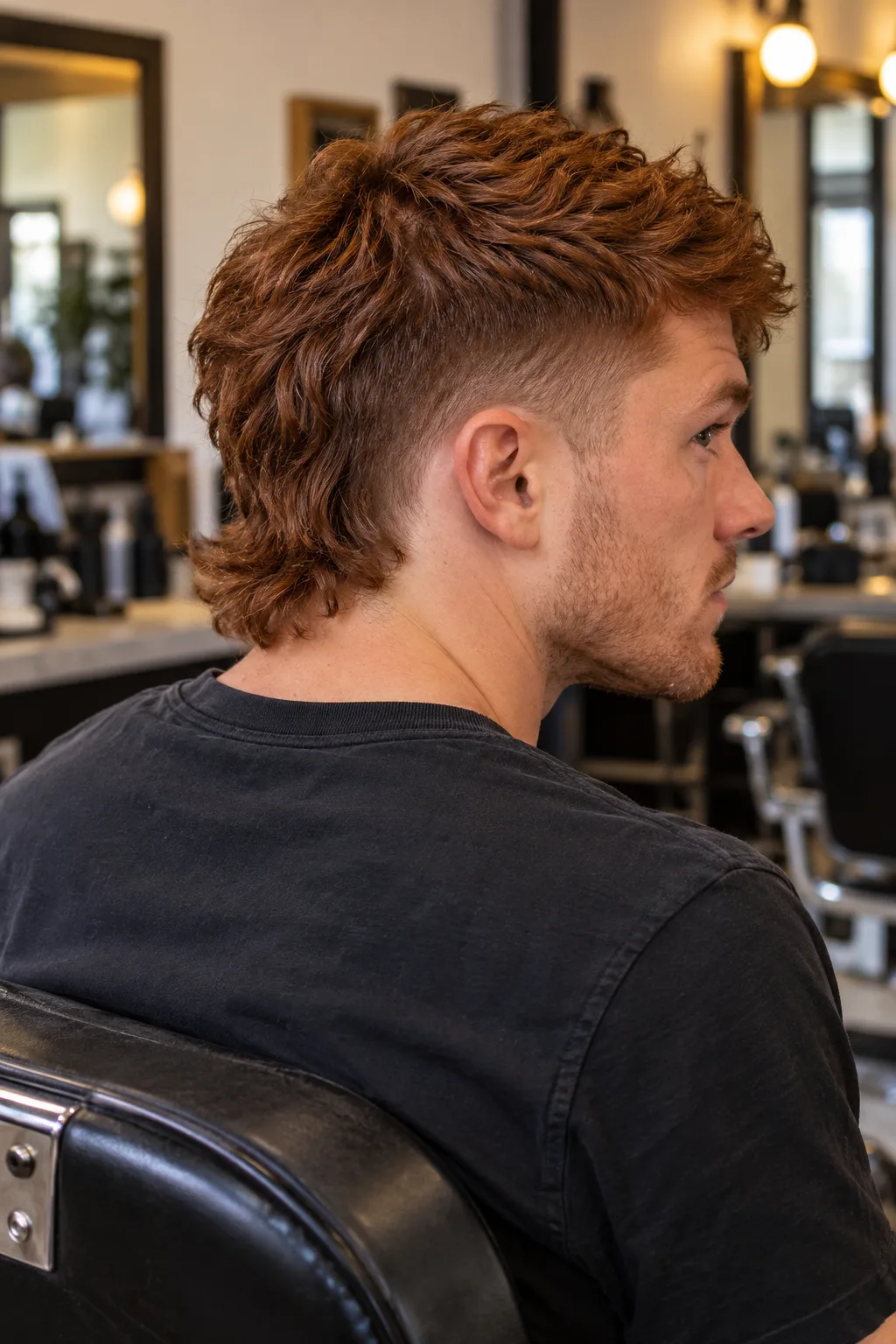
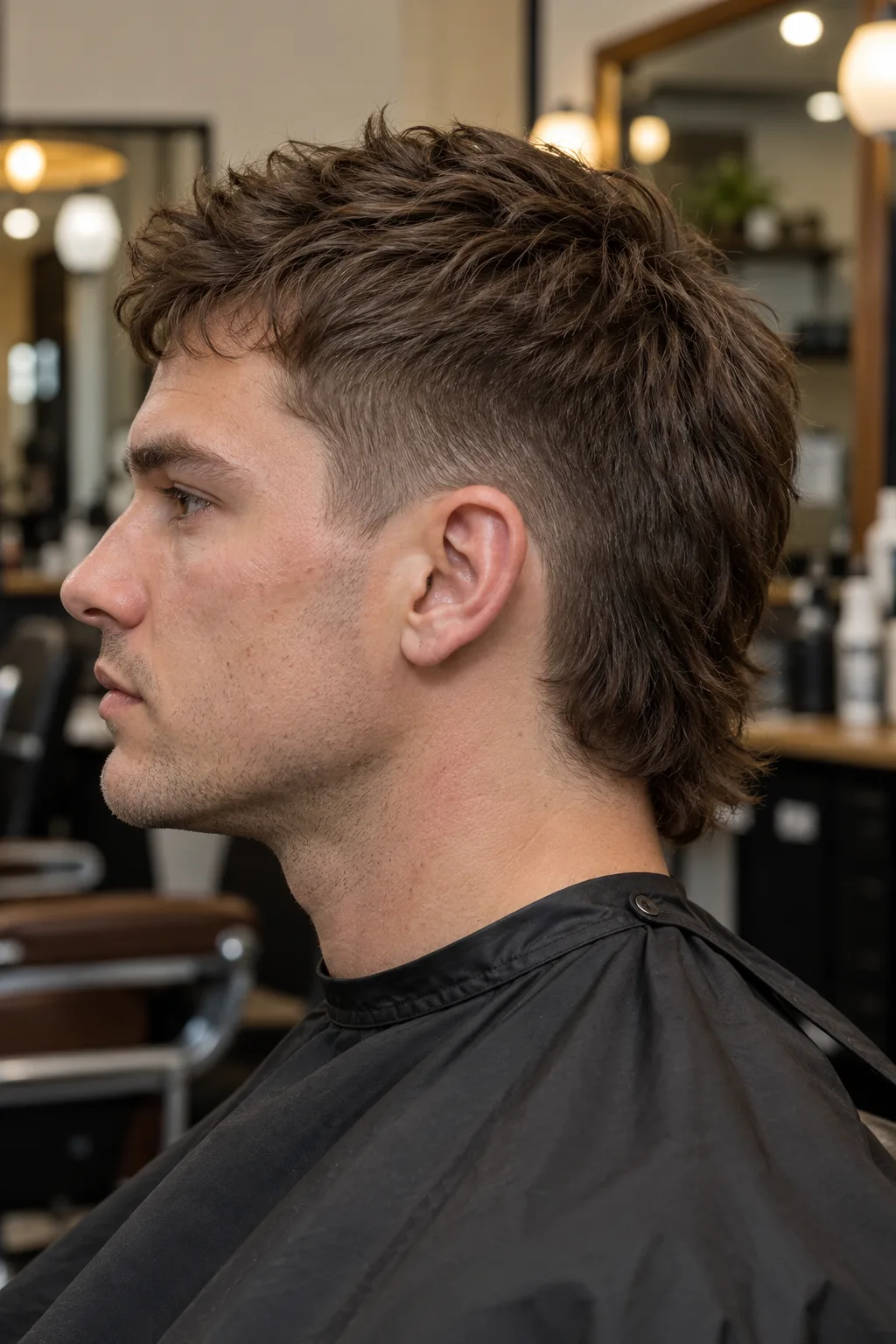
Every cut below follows the same rules: tight sides around the ear, a textured top, and a back that stops above the collar. What changes is the variant, from a scissor cut you could wear to a job interview to a skin fade with a choppy fringe. Look for the one that matches your hair type before you look for the one you like best.
Gallery14 photos · tap to enlarge
 Try this on me
 Try this on me
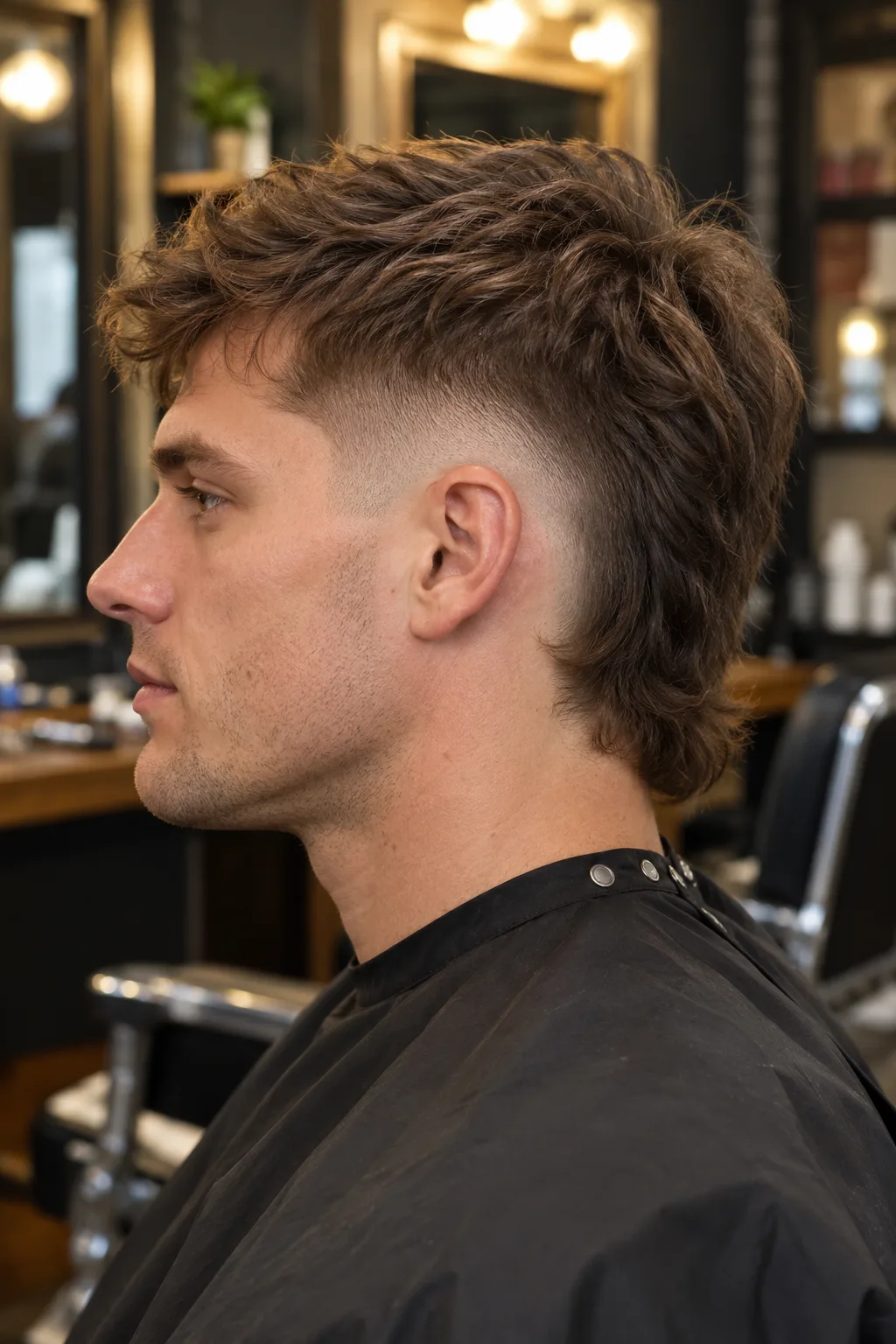 Try this on me
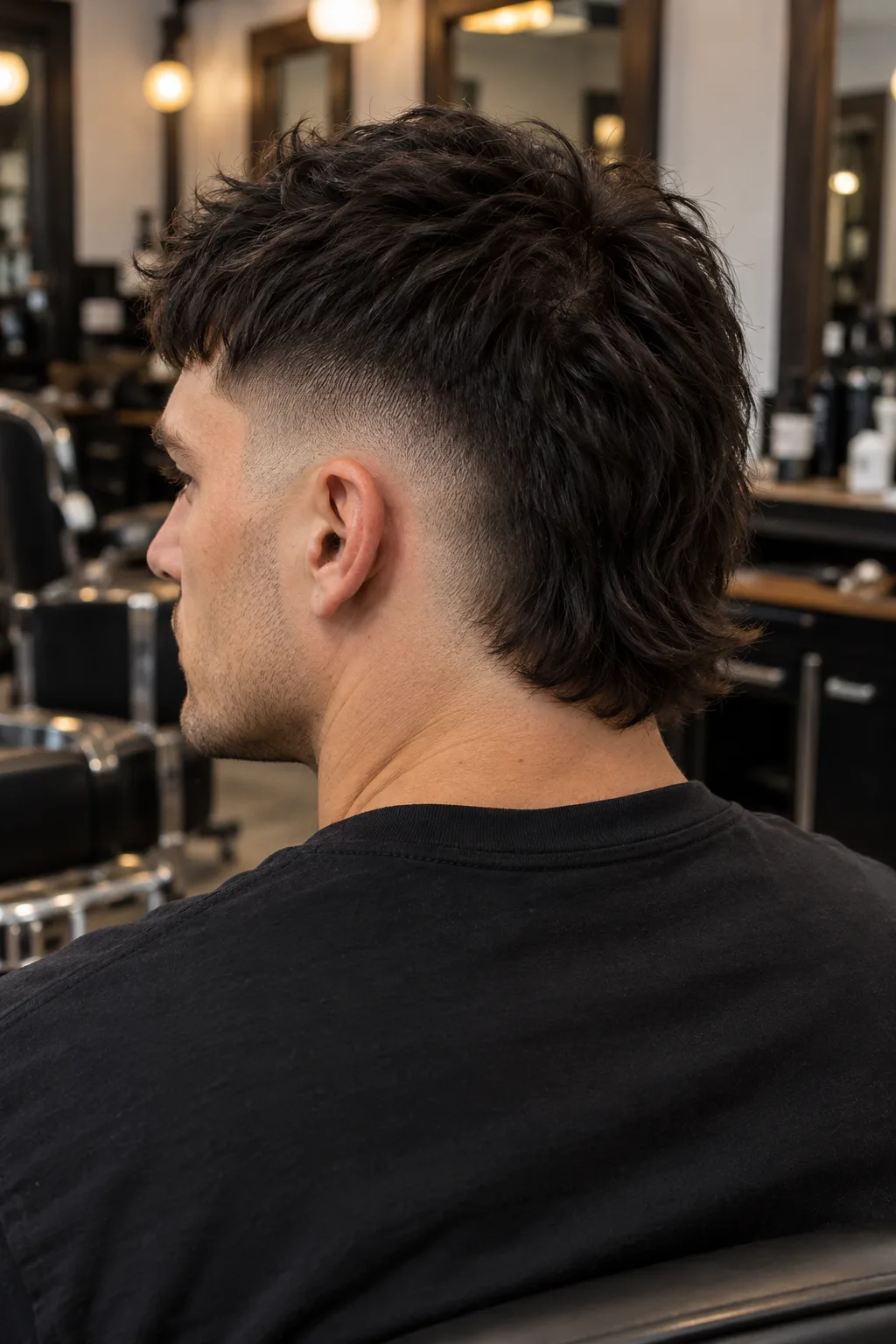 Try this on me
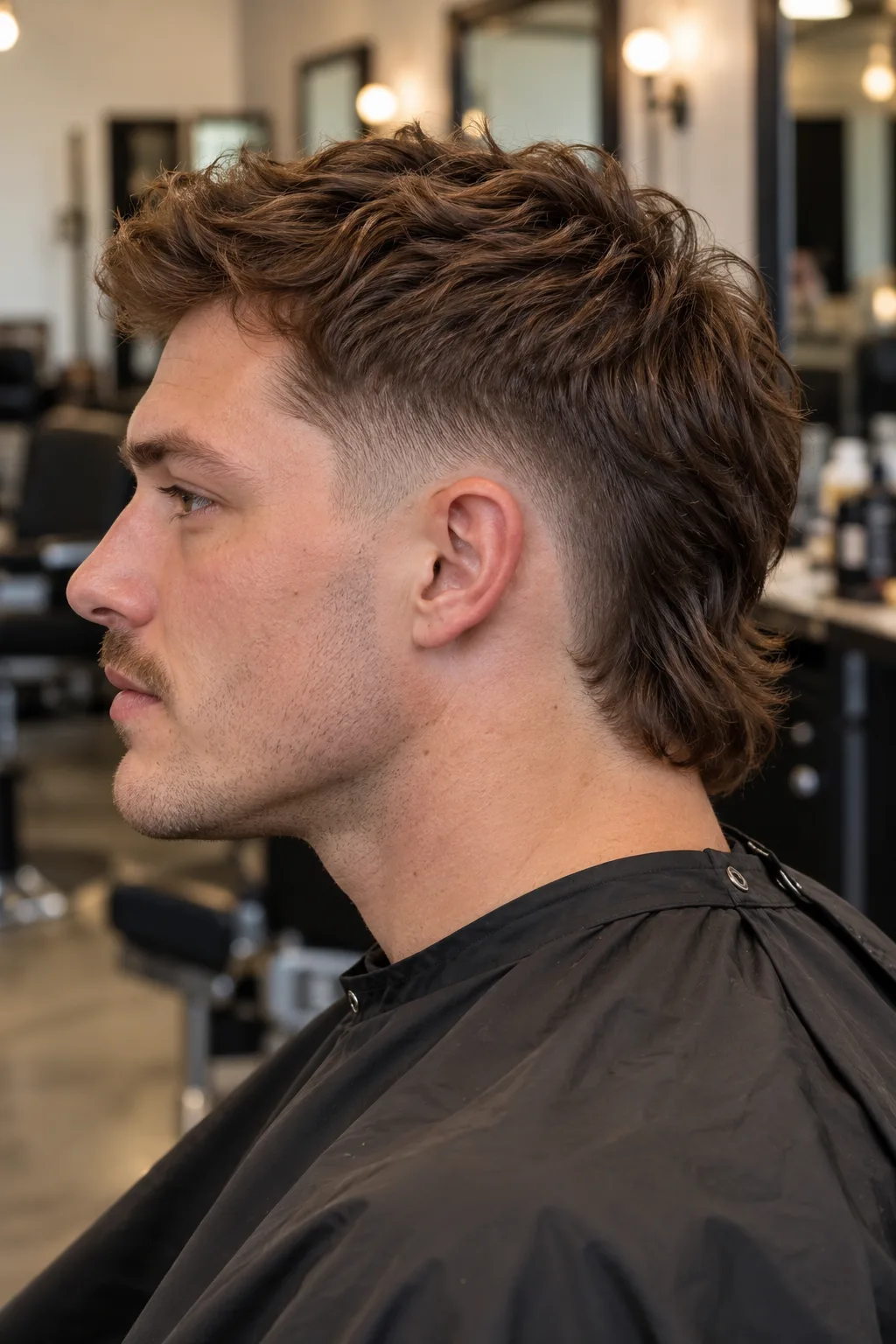 Try this on me
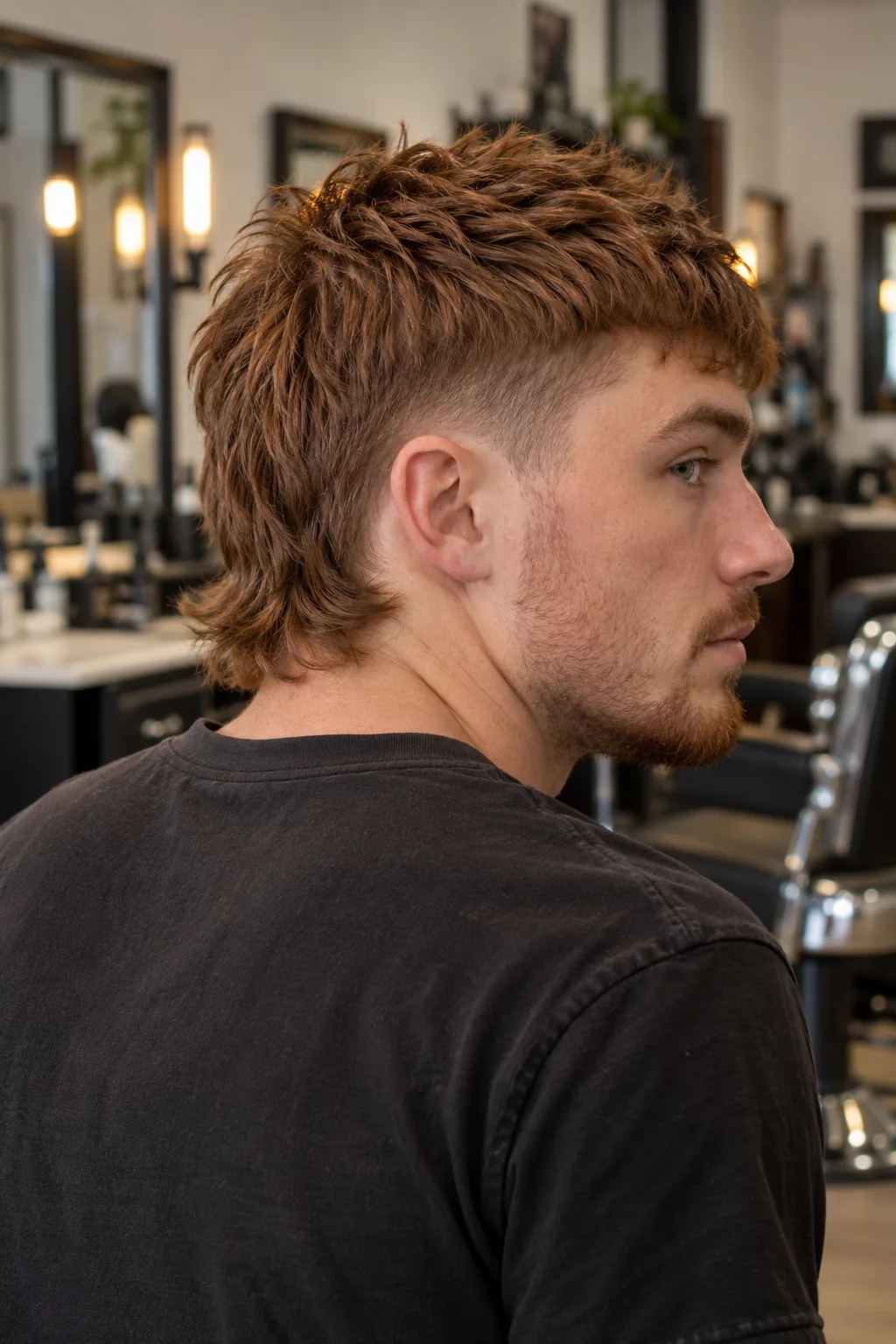 Try this on me
 Try this on me
 Try this on me
 Try this on me
 Try this on me
 Try this on me
 Try this on me
 Try this on me
 Try this on me
Which short mullet suits your hair type?
Hair type decides more than face shape here, because the back is so short that its texture is most of what people see. Straight hair shows every line, curls hide them, and fine hair needs the most help.
| Hair type | Best variant | Back length | Ask for |
|---|---|---|---|
| Straight | Low taper or mid fade | 1.5 in | Point cutting so the back does not hang flat |
| Wavy | Taper, soft sides | 1.5 to 2 in | Texture on top, leave the waves at the nape |
| Curly | Taper or skin fade | 2 in, cut dry | Curls cut individually, tight sides |
| Fine or thin | Choppy top, fade | 1 to 1.5 in | Blunt back, matte paste, no heavy layering |
Straight hair
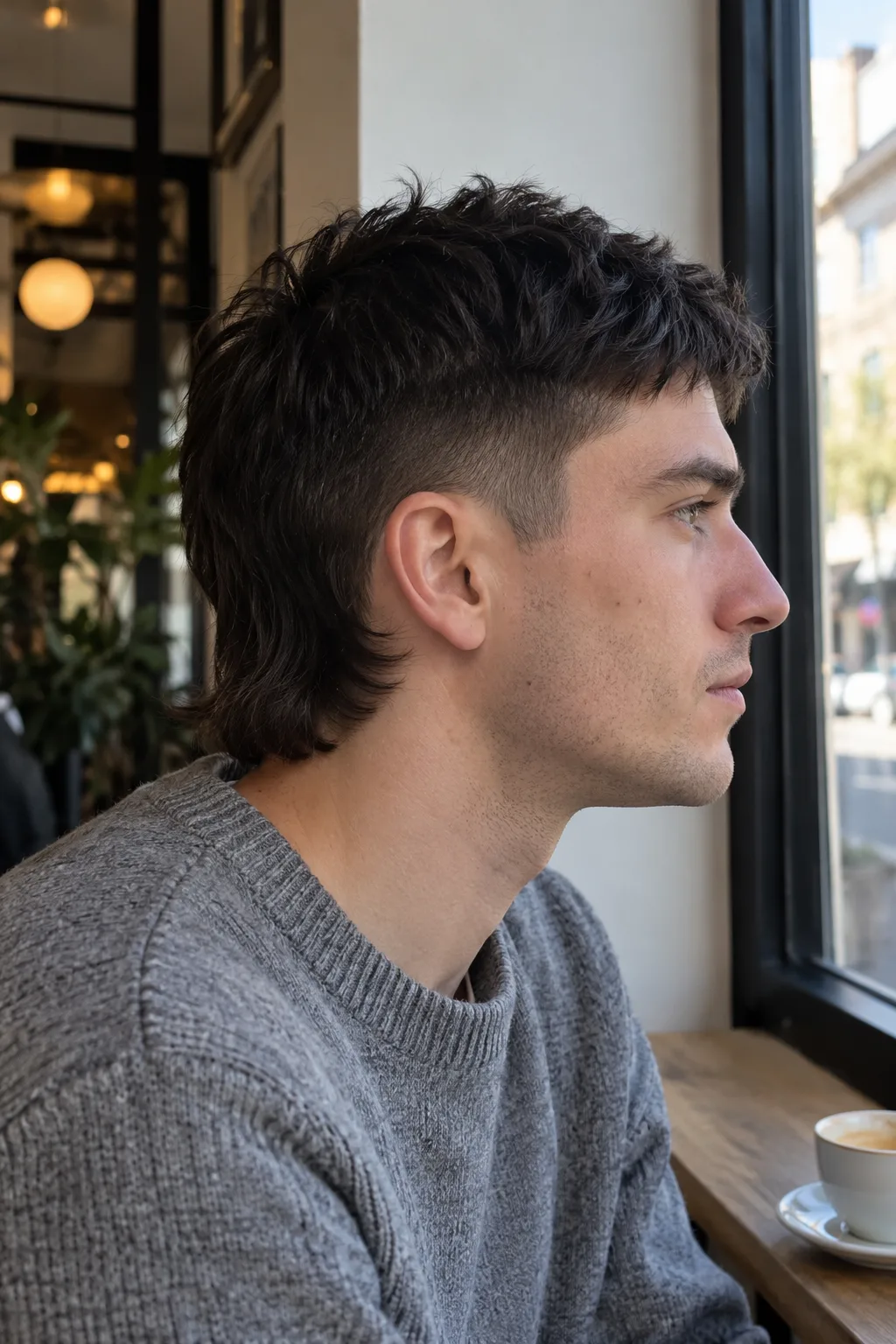
Straight hair is the hardest texture for a short mullet because there is nothing to hide behind. A back cut straight across hangs like a curtain. Ask for the ends to be point cut so they break up, and keep the sides tighter than you think, because on straight hair the contrast between the side and the back is the whole look. Our guide to haircuts for straight hair covers the styling side.
Wavy hair

Wavy hair is the easiest. The back flicks out on its own, so 1.5 inches past the nape already looks finished. Do not let the barber thin the waves out of the back. A little sea salt spray on damp hair and a rough dry is the whole routine.
Curly hair
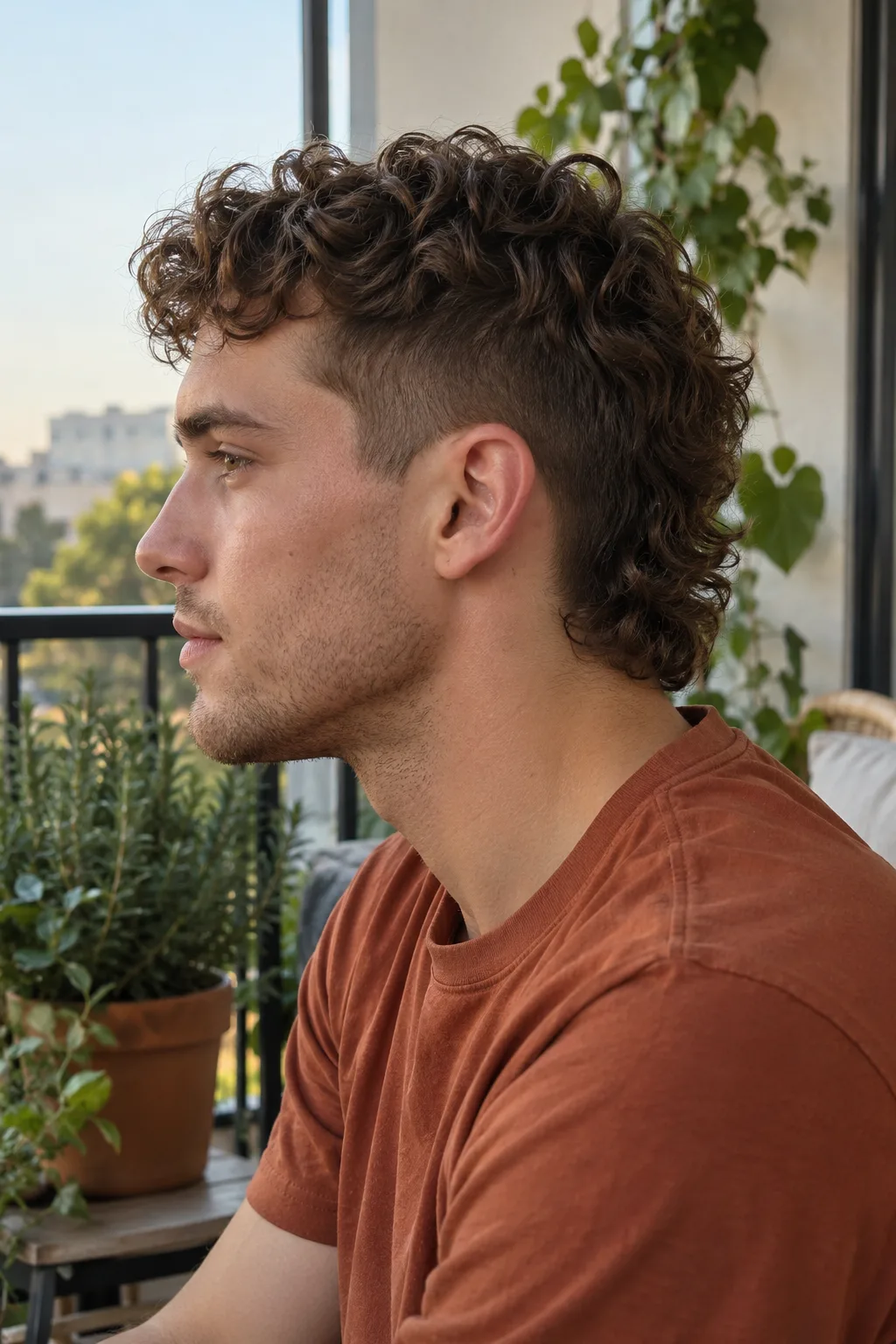
Curls shrink when they dry, so a back cut to 2 inches wet can end up 1 inch dry. Find a barber who cuts curls dry. The faded sides make the curls on top and at the nape look deliberate rather than overgrown. If you want more curly options, our curly hair haircut guide has the full range.
Fine or thinning hair
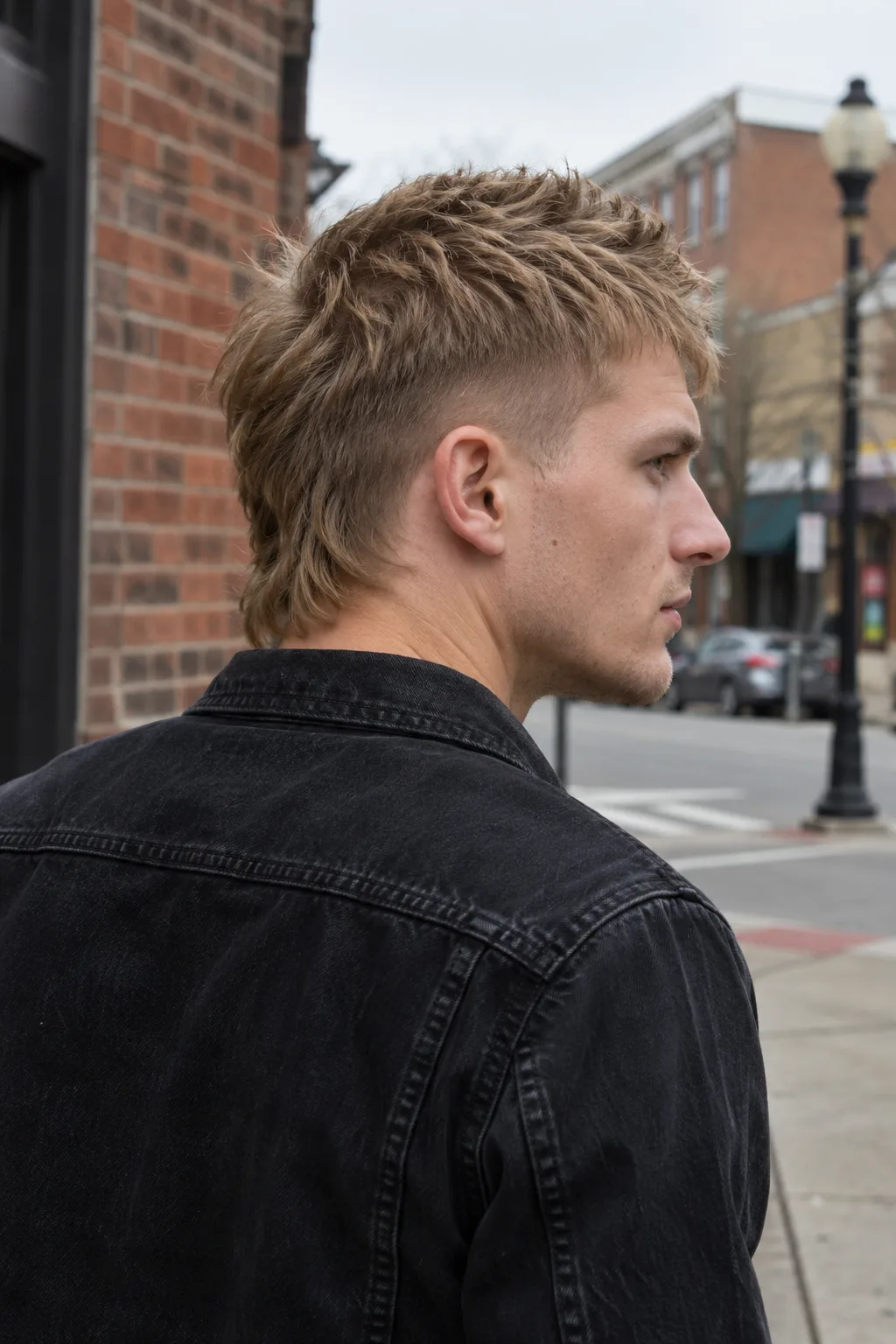
Fine hair is where a short mullet beats a long one. A long back on fine hair goes stringy, and you see scalp through it. Keep the back to 1 to 1.5 inches and ask for it blunt, not layered, so it holds a solid edge. On top, choppy texture plus a matte paste makes the hair look thicker than it is. A textured crop on top is a good starting point.
Yours could be here.
Start with one selfie.
One photo, twenty seconds, and you'll know. Free account, no card for your first render.
Does a short mullet suit a round face?
Yes, and better than most short cuts. The weight sits behind your face, not around it, and tight sides stop the head from looking wider. The fix for a round face is height on top: 2 to 2.5 inches pushed up and slightly forward makes the face look longer.

| Face shape | Keep | Avoid |
|---|---|---|
| Round | Tight sides, height on top | Full sides, a flat top |
| Square | Soft taper, some texture | A hard skin fade, which adds more angles |
| Oval | Any variant | Nothing in particular |
| Long | A fringe, less height on top | Tall volume on top |
| Heart | Soft mullet, fuller top | A high fade, which narrows the temples further |
Not sure which one you are? Measure it rather than guessing from a mirror.
Measure it instead of guessing
Both numbers in the same unit — the answer is a ratio, so it does not matter which.
Under 1.15 reads round, 1.15 to 1.5 reads oval, over 1.5 reads long. Oval and long split on the jaw rather than the ratio: an oval tapers toward the chin, a long face runs straight down.
How to grow a short mullet from a short haircut
Scalp hair grows about half an inch a month, according to dermatologists cited by the American Academy of Dermatology. A short mullet only needs about 1.5 extra inches at the back, so most people get there in two to three months, much faster than a full mullet.
| Weeks | What it looks like | What to do |
|---|---|---|
| 0 | Normal short cut | Tell your barber to stop cutting the nape |
| 4 | Slightly shaggy at the back | Get the sides tidied, leave the back |
| 8 | 1 in past the nape, starting to read as a mullet | Ask for shape in the back, sides tightened |
| 12 | 1.5 in past the nape, a finished short mullet | Book trims every 3 to 4 weeks from here |
The trick is to keep getting the sides cut while the back grows. That is what makes the awkward middle stage look like a choice rather than a missed appointment.
Mistakes that ruin a short mullet
Leaving the sides full
This is the big one. A short back with full sides is not a mullet, it is an overgrown cut. If the ear is not visible, the sides are too long.
Letting the back hit the collar
Once the back rests on your shirt, it stops being short and starts flipping out unevenly. Say "above the collar" out loud.
A hard step between the side and the back
The 1980s mullet had a visible shelf where the sides met the back. The short version needs a blend. Ask for it connected.
Thinning the back too much
On a short mullet there is not much back to begin with. Thinning shears turn it into a few wispy strands. Ask for texture on top, not at the nape.
Skipping the trims
The sides grow out first. After four weeks without a cut, the contrast is gone and the shape goes with it.
Say this to your barber
Short mullet: tight taper around the ears, 2 inches of texture on top, and leave 1.5 inches at the nape so it stops above my collar. Blend it, no hard line.
How to ask for a short mullet
- Bring a side photo
Show the barber a side or back view, not a front one. The front of a short mullet looks like any short haircut, so a front photo tells them nothing.
- Name the side
Say taper, low fade or mid fade, and where it stops. "Tight around the ear, ear fully showing" is the minimum.
- Give the back a number
Say "1.5 inches past the nape, above the collar." Without a number most barbers clean the nape up out of habit.
- Ask for texture on top
Point cutting or a light razor on top, with 1.5 to 2.5 inches left. Leave the back alone apart from shaping it.
- Book the next trim
Book three to four weeks out before you leave the chair. The sides are what keep it looking sharp.
The problem with picking a mullet from photos
Everything above is free and it works. The wall is that every photo you have saved shows the cut on someone else's head, hair type and face. A short mullet that looks sharp on a straight haired model can look completely different on your curls or your round face, and you only find out after the clippers come out.
That is the one thing seeing the cut on your own face fixes. Upload a selfie and see the short mullet on yourself before the appointment, then show the barber the result.
Can you try a short mullet on your own face for free?
Yes. Your first look on HairstyleAtlas is free and needs no card: upload a selfie, pick the mullet, and see the front view on your face. After that, plans start at $9 a month, you can cancel in two clicks, and there is a seven day refund. The pricing page has the details, and the mullet try on goes straight to the cut.
So which short mullet should you get?
If it is your first mullet, get the low taper version with the back at 1.5 inches. It passes at work, it grows into a longer mullet on its own if you like it, and it goes back to a normal haircut in one visit if you do not.
If you already know you want it louder, add a mid skin fade and a textured crop on top. Just know that version needs a barber every three weeks. Either way, the sides matter more than the back. Get those right and the rest takes care of itself.
Frequently asked questions
A soft mullet is the lowest contrast version: the sides are only a little shorter than the top and the back only a little longer than a normal cut. There is no skin fade and no hard line. It reads as a slightly grown out regular haircut, which makes it the safest way to try the shape.
Stop cutting the back and keep cutting the sides. Tell your barber to leave the nape alone and tidy only around the ears every four weeks. At about half an inch of growth a month, you have a short mullet in two to three months.
A skullet is a mullet worn with a bald or shaved top, so the only hair left is on the sides and the long back. It is a joke cut for most people. A short mullet is the opposite idea: the top stays full and textured.
To grow it out into a normal haircut, you do not wait at all: one cut that takes the back flush with the nape removes it. To grow a short mullet into a longer modern mullet takes another three to four months for 1.5 to 2 more inches at the back.
Yes. The weight sits behind the face, and tight sides keep the head from looking wider. Add 2 to 2.5 inches of height on top to make the face look longer.
Short sides are, short tops are not. A buzz cut all over can make a round face look rounder. Keep the sides tight and leave enough length on top for some height, which is exactly what a short mullet does.
Bring a side photo, name the fade or taper on the sides, and give the back a number in inches. For a short mullet, say "1.5 inches past the nape, above the collar, blended into the sides."
Preview it on your own photo: Mullet Try-On.
Share article
About the author
Related posts
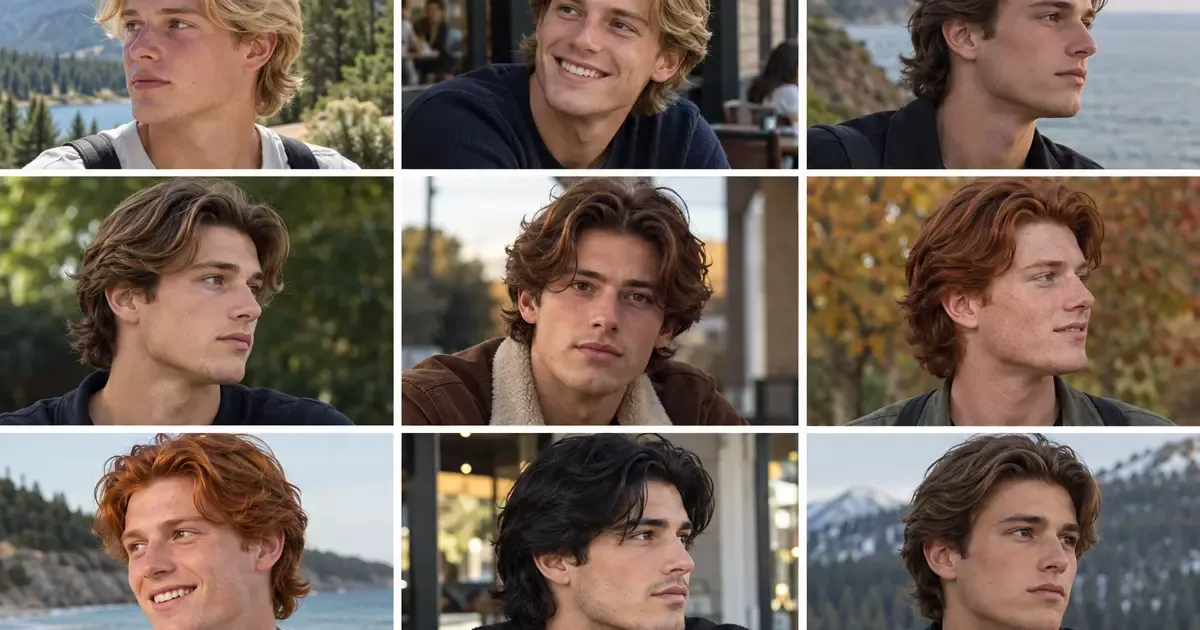
Men's Haircuts · 15 min
Flow Haircut: 14 Looks, Grow-Out Timeline and What to Ask For
The flow is medium-length hair swept back with the ends flicking out at the collar. See 14 versions, how long it takes to grow, which hair types suit it, and the exact words for your barber.
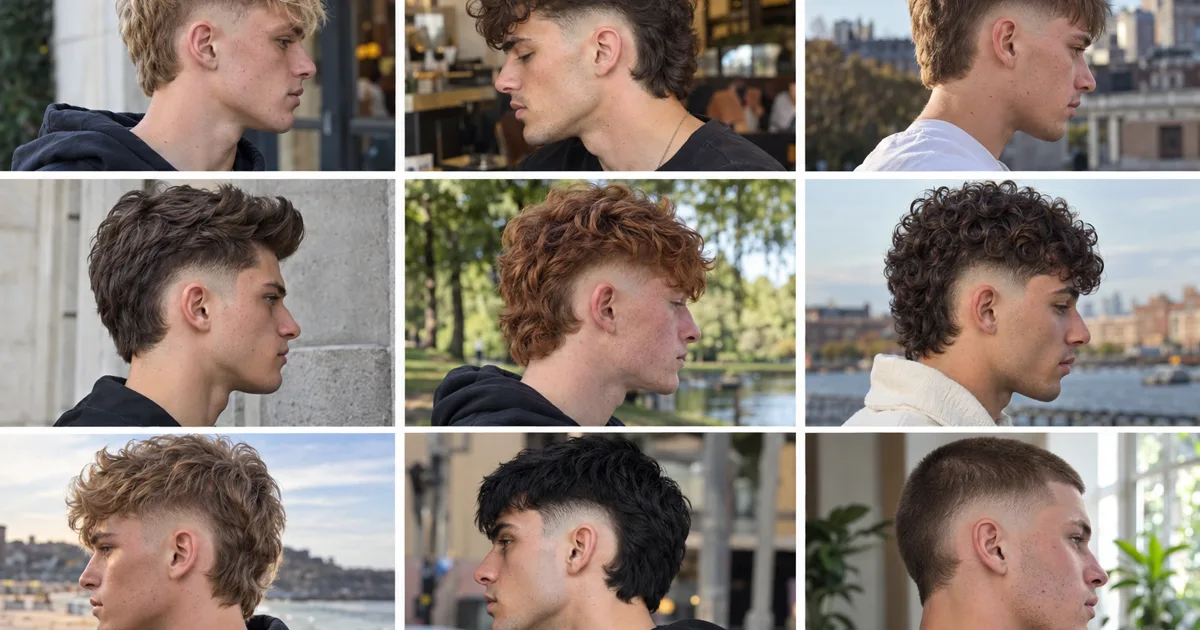
Men's Haircuts · 14 min
Burst Fade Haircut: 14 Ways to Wear It and What to Ask For
A burst fade curves around the ear and leaves the back long. See it under 14 different tops, which hair type and face shape it suits, and the exact words for your barber.
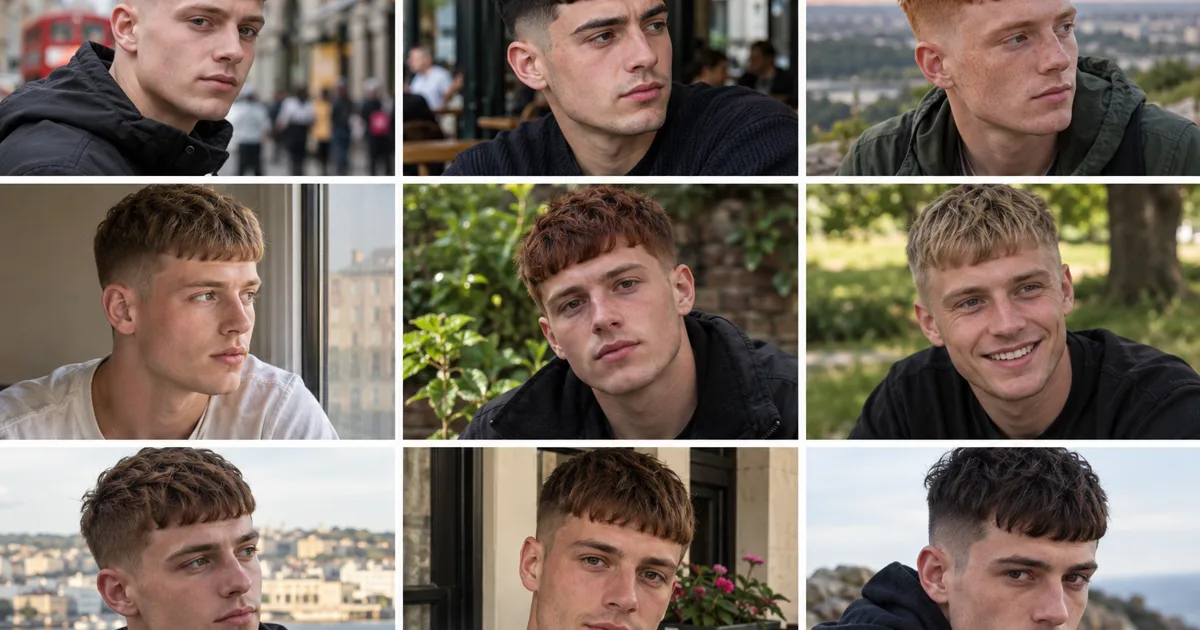
Men's Haircuts · 14 min
French Crop Haircut: 12 Blunt Fringe Looks and What to Ask For
The French crop is a short forward cut with a blunt, straight fringe. See it with 12 different sides, find the version for your hair type and face shape, and get the exact words for your barber.
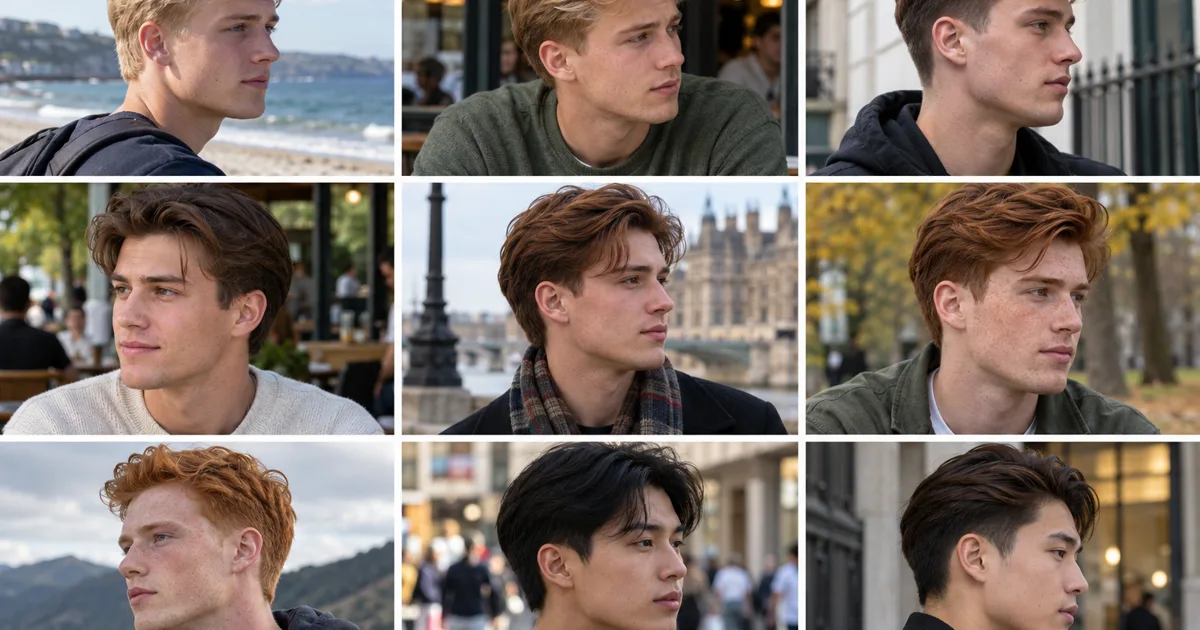
Men's Haircuts · 16 min
Low Taper Fade Straight Hair: 14 Tops and the Inch That Matters
A low taper fade suits straight hair, but the inch above the taper decides how it grows out. See it under 14 tops, find the version for fine, thick or long straight hair, and copy the words for your barber.
Men's Haircuts · 14 min
Low Taper Fade with Textured Fringe: 14 Looks and How to Ask
A low taper fade with a textured fringe is a soft taper at the sideburns and nape with about 3 inches of choppy hair pushed forward. See 14 fringes on the same taper, find the one for your face shape, and copy the exact words for your barber.
Men's Haircuts · 14 min
Textured Crop Haircut: 14 Fades, Who It Suits and What to Ask For
A textured crop is 1.5 to 2 inches of choppy hair pushed forward over faded or tapered sides. See it with 14 side cuts, find the version for your hair type and face shape, and copy the exact words for your barber.