Bad Haircuts: The 6 Most Common and How to Fix Each One
Oleh Onysko Updated 27 September 2026 15 min read
In this article
Most bad haircuts fix themselves in 7 to 14 days, and the ones that do not usually need less cutting, not more. The mistake that turns a bad haircut into a bad month is the panic fix: going straight back into the chair, or reaching for the clippers at home, while the cut is still at its worst.
This guide sorts the common bad haircuts by what actually went wrong, tells you how long each one takes to recover, and gives you the exact words to say when you go back. It is written for men's cuts, where most of the damage happens with clippers and in millimeters.
What makes a haircut bad?
A haircut goes bad for one of three reasons, and the fix depends on which one you got. Work out the cause before you book anything.
| Cause | What it looks like | Who can fix it | How fast |
|---|---|---|---|
| Miscommunication | A clean cut that is not the one you wanted | The same barber, with a photo | Often the same week |
| Wrong cut for your hair | Well executed, but it sticks up, puffs out or sits flat | A different cut, not a correction | Next appointment |
| Poor execution | Lines, patches, steps, lopsided sides | A more skilled barber | About a week |
The first one is the most common. "Short on the sides, a bit off the top" means a different thing in every shop, and a barber working from a vague brief will default to whatever they cut most. That is not bad luck. It is a brief that left the result to chance.
The most common bad haircuts and how to fix each
Here is every one we see often, what caused it and what the fix really costs you in length. The verdict table at the end of this section puts them side by side.
The fade went too high
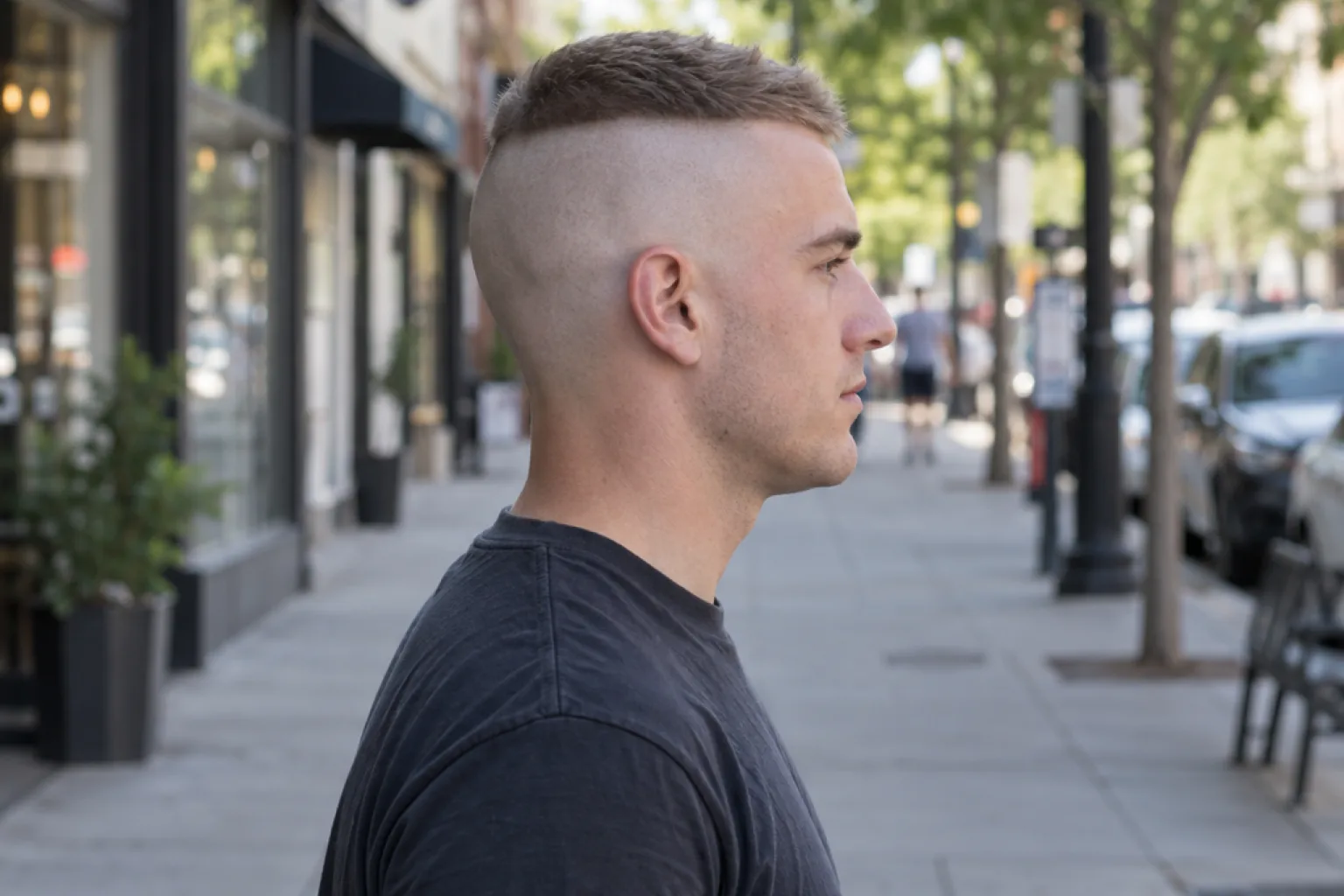
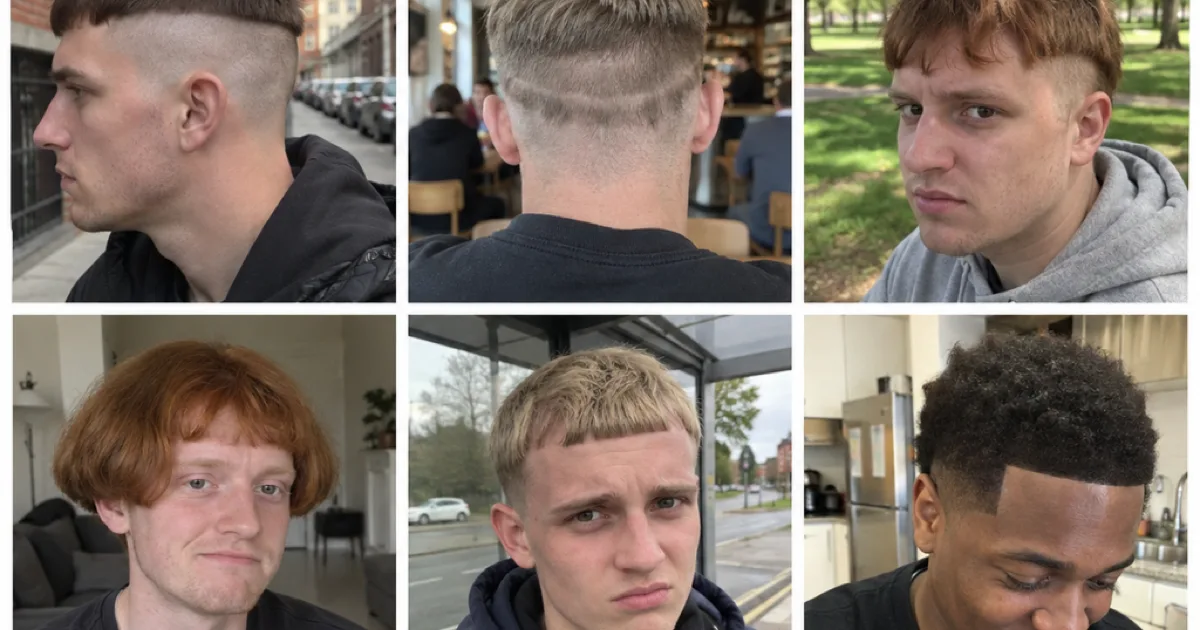
You asked for a fade and the barber took the bare skin up past the temple, leaving a small cap of hair on top with a hard shelf where the two meet. It reads as a mistake from across the room because the proportions are wrong, not because the cut is messy.
You cannot make the sides longer, so the fix is to bring the top down to meet them or to wait. Give it two to three weeks, then ask for a higher taper that blends into shorter hair on top. If the top is already short, a crew cut hides the shelf in a single visit. Our guide to fade heights and where each one starts shows where to point the next time.
The fade has lines and patches

Visible stripes and a step line around the back mean the guard changes were not blended. This is an execution problem, and it is the easiest bad haircut to fix because the length is still there.
Wait about a week so the stubble evens out, then take it to a different barber and ask them to blend the fade only. They lose a few millimeters, not a whole cut. If you want to know what a clean one should look like up close, our bald fade breakdown has the details.
The lineup was pushed back
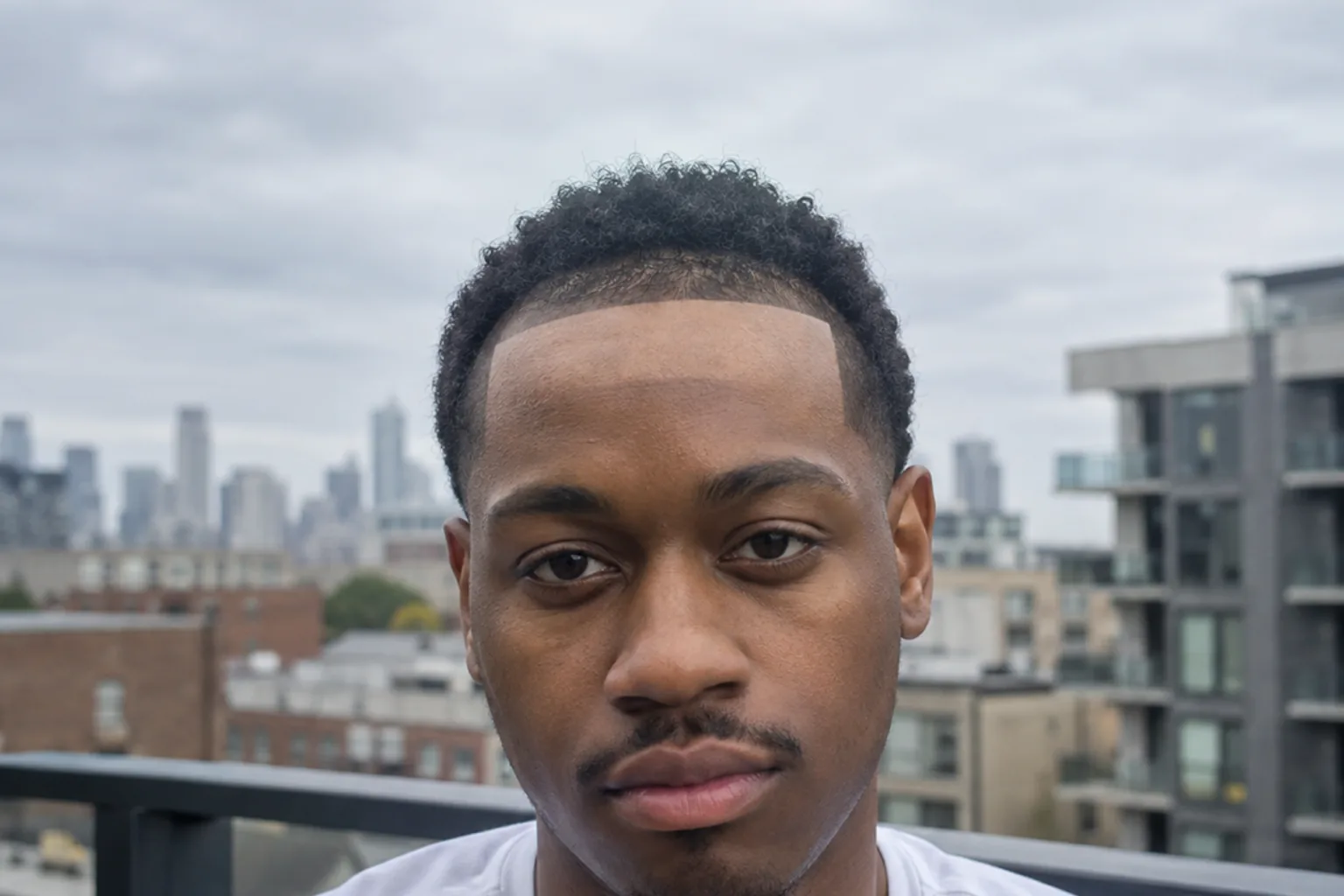
A lineup that chases a straight edge past your natural hairline leaves a band of shaved skin and sharp corners at the temples. It is the one bad haircut with no fast fix, because the only thing that repairs a hairline is hair.
Do not let anyone re-line it to tidy it up, since every re-line pushes the edge back further. Leave the front alone for three to four weeks and ask the next barber to follow your natural hairline and keep it soft.
The top is choppy and uneven
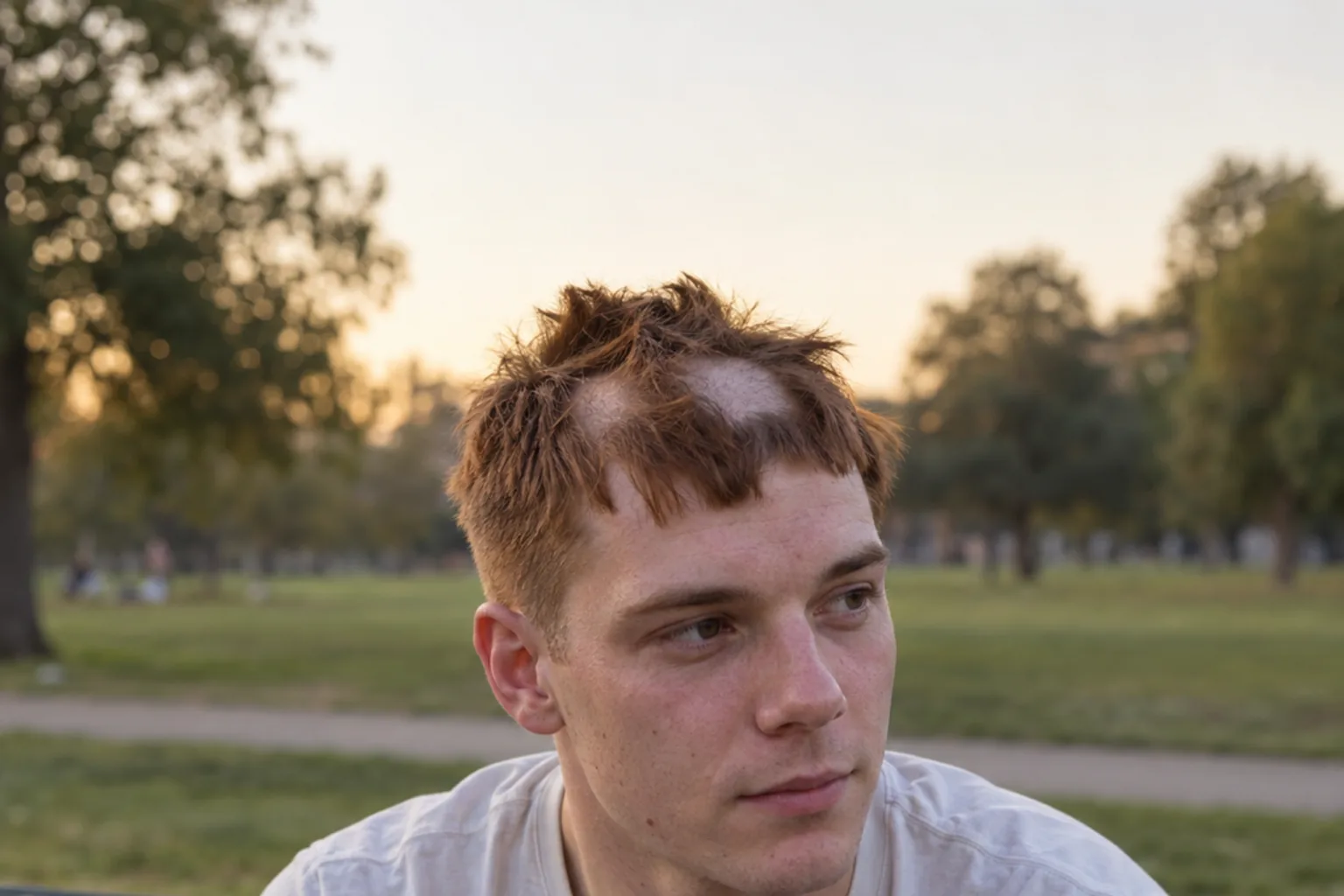
Chunks, gaps and pieces an inch shorter than their neighbors usually come from a rushed scissor cut or an attempt at texture that went too far. There is a difference between texture and damage: texture is repeated and deliberate, damage is random.
The fix is a textured crop, where the barber point-cuts the whole top down to match the shortest chunk and makes the choppiness look intentional. You lose about an inch on top. If the shortest piece is very short, a crew cut is the cleaner reset.
The sides are too long: the mushroom

This one is the opposite problem. The barber was cautious, took almost nothing off the sides, and thick hair now puffs out over the ears so your head looks wide and round.
This is the good kind of bad haircut, because there is length to work with. Go back within the week and ask for a low taper or a scissor taper that takes the weight out above the ears. It fixes the shape in one visit and you keep everything on top.
The bangs or fringe are too short
A blunt fringe that ended up high on the forehead is mostly a styling problem for the next three weeks. Push it up and to the side with a matte paste instead of wearing it down, and it reads as a short quiff instead of a mistake. At about half an inch of growth a month, it takes three to four weeks to get back to the brow.
The verdict table
| What went wrong | Wait before fixing | The fix | Length you lose |
|---|---|---|---|
| Fade too high | 2 to 3 weeks | Higher taper or crew cut | Top, about an inch |
| Lines and patches | About 1 week | Re-blend the fade only | A few millimeters |
| Lineup pushed back | 3 to 4 weeks | Grow it, follow the natural line | None, but no shortcut |
| Choppy top | Up to 1 week | Textured crop | About an inch on top |
| Sides too long | None, go back now | Low or scissor taper | Sides only |
| Fringe too short | 3 to 4 weeks | Style it up, then reshape | None |
What is the 7 day haircut rule?
The 7 day haircut rule means you wait a full week before judging a new cut or asking for it to be changed. Hair settles in that week: the sharp clipper lines soften, the stubble fills in, and a fade that looked harsh on day one often looks right on day five.
It also protects your fix. A barber correcting a fresh bad cut is working with no margin, so every change takes more off. After a week there are a few extra millimeters to blend into. Some shops offer a free touch-up inside the first week, so ask before paying someone else.
How to fix a bad haircut
This is the order that saves the most length. The one real exception is the mushroom, where the problem is too much hair, so you can go back straight away.
How to fix a bad haircut
- Take clear photos in daylight
Photograph the front, both sides and the back on day one. You will want them for the barber, and they show you whether the cut is actually getting better as it settles.
- Wait out the first week
Wash it, style it the way you normally would, and leave it alone for seven days. Most harsh lines and color patches from the clippers soften on their own.
- Decide what went wrong
Use the table above: miscommunication, wrong cut for your hair, or poor execution. That tells you whether to go back to the same barber or book a better one.
- Book the fix with a reference picture
Bring a photo of the cut you want now, not the one you asked for last time. Say what went wrong in one sentence and what you want to keep.
- Ask for the smallest change that works
Blending a fade or tapering the sides costs millimeters. Resetting the whole head costs weeks. Start small; the barber can always take more off.

When the damage is on top and there is nothing left to blend into, the crew cut is the reset that works for most men. Short tapered sides, about an inch on top, and nothing a stranger would read as a mistake. If you are not sure it will suit your head shape, that is the question to answer before the clippers come out, not after.
Here is the sentence to say in the chair:
Say this to your barber
The last cut went too short on the sides, so please only blend what is there, keep all the length on top, and follow my natural hairline.
Can a barber fix a bad haircut?
Yes, a skilled barber can fix most bad haircuts, but only by working with the length that is left. A barber can blend lines, even out a lopsided side, reshape a mushroom and turn a choppy top into a textured crop. What no one can do is add length back, so a fade that went too high or a lineup pushed back needs time before anyone can help.
If the cause was poor execution, go to someone else. Read reviews for the specific cut you had, since a shop that is great at scissor work can be average at skin fades. Whoever you pick, go in with the words: our guide to what to ask for in a low taper fade covers the height, the bottom length and the mirror check.
The mistakes that make a bad haircut worse
The first bad haircut is rarely the one that ruins a month. These are.
- Buzzing it yourself on day one. It swaps a two week problem for a six week one, because now every part of your head is short and the grow-out is uneven. If you do buzz it later, wait out the week, start two guard numbers longer than you think, and use proper buzz cut clippers rather than a beard trimmer.
- Going back while you are angry. A same-day correction on a fresh cut has no margin, so it almost always ends shorter than you wanted.
- Re-lining the hairline to tidy it. Each re-line moves the edge back. A soft, slightly fuzzy hairline for three weeks is better than a permanent notch.
- Asking for "just fix it". Without a target, the second barber guesses too. Bring a picture.
- Wearing a hat every day. Fine for a few days, but constant pressure flattens the top and hides whether the grow-out is working.
How to never get a bad haircut again
The pattern behind most bad haircuts is the same: you described a cut in words, the barber pictured a different cut, and neither of you could see the result until it was done. A reference photo helps, but a photo of someone else's head does not tell you how the cut will sit on your face, your hairline and your hair.
That is the one wall a photo cannot get past, and it is where trying the cut on first with one of the best AI hairstyle apps makes sense.
Before your next appointment, pick the cut, check it against your face, and walk in with a picture of you wearing it. It takes the guessing out of the brief, which is where most bad haircuts start. If your hair is straight and fine, our guide to haircuts for men with straight hair is a good place to shortlist from.
Yours could be here.
Start with one selfie.
One photo, twenty seconds, and you'll know. Free account, no card for your first render.
Where a bad haircut can go next
Every cut below is a real recovery option, ordered from shortest to longest. Find the one that matches how much length you have left: the shorter the damage, the further down this list you start. Everything else is held the same, so the only thing that changes is the cut.
Gallery10 photos · tap to enlarge
 Try this on me
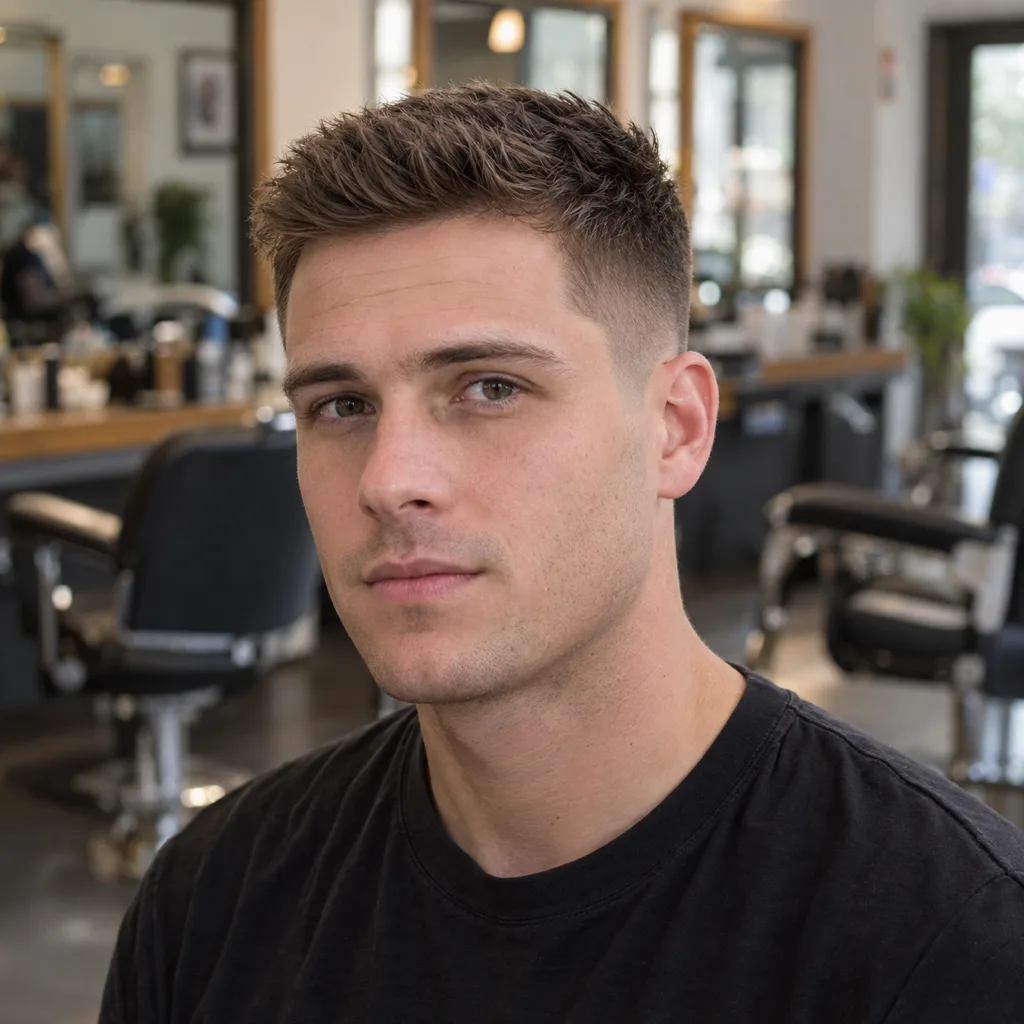 Try this on me
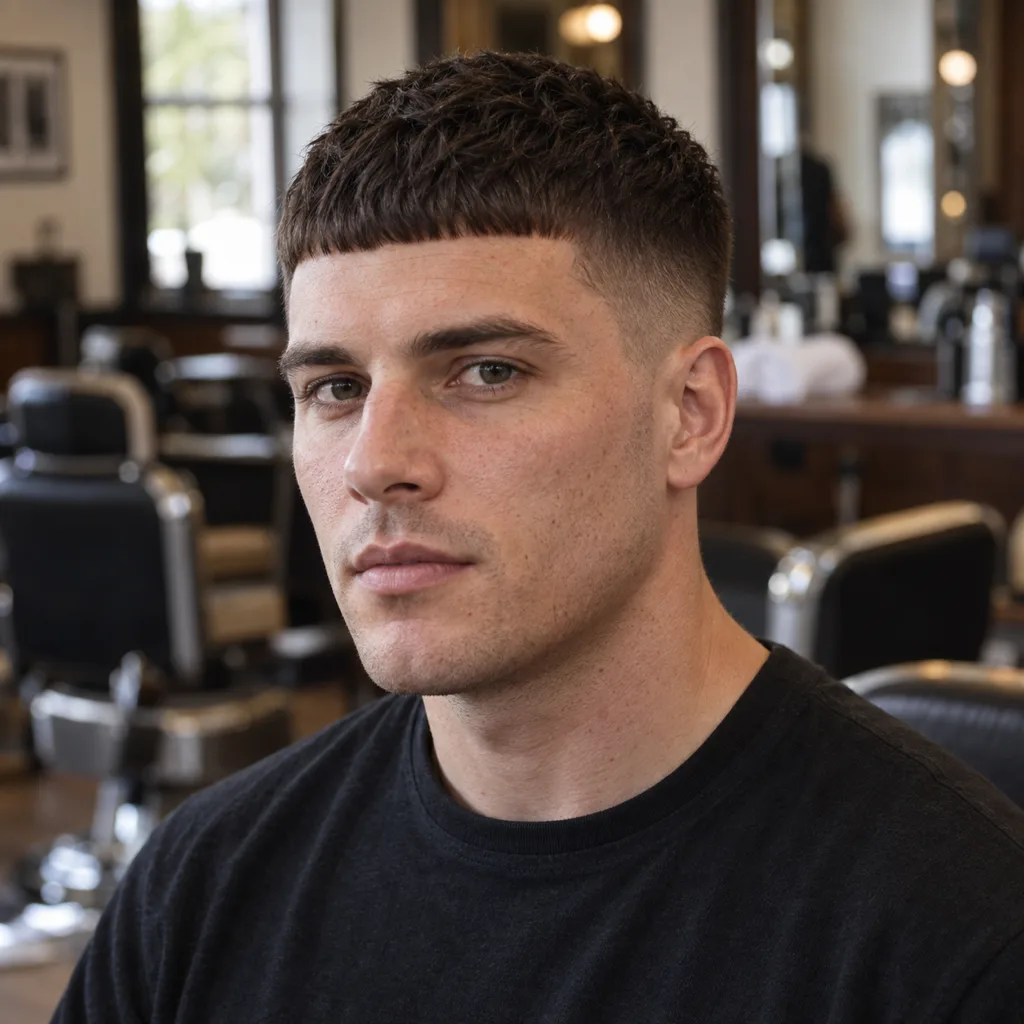 Try this on me
 Try this on me
 Try this on me
 Try this on me
 Try this on me
 Try this on me
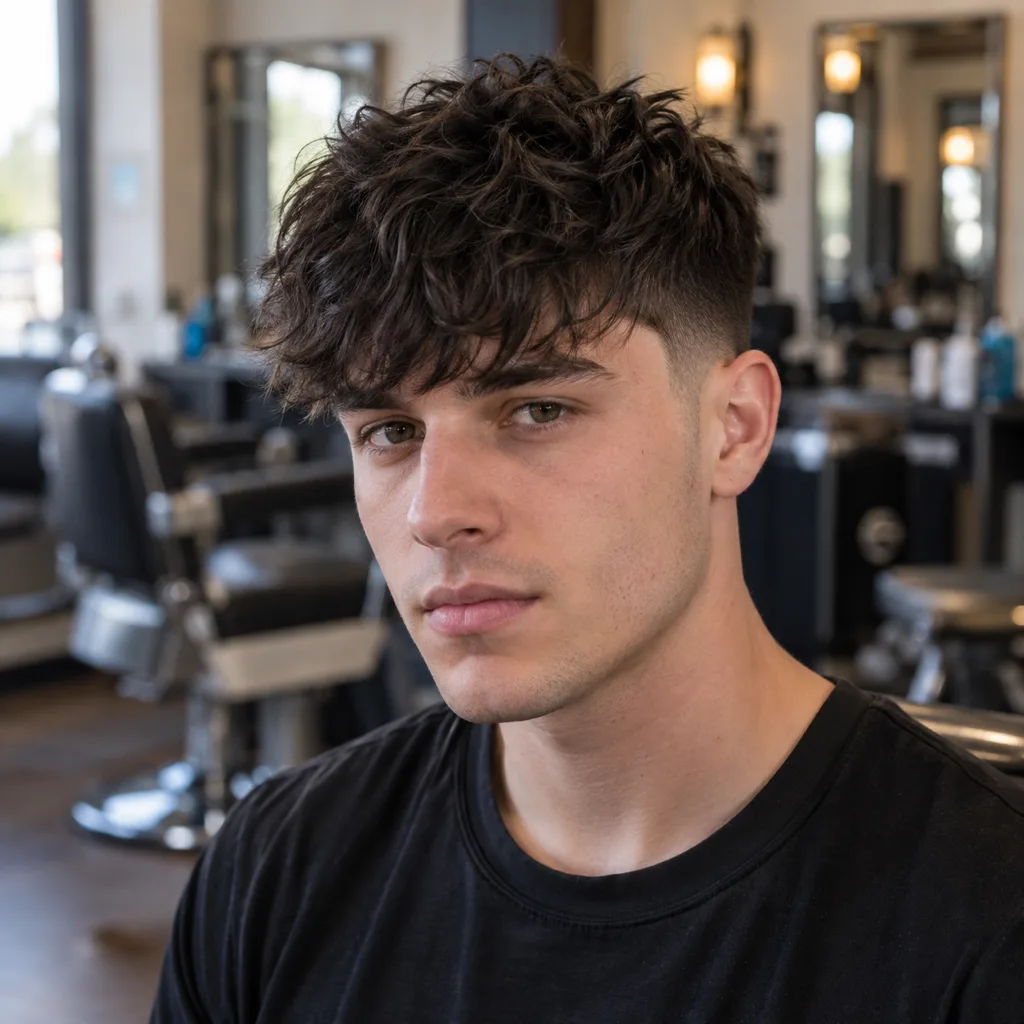 Try this on me
 Try this on me
If the bad cut left you with more length than you thought, the taper haircut guide covers the softer options between the low taper and the side part. And if you want the fade done properly next time, start with our fade haircut guide.
The short version
A bad haircut is a two week problem that panic turns into a two month one. Take photos, wait a week, work out whether it was the brief, the cut or the execution, and then ask for the smallest fix that works. Hair grows about half an inch a month, so time is on your side for everything except a hairline.
And next time, see the cut on your own face before you sit down. That is the cheapest fix there is.
Frequently asked questions
Take photos in daylight, then wait about a week before changing anything, because most clipper lines and harsh edges soften on their own. After that, work out whether the problem was the brief, the style or the execution, and book the smallest fix that solves it, with a reference picture.
It means waiting seven days before judging a new haircut or asking for it to be fixed. Hair settles in that time, lines soften and the cut often looks noticeably better by the end of the week. It also leaves a few extra millimeters for a barber to work with if a correction is still needed.
Most bad haircuts look noticeably better in one to two weeks. Hair grows about half an inch a month, so a fade taken too high takes two to three weeks to blend, and a hairline that was pushed back takes three to four weeks to recover.
Yes, most bad haircuts can be fixed by a skilled barber or stylist, as long as there is length left to work with. Lines, patches, uneven sides and bulky shapes can be corrected in one visit. A cut that is simply too short needs to grow first.
There is no single official term. People call it a botched cut, a hair disaster, or a butchered haircut, and there is a popular online community, r/BadHaircuts, dedicated to them.
The most common are a fade taken too high with a shelf line, a patchy fade with visible stripes, a lineup pushed back past the natural hairline, a choppy uneven top, sides left too long so the head looks round, and a fringe cut far too short.
Give it a week before deciding, and style it the way you normally wear your hair rather than judging it straight out of the chair. If you still hate it, go back with a picture of what you want and ask for a specific change instead of "just fix it".
Wait out the first week, keep styling simple with a matte product, and avoid cutting it again at home. Then book one targeted fix, such as a re-blended fade, a taper on the sides or a textured crop on top, and let time do the rest.
Preview it on your own photo: Men's Hairstyle Try-On.
Share article
About the author

More articles
Men's Haircuts · 14 min
Benny Blanco Haircut: The Fake Half Shave and the Real Curls
Benny Blanco did not shave half his head. It was a prosthetic bald cap, and the buzz cuts are AI. Here is what his curly mop actually is, the short version, and exactly what to tell your barber.
Men's Haircuts · 16 min
1A Hair: How to Tell If You Have It + 14 Cuts That Work
1A hair is pin-straight with no bend from root to tip. How to tell it from 1B and 1C, why it goes flat, 14 haircuts that work on it, and how to style it for volume.
Men's Haircuts · 15 min
High and Tight Haircut: 4 Versions and the Head Shape Rule
A high and tight clips the sides almost to skin all the way up to the top of the head, so it shows your skull shape more than your face. The 4 versions, 14 photos, what to tell your barber, and how long it lasts.