Jellyfish Haircut: What It Is, Who It Suits, How to Ask
Oleh Onysko Updated 27 September 2026 15 min read
In this article
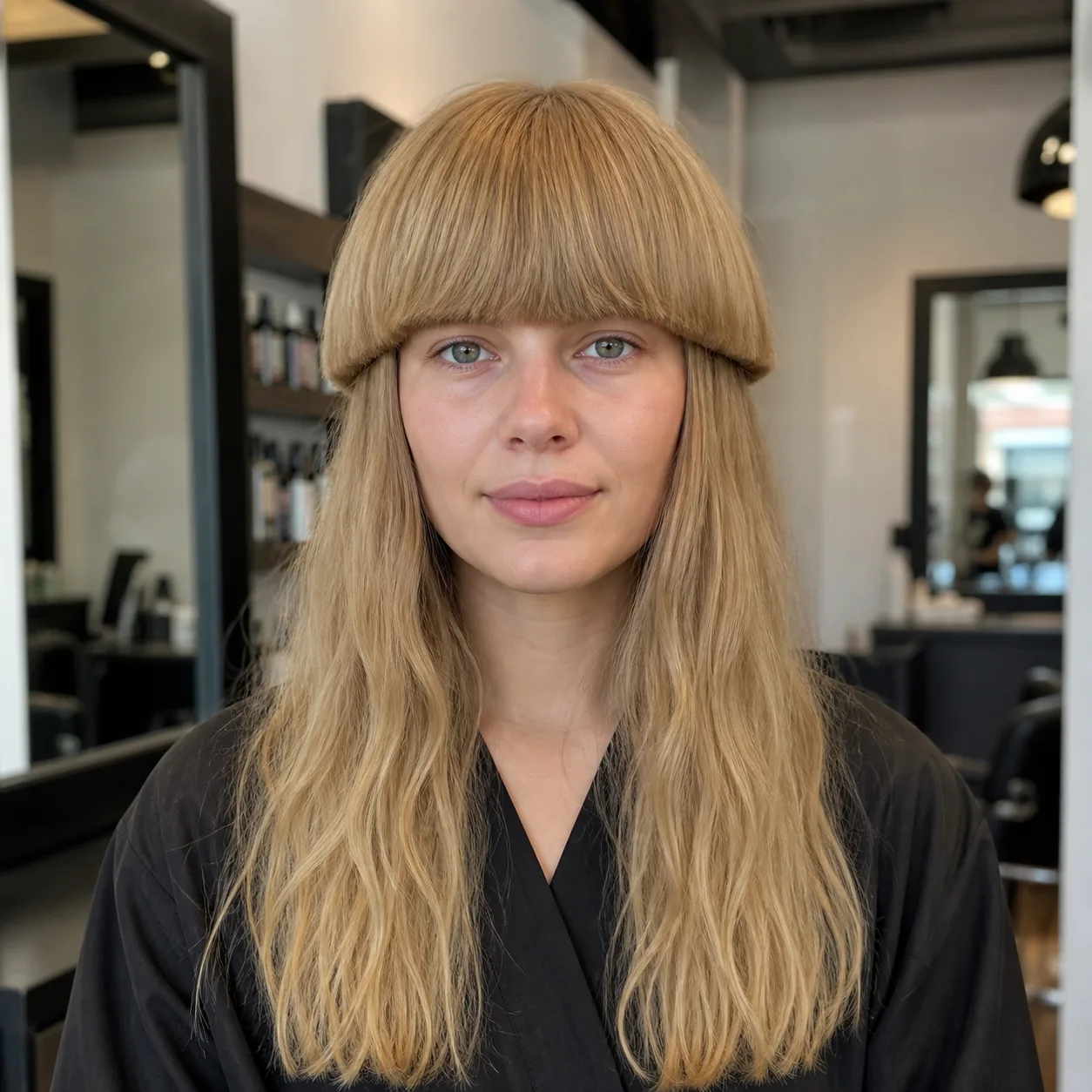
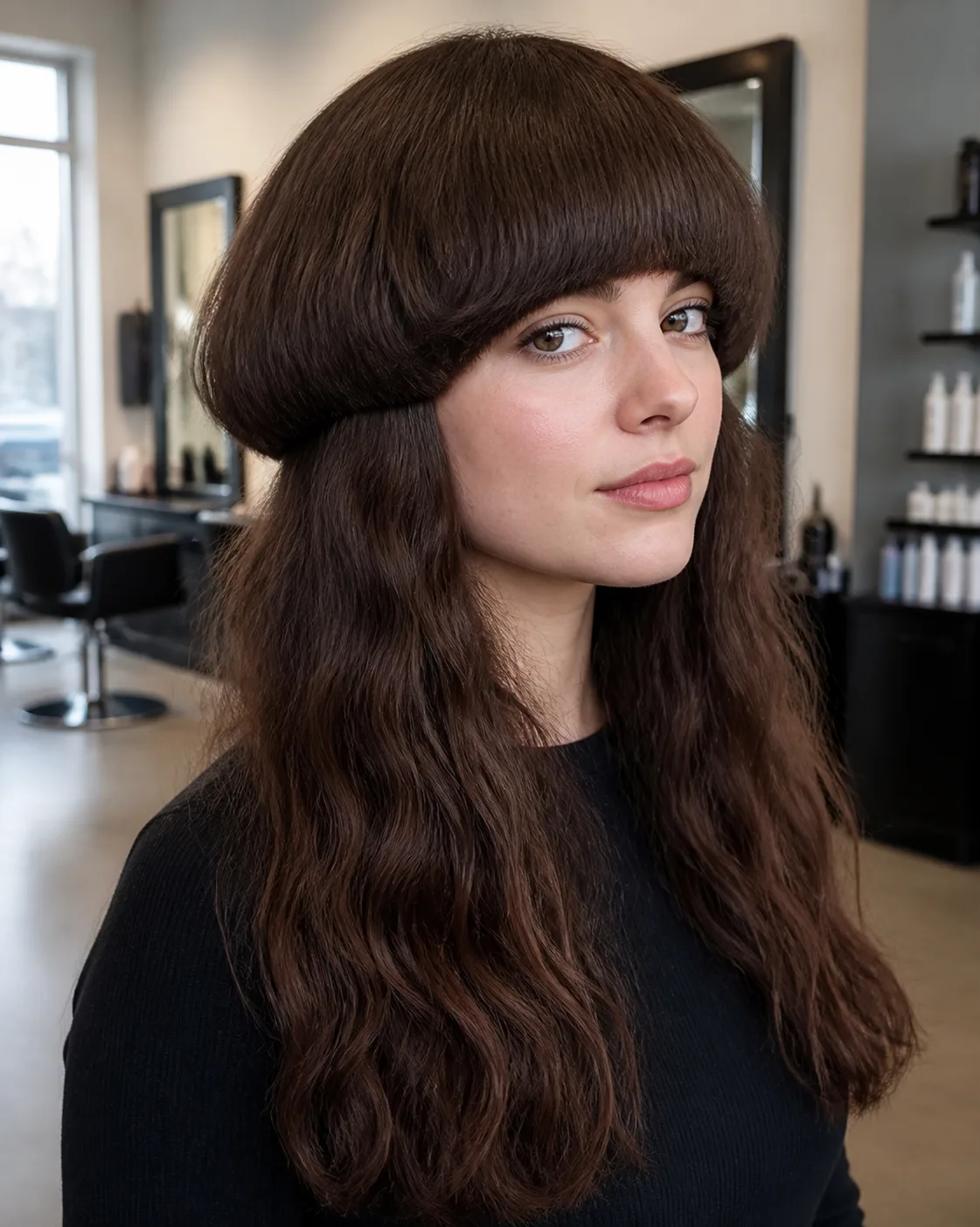
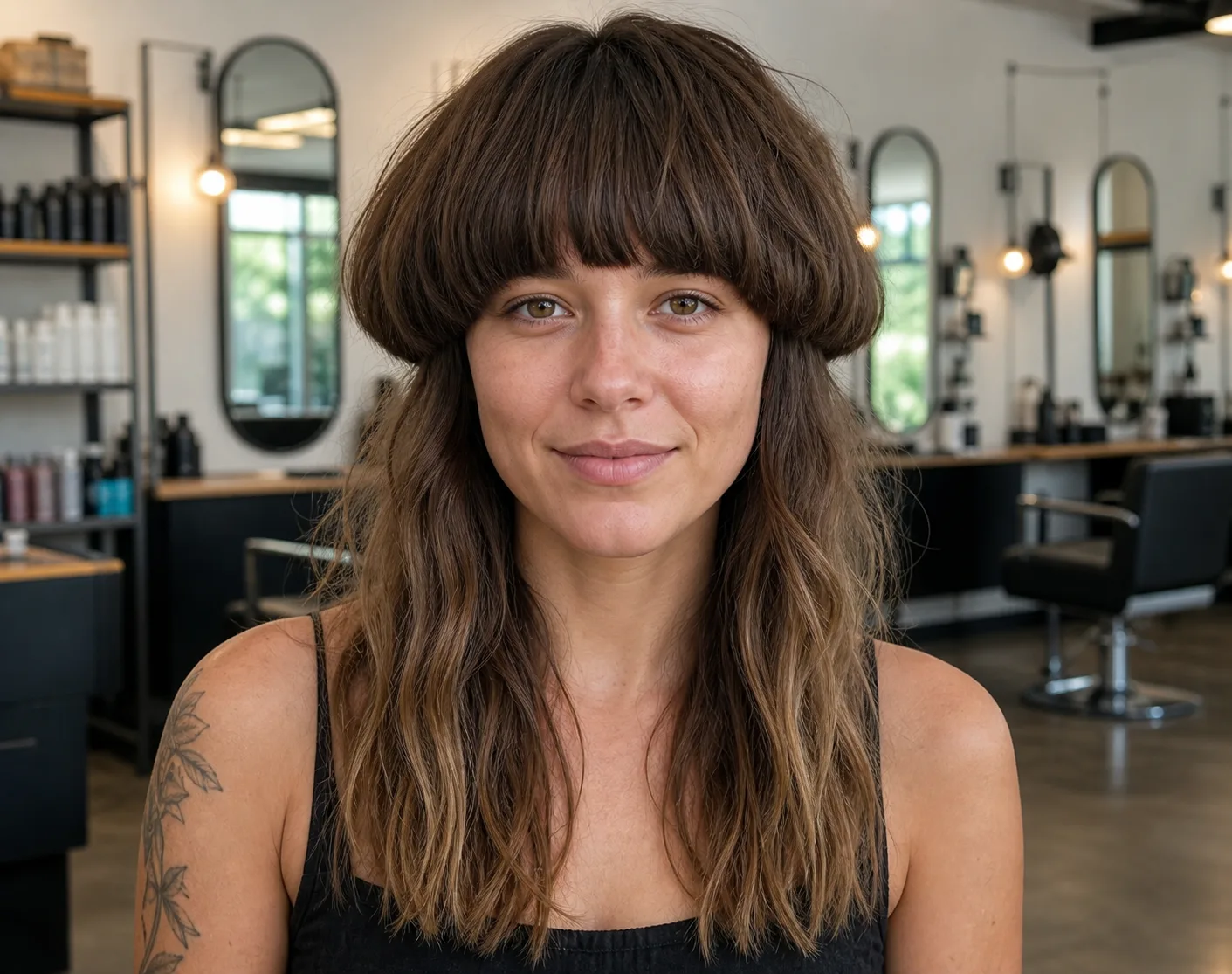
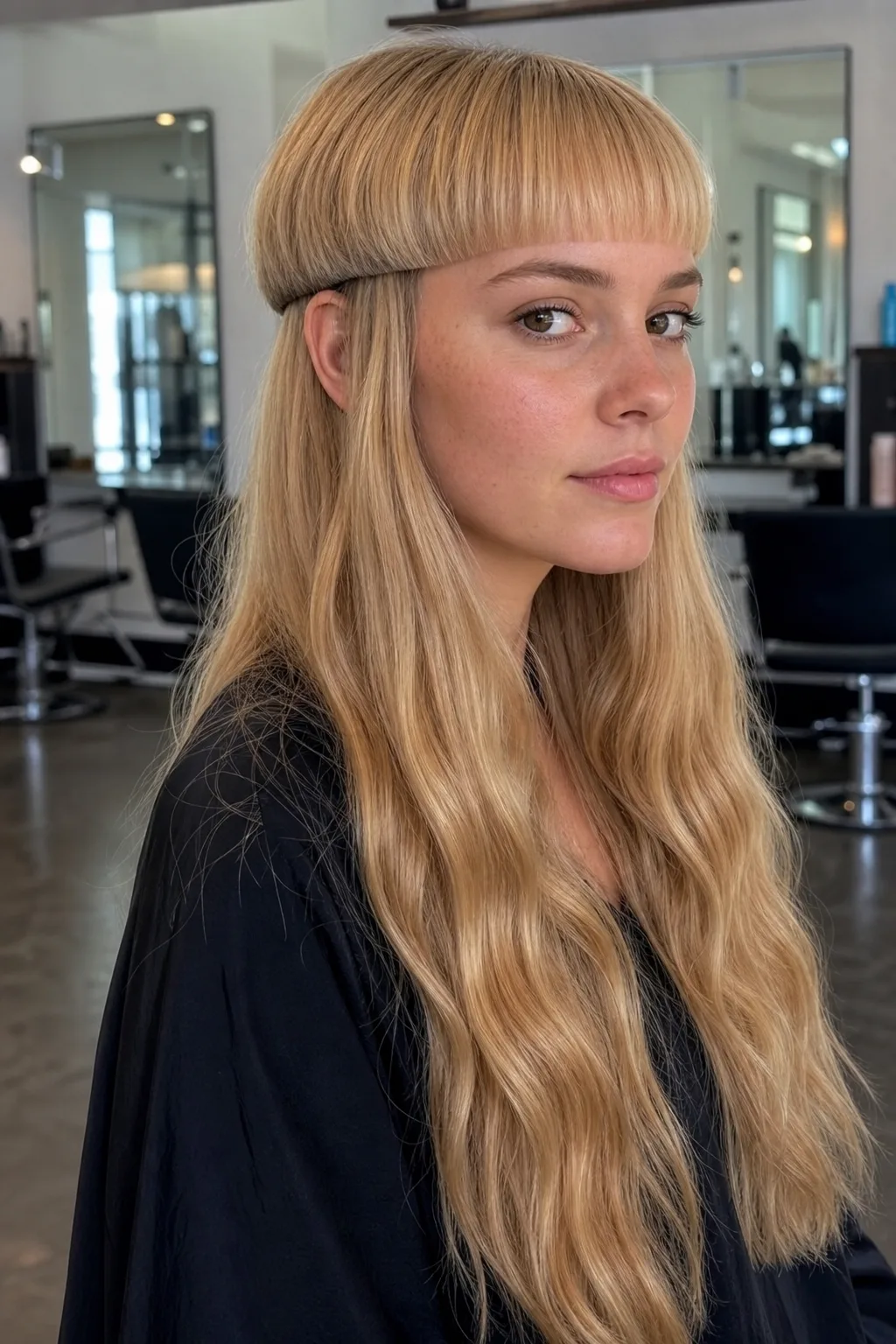
A jellyfish haircut is not a layered cut. It is two separate haircuts stacked on one head: a short, blunt, bowl-shaped cap on top, and long hair hanging underneath it, with nothing joining the two. The gap between them is the entire style.
That one fact decides whether you walk out with what you asked for. Layers blend. A jellyfish does not. If your stylist softens the line where the top section stops, you have a shag, and no styling brings the jellyfish back until it grows out and you pay to start again.
Below: where the hemline should land for your face, how the cut behaves on straight, wavy, curly and coily hair, the exact sentence to say in the chair, and the five mistakes that turn it into an expensive bowl cut.
What a jellyfish haircut actually is
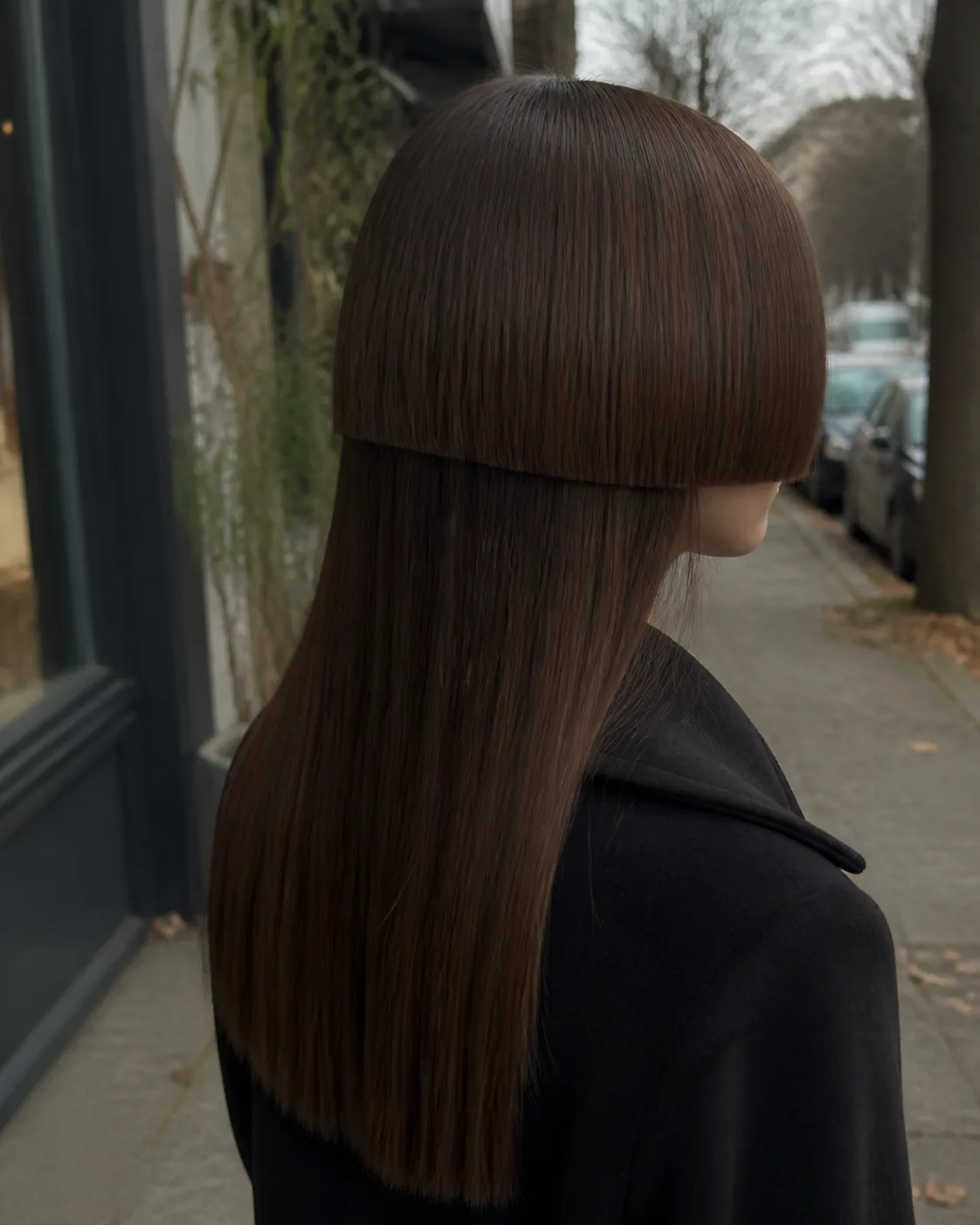
Picture a chin-length blunt bob laid on top of waist-length hair. Two hemlines, two lengths, one head. Stylists call the top section the dome or the cap, and the join a disconnection: hair that is deliberately never cut into the section beside it.
Three things make it a jellyfish rather than long hair with bangs.
- The top section has its own finished perimeter, one unbroken curved line, usually a little higher at the back than at the front.
- The length difference is severe. Eight inches is the floor. Twelve or more is where it reads properly from across a room.
- Nothing bridges them. No graduation, no point cutting through the line, no face-framing pieces creeping down.
The name is literal. The dome is the bell, the length underneath is the tentacles. It came out of Korean and Japanese salons and spread through TikTok from about 2022, and Stylist's interview with a session stylist puts the same emphasis on the disconnection that every good version of it has.
Here is the part most guides skip. The dome is a haircut on its own. If you covered up the long hair, the top section would have to stand up as a finished bob. That is the test to hold your stylist to.
Jellyfish cut vs wolf cut, octopus and butterfly

People arrive at the salon asking for a jellyfish and describing a wolf cut. They are close to opposites. A wolf cut is one connected shape from crown to ends. A jellyfish is two shapes that never meet.
| Cut | What defines it | Hard disconnection? | Grows out as |
|---|---|---|---|
| Jellyfish | Blunt short cap over much longer hair | Yes, that is the cut | A long bob over long hair, then a shag |
| Wolf cut | Choppy layers graduating continuously from the crown | No | Soft layers, easy |
| Octopus | Short choppy crown layers over thin wispy lengths | Softly, not blunt | Long layers |
| Butterfly | Face-framing layers that read short when pinned up | No | Grown-out curtain layers |
| Shag | Connected layers throughout, heavy fringe | No | A one-length cut |
If you want the two-tier look without committing to a hard line, ask for a wolf cut instead and stop reading here. You can see a wolf cut on your own face before you decide, and the shag haircut guide covers the softest end of the family.
Where to put the hemline for your face shape
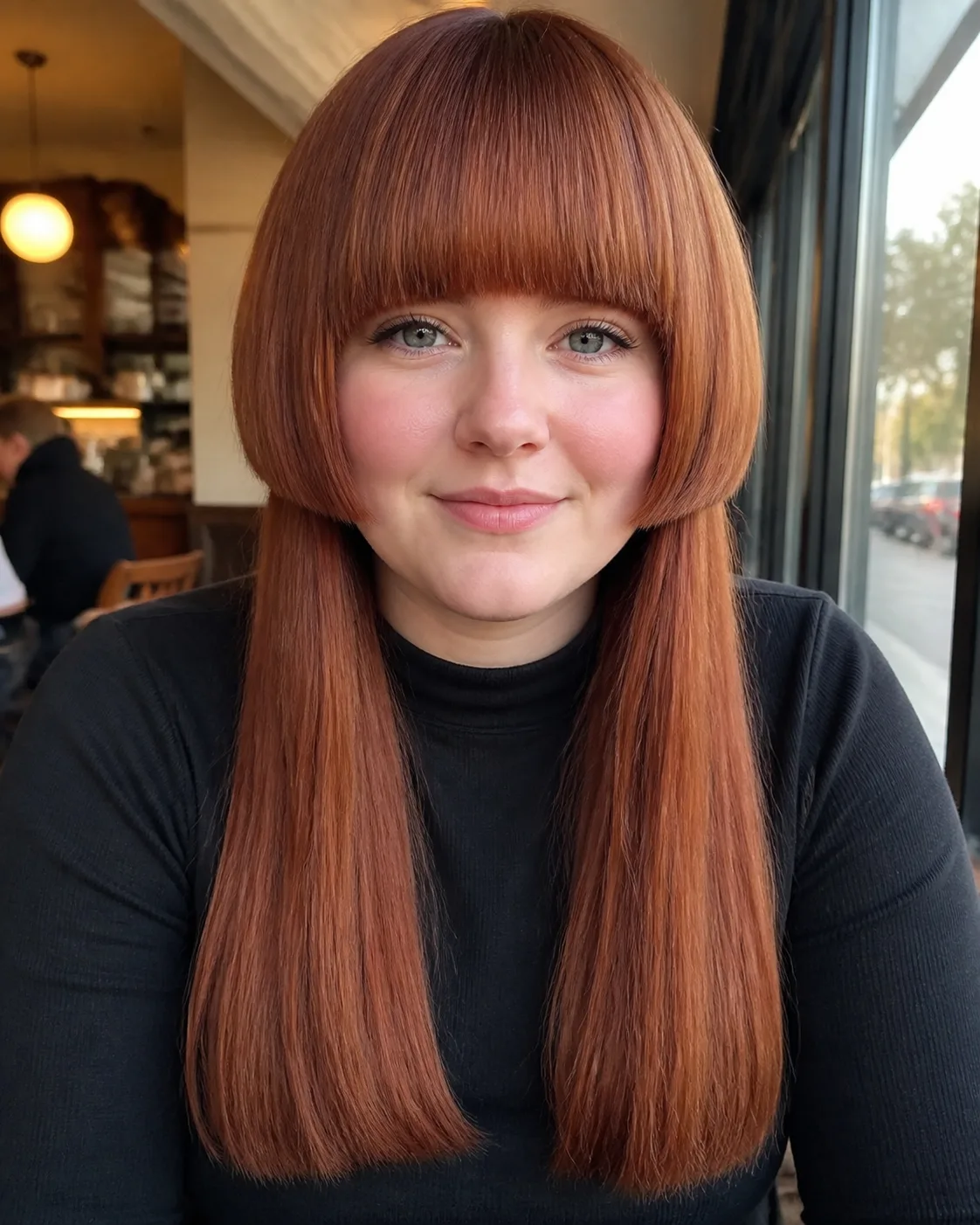
The dome's hemline does the same job a bob's hemline does: it draws a horizontal line across your face and everyone reads your face against it. So pick its height the way you would pick a bob length, against your own jaw, not against a photo of someone else.
Answer first: if you are unsure, put it at the jaw. Jaw length is the safest height on the widest range of faces, and it is the easiest to take shorter later.
| Face shape | Put the hemline at | Why | Avoid |
|---|---|---|---|
| Round | Jaw or just below | The vertical fall past the jaw lengthens the face | Cheekbone height, it widens |
| Square | Chin, with a softly curved perimeter | Curve counters a strong jaw | A ruler-straight line level with the jaw corners |
| Oval | Anywhere; cheekbone is the most striking | Nothing to correct | Nothing in particular |
| Heart | Just below the jaw | Puts weight where the face narrows | A cap that stops at the temples |
| Long | Cheekbone to mid cheek | Adds width across the middle of the face | Collarbone-length domes |
| Diamond | Chin | Softens the cheekbones without hiding them | Very short caps above the ear |
Measure it instead of guessing
Both numbers in the same unit — the answer is a ratio, so it does not matter which.
Under 1.15 reads round, 1.15 to 1.5 reads oval, over 1.5 reads long. Oval and long split on the jaw rather than the ratio: an oval tapers toward the chin, a long face runs straight down.
How the jellyfish cut behaves on your hair type
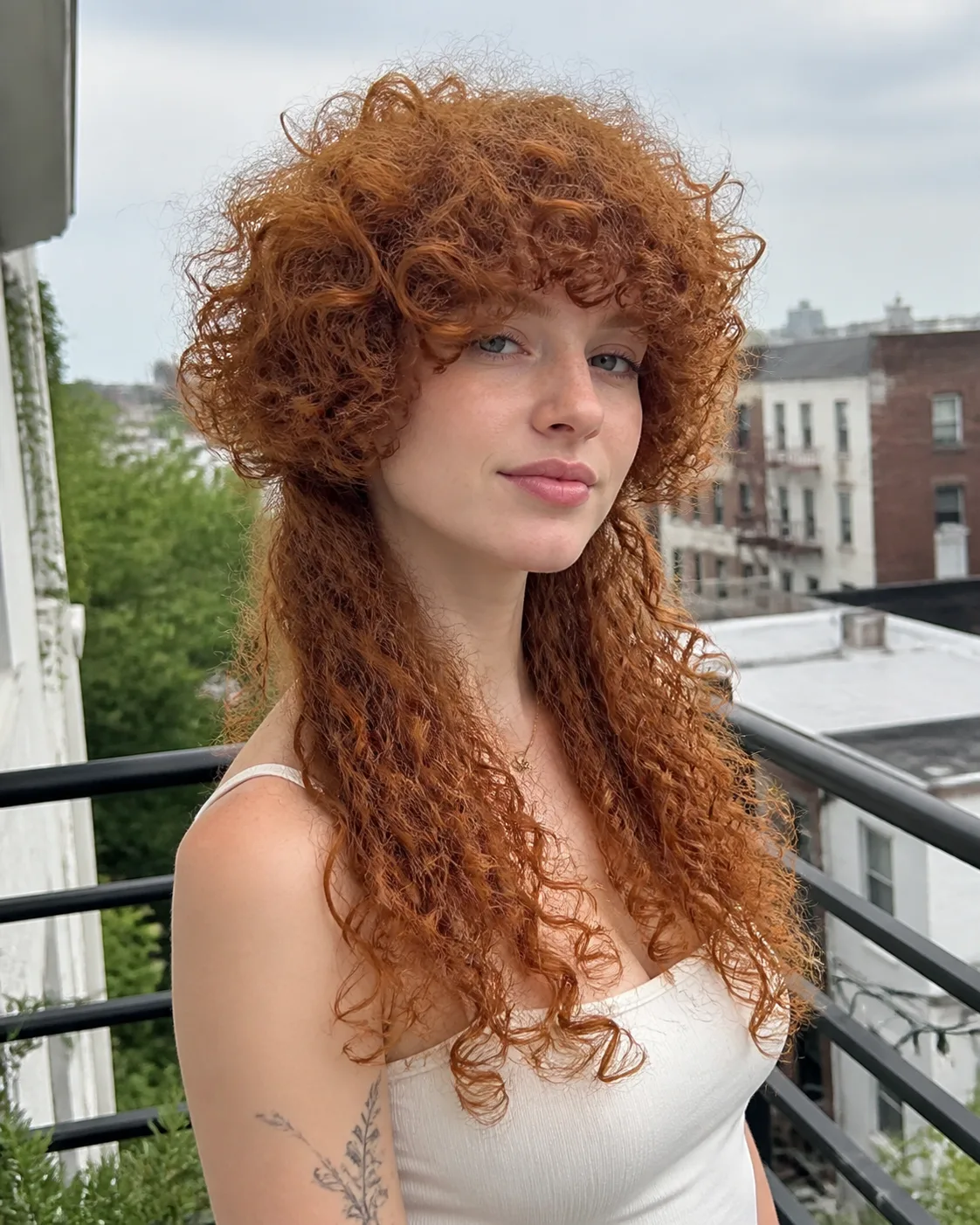
The cut is drawn on wet hair and lives on dry hair, and those are different shapes on everything except pin-straight hair. This is where most disappointment comes from.
| Hair type | What actually happens | Effort per wash |
|---|---|---|
| Fine and straight | Cleanest disconnection you can get, but the cap can go flat and separate into strings | 10 minutes, root lift needed |
| Thick and straight | The best canvas. The line reads from across the street | 10 minutes |
| Wavy | The line becomes a soft bend rather than an edge. Still reads as two tiers | 15 minutes if you want it sharp |
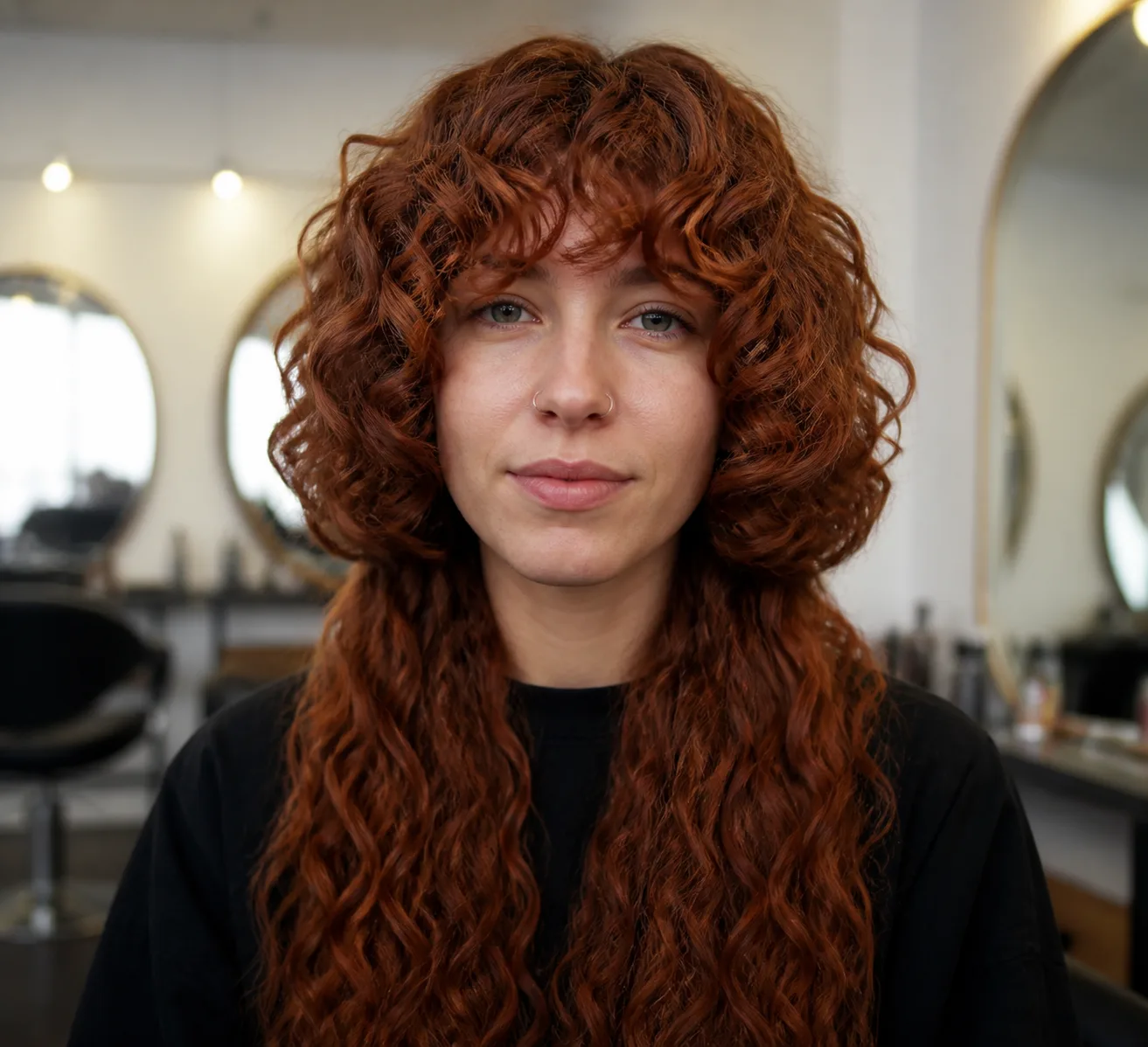
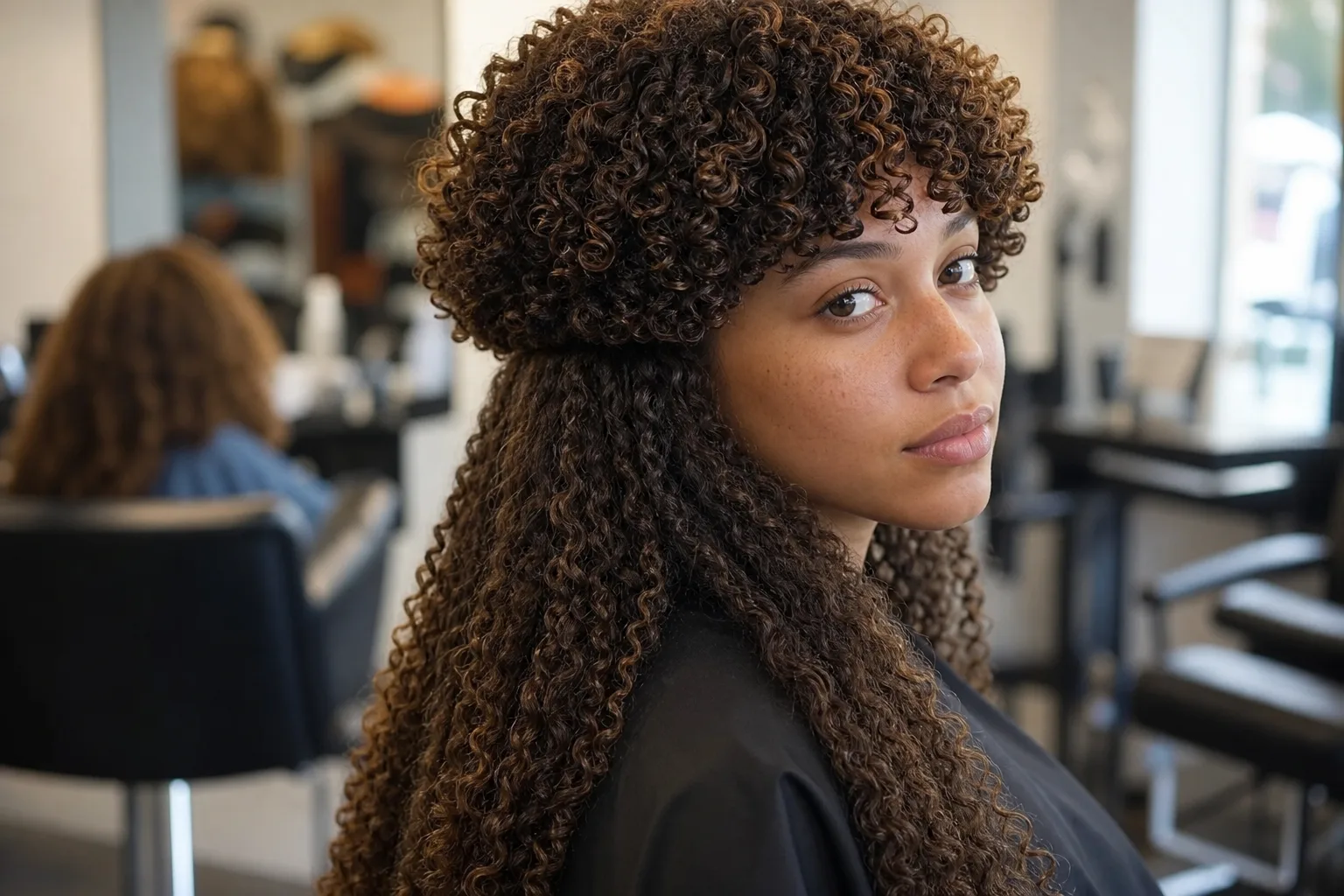
| Curly (3A to 3C) | The cap springs up and out into a round halo, so cut it 2 to 3 inches longer than you want it to sit | 5 minutes, air dry |
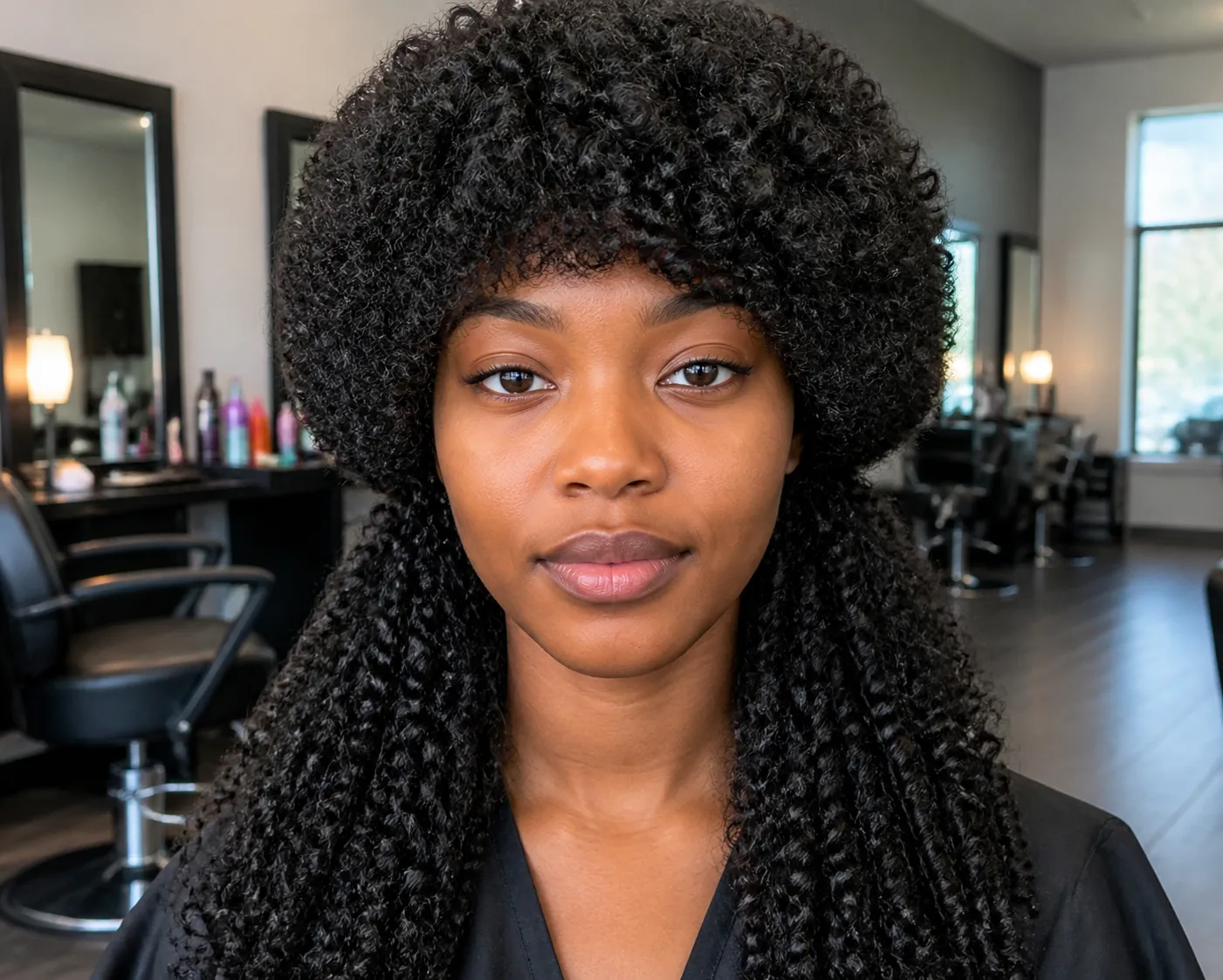
| Coily (4A to 4C) | Shrinkage is the whole conversation. The cap becomes a shaped crown rather than a bob, and it looks excellent, but it is a different cut from the TikTok version | Depends on your existing routine |
On tight textures the honest framing is that you are asking for a shaped, disconnected crown over long stretched length, not a bowl. A stylist who cuts 4C hair regularly will know exactly what you mean. One who does not will cut it wet and hand you a shrunken cap two inches above where you agreed.
Yours could be here.
Start with one selfie.
One photo, twenty seconds, and you'll know. Free account, no card for your first render.
How to ask your stylist for a jellyfish cut
How to ask for a jellyfish haircut
- Say the word disconnected, out loud
It is the one technical word that matters, and it is the one that stops a stylist reaching for blending shears out of habit. Say it before they start.
- Set the hemline against your own jaw
Put your finger where you want the cap to stop and look in the mirror together. Do not agree a height from a photograph on a phone.
- Name the length underneath in inches
Say how much longer the bottom section stays, not how short the top goes. Twelve inches longer is a good default. It stops a nervous stylist splitting the difference.
- Ask where the perimeter sits at the back
A jellyfish sits higher at the back than the front. If it is level all the way round you get a flat helmet. Ask for the back to lift by an inch or two.
- Agree the fringe separately
The cap usually comes with a blunt or curtain fringe, and that decision is not automatic. If you want a textured fringe instead of a solid one, say so now, because it changes how heavy the whole dome looks.
Say this to your barber
I want a jellyfish cut: a blunt, disconnected top section finishing right at my jawline, sitting a little higher at the back, with no blending into the length, and the hair underneath left at least twelve inches longer and all one length.
Styling it on a normal Tuesday
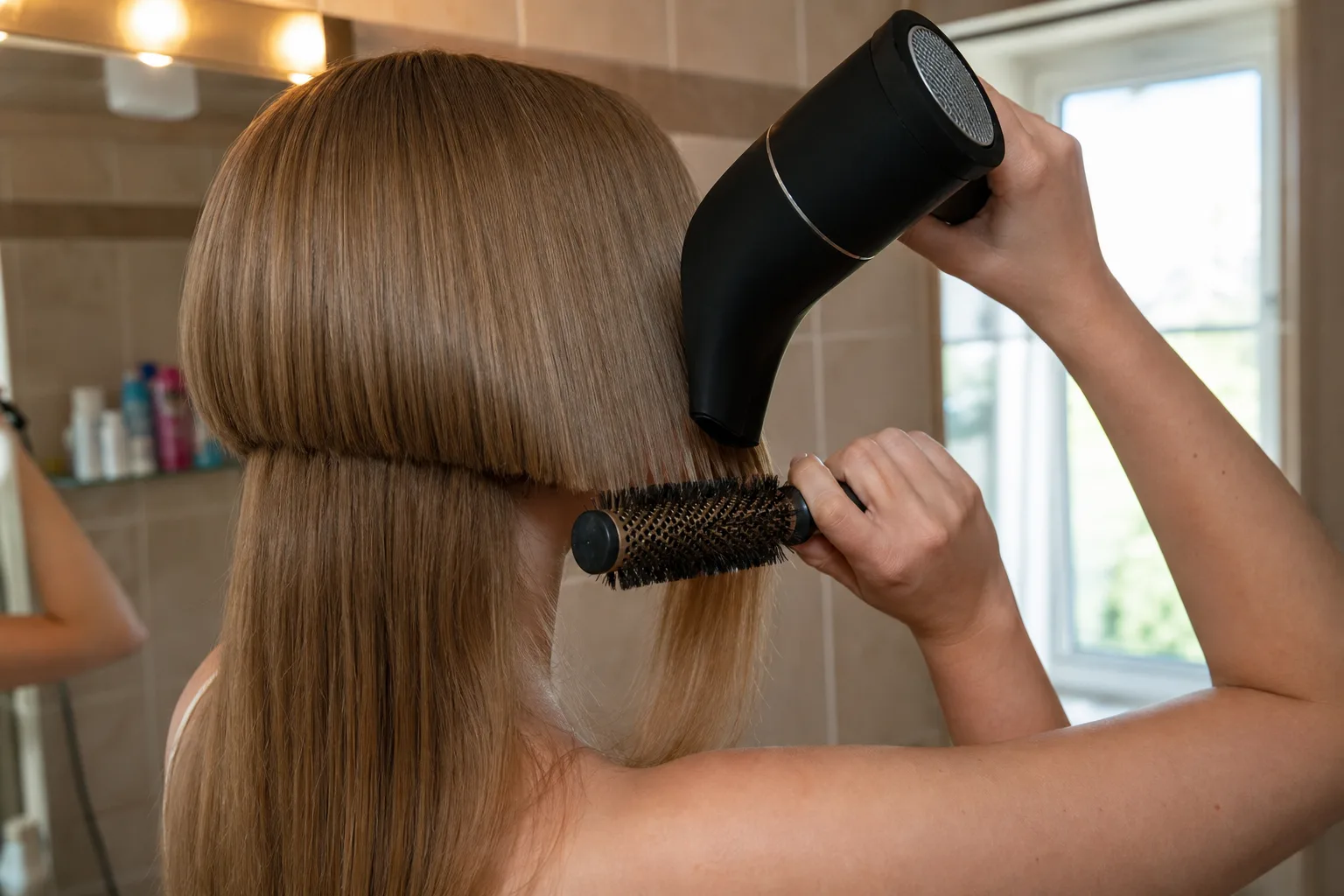
The cut does most of the work. What you are styling is the edge of the cap, because that is the line people see.
- Dry the cap section on its own, rolling a round brush under at the ends so the perimeter bends inward. Two minutes.
- Leave the length underneath alone. Straight or air-dried both work; matching the two sections makes the disconnection harder to read, not easier.
- Skip conditioner on the cap roots. Weight is the enemy of the dome.
- On curls, scrunch product into the cap first while it is soaked, then the length, then do not touch either again.
Davines' guide to jellyfish styling variations is worth a read if you want to push it further with waves or a deep side part. If you have not booked yet, it is worth spending two weeks in a faked jellyfish silhouette first, because a clear elastic makes the same line and undoes in five seconds.
Five mistakes that ruin a jellyfish cut
Letting them blend it. The most common one, and the most expensive. A stylist who is uncomfortable with the shape will soften the line to make it look intentional, and you will pay for a shag you did not ask for. Say disconnected, and say it twice.
Going too short on the cap on the first visit. You cannot add it back. Book the jaw, live with it for three weeks, then go shorter if you want to.
Cutting curls wet without accounting for shrinkage. A cap agreed at the jaw on wet 3B hair dries somewhere near the cheekbone. Ask for it to be cut dry, or cut two to three inches long.
Fine hair with no root lift. The dome only works if it has body. On fine hair a flat cap reads as a growing-out bowl cut rather than a deliberate one.
Forgetting the six week appointment. The disconnection is the first thing to go as it grows. This is a high maintenance cut and pretending otherwise is how people end up hating it in month three.
The jellyfish haircut for men
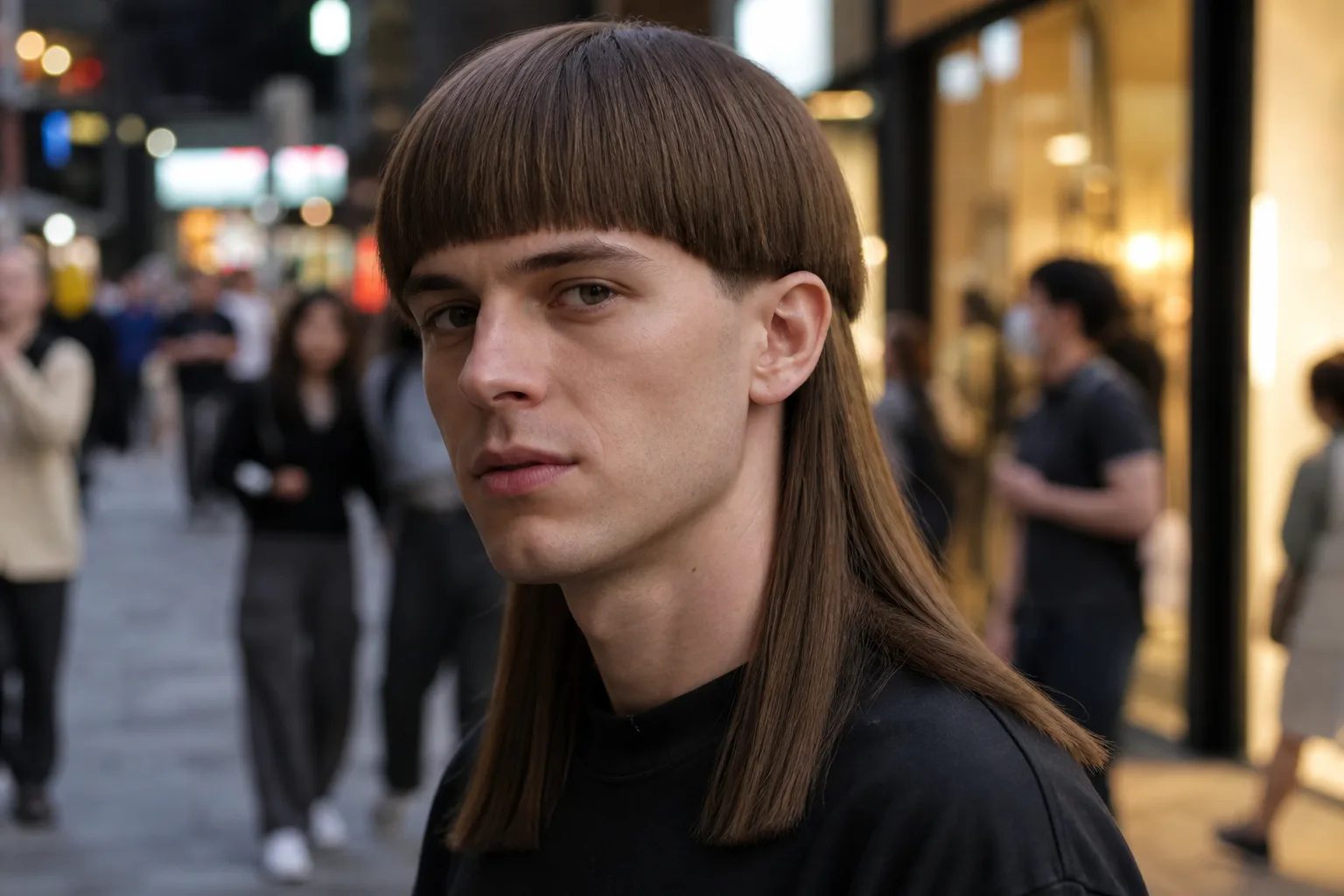
Same rule, tighter proportions. On men the cap usually finishes at mid ear rather than the jaw, the fringe sits straight above the eyebrows, and the length underneath goes to the shoulder blades rather than the waist. It is the more extreme cousin of the modern mullet, and it needs the same commitment to the hard line.
If you want the two-tier idea in something you can wear to work, the mullet or a longer layered cut from our medium length hairstyles for men guide will get you most of the way with a fraction of the risk.
See it on your own face before you book
The free method first, because it works. Take a front-on photo, print it, and draw the cap perimeter across it with a pen at jaw height, then at cheekbone height. Ten seconds each. It tells you more about whether the proportion suits you than an hour of scrolling, because it is your face and your jaw.
Where that method hits a wall is texture and volume. A pen line cannot show you what your own curls do when a cap springs up two inches, or how a blunt fringe changes your forehead, and those are exactly the two things people regret. That is what Hairstyle Atlas is for: upload one selfie and see the cut rendered on your face instead of guessed at.
The first look is free and needs no card. That gets you one hairstyle and one colour on it, front view. After that Starter is $9 a month, or $90 a year, for 150 credits and every cut and colour in the atlas. If the proportion is wrong on you, better to find out for nothing than in the chair.
Nine jellyfish cuts to show your stylist
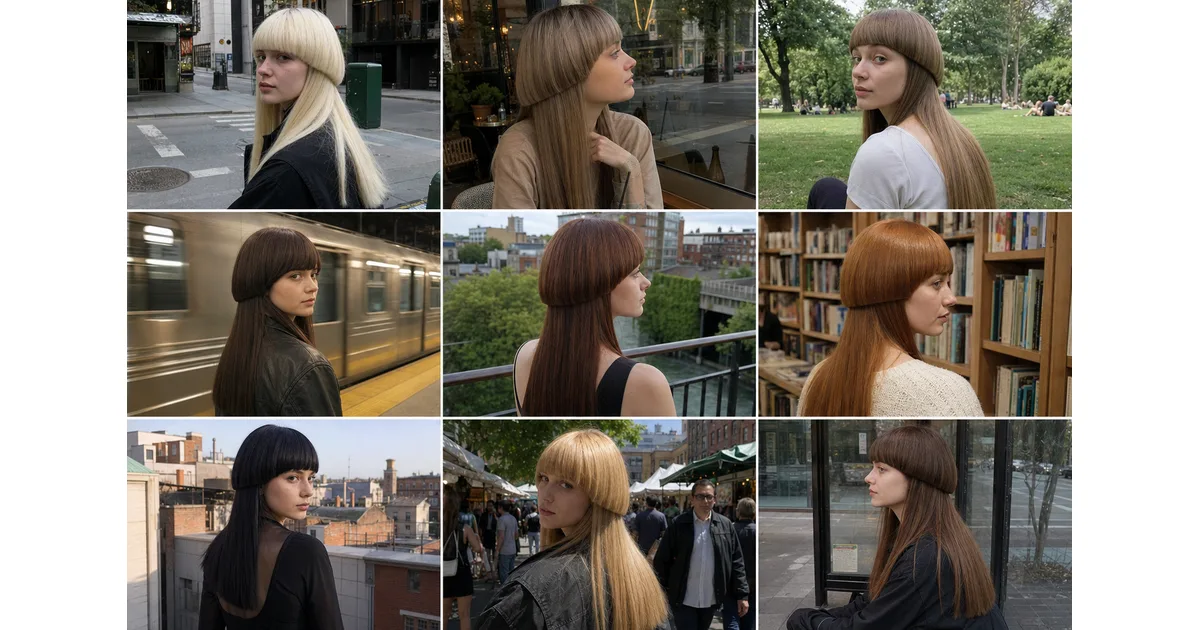
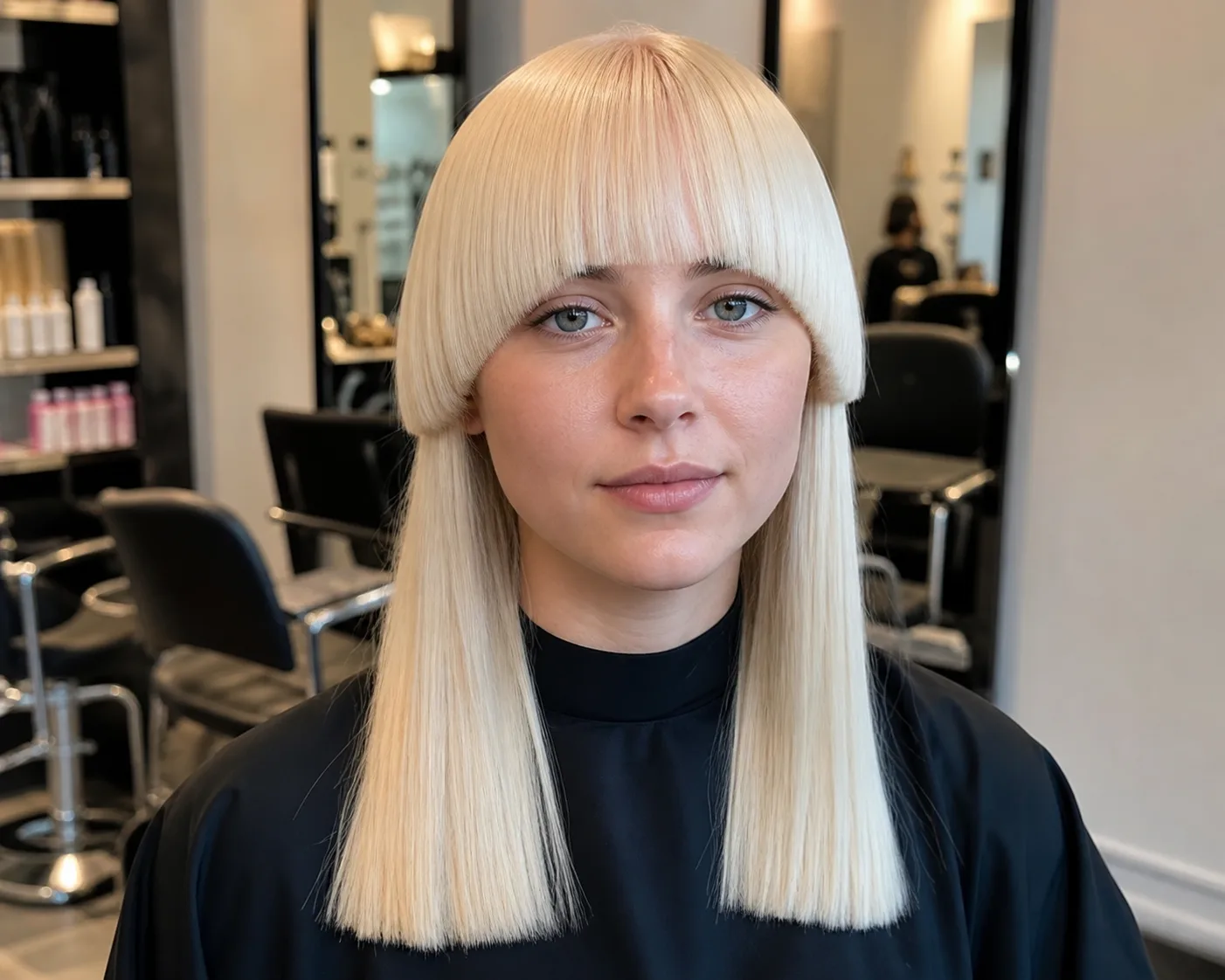
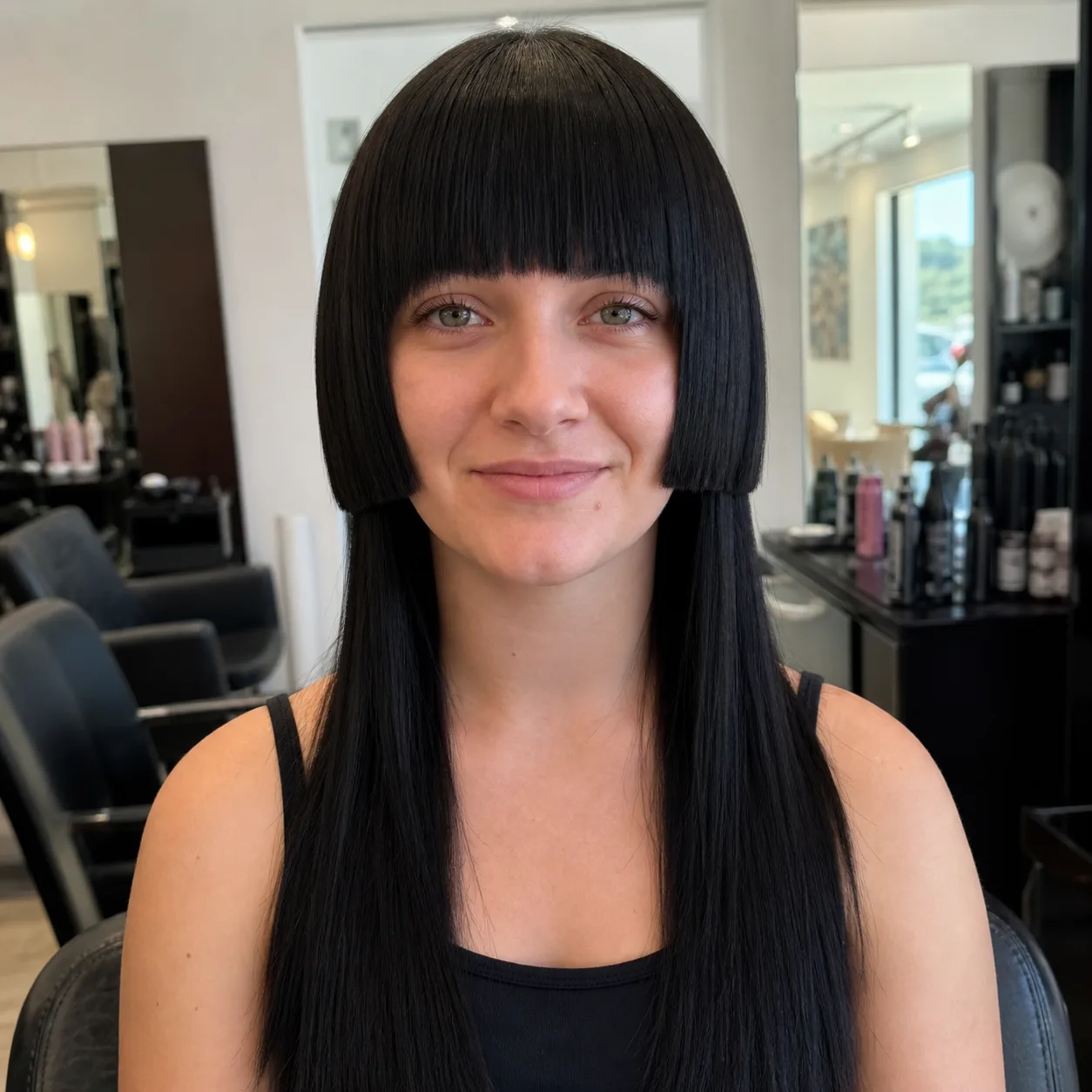
One cut, nine heads. Everything here is the same disconnected two-tier shape; what changes from tile to tile is the hair type it is cut into and how high the cap sits. Find the tile whose hair looks most like yours, then read where its hemline lands.
Gallery9 photos · tap to enlarge
 Try this on me
 Try this on me
 Try this on me
 Try this on me
 Try this on me
 Try this on me
 Try this on me
 Try this on me
 Try this on me
Is the jellyfish cut worth it
It is worth it if you want the hard line and you will keep the six week appointment. It is a bad idea if you are hoping for something soft you can hide on a bad day, because the whole cut is one commitment you cannot undo for a year.
The two decisions that matter are both made before the scissors: the word disconnected, and the height of the hemline against your own jaw. Get those right and the rest is a round brush and two minutes.
If you are drawn to the two-tier look but not the line, look at the wolf cut. If you want the length and something to do with it, our guide to hairstyles for long hair has gentler options, and peekaboo colour hidden under a top section gets you a similar reveal with no cutting at all.
Frequently asked questions
A jellyfish haircut is a short, blunt, bowl-shaped section of hair cut over much longer hair, with no blending between them. The top section has its own finished hemline, usually around the jaw, and the hair underneath is left at least eight inches longer. The name comes from the silhouette: the short cap is the bell, the long hair is the tentacles.
A wolf cut is connected and a jellyfish cut is not. In a wolf cut the layers graduate continuously from the crown down to the ends, so there is no step anywhere. In a jellyfish the top section stops in a hard line and the long hair carries on beneath it untouched. If you can point at a place where one length ends and another begins, it is a jellyfish.
All of them, but at different hemline heights. Round and heart-shaped faces want the cap at or just below the jaw so the fall past the jaw lengthens the face. Long faces want it higher, around the cheekbone, to add width. Square faces want chin length with a curved rather than ruler-straight perimeter. Oval faces can wear any height.
Yes, and it is one of the better textures for it, because the cap springs into a rounded halo that emphasises the two-tier shape. The rule is to account for shrinkage: ask for the cap to be cut dry, or cut 2 to 3 inches longer than where you want it to sit. A cap agreed at the jaw on wet curls will dry near the cheekbone.
Yes. It is one of the higher maintenance cuts you can ask for. The disconnection is the first thing to blur as the top section grows, so it needs a trim roughly every six weeks to stay recognisable. Day to day it is easy, around ten minutes, because you only style the cap.
Only the cap. Dry that section on its own with a round brush rolled under at the ends so the perimeter bends inward, and leave the length below it alone. On curly hair you scrunch product into the cap while it is soaking wet and then air dry without touching it. Two to five minutes either way.
The same disconnected structure with tighter proportions. The cap finishes around mid ear rather than the jaw, with a blunt fringe just above the eyebrows, and the length underneath reaches the shoulder blades. It reads as a sharper, more graphic relative of the modern mullet.
An octopus cut is the softer sibling. It has short choppy layers concentrated at the crown over long, thinned, wispy lengths, but the transition between them is textured rather than blunt. If a jellyfish is a bob dropped onto long hair, an octopus is a shag with the volume pushed up to the top of the head.
Preview it on your own photo: Wolf Cut Try-On.
Share article
About the author

More articles
Women's Haircuts · 14 min
Bleached Hair: How Light Yours Can Go, 14 Shades, Aftercare
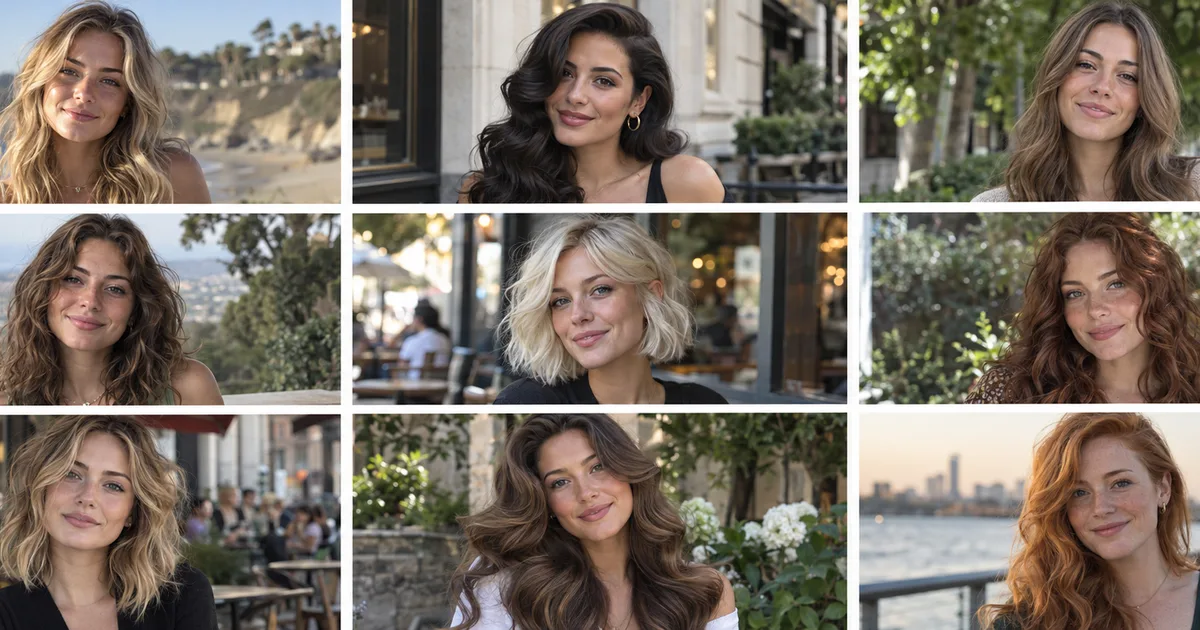
How light your bleached hair can go depends on where it starts. See 14 bleached shades on one cut, what each starting color can reach in one session, how toner finishes the job, and the aftercare that keeps it soft.
Women's Haircuts · 16 min
Waves Hair: How to Get Beach, Loose and Hollywood Waves That Last
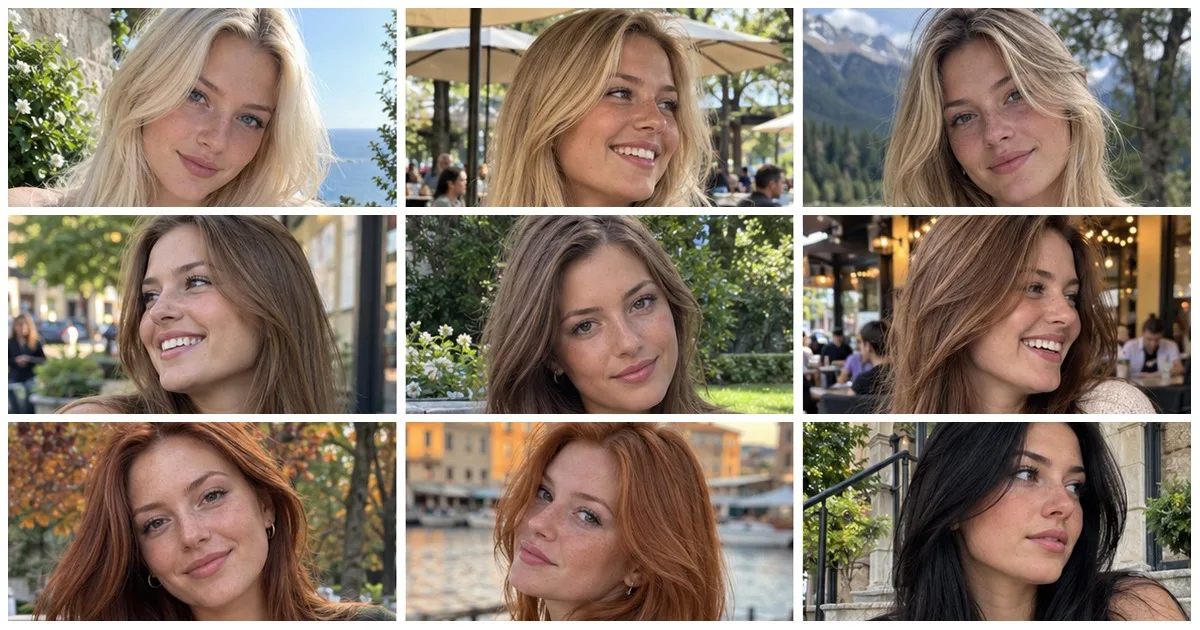
Waves hair is about what you leave straight. How to get beach, loose, Hollywood and heatless waves, which wave suits your hair type, and why your waves keep falling out.
Women's Haircuts · 15 min
Fino Hair Mask: Who It Suits, How to Use It, and Its Limit
The Fino hair mask makes dry, bleached and frizzy hair smooth and shiny in one use, mostly by coating it. Here is what is in the jar, which hair types it suits, exactly how to use it, and what to do when the ends are past a mask.