Hairstyles for Long Hair: 8 Cuts and Who Each Suits
Oleh Onysko Updated 30 September 2026 18 min read
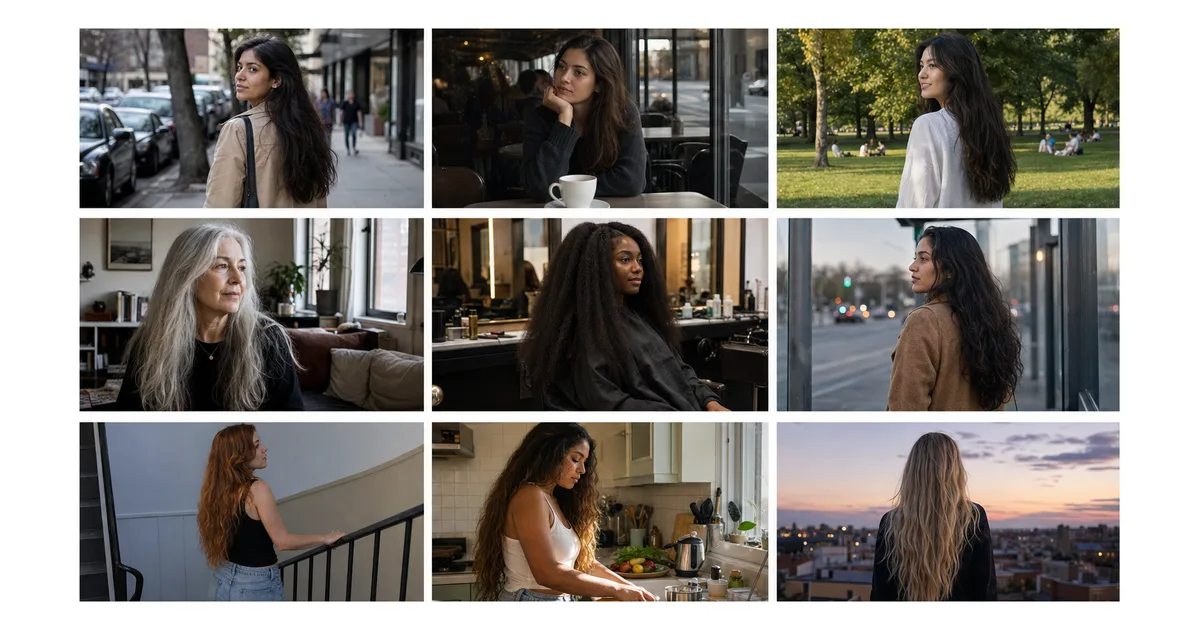
In this article
The best hairstyle for long hair is decided by what your hair does when you let go of it, not by how long it is. Fine hair that goes flat needs weight left in; thick hair that goes wide needs weight taken out; and long face-framing layers are the safe default because they open up the face without shortening the perimeter by an inch.
If you are weighing up cutting most of it off instead, what actually happens above the collarbone covers the short cuts and what each one costs you every morning. If you only want to lose a few inches, cuts that land at the shoulder or collarbone keep enough to tie back. Below: a table that matches your hair to a cut, fourteen cuts photographed at the same length, the sentence to say in the chair, and the three mistakes that cost length you cannot get back for a year.
What haircut looks best on long hair?
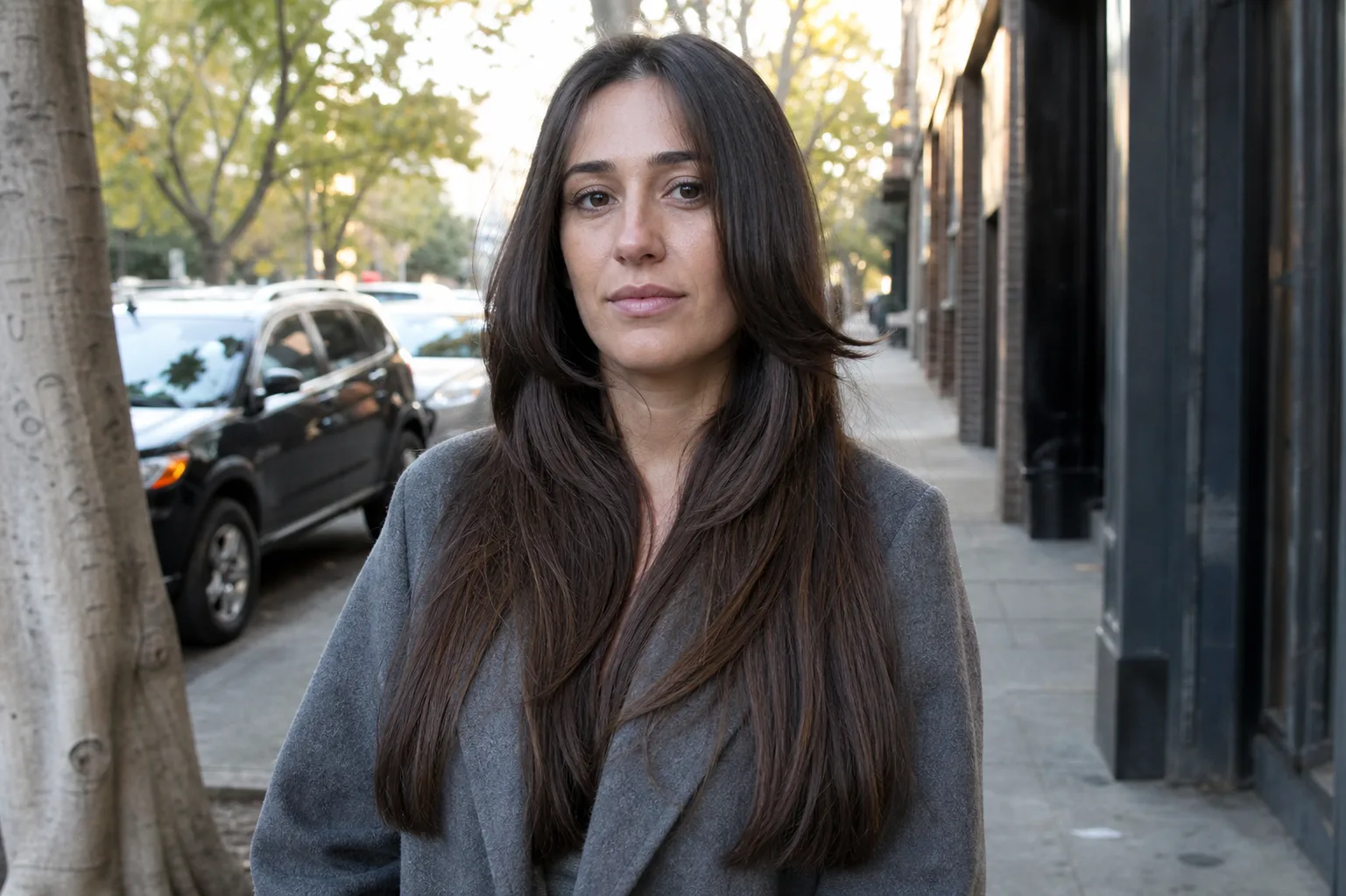
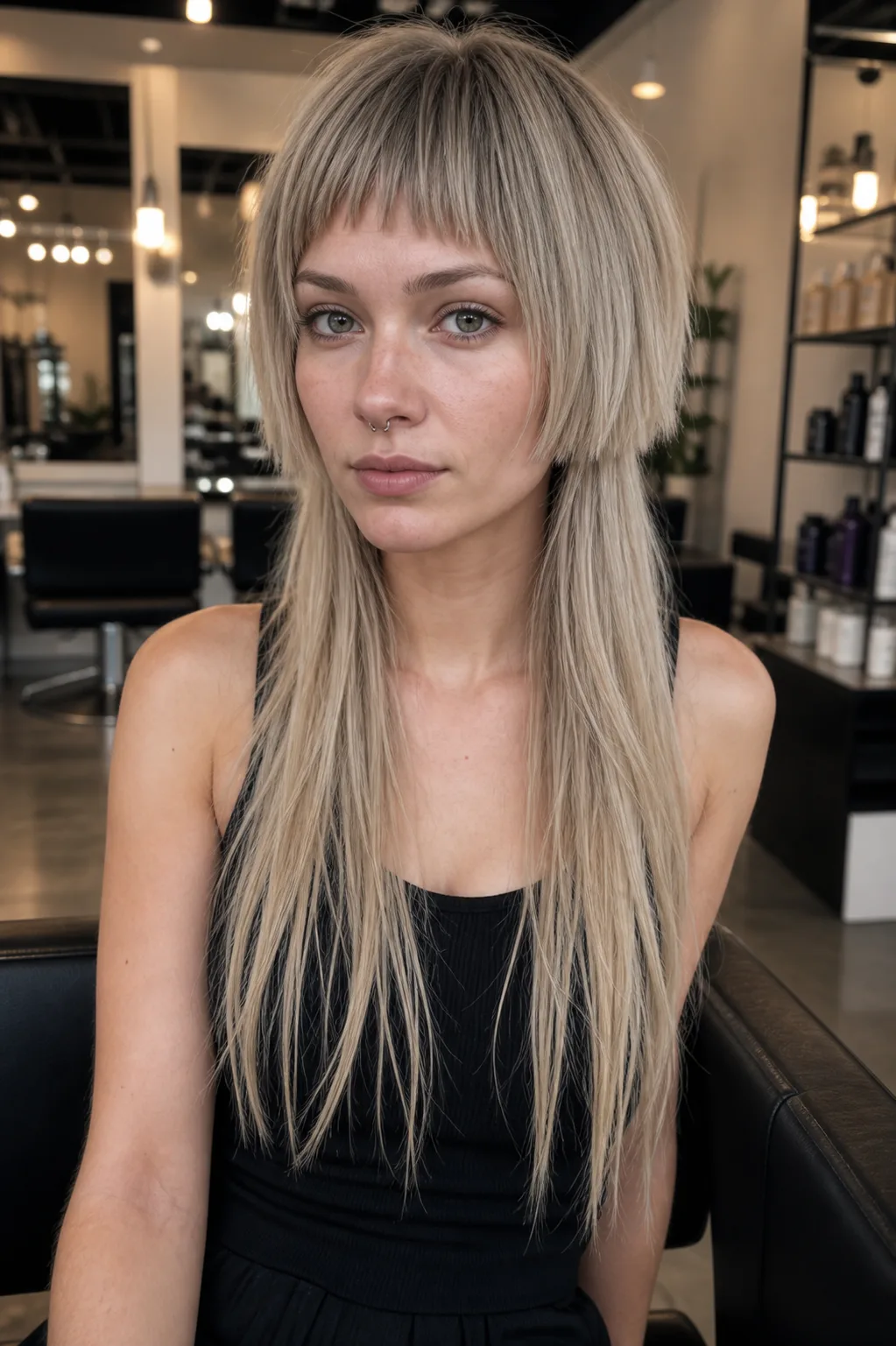
Long face-framing layers, for most people. They keep every inch of your length, cut movement into the front so the hair falls away from your cheekbones instead of curtaining them, and they grow out without a line. Nothing else on this page suits as many heads. If you want that movement with more cut-in texture and a fringe, the long shag reshapes long hair without shortening it.
The reason is simple. One length on long hair is a wall: it hangs, it drags the eye down, and past the collarbone it starts to look like it happened to you rather than something you chose. Layers put a second edge in the hair, and that edge is what reads as a haircut.
Pick by what your hair actually does
Length is the thing you already have. Density and texture are the things that decide whether a cut works, so start there.
| Your hair | The cut | Why it works | Salon visits |
|---|---|---|---|
| Fine, goes flat by noon | Blunt one length, or very long layers only at the front | Every layer you cut removes weight the ends need to look thick | Every 12 to 16 weeks |
| Thick, goes wide and triangular | Butterfly layers, or a long shag | The internal short layer takes bulk out of the middle instead of the ends | Every 10 to 12 weeks |
| Wavy, frizzes at the crown | Long layers cut dry | Wet cutting hides where the wave actually breaks | Every 12 weeks |
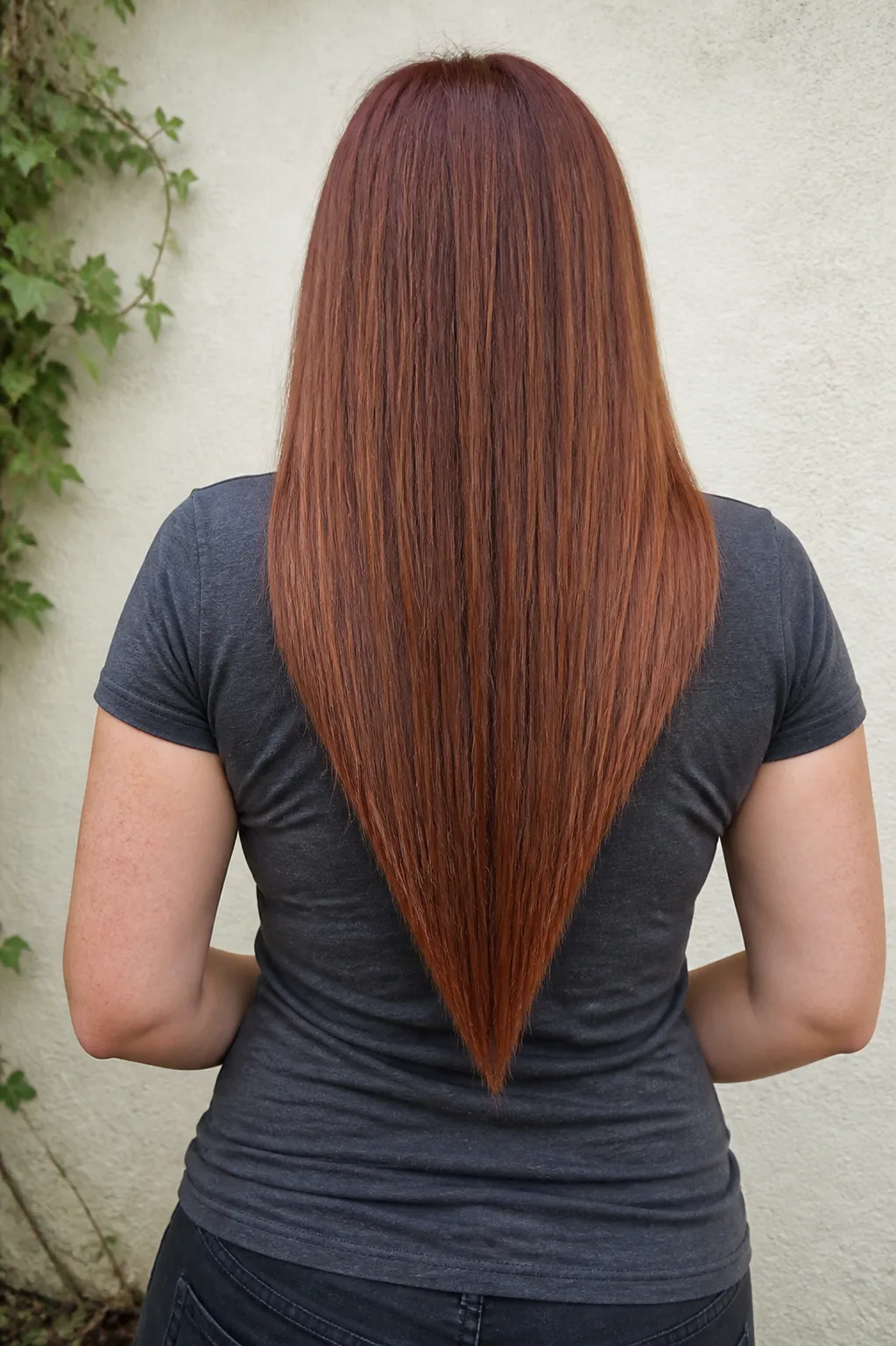
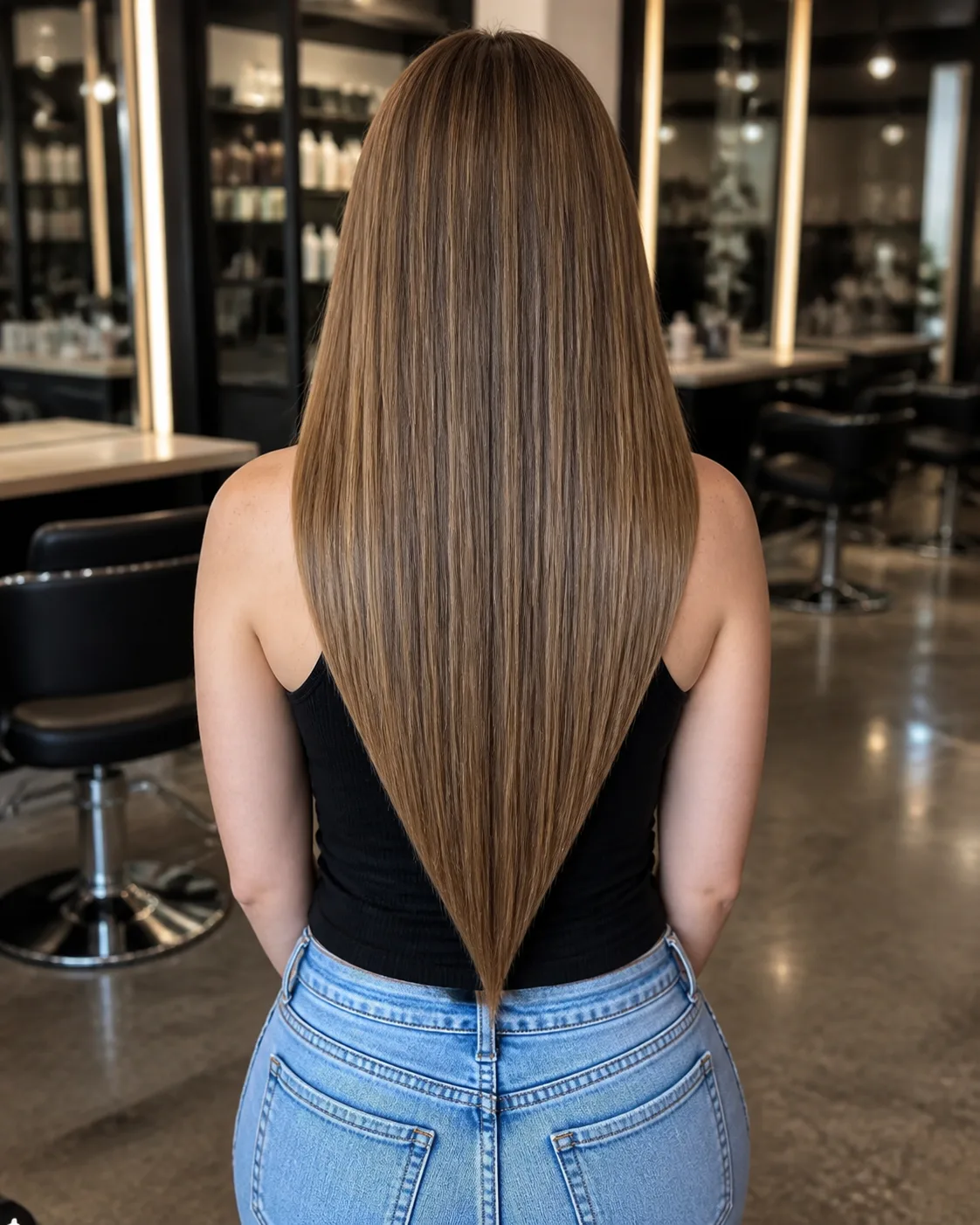
If your wave only starts below the ear and gives you two or three wide bends rather than a repeating pattern, you are working with the loosest wave type, and mid back is about as long as you can go before the weight pulls it straight. | Curly or coily | Long rounded layers, cut curl by curl | A straight-across line on curls builds a triangle | Every 12 to 16 weeks | | Thinning through the part | Blunt ends, no thinning shears | Wispy ends read as thinner than they are | Every 8 to 10 weeks | | Straight and heavy but you want shape | A V-shaped or U-shaped perimeter | Shape at the back with no length lost at the front | Every 12 weeks |
Fine hair that goes flat
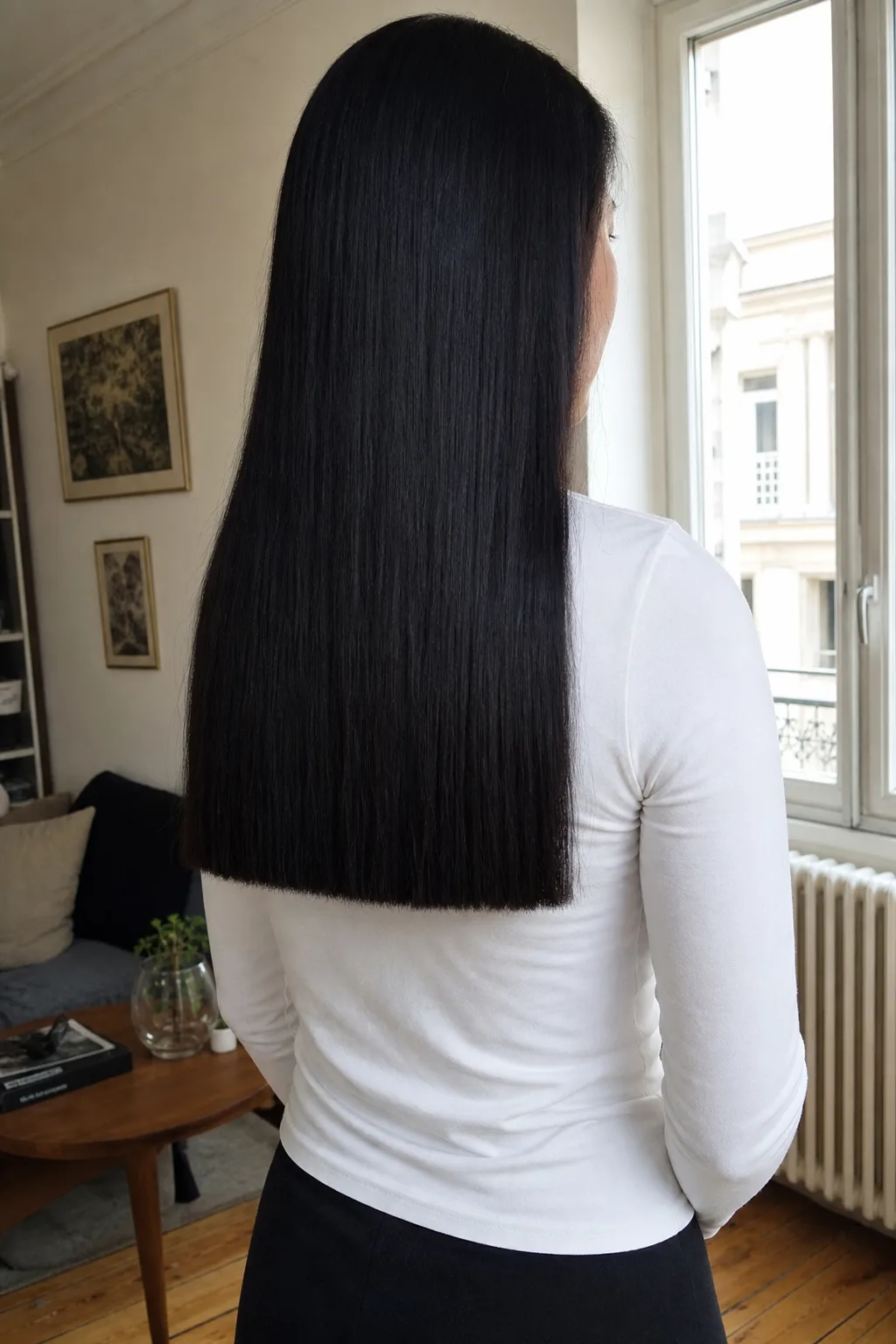
Leave it blunt. Every layer takes weight out of the ends, and on fine hair the ends are the only place the density is visible. A hard, straight perimeter on fine hair looks twice as thick as the same hair with three inches of layering in it.
If you want movement, ask for it only in the front two sections, starting no higher than the collarbone. You can see what a blunt long cut does on your own photo before you commit to it.
Thick hair that goes wide
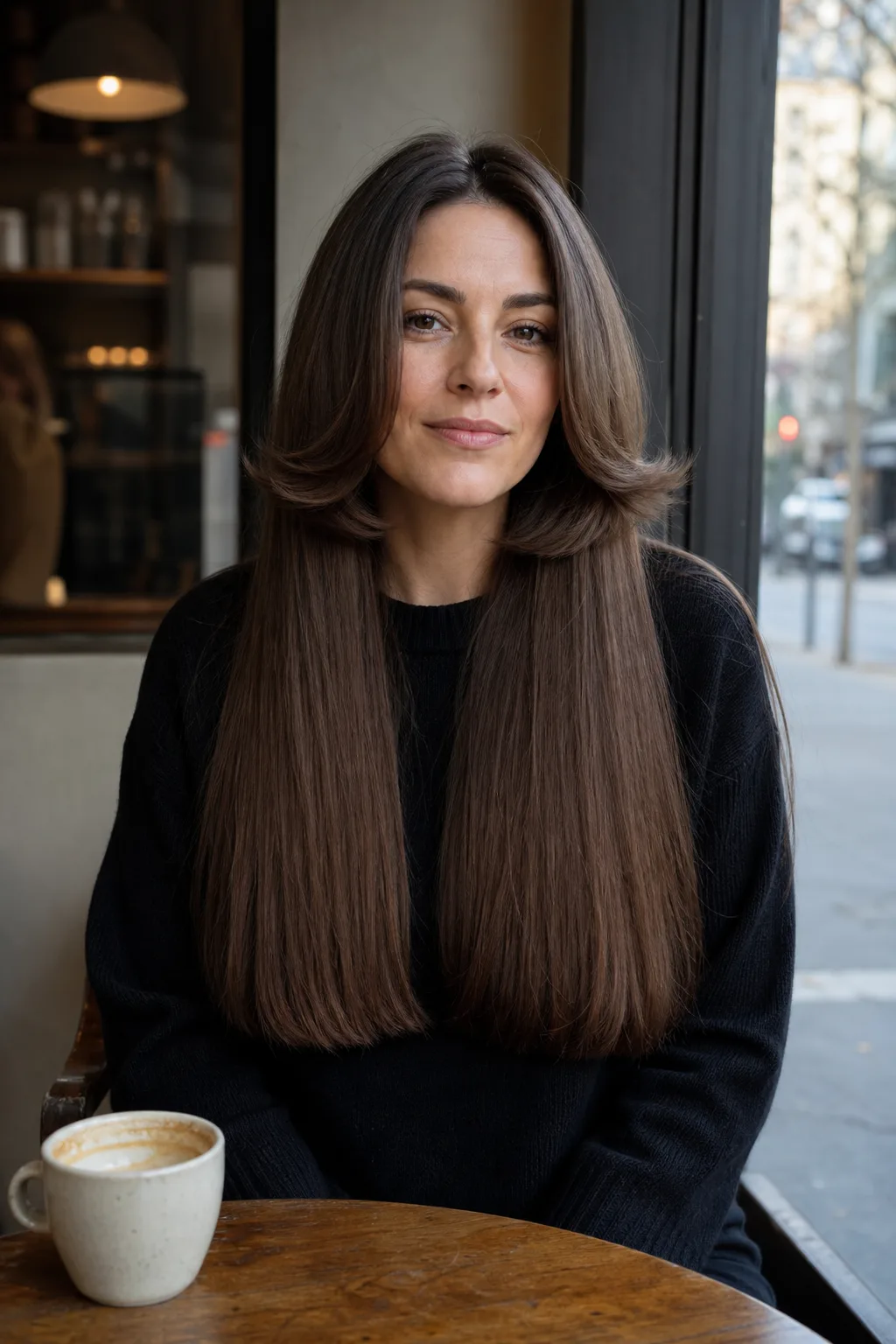
The problem with thick long hair is never the length, it is the width at the jaw. Butterfly layers solve it properly: a short internal layer that stops near the chin, blown outward, with the full long length untouched underneath. You get two lengths, the top one carries the volume, and nothing came off the bottom.
Do not let anyone thin the ends to fix width. That moves the bulk problem three inches lower and leaves you with see-through ends. Try the shape first in the women's hairstyle try-on.
Curly and coily hair
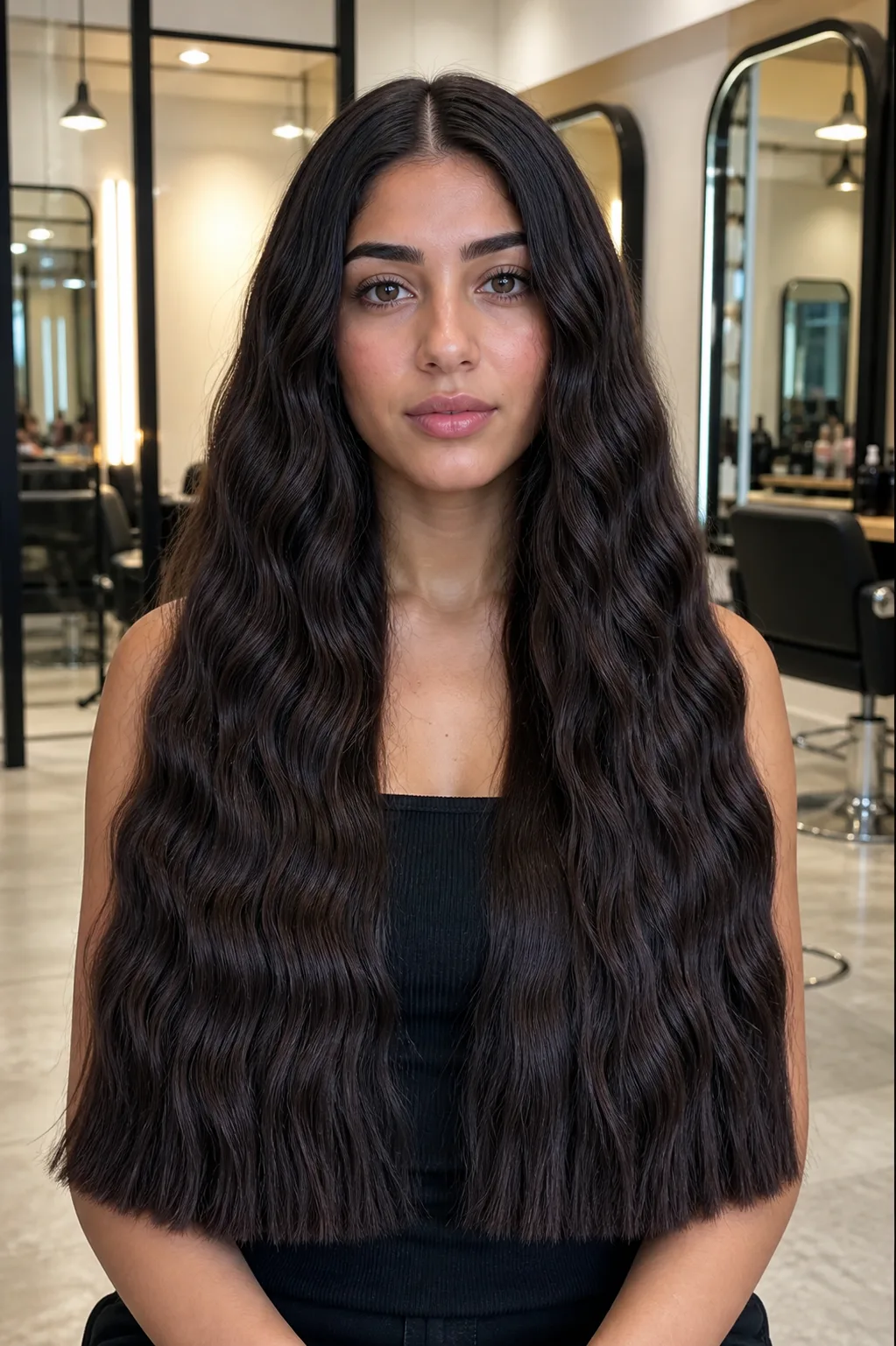
Long curls need rounded layers cut curl by curl, dry, on the shape the hair actually holds. A straight-across perimeter on a curl pattern builds a triangle every time, because the top springs up and the bottom does not.
If you are growing length out, protective styles buy you months of no manipulation, and long Fulani braids are the version most people ask for. If your scalp is tender or your edges are already thin, braids that start flat at the root are the gentler way to buy those months. When your hair is loose, a curly hair try-on gets you closer to how a cut will actually sit than a photo of someone else's curl pattern will.
A round or heart-shaped face
Long hair is already flattering on a round face because the vertical line lengthens it. What you add is a break at the cheekbone. Curtain bangs do that: split down the center, shortest at the cheekbone, sweeping to the jaw, and they cut the width of the face at exactly the point where it is widest. Blow them back and away from the face with a round brush and you are most of the way to the feathered Farrah look from the 70s.
On a heart-shaped face the same bangs work for the opposite reason - they fill the forehead and balance a narrow chin. Avoid a heavy straight-across fringe on both; it shortens the face and undoes what the length is doing for you. A diagonal fringe from a deep part works on both as well, and our guide to side bangs for every face shape sets the length for each.
Measure it instead of guessing
Both numbers in the same unit — the answer is a ratio, so it does not matter which.
Under 1.15 reads round, 1.15 to 1.5 reads oval, over 1.5 reads long. Oval and long split on the jaw rather than the ratio: an oval tapers toward the chin, a long face runs straight down.
Not sure which shape you have? The measurement above settles it, and our face-shape guide turns the number into cuts. Then put bangs on your own photo with the bangs filter before you let anyone near your forehead with scissors.
Length also buys you room for color. Six or seven patches at different heights is what calico hair needs to look uneven rather than striped, and short hair simply does not have the space for it.
How much length does a layered cut cost you?
A good long layer costs you nothing at the perimeter and about two inches at the shortest front piece. A V-shaped or U-shaped back costs you three to five inches at the sides while the center stays exactly where it was. Those are the numbers to hold your stylist to.
This matters because hair grows roughly half an inch a month, about six inches a year. An inch taken off in error is two months. Four inches is most of a year. The same arithmetic is what makes growing out grey on long hair a two to three year commitment rather than a one year one. That asymmetry is why "just a trim" is a bad brief and why a photo is a better one. If what you actually want is a change rather than a shorter cut, peekaboo hair puts a vivid panel under your top layer and costs you no length at all. If you want to change the shape without giving up any length at all, a jellyfish cut keeps every inch underneath and puts the whole haircut in a short disconnected section on top.
The mistakes that cost the most
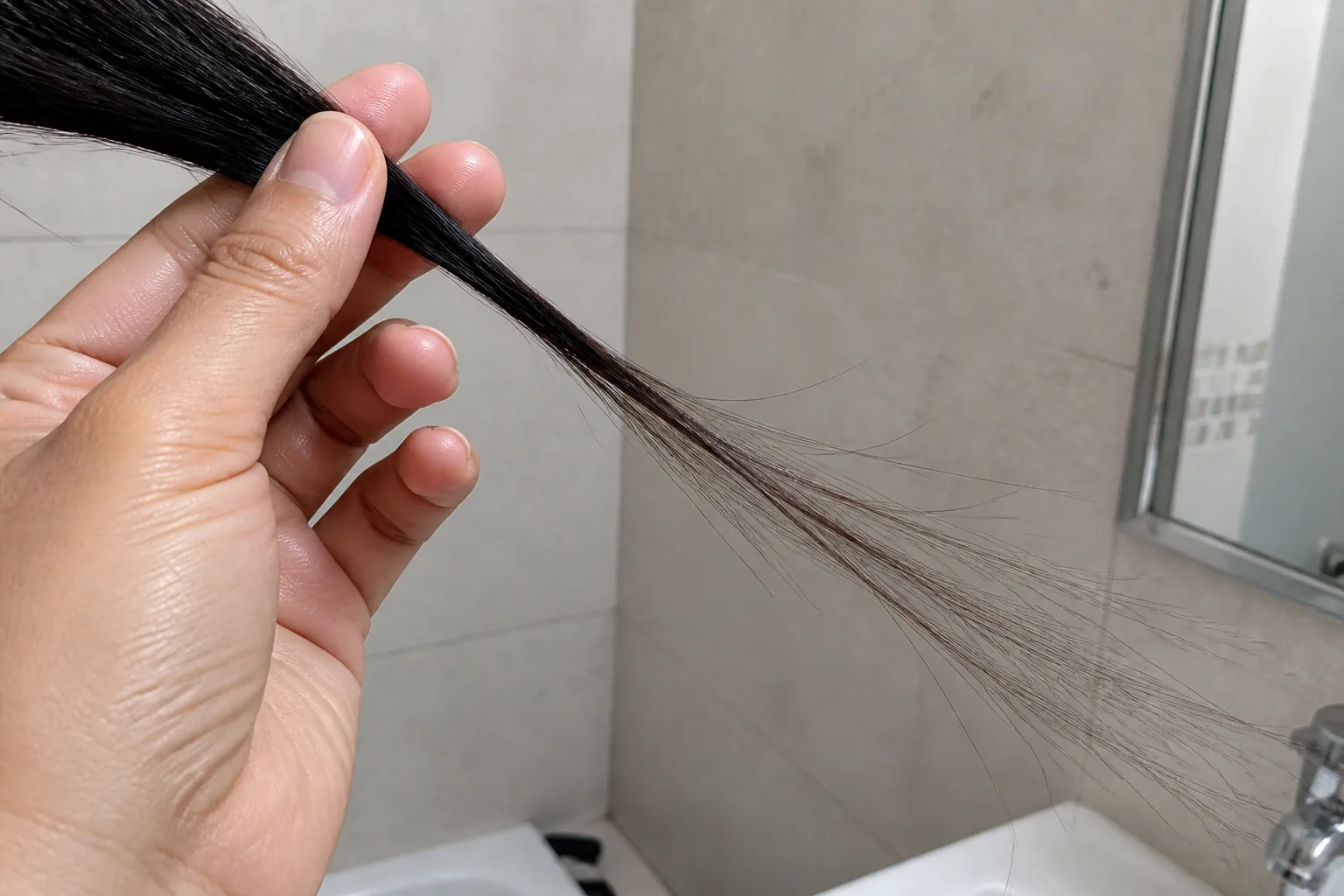
Thinning shears on long ends. They look like a fix for thickness and they are a fix for nothing. Sliced ends taper to points, the hair looks thinner from the back, and the only cure is cutting past the damage. That is the picture below.
Cutting layers wet on wavy hair. Wet hair hangs an inch or more longer than it will dry. Layers placed on the wet length land higher than planned, and you find out three hours later.
Chasing length with heat. Daily flat-ironing at high heat breaks the ends off faster than they grow, so the length plateaus and you blame genetics. The American Academy of Dermatology's everyday hair care guidance is the boring version of this and it is correct. A heavy conditioning mask such as Shiseido's Fino Premium Touch makes heat-dried ends look smoother for a few washes, but only a trim removes a split.
Cutting when the real problem is shedding. If your part is widening or your ponytail has thinned by a full circumference, a haircut will not fix it and a shorter cut will not stop it. Read the AAD on the causes of hair loss and see a dermatologist before you book a stylist. If the length is going anyway, a wig bought for daily wear is a better answer than a cut that hides the problem for six weeks. It is also worth knowing what a hair growth supplement can and cannot do before a monthly subscription becomes your plan.
How to ask for it without losing four inches
How to ask for long layers
- Say the length first, in inches
Open with what you will not lose: "keep the length, take half an inch off the very ends at most." Say it before anything else, because everything after it is negotiable and this is not.
- Name where the shortest piece lands
Point at your jaw or your collarbone. "Shortest layer here." A stylist can work to a landmark on your face; they cannot work to the word "long".
- Ask for scissors, not thinning shears
Say "point cut the layers, no thinning shears anywhere." If your hair is thick, ask for the weight to come out internally rather than off the ends.
- Bring two photos, front and back
One of the face-framing you want, one of the back perimeter. The back is the half you cannot see and the half that gets decided without you.
- Have it cut dry if your hair waves or curls
Wet hair lies. Ask for a dry cut, or ask them to check the layers dry before the final pass.
Say this to your barber
Keep all my length, half an inch off the ends at most. Long face-framing layers, shortest piece at my jaw, point cut with scissors and no thinning shears. Leave the back perimeter as one line.
Is the try-on actually free?
Yes for the first look, with no card. That gets you one hairstyle and one color on it, front view, on your own photo. It is enough to answer the only question that matters before a big cut: does this shape suit my face.
After that it is $9 a month for Starter, or $90 a year, which gives you 150 credits, all 120+ cuts and colors, no watermark and a before-and-after sheet to show your stylist. A haircut render costs 10 credits and a color on top of it costs 5, so 150 credits is roughly fifteen full looks a month. Length, bangs and the part are free changes inside the same picture. Pro is $24 a month if you want the side and back angles too. Every plan has a seven-day refund with no conditions. The full pricing page has the rest.
Fourteen long hairstyles at the same length
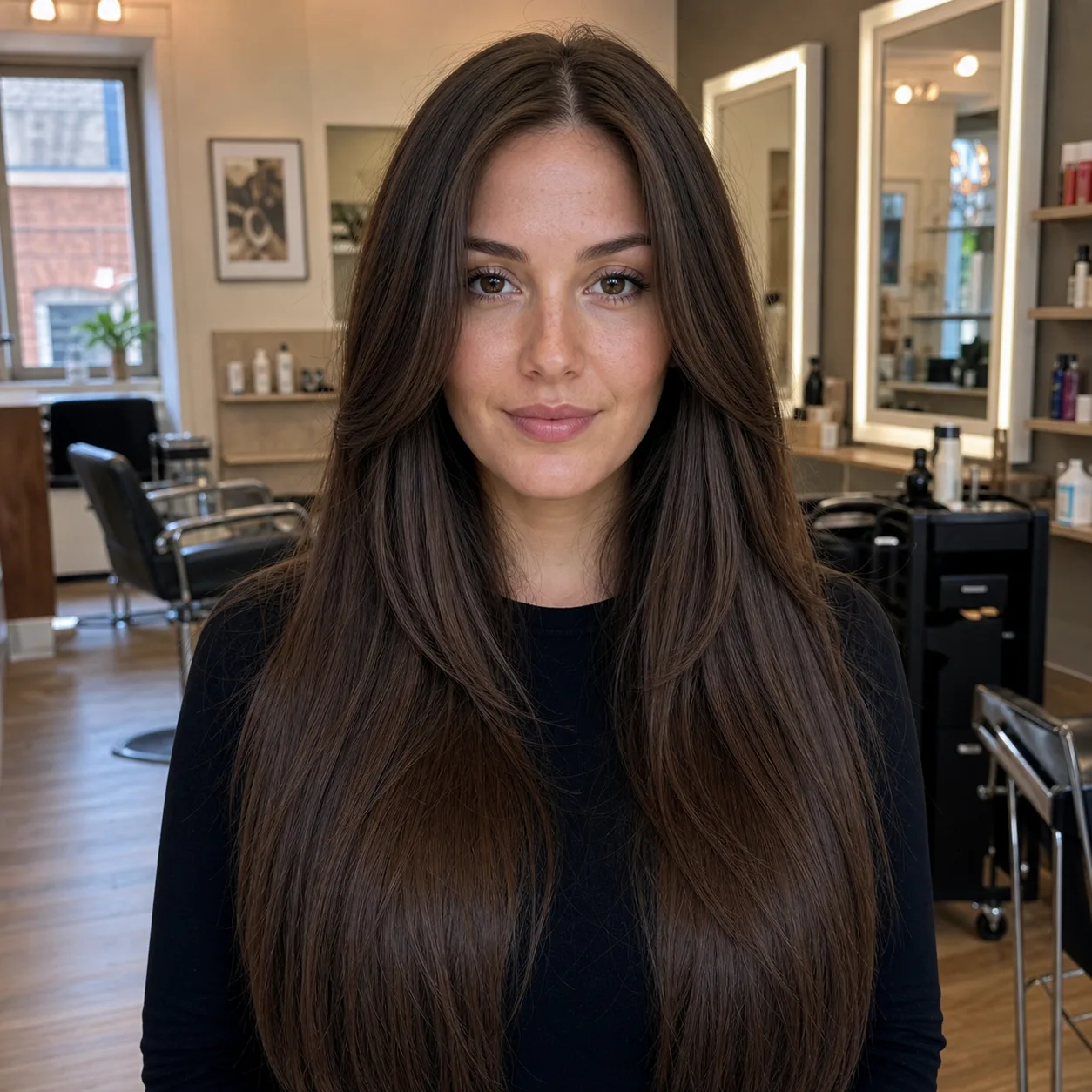
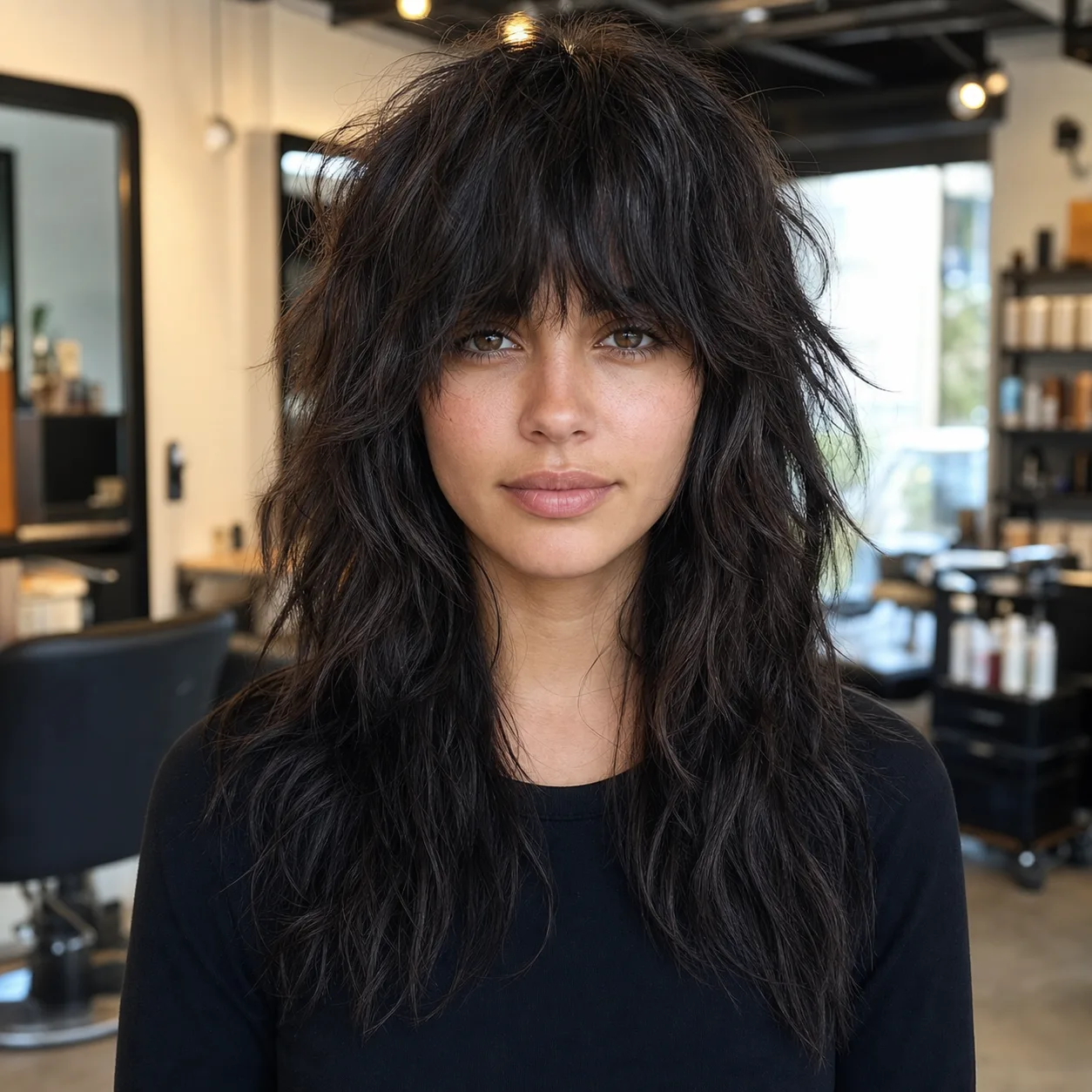
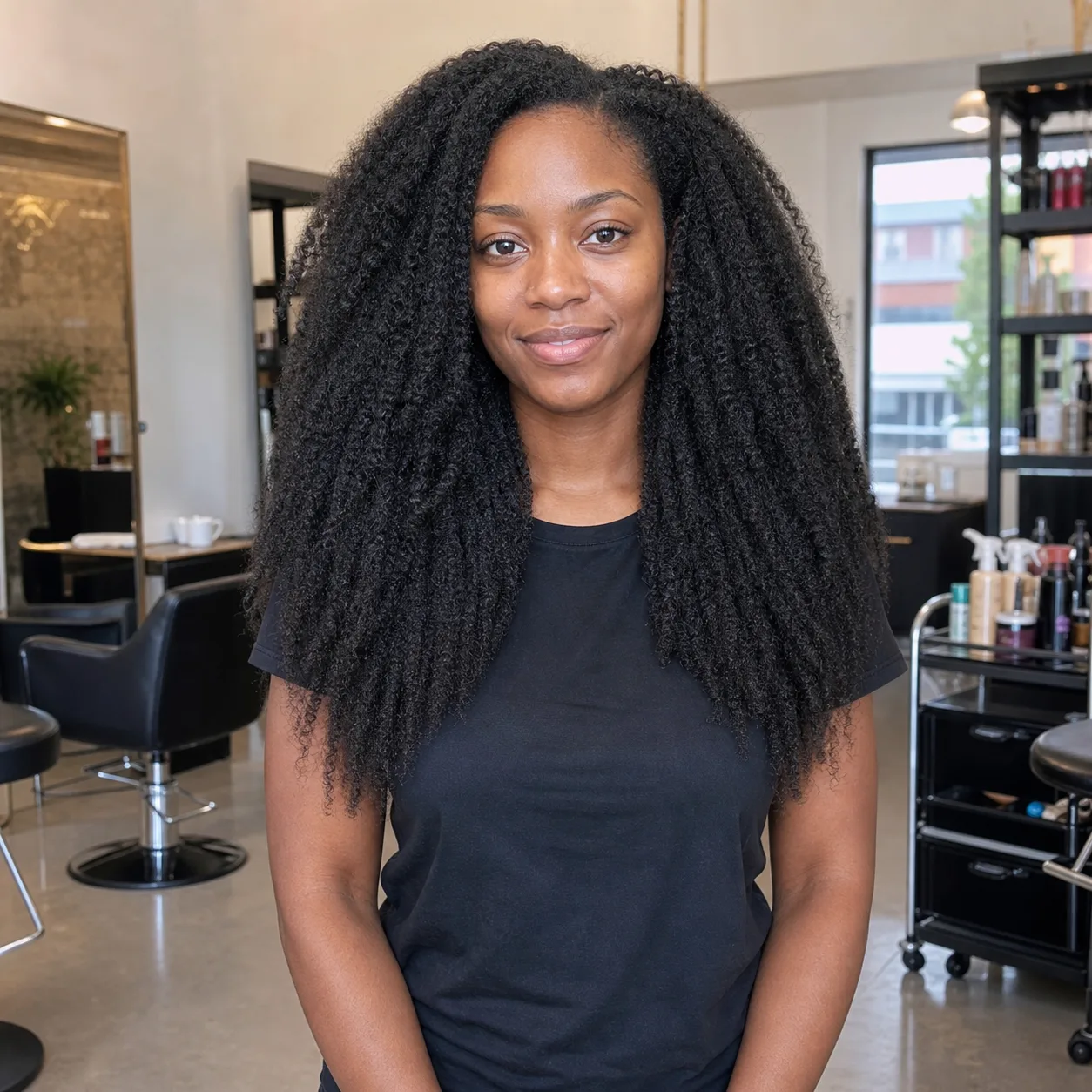
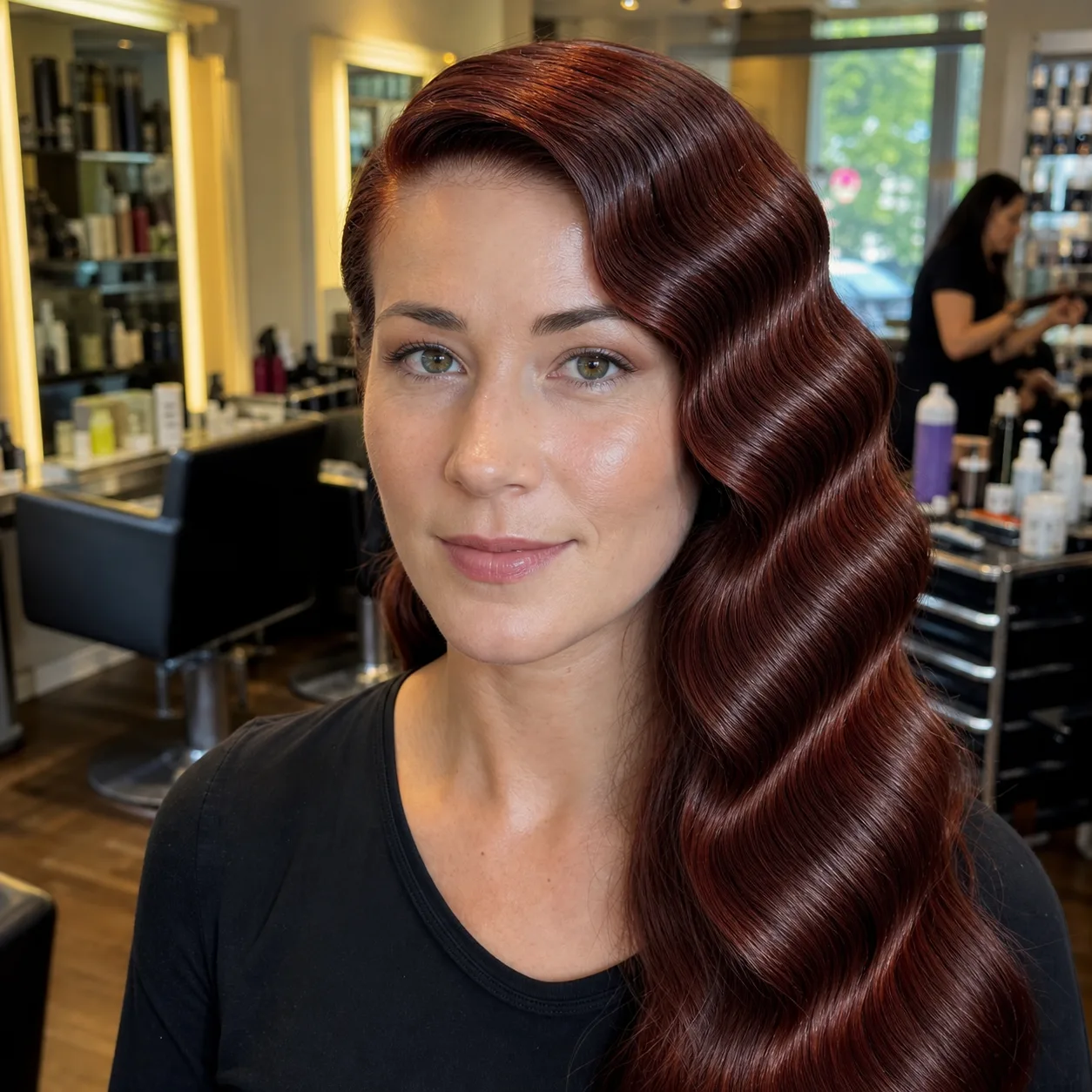
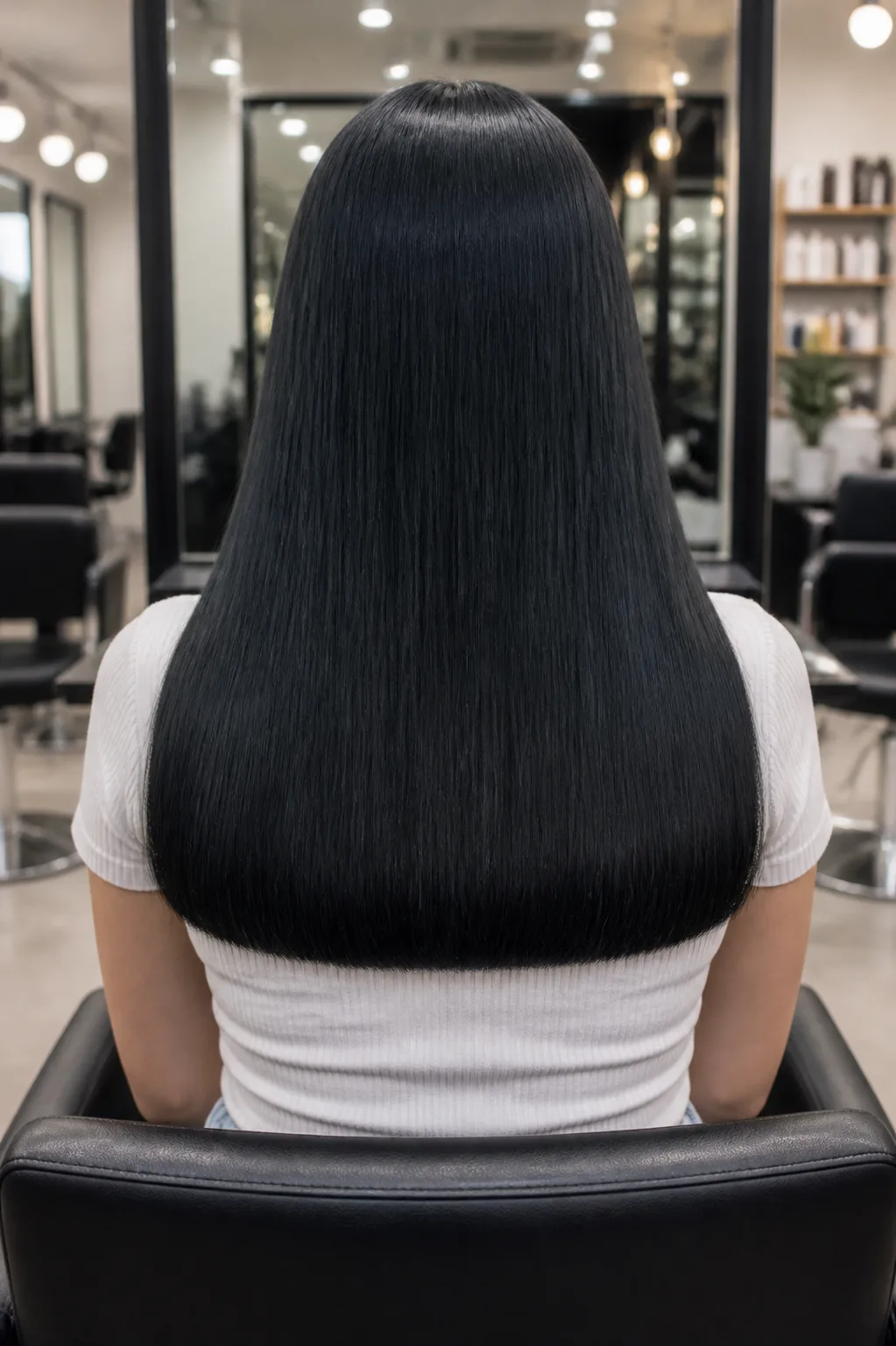
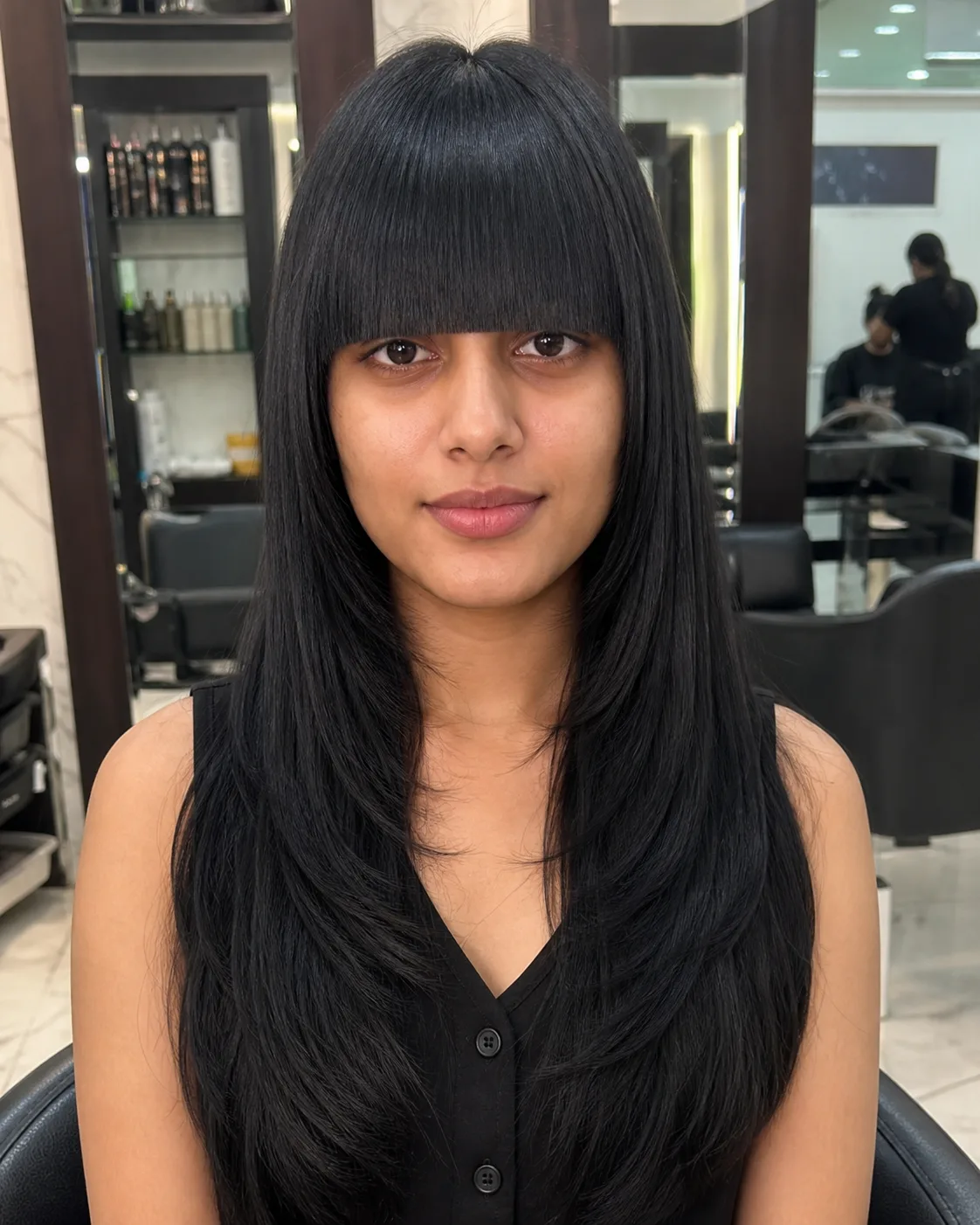
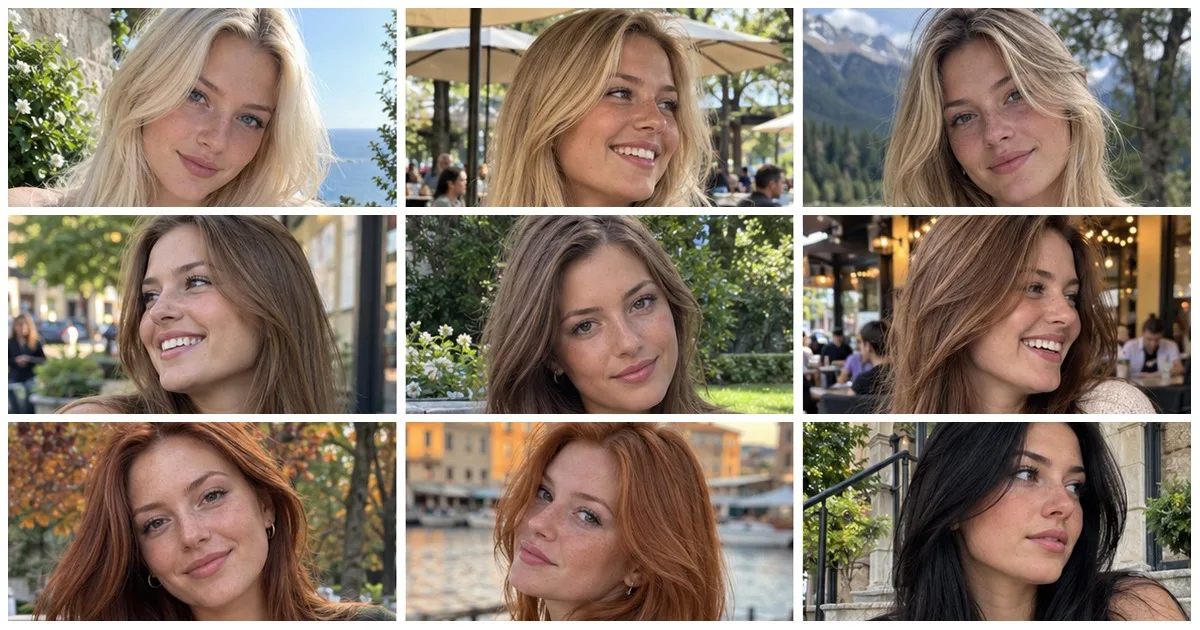
Every picture below is roughly the same length, past the shoulder blades. The only thing that changes is what was cut into it, which is the whole argument of this page: the length is not the style. Length also buys you styles that shorter hair simply cannot hold, and the cheapest of those is the segmented bubble ponytail, which needs no cutting and no braiding skill at all. These photos also double as practice references if you are learning how to draw long hair, since the length stays fixed and only the shape changes.
Gallery14 photos · tap to enlarge
 Try this on me
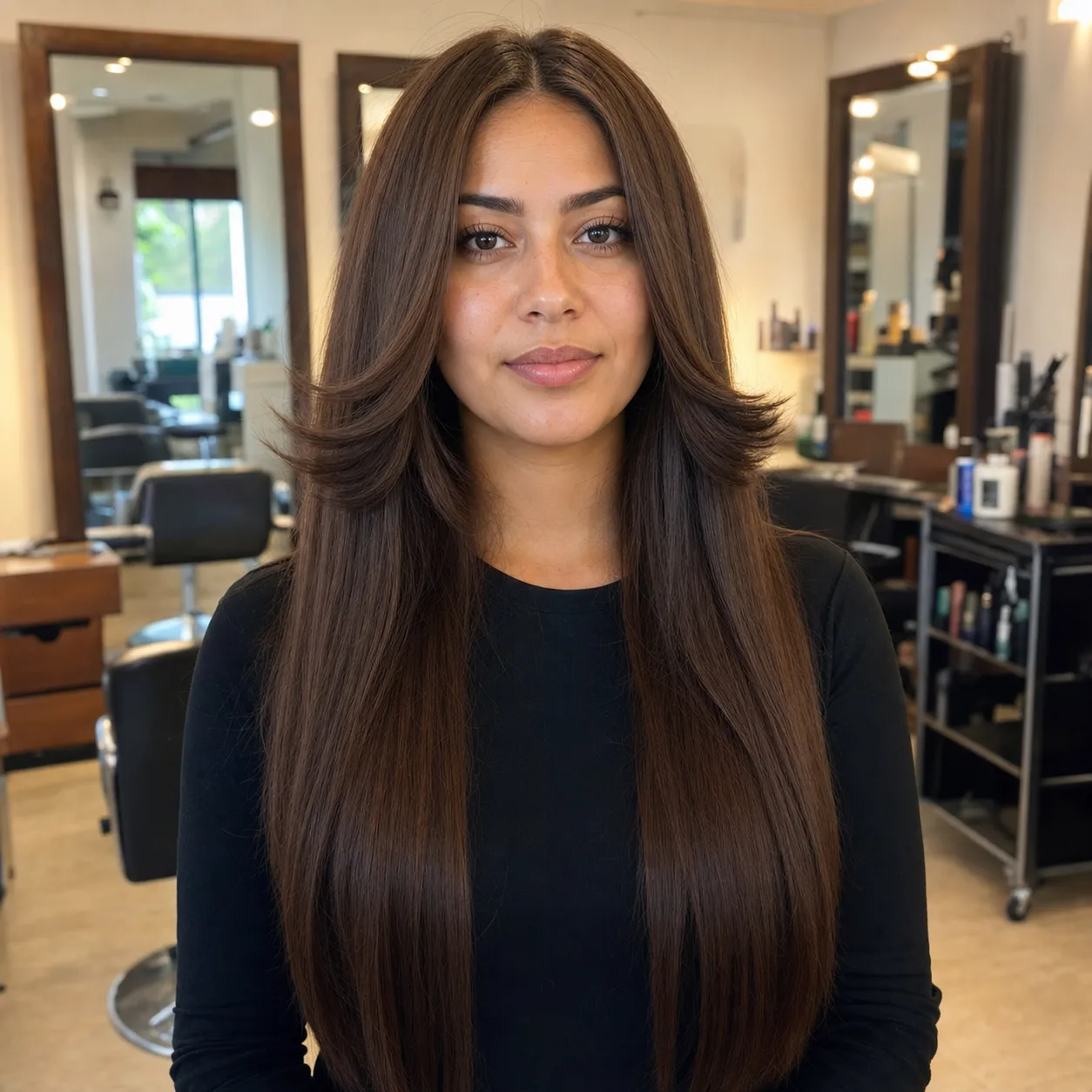 Try this on me
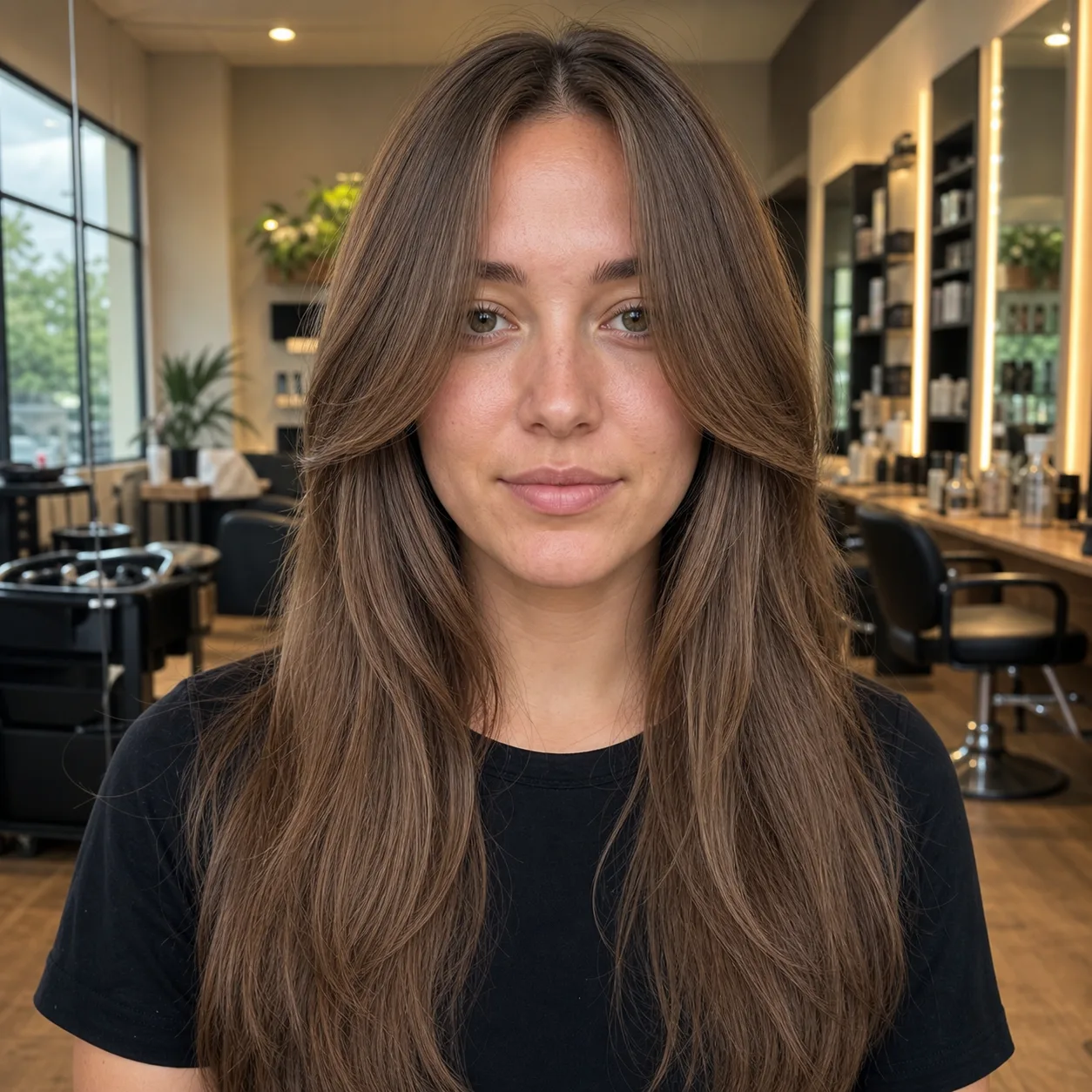 Try this on me
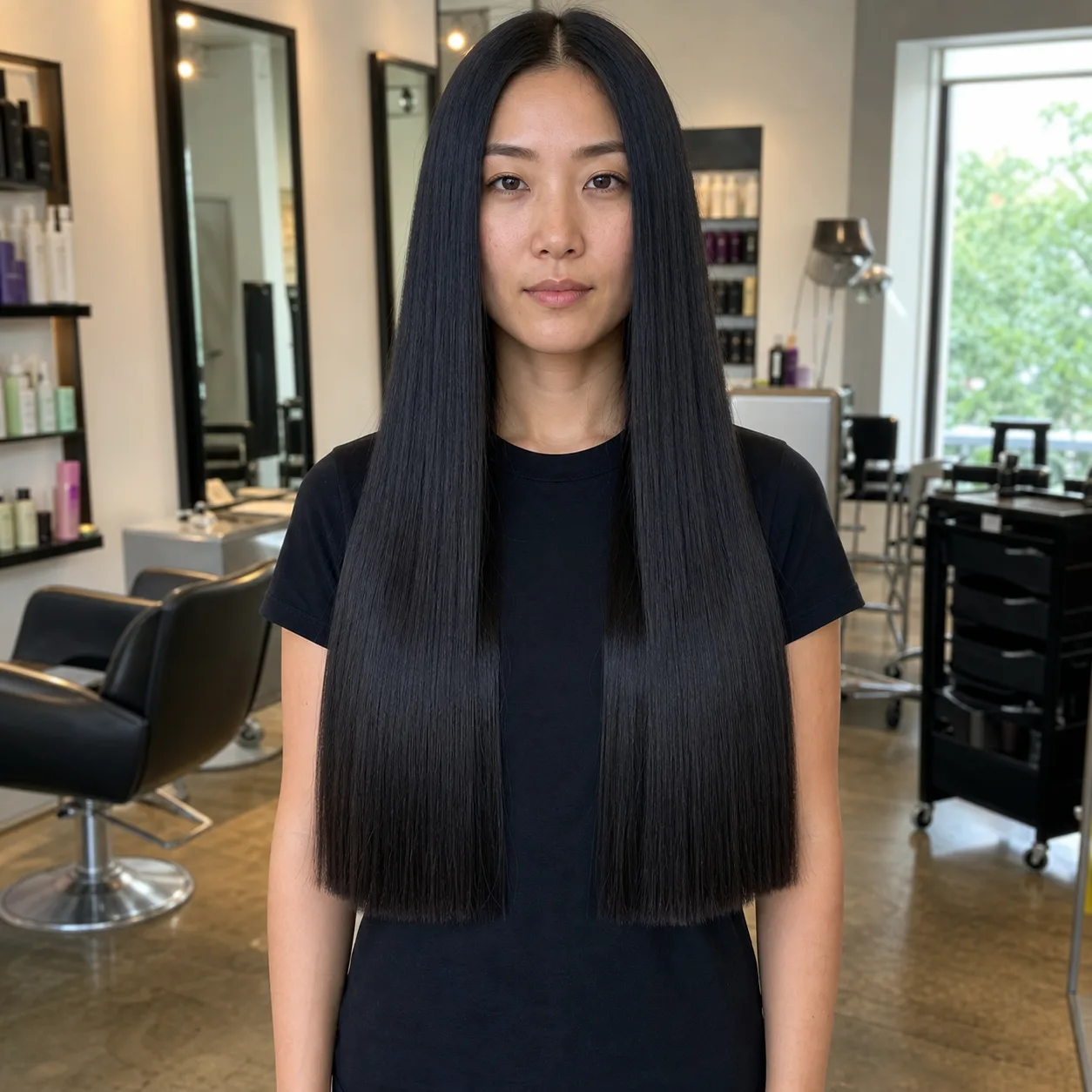 Try this on me
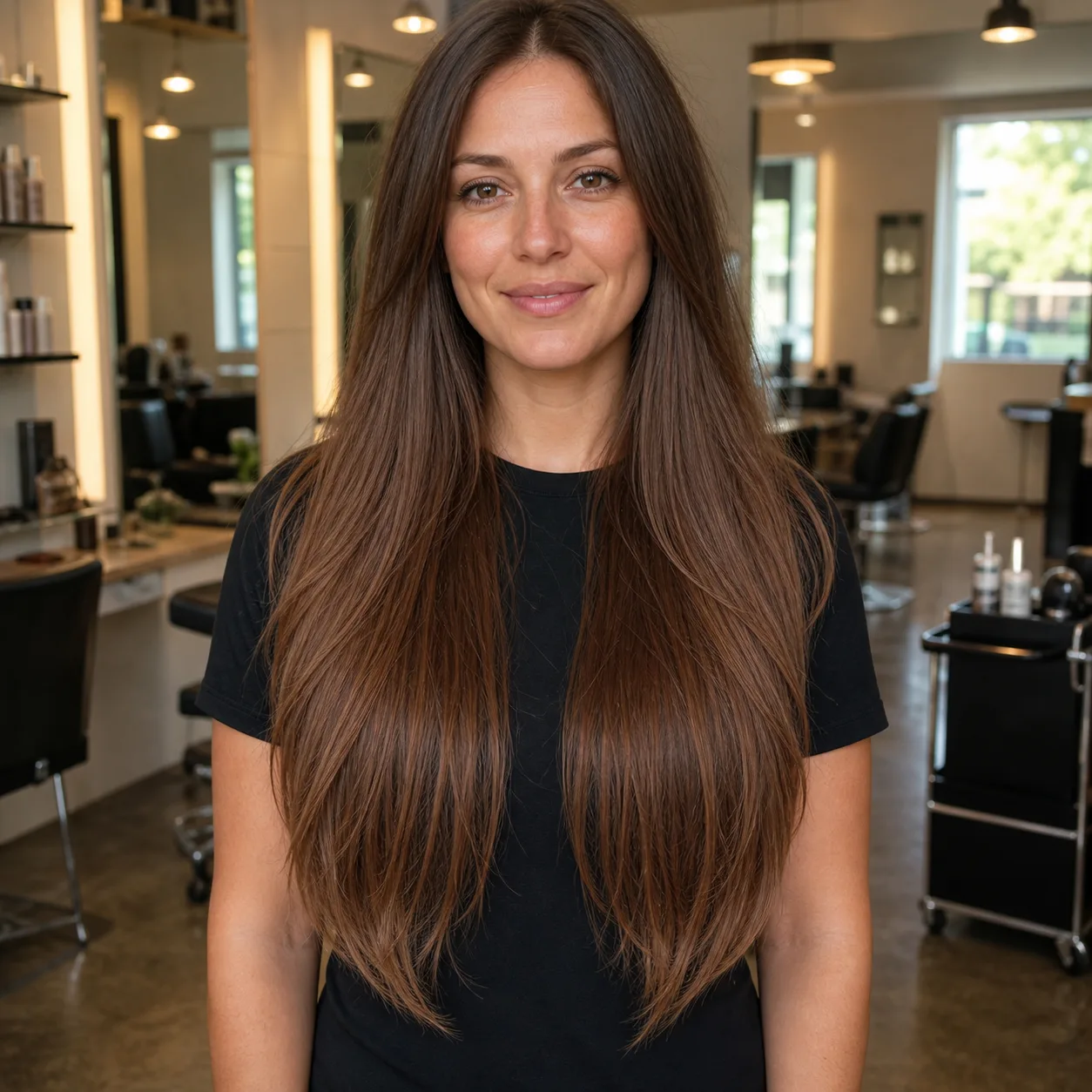 Try this on me
 Try this on me
 Try this on me
 Try this on me
 Try this on me
 Try this on me
 Try this on me
 Try this on me
 Try this on me
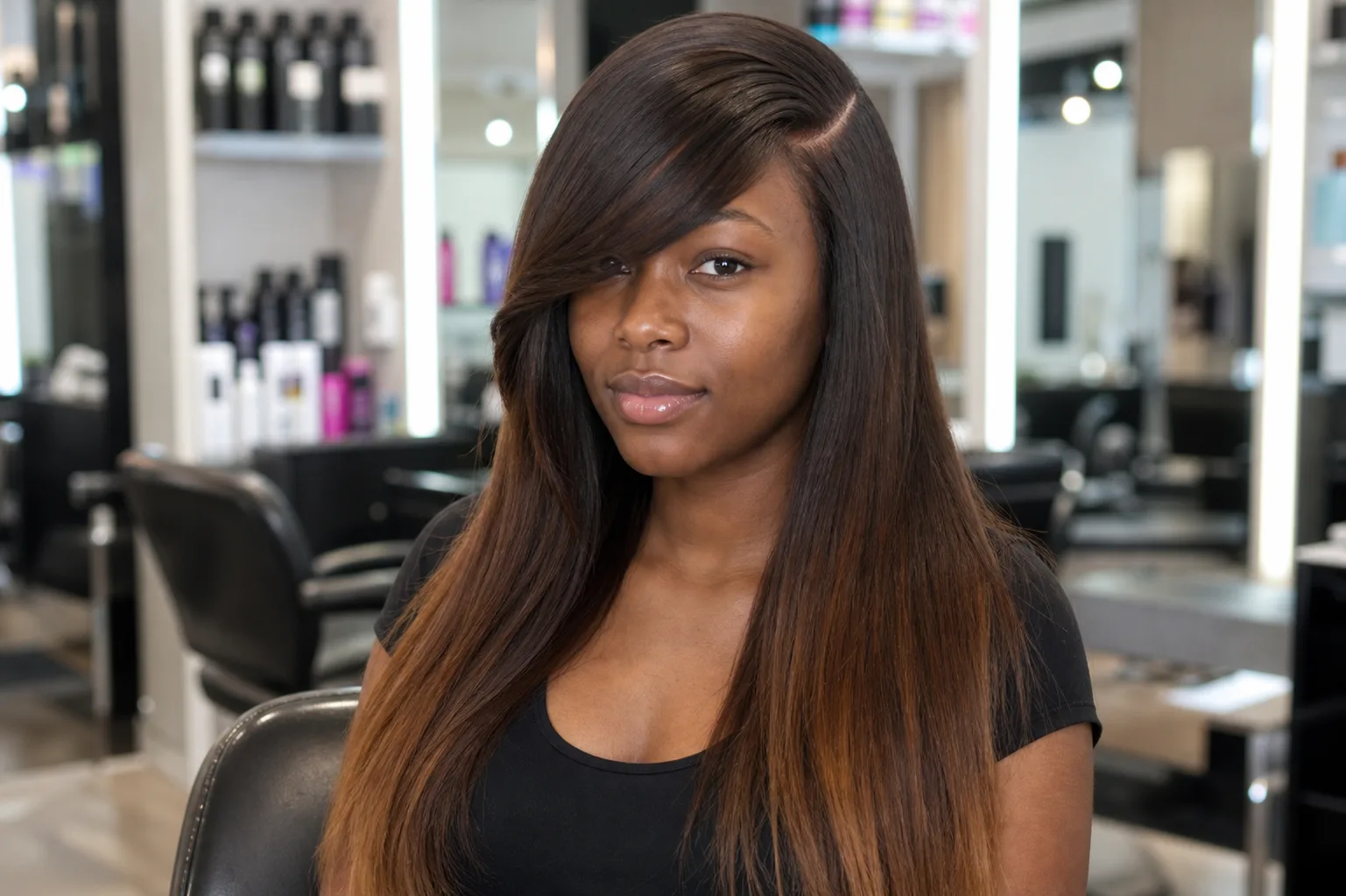 Try this on me
 Yours could be here.
Start with one selfie.
One photo, twenty seconds, and you'll know. Free account, no card for your first render.
Length is also the easiest canvas to add hair tinsel, since the fine strands have room to catch the light and flash as you move.
The fastest way to make long hair look styled without cutting it is to take the top section back and leave the rest down, and there is a specific place to stop that section: our guide to half up half down hairstyles covers where.
So which one
If you have no strong feeling, get long face-framing layers with the shortest piece at your jaw and leave the perimeter alone. It is the cut that suits the most faces, costs the least length and grows out without a stage where it looks wrong.
For a party rather than a haircut, the same length carries a low chignon or a sleek high ponytail beautifully, both of which are ranked by effort in our party season hair guide. If the party is a wedding and you are in the lineup, see these long hair looks for bridesmaids ranked by how well they hold until the last dance. For ordinary weekdays, these fourteen quick and easy hairstyles are timed from brushed hair to done and need no heat.
If your hair is fine, go blunt instead and hold that line. If it is thick and wide, go butterfly. If you want the change to read from across the room without giving up an inch, add curtain bangs, because the front of the hair is the part people actually see. And if you want to be sure, look at it on your face first. A haircut simulator costs you a minute; the wrong cut costs you a year.
Frequently asked questions
Long face-framing layers suit the widest range of faces and hair types. They keep the full perimeter length, move the hair away from the cheekbones, and grow out without a hard line. If your hair is fine, a blunt one-length cut beats layers, because layers remove the weight your ends need to look thick.
Long layers with curtain bangs. The length gives a vertical line that lengthens the face, and the bangs break the width at the cheekbone, which is the widest point. Keep the shortest face-framing piece at or below the jaw. Avoid a blunt straight-across fringe, which shortens the face.
Yes. Length is one of the most flattering things a round face can do, because it draws the eye vertically. What matters is the front: hair that sits flat against the cheeks widens the face, and layers that fall away from it do the opposite.
Butterfly layers, curtain bangs and the long shag are the three people are still asking for by name. All three do the same job in different ways: they add a second, shorter length near the face while keeping the perimeter long. The one-length curtain of hair is the look that has gone quiet.
Usually yes, with one condition: keep the ends blunt. Hair tends to lose density with age, and wispy tapered ends make that read louder. Long layers cut into the top and front, with a solid perimeter left underneath, add movement without advertising thinning.
Keep it if you like it, and change the front rather than the length. Face-framing layers and curtain bangs update the shape and cost you almost nothing off the ends. If the hair has thinned through the part, a blunt perimeter and a shorter overall length will look denser than long, fine ends will.
Learn three things and stop: a low bun with a claw clip, a half-up twist, and a rope braid. The one heat style worth the time on long hair is crimping, because it adds width where length alone flattens. All three take under two minutes, need no heat, and hold in long hair specifically because the weight is on your side. Skip curling irons until you have a cut with layers, because layers are what make waves sit. Once you have them, the flat iron method for beach waves is the one heat technique to learn first.
Layers cut in a soft, continuous cascade from around the cheekbone down to the ends, with no visible step between them. The point is movement without a line: the hair falls in one sweep rather than in shelves. They suit straight to wavy hair and go frizzy-looking on tight curls, which need rounded layers instead.
It depends entirely on the ends and the front, not the length. Long hair with dense ends and layers that open the face reads younger. Long hair with thin, tapered, dragged-down ends and no shape at the front reads older, and that is the version people are reacting to when they say long hair ages you.
Preview it on your own photo: Virtual Hair Color Try-On.
Share article
About the author
More articles
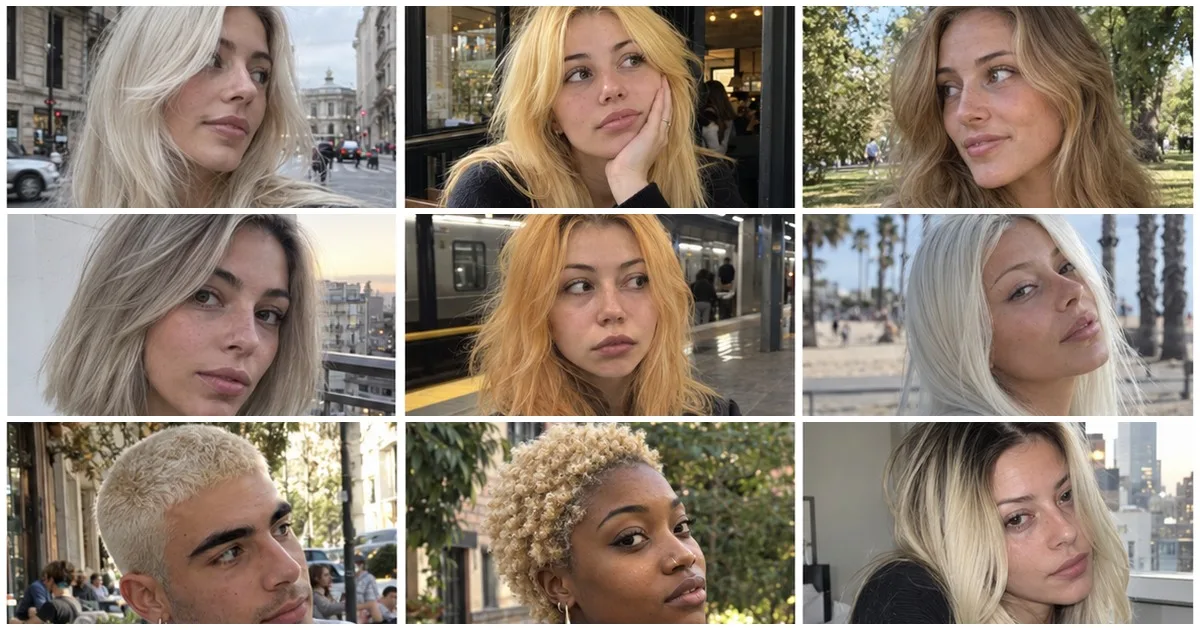
Women's Haircuts · 14 min
Bleached Hair: How Light Yours Can Go, 14 Shades, Aftercare
How light your bleached hair can go depends on where it starts. See 14 bleached shades on one cut, what each starting color can reach in one session, how toner finishes the job, and the aftercare that keeps it soft.
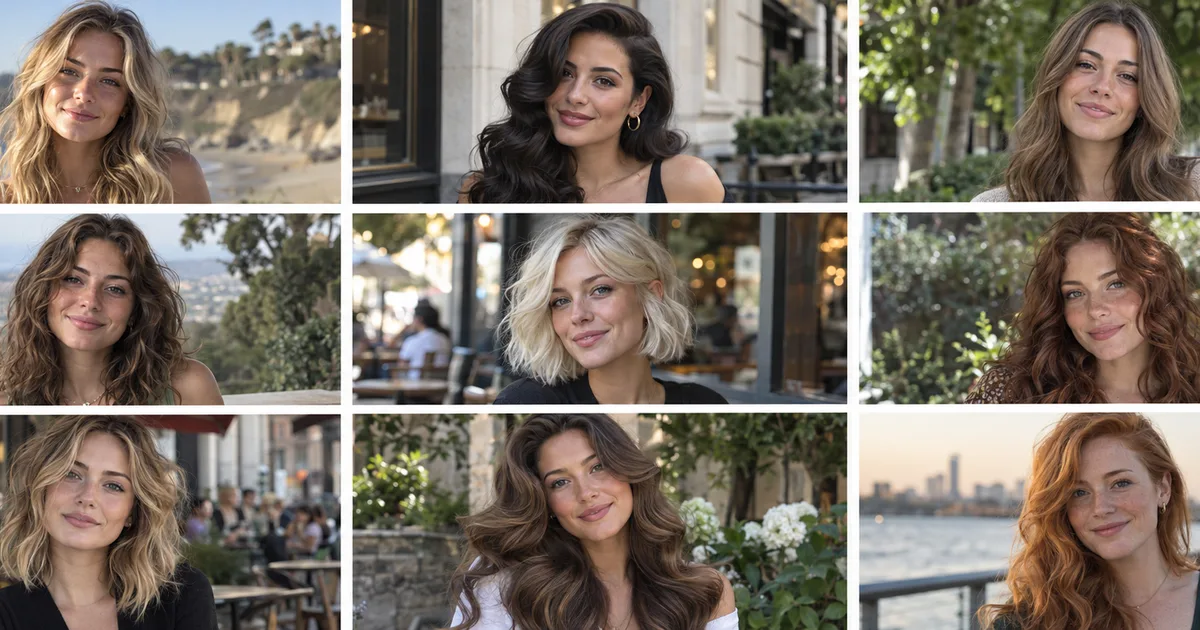
Women's Haircuts · 16 min
Waves Hair: How to Get Beach, Loose and Hollywood Waves That Last
Waves hair is about what you leave straight. How to get beach, loose, Hollywood and heatless waves, which wave suits your hair type, and why your waves keep falling out.
Women's Haircuts · 15 min
Fino Hair Mask: Who It Suits, How to Use It, and Its Limit
The Fino hair mask makes dry, bleached and frizzy hair smooth and shiny in one use, mostly by coating it. Here is what is in the jar, which hair types it suits, exactly how to use it, and what to do when the ends are past a mask.