Waves Hair: How to Get Beach, Loose and Hollywood Waves That Last
Oleh Onysko 30 September 2026 16 min read
In this article
Waves hair is hair that bends into loose S shapes instead of hanging straight or coiling into ringlets. You get waves by wrapping only the middle of each section around a hot tool or a braid, leaving the last inch or two straight, switching direction from one section to the next, and not touching anything until it has cooled.
That second half is the whole trick, and most tutorials bury it. The difference between waves and curls is not the tool. It is what you leave out. Curl the ends and you get ringlets. Curl every section the same way and you get a uniform column of spirals. Brush it while it is still warm and the pattern drops out by lunch. Almost every "my waves look wrong" problem comes back to one of those three.
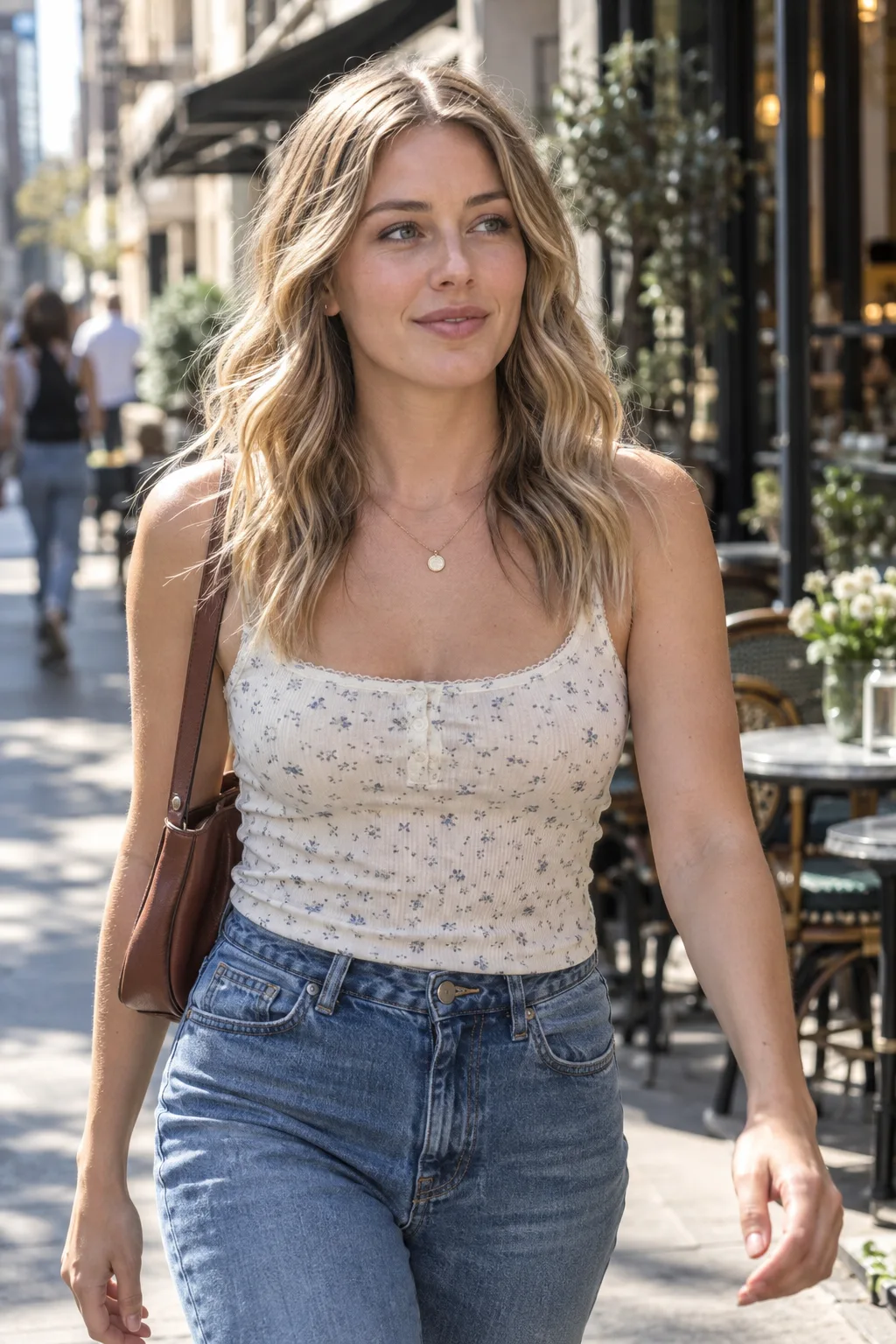
This guide covers the styled kind: beach waves, loose waves, Hollywood waves and the natural 2A to 2C pattern some people are born with. If you searched for waves hair and meant 360 waves, the brushed ripple pattern worn on short coily hair, that is a different craft built on a brush and a durag, and the FAQ at the bottom answers the beginner question.
What counts as waves, and what is a curl?
A wave is a bend that moves side to side in one flat plane, like a ribbon laid on a table. A curl turns around its own axis and makes a spiral you could put a pencil through. Waves are open and they do not bounce back when you pull them. Curls are closed and they spring.
That is why the same curling wand can give you either. Wrap a section around the barrel all the way to the tips and hold it, and you have made a spiral, which is a curl. Wrap only the middle, let the ends hang, and pull the section flat when it cools, and the spiral opens into an S, which is a wave. If your hair naturally forms spirals from the root, you are in curl territory, and the 3A hair guide is closer to what you need.
Waves also start lower than curls. On almost every wave style the hair stays smooth and flat at the crown and the first bend begins somewhere between the ear and the chin. Put a bend right at the root and the whole shape gets wider and rounder, which is the look of a perm or a 1980s set, not of waves.
| Wave style | Size of the bend | Where it starts | Finish | Best tool |
|---|---|---|---|---|
| Beach waves | 1.5 to 2 inches, uneven | Below the ear | Matte, piecey, ends straight | Flat iron or 1 inch wand |
| Loose waves | 3 inches or more, gentle | Chin level | Smooth, soft shine | 1.25 inch wand or big braid |
| Old Hollywood waves | Even, connected | Near the part | Glossy, sculpted | 1 inch iron, then a brush |
| Mermaid waves | About 1 inch, uniform | Ear level | Soft and even | Triple-barrel waver |
| Glam waves | Large, brushed together | Cheekbone | Bouncy, blowout shine | 1.5 inch barrel |
| Natural 2A to 2C | Set by your hair | Varies by type | Your own texture | No tool, or a diffuser |
The table is the decision. Pick the row by the finish you want, then pick the tool from the same row. People who fight their hair for an hour are usually trying to get a Hollywood finish out of a beach wave method, or the reverse.
Why "beach waves" is the one most people mean
Beach waves are the default because they forgive mistakes. The bends are uneven on purpose, the ends are straight on purpose, and a bit of frizz reads as texture instead of failure. They also survive a day better than polished styles, because they have nowhere to fall to. A Hollywood wave that drops looks like a mistake. A beach wave that drops looks like second-day beach waves.
The other styles are more specific. Loose waves are for thick, heavy hair that would look busy with a tighter bend. Hollywood waves are an evening style that needs a side part and patience. Mermaid waves need a waver and look best from the shoulders down on long hair. If you are not sure, start with beach waves and adjust from there.
Types of waves, side by side
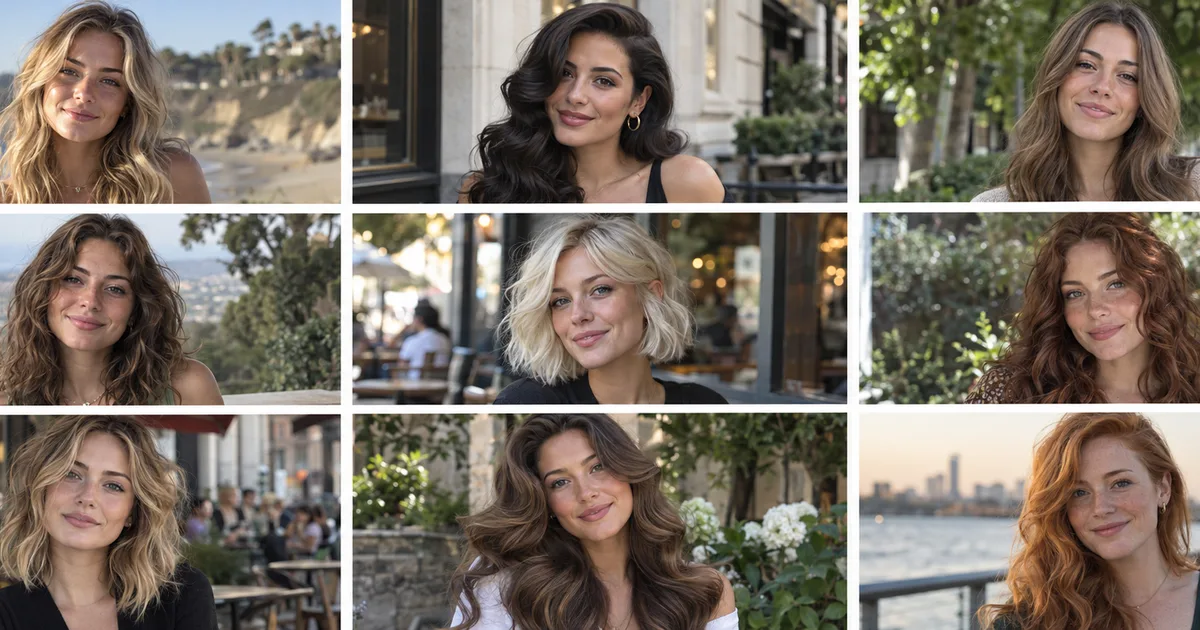
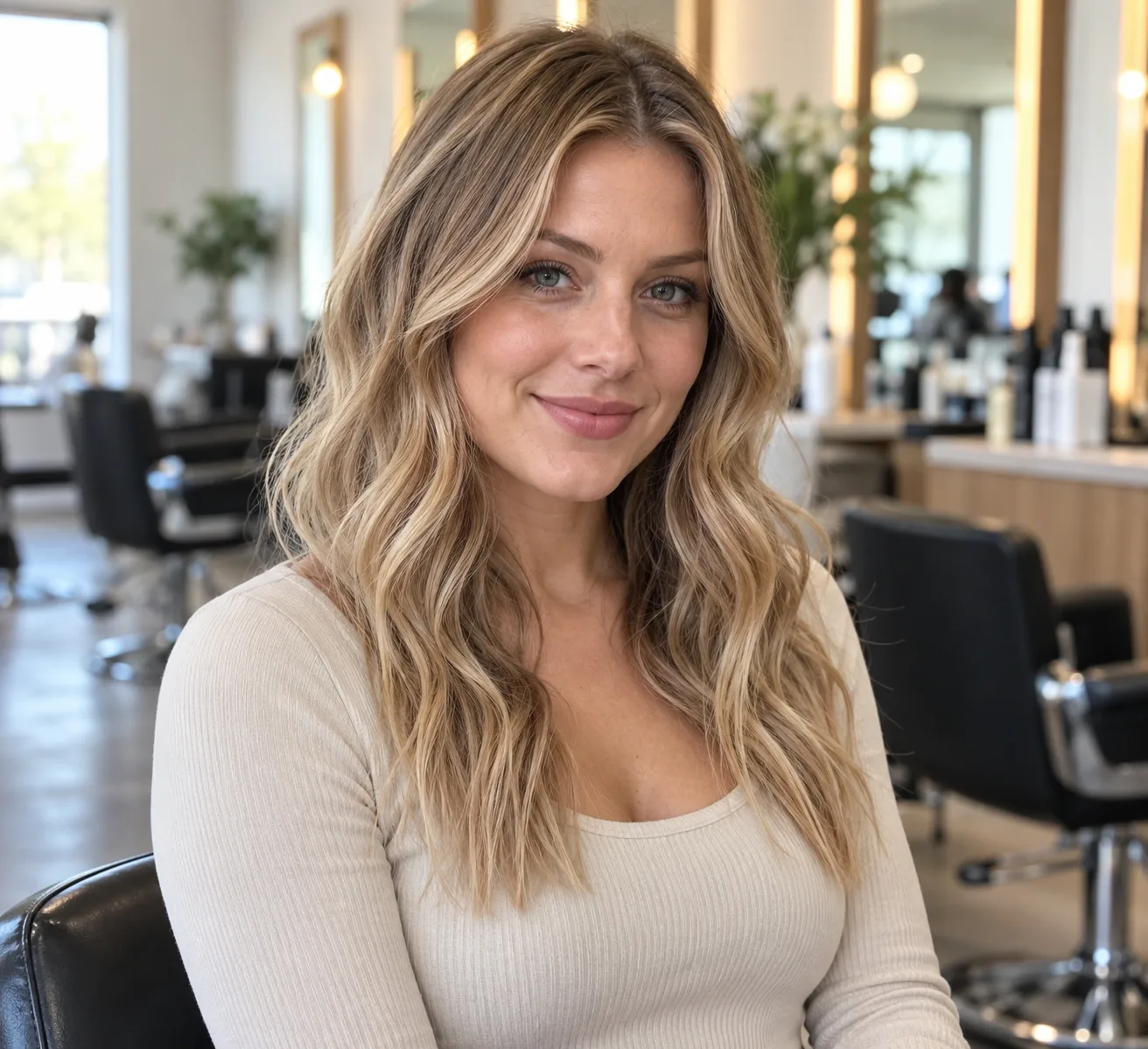
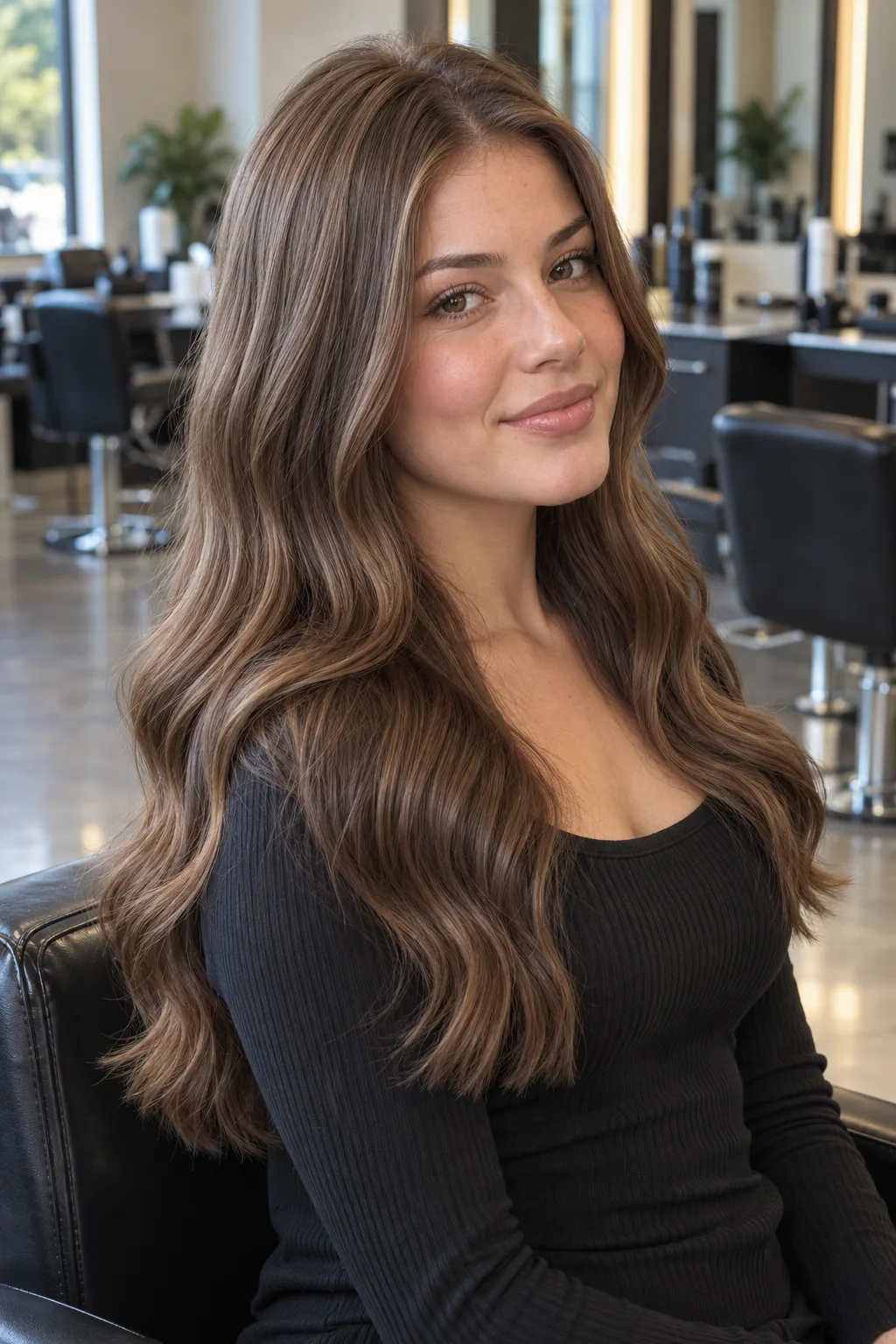
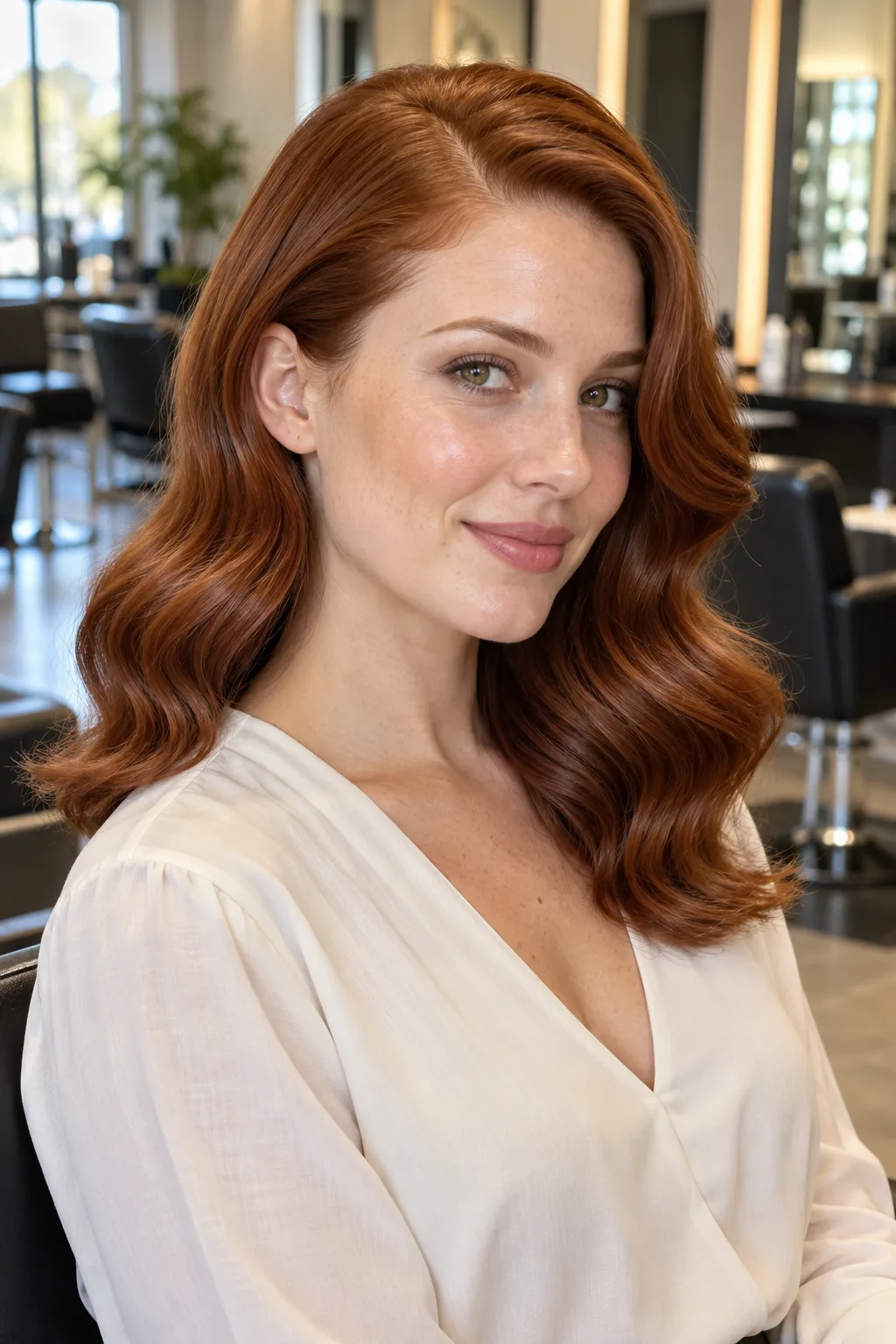
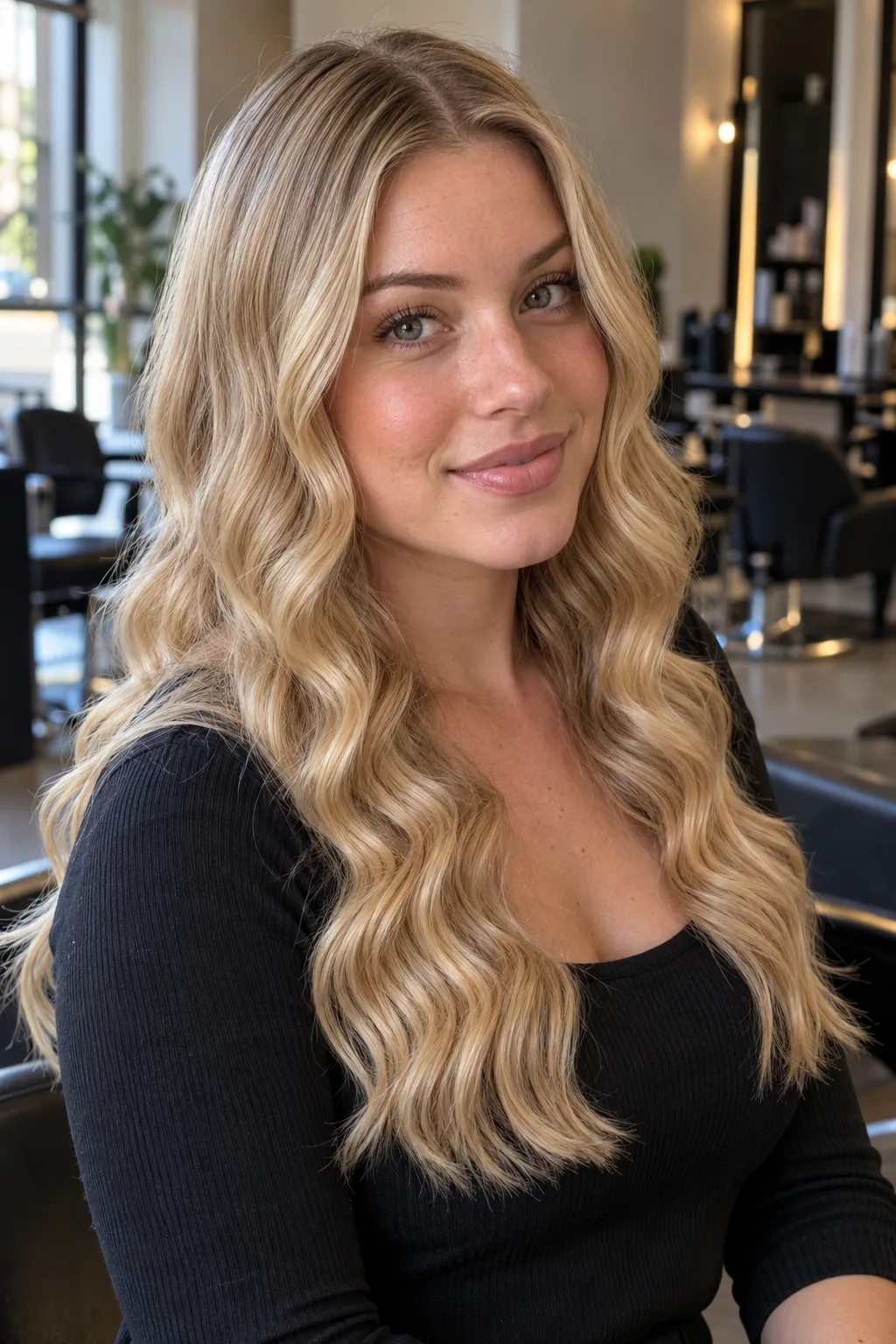
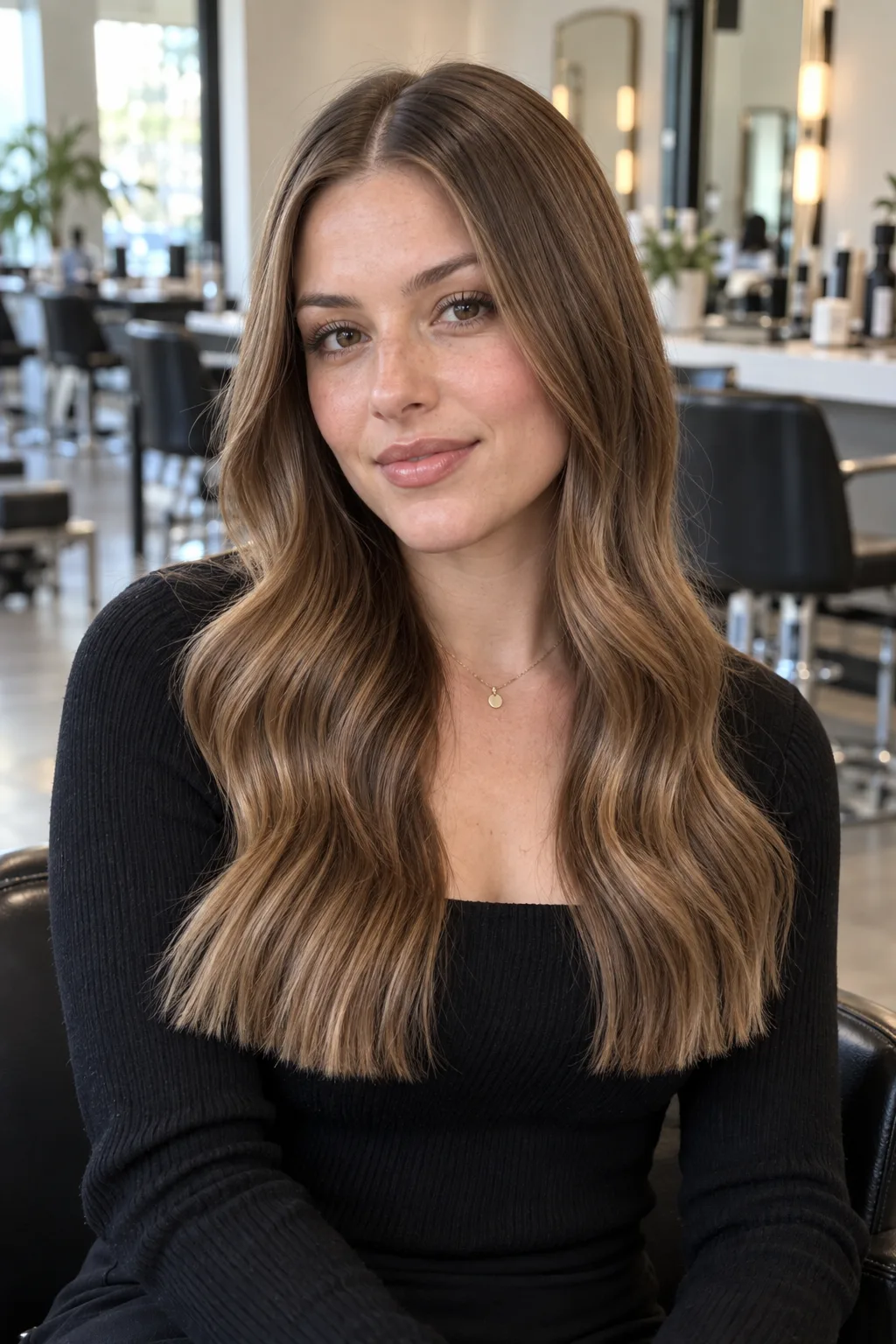
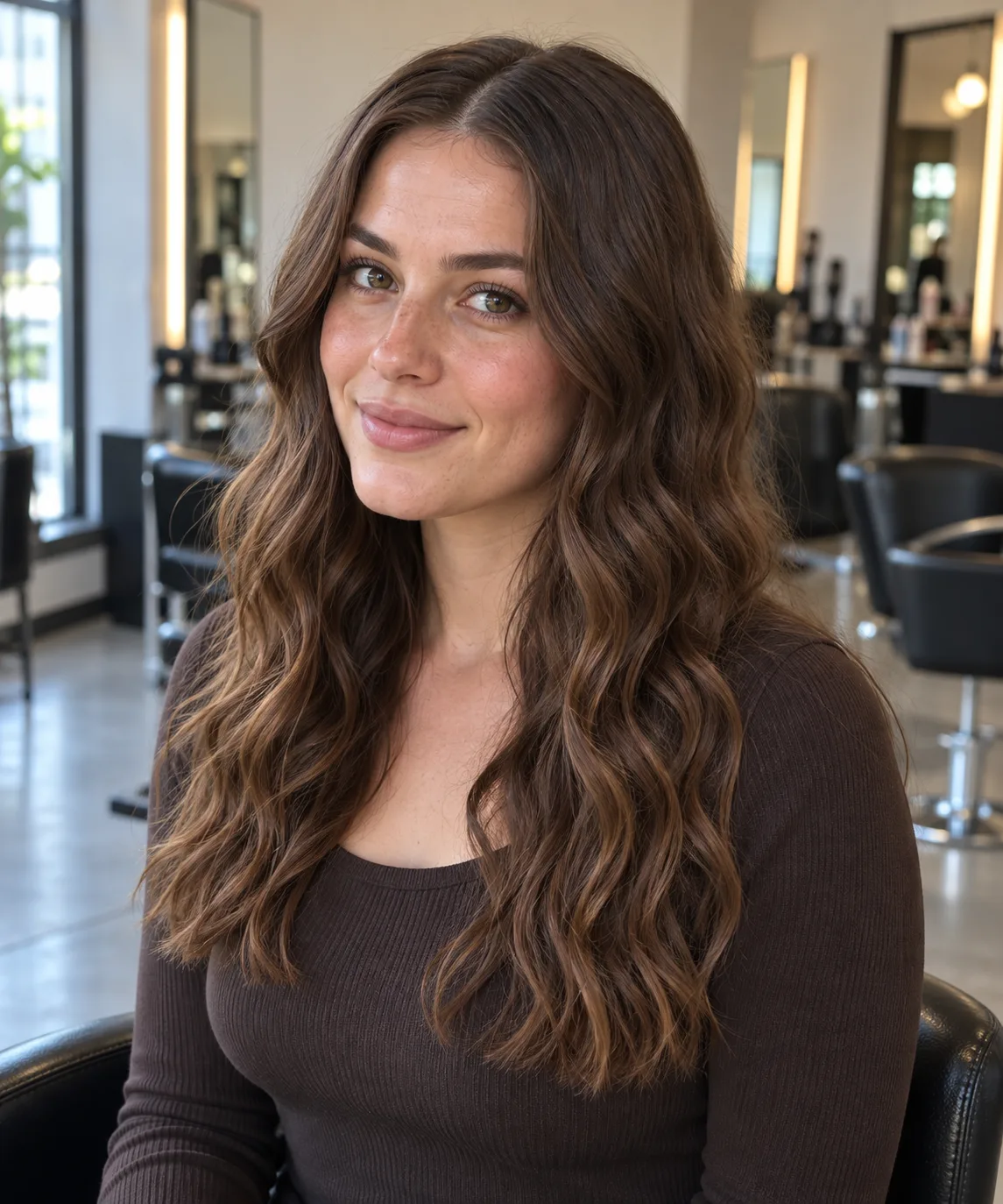
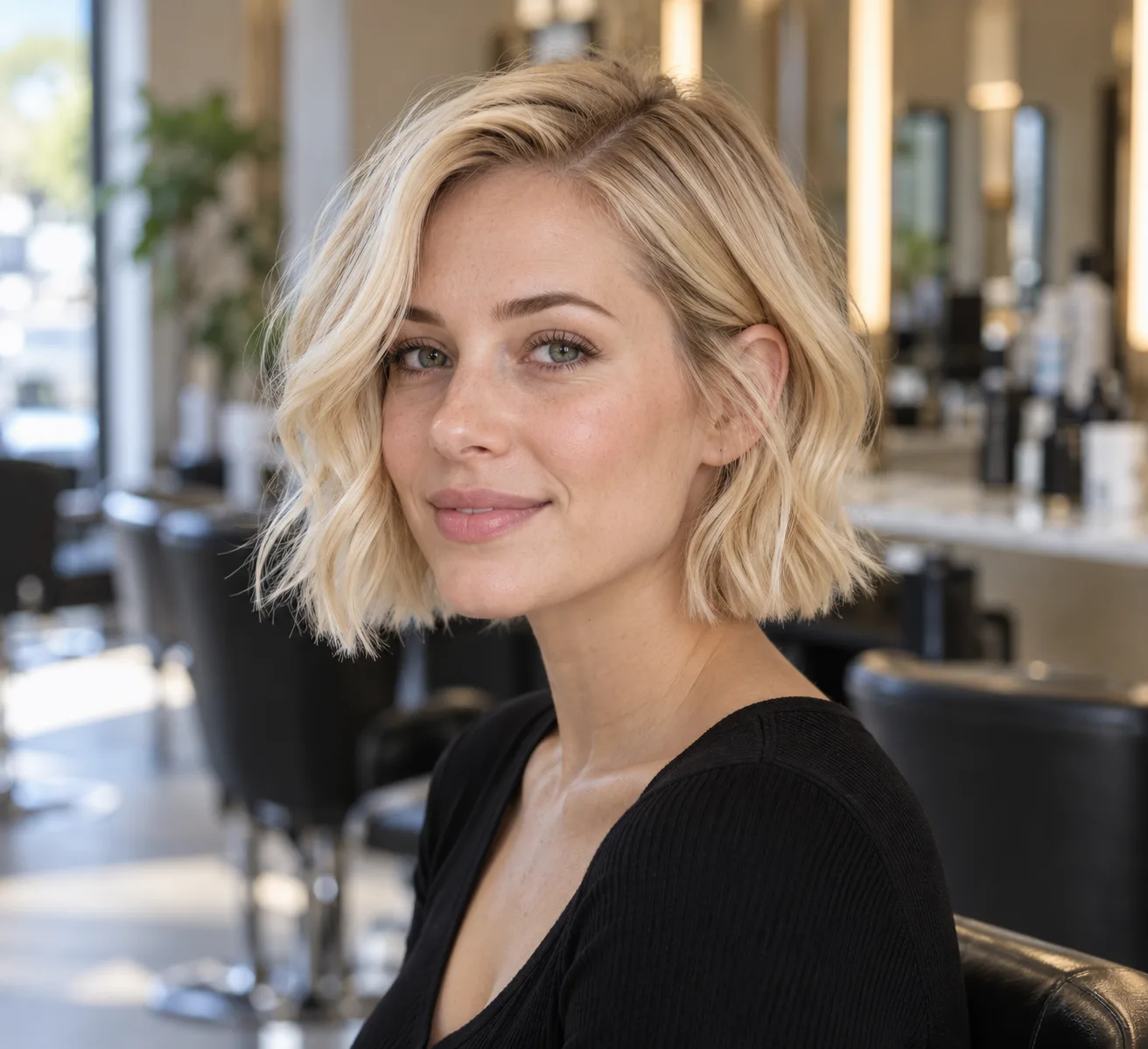
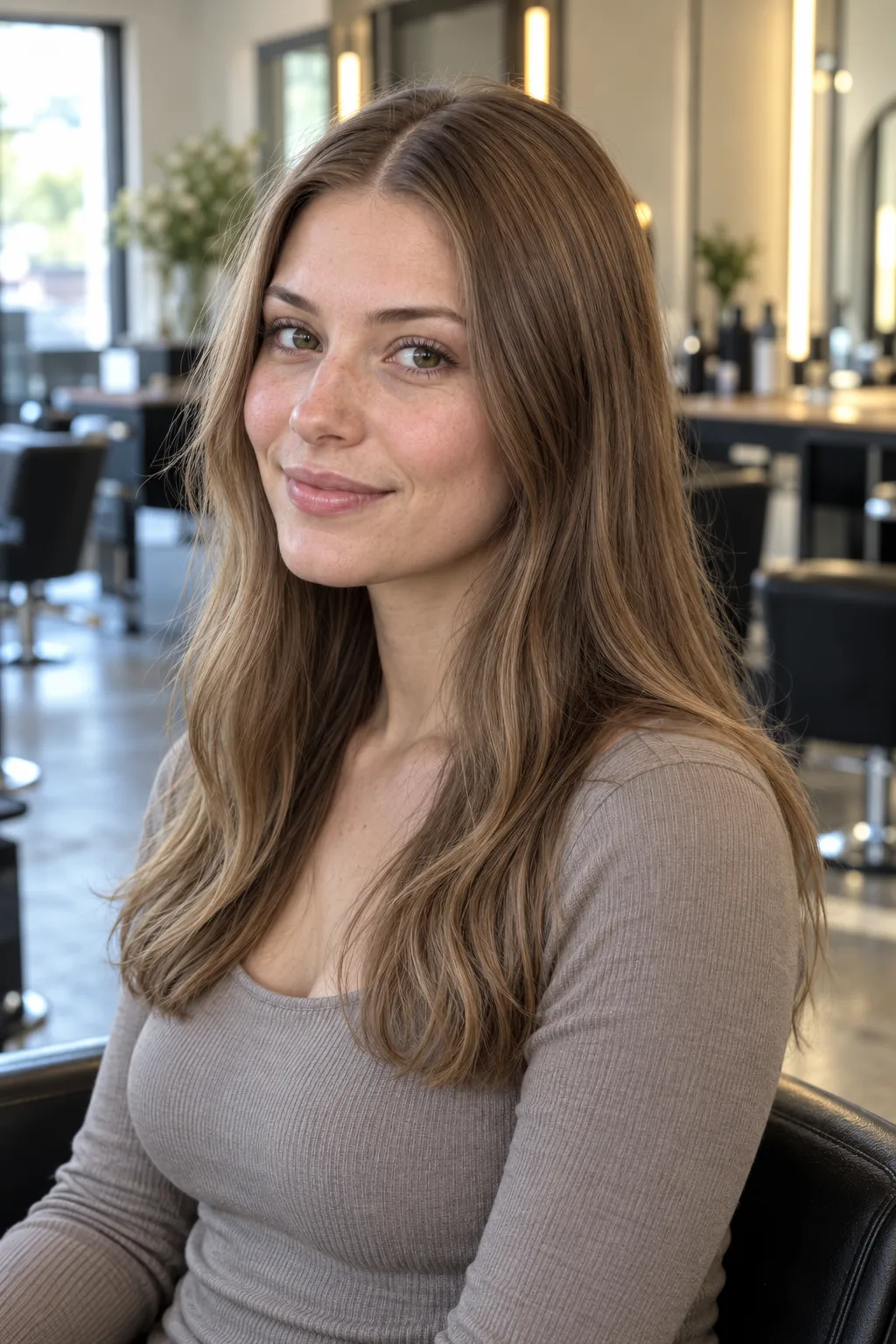
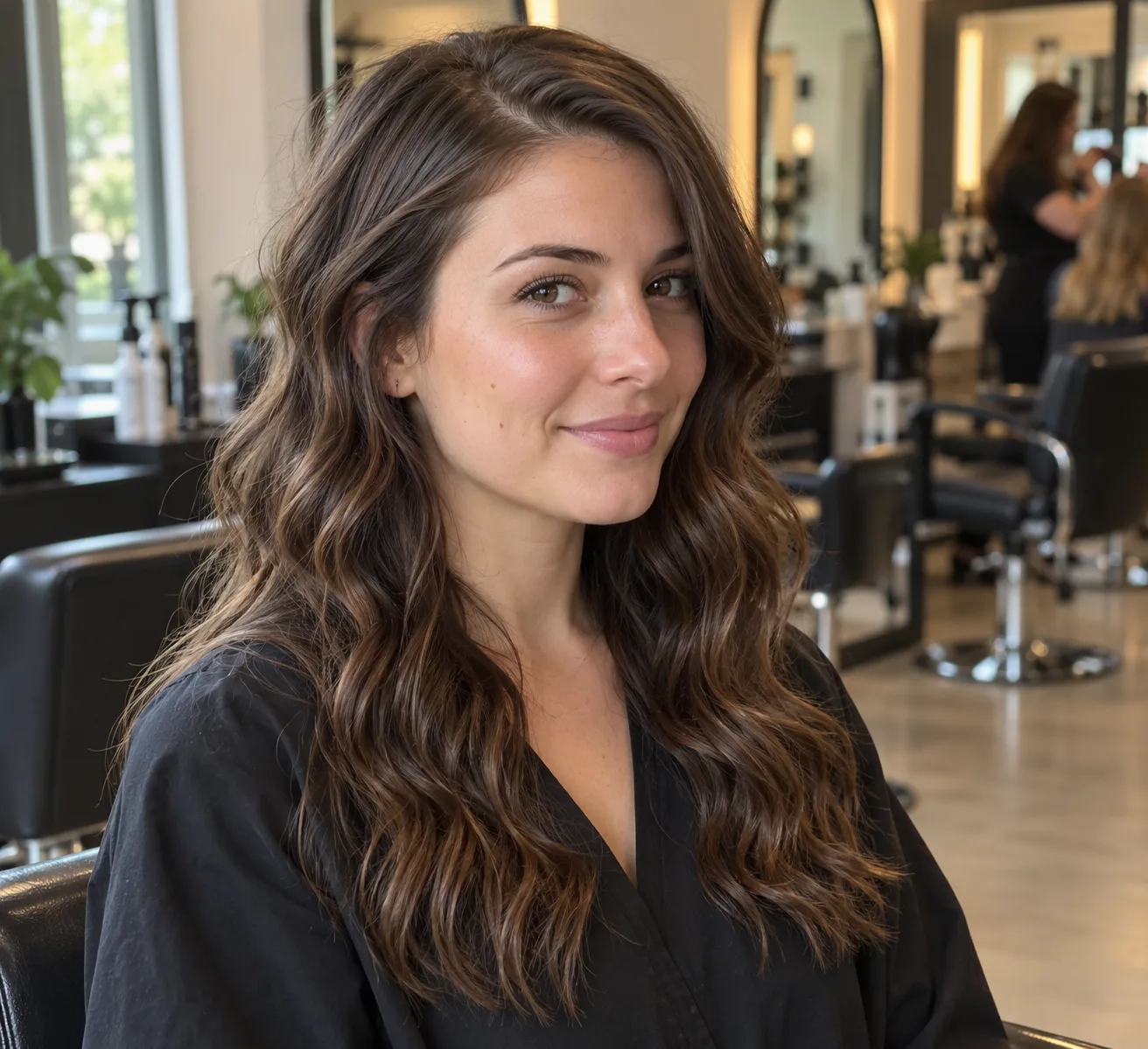
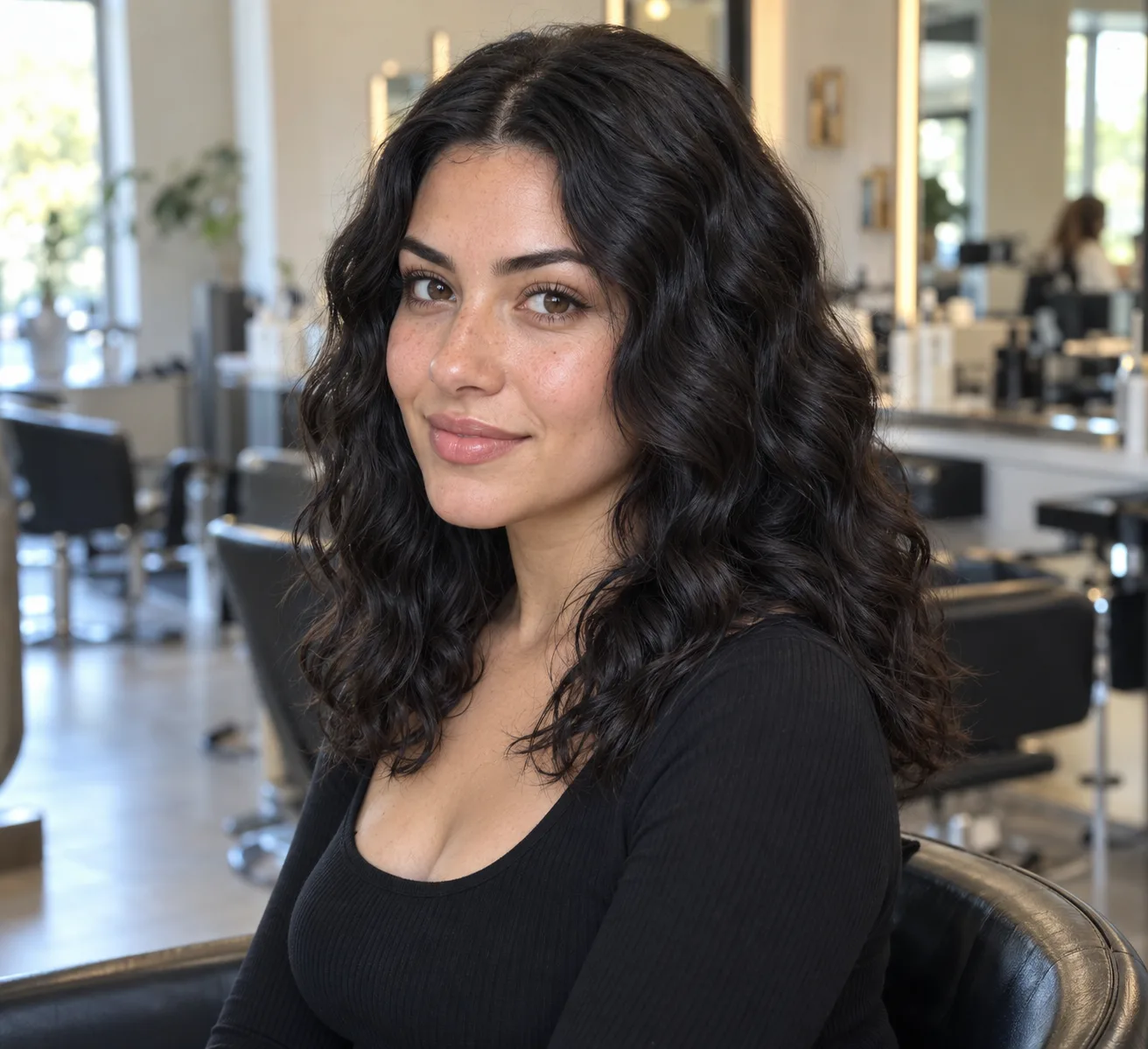
Every picture here is shot the same way, in the same salon light, on women in their twenties with long or mid-length hair. The only thing that changes is the wave pattern, so you can see how much the size of the bend, the finish and the length of the straight ends change the whole look.
Gallery14 photos · tap to enlarge
 Try this on me
 Try this on me
 Try this on me
 Try this on me
 Try this on me
 Try this on me
 Try this on me
 Try this on me
 Try this on me
 Try this on me
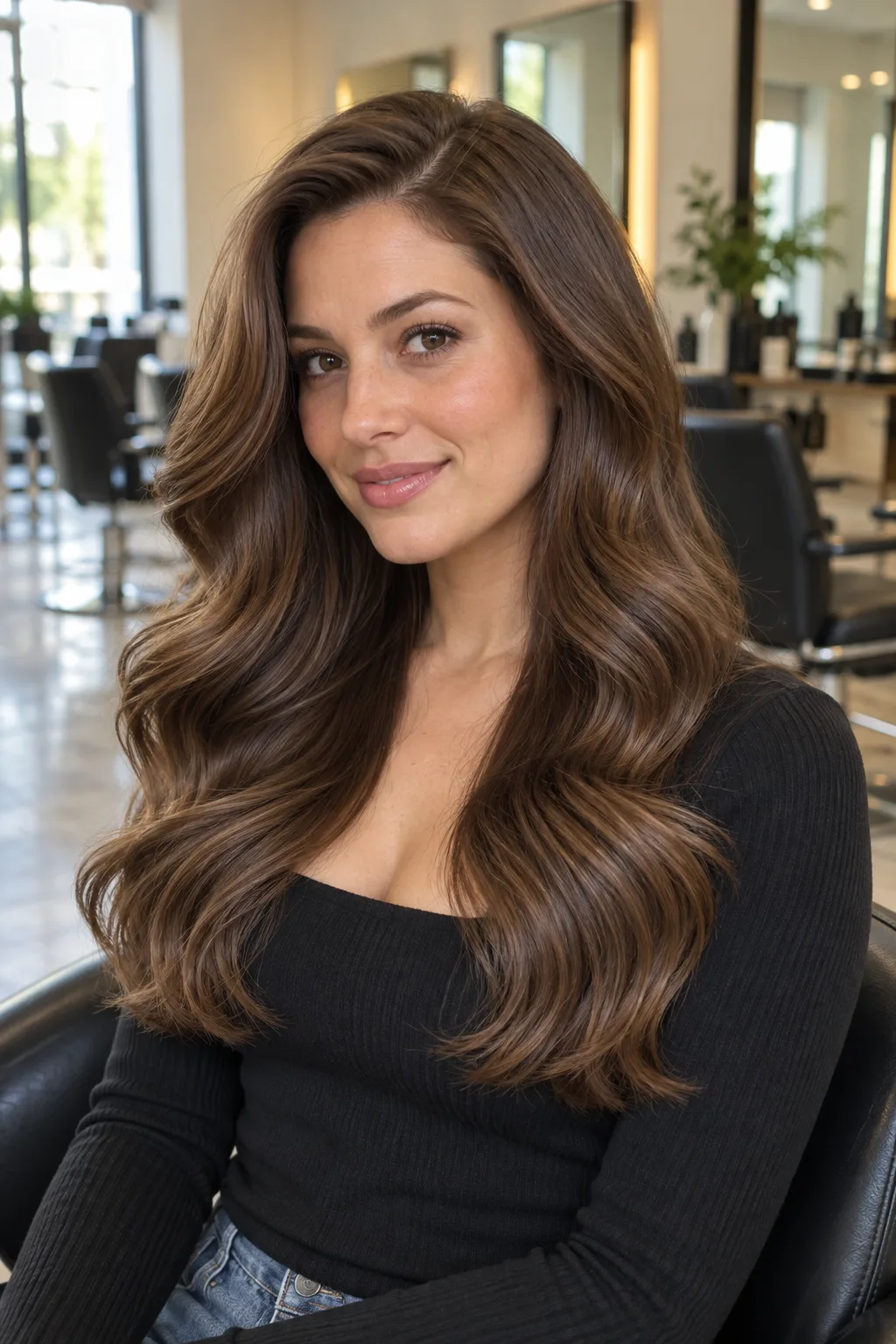 Try this on me
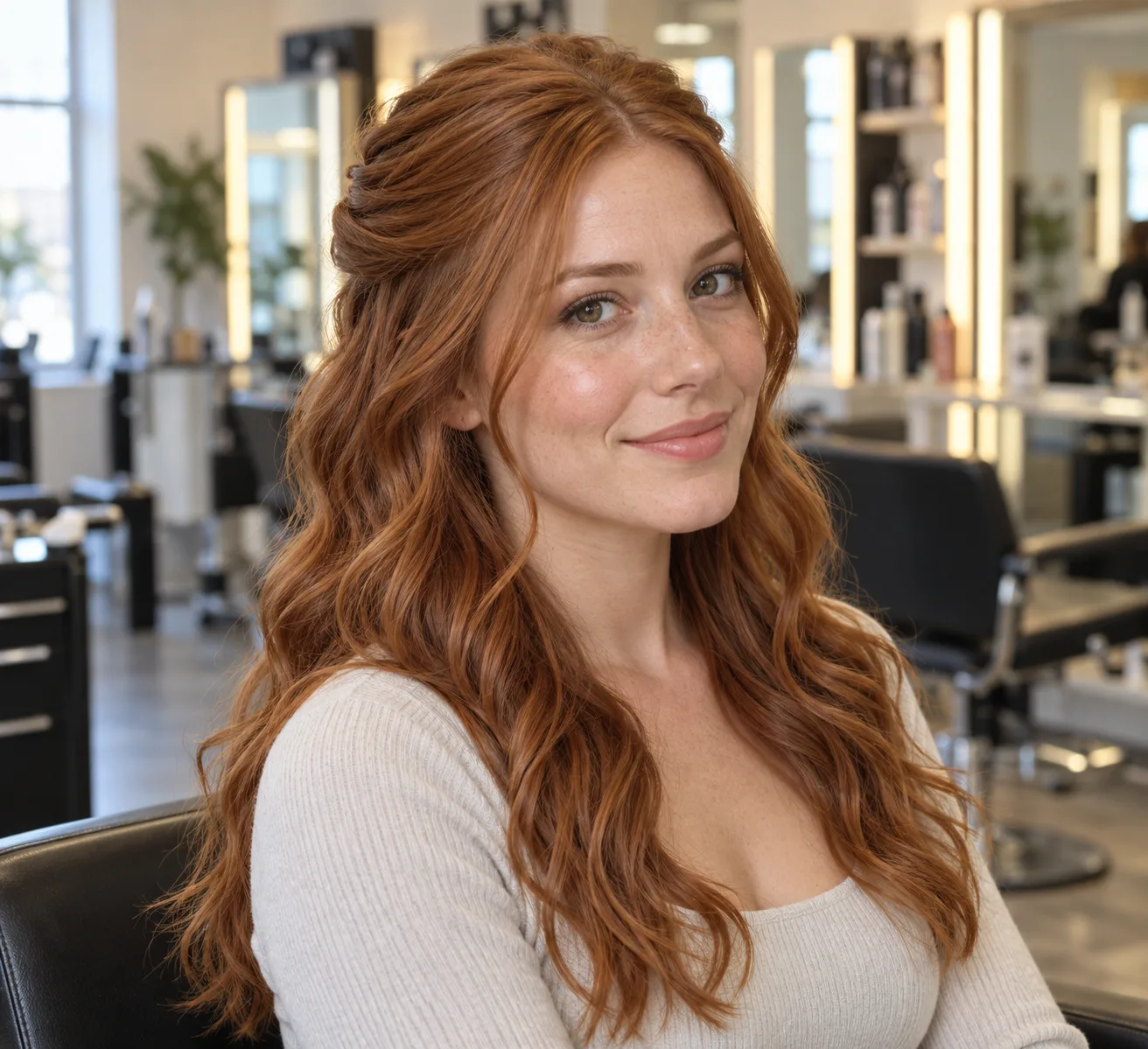 Try this on me
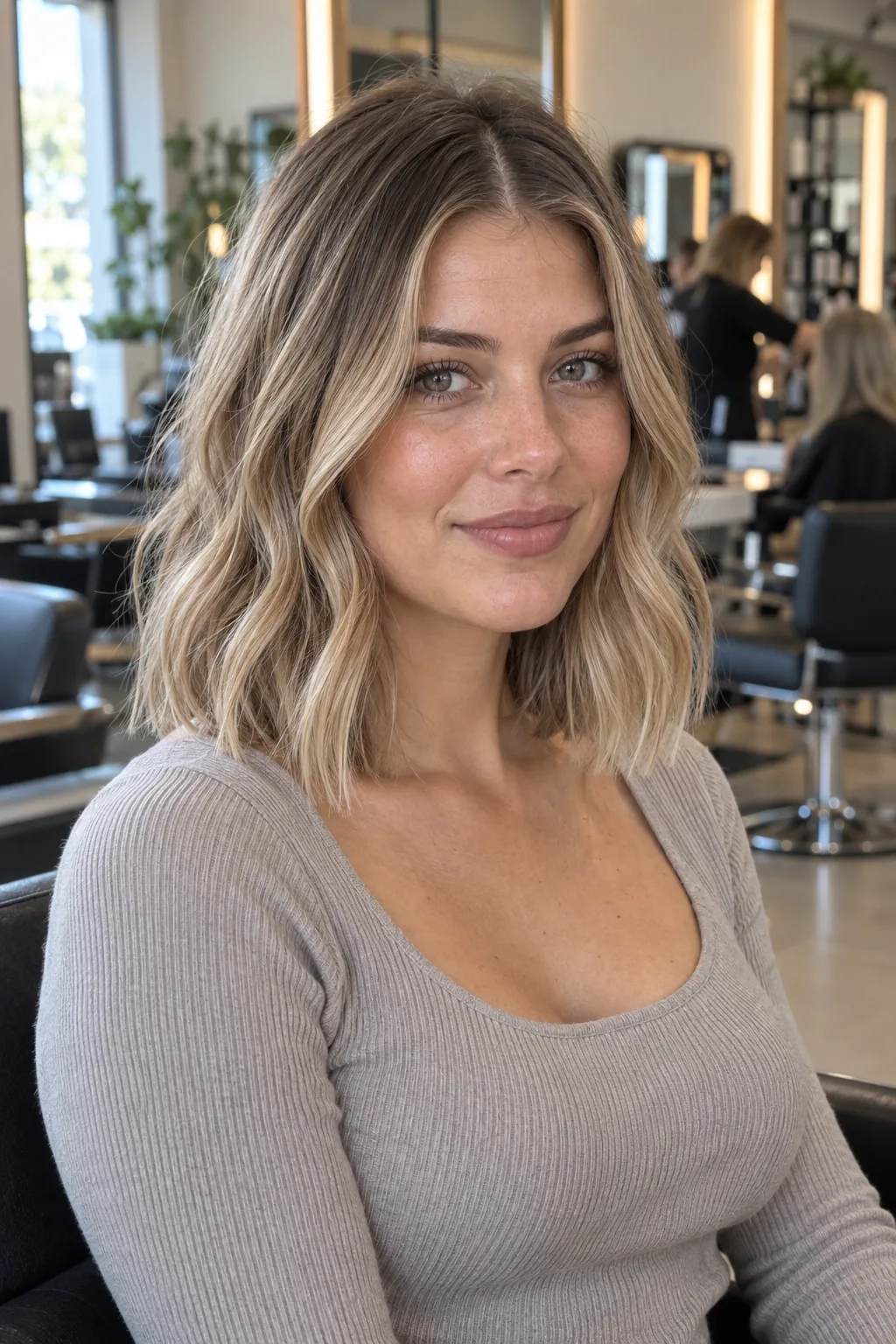 Try this on me
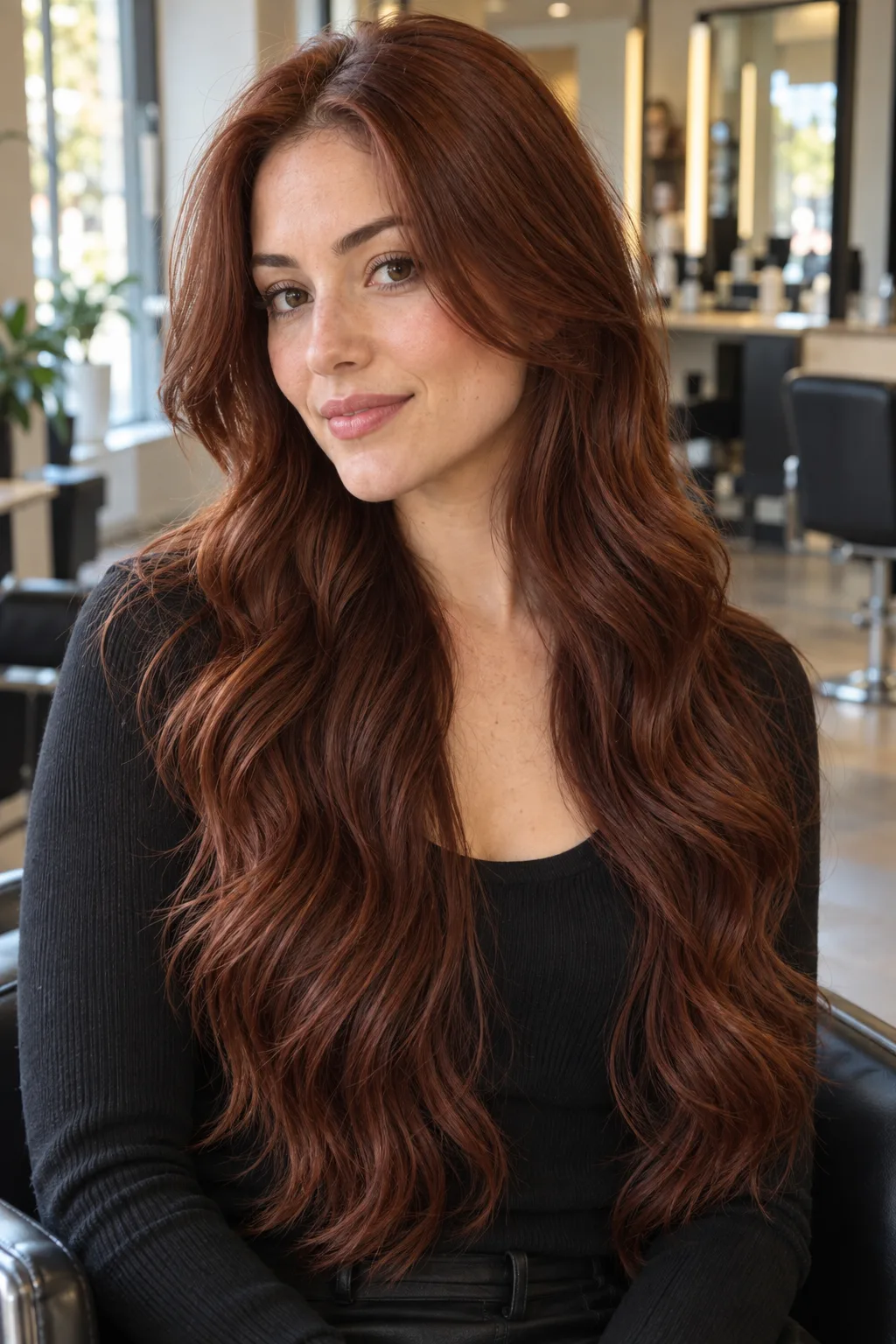 Try this on me
Look at the flat-iron bends next to the mermaid waves. Same length, completely different effect, and the only real change is how often the hair turns. The natural 2A, 2B and 2C row is the same story in reverse: the tighter the natural pattern, the higher up the head the first bend starts.
How to get beach waves with a flat iron
A flat iron is the easiest tool for beach waves once you have done it twice, and it is the one most people already own. The twist is what makes the bend. The straight ends come from simply stopping early.
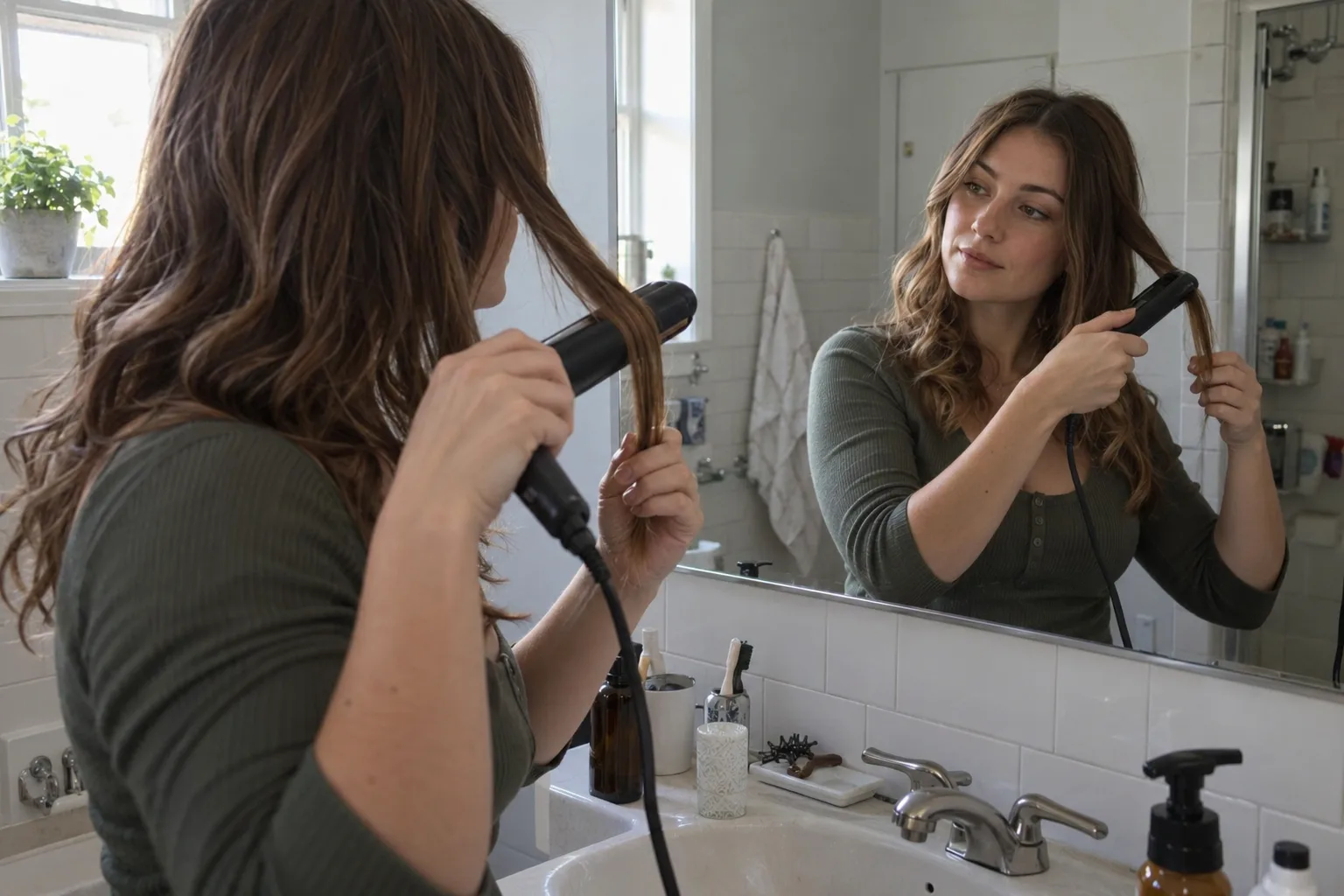
Keep the heat on a low or medium setting and use a heat protectant first, which is the American Academy of Dermatology's advice for anyone using flat irons or curling irons regularly. Waves do not need high heat, because you are making a soft bend, not forcing a tight curl.
How to get beach waves with a flat iron
- Start with dry, second-day hair
Freshly washed hair is slippery and drops a wave within hours. Day-old hair holds better. Brush out any knots and spray a heat protectant from the mid-lengths down.
- Section it
Clip the top half up out of the way. Work the bottom half first in sections 1 to 1.5 inches wide. Bigger sections give looser waves, smaller ones give tighter waves.
- Clamp, twist, glide
Clamp the iron at cheekbone level, turn it half a turn away from your face, and glide it slowly down the section. Keep the twist while you move.
- Stop before the ends
Open the iron and let go when you are 1.5 to 2 inches from the tips. That straight bit is what makes it a wave. Curling the ends is what makes it a curl.
- Alternate direction
Turn the next section toward your face, the one after away from it, and keep switching. Sections that all turn the same way lock together into one big ringlet. The two pieces closest to your face both go away from it.
- Let it cool, then break it up
Leave it alone for five minutes. Then rake your fingers through, spray a texture spray at the mid-lengths, and give the ends a light tug to straighten them.
With a curling wand the method is the same. A 1 inch barrel gives classic beach waves, 1.25 inches gives loose waves. Wrap the section around the middle of the barrel away from your face, keep the last 1.5 inches out, hold for five to eight seconds, and let it drop into your hand to cool.
How to get heatless waves overnight
Two loose braids on damp hair is the most reliable heatless method, and it costs nothing. The braid pattern is where the wave comes from, so the looser and fatter the braid, the looser the wave.
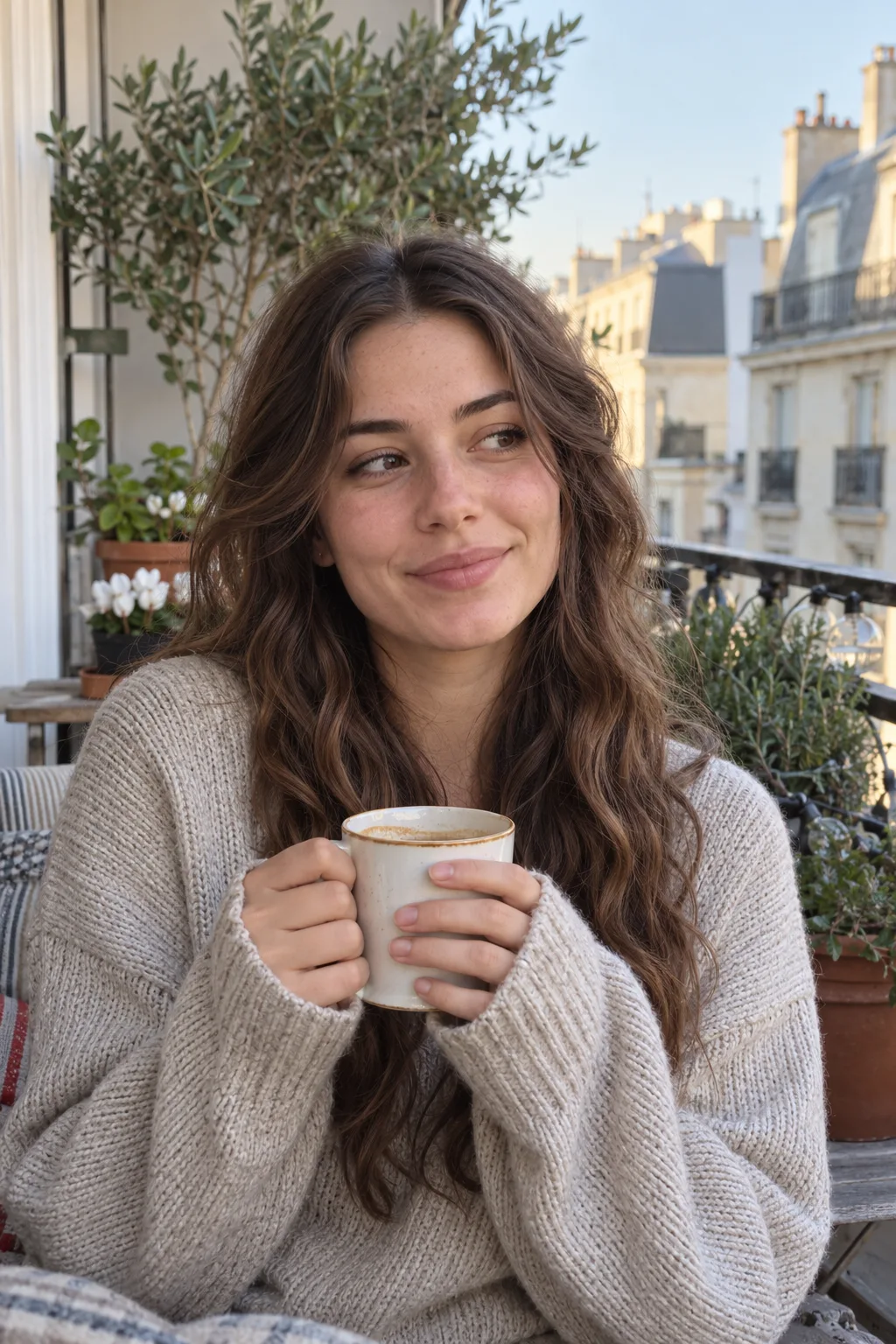
Work on hair that is about 80 percent dry, not dripping. Soaking wet hair does not dry inside a braid overnight, so you wake up to a damp kink instead of a wave. Mist a light mousse through the lengths, split into two sections, and braid each one starting at ear level, not at the root, so the crown stays smooth. Tie the ends with soft elastics. In the morning, undo the braids with your fingers, never a brush, and pull each wave apart gently.
If your ends come out as a crimped zigzag, the braid was too tight. If there is no wave at all, the hair was too dry going in. One braid gives bigger, looser waves. Four small ones give tighter texture that sits closer to crimped hair, which has its own look covered in our crimped hair guide.
The best waves for your hair type
Your hair type decides which wave you can keep all day. Pick your row first, then read the short section under it.
| Your hair | Best wave | Tool | What goes wrong |
|---|---|---|---|
| Fine or thin | Beach waves, small sections | Flat iron or 1 inch wand | Drops by noon under heavy product |
| Thick or coarse | Loose or glam waves | 1.25 to 1.5 inch wand | Back sections under-heated and flat |
| Naturally wavy (2A to 2C) | Your own pattern, defined | Diffuser or no tool | Brushing dry turns it to frizz |
| Short, bob or lob | One bend per section | Flat iron | Curled ends look dated |
| Straight, won't hold | Braid-out plus a quick touch-up | Braids, then a wand | Clean slippery hair |
Fine or thin hair
Fine hair takes a wave easily and loses it just as easily. Use smaller sections than you think, about an inch, a texture spray instead of a cream, and skip oil until the end of the day. Weight is the enemy here, not heat.

Thick or coarse hair
Thick hair holds a wave for a day or more, but only if the heat reaches every section. Most failures are the back and underneath layers, which are hard to see and get rushed. Work in more, smaller sections at the back and go up a barrel size so the finish does not look busy.
Naturally wavy hair
If your hair already waves, you are defining a pattern, not creating one. Scrunch a light cream or mousse into wet hair, let it air dry or use a diffuser, and do not brush it once it is dry. Use a wand only on the top layer and the pieces around your face, which are usually straighter than the rest. The 2A hair guide goes deep on keeping the loosest natural wave from going flat.
Short hair, bobs and lobs
On short hair, one bend per section is enough. More than that and a bob starts to look like a perm. Use a flat iron, twist once through the middle of each section, and leave the ends completely straight. A layered bob holds waves better than a blunt one, because each layer gives the bend somewhere to end.

Yours could be here.
Start with one selfie.
One photo, twenty seconds, and you'll know. Free account, no card for your first render.
What is the best haircut for waves?
Long layers are the best haircut for waves. Each layer ends at a different point, so each one creates its own bend, and the whole head moves instead of hanging as one sheet. A one-length cut on long, heavy hair is the hardest shape to wave, because all that weight pulls the bends straight within an hour.
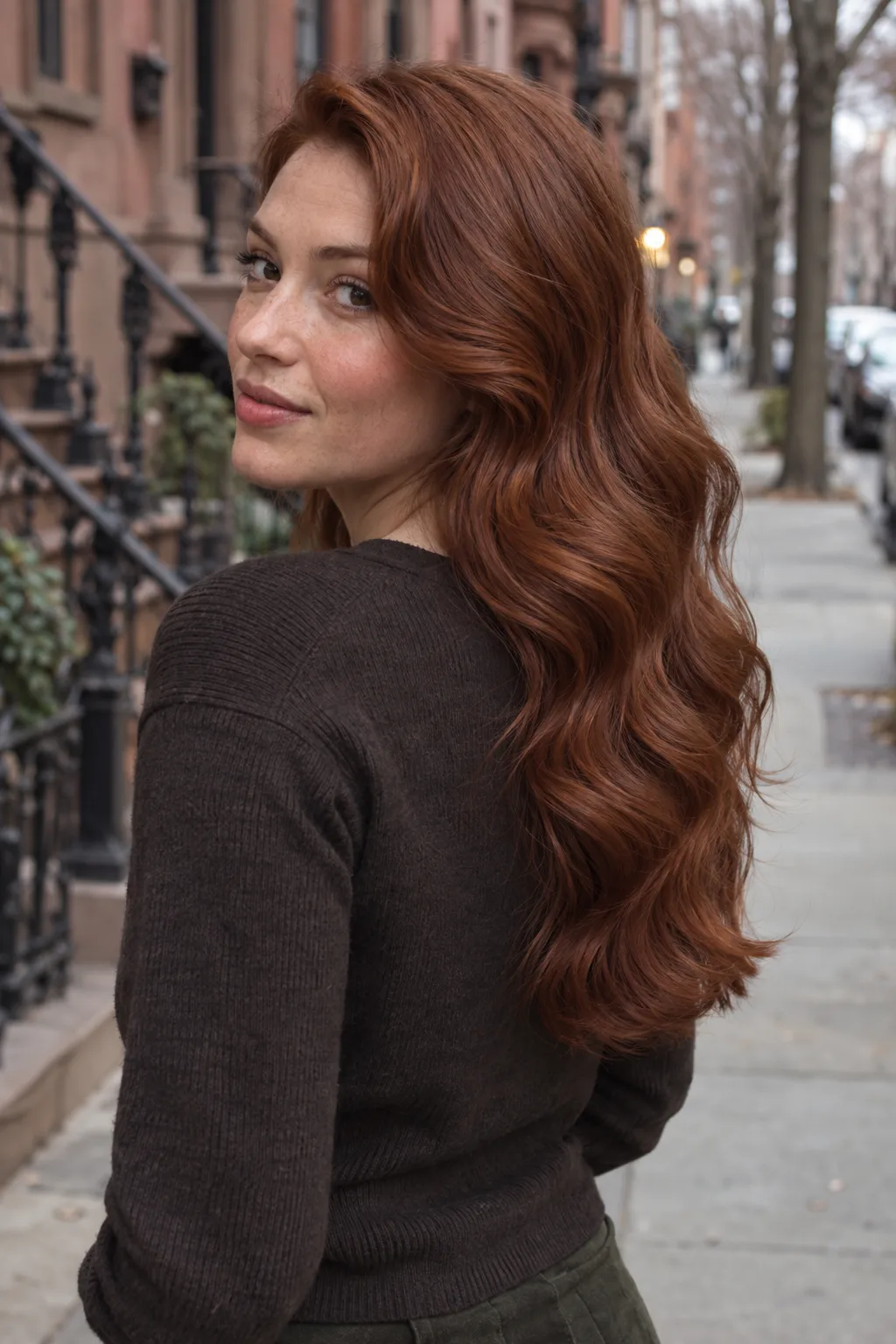
Ask for layers that start at the chin or the collarbone, with soft face-framing pieces and the perimeter kept fairly blunt. Too much thinning at the ends makes waves look stringy, because there is no weight left to hold the S. If your hair is past your shoulder blades, the long hair guide covers layering that length in detail, and a shag haircut is the choice if you want the waves to do all the styling for you.
Say this to your barber
Long layers starting at the collarbone, soft face-framing pieces from the chin, and a fairly blunt perimeter. Please do not thin out the ends, I want my waves to hold.
This is where the manual method hits a wall. You can learn the flat iron twist in an afternoon, but you cannot learn what long layers or a collarbone lob will look like on your own face before someone cuts them. A cut takes months to grow back.
Why do my waves keep falling out?
Waves fall out for four reasons, and you can usually tell which one from when it happens.
They are gone within an hour. You touched them while warm. Hair sets its shape as it cools, so brushing, scrunching or even running your fingers through right after the iron undoes the bend. Wait five minutes. For Hollywood waves, pin each curl in a loop while it cools.
They slowly flatten by afternoon. Too much weight. That is either heavy product, freshly washed slippery hair, or long one-length hair with no layers. Swap cream for texture spray, style on day two, and look at your haircut.
They look like ringlets, not waves. You curled the ends, or every section turned the same way. Leave 1.5 inches out and alternate direction.
They turn into frizz. You brushed natural waves when dry, or the air is humid and the hair was not protected. Natural waves should only be touched with fingers once dry. In humidity, finish with a light flexible hairspray.
Are beach waves still in style in 2026?
Yes. Beach waves have outlasted every trend that was supposed to replace them because they are a finish, not a haircut, and they work on almost any length. What has changed is the finish: softer, glossier and less crunchy than the salt-spray version of ten years ago. The bends are looser, the ends are cleaner, and heavy texture spray has given way to a light cream or no product at all.
For events, waves are still the safest choice for bridesmaid hairstyles and a quick way to dress up a half up half down style.
The one thing to remember about waves hair is that you are shaping the middle of the hair, not the ends. Leave the ends straight, switch direction from one section to the next, let it cool before you touch it, and get a haircut with layers that gives the bends somewhere to finish. Do those four things and any tool works, including two braids and a night's sleep.
Frequently asked questions
Wrap the middle of each 1 to 1.5 inch section around a flat iron, curling wand or loose braid, leave the last 1.5 to 2 inches straight, and alternate the direction from one section to the next. Let the hair cool fully before you break it up with your fingers.
A flat iron, once you have practised the twist a couple of times. It makes a flatter, more natural bend than a wand and leaves the ends straight almost automatically. A 1 inch curling wand is the next easiest.
No. A curl spirals around itself and springs back when pulled, while a wave is a flat S-shaped bend that does not. You can turn a loose curl into a wave by leaving the ends out and pulling the section flat once it cools.
Beachy waves are uneven, piecey and have straight ends. Mermaid waves are small, uniform and run evenly from ear level to the tips, usually made with a triple-barrel waver. Beach waves look undone; mermaid waves look deliberately set.
Usually because you touched them while warm, used heavy product, or styled freshly washed hair. Let every section cool completely, use a texture spray instead of a cream, and style on second-day hair. Long hair with no layers also drops waves faster.
Damp, about 80 percent dry. Wet hair does not dry inside a braid overnight and comes out limp, while fully dry hair takes almost no shape. Damp hair with a little mousse sets best.
Soft waves around the face tend to read as fresher than flat, straight hair, because movement adds volume at the cheekbones and breaks up a hard line at the jaw. Tight, uniform waves set close to the root can look dated instead, so keep the bends loose and the ends straight.
360 waves are a different style from the ones in this guide: a rippled pattern brushed into short, coily hair. Beginners start with a short, even cut, brush in the same direction from the crown every day, and wear a durag at night to lay the pattern down. It takes weeks of daily brushing, not one styling session.
Preview it on your own photo: Virtual Hair Color Try-On.
Share article
About the author
More articles
Women's Haircuts · 14 min
Bleached Hair: How Light Yours Can Go, 14 Shades, Aftercare
How light your bleached hair can go depends on where it starts. See 14 bleached shades on one cut, what each starting color can reach in one session, how toner finishes the job, and the aftercare that keeps it soft.
Women's Haircuts · 15 min
Fino Hair Mask: Who It Suits, How to Use It, and Its Limit
The Fino hair mask makes dry, bleached and frizzy hair smooth and shiny in one use, mostly by coating it. Here is what is in the jar, which hair types it suits, exactly how to use it, and what to do when the ends are past a mask.
Women's Haircuts · 13 min
Easy Hairstyles: 14 Five-Minute Styles and the Cut That Makes Them Work
The easiest hairstyles need one tie or one clip and under five minutes: a claw clip twist, a low ponytail, a messy bun, a half-up knot, a side braid. Here are 14 on the same haircut, which suits your length and texture, and why your cut matters more than your skill.