2A Hair: The Cuts and Routine That Hold a Wave
Oleh Onysko Updated 30 September 2026 17 min read

In this article
Type 2A is the loosest wave there is. Your hair hangs straight from the roots all the way down to about ear level, and only below that does it bend into two or three wide, shallow S shapes before it reaches the ends. The strands themselves are fine. That is the whole definition, and almost every problem you have with your hair follows from it.
Here is the part nobody tells you. 2A is not curly hair with the volume turned down. It is fine hair carrying a wave that cannot support any weight. Curl creams, butters, thick leave-ins and heavy oils all work by coating the strand, and a 3A or 3B curl is strong enough to hold its shape under that coating. A 2A wave is not. Load it up and the S pulls straight, the roots go flat, and you end up with hair that looks greasy and straight and still frizzes by lunchtime.
So the whole game with 2A is subtraction. Use less product than you think, and let the haircut do the work that product does for curlier hair.

Is your hair actually 2A?
Wash it, put nothing on it at all, and let it air dry without touching it. Then look at where the first bend starts. If your hair is dead straight from the root down past your ear and only starts to move somewhere around your jaw or below, you are 2A. If the bend starts at or above your ear, you are 2B or tighter. If it never bends at all, not even at the ends, you are type 1, and our guide to 1A hair is the one to read.
That single test beats every chart, because the number of bends is what changes between the type 2 subtypes, not the shape of them. All of type 2 makes an S. 2A makes two or three big ones. 2C makes eight small ones.

| Type | Where the first bend starts | Bends from ear to ends | What it feels like |
|---|---|---|---|
| 2A | Below the ear, often at the jaw | 2 to 3 wide, shallow | Fine, flat at the root, goes straight in the rain |
| 2B | At the ear | 4 to 5, tighter | Waves hold, frizz sits at the crown |
| 2C | Above the ear | 6 or more, defined | Thick, wide, some strands nearly curl |
| 3A | At the root | Loose spirals, not S shapes | Springs back when pulled, holds a clump |
One more thing worth knowing before you take any of this too seriously. The 1 to 4 typing system was invented in the 1990s by Andre Walker, Oprah Winfrey's stylist, and it was built to sell his own product line. It is a useful shorthand for talking to a stylist. It is not biology, and your hair will not sit neatly in one box. Most 2A heads have a 2B panel underneath at the nape. The same caveat applies at the other end of the scale, where the 4C label covers a range of very different heads of hair.
Why the curly hair playbook wrecks 2A hair
If you have ever followed a curly girl routine to the letter and ended up with lank, stringy hair that looked dirty on day one, this is why. That routine assumes a curl with enough spring to fight back against a coating of product. Your wave has no spring. It is held in shape by nothing more than the slight kink in the strand, and gravity beats it easily.
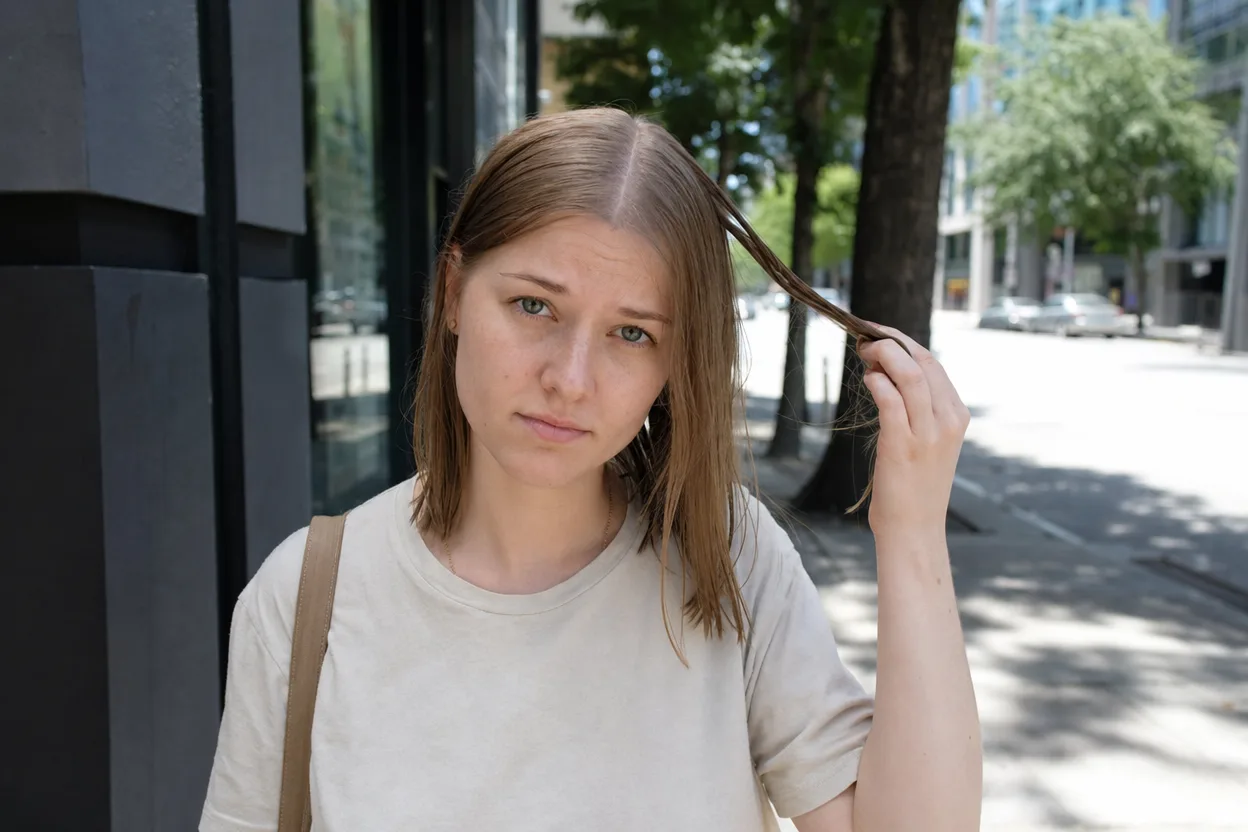
Three habits do most of the damage. Applying product to soaking wet hair, which dilutes nothing and just adds water weight on top of cream weight. Using anything described as rich, nourishing or intensely moisturising, which is marketing language for heavy. And growing the length out past mid back, where the sheer weight of hair below the wave pulls the S out of it.
The fix for all three is the same. Take weight off.
The cut that does the most for 2A hair
A collarbone lob with soft internal layers. If you only change one thing, change this.

It works because 2A hair has one structural problem: everything below the first bend is dead weight hanging off the wave. Cut the perimeter to the collarbone and you remove several inches of that weight in one go. Add light internal layers starting at the jaw and you remove more from the middle, which is where fine hair goes limp and flat. The wave has less to carry, so it springs up instead of pulling down.
Take the same idea shorter and you land on a stacked or internally layered bob; the rules for layering a bob are the ones to read before you go above the chin. Run a bob haircut try-on with your own photo before you go that short.
What you do not want is a heavily thinned or point-cut perimeter. Fine hair needs a blunt line at the bottom to look dense. Thin the ends and the whole thing goes wispy.
Say this to your barber
Collarbone length, blunt perimeter, soft internal layers starting at the jaw. Please do not thin or texturise the ends, my hair is fine.
Yours could be here.
Start with one selfie.
One photo, twenty seconds, and you'll know. Free account, no card for your first render.
The right length for your 2A hair
Length is the variable that decides whether your wave shows up at all, and the right answer depends on how much hair you actually have. Find your row.
| Your situation | Best length | Layers | What to avoid |
|---|---|---|---|
| Fine and not much of it | Chin to jaw bob | Very light, or none | Any length past the shoulder, thinned ends |
| Fine but plenty of it | Collarbone lob | Soft, from the jaw down | Blunt one length, it goes triangular |
| Wants to keep it long | Mid back, no further | Face framing only | Layers through the crown, which kills density |
| Flat, oily roots | Shoulder length | Layers starting high, at the ear | Heavy conditioner above the ears |
| Round or full face | Collarbone or longer | Face framing from the cheekbone | Chin length bob, it widens the face |
If you want to keep the length
Do not layer the back. Take the shortening only at the front, in a graduated curtain that starts at the cheekbone and lengthens into the rest of your hair by chest level. The bulk stays blunt and thick, and your face still gets movement around it.

This is the safest cut on the list, because if you hate it you have lost nothing but two inches at the front. It also pairs well with the loose braided and pinned styles in our guide to long hair, which hold much better on a wave than on straight hair.
If you want bangs
Curtain bangs are the only fringe I would put on 2A hair without hesitating. The shortest point sits at your eyebrow and sweeps out to the cheekbone, so it hides the flat panel at your front hairline, which is the bit of 2A hair that never waves anyway.
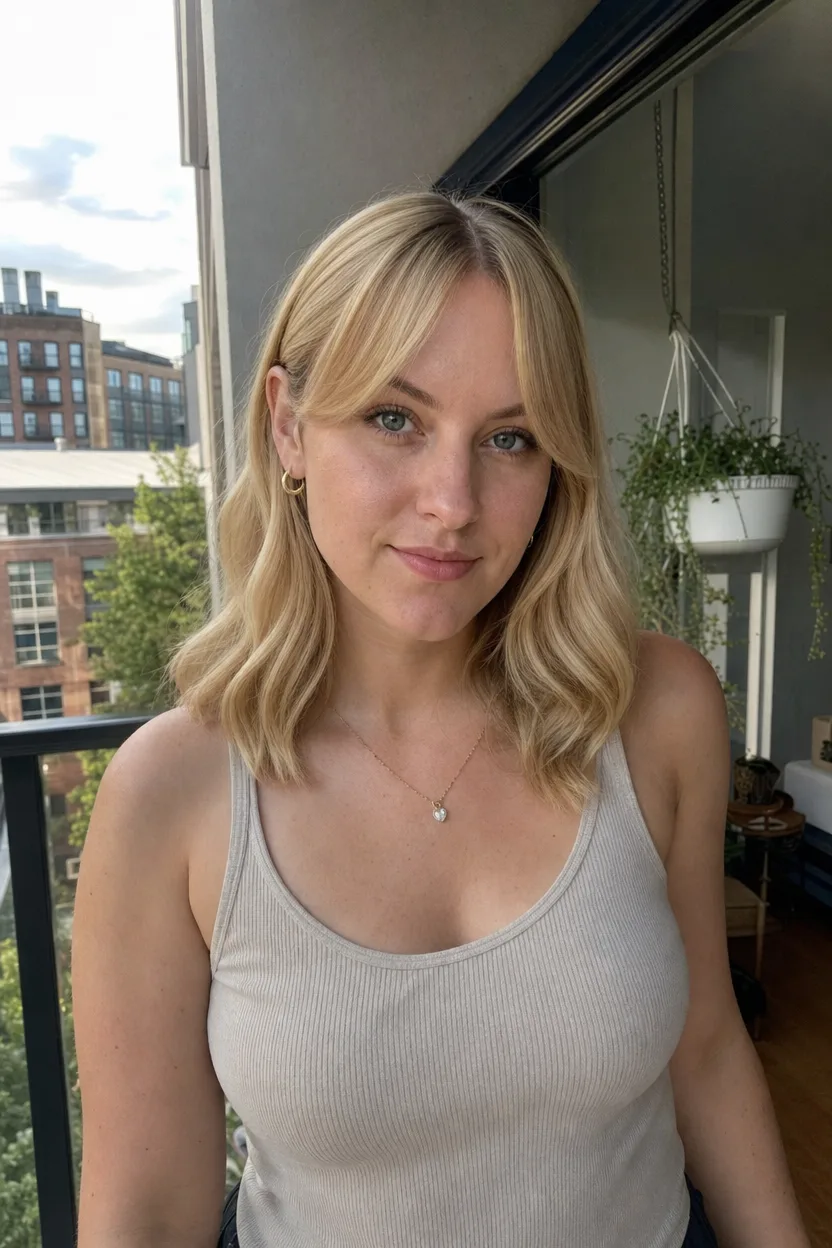
A blunt full fringe is the risky one. On fine hair it eats the density you were relying on for the rest of the shape, and it needs blow drying every single day or it separates into strands.
A six minute routine that actually holds
The order matters more than the products. Most 2A routines fail because everything goes on while the hair is still dripping.
How to style 2A hair
- Rough dry to damp
Out of the shower, squeeze the water out with a cotton t shirt, then let your hair sit for ten minutes or rough dry it on low until it is damp rather than wet. Product on soaking hair gets diluted into a film that dries flat.
- Use a golf ball of mousse, no more
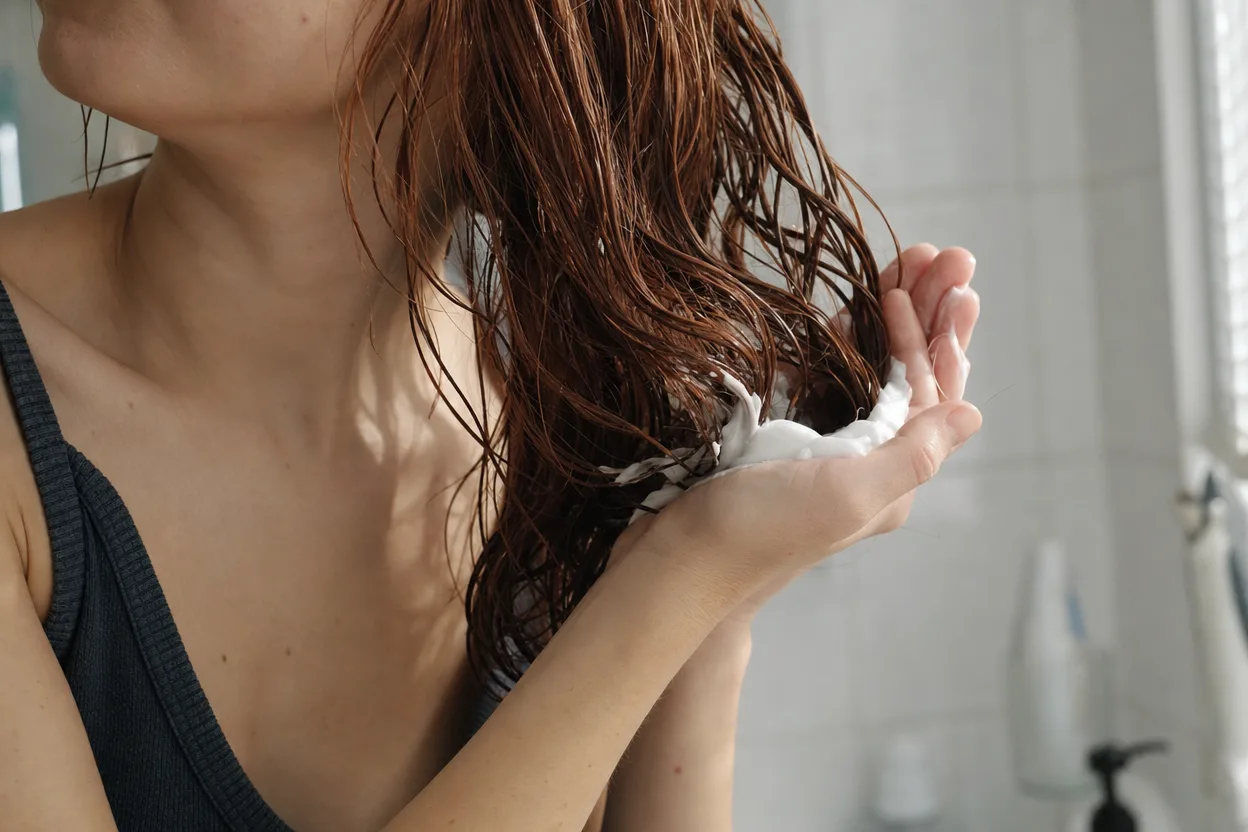
A light foam mousse, worked through the mid lengths and ends only. Nothing above the ears. Mousse is the right product because it is mostly air and it sets a soft hold without adding weight.
- Scrunch upward, then stop touching it
Cup the ends in your palm and press them up towards your scalp a few times. Then leave it completely alone. Every touch while it dries breaks the wave into frizz. If the top layer still dries straighter than the rest, a quick flat iron twist through the mid-lengths fills it in without adding any product weight.
- Diffuse on low heat, or air dry
If you want real lift on a flat day, pressing a zigzag into the under-layers at the root holds far better on fine 2A hair than any product does. If you diffuse, use low heat and low speed and hover rather than pressing into the hair. If you air dry, clip the roots up off your scalp for the first twenty minutes to buy yourself some lift.
- Break the cast with your fingers
If you used any gel, it dries with a crunchy shell. Scrunch it out once the hair is bone dry and the wave underneath stays put.
What to put on 2A hair, and what to skip
Product choice on 2A is almost entirely about weight. Read the first three ingredients, not the front of the bottle.
| Product | Verdict for 2A | Why |
|---|---|---|
| Light foam mousse | Use it | Mostly air, sets a hold with almost no weight |
| Sea salt or texture spray | Use it | Roughens the surface so the wave grips itself |
| Light gel, applied to damp hair | Use it | Holds the S while it dries, scrunch the cast out after |
| Lightweight leave in, ends only | Careful | Fine on the last four inches, never near the root |
| Curl cream and curl butter | Skip | Built for a curl that can carry weight, yours cannot |
| Hair oil | Skip on the roots | Two drops on the very ends at most |
| Rich or repairing conditioner | Skip above the ears | This is what makes your roots flat by noon |
The American Academy of Dermatology makes the same point about wash frequency: how often you should shampoo depends on how oily your scalp gets, not on a fixed schedule. If your roots go greasy fast, wash more often, not less. The low poo advice that circulates in wavy hair communities is written for coarser, drier hair. Fine hair with an oily scalp does not benefit from stretching washes to five days.
Five mistakes that flatten a 2A wave
Brushing it dry. A brush pulls the S straight and separates the strands into frizz at the same time. Detangle in the shower with conditioner on and a wide tooth comb, and then do not touch it again.
Conditioning the roots. You lose your only source of root lift and you will be washing again tomorrow. Mid lengths and ends only.
Growing it past mid back. Below that, the weight of the hair beats the wave every time, and you get straight hair with a sad kink in the ends.
Thinning shears on the perimeter. Fine hair needs its blunt line. Once it is gone it takes a year to get back.
Judging your hair on day one after a cut. A fresh cut sits differently for the first few washes as the ends settle. Give it three washes before you decide.
On the days the wave does not cooperate, tie the top half back rather than fighting it. The half up styles hide flat roots and let the waved bottom half do the work.
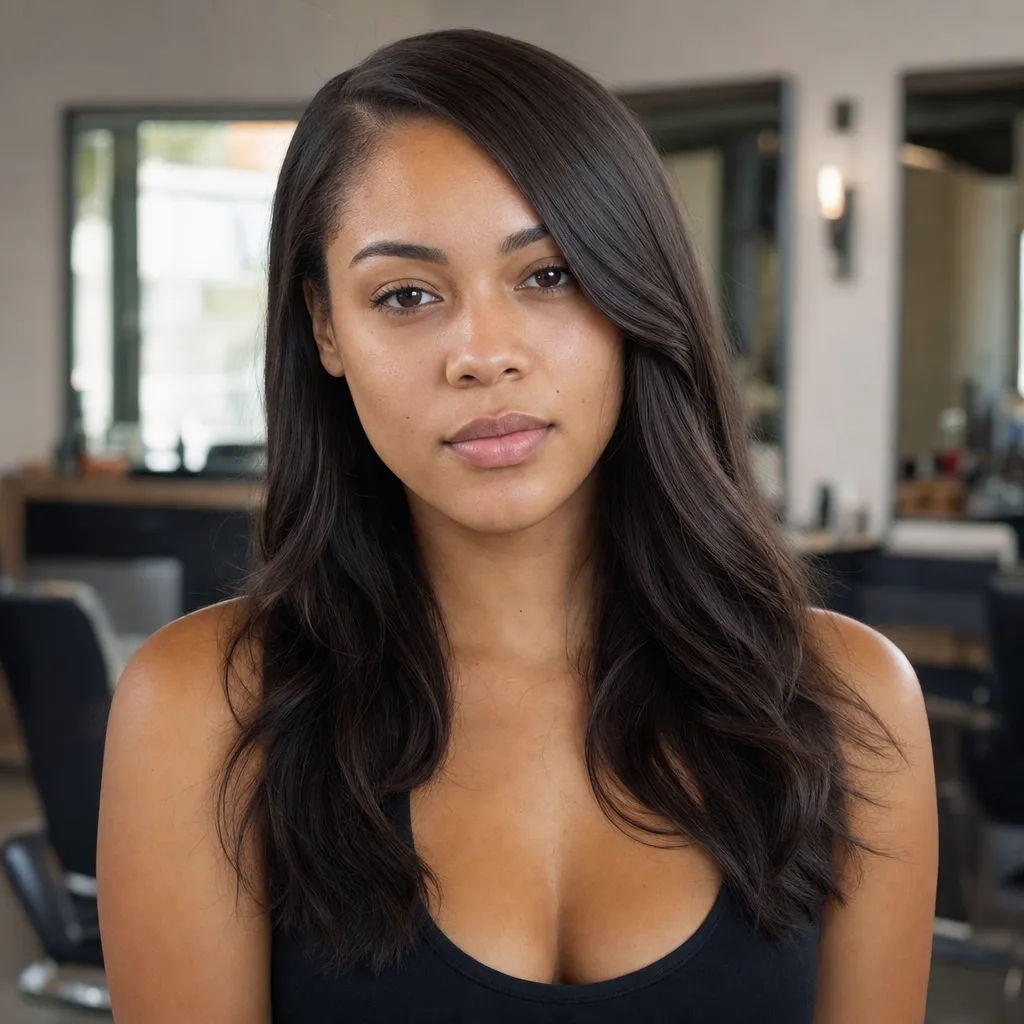
10 haircuts that work on 2A waves
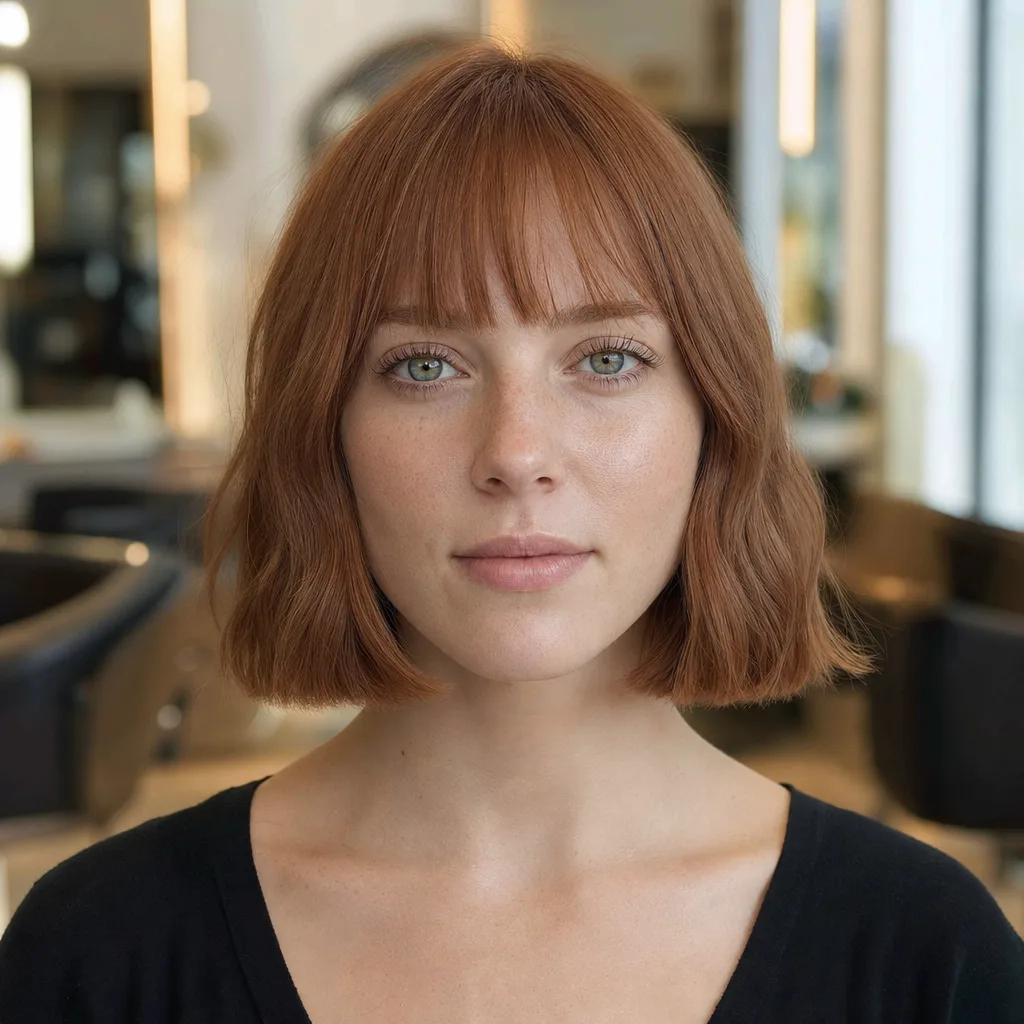
The same texture, shown at ten different lengths, so you can see where your own wave will land. The pattern to watch: the shorter the perimeter, the higher up the head the wave starts to show.
Gallery10 photos · tap to enlarge
 Try this on me
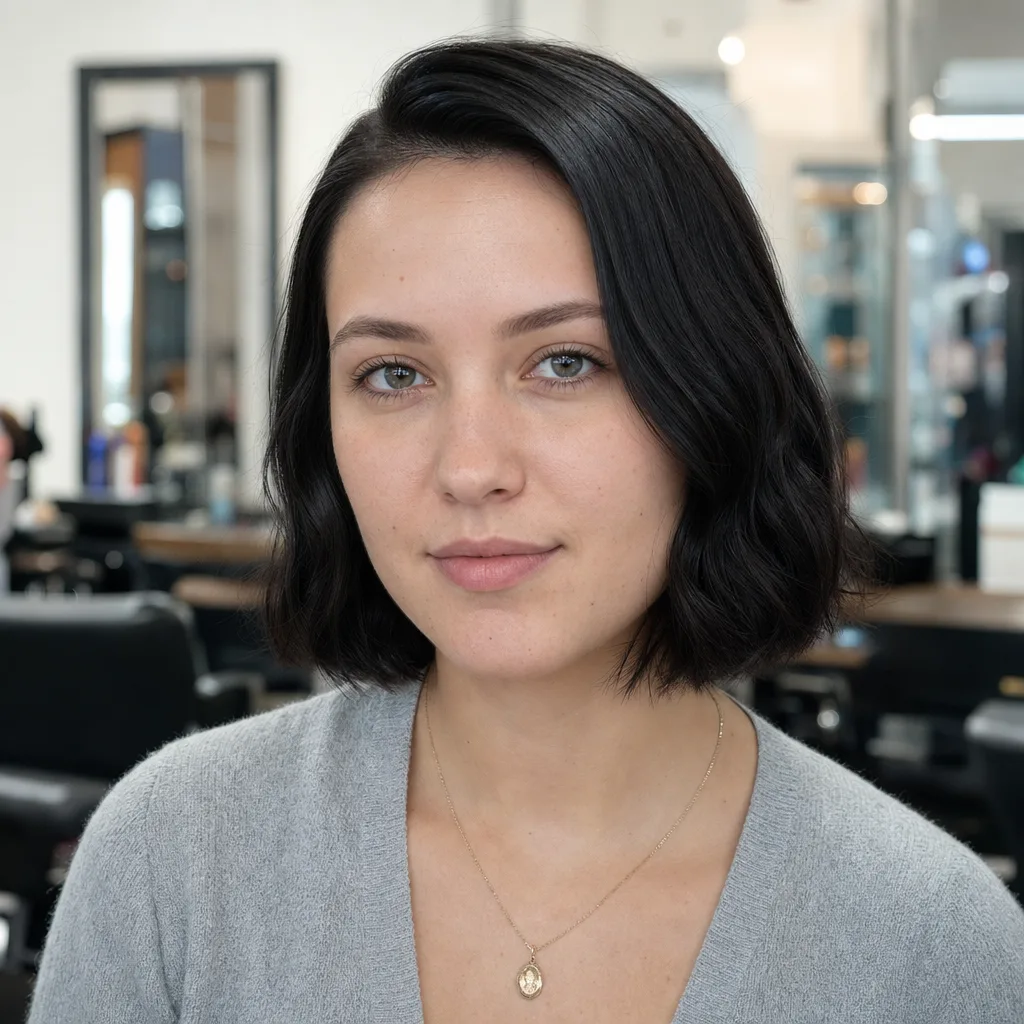 Try this on me
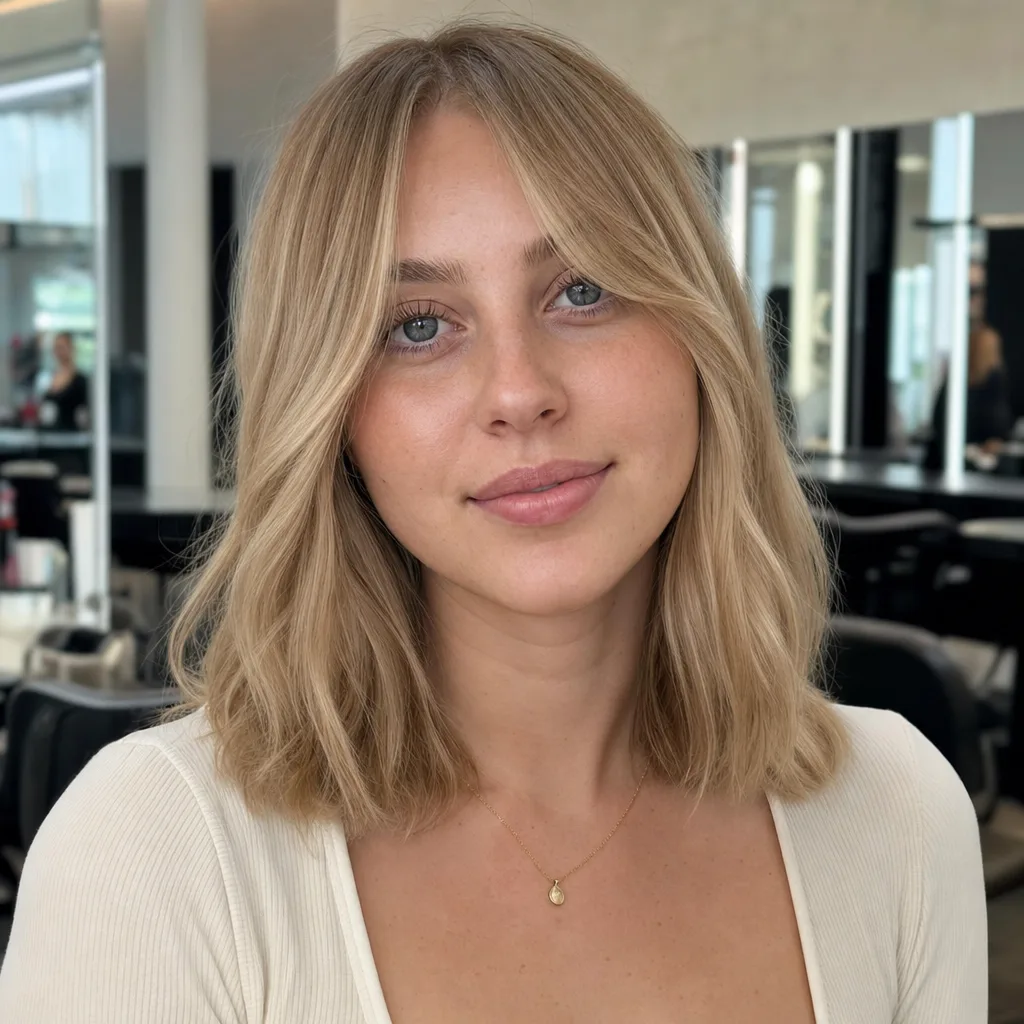 Try this on me
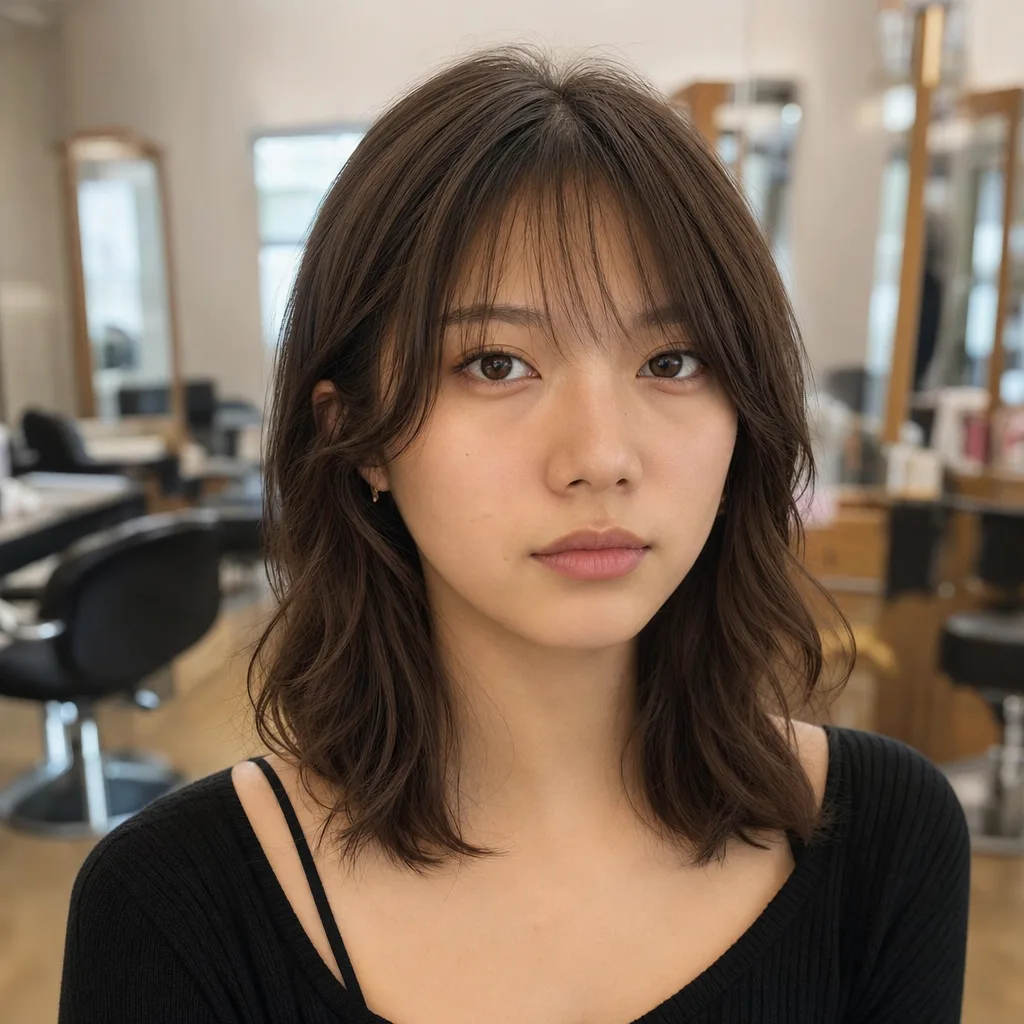 Try this on me
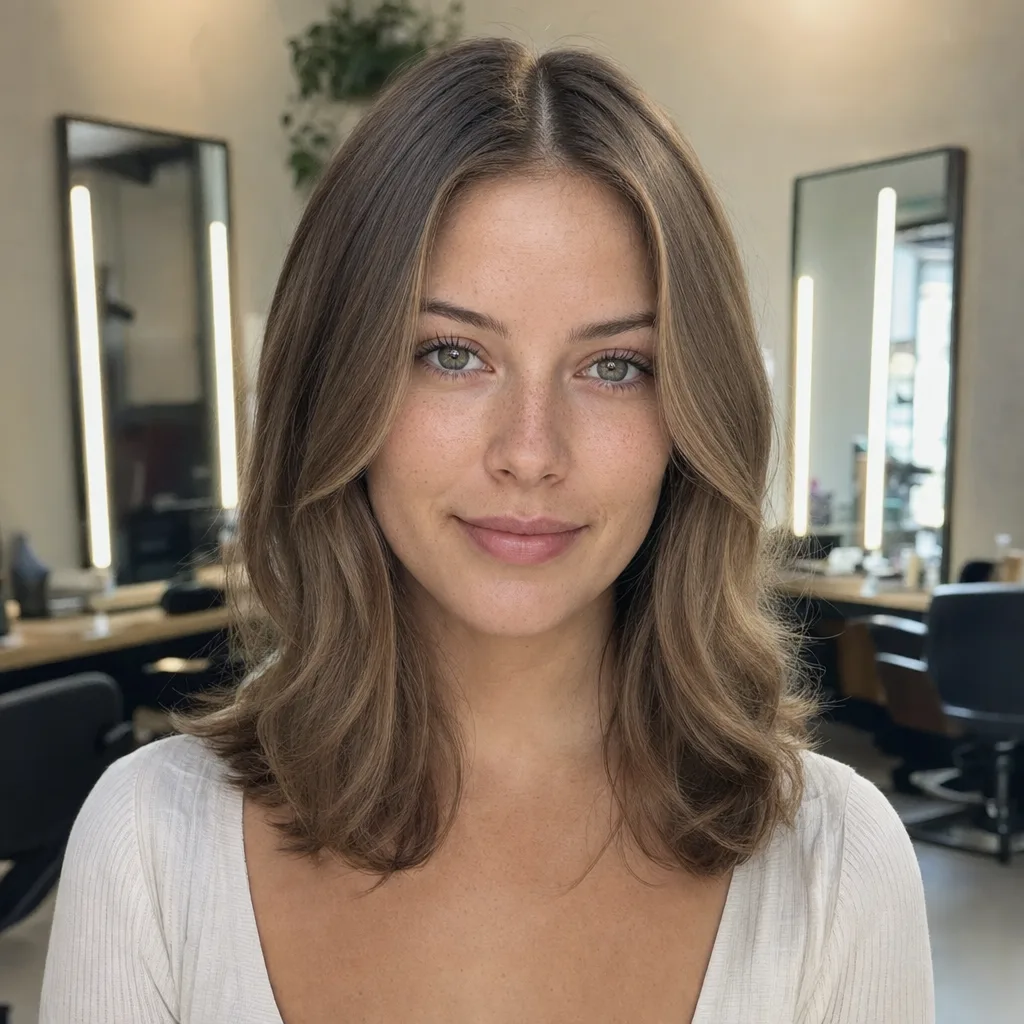 Try this on me
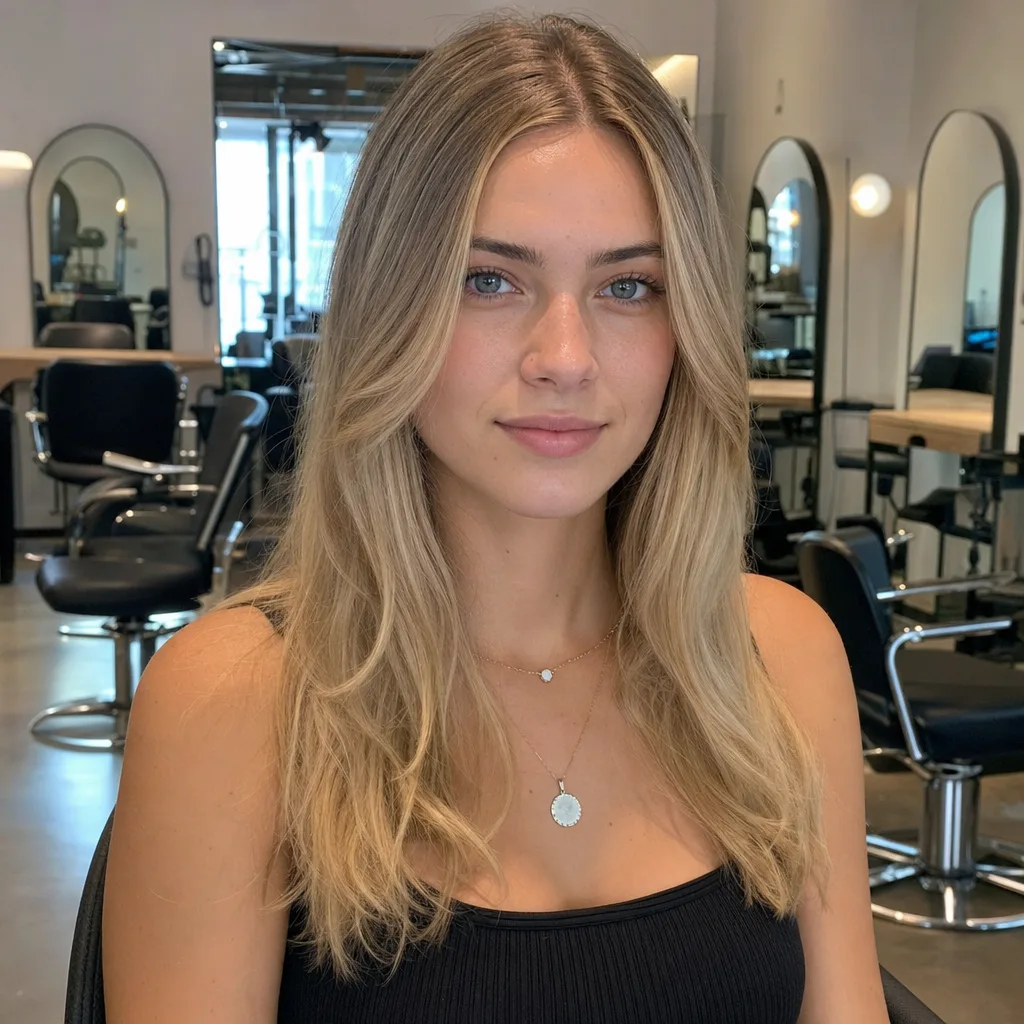 Try this on me
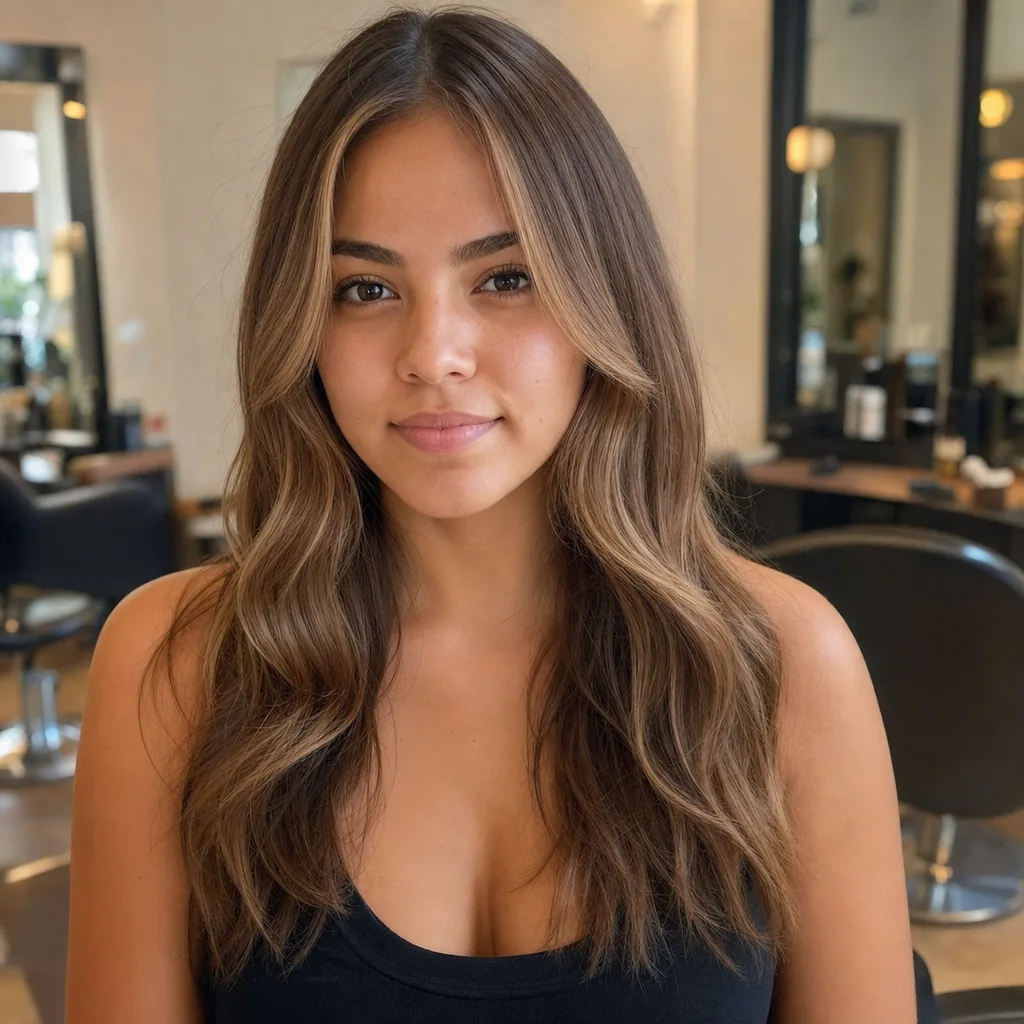 Try this on me
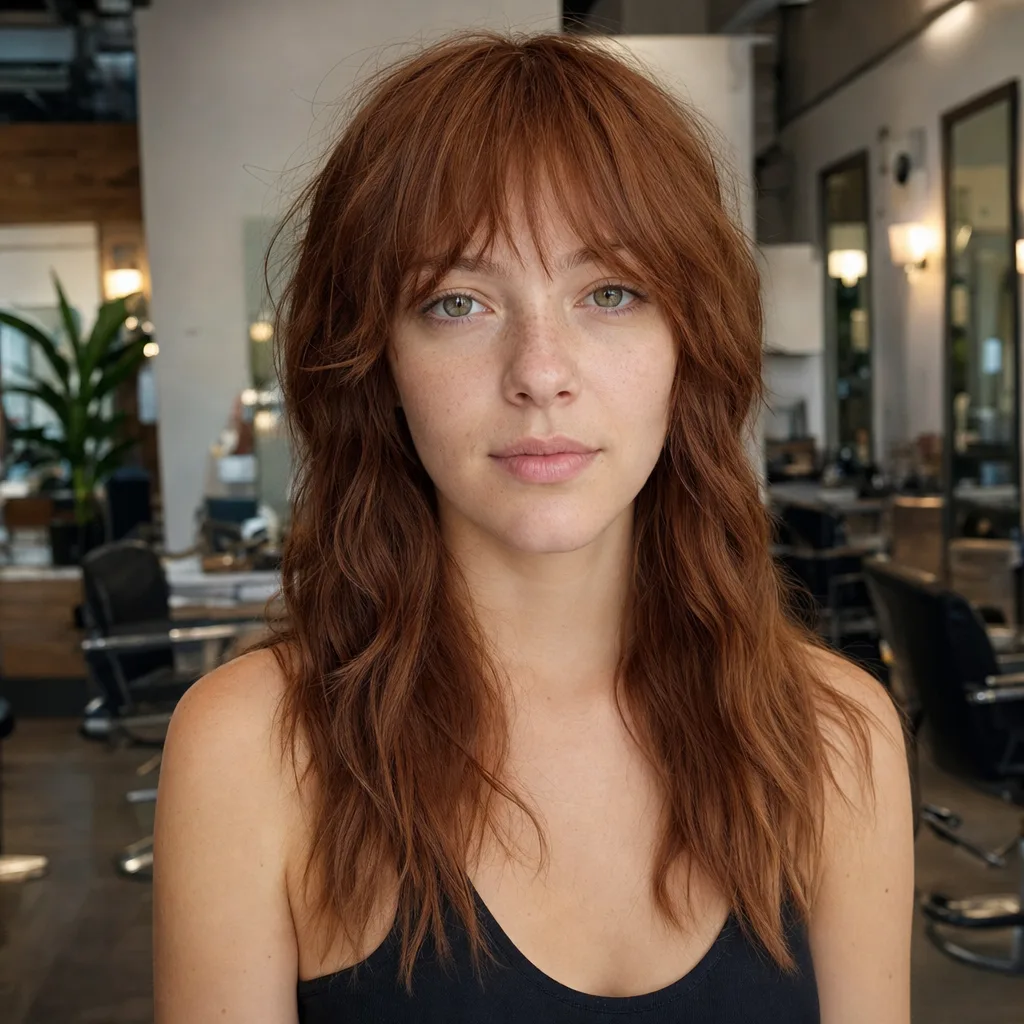 Try this on me
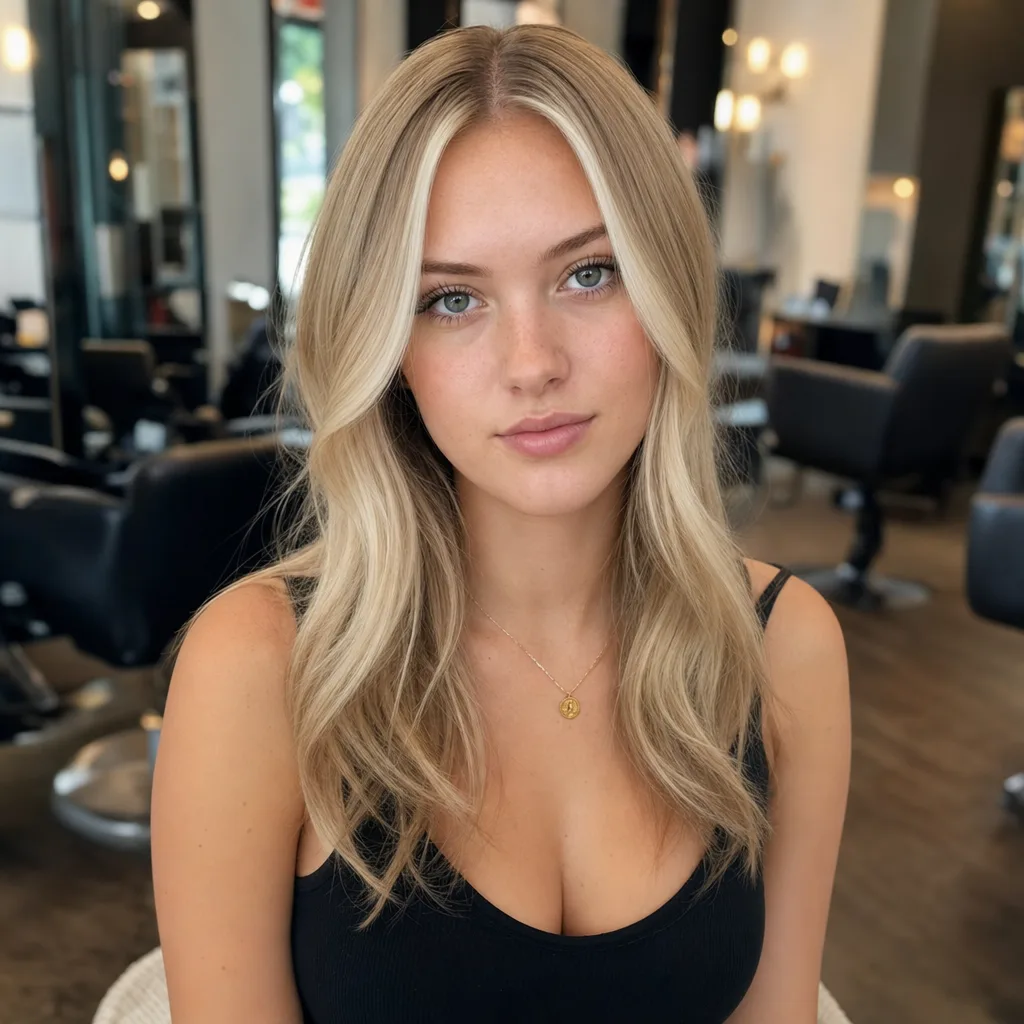 Try this on me
 Try this on me
The money piece in the ninth tile is the cheapest way to make fine hair look like it has more going on, and the same logic drives the placement in our peekaboo colour guide. To see a shade on your own waves first, use the hair colour visualiser. If the shoulder shag is the one catching your eye, we went deeper on that shape in the shag haircut guide, including how much layering is too much on fine hair.
What about 2A hair on men?
Same physics, different lengths. Men with 2A hair almost always cut it too short to see the wave at all, because the first bend does not appear until several inches of growth. If you want the texture to show, you need at least four inches on top, which is why the shapes in our medium length guide suit 2A far better than a crop does.
Worth saying plainly: most of the advice written for wavy and curly men's hair assumes 2C or 3A. At 2A you want a matte clay in a pea sized amount, not a curl cream.
Is Hairstyle Atlas free to try?
Your first look is free and does not need a card. You upload a photo, pick one cut, and see it on your own face with one colour on it, front view. After that, Plus is 9 dollars a month or 60 dollars a year and gives you 150 credits, all of the cuts and colours, a before and after sheet to show your stylist, and downloads without a watermark. A cut costs 10 credits, a colour on top of it costs 5, and changing the length, bangs or parting is free because it is part of the same picture. Every plan has a seven day refund with no conditions.
You can absolutely do this the free way instead. Save a dozen pictures to a folder, take them to a consultation, and ask your stylist which ones will work on your density. That works. The wall it hits is that none of those pictures are of you, and a collarbone lob on 2A hair looks different on a long face than a round one. That is the only gap the try on fills.
If you take one thing from this: your hair is not underperforming curly hair, it is fine hair with a wave, and it needs less of everything. Less product, less length, less handling while it dries.
Cut it to the collarbone with soft layers from the jaw down. Use a golf ball of mousse on damp hair and then leave it alone. That is most of the way there, and it costs you nothing to try before you buy a single new bottle.
Frequently asked questions
Air dry it with nothing in it and find the first bend. On 2A the hair is straight past your ear and only starts to wave around the jaw or below, giving you two or three wide S shapes. On 2B the bend starts at ear level and you get four or five tighter ones, usually with frizz sitting at the crown.
2A is the loosest of the three type 2 wave patterns. The strands are fine, the roots lie flat against the scalp, and the hair forms a wide, shallow S shape in the lower half of its length rather than any kind of spiral. It looks almost straight when wet and shows its wave as it dries.
Anything that removes weight from below the wave. A collarbone lob with soft internal layers is the strongest all round option, a chin or jaw bob works if your hair is fine and sparse, and long face framing layers let you keep the length without flattening the wave. Avoid heavy blunt one length cuts past the shoulder.
Between the chin and mid back, and the more hair you have the longer you can go. Past mid back the weight of the length below the wave pulls the S straight, so you get straight hair with a kink at the ends. Collarbone is the safest single answer if you are unsure.
Yes, mostly as a halo of fine flyaways at the crown rather than the whole head frizzing. Fine strands lift easily and 2A hair has a lot of surface area near the part where the hair sits flat. Touching it while it dries and brushing it dry are the two biggest causes.
No. It is one of the most common textures in the United States, and a lot of people who think they have straight hair are actually 2A who have been blow drying it flat for years. It only looks uncommon in hair type content because that content mostly gets written for curlier hair.
No. 2A describes the shape of the strand, not how many of them you have. The strands are fine, meaning small in diameter, but you can have a very dense head of fine 2A hair. Density is what should decide your cut, which is why the length table above splits on it.
Generally no. Curl creams are formulated for textures that can carry a coating without losing their shape, and a 2A wave cannot. A light foam mousse gives you the same hold with a fraction of the weight. If you want to try a cream, use it on the last four inches only.
A lightweight foam mousse as the base, a sea salt or texture spray when you want more grip, and a light gel if you need the wave to survive humidity. Skip curl butters, rich conditioners above the ears, and oil anywhere near the roots. The rule is weight, not brand.
All of them. 2A shows up across European, Latin American, East Asian, South Asian, Middle Eastern and mixed heritage hair. It is most often talked about in relation to white American hair simply because that is who most wavy hair marketing targets, not because the pattern is limited to it.
Preview it on your own photo: Virtual Hair Color Try-On.
Share article
About the author
More articles
Women's Haircuts · 14 min
Bleached Hair: How Light Yours Can Go, 14 Shades, Aftercare
How light your bleached hair can go depends on where it starts. See 14 bleached shades on one cut, what each starting color can reach in one session, how toner finishes the job, and the aftercare that keeps it soft.
Women's Haircuts · 16 min
Waves Hair: How to Get Beach, Loose and Hollywood Waves That Last
Waves hair is about what you leave straight. How to get beach, loose, Hollywood and heatless waves, which wave suits your hair type, and why your waves keep falling out.
Women's Haircuts · 15 min
Fino Hair Mask: Who It Suits, How to Use It, and Its Limit
The Fino hair mask makes dry, bleached and frizzy hair smooth and shiny in one use, mostly by coating it. Here is what is in the jar, which hair types it suits, exactly how to use it, and what to do when the ends are past a mask.