Hairstyles for Men: 10 Cuts and How to Pick Yours
Oleh Onysko Updated 27 September 2026 20 min read
In this article
Every men's haircut is two decisions, not one: how short the sides go, and how much length stays on top. Get those two right and the name of the style barely matters, because every cut you have ever saved a picture of is just one pair of answers to those two questions.
That is the part nobody tells you, and it is why so many men walk out disappointed. You show the barber a photo of a whole person. They hear one instruction and guess the rest. Split the decision in two and you stop shopping for a look you cannot have and start ordering a haircut you can.
Here is the honest constraint underneath it: your hair type decides how much length the top can hold, and nothing else. It does not rule out a single style on this page. It only rules out lengths.
The two decisions that decide your haircut
Say these two things and a barber can cut your hair without a photo.
| The sides | The top | |
|---|---|---|
| What you are choosing | How short, and how high up the head it starts | How many inches stay, and which way they go |
| How much it changes the look | Around 70 percent of what people notice | The rest, plus all of the styling time |
| How often it needs redoing | Every 2 to 5 weeks | Every 8 to 12 weeks |
| Limited by your hair type | Barely | Completely |
| What to say | "Low taper", "mid fade", "scissor cut, tapered" | "Two inches, pushed forward" |

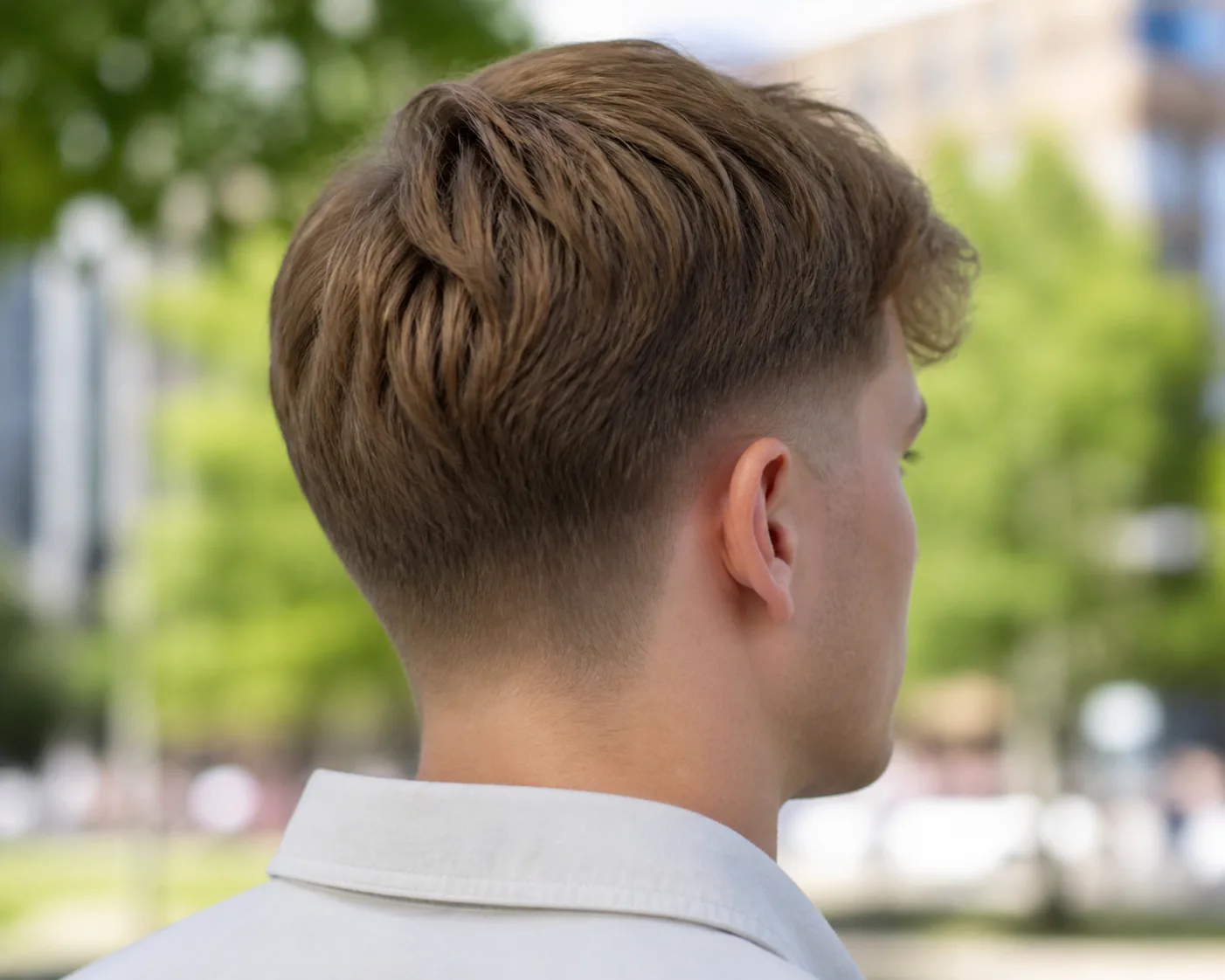
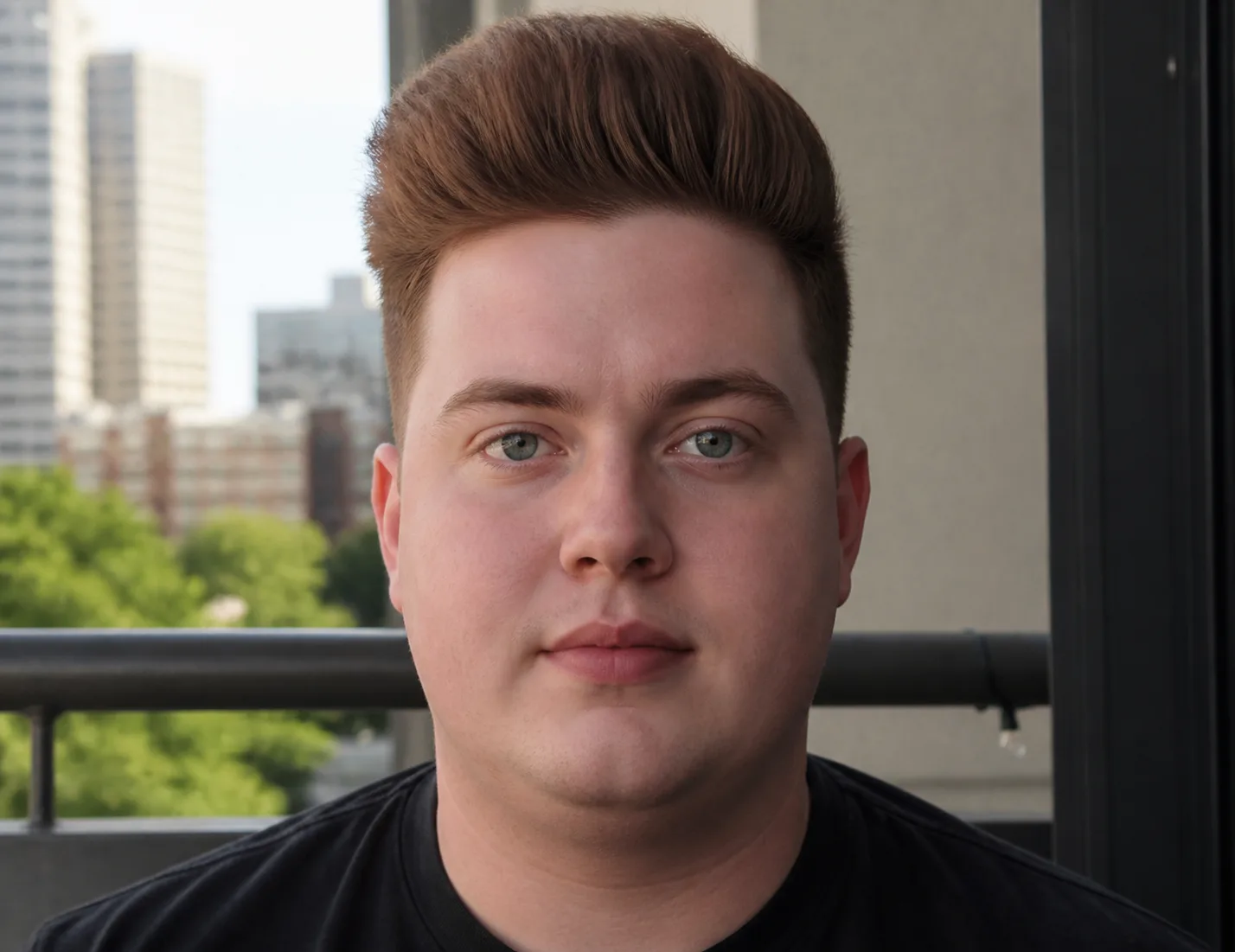
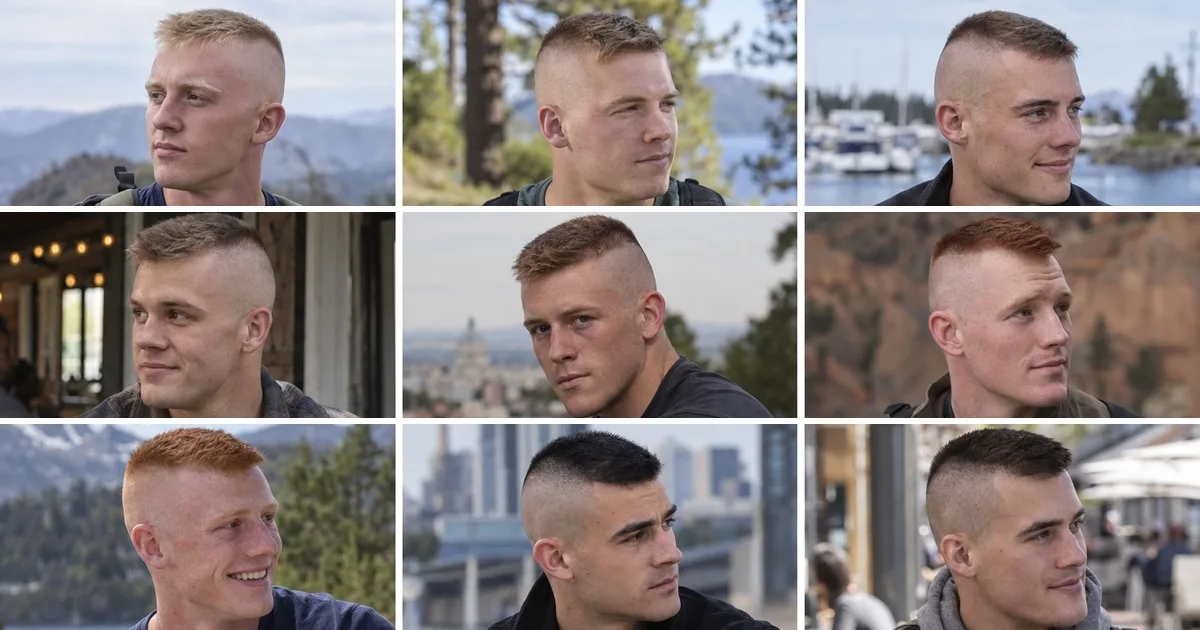
The cut above is a textured crop. In the language of the two decisions it is "tapered short at the sides, two inches on top, worn forward". If you read nothing else here, that combination is the safest modern default for most men under 40, because it works on fine hair and thick hair, needs about thirty seconds of styling, and grows out without a hard line appearing.
Decision one: your sides
There are only three answers, and the difference between them is where the short section starts and how short it gets.
A taper is a narrow band of graduated hair that follows your hairline around the ear and the nape. Everything above the band keeps its full length. It never reaches bare skin.
A fade takes that same idea across the entire side and back of the head, and usually runs down to skin at the bottom.
A scissor cut leaves the sides at a real length, blended by hand with no clippers at all. It is what most barbers over 50 default to, and it is the right answer for anyone who wants no visible cut line at all.
Once you have picked taper or fade, one number is left: how high on the head it begins.
| Height | Where it starts | What it does to your head shape | Book again in |
|---|---|---|---|
| Low | About an inch above the ear | Almost nothing. Reads as tidy | 5 weeks |
| Mid | Level with the top of the ear, at the temple | Narrows the head visibly. Reads as a haircut | 4 weeks |
| High | Near the corner of the skull | Strong contrast, squares off the top | 2 to 3 weeks |
Low is the safe answer and the most searched for a reason: it looks deliberate on day one and still looks intentional five weeks later. If you want the whole taxonomy with the line marked on each, we lay out all eight fade types side by side. The two worth knowing by name are the low taper fade and the mid taper fade, which differ by roughly one inch of height and nothing else.
Decision two: your top
This is the decision your hair actually has an opinion about. Length on top has to be supported by density, and density is not something you can style your way around.
The rule of thumb barbers use: the finer your hair, the shorter the top has to be to still look like it has body. Fine hair at four inches lies flat and shows scalp. The same hair at three quarters of an inch stands up and looks twice as thick. Length is not a flex when you do not have the hair for it.
Below is the full ladder, shortest to longest. Find where your hair can honestly sit, then read the cuts at that rung.
Ten men's haircuts, shortest to longest
If none of the ten goes far enough and you are thinking about growing it out properly, the real timelines are laid out in our guide to longer men's haircuts.
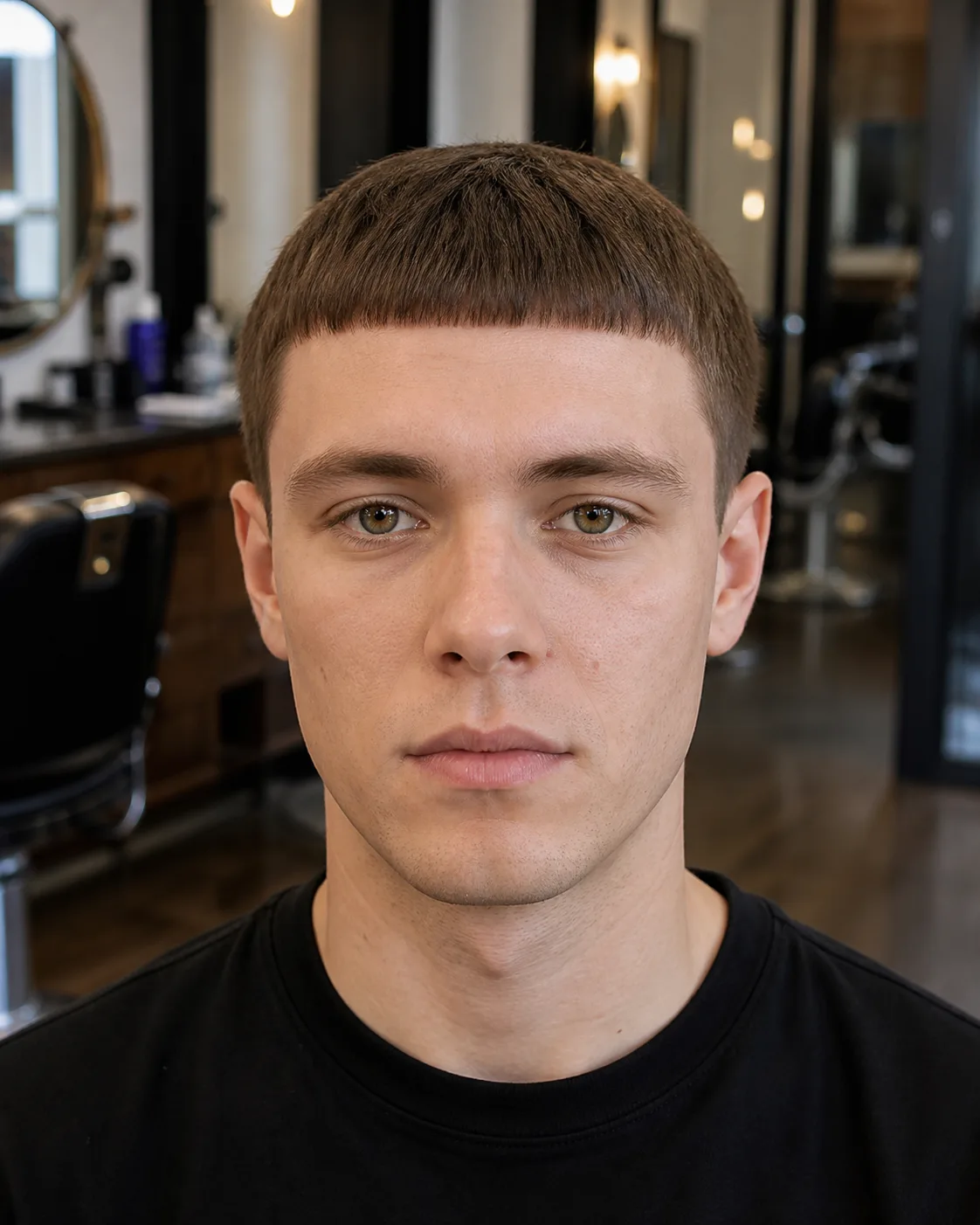
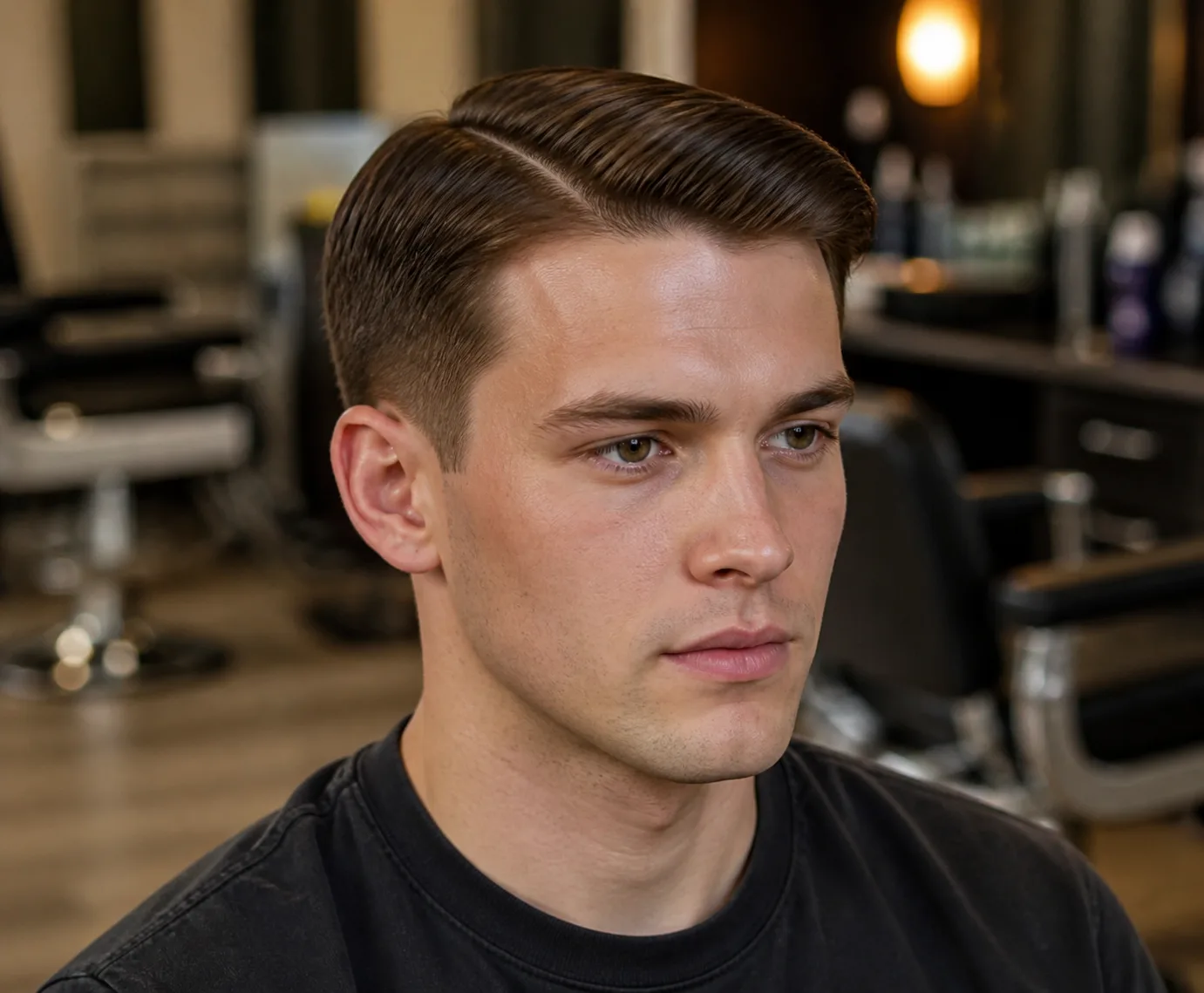
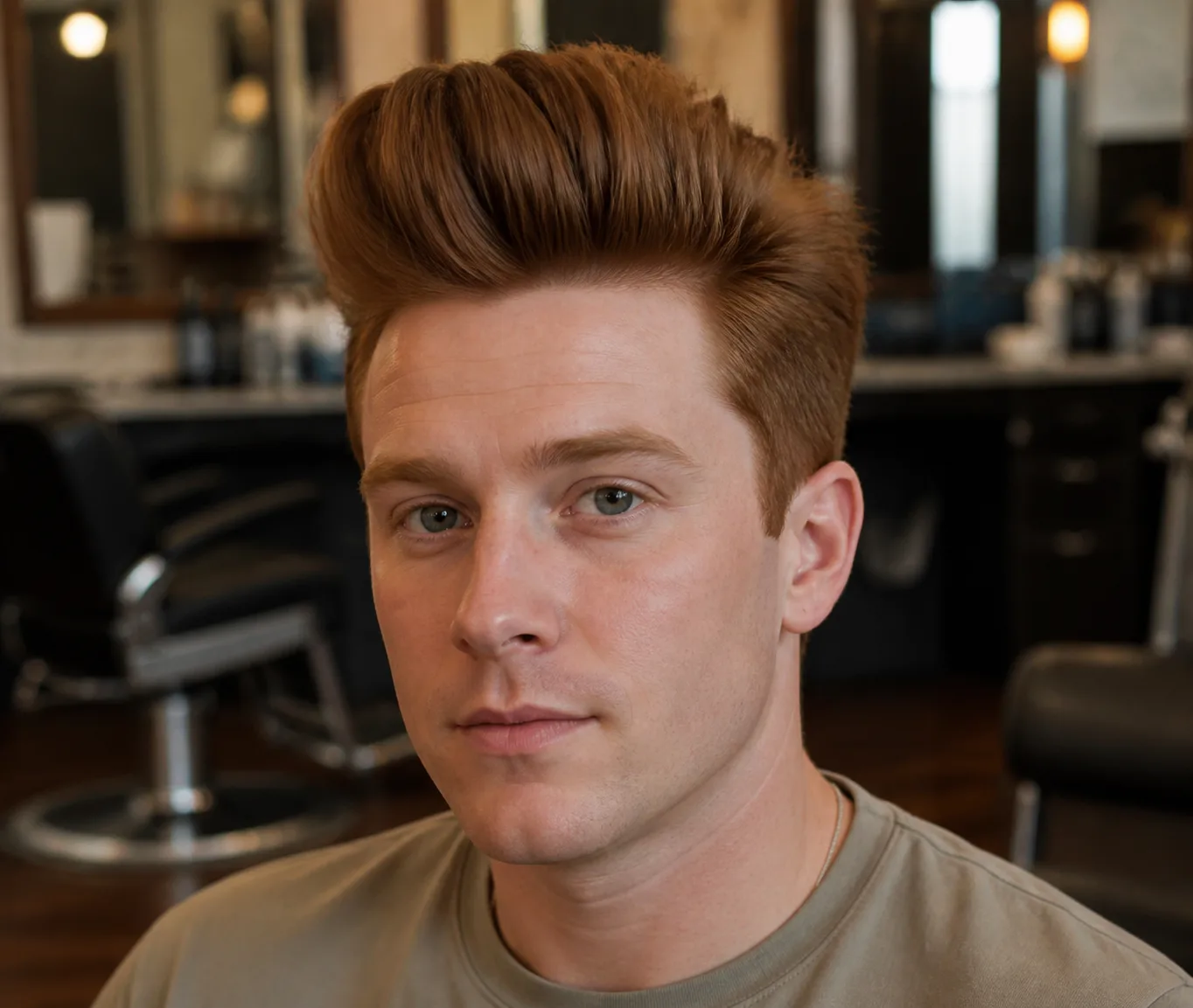
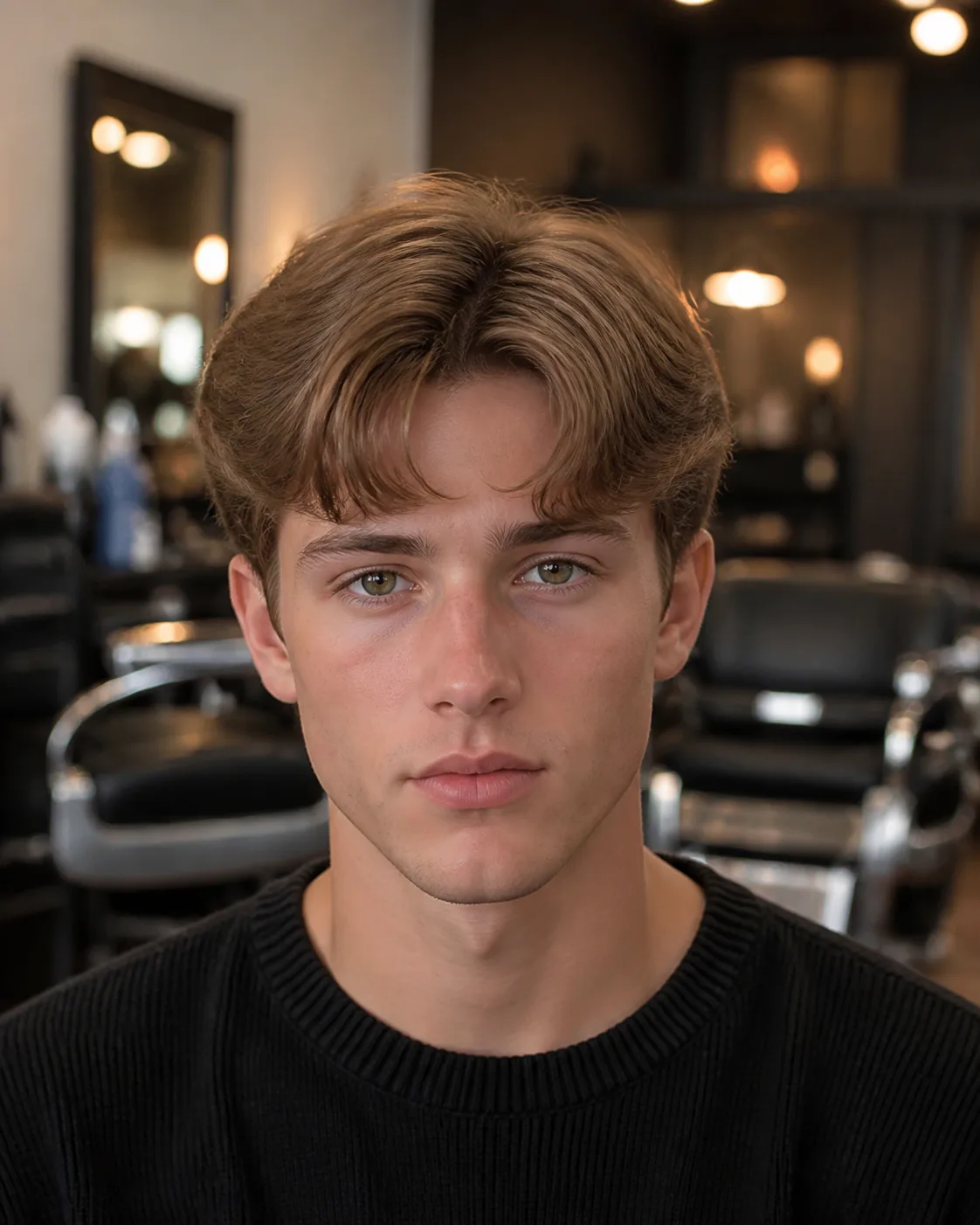
The only thing changing across these ten is the answer to decision two. The sides stay short and tapered in nearly all of them. Read them as a ruler rather than a menu: your job is to find the rung your hair can hold, then pick the style that sits on it.
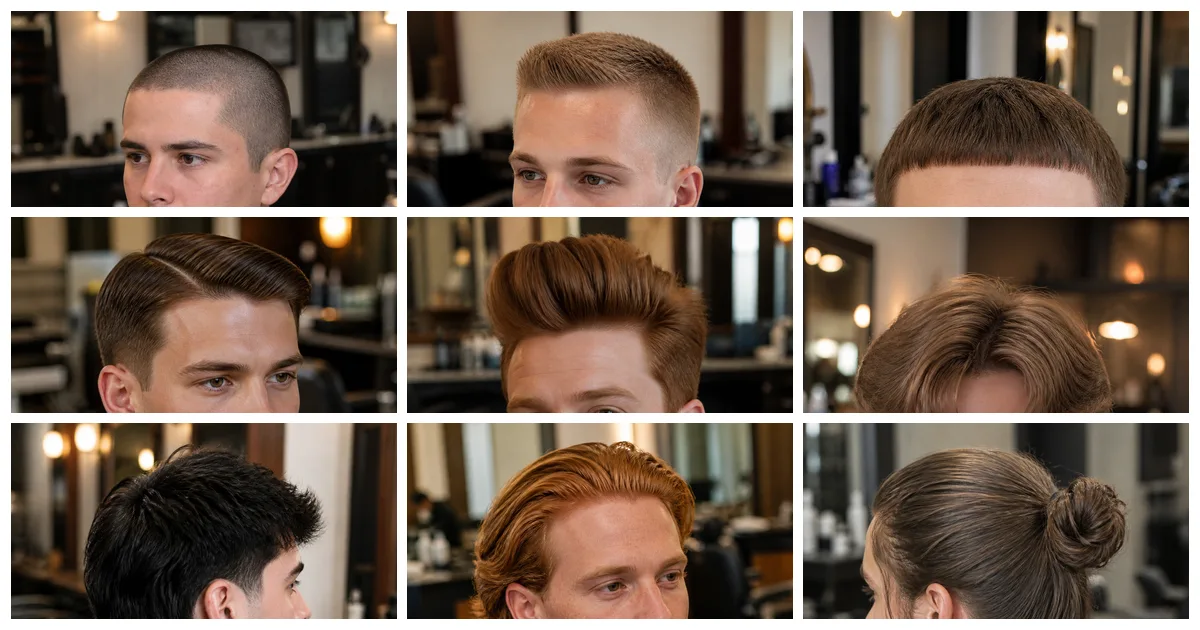
Gallery10 photos · tap to enlarge
 Try this on me
 Try this on me
 Try this on me
 Try this on me
 Try this on me
 Try this on me
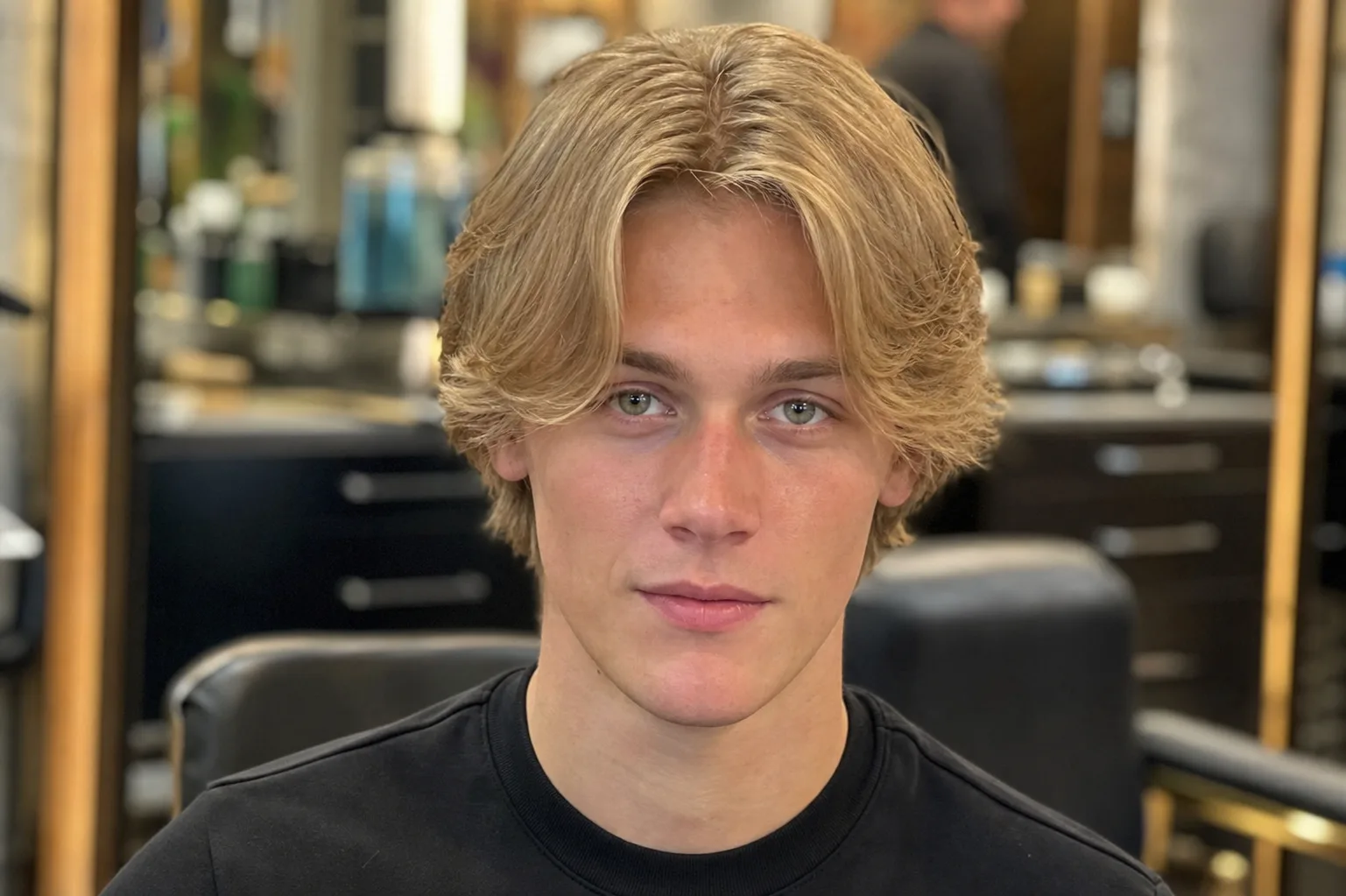 Try this on me
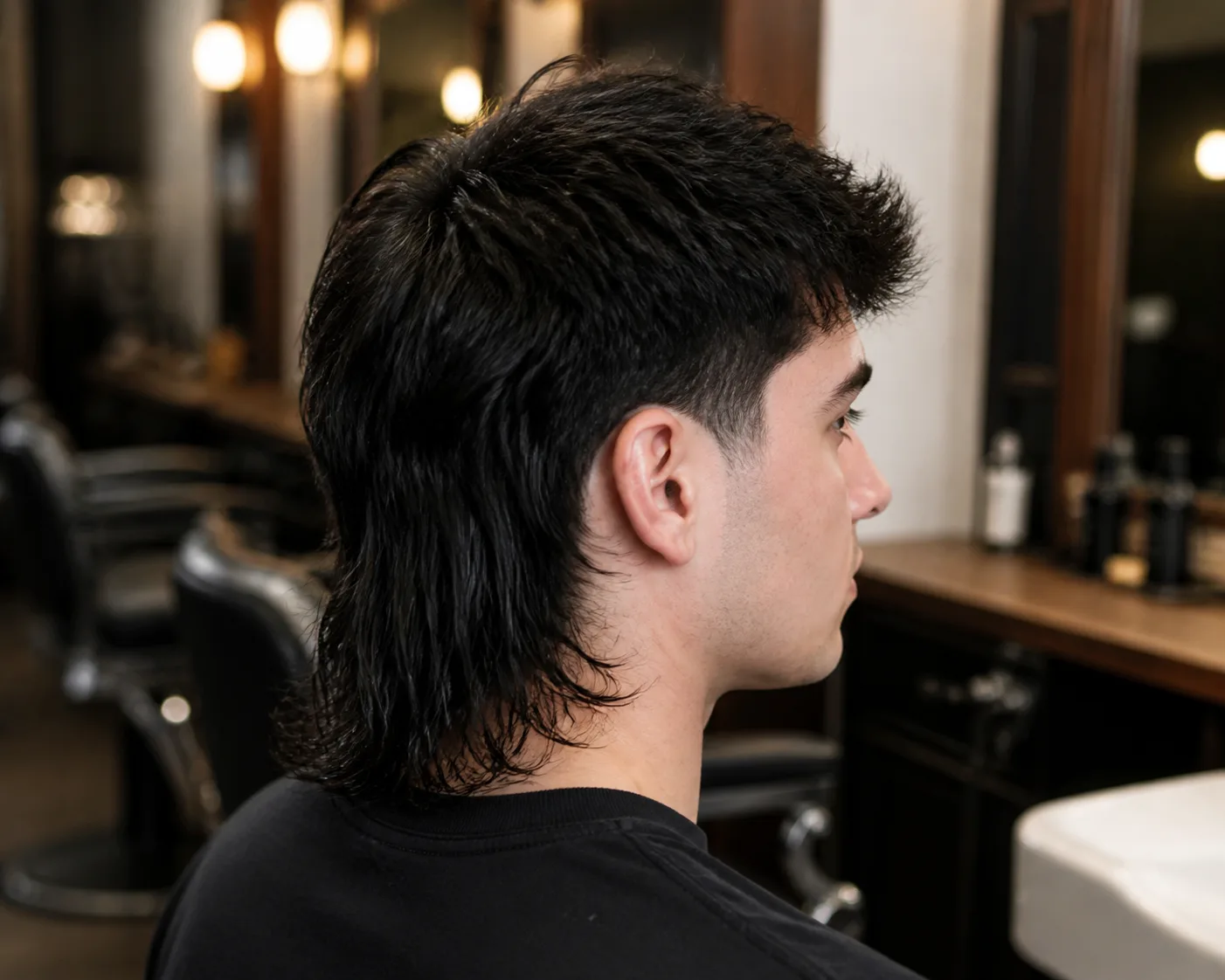 Try this on me
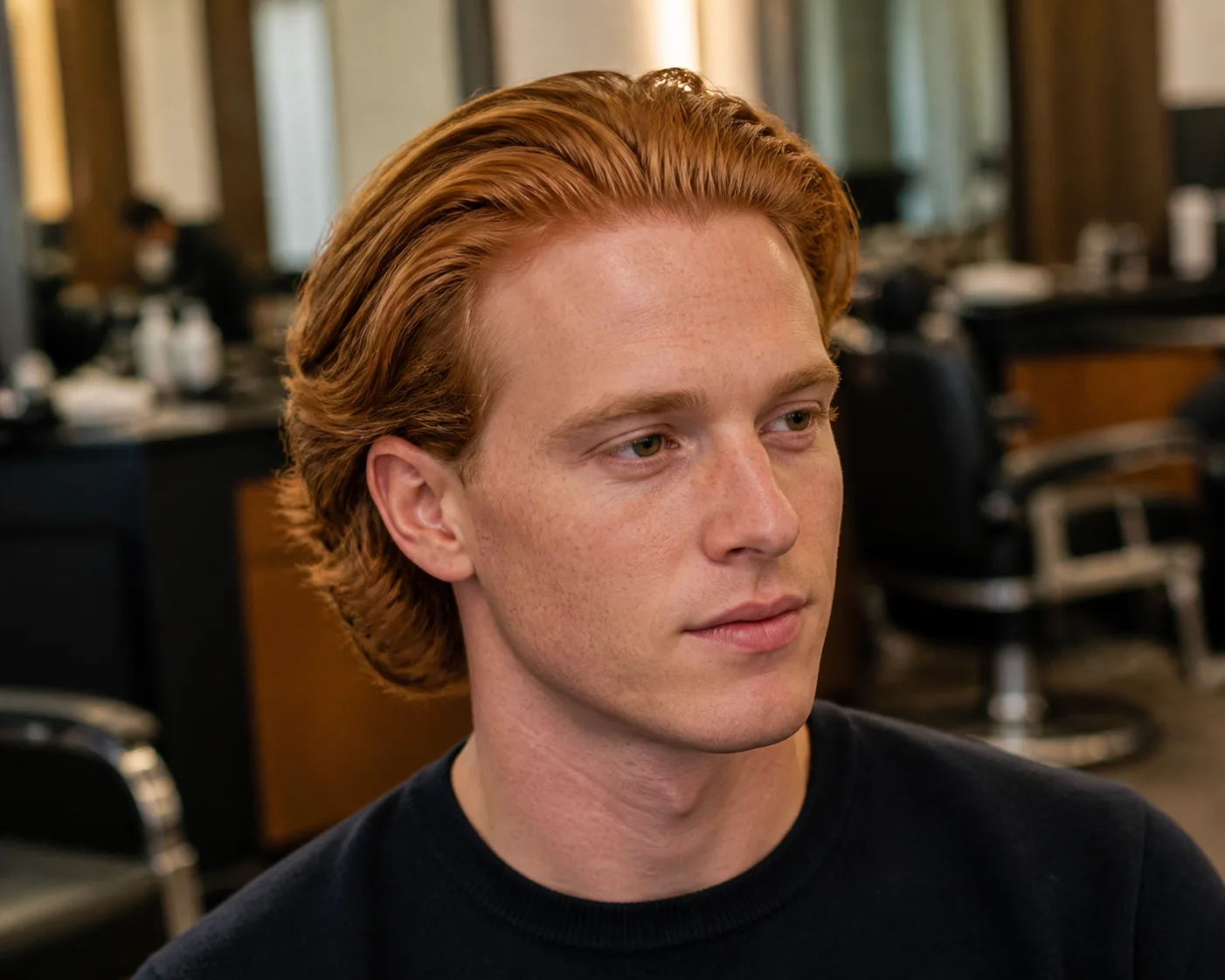 Try this on me
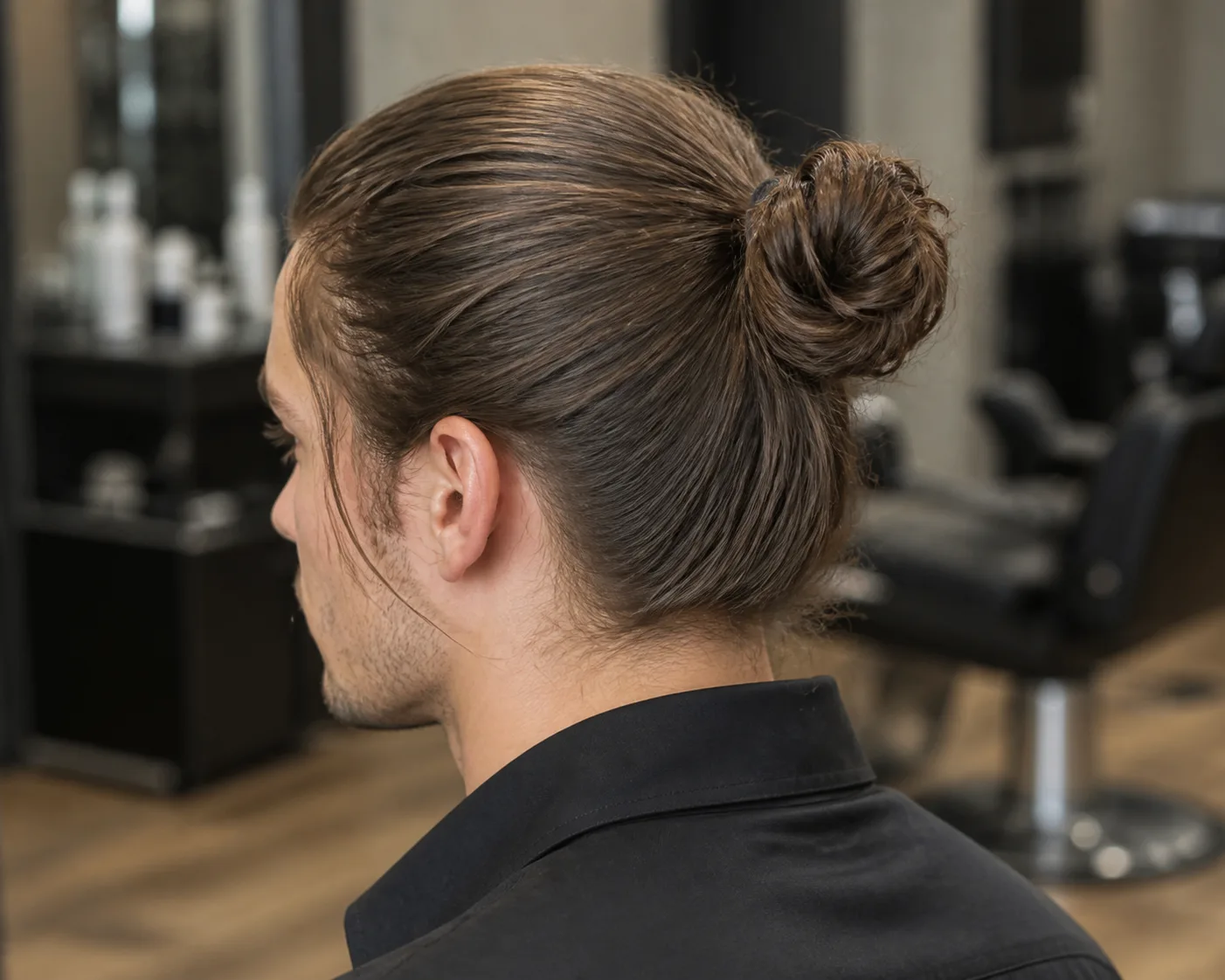 Try this on me
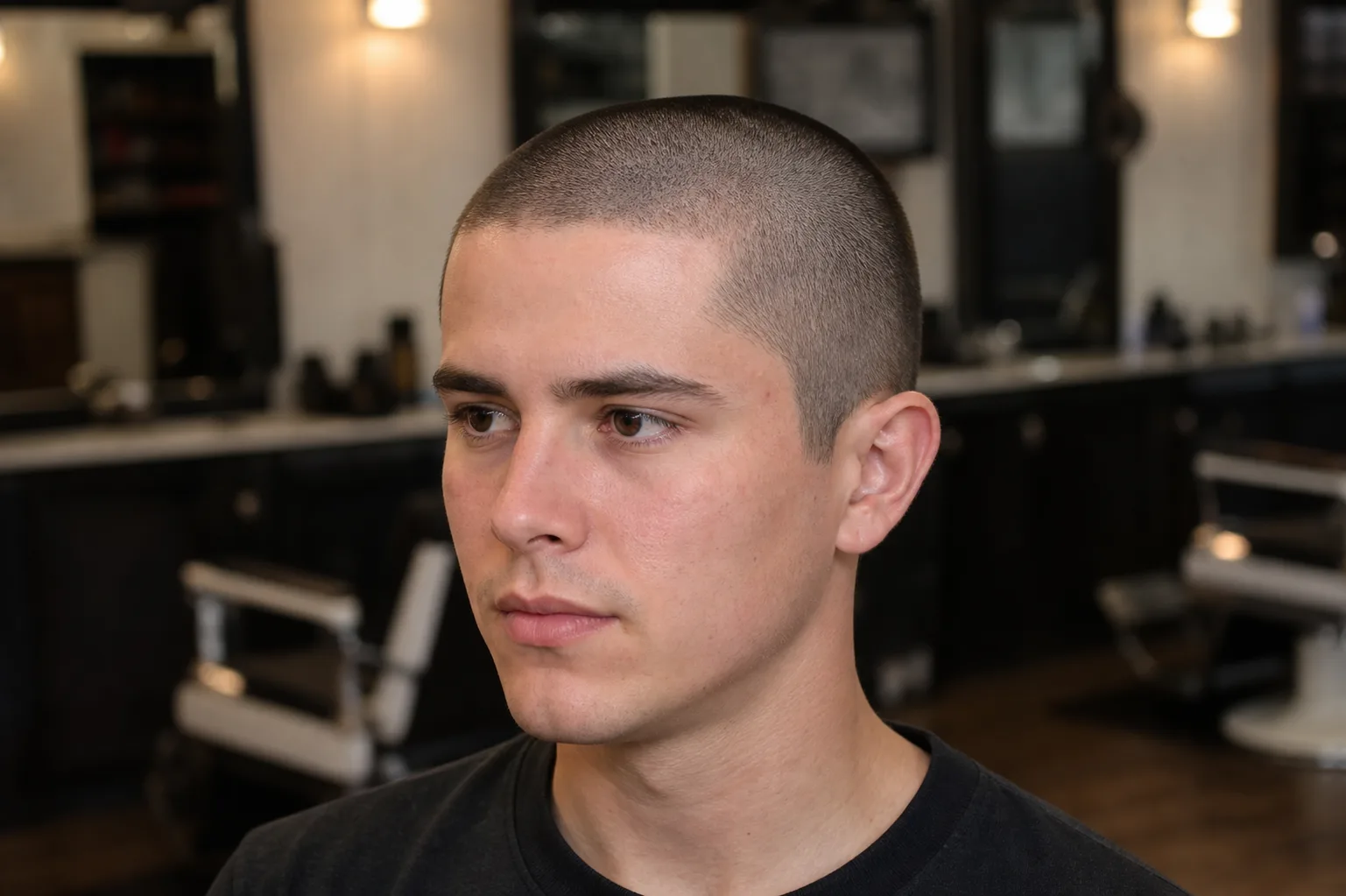
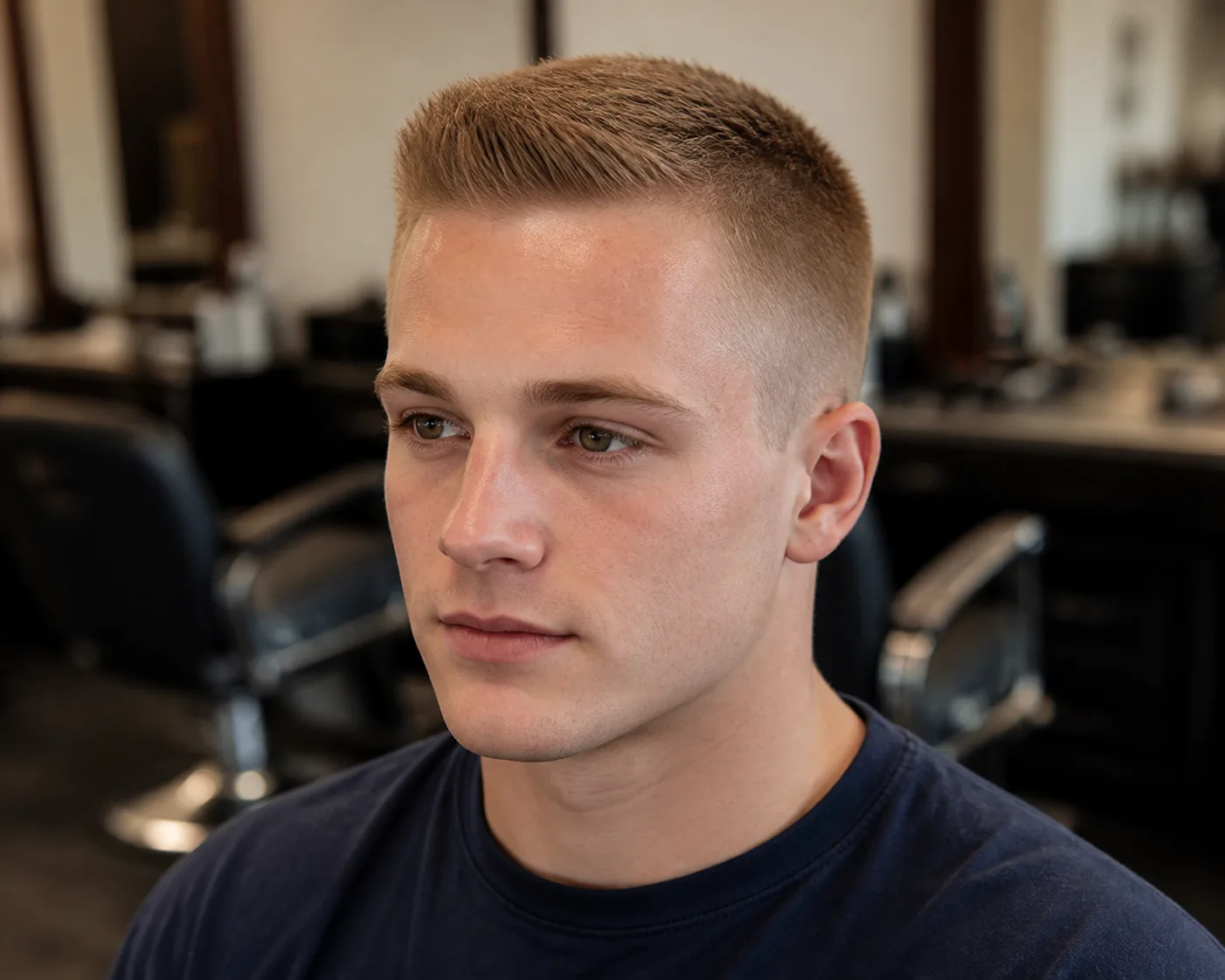
Here is the same ten in words, with the honest cost of each. The buzz cut is the only one you can realistically cut yourself, and the guide to buzz cut clippers and guard numbers covers what to buy.
| Cut | Length on top | Styling time | Grows out over | Best if |
|---|---|---|---|---|
| Buzz cut | A quarter inch, even | None | 3 weeks | You want zero maintenance, or your hairline is going |
| Crew cut | Three quarters of an inch | 15 seconds | 5 weeks | Your hair is fine and you want it to look thicker |
| Caesar cut | An inch, worn forward | 15 seconds | 6 weeks | Your hairline is receding at the temples |
| Ivy League | An inch and a half, parted | 1 minute | 6 weeks | You need it to work in a conservative office |
| Textured crop | Two inches, forward | 30 seconds | 8 weeks | You want the safe modern default |
| Quiff | Four inches, brushed up | 5 minutes and a dryer | 8 weeks | Your hair is thick and you want height |
| Comma fringe | Four inches, curved forward | 5 minutes and a dryer | 8 weeks | Your hair is straight and fine and you want softness |
| Curtains | Five inches, centre parted | 2 minutes | 10 weeks | You have wave and a hairline that behaves |
| Modern mullet | Short front, long back | 1 minute | 12 weeks | You want a cut that reads as a decision |
| Man bun | Shoulder length | 30 seconds | Forever | You are willing to spend a year growing it |
Two of these have enough going on to deserve their own guide. The textured crop is really a family of cuts, and the differences between them live in the fringe, which is why we broke out textured fringe styles and how to ask for one separately. The mullet has changed so much since the 1980s that the old name is misleading, and the modern version is closer to a shag.
Pick by what your hair actually does
This is the section that decides whether you like your haircut, and it is the one every gallery post skips. Find your row.
| Your hair | Longest the top should go | Sides | Avoid |
|---|---|---|---|
| Fine or low density | 1 inch | Taper, not a skin fade | Anything needing height or shine |
| Thick and coarse | 4 inches or more | Fade, to take out the bulk | Blunt one-length tops |
| Curly or wavy | 3 to 5 inches | Taper, so the curl keeps its shape | Short blunt fringes |
| Receding at the temples | 1 to 2 inches, worn forward | Low taper, no skin | Anything swept back or parted |
| Thinning at the crown | Half an inch to 1 inch | Match the sides to the top | Long tops, high contrast |
Fine or thinning hair
Short and blunt. Fine hair looks its thickest when the ends are cut with scissors to a heavy blunt edge rather than thinned or point cut, because a blunt end reflects more light and reads as more hair. Keep the top under an inch, keep the sides close to the same length so there is no contrast advertising the difference, and skip shine products entirely. Matte paste, never gel.

If the thinning is at the temples specifically, worn forward beats parted every time, because a parting puts a line of scalp next to the part of your hairline that is already showing scalp. Hereditary hair loss affects a large share of men and starts earlier than most expect, and the American Academy of Dermatology's overview of hereditary hair loss is the plain-English version worth reading before you spend money on anything.
Thick and coarse hair
Your problem is not length, it is volume in the wrong place. Thick hair grows outward as well as up, so by week four the sides push out and your head reads wider than it is. The fix is a fade rather than a taper, and asking for the top to be point cut or thinned through the interior so the weight comes out without losing the length.
Curly and wavy hair
Curl needs length to form. Under two inches most curl patterns stop looping and just look frizzy, so if you have curl, do not let anyone talk you into a crop. Three to five inches on top with a taper at the sides is the reliable answer, because the taper removes the bulk that collects around the ear without touching the curl above it. We sorted the curly cuts for men by curl type and length if you want the specifics for your pattern.
If your hair is coily rather than curly, the length rules change again, and braided options for men start opening up from about two inches.
If you are growing it out
The awkward stage is real and it lasts roughly four months, between the point where the top is too long to stand up and too short to lie down. The trick is to keep booking the sides. A taper every five weeks keeps the shape while the top does nothing useful, and it is the difference between looking like you are growing your hair and looking like you stopped caring. We wrote up the medium length stage in detail because it is where most men give up.
Does face shape actually matter
Less than the internet claims, and in exactly one way. Face shape does not decide which cut you can have. It decides where you want volume.
The whole rule is this: put height where your face is short, and keep width off where your face is wide. A round face gets height on top and tight sides. A long face gets the opposite, some width at the sides and no tall quiff. Square and oval faces can do either, which is why they show up in every stock photo.
| Face shape | Add | Avoid |
|---|---|---|
| Round | Height on top, tight sides | Wide, flat, forward-worn tops |
| Long or oblong | Some width at the sides, a fringe | Tall quiffs and pompadours |
| Square | Anything, softened slightly at the fringe | Hard blunt fringes plus hard fade lines |
| Heart | Fullness at the jaw, a soft fringe | Very short sides with a wide top |
| Oval | Anything | Nothing in particular |
If you are not sure which one you have, measure it rather than guess.
Measure it instead of guessing
Both numbers in the same unit — the answer is a ratio, so it does not matter which.
Under 1.15 reads round, 1.15 to 1.5 reads oval, over 1.5 reads long. Oval and long split on the jaw rather than the ratio: an oval tapers toward the chin, a long face runs straight down.
Hairstyles for older men
Two things change after about 50, and neither of them is style. Hair loses diameter, so it behaves like fine hair even if you have plenty of it. And the hairline moves, which changes where a parting can sit.
The answer is shorter on top, softer at the sides, and scissors rather than clippers. A hard clipper line next to greying hair reads harsh, where a scissor taper reads groomed. Keep an inch to two on top, part it naturally rather than forcing a line, and let the grey be grey.

The single most common mistake in this bracket is the comb-over: growing one side long to cover a thin crown. It never works, because it needs the hair to stay exactly where you put it, and hair does not. Going shorter is the move that actually reads as confident.
How to ask for it
Barbers work from landmarks and numbers, not adjectives. Give them both in one sentence and you will get what you pictured.
How to ask for a men's haircut
- Name the sides and point at the height
Say "low taper", "mid fade" or "scissor cut, tapered". Then put a finger on your head where you want the short section to start. Low and mid mean about one inch apart, and the number of men who say low and get mid is enormous, because nobody pointed.
- Say how short the shortest point goes
A guard 1 leaves a shadow of hair. A guard 0 goes closer. Skin is a third thing and a bigger commitment, because it is visibly grown out in about ten days. Ask for a 1 the first time. You can go shorter next visit, you cannot go back.
- Give the top a number in inches
Not "a bit off". Say "leave two inches" or hold up two fingers. Then say which way it goes: forward, back, or parted.
- Ask for the nape to stay natural
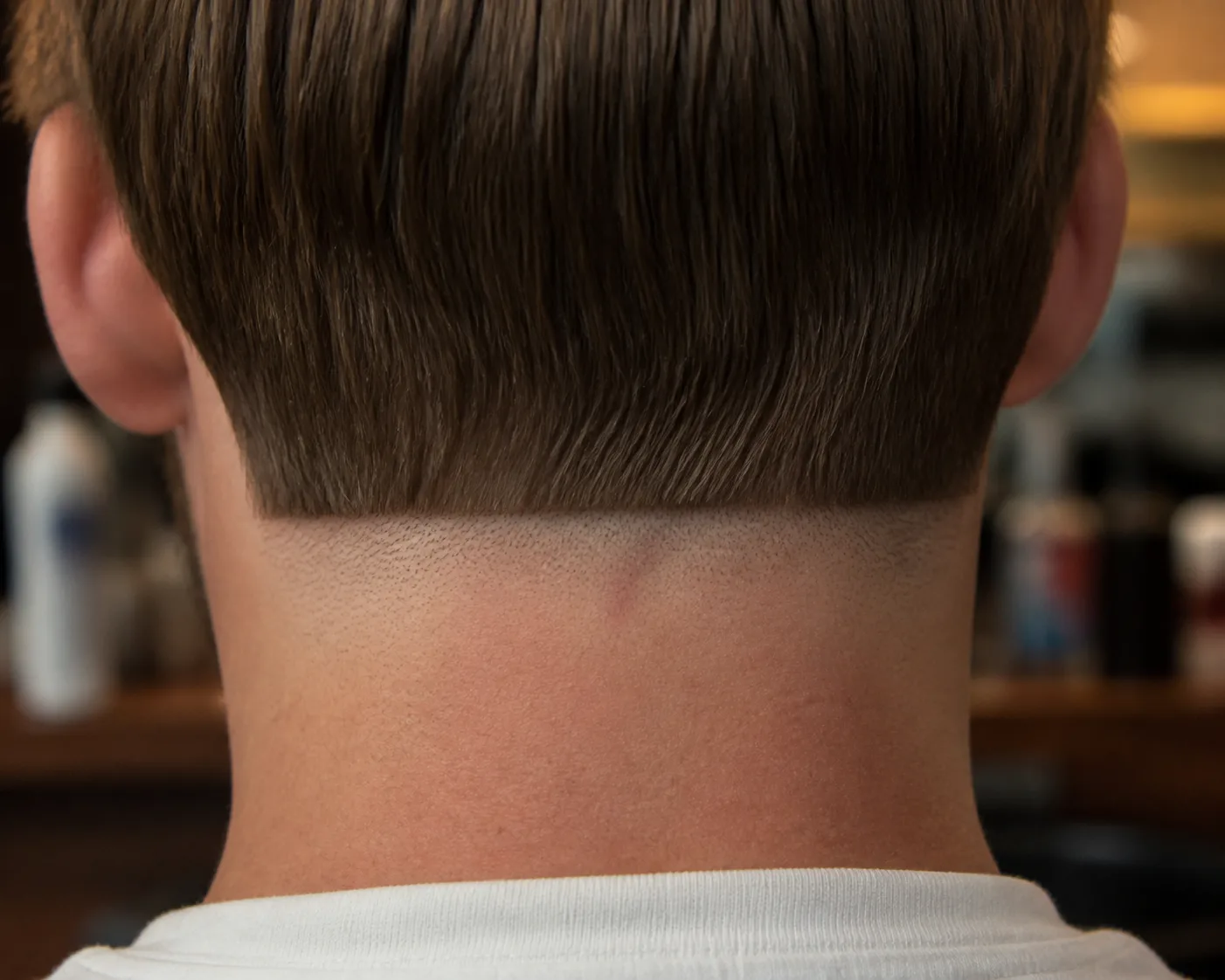
A blocked nape is cut into a hard straight line and reappears as a visible ledge in about ten days. A natural or rounded nape fades out into the skin and stays tidy for a month. Say this before they start, not after.
- Check the back in the mirror before the cape comes off
You are looking for one thing: no visible line anywhere in the gradient. If you can see where one length stops and the next begins, it is not blended, and that is a two minute fix while you are still in the chair.
Here is the whole thing as one sentence you can read off your phone.
Say this to your barber
Low taper please, guard 1 at the shortest, natural nape, and leave about two inches on top worn forward.
Five mistakes that cost you the cut
Showing a photo of a person instead of a haircut. The barber sees the face, the beard, the lighting and the hair colour, and has to guess which part you meant. Point at the sides and say what you want there, then point at the top.
Letting them block the nape. This is the one that turns a good haircut into a cheap one, and it happens by default in a lot of chairs. Ten days later there is a ledge across your neck.
Going to skin on the first visit. A skin fade is sharp for about ten days and unfinished for the next ten. Try a guard 1 first and see how you feel at week three.
Buying a cut you will not style. The quiff in the gallery above needs a hairdryer and five minutes every morning. If that is not you, do not order it, because an unstyled quiff is just long hair falling over your forehead.
Booking the next appointment too late. The interval is set by the sides, not the top. High fade, two to three weeks. Mid, four. Low taper, five. Miss it and the cut stops looking like a decision.
Is trying a haircut on yourself free
Yes, once. Hairstyle Atlas gives you one look free with no card: upload a selfie, pick a cut, see the front view with one colour on it. That is enough to answer the only question that matters, which is whether a cut suits your actual face rather than the model's.
Beyond that it is $9 a month, or $60 for a year, which covers 150 credits, all of the cuts and colours, and a before and after sheet you can hand to your barber. A hairstyle on your photo costs 10 credits, a colour on top of it costs 5, and changing length, fringe or parting is free because it is part of the same picture. The full pricing page has the rest, including a seven day refund with no conditions.
Worth saying plainly: if you already know the cut you want and just need the words, the sentence in the brief above is free and will do the job. The try-on is for the case where you have three saved photos and no idea which one is going to work on your head, and our ranking of the best AI hairstyle apps compares it with the free alternatives.
Yours could be here.
Start with one selfie.
One photo, twenty seconds, and you'll know. Free account, no card for your first render.
What to do next
Answer the two questions before you sit down. Sides: taper, fade or scissors, and how high. Top: how many inches, and which way they go. Write both on your phone if you have to.
If you are stuck between two cuts, the honest advice is to go shorter on the sides and longer on the top than the photo, because a barber can always take more off and the top is the part you can change tomorrow with a comb.
You can also see what different lengths look like on your own face without picking a named cut at all, which is usually the faster way to find out whether your hair can hold four inches.
Frequently asked questions
By search volume and by what barbers actually cut: the textured crop, the buzz cut, the crew cut, the taper fade with a short top, and the mid-length flow. The textured crop leads because it works on the widest range of hair types and takes about thirty seconds to style.
The ten in the gallery above cover the whole length range, and the remaining common names are variations on them: French crop, Edgar, burst fade, low taper fade, mid taper fade, high fade, undercut, faux hawk, side part, slick back, pompadour and wolf cut. Almost all of them are one of the ten tops paired with a different side treatment.
Start with density, not face shape. Fine hair needs to stay under an inch on top to look thick, thick hair can go to four inches or more, and curly hair needs at least three inches to form a curl. Once you know your rung on that ladder, face shape only tells you whether to add height on top or width at the sides.
Those are clipper guard numbers describing a gradient built in three steps: a 3 at the top of the graduated section, a 2 in the middle, a 1 at the bottom, blended so the steps disappear. It is a recipe rather than a style. A barber can build the same taper with 2, 1 and 0, or with scissors and no clippers at all.
An inch to two inches on top, worn with a natural side parting, and sides tapered with scissors rather than clippers. Skip skin fades and hard lines, which read harsh next to grey hair, and skip the comb-over entirely. If the crown is thinning, going shorter overall reads better than trying to cover it.
Short. Fine hair loses the illusion of density as soon as it has enough weight to lie flat, which happens around an inch. Cut it blunt rather than thinned, keep it under an inch, and use a matte paste instead of anything with shine.
The taper fade with a short textured top, by a wide margin. It is the default in most barbershops because it suits almost every hair type, it does not need styling, and the low version still looks intentional five weeks after the cut.
Anything that adds height on top and keeps the sides tight, because that lengthens the silhouette. A quiff, a pompadour or a textured crop with a mid fade all do it. Avoid wide flat tops and hair worn forward across the forehead, which add width exactly where you do not want it.
Shorter, on average, and for a mechanical reason rather than a fashion one: hair diameter drops with age, so longer hair on an older head lies flatter and shows more scalp than the same length did at 25. An inch to two inches on top holds its shape.
The sides set the interval. A high fade needs redoing every two to three weeks, a mid fade every four, and a low taper every five. A scissor cut with no clipper work can go eight weeks or more. The top can usually wait twice as long as the sides.
Preview it on your own photo: Men's Hairstyle Try-On.
Share article
About the author

More articles
Men's Haircuts · 14 min
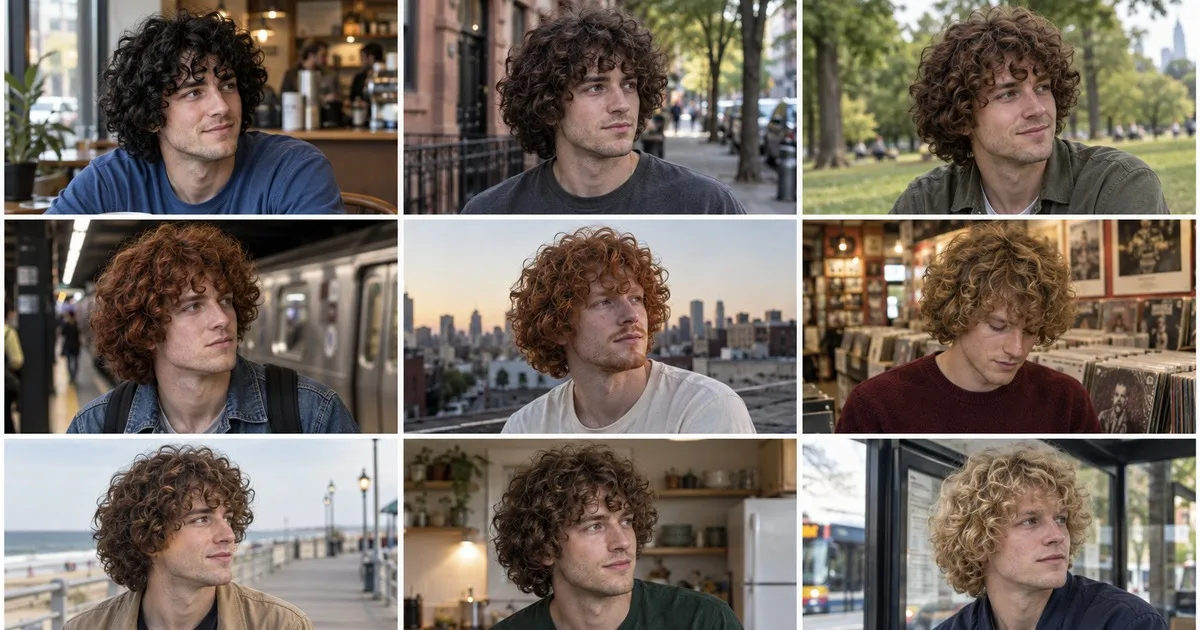
Benny Blanco Haircut: The Fake Half Shave and the Real Curls
Benny Blanco did not shave half his head. It was a prosthetic bald cap, and the buzz cuts are AI. Here is what his curly mop actually is, the short version, and exactly what to tell your barber.
Men's Haircuts · 16 min
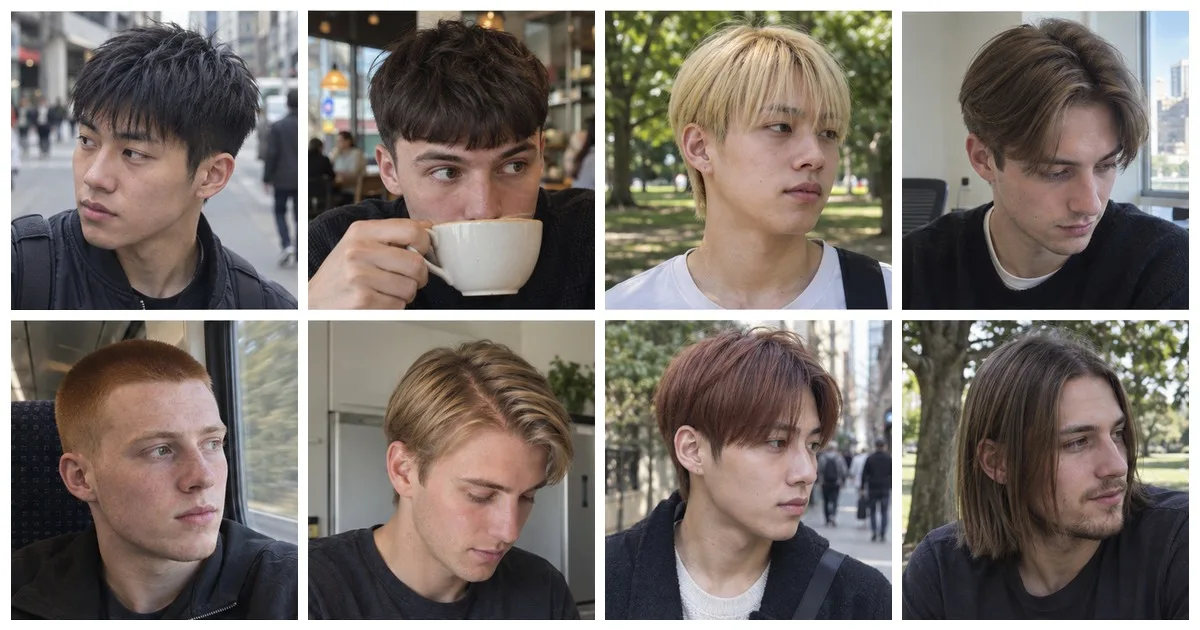
1A Hair: How to Tell If You Have It + 14 Cuts That Work
1A hair is pin-straight with no bend from root to tip. How to tell it from 1B and 1C, why it goes flat, 14 haircuts that work on it, and how to style it for volume.
Men's Haircuts · 15 min
High and Tight Haircut: 4 Versions and the Head Shape Rule
A high and tight clips the sides almost to skin all the way up to the top of the head, so it shows your skull shape more than your face. The 4 versions, 14 photos, what to tell your barber, and how long it lasts.