Long to Pixie Haircut: 10 Looks and the One to Book First
Oleh Onysko Updated 28 September 2026 18 min read
In this article
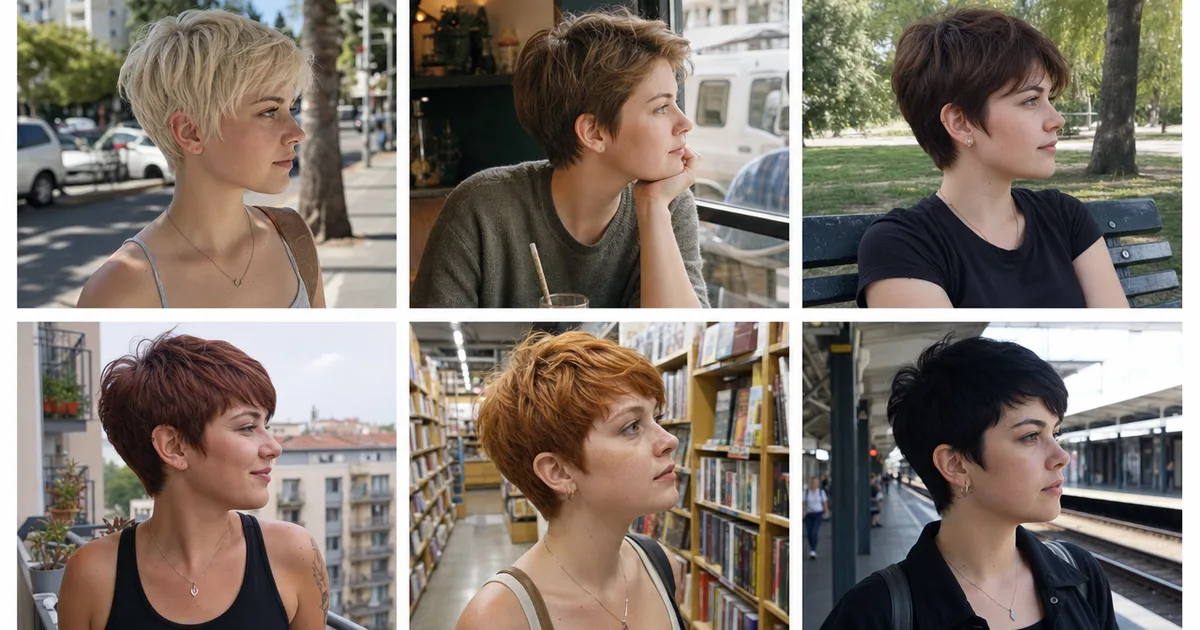
If you are going from long hair to a pixie, book the long pixie, not the classic one. A long pixie keeps three to four inches at the front and over the crown while the nape and the sides come down to about an inch. It looks like the pictures you saved, it can be cut shorter in six weeks if you want more, and it grows into a bob without the stage where you hate your hair.
The other thing worth knowing before you sit down: face shape is not what decides this cut. Your nape hairline and your density are. A pixie has no weight left to hide anything behind, so a cowlick at the back that your long hair has been quietly covering for years becomes the shape of your haircut. Below is how to check that in your bathroom mirror in two minutes, ten versions to point at in the chair, and what the grow-out actually looks like.
What a Long Pixie Actually Is
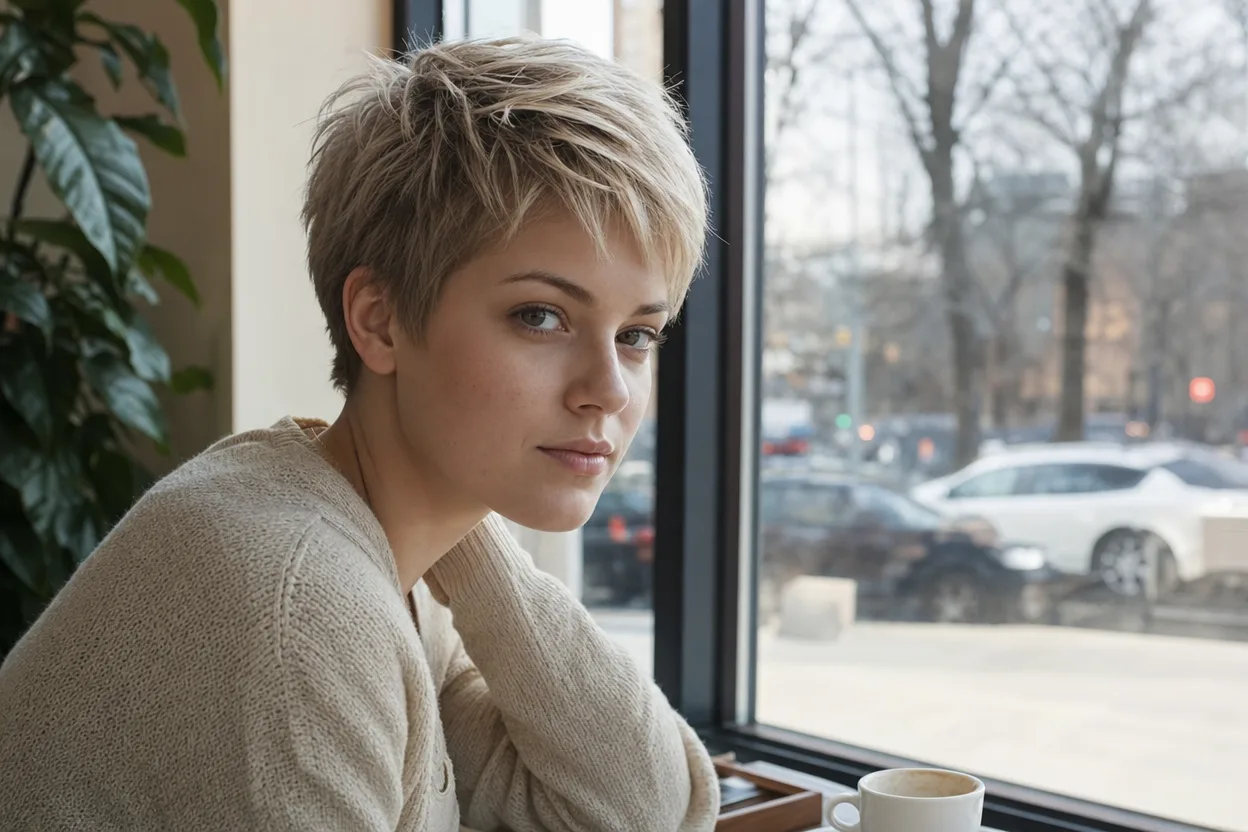
A long pixie is a pixie with the weight left on top. The hair at the nape and behind the ears sits at roughly an inch, blended up by scissors rather than clippers, and the length over the crown and at the front stays at three to four inches. Nothing is taken to bare skin. There is no fade, no shaved panel, no undercut. If a shaved panel is the part you want, the undercut pixie and the swoop in our lesbian haircuts guide are the versions that add one.
That front length is the whole reason to start here. It is enough hair to push forward into a fringe, sweep to one side, or brush straight back, so one cut gives you three completely different looks depending on the morning. A classic pixie has an inch and a half at the front and does exactly one thing.
The search term covers two different questions, and the answer to both is the same cut. Some people mean the transformation, going from waist length to short in one appointment. Others mean the shape, a pixie on the longer end rather than a cropped one. You want the long pixie either way, because it is the version that survives being wrong.
Book the Long Pixie, Not the Classic Pixie
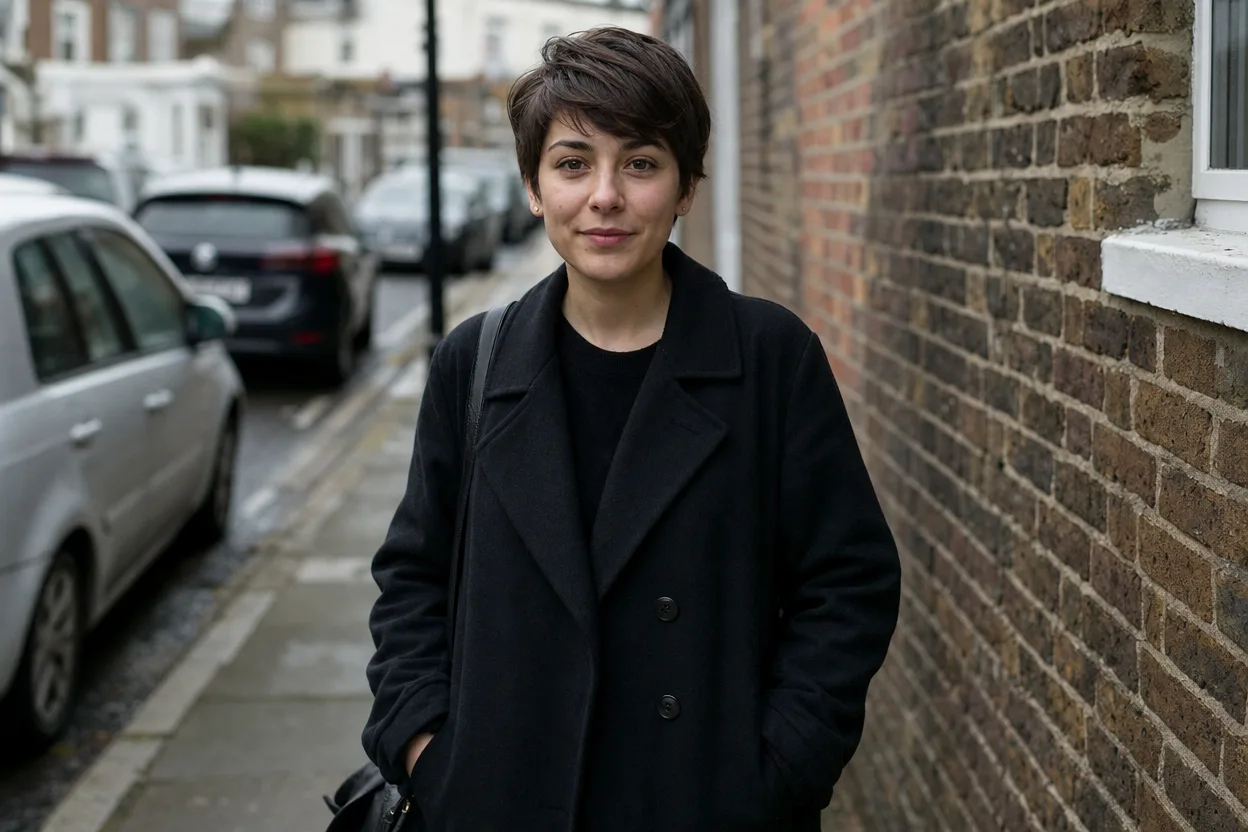
Here is the part most guides skip. Going long to short is treated as a single irreversible decision, so people either put it off for two years or overcorrect and ask for the shortest thing in the folder. Both are avoidable, because short hair has two directions and long hair only has one.
Cut to a long pixie and you have both. Hate it after a week and the front grows past your eyebrows in about two months, which is a fringe rather than a problem. Love it and want more, and your stylist takes another inch off at the six week trim, which takes ten minutes. Try to do that in reverse and you are waiting a year.
The second reason is technical. Cutting twelve inches off in one session means your stylist is guessing at your growth pattern while the weight is still coming off. Leaving length at the front and crown means the corrections happen at the second appointment, on hair they have now seen dry and moving.
Say this to your barber
Long pixie please. About an inch at the nape and behind the ears, scissor blended, no clippers and no skin anywhere. Keep three to four inches on top and at the front.
The Nape Test, Before You Book
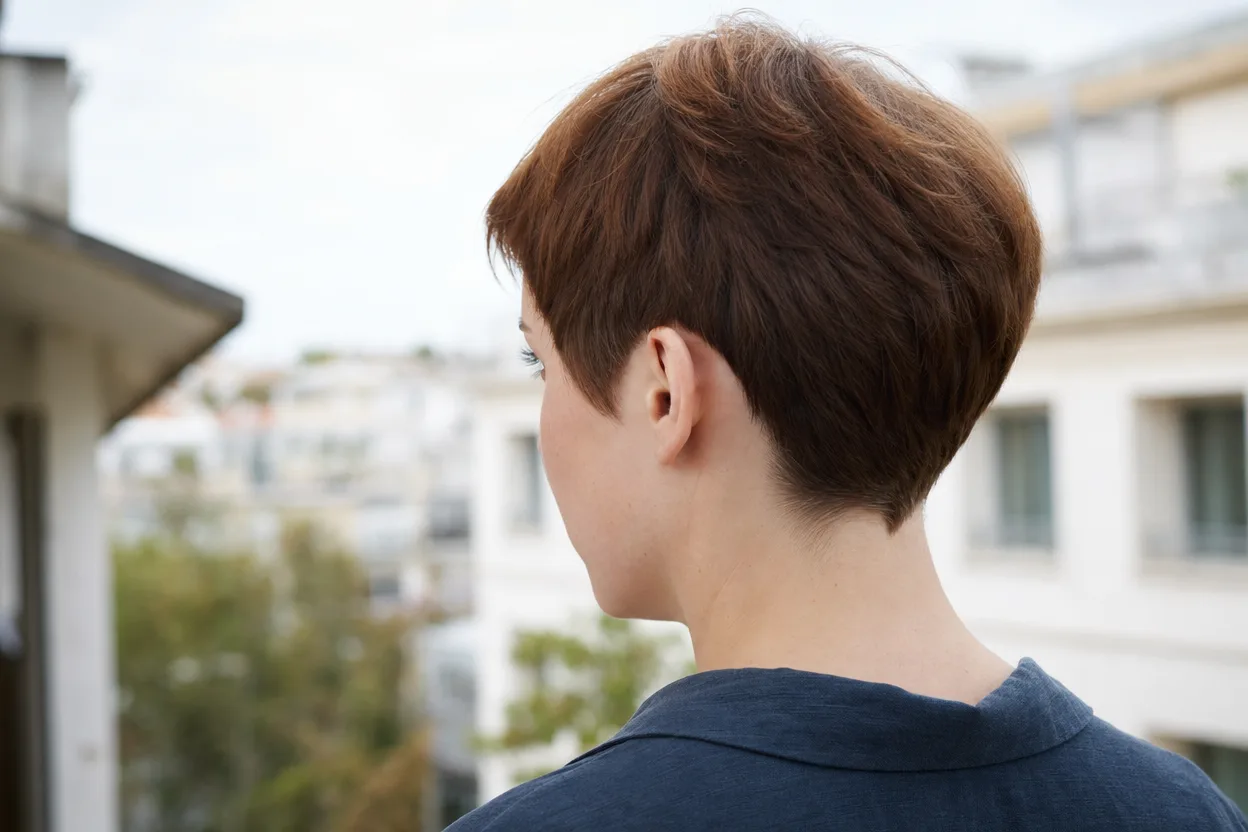
Wet the hair at the back of your neck, comb it flat down, and look at it in a hand mirror. You are checking three things, and none of them are your face.
Growth pattern first. If the hair at your nape grows in a whorl, sideways, or straight up, it will do that at an inch long too, and it will be visible every day rather than buried under length. This is not a reason to skip the cut. It is a reason to tell your stylist so they leave the nape slightly longer and shape around it instead of discovering it halfway through.
Density second. Pinch the hair at your crown. If you can feel your scalp easily through it, a very short crown will read as thinner, not fuller, because there is nothing left to stack. Keep four inches on top rather than two. Fine hair actually gains from a pixie, but it gains at the crown, not at the sides. If you are making this change in your 60s, our guide to short hairstyles for older women compares the pixie with the bobs that suit a thinning crown.
Neck and shoulders third. A short nape puts your neck on show, which most people like more than they expect and some people do not. If you already know you prefer a collar, the jawline length at the end of the gallery below is where to stop.
10 Long Pixie Cuts to Show Your Stylist
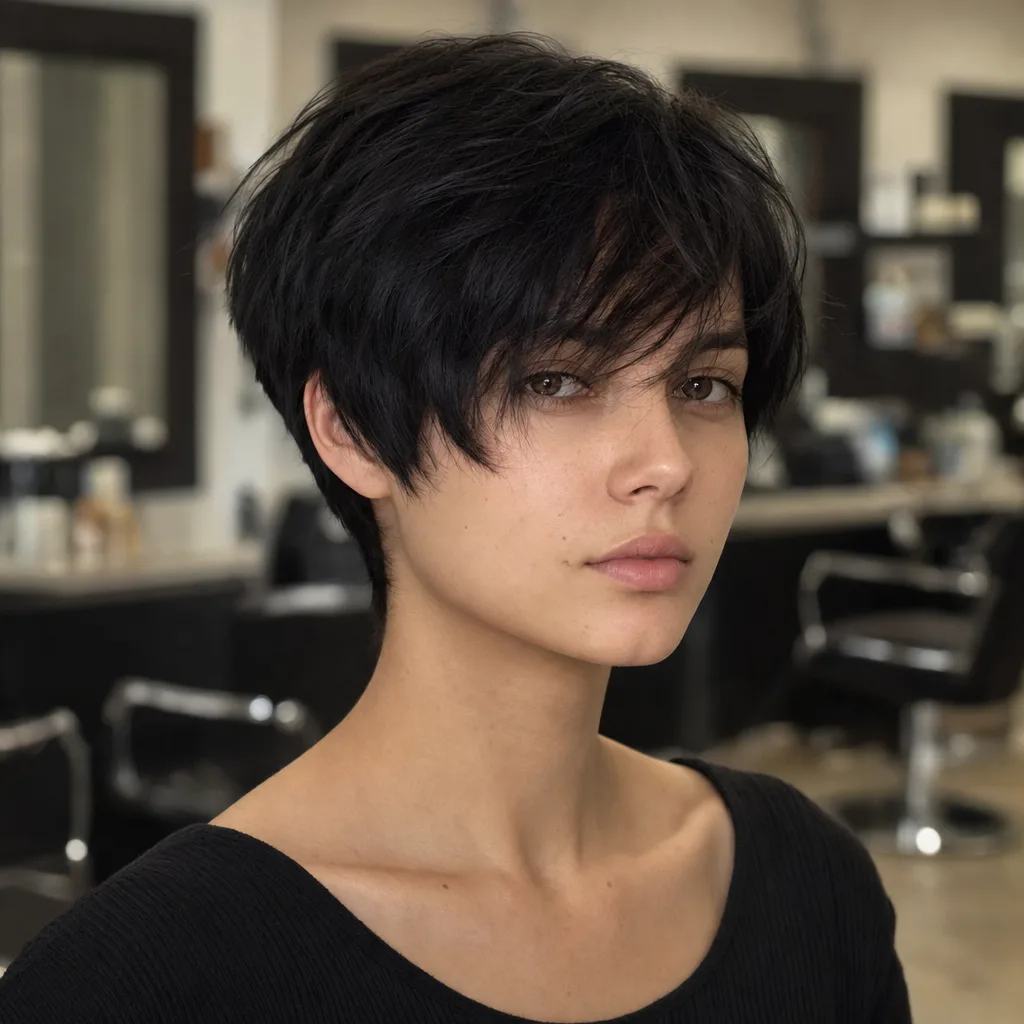
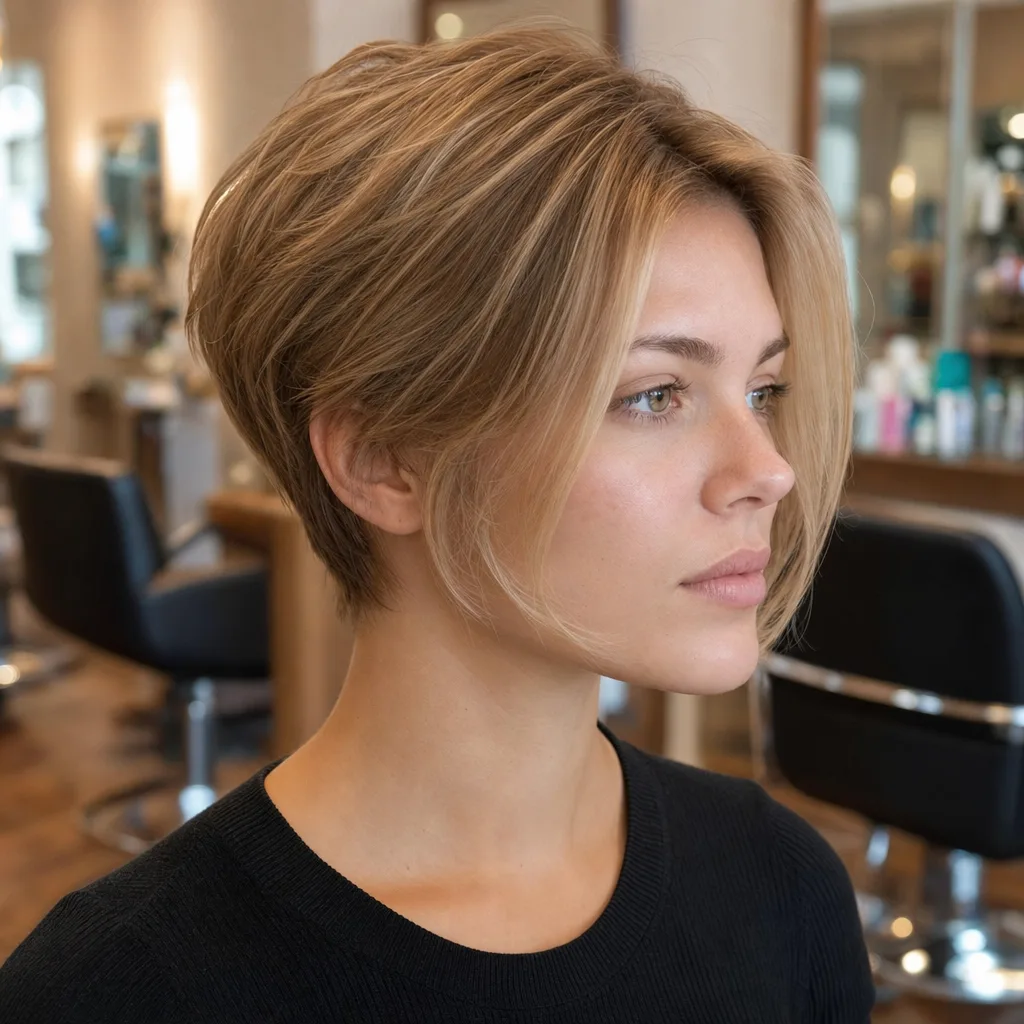
Every look below is the same cut with one thing changed: how much length is left at the front and what shape it is cut into. Nape, sides and finish are held constant, so what you are comparing is the front and nothing else.
Gallery10 photos · tap to enlarge
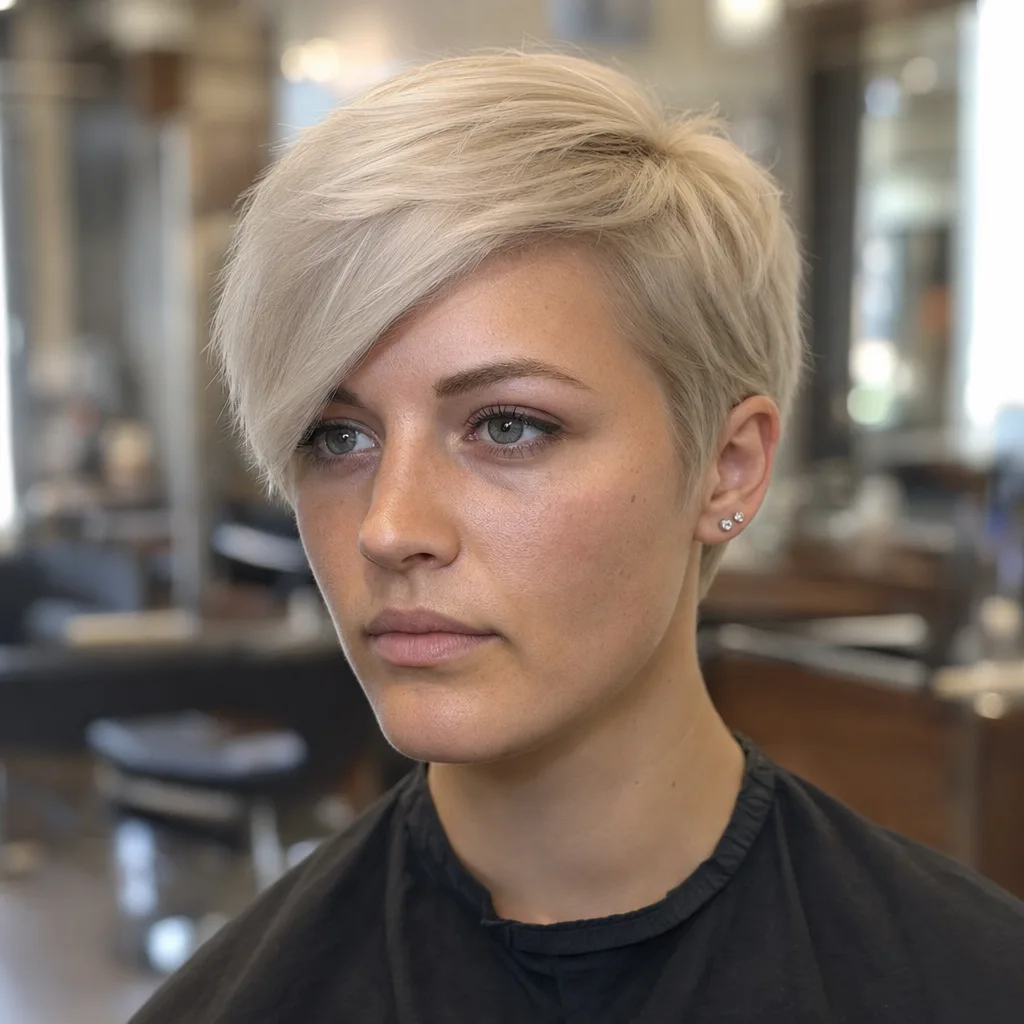 Try this on me
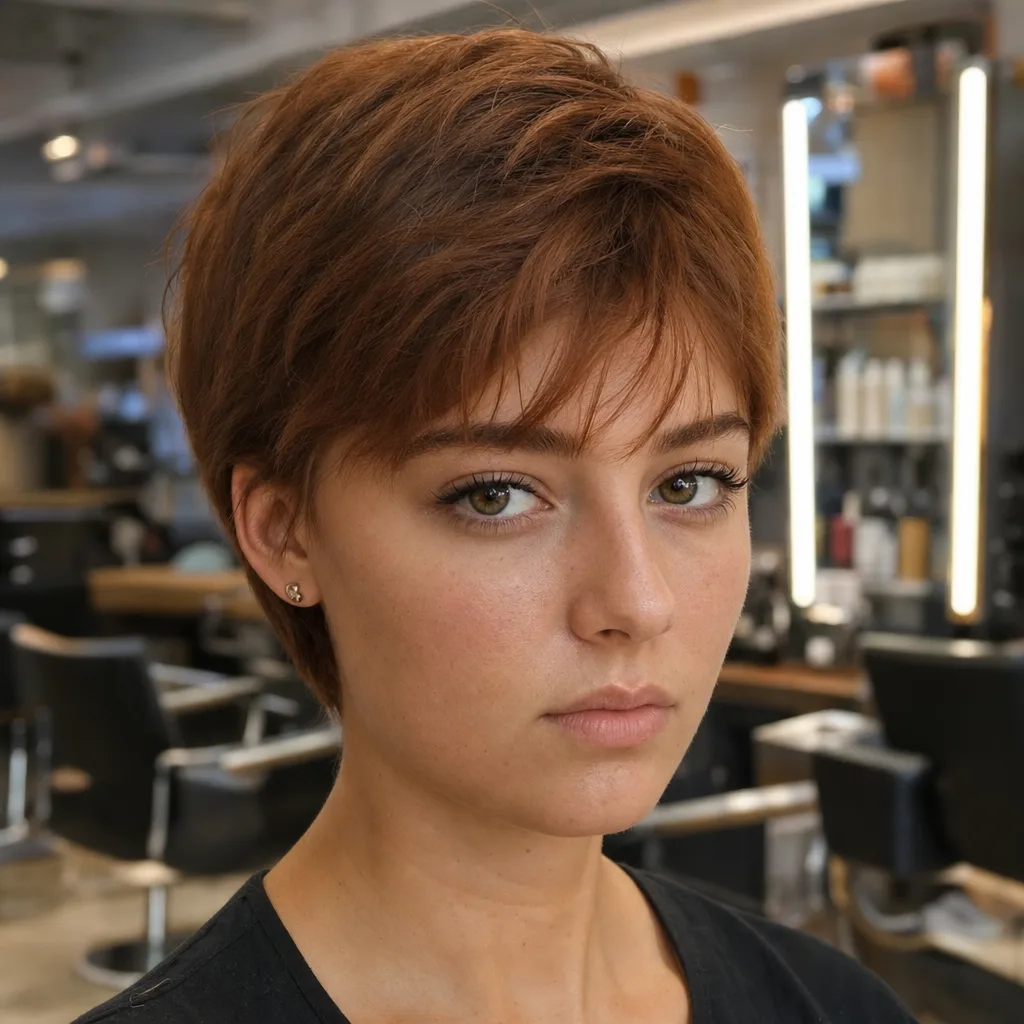 Try this on me
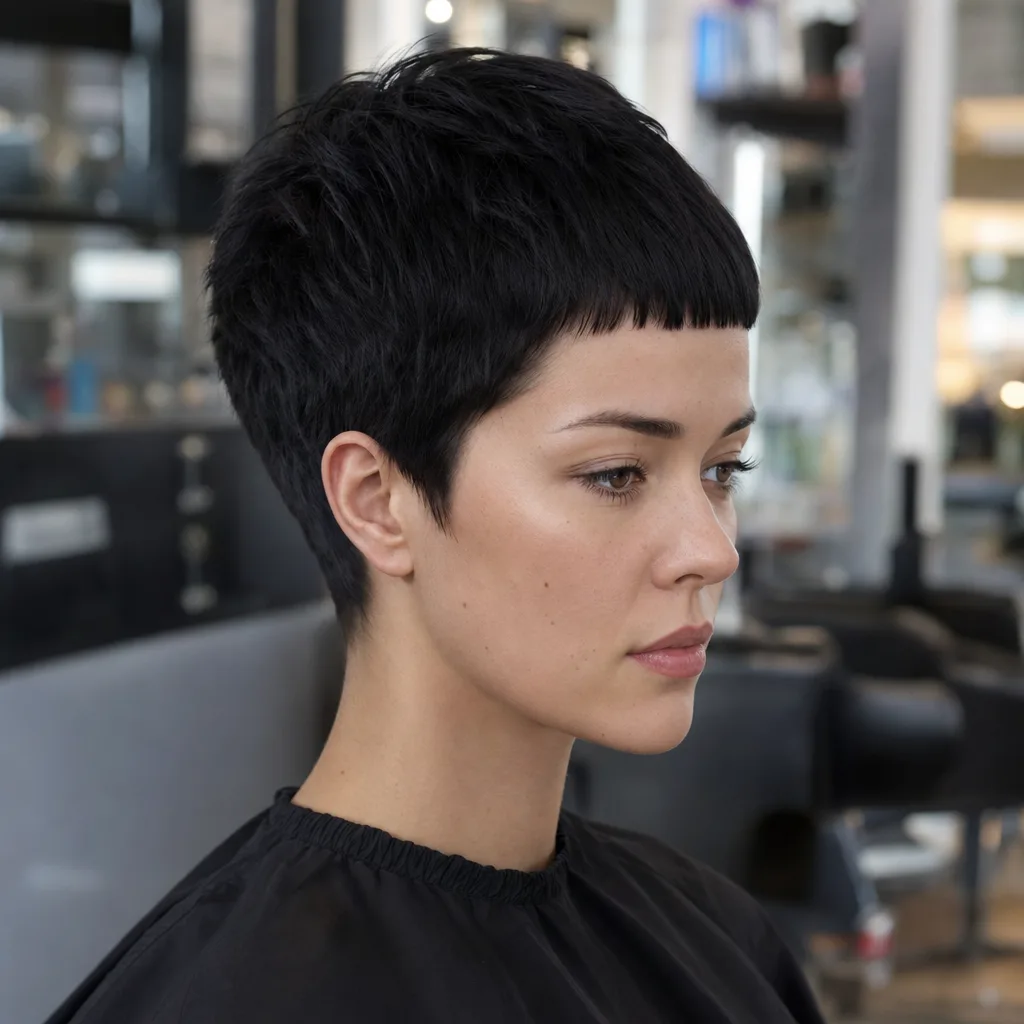 Try this on me
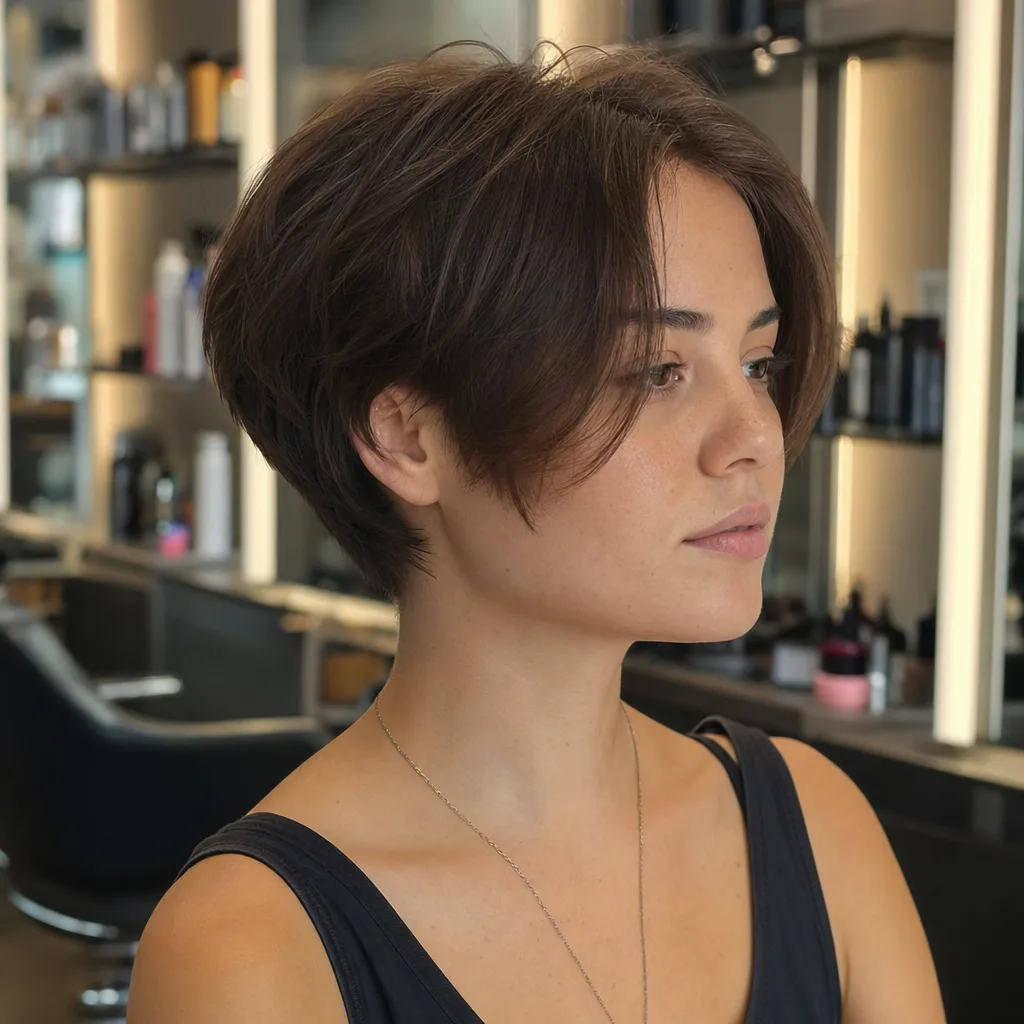 Try this on me
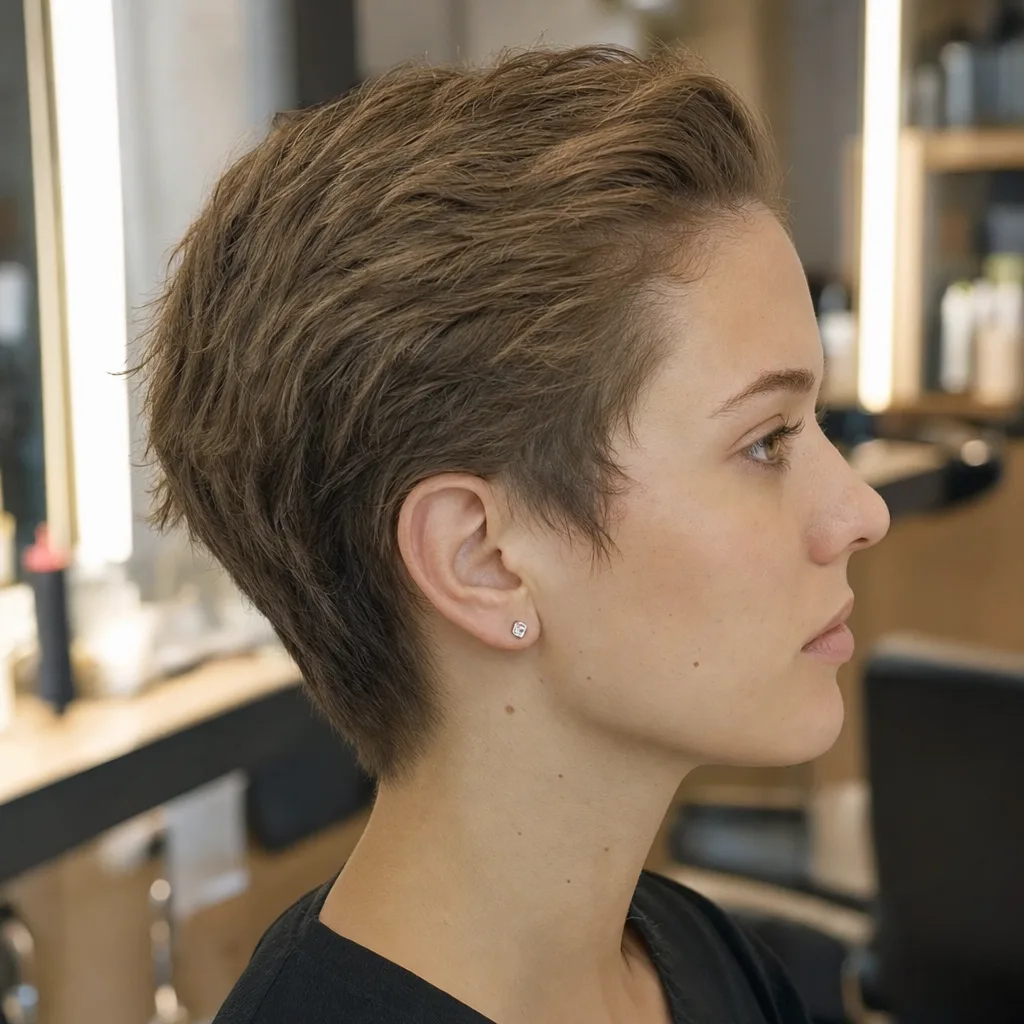 Try this on me
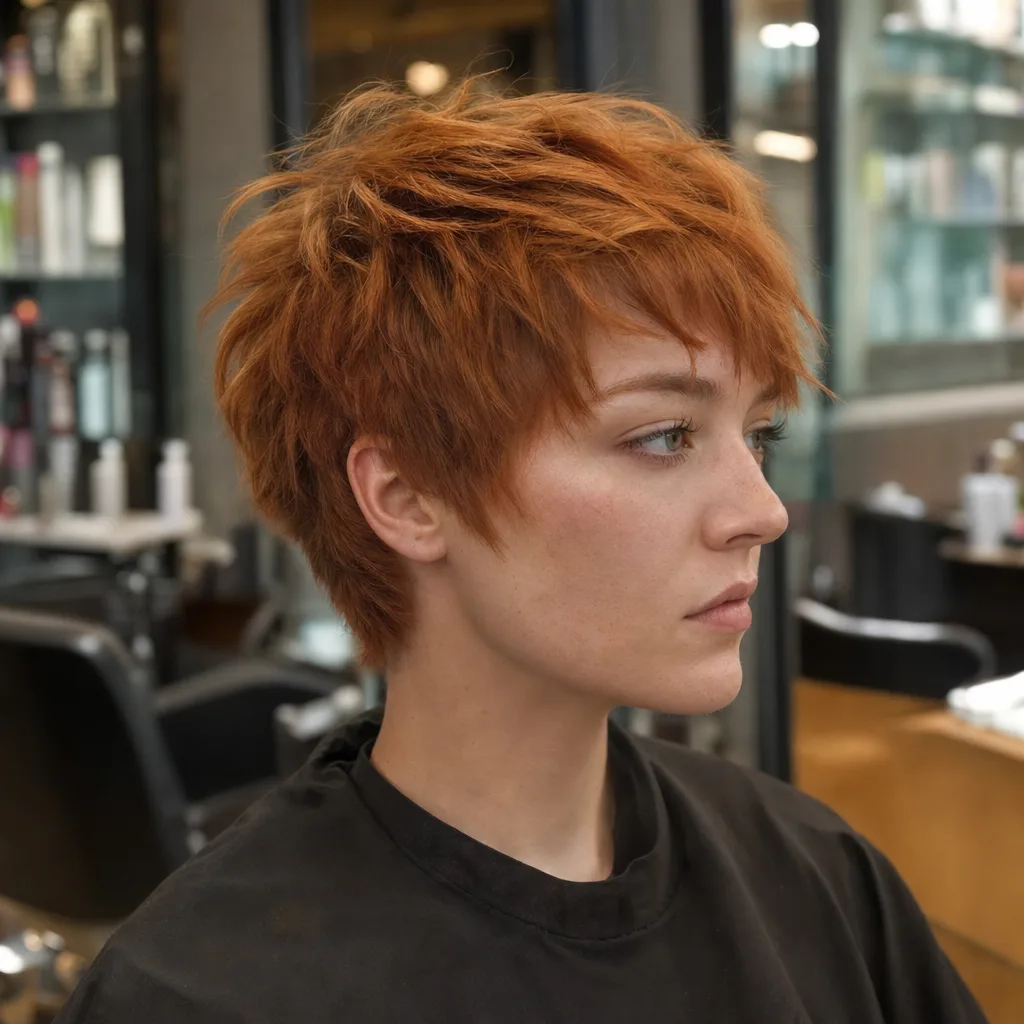 Try this on me
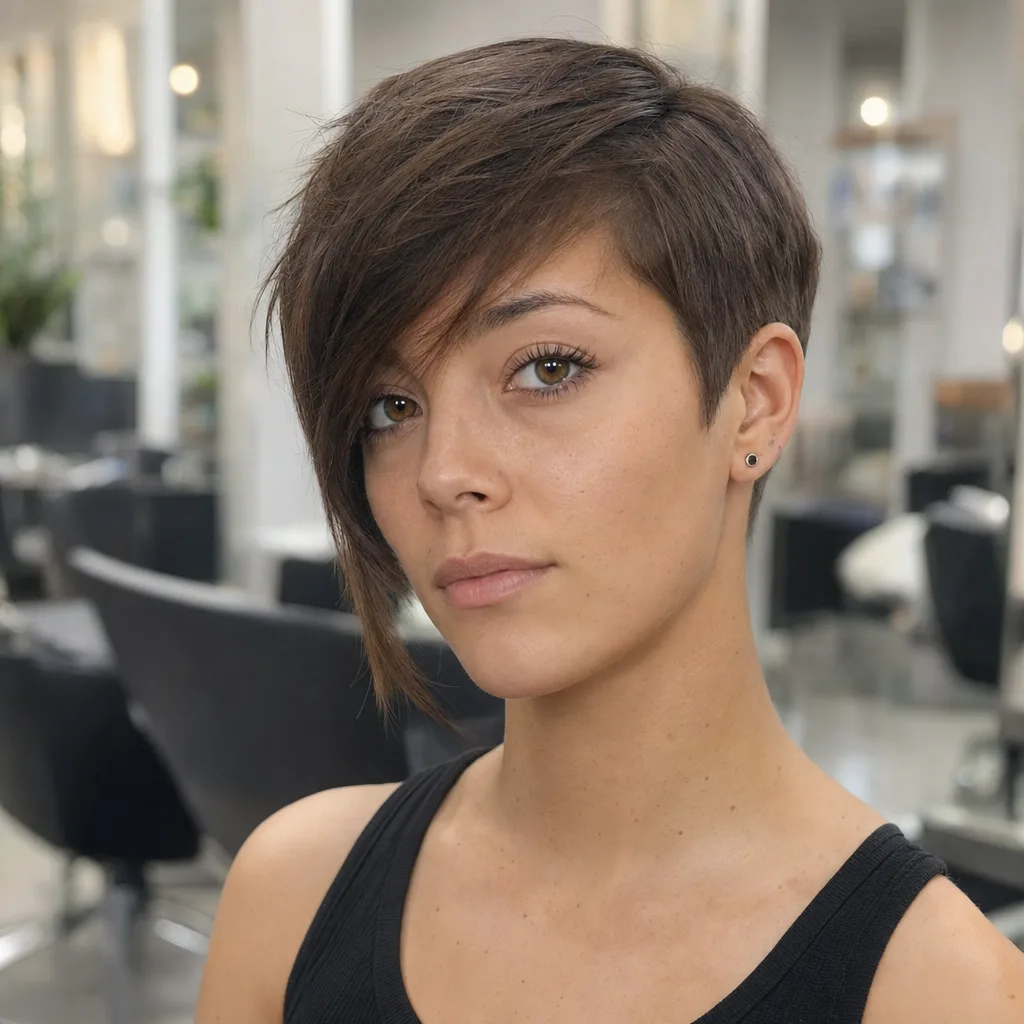 Try this on me
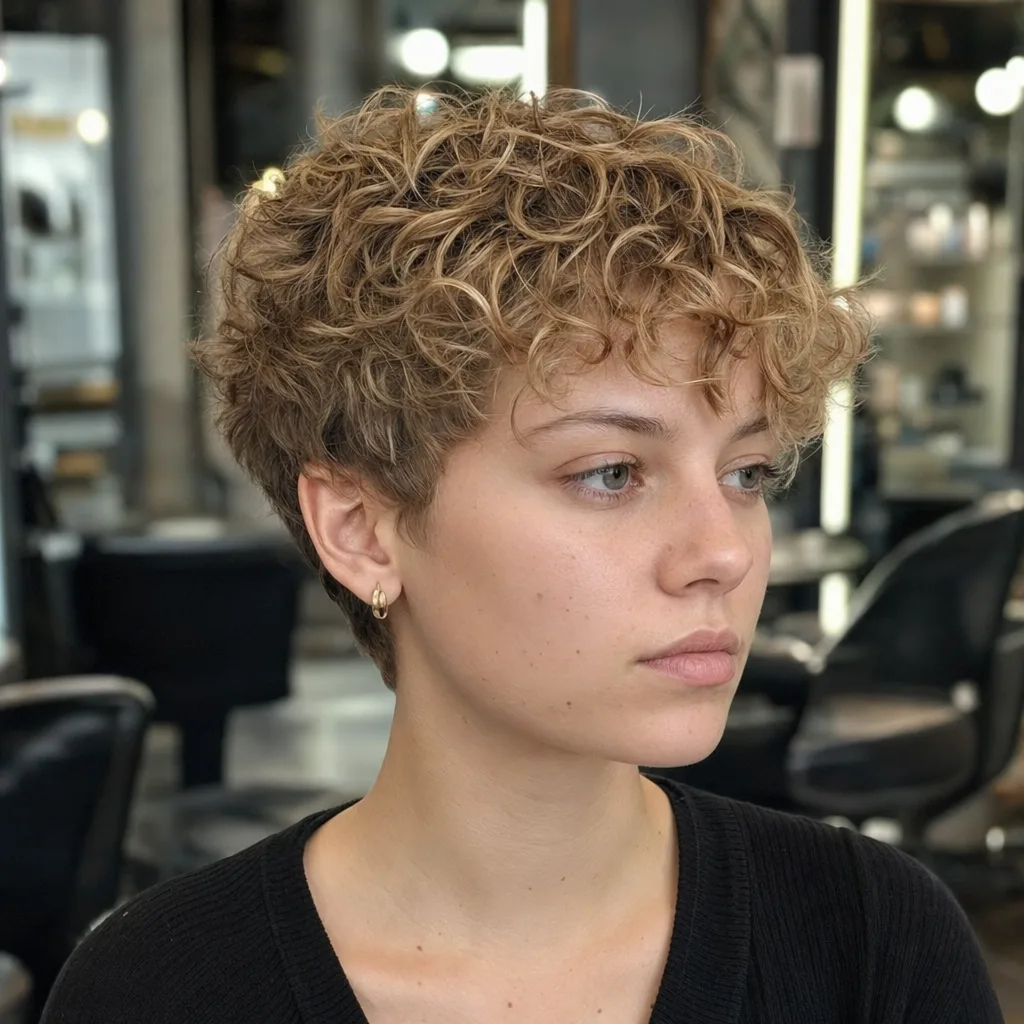 Try this on me
 Try this on me
 Try this on me
 Yours could be here.
Start with one selfie.
One photo, twenty seconds, and you'll know. Free account, no card for your first render.
Which Long Pixie Suits Your Face Shape
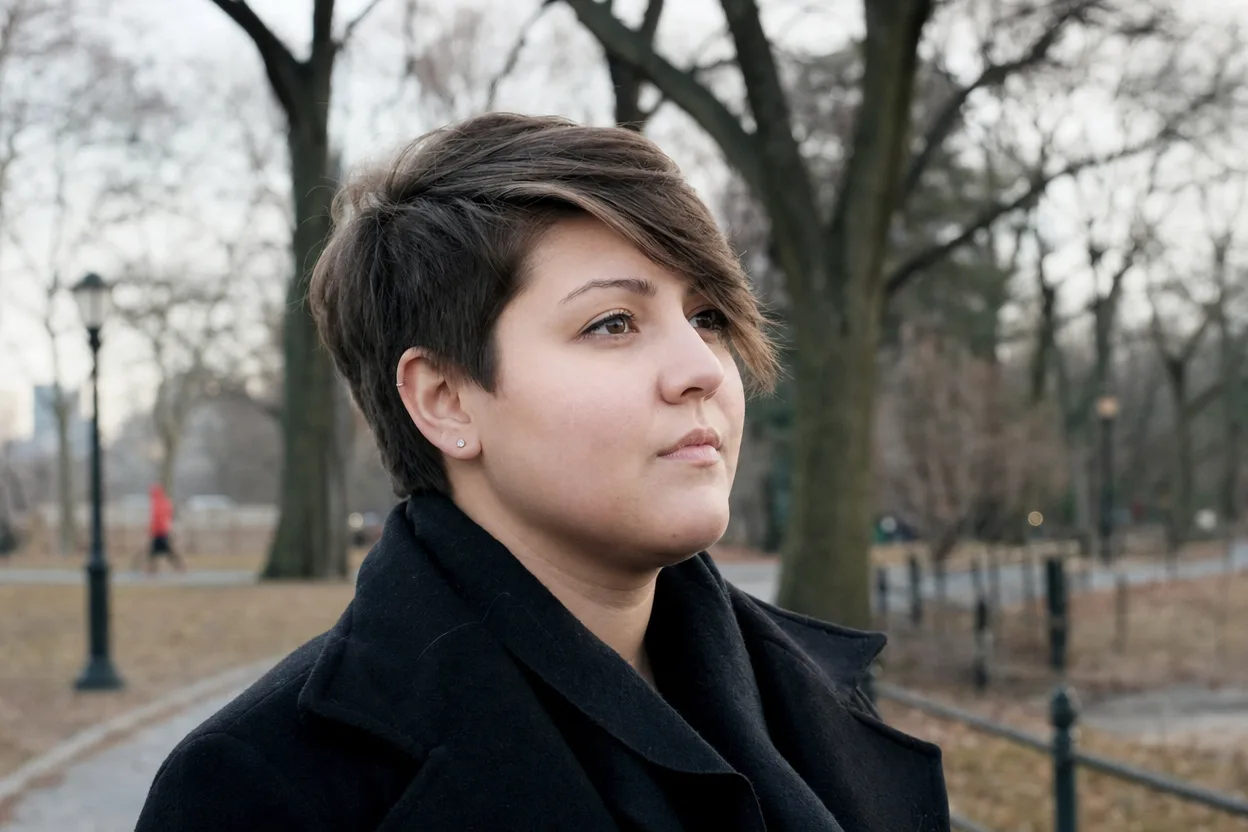
Face shape does not decide whether you can wear a pixie. It decides where the height and the length should sit. The rule underneath the table: add height at the crown if your face is round or square, and add width at the sides if your face is long or heart shaped.
| Face shape | Best long pixie | Avoid | Why |
|---|---|---|---|
| Round | Long side-swept front, deep side part | Blunt fringe straight across the brow | Height at the crown and a diagonal line stretch the face vertically |
| Oval | Any version in the gallery | Nothing in particular | The only shape with no correction to make |
| Square | Soft brow-skimming fringe, textured crown | Hard geometric micro fringe | Softness at the hairline takes the corners off a strong jaw |
| Heart | Length at the jaw, wispy fringe | Volume piled at the crown | Weight low and wide balances a broader forehead |
| Long | Blunt or brow-skimming fringe, flat crown | Height on top, brushed-back front | A horizontal line across the brow shortens the visible face |
| Diamond | Swept forward onto the cheekbones | Tight cropped sides | Front length covers the widest part of the face |
If you are guessing at which one you have, measure it instead.
Measure it instead of guessing
Both numbers in the same unit — the answer is a ratio, so it does not matter which.
Under 1.15 reads round, 1.15 to 1.5 reads oval, over 1.5 reads long. Oval and long split on the jaw rather than the ratio: an oval tapers toward the chin, a long face runs straight down.
Your Hair Type Decides More Than Your Face Does
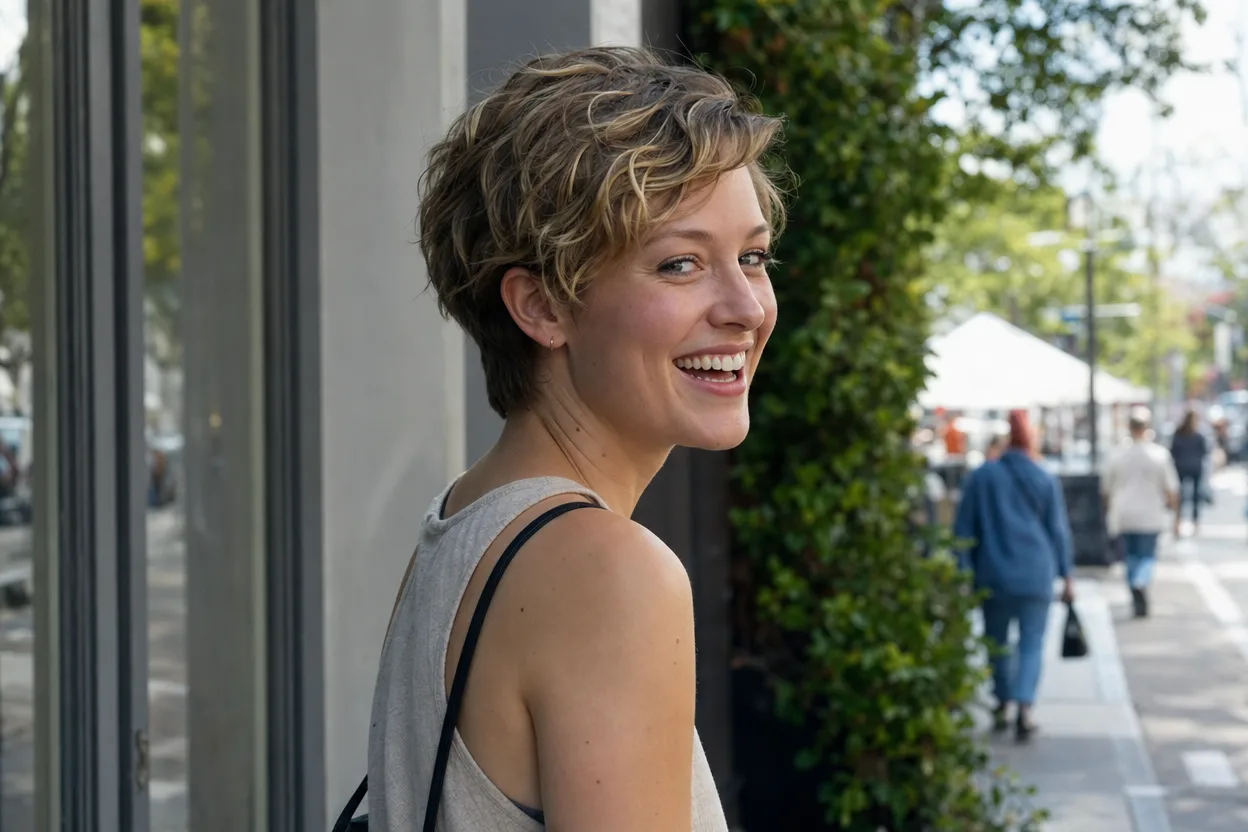
Face shape gets all the attention and texture does most of the work. Here is what changes.
Fine and straight
Fine hair is the best case for this cut, which surprises people who have spent years told to keep length for the look of thickness. Length on fine hair drags the roots flat. At four inches it stands up on its own. Ask for the crown left long and the sides taken close, because the contrast is what reads as density. If you need more lift, the same rules in our guide to building volume into flat hair apply at any length.
Thick and coarse
Thick hair does not fight a pixie, it fights the wrong pixie. Cut evenly short, it puffs out at the sides into a triangle by the afternoon. Ask for weight removed from the internal layers underneath rather than the surface, and keep the crown longer than feels right. Thick hair also needs more frequent trims here, closer to five weeks than eight, because bulk comes back before length does.
Wavy
Waves are free texture at this length and there is almost nothing to do in the morning. The one rule: get it cut dry, or at least checked dry. A wave springs up around half an inch as it dries, and a wet cut on wavy hair lands shorter than either of you planned.
Curly and coily
Curl beats cut here. A curly pixie is shaped rather than cut to a line, the crown is left much longer to allow for shrinkage, and the nape is the only part cut close. Defined 3c curls carry this shape beautifully with no heat at all. Tighter coils are picked out and sculpted, which is a different appointment and a different stylist than a scissor pixie.

How to Style a Long Pixie in Five Minutes
The real appeal is not that a pixie is low maintenance. It is that the maintenance is daily and short rather than weekly and long. Five minutes every morning, and no round brush ever.
How to style a long pixie
- Wet the top, not the whole head
Run the front and the crown under the tap or spray them damp. The sides hold their shape overnight and touching them only creates flyaways. Skip this and yesterday's cowlick wins.
- Work product into the roots at the crown
A pea of matte paste or clay, rubbed between your palms until it disappears, pushed into the roots on top. Never on the ends, never on the sides. Product at the ends is what makes a pixie look greasy by lunch.
- Dry it in the wrong direction first
Point the dryer at the crown and push the hair forward and across with your fingers, against the way you want it to sit. Ten seconds. This is what creates lift at the root instead of a flat cap.
- Push it into place with your hands
Now sweep the front where you want it for the day: forward, to one side, or straight back. Use your palm for the shape and your fingertips to separate the ends. A comb sets a line, and a line is the opposite of what this cut is for.
- Leave the sides alone
Do not smooth them, do not spray them. The sides are short enough to stay where the cut put them, and every touch adds static.
What Goes Wrong When You Cut Long Hair Off
Four failures account for almost all of the regret, and three of them are booking mistakes rather than cutting mistakes.
Bringing a photo of a face instead of a haircut. The picture you saved is usually working on hair one texture and two densities away from yours. Bring three photos, tell your stylist what you like about each, and let them tell you which part is achievable on your hair.
Going to whoever is available. A pixie is a scissor-over-comb and point-cutting job with no length to hide a mistake. Ask specifically for someone who cuts short hair on women every week. A stylist who mostly does long layers will give you a technically fine cut that sits like a helmet.
Cutting it all off in one appointment because you are afraid you will lose your nerve. This is the one that produces the haircut you regret in the car park. Two appointments three weeks apart cost the same and give you a safety rail.
Asking for texture and getting thinning shears. Thinning shears through the body of a short cut leave stubble that props the longer hair apart, and on a pixie that is visible immediately. Point-cutting into the ends does the same job without the damage.
Growing a Long Pixie Back Out
The grow-out is the question behind the question, so here is the honest version. Hair grows around half an inch a month, so a long pixie is roughly six months from a chin-length bob and a year or more from shoulders.
The awkward stage is real but it is short, and it is entirely in the sides. The front and crown grow into a usable shape almost immediately. The hair over your ears is what sticks out, and the fix is a fifteen minute trim at week eight where your stylist takes the sides down to meet the growing top rather than cutting the top to match. Two of those and you are at a layered bob without anything in between looking like an accident. From there, shoulder length is another four or five months of doing nothing.
Plenty of people stop at the shaggy short cuts on the way past and never go back. This is also the moment a lot of women use to stop coloring and let the grey come in, because you are cutting off most of the dyed hair anyway.
Can You See It On Yourself First, and Is That Free?
Yes, and the first look costs nothing. Hairstyle Atlas gives you one free try-on with no card: upload a selfie, pick a cut, and see it on your own face, your own hairline and your own hair color. Paid plans start at $9 a month if you want more looks, color on top of a cut, and downloads without a watermark.
The detail that matters for this decision: length, bangs and part changes do not cost extra credits. So you can look at the same long pixie with the front at the eyebrow, at the cheekbone and brushed back, and compare the three, for the price of one render. That is the exact comparison the gallery above cannot make for you, because those are not your features.
It is also the cheapest way to answer the two questions nobody can answer from a photo of someone else: what a short nape looks like on your neck, and whether your face wants the height on top. If you are still weighing this against staying long, a shoulder-length cut is the middle ground, and cropped boyish cuts covers what is past a pixie.
The Short Version
Ask for a long pixie: an inch at the nape and behind the ears, scissor blended, three to four inches on top and at the front. Check your nape growth pattern and your crown density before you book, not your face shape. Book a stylist who cuts short hair on women weekly. Go in two appointments rather than one, and put the extra inch on the table at the second one.
Then spend five minutes a morning on the crown and none on the sides. If it turns out not to be for you, the front is a fringe in two months and a bob in six. That is a much smaller bet than it looks like from behind a curtain of long hair.
Frequently asked questions
Almost nobody is ruled out by their face, but two things genuinely make it harder. A strong whorl or upward growth pattern at the nape will be on show every day, so if you know you have one, tell your stylist and expect the nape left slightly longer. Very low density at the crown is the other one: a short crown on thin hair reads thinner rather than fuller, so keep four inches on top rather than two. Neither is a no. Both are a briefing.
Yes, and going straight from long to a pixie in one appointment is completely normal. The length is removed in sections first, then the shape is cut into what is left, so you are not sitting there while someone snips inch by inch. Ask for a long pixie rather than a cropped one, because it gives you room to go shorter at the next appointment instead of waiting a year to go longer.
A stylist sections the hair, removes the bulk of the length with scissors, then establishes the perimeter at the nape and works up, blending with scissor-over-comb rather than clippers. The top and front are cut last and point-cut into the ends for texture. The whole thing takes about an hour, and a good one will check the shape with you dry before finishing.
The bixie, which is the halfway point between a bob and a pixie: short and layered at the nape, with the front and sides reaching the jaw. It is the last tile in the gallery above. Past that you are into a French bob or a short layered bob. Going the other way, a shorter pixie with the crown cropped close is usually called a cropped or classic pixie.
Softer versions read younger and harder ones do not, which has more to do with the edges than the length. A textured crown with a soft swept front draws attention up to the eyes and cheekbones. A severe cropped cut with a hard blunt line across the brow creates strong horizontal edges and reads older on most faces. The long pixie sits on the softer side of that split, which is part of why it is the safer first version.
Yes, if the height goes on top and the front goes on a diagonal. What makes a round face look rounder is width at the cheekbones and a flat crown, so a cropped pixie with the top cut short is the wrong version. A long pixie with volume at the crown, a deep side part and a long swept front does the opposite, and it is one of the better short cuts for a round face for exactly that reason.
A shaggy pixie is a long pixie with heavier, more disconnected layers cut through the top and a rough uneven fringe, so it moves in visible pieces rather than sitting as one shape. It is the sixth tile in the gallery. It needs a bit of natural texture or a wave to look intentional, because on poker straight hair the disconnection can read as a mistake instead of a style.
The shixie is the shag and the pixie crossed: pixie length at the nape and sides with shag layering and a curtain or piecey fringe on top. In practice it is the same cut as a shaggy pixie under a newer name. If you show a stylist a shixie photo and ask for a shaggy long pixie, you will get the same haircut.
Yes, and the version in demand is the longer one. The cropped, sharply tapered pixie of the 2010s has given way to softer scissor-cut shapes with more length on top, which is what most of the current saves on Pinterest actually are. The cut is not going anywhere. The hard line is.
Preview it on your own photo: Virtual Hair Color Try-On.
Share article
About the author
More articles
Women's Haircuts · 14 min
Bleached Hair: How Light Yours Can Go, 14 Shades, Aftercare
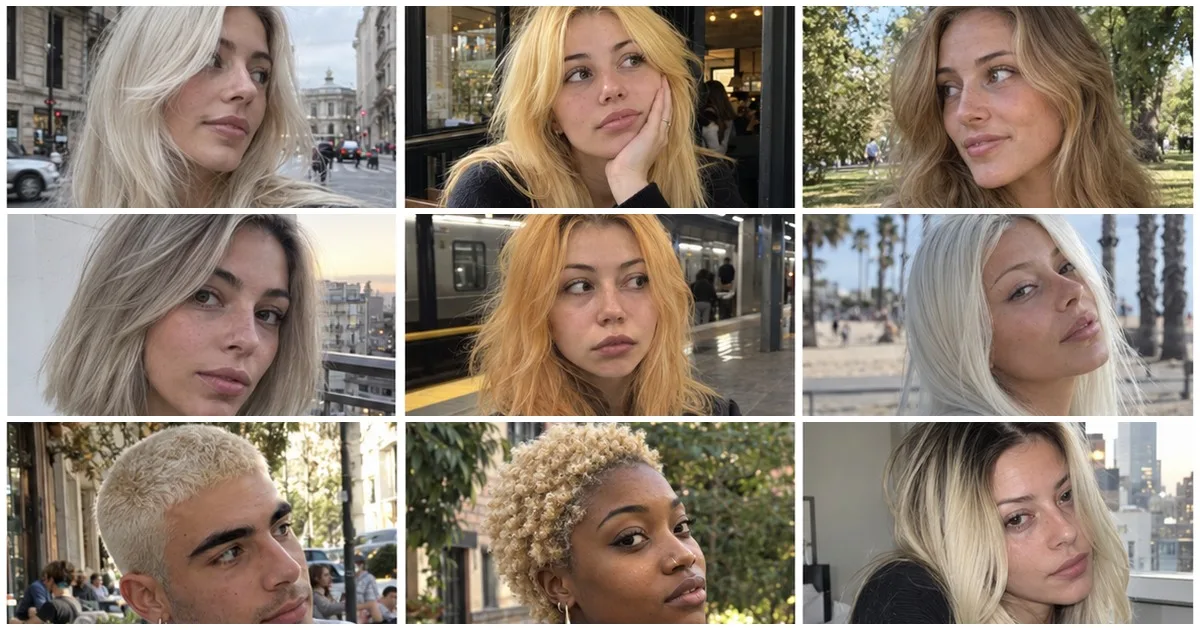
How light your bleached hair can go depends on where it starts. See 14 bleached shades on one cut, what each starting color can reach in one session, how toner finishes the job, and the aftercare that keeps it soft.
Women's Haircuts · 16 min
Waves Hair: How to Get Beach, Loose and Hollywood Waves That Last
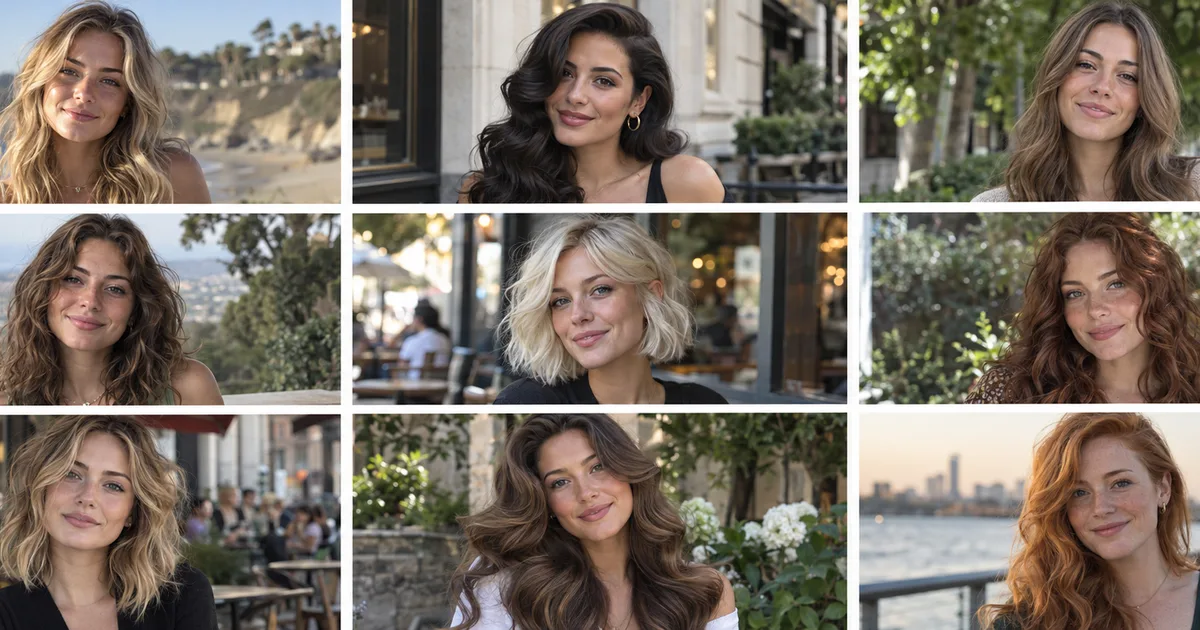
Waves hair is about what you leave straight. How to get beach, loose, Hollywood and heatless waves, which wave suits your hair type, and why your waves keep falling out.
Women's Haircuts · 15 min
Fino Hair Mask: Who It Suits, How to Use It, and Its Limit
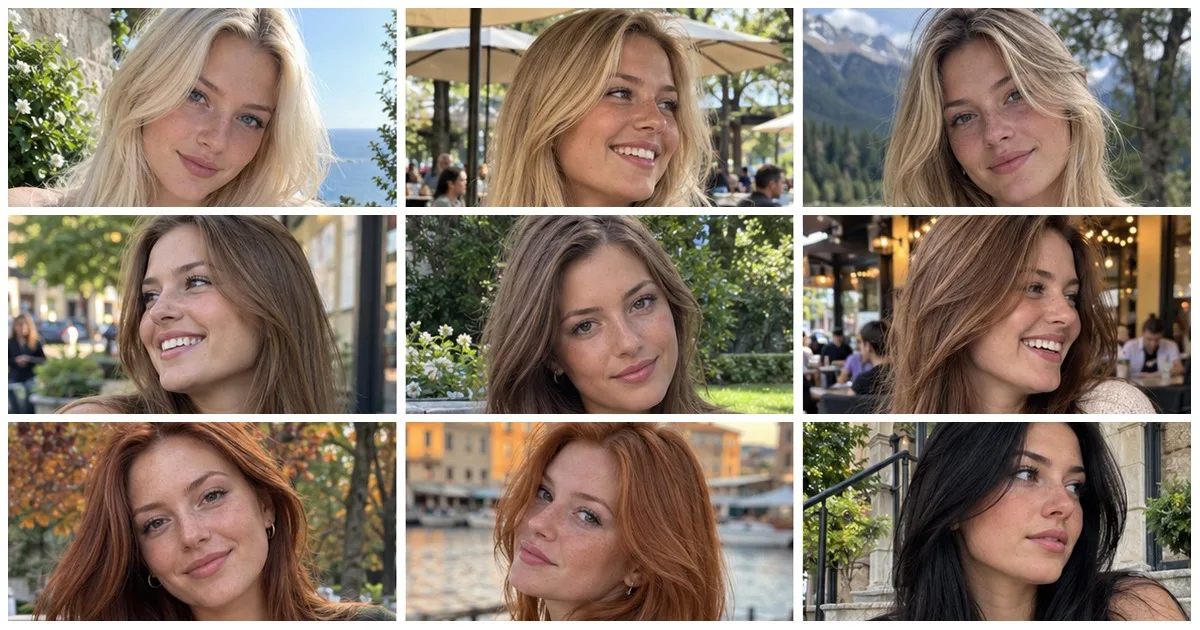
The Fino hair mask makes dry, bleached and frizzy hair smooth and shiny in one use, mostly by coating it. Here is what is in the jar, which hair types it suits, exactly how to use it, and what to do when the ends are past a mask.